
bout de papier, Vol. 17, No. 1 (2000) — Spring 2000 // Printemps 2000, pp. 32–35
A couple of weeks ago I had a bad case of déjà vu. While attending a conference sponsored by the International Organization for Migration (IOM) to identify means to promote Balkan Stability, I was about to drift into a state of terminal boredom. The delegate from the Former Yugoslav Republic of Macedonia started a tortuous explanation of the special procedures that his Interior Ministry had enacted to ensure that every citizen of the Former Yugoslavia received protection. Then it happened. I had a mental flash back to the CNN images of kilometres-long lineups, of grieving spouses, exhausted old men, aged babushkas and wide-eyed children inside the Kosovo-Macedonia frontier, desperately seeking safety from the Serbs. It all seemed light years away from the glitzy conference centre in Rome where delegates sat sanguinely talking about Balkan stability. A number of us, however, remember the Kosovo Crisis of 1999 first hand.
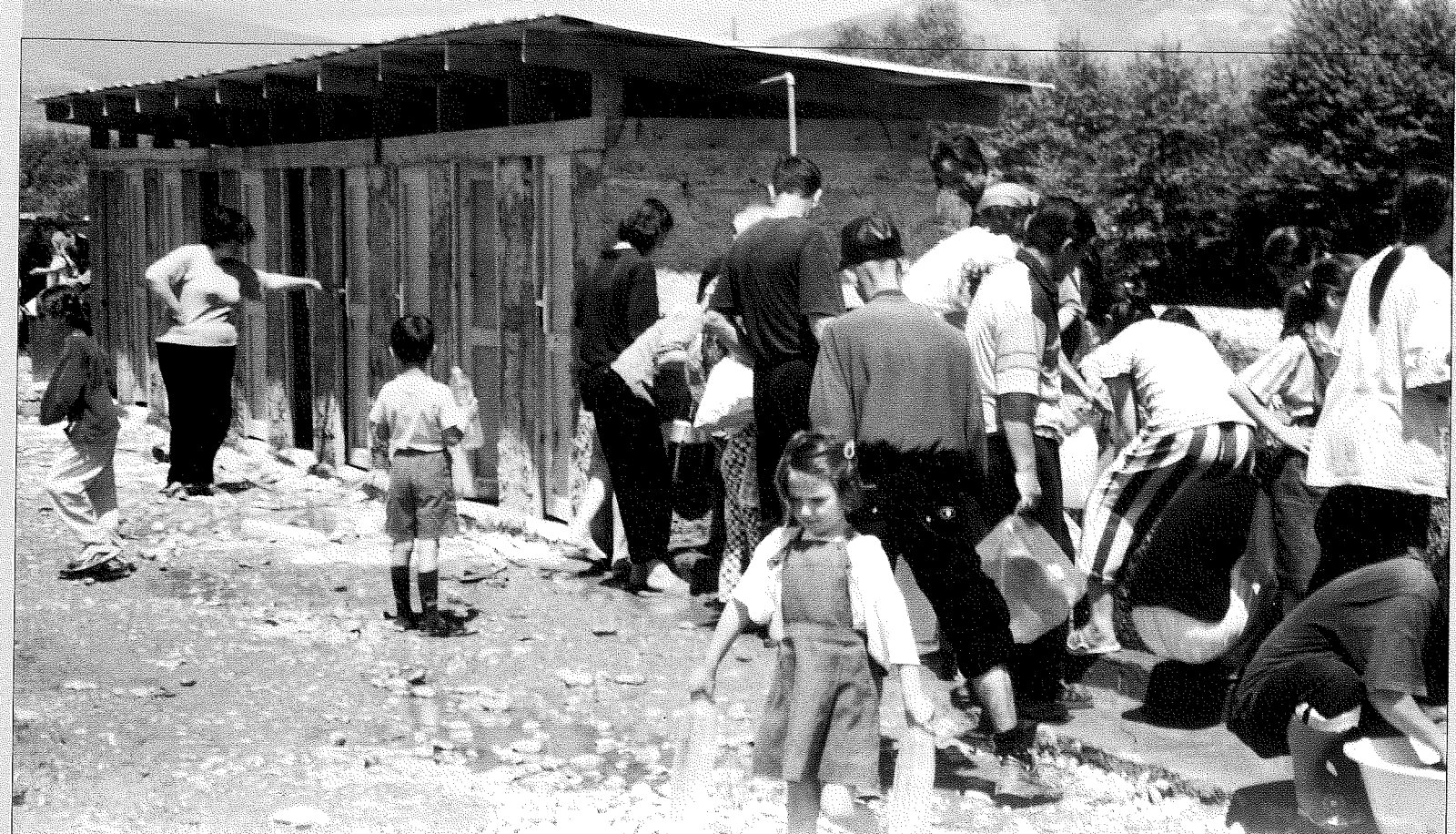
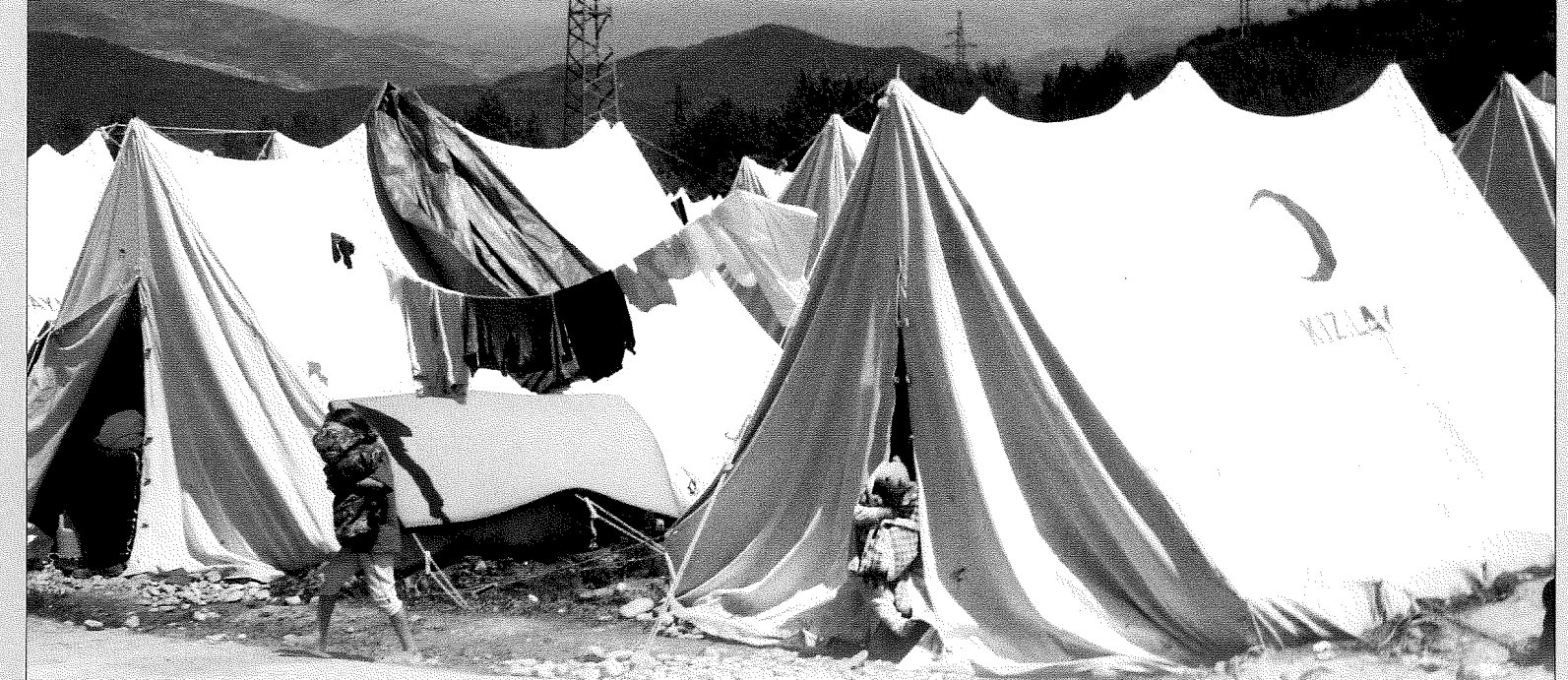
We had watched the coverage of the first groups of Kosovars arriving in Macedonia, and it had seemed like a replay of the Serbs’ October ’98 campaign against the Kosovo Liberation Army (the UCK — pronounced oo-chi-ka). Some Kosovar men took up arms to fight with the UCK, and their families found a temporary haven across the border. But as the numbers swelled, the TV coverage of canvas tents, desperate people at wire fences and mud — mud everywhere — brought the tragedy home to every Canadian living room. Most of us had no idea how much our lives would become linked with the Kosovars over the next few months.
The dramatic scenes of the arrival of the 5,000 plus airlifted out of Macedonia captured media headlines and focussed public attention on the work of the team in Skopje. Rightly so. But there was another team plugging away in Tirana.
I had just returned three weeks earlier from a routine area visit to Tirana, the sixth in two years after Rome took over responsibility for the processing of Albanian cases. Belgrade was preoccupied with refugee cases from Milosevic’s previous escalation in Bosnia and the anti-Kosovo-Albanian feeling rife in Belgrade deterred all but the most foolhardy Albanians from travelling there for service. Tirana had seemed quiet … a few more people walking aimlessly down the dusty main drag or sitting in front of the Opera House on Skenderbeg Square or offering wads of greasy blue banknotes in front of the Central Bank building … a few more dented Mercedes and BMWs with Albanian license plates but still bearing “D” or “T” nationality stickers. Business as usual in Tirana.
Over the unusually tense Easter long weekend, I volunteered to accompany Raph Girard, Canada’s Special Envoy to the Balkans, on his visit to Tirana. It was never clear it I was to accompany Raph as a “political” officer or to follow my calling and start processing refugees. In the early heady days of the crisis, precision was one of the first victims. Between our previous trip in March, and April 12, 1999, a dramatic change had occurred in Tirana: Christiane Amanpour of CNN and the rest of the cast of international reporters had arrived. With expense accounts not subject to bureaucratic fiscal restraint they had acquired every spare room in the two or three international category hotels in the city. As well, in the first days, Tirana was invaded not just by the Kosovar refugees but by the undisbanded rump of the Kosovo Verification Mission (KVM) of the Organization for Security and Co-operation in Europe, by the alphabet soup of international crisis groupies, and by other advance parties of diplomatic missions like myself. We all scrambled and bickered, with less presence than the Kosovars in the camps, for the few amenities available. There’s nothing like a good crisis to bring out the best — or worst — in people.
On April 1, the Albanian Mobile Telephone launched the sine qua non of this Ruritanian farce. Albania was cut off from the civilized world when they shut down the Italian-based cell phone system and replaced it with their own, non-compatible with any other system. To top it all off, there were not enough chips to go around. Prices officially escalated to over USD 1,000 and you had to know someone who knew someone, who knew someone, etc. We arrived on the inaugural World Food Program (WFP) flight to an airport now controlled by NATO to learn to our horror that our Telecom Italia chips were useless.
The Special Envoy’s team was luckier than most. Contacts in the Albanian government lined up the official Albanian state guest house, Villa 31, as our home away from home. During the 50 long dark years of the workers’ state, this building was home to the Great Leader, Enver Hoxha. Raph slept in Hoxha’s bed, although he never complained about being haunted. After meetings with the Prime Minister and Ministers of Finance and Foreign Affairs, and the departure of the Special Envoy on April 15 in what was supposed to be my WFP seat back to Rome, Tirana was a decidedly less cheery place. The management of the guest house wanted to kick me out to make room for other dignitaries coming to meet politicians and assess Albania’s needs. Even the parting gift of a 20 Ib. satellite phone, definitely a remnant of early 1980’s technology, did not make me feel less isolated But all that rapidly changed for the better on April 20. At 11:30, Dennis Cole, the first of what later seemed a never-ending stream of undaunted Canadian adventurers, walked through the main doors of the Rinas airport. He announced that he recognized me from a photo he found while rifling through my desk drawers in Rome. But it was not a time to be bothered by such petty annoyances; I had a colleague, a fellow Canadian, here to “do the needful.” Until then, my routine in Tirana had consisted of making a series of incomplete telephone calls to NHQ (the spring rains cut off the land-based phone lines for hours and pre-arranged calls just never could take place), racing to the offices of United Nations High Commission for Refugees (UNHCR) to interview a family, in the hope that they were the family named by relatives in Canada rather than just persons who claimed they had relatives in. Canada, and attending the daily Emergency Meeting Group (EMG) in the building that housed the Prime Minister’s office, only to learn that the guard with a rifle barrel pointed in my direction was illiterate as well as malodorous.
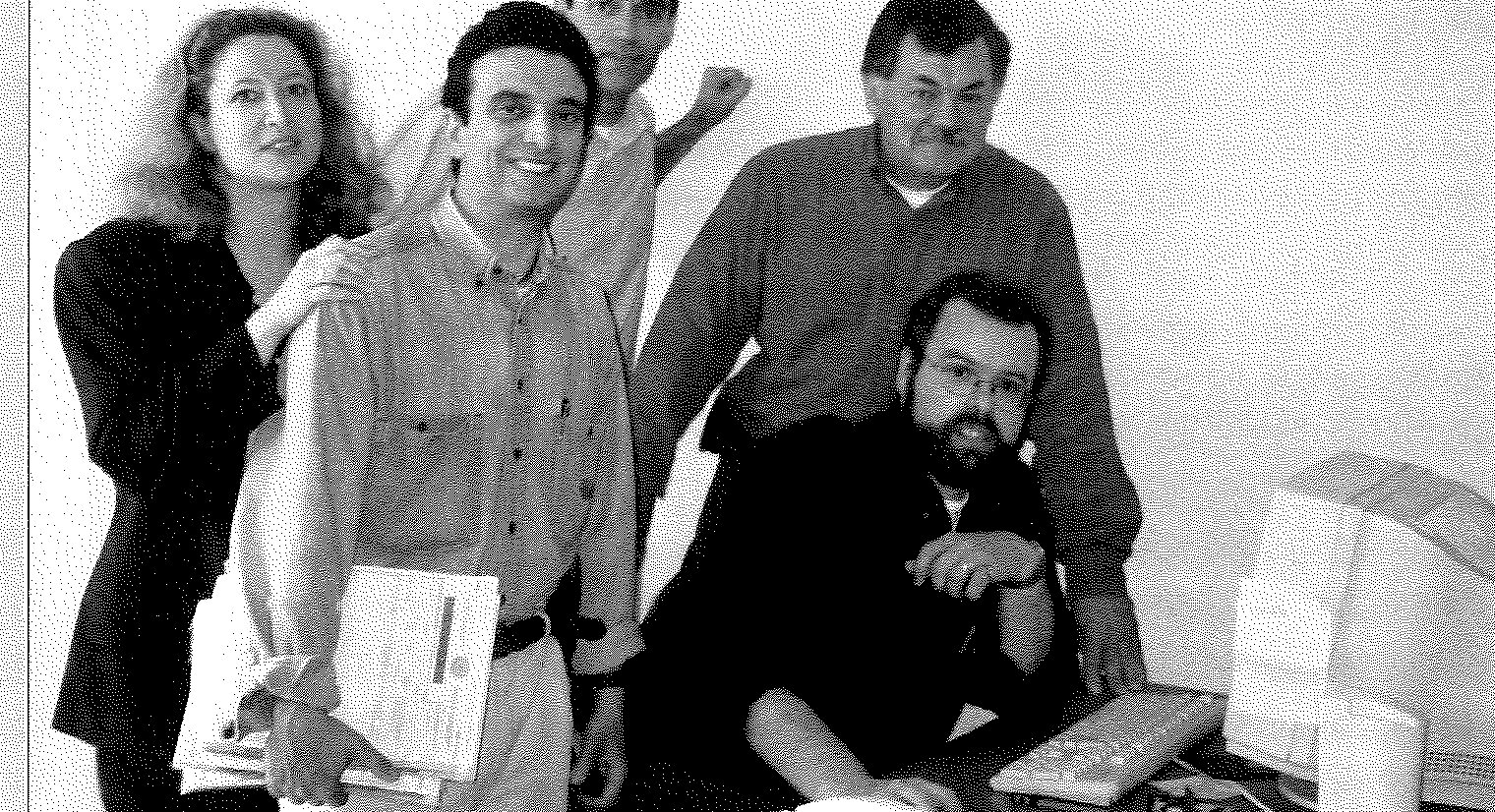
On April 22 the third of our crew, Stephan Larue, arrived from the Deputy Minister’s office with the Mission Administration Officer from Rome. With them came our first care package: a 486 surplus desktop, three cell phones (chips having been miraculously acquired by our Balkan fixer), a fax machine that did not work because Rome had not sent the paper trays (but we could look at it and marvel) and a cash box with the two keys mysteriously locked inside (?). We had by then the kernel of the future Canadian Embassy Office (CEO) in Tirana. No sooner had the Rome MAO returned to cappuccini al fresco, than the first (but in no way the last) of a series of temporary duty Mission Administrative Officers (MAOs) arrived. Françine Beland was an experienced Balkan hand, having been evacuated from Belgrade. She quickly took charge of a series of administration functions — hiring local staff, negotiating leases, buying furniture and supplies, and changing money. That left me free to manage the Kosovo Family Reunification and Special Needs Movement (KOF).
Bodies were arriving in Tirana faster that I could locate accommodation. Stephan Larue spent his first night in Tirana in a dwarf-sized Italian sleeping bag on the cement floor of an empty office. Stephan, Francine and Dennis occupied bedrooms behind the kitchen in a quaint local Tiranese trattoria, “La Valetta,” until more appropriate accommodation was available. Rumour has it that the restaurant owner named her pet male pheasant “Stephan” in someone’s honour … but I digress. Michael Boekhoven arrived on April 24 and brought his own unique structure to processing. Michael only submitted his claim for the literally hundreds of hours of overtime when forcibly pressed to do so. He thought the long hours, lack of sleep and exhaustion were all par for the course as an FS.
We routinely worked 12 to 16 hours daily trying to realize the Minister’s commitment to 15 days’ processing time, a challenging goal. Originally there were only three flights out of Tirana a week connecting with a flight to Canada, and Albanian airlines would only guarantee 20 out of 70 seats per flight. The Italians agreed to waive the visa requirement, but only if the Kosovars flew Tirana-Rome-Toronto. There was a regular ferry service but Kosovars needed Italian visas to transit by sea. The Italian Embassy had a fixed limit on visas to be issued daily and visas for our refugees would have to be subtracted from their total. On the other hand, we got great support from the International Committee of the Red Cross, IOM and the United Nations High Commissioner for Refugees, our partners in this initiative, all of whom remarked positively that Canada was the only country taking refugees.
It wasn’t just our Canadians who went the extra mile. We acquired a superb local staff through Dennis’ “good offices” as a former member of KVM. Collectively they were extremely dedicated and professional, and represented a vulnerable component of the displaced Kosovar middle class. One LES had been walking along the road from Kosovo three days before we hired her. Our Kosovar LES put their hearts into their work because they were doing something for their people, because Canada was the only country on the ground looking for UNHCR-defined special needs and family reunification cases, and because working in our office provided some space and some dignity which they did not have when packed 20 persons to a room in Tirana. A Kosovar-American employee could not get close enough to her own Consular Section to help her husband go to the USA, but worked for us because we were helping her countrymen get to Canada.
People can only work so hard for so long without burning out. In Ottawa, Catharine Bailey and Erica Usher scoured NHQ, other missions and offices in Canada for volunteers. Dr. George (Giovinazzo) blew into Tirana, established an ingenious medical solution and then left to take up other challenges; Rénald Grégoire came all the way from Buenos Aires to work in a city he had seen in happier and less crowded times (… do you know in 1993 you never saw a car on the street!); Michel Dupuis came from Nairobi to revisit a country that he and his wife had seen in the early 1990s when it was a unique tourist destination; Marc Chabalier, a replacement DFAIT MAO, acquired more properties, more computers and finally the ability for us to communicate via the Internet; Ellen Yachnin used her skills to process victims of trauma, and gave me the luxury of spending some time at home in Rome; Michel Gagné brought his specialized knowledge of organized crime (… not all Kosovars are innocent victims), and a thoroughly professional, down-to-earth attitude toward refugee selection;
Bill Hawke asked some necessary questions about what we were doing; Wendy Bazett from Beijing showed us that no mission is so preoccupied with their caseload that they cannot help out in a crisis; Gordon Starr from VIA could not stand still unless you sent him out to the camps to find people; and Bob Barfaro from GTEC brought an entirely different dynamic to the process (… with so little information to go on, what are we getting into?). The extremely important roles of Len Knudsen (CIC Cranbrook), Madeleine Kiameh (Greater Toronto Enforcement Centre), Millie Morton (CIC alumna) and Dave Cave (replacement MAO) in closing down our Special Measures operation also deserve mention.
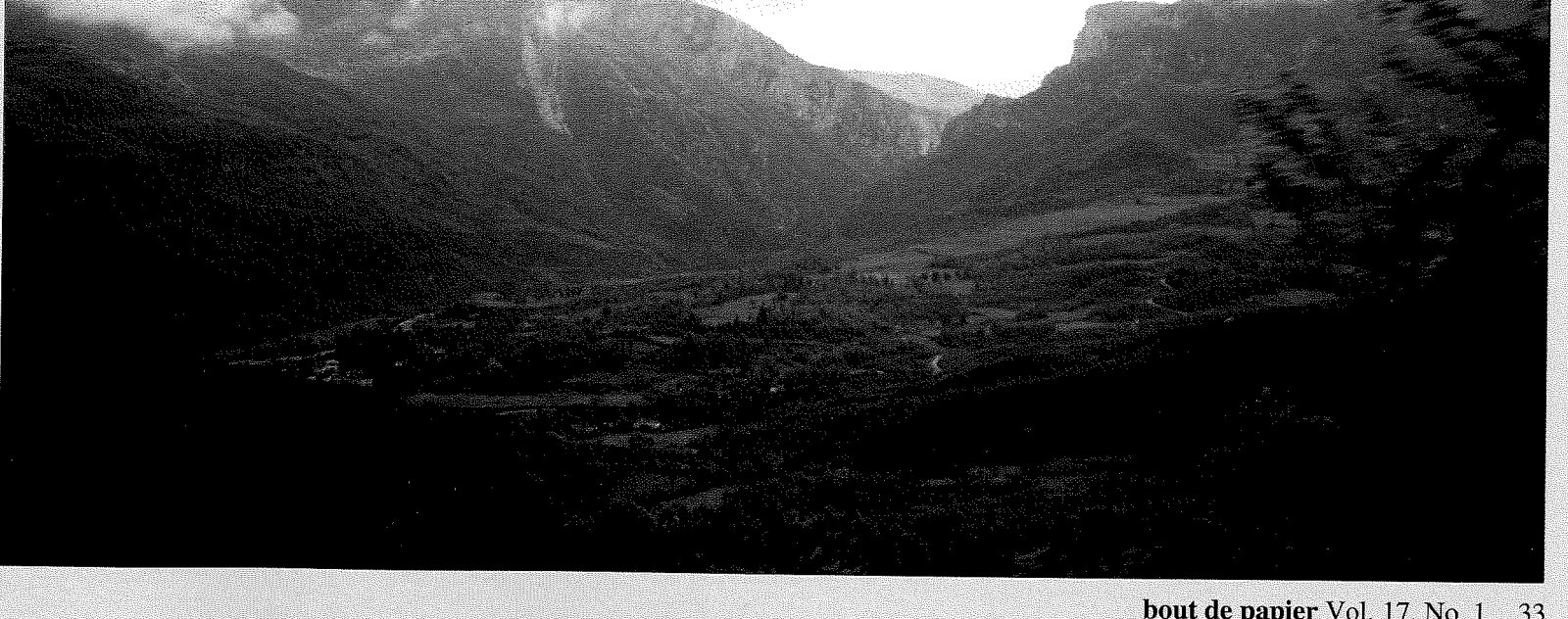
Teams of officers regularly left the relative luxury and safety of Tirana (where foreigners were only periodically robbed and mugged) to search for refugees in distant camps or private accommodation. They travelled the dusty back roads of Albania in a clapped-out green Mercedes to process wives, parents, children and siblings identified by Canadian residents. Back in Tirana they regaled us with thrilling descriptions of Lezhe, Durres, Pogredec, Elbasan, Shkoder and Kavaja, of the car careening dangerously close to the abyss on mountain roads without guard rails, or of nail-biting helicopter rides up steep mountain valleys to the no man’s land called “Kukes” – Dodge City Albanian style.
Some wonderful Kosovars and incredibly dedicated Albanians worked and continue to work for Canada in Tirana. A few of the Kosovar LES took up our offer of resettlement in Canada; the rest returned home to start rebuilding their country and their personal and professional lives. CIC closed down our Special Measures operation in Tirana on August 13, 1999, but for the first time, we left the embryo of a real Canadian presence in Albania. The CEO is the lasting contribution of all the various individuals from DFAIT and CIC who worked so hard together in the spring and summer of 1999 and gave meaning to Canada’s commitment to the people of Kosovo.
View the original scanned pages →
Originally published in bout de papier, Vol. 17, No. 1 (2000) — Spring 2000 // Printemps 2000, pp. 32–35. Read the rest of this issue →



