
bout de papier, Vol. 24, No. 1 (2008) — Fall/Winter 2008 // Automne/Hiver 2008, pp. 26–29
This is a story about courage, imagination, determination, and audacity, but above all about how the magic of love can overcome the most formidable obstacles.
sh story opens in the summer of 1951 in Belgrade,
Yugoslavia, a country then ruled by a brutally authoritarian Marshal Tito and deeply suspicious of all Western powers, including Canada.
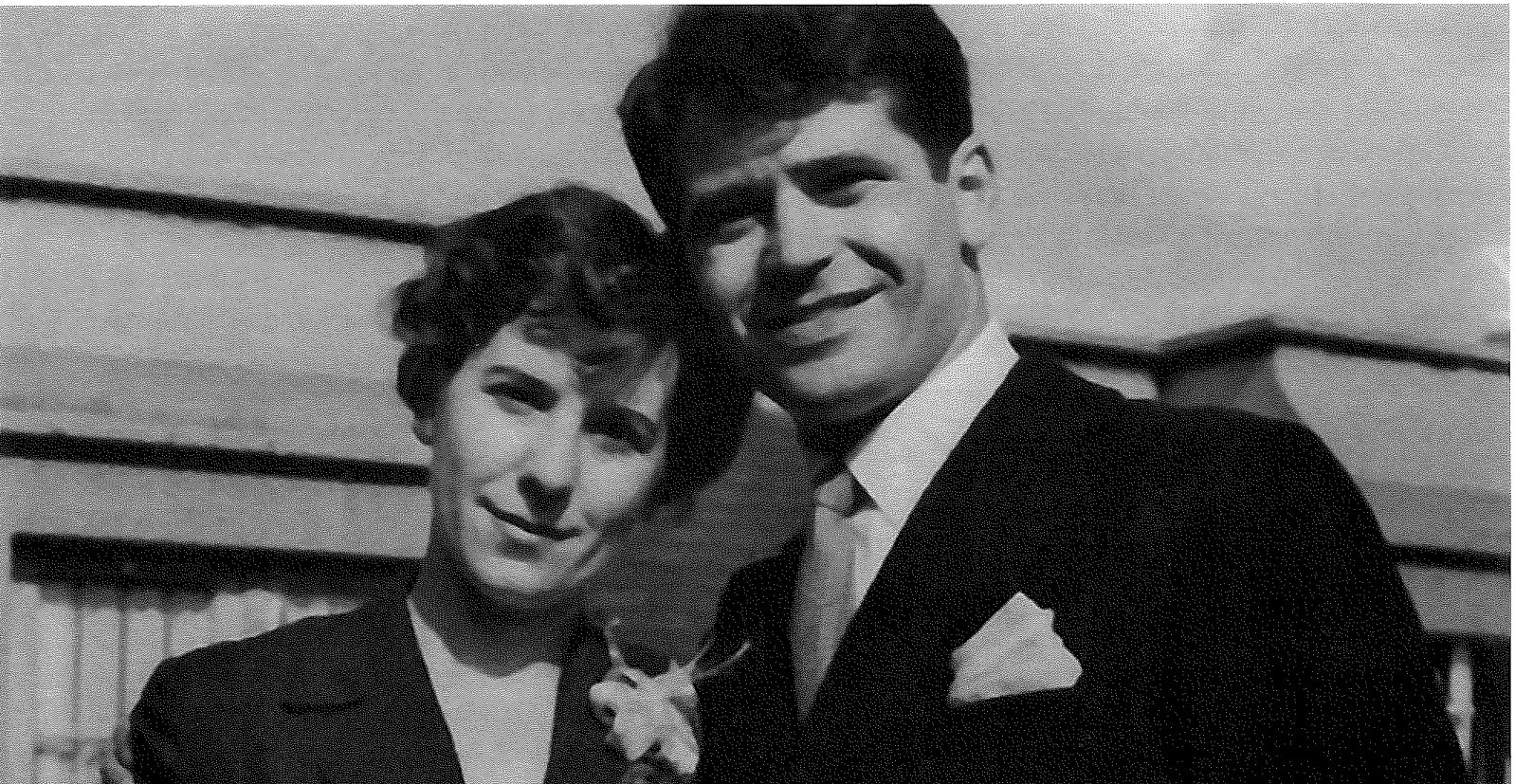
Posted as a secretary to the Canadian Embassy by the Department of External Affairs, Carmen arrived with warnings from the Department’s security people ringing in her ears about the need to avoid close and most especially romantic contact with the local Yugoslav population. The Yugoslavs received similar warnings, in their case reinforced by knowledge of friends and acquaintances thrown in prison for violating the rules. In these inauspicious circumstances, Carmen and Branko met and fell in love.
As a film actor and an arts reporter for a Belgrade newspaper, Branko’s work allowed contact with the diplomatic community and meetings were easily arranged. But these were soon interrupted when Carmen was taken to hospital with dangerously complicated appendicitis. Branko’s regular appearance at Carmen’s bedside suggested a deepening relationship. News of the romance spread as far as the Papal Nuncio, who came to the hospital to warn Carmen, as a good Catholic, not to consider marriage outside her faith. The Canadian Embassy also sounded the alarm. External Affairs assumed that they could safely extinguish the “security risk” by posting her out of harm’s way and assigned her to the Embassy in Paris. Carmen, however, had other ideas. The romance was not to be so easily thwarted.
She and Branko had already devised the rough outline of a plan. Soon after settling in to her job in Paris, Carmen set out to buy a car. For her purposes it had to be large, and large meant American. She bought a second-hand Studebaker for $600 — the 1950 model with a striking grill arrangement resembling the front end of a small airplane. The more difficult task was to find a very discreet, one-person owner-operated garage. With great good luck, she found the ideal person, M. Chambert, who was intrigued by Carmen’s reckless enterprise. Chambert’s garage was also conveniently located in the 16th arrondissement, not far from her apartment. His job was to build a compartment in the vehicle large enough to hold one adult and invisible to the prying eyes of immigration and customs officials. This was accomplished by reducing the trunk space and the space occupied by the back seat, removing the back seat springs to accommodate the knees, and slinging straps to prevent the legs from falling on the road — an arrangement that rested the occupant’s rump on the differential.
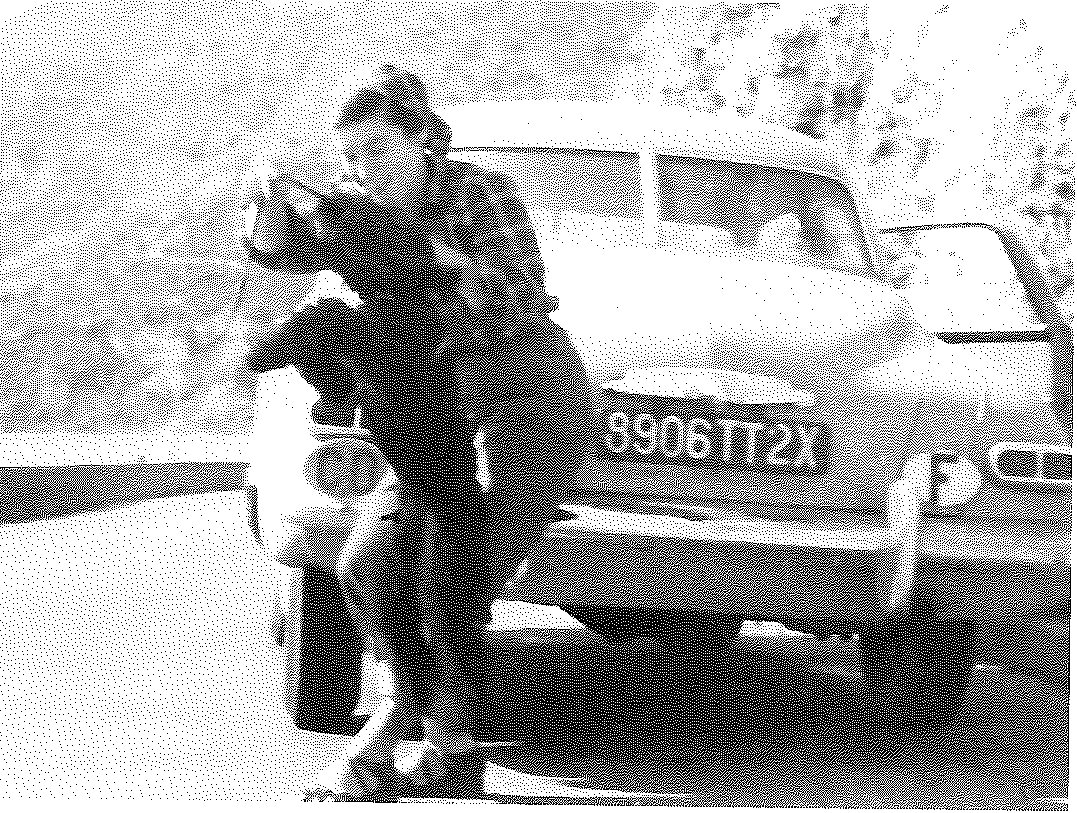
Once the secret compartment was in place, Carmen had to learn to drive. Chambert, by this time a full co-conspirator, was the instructor and lessons involved taking the Chambert family out of Paris on picnics. When everything was ready, Chambert helped Carmen navigate the outskirts of Paris and set her on the road to the South of France.
The trip proceeded smoothly until an off-duty Italian customs officer asked for a lift from his station at the frontier, The customs officer was about to clamber into the rear when Carmen realized that the peculiar arrangements of the back seat, especially the absence of springs, would excite the suspicions of even the most bumbling customs official. Somehow, and at the risk of sounding coquettish, she persuaded the young man to sit in the front.
Without further major incident and after four and a half days en route she arrived in Rieka, Yugoslavia, creating a small sensation as a young woman driving a large, beautiful American car. Following a happy reunion, the car was hidden in a garage where Branko tested the compartment. Horrors! He didn’t fit. Adjustments were necessary. These were conducted warily as it was important for everyone’s safety that not even Branko’s family should be aware of the intended escape.
Two weeks later Branko and Carmen set off for the first of four border crossings. In a secluded area a few kilometres from the frontier with the Trieste International Zone, Branko squeezed himself into the compartment. Carmen drove very slowly as every pothole spelled potential disaster for Branko. Tension rose as Carmen stopped to disembark from the car for the inspection of papers by Yugoslav officials. All went well until a horrified Carmen noticed a section of Branko’s pant leg on the underside of the car. Fortunately no-one else saw the offending trouser leg and Carmen refrained from telling the already nervous and uncomfortable Branko. The next crisis arose just after the Trieste controls. Branko’s muscles were seizing up and he cried out in pain for Carmen to stop. Carmen shouted back that she could not stop because they were on a busy motorway. Carmen drove on — also concerned that passers-by might be curious about her shouted conversation with an invisible person.
Crisis naturally followed crisis. The plan was to stop overnight in Trieste and collect a suitcase containing clothes and persona papers for Branko left by a discreet diplomatic friend. First and quickly Carmen had to finc sheltered spot in an unknown c where the agonized Branko cot crawl out of concealment. Soon after and only with difficulty were they able to persuade the hotel to register Branko without a passport.
The major problems were now behind them — or so they thought. They passed the Italian and then the French frontier at Menton without incident. Branko, also a novice driver, was at the wheel as a relieved and joyful couple entered the centre of Paris. He drove into the frantically busy roundabout at l’Etoile with no understanding of the French traffic rule “priorité a droite.” Amid much Gallic cursing and honking calamity was narrowly averted.
Fresh problems awaited them. Although Carmen had been careful not to inform anyone including the embassy of her adventures, word had leaked out. On presenting themselves to the French authorities, Branko was arrested for illegal entry and put into a cell with two similarly detained Italians. After three days he was brought before a “juge d’instruction” who suggested that his sole and, from the point of view of French law, inadequate reason for entering France was love for the attractive young French-Canadian woman. “Not at all,” retorted Branko. “I came here to escape the terrible oppression and injustice in my country.” It is not recorded, but presumably the judge sighed. Branko was fined and set free.
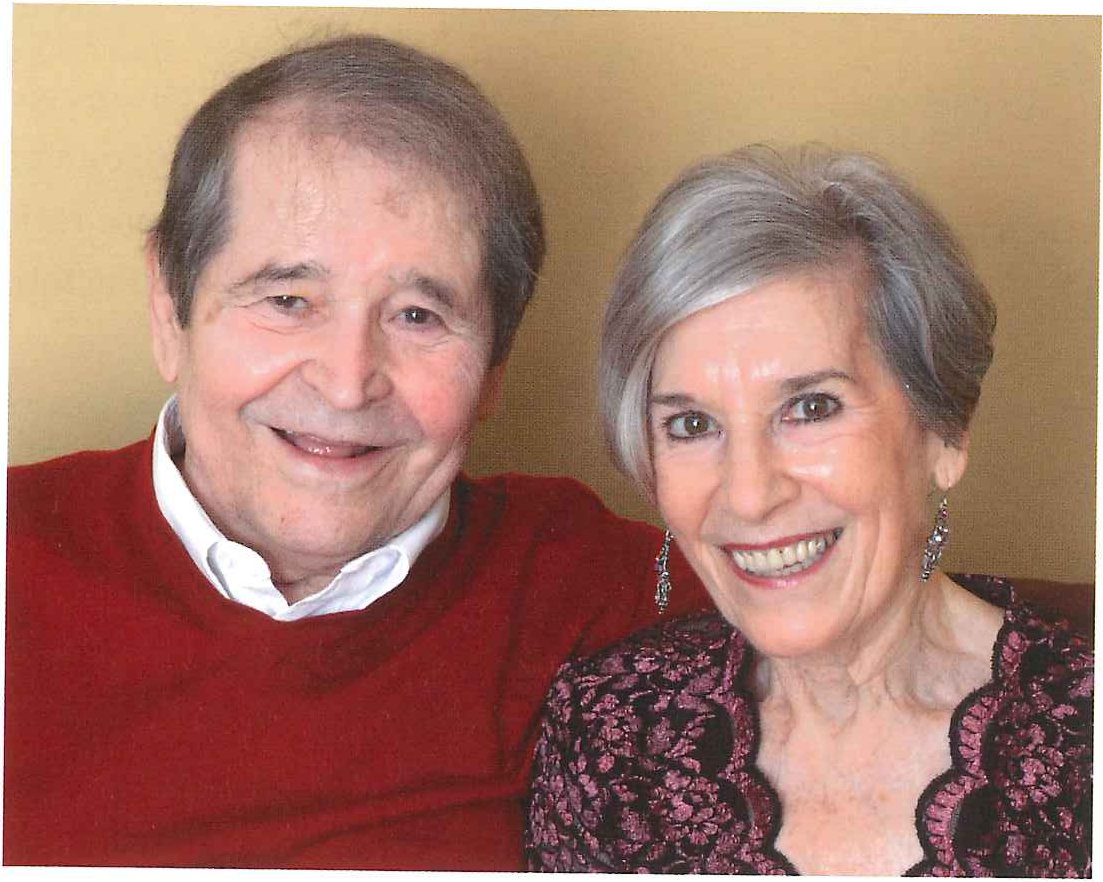
The following summer they married and then immediately set sail for Canada and for Carmen’s home in Montreal. Branko returned to University. He entered the public service, retiring as Director General in the Department of the Environment.
John W. Graham, former ambassador, Chair, the Canadian Foundation for
View the original scanned pages →
Originally published in bout de papier, Vol. 24, No. 1 (2008) — Fall/Winter 2008 // Automne/Hiver 2008, pp. 26–29. Read the rest of this issue →



