
bout de papier, Vol. 9, No. 3 (1992) — Summer 1992 // Été 1992, pp. 25–31
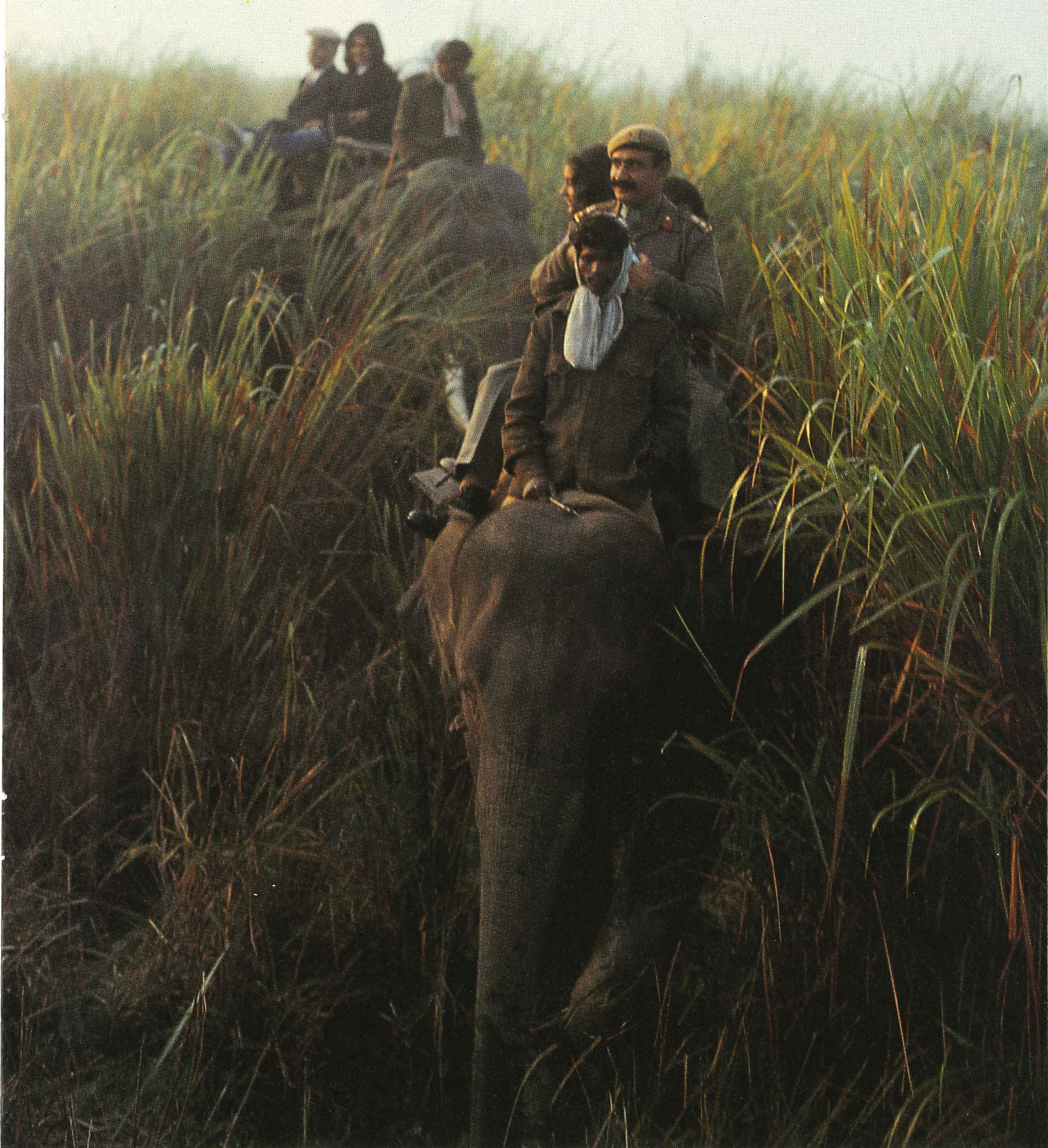
An elephant’s skin: grey and creased. Below, the tide begins to reclaim the mudflats, the muddy water creeping forward in the gentle folds of a pachyderm’s hide. The returning waters displace dazzling white herons, replete after a morning’s fishing and beckon the fishermen from their flimsy huts nearby, to wade to their dugout canoes, armed with nets, lines and a paddle for the day’s pursuit.
Across the bay, the still waters as yet unruffled by the onshore breeze, buildings on Malabar Hill are reflected as they reach up to a hazy blue sky. The promontory is fringed with trees and tiny beaches, unfurling towards the terracotta tiled roofs of the Governor’s residence.
This is the Bombay we see from our windows, the seductive curve of Marine Drive, illuminated at night by the Queen’s Necklace of lights that shine on walkers, joggers, hawkers, beggars, dogs and lovers. It is serene and quiet, a veneer that belies the truth, typical of the contrasts that prevail in the City of Gold.
Three years in Lagos had surely prepared us for almost anything. But it had not. Bombay assaults the senses; everything is of IMAX proportions. The impressions jostle one another as they crowd in, demanding examination and reaction. The smells, the sounds, the colours, the size are all larger than life. If you let it wash over you, you can select bits to devour and digest, as the heron on the mudflats below does at each change in the tide.
However one might describe Bombay, it is ultimately a city of stark contrasts, some amusing, some perplexing, many tragic but none unique. It lies at sea level, covering a string of islands now linked by reclamation, erupting upwards in highrise buildings. The city is home to 12 million people, many of whom have migrated from towns and villages throughout India, drawn by the magnet of wealth and dazzled by lights and promises.
On Bombay days, the city wakes slowly each morning, stretching as walkers stride out (some wrapped traditionally in saris, others daring in shorts) in parks, along the seaface and around Mahalaxmi Racecourse. Pavement dwellers unwind themselves from children and dogs and emerge from their shelters to sit bemused as the traffic builds around them. Rush hour comes late to the city, the cacophony of horns heralding the start of the business day. Despite the chaotic appearance, there is a traffic code of sorts, rooted in fatalism but not in consideration. At each traffic signal the flow is in slow motion as drivers coax cars to restart, grind gears into first and lumber off to the accompaniment of impatient horns.
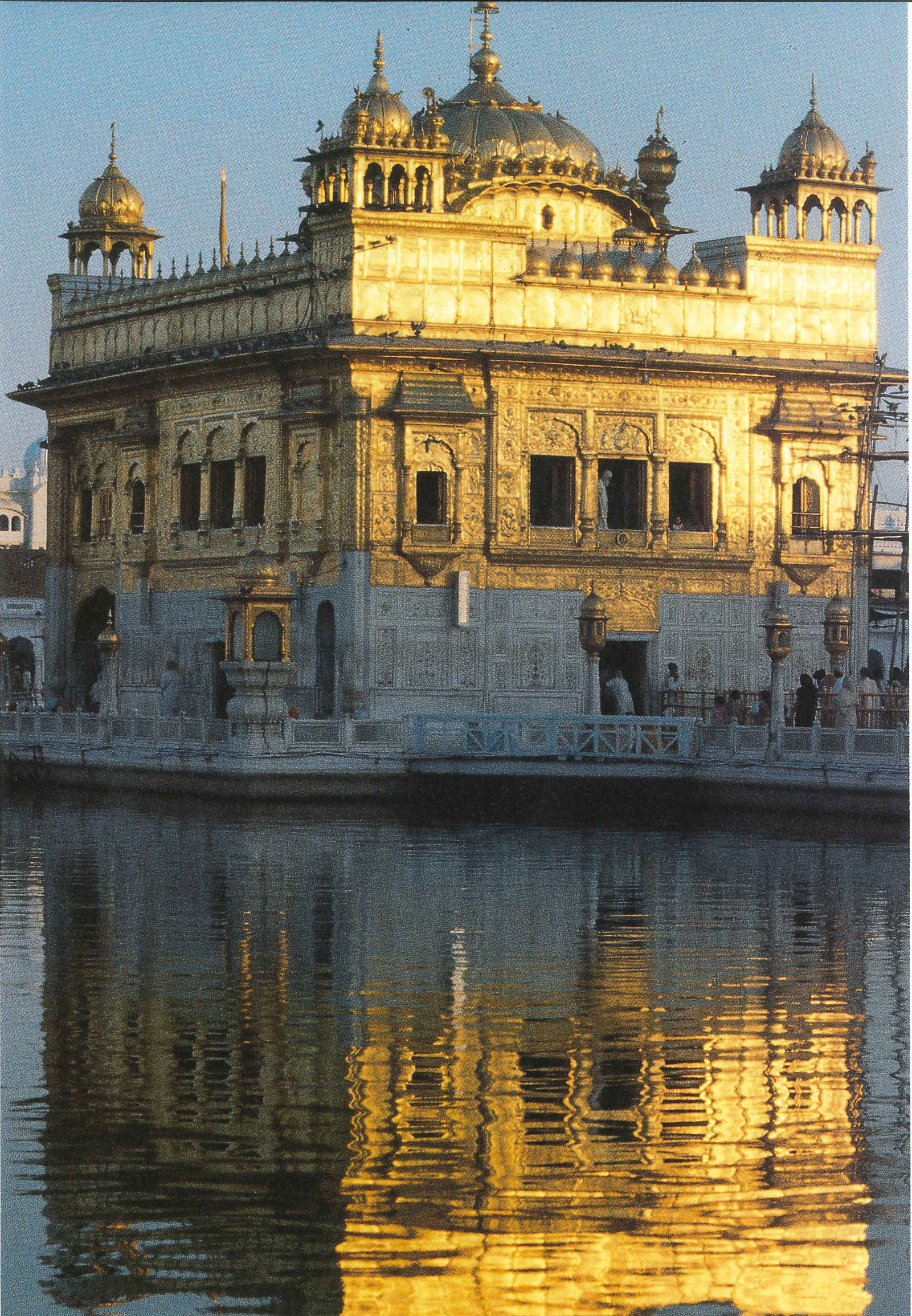
My route each morning passes temples, flags fluttering from pinnacled roofs, an implacable cow tethered outside, chewing slowly on the purchased offerings of grass.
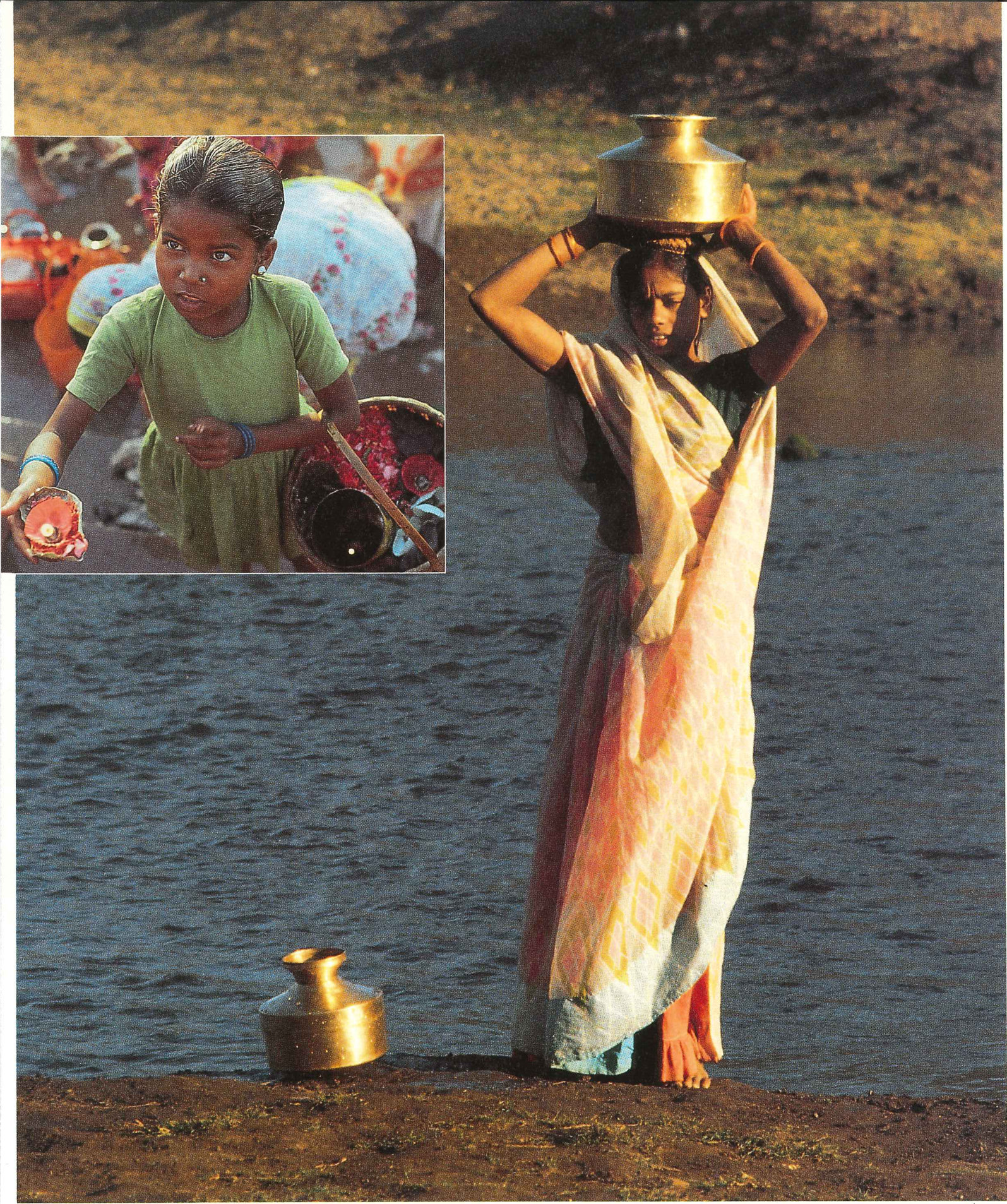
Along the sidewalk are ranged the saffron-robed sadhus, faces daubed for their ambush of the devout. In a tiny stone portico a young man with an antique iron presses shirts for today on a counter that only an hour ago was his bed. Hutment women, wrapped in tattered saris with brass water pots perched on matted locks, parade to public taps, surrounded by a ragged troupe of children, some naked, all fearless and impudent. Everywhere, children. If I am late, the blocks of flats have begun to disgorge those children lucky enough to be going to school. English-style uniforms, school bags bouncing and long black braids bound with bright red ribbons. They spill over the edge of the sidewalk, a babbling stream of tomorrow’s hope.
Then I am engulfed in an air-conditioned cocoon, insulated from the sensual assault, watching the daily drama unfold as a silent movie. Armed with bottled water, telephones, telegrams from home and visitors who have crossed the boundary into my microcosm, the world at large seems manageable and predictable. Another illusion, shattered by the events each day and by venturing forth into the contrasts that lurk beyond the door.
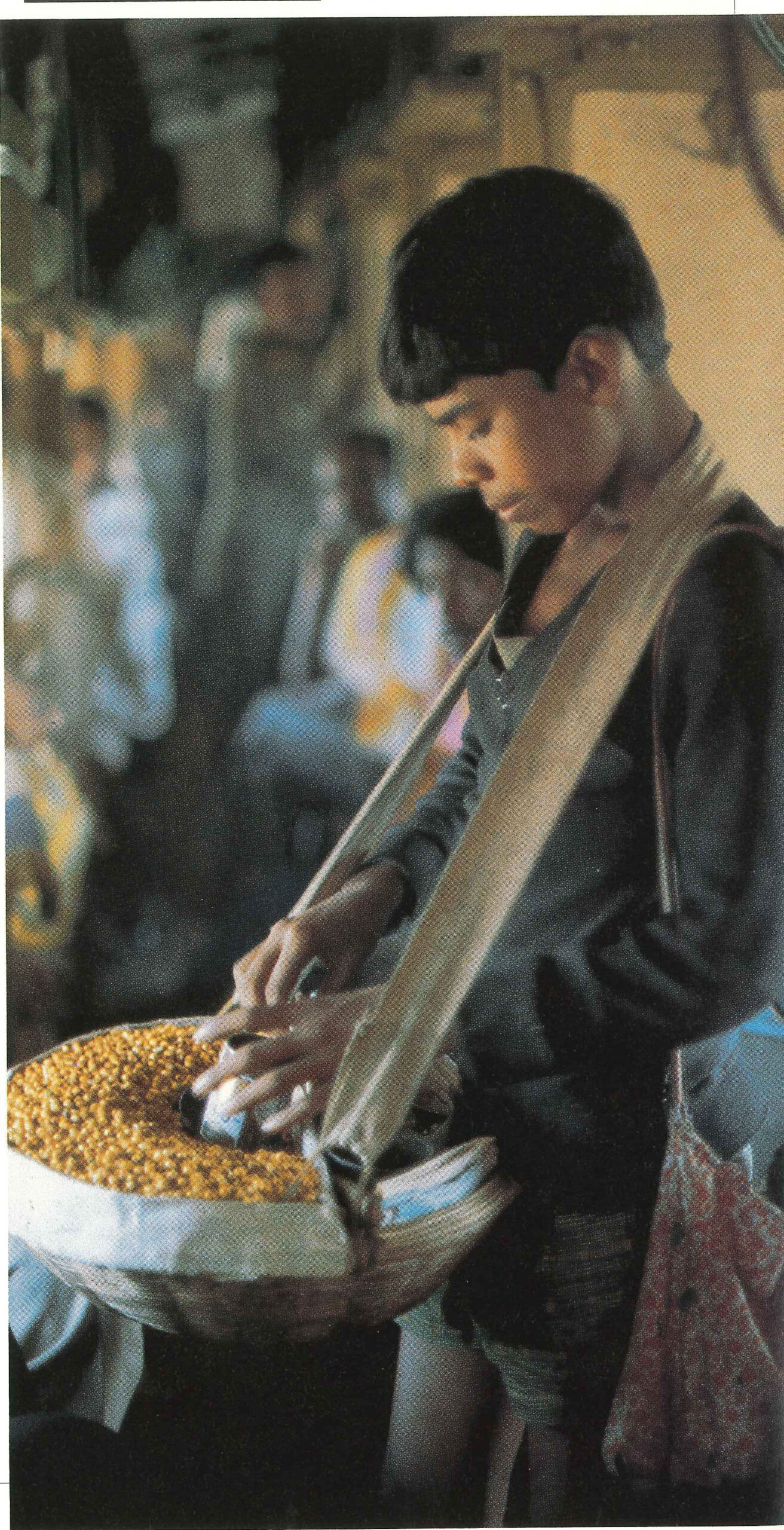
The two hour drive to the industrial perimeter unfolds a tableau that demands a camera but which seems surreally distant, until a beggar taps on the window and brings the world outside into instant and unavoidable focus. Shorter journeys in the city pass towering modern office blocks, blackened stone buildings that reverberate with colonial memories: the maidan – a vast village green; and the chowks — roundabouts adorned with statues, gardens and fountains. The cityscape is one of endless variety, a thousand vignettes available to the observer. Tiny lanes and wide thoroughfares are the city’s veins and arteries, carrying the flow of cars and trucks, bullock carts, porters struggling with enormous loads on their backs or on long, narrow carts, scooters and bicycles. Shopkeepers abound, from cool department stores to tiny stalls clinging precariously to the sides of buildings. A tailor with two treadle machines is wedged into the space of a closet with a jumble of garments, both hung and folded, from which your treasured commission is produced with a flourish and wrapped in discarded computer printout.
In the fifth largest stock exchange in the world, the boardroom is the epitome of office sophistication and boasts a 360 degree view of the city stretching into the pre-monsoon hazy distance. Tall and sometimes graceful, these office buildings blend sophistication and computer technology with an anachronistic lunch delivery system and signs exhorting one not to spit. The lunches are prepared at home and taken in tiffins to the station, which have been colour-coded with dabs of paint to specify their destination. Collected at the city terminus, they are then carried to their owner in a carefully timed and choreographed daily ritual.
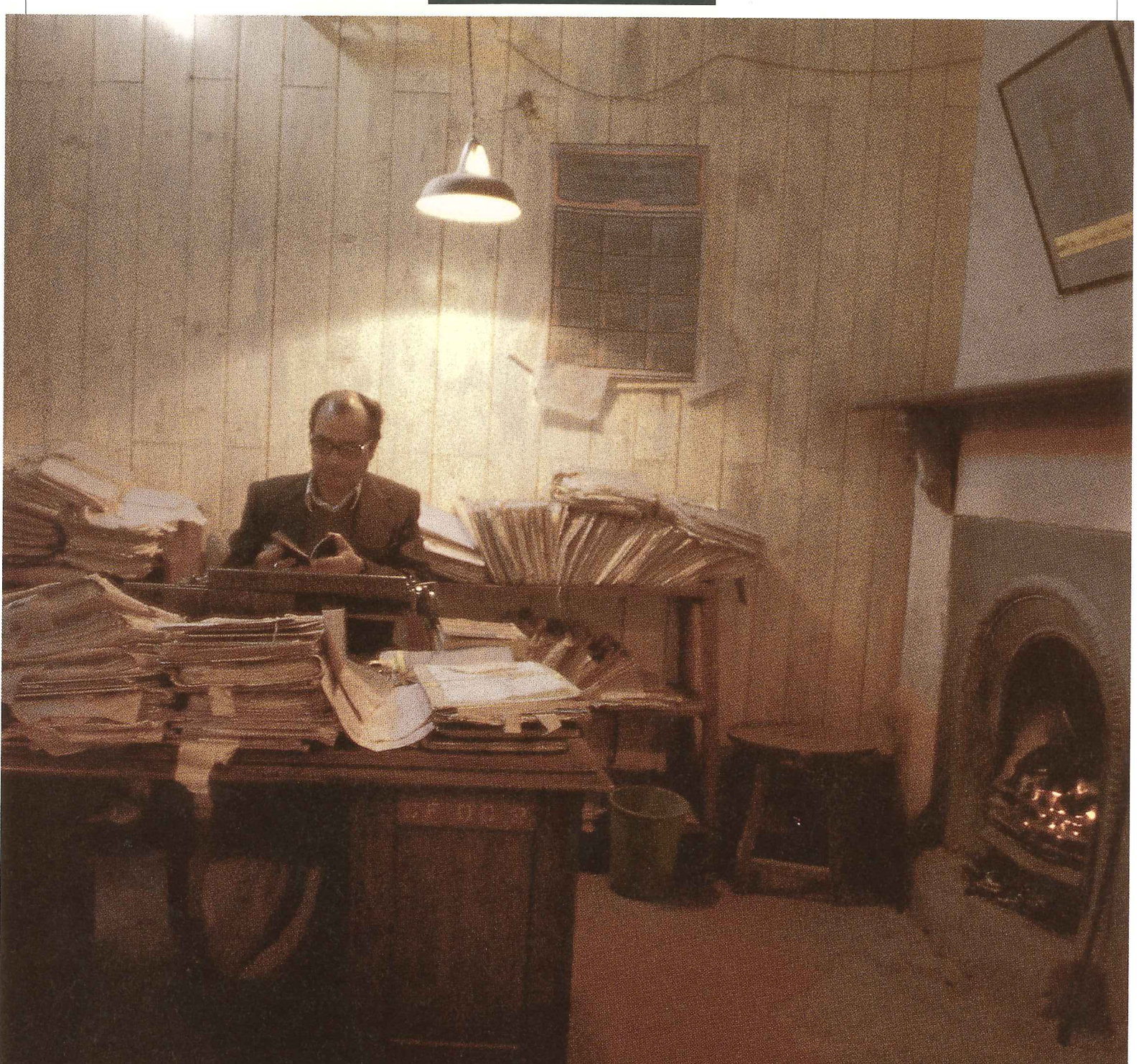
Climbing up the once gracious, broad staircase to a lawyer’s office that resembles the set of a horror movie, one expects to be confronted with swooping bats, or Frankenstein at the very least. In other offices, files bound with notorious tape, once red and now faded, are piled in Dickensian grandeur and tended by aging peons, build a testament to the industry of their sahibs.
On foot, negotiating the sidewalk with care, often driven out to contend with vehicles by treacherously uneven pavements, paan wallas ready to prepare leafy packages of flavour to be chewed for hours, fresh juice purveyors, cobblers and sugar cane crushers, the sounds and smells assault anew. To our new office premises where, at night, construction workers labour in a Dante-like inferno lit by naked bulbs. Plaster is applied by hand to cover their names scratched in the cement. Raju, Anil and Ashok are preserved until renovation or demolition, a hidden element of the new decor.
Lunch at the elegant club with white-gloved waiters could be anywhere in the world, but it is not. The extensive vegetarian menu, the aromatic curries and, outside the window, are groups of children playing with fallen palm fronds, their eyes wide, their clothes in tatters and their bellies distended.
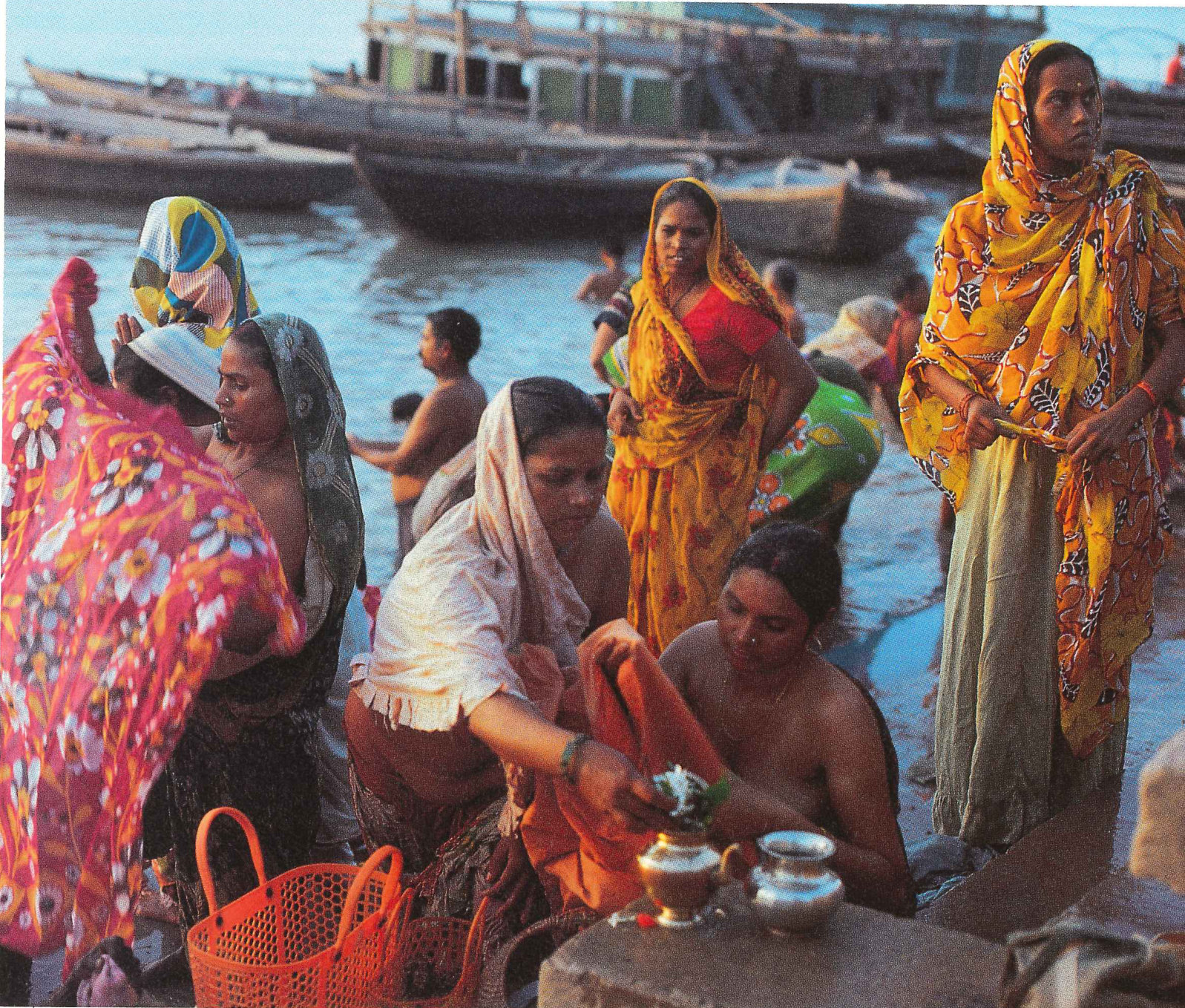
As the sun’s intensity wanes and the hues of the brightly coloured saries mellow, city workers begin the long trek home, snaking queues at bustops and waves of commuters breaking at the doors of Churchgate Station and Victoria Terminus. The traffic thickens and edges northbound and the evening walkers emerge. My nocturnal route passes a Parsi apartment building where an old woman and a black and tan dog lean over the balcony to watch the passersby each evening. The flower sellers walk from car to car as the traffic stalls, eager to be rid of today’s stock. The large red buses thread their way imperiously, confident that no-one will challenge their right-angled bumpers, past the mosque in the bay where the faithful throng to prayer, wading across the causeway at high tide.
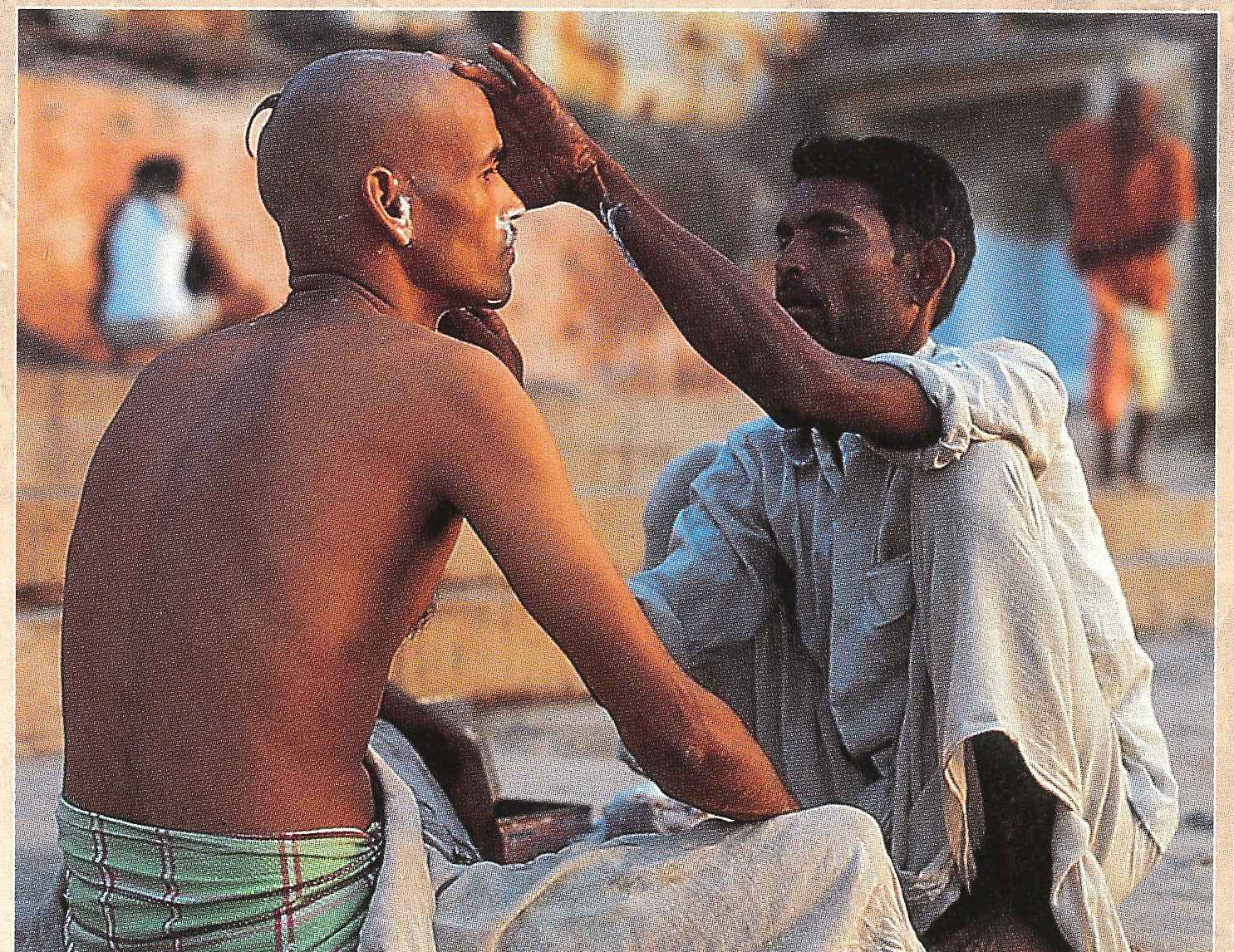
As the warm velvet darkness enfolds the city, the seafaces are transformed by pony rides, hand-powered ferris wheels and merry-go-rounds for the children, cumbersome horsedrawn carriages, relics of an era long past, are drawn by lame and boney horses, and an endless procession of peanut sellers, balloon merchants, scruffy children with listless monkeys and coconut juice sellers. It is as though some ragged carnival grasps the edges of the city each evening, a release for those who must return to their small and airless flats. The ear cleaner has packed up his tools until tomorrow and the wizened old man who shaves cheek after cheek has disappeared into the dusk. Families sit by the road entwining sweet smelling flowers to be sold for someone to pin in jet black tresses, or to hang from the rear view mirror.
As the blackness deepens, groups begin to gather in elegant apartments and on potted plant-rimmed terraces, the rustle of silk — a sibilant background to political debate and the exchange of business leads. When all thought of dinner has passed, buried beneath cocktails and snacks, a repast is served, streaming dishes of fragrant pillaos, saucer-shaped breads and innocent-looking chutneys. A hasty dénouement and the bejewelled depart. Elsewhere, others are settling under a cloth on the pavement, numbed by alcohol and drugs, to endure another night before they must face another day.
The days unfold, punctuated by festivals and travels. The festivals add a layer of colour and noise, magnifying fleetingly the character of the city. Huge effigies of the elephant god Ganesh are carried through the streets and immersed in the sea, accompanied by frenzied revellers. Diwali, a time of gift giving, signals the sales and the beginning of the marriage season. Outdoor receptions transform sportsgrounds into flower bedecked palaces that glitter once, but are reduced by morning to poles and lengths of satin, withered flowers and loudspeakers now silent. At Holi the prudent take refuge indoors from the coloured powder hurled at passersby. Those unwise or uncaring are riding motorcycles like monsters from a psychedelic fantasy. The shallows run blood red as roisterers bathe and wash their clothes, regaling each other with tales of daring and bravado.
When we return to Bombay, the massive billboards have changed again, repainted by an army of artists, freehand while perched on spindly scaffolds of bamboo lashed together with hairy brown string. While some advertise, others make bold political comment, one-line editorials writ large. The flowers and trees have changed as the monsoon disappears, a distant memory only to be heralded by sultry, sticky days the following year. But, as we drive home the smells, the sounds and the sights are still there and we are immersed once again in a delicious, intoxicating Bombay daze.
View the original scanned pages →
Originally published in bout de papier, Vol. 9, No. 3 (1992) — Summer 1992 // Été 1992, pp. 25–31. Read the rest of this issue →



