
bout de papier, Vol. 13, No. 4 (1996) — Winter 1996 // Hiver 1996, pp. 34–37
In the past three years a little-known but remarkable story has been unfolding in the tropical jungles of Venezuela. The central actors are the aboriginal tribes of that area. Canada, however, has played a vital support role. It is the story of how some native peoples, culturally uprooted, divided and marginalized, started to take charge of their own situation.
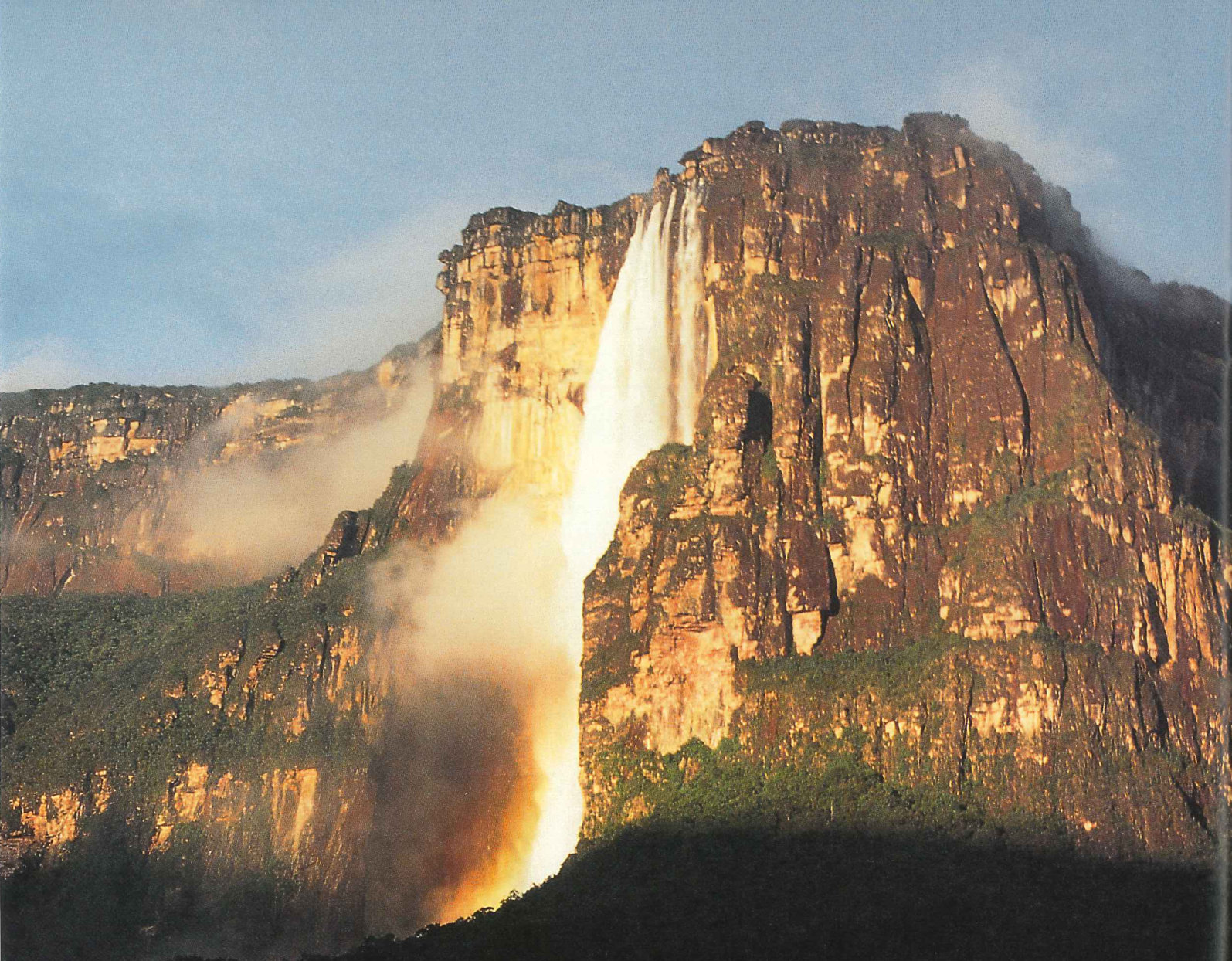
First, some background: Venezuela’s Amazon State is located in the upper basin of the Orinoco River and the Rio Negro, a tributary of the Amazon River. It is a vast area of spectacular natural beauty, mainly rain-forest. Its 180,000 square kilometers, however, have only 90,000 inhabitants. It is thus somewhat comparable to northern Canada. More than half of this population are Indians, comprising nineteen distinct ethnic groups. They subsist largely in tiny, semi-nomadic communities, as they have for millennia, through hunting, fishing, and collecting edibles, useable stones and wood. Virtually no agriculture ever developed, given the infertile soil.
Very sporadic contacts with the outside world from the early days of Spanish colonization were followed, in the past fifty years, by increasing intrusions of the white man: missionaries (Catholic Salesians and evangelical “New Tribes”, vying with each other for the Indians’ loyalty), soldiers (in desultory efforts to control cross-border smuggling); gold miners, especially small, illegal operators from Brazil who destroy the forest, poison the rivers and often fight with and kill the tribesmen. There is also a smattering of government officials, interested scientists and anthropologists, as well as the occasional groups of adventure tourists. This latter activity, tourism, is a key element of the present story, as we shall see later.
In recent years there has been, inexorably, some movement of indigenous people away from their traditional forest environment towards the margins of more “modern” activities: petty commerce, river transportation, some limited government or missionary services, a little tourism but, mainly, unemployment and poverty.
At the political level, the Amazon Indians up to now have had no effective voice at all in government. The country’s political tradition from the beginning was to give them, theoretically, the same legal and constitutional status as any other citizen. That meant, however, consciously rejecting any distinct collective status or identity at all. This has contributed to their disintegration as communities, to their marginalization as individuals and to widespread violation of their basic human rights.
Such was the prevailing situation when, in 1993, an unheralded event occurred. It was in effect an historical turning point. In September of that year, organized by a small group of activists, representatives of all the Venezuelan Amazon tribes met together in a congress of indigenous peoples for the first time ever. They came from the most distant reaches of the State by foot, dugout canoe, motor boats and a small plane provided for the occasion. Funding was given by the Canadian Embassy as well as the Dutch. The German technical assistance agency, on this initial occasion, handled most of the conference logistics. The central and state governments were not directly involved, but offered no opposition.
In their three-day meeting the Indians debated the issues most affecting their lives, agreed on directions to pursue and most important, founded their own permanent body, the Organización Regional de los Pueblos Indígenas de Amazonas, or ORPIA. The congress democratically elected ORPIA’s officers for a two-year period with respective responsibilities for issues of human rights, education, environment, health, economic development, health, administration, as well as general coordination. The incumbent of the latter portfolio, Guillermo Guevara (his Indian name means “eagle”) became the effective chief of ORPIA. A new board was elected at the second congress in September 1995 (also partly funded by the Canadian Embassy). Guillermo was reelected. In the meantime ORPIA consolidated its reputation among the Indian communities as their advocates, defenders and leaders. It systematically undertook various projects, took up vital causes (such as suing the state legislature before the Supreme Court for having passed a bill that would undermine the Indians’ own traditional social organization) and, in short, started the long struggle to establish the indigenous people’s rights.
In the course of this political awakening, the leaders of ORPIA, and those of us on the Canadian side following the phenonomen, thought a lot about what longer-term economic options the Indians had. We also asked ourselves how Canadian cooperation might help. We reached the conclusion that tourism, and to be more specific, ecologically oriented tourism, or “ecotourism”, is one of the only sectors open to the Amazon Indians that: a) would not destroy their fragile physical environment – the rivers and the rainforest, b) also would not destroy their traditional culture, but rather allow it to evolve, and c) would nonetheless allow them to survive and develop in the modern economic world.
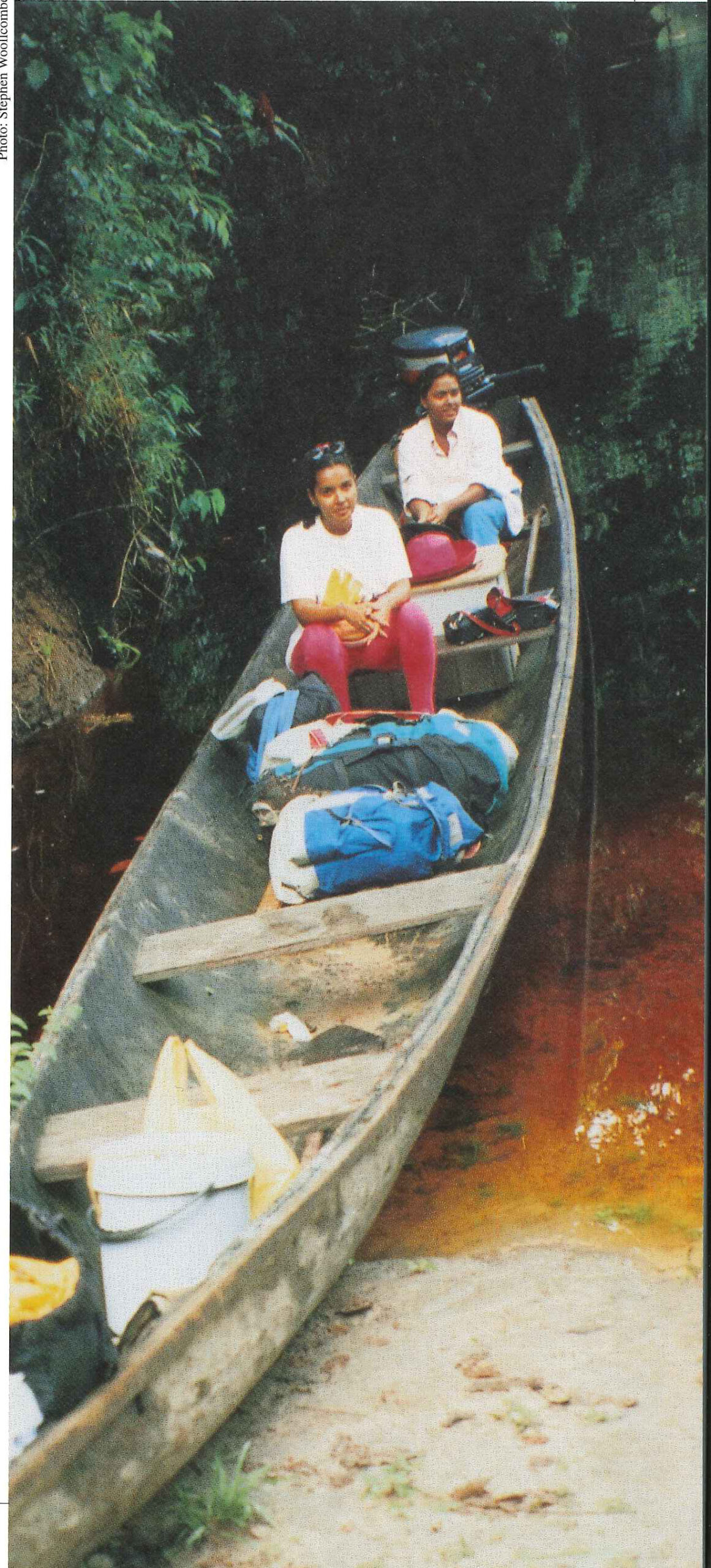
The conviction that ecotourism held great potential for the Indians was partly founded on the obvious natural beauty and cultural interest of the region. In my own case, my eyes had been opened by a three-day eco-adventure I had earlier undertaken with my eighteen-year old daughter. We travelled up a river in the deepest jungle in a dug-out canoe with Indian guides. The flora and fauna were spectacular. At times we had virtually to chop our way through the dense lianas, at other times we watched kilometre-high cascades falling off table mountains, called “tepuys”, that rise out of the forest like colossal geological mushrooms. We saw crocodiles lolling on mud banks, a six-metre long anaconda (the largest snake species in the world), iguanas, turtles, playful freshwater dolphins literally teasing us as they swam around us, screaming gangs of monkeys swinging overhead through the forest canopy, piranhas caught by our Indian guides, as well as legions of colourful birds. Luckily, very few mosquitoes breed on the particular copper-coloured type of water of our river. We were also invited to visit Indian forest Photo: Stephen Woollcombe settlements and saw a little of their way of life. At night we slept at the river’s edge in hammocks slung between trees. Believe it or not, it was the most comfortable type of bed imaginable.
In considering ecotourism, the leaders of ORPIA realized that the Canadian connection was highly relevant. In fact the experience of the Canadian Native Peoples in tourism, which by any standard is much broader and more advanced than that of the Amazon Indians, offered a useful model. Thus ORPIA’s discussions with the Canadian Embassy led to a plan for a joint workshop/ seminar for the last week of March 1994 in the Amazon state capital of Puerto Ayacucho. Through countless phone calls and faxes and a number of trips, we worked on one hand with the ORPIA leaders in Puerto Ayacucho and on the other hand with interested people in Canada. Officials in various Ottawa departments became involved: Environment (mainly the Canadian Wildlife Service), Industry, Indian Affairs, IDRC, and CIDA. These bodies, plus the Embassy, shared in the funding of the project, some $140,000. The most notable Canadian participant however was the Canadian National Aboriginal Tourism Association – CANATA.
In the end, a special team of aboriginals from different parts of Canada was selected each having a separate experience in the area of tourism: a Mohawk Métis from near Montreal, an Ojibwa from Manitoulin Island, another Ojibwa from Lake Nipigon in northern Ontario, a Plains Cree from northwestern Alberta, a Haida, two Denes from Norman Wells, NWT (who fell ill just before the trip and couldn’t make it) and the leader of the group, Barry Parker (his Indian name means “strong arm”), a member of the Okanagan Nation and President of CANATA. Accompanying the Canadian Indians were a small number of officials from the International Development Research Council (IDRC), the Embassy as well as professional interpreters.
On the Venezuelan side some seventy Indians from different tribes and areas came to the pow-wow. Their leader was the head of ORPIA, Guillermo Guevara. What then occurred was a real coming-together of brothers and sisters from two completely different worlds.
The essence of the dialogue was Amazonians’ airing of doubts and questions on how to handle incoming tourism, and Canadians telling about their experience. The Canadian side was well prepared: with CANATA, we had produced a 17-minute video and a 100-page manual, both translated into Spanish. They offered guidance for indigenous peoples embarking in ecotourism – based on case studies. The main themes the Canadians dwelt upon were the need for native peoples to unite and organize themselves; to plan their activities, with a business plan; to have clear rules for tourism and ensure they are enforced; to make their “product” attractive to tourists by offering controlled access to their areas and settlements and involving themselves in the process as guides; and to ensure they participate in the benefits, i.e. the profits of the tourism business. In broader terms, the two sides talked about coping with governments and societies that were dominated by non-natives. The basic idea of empowerment as a goal kept re-emerging. The fact that half the Canadian aboriginals there were young, educated and articulate women made a strong impression.
As the Amazonians explained to us, their experience with tourism had often been very : negative. Some tourists, we were told, came into their territories without permission, treated their sacred places with disrespect, walked into their villages and their homes, uninvited, to take photos, left their rubbish, introduced alcohol to the communities and even abused Indian girls and young women. The Canadian Indians were not surprised and recounted some of their own stories. They made the point the Amazonians’ unhappy experiences only showed how imperative it was for the Indians to stay united, so that with their new strength they be strong enough to insist on proper rules for tourism and effective controls.
To enrich the week-long event, we arranged a cultural and recreational side. In the evenings there was native music and dancing. Groups from different Amazonian tribes showed us religious and communal folk dance rituals, usually in large circles, and then would invite the visiting Canadians to join them. The Plains Cree and the Manitoulin Ojibwa, both young ladies trained in their communities’ traditional dances and wearing their spectacular native dress, treated us to wonderful performances. The West Coast Haida had his colourful painted drum which he beat to accompany his booming Haida songs. The Lake Nipigon Ojibwa had brought his communal pipe which he passed around several times in solemn ceremony to invoke the good spirits of the Creator. Guillermo Guevara, the “Eagle” of ORPIA, gave us all necklaces of beads, as is the custom.
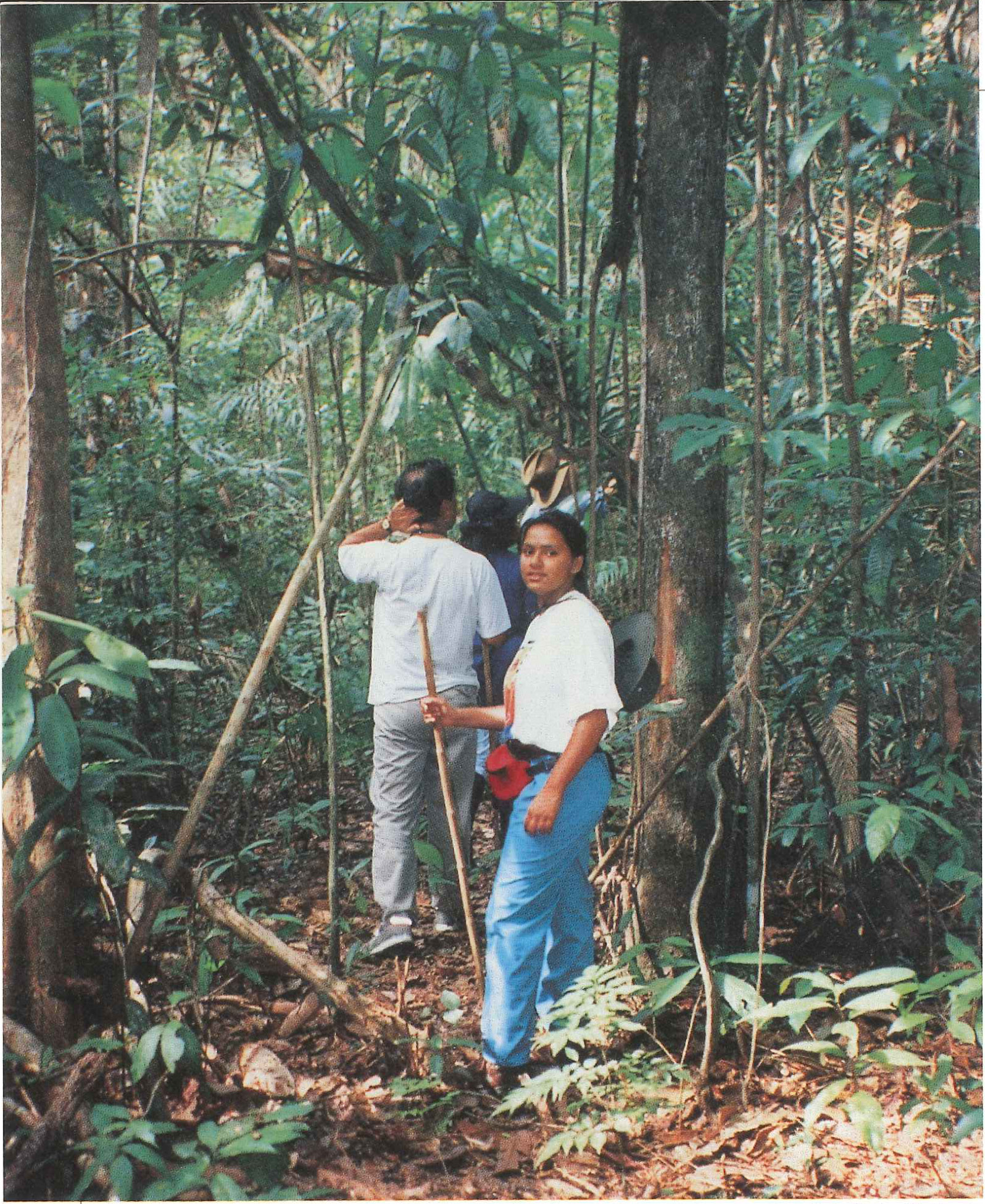
We also shared many meals of typical forest food such as cassava root, which is the Amazonian staple. As the culmination of our visit, we all travelled up the Orinoco River for several hours in small boats (drenched, incidentally, by tropical rains) and then walked for half an hour through thick jungle to spend the night (in hammocks) as the honoured guests of a small Indian community. The village elders had decided they would like to start up a small tourism enterprise and sought the Canadians’ advice, and any other kind of assistance that might be in the offing.
Were there any lasting effects of this dramatic encounter of northern and southern indigenous peoples? Apparently so. The ORPIA leadership were already persuaded that tourism, properly managed, could be of great benefit to their people, notwithstanding the reluctance and fears of many Indians. However Guillermo, the ORPIA chief, told me later that those who attended the workshop were decisively influenced by the Canadians. Physically remaining behind after the Canadians went home, moreover, were the video and the manuals.
Guillermo realizes that there is a great deal to do: not only to develop the attitudes of his people receptive to ecotourism, but also for them to get the training required — in guiding, in running businesses, in dealing with outside tour operators and government officials. (Of course underlying it all, profitable participation by the Indians in ecotourism requires progress in both political empowerment and education. ORPIA devotes its main efforts to these broader challenges.) After the March 1994 event, Guillermo and his colleagues were determined to pursue their tourism plans. With the help of the Embassy and IDRC officials, ORPIA requested and now has received IDRC funding for its ecotourism training project. Moreover, Barry “Strong Arm” Parker and CANATA, as well as the writer of this article, are participating in the project as advisors.
Will the whole idea really work? I believe so, but stay posted.
Stephen Woollcombe, after thirty years in the Department and postings in Yaoundé,
View the original scanned pages →
Originally published in bout de papier, Vol. 13, No. 4 (1996) — Winter 1996 // Hiver 1996, pp. 34–37. Read the rest of this issue →



