
bout de papier, Vol. 25, No. 1 (2010) — Spring 2010 // Printemps 2010, pp. 9–13
The appearance of Yemen in the world news in recent months brought to mind memories of my posting in Riyadh at the end of the last century, when regular visits to Yemen provided the type of experiences that kept so many of us abroad.
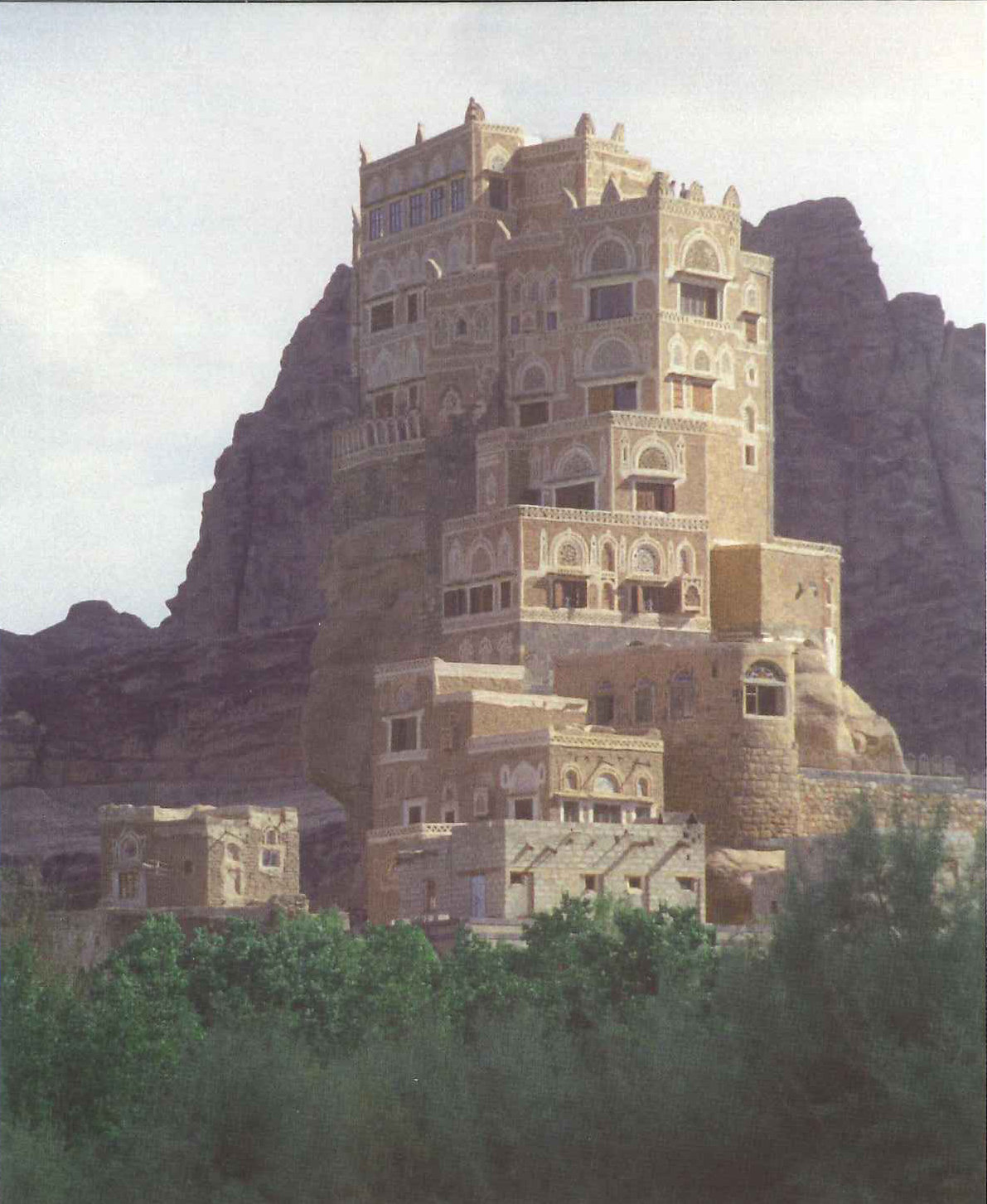
The extraordinary multi-storey, mud-built skyscrapers of the Hadramawt, some reaching ten storeys in height, exemplified Yemen’s unique building traditions and architecture. The old city of the capital Sana’a, among the last of the true walled cities, has been named a UN World Heritage site. The mountain villages, crouching at the edge of the most rugged of cliffs, were a cultural delight — including many inhabitants armed to the teeth. During a visit to the Presidential Palace, our delegation passed a cabinet displaying gifts presented by foreign dignitaries, including a gold-plated AK-47. “It works,” was the wry comment of our escort, when he saw the focus of my attention.
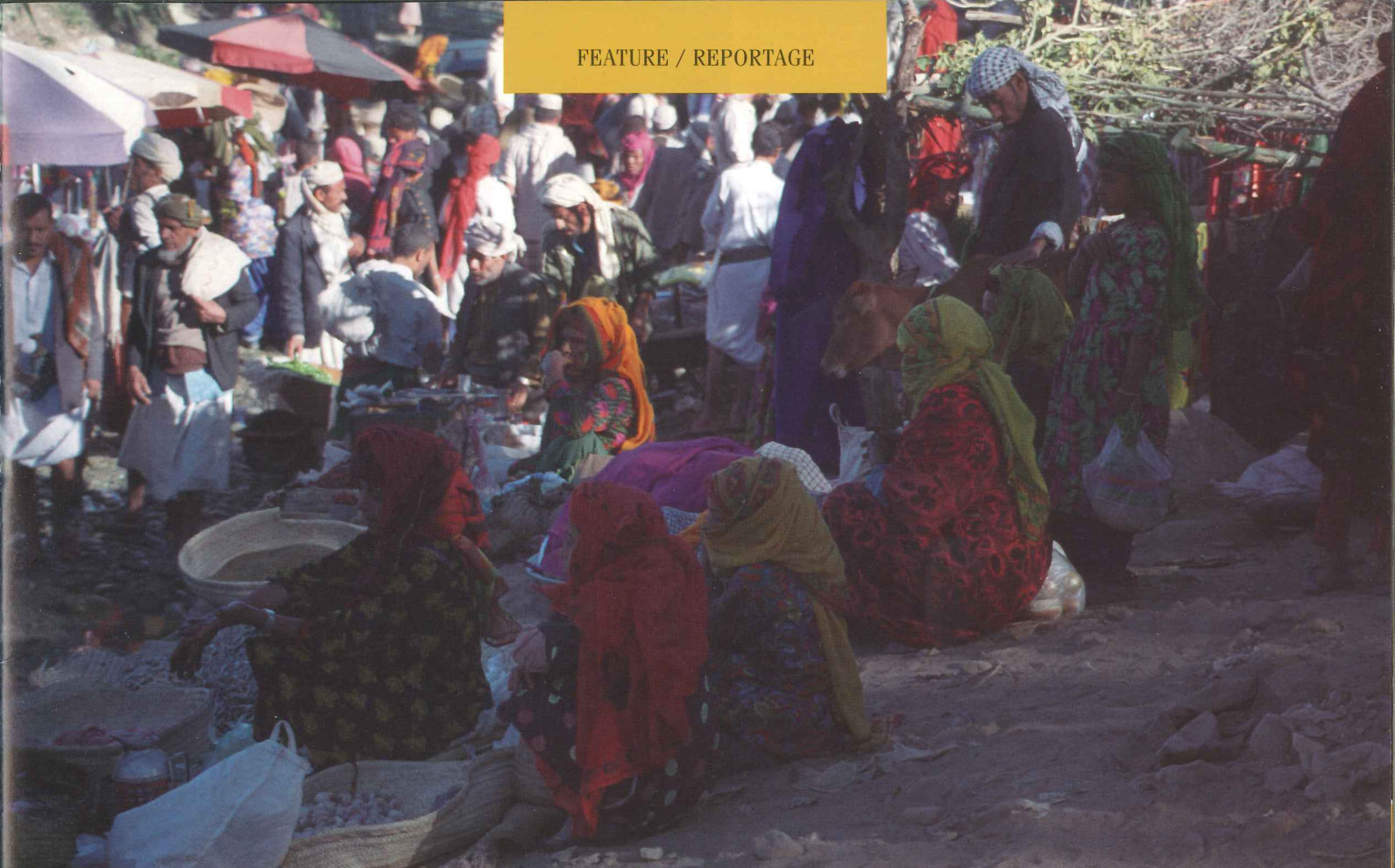
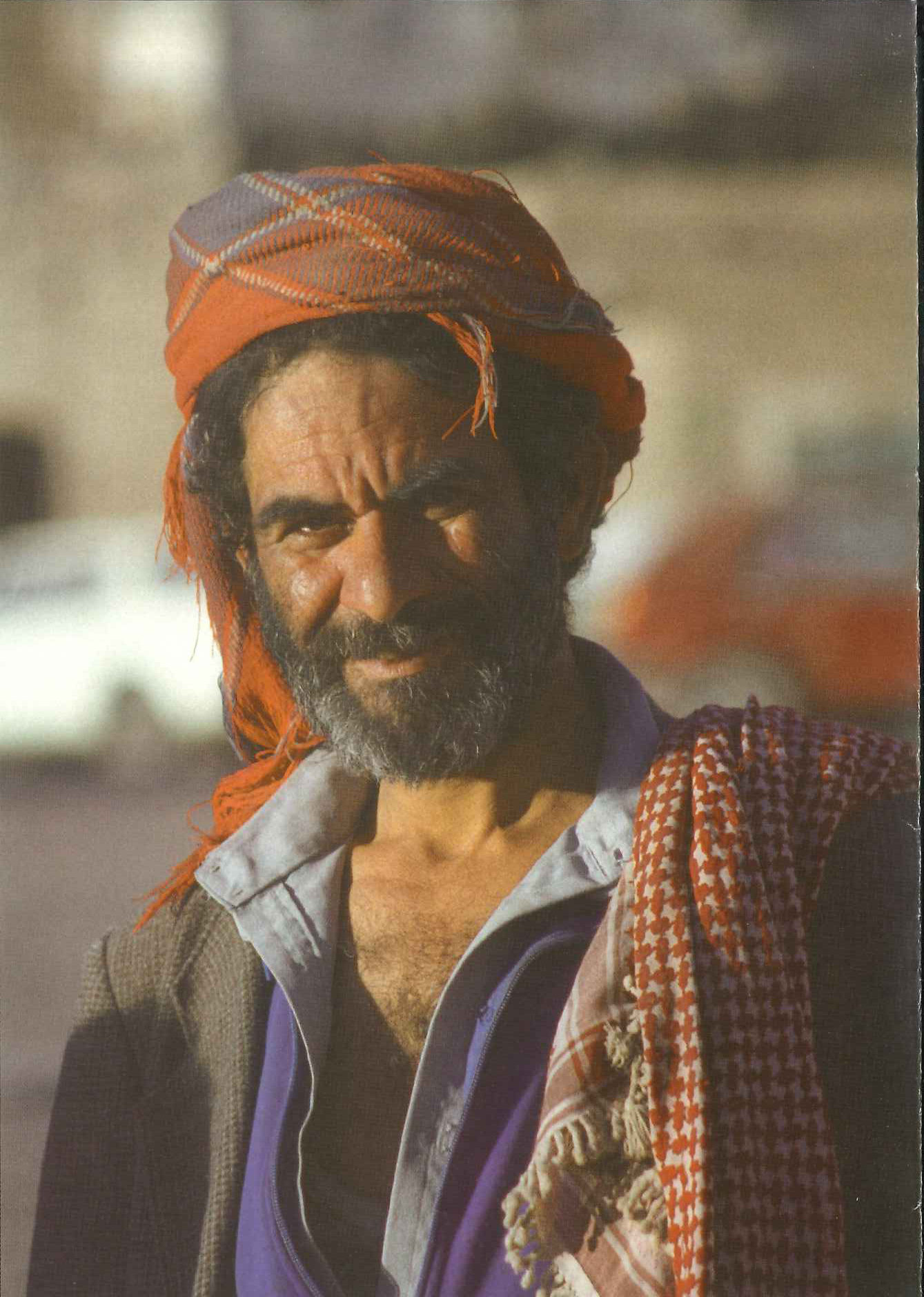
But best of all, the people — men with AK-47s on their shoulders and daggers in their sashes crowded around a truck selling watermelons; rural markets where town and country clashed in the bargaining for cattle and sheep, fruits and vegetables; and the bride bedecked in gold, painted, perfumed and eyes downcast in modesty, with an armed escort warning away disrespectful foreigners who might have the temerity to take a picture. In the end, it was always the people — proud, friendly for the most part, accepting of the presence of strangers — who shaped the most lasting memories.
Yemen has a noteworthy history of biblical breadth, although in more recent centuries it has fallen on hard times. Once home to the Queen of Sheba (who appears in the Old Testament), the Romans knew Yemen as Arabia Felix, the most prosperous region of the Arabian Peninsula. Its prosperity was underpinned by the great dam at Marib and its extensive hydrological works. An expedition sent by Caesar Augustus in 26 BC to annex it ended in failure, doomed by the desert, the heat and hostile tribes. Part of the Muslim world since 630, Yemen remains culturally unique, even in a neighbourhood that challenges the imagination of western visitors.
According to legend, coffee was Yemen’s first gift to the West. Islamic jurists at first were sceptical of the merits of the new drink from the Horn of Africa, likening it to alcohol because of its stimulating effect. They finally relented when it was pointed out that that very stimulation permitted one to study the Quran more assiduously and later into the night. Equally, the European Christian community frowned upon the “new brew” as something so good it had to be the work of the devil. Eventually the Pope — an avid coffee drinker himself — blessed coffee and declared it a truly Christian beverage. Thereafter, coffee houses began to quickly spread across Europe, then to the four corners of the world.
Changing trade patterns, invasion and conquest, and internal strife led to Yemen’s decline and the eventual establishment of two countries, North and South Yemen. The discovery of oil in modest commercial quantities in North Yemen in the 1980s, and the near bankruptcy of the southern government, facilitated their merger into the Republic of Yemen in 1990, but it was insufficient to stimulate significant economic growth. The discovery of considerable (in Yemeni terms) oil deposits in the south in 1991 by Canadian Occidental Petroleum (CANOXY, now Nexen Petroleum) strengthened feelings of regret and bitterness among southern politicians. A brief war of secession in 1994 ended in victory for the Republic.
A strong central authority has been a rarity in Yemen. Even today, the government’s command over the country as a whole, using an ad hoc system of patronage, co-optation, corruption and force, is tenuous at best. The difficult terrain, a dispersed and varied population, coupled with a lack of resources mean that the provision of government services is rare or non-existent in many areas. Secessionist unrest continues in parts of the south, while well-armed and truculent tribes are a potent force in large swaths of the country. An uprising in Sad’dah province, ongoing since 2004, has assumed a more dangerous regional hue with the involvement of Saudi Arabia and supporters of Al-Qaeda. In these troubled waters, Al-Qaeda has established an active presence, and the U.S. has begun to respond.
However, care must be taken in the execution of any counterterrorist response. While there are obligations of hospitality to guests and ties through the “mujahedeen fraternity” (Yemenis with jihadist experience in Afghanistan, Iraq or elsewhere, there is no deep-seated affinity between Yemeni tribes and the Qaeda movement. Tribal elders tend to be opportunistic, not ideological, so the greater risk is that Al-Qaeda will find ways to exploit resentment of government neglect and broken promises. Equally, an ill-considered or rash reaction to a threat of terrorism could lead to an undesired confrontation, or even push the proud and independent tribesmen into the extremist’s camp.
Economically, Yemen remains desperately poor, suffers from widespread corruption, and is economically dependent on its limited oil exports. At current rates of exploitation, the known oil reserves are expected to run out by 2017, and while there is some prospect of new revenues from the sale of liquefied natural gas, these too are limited, projected to have a 20-year life span at best. At present, there are few apparent options for a sustainable post-hydrocarbon economy. Worse, Yemen suffers from an acute water shortage. with reserves being replenished at a rate much less than consumption. Sana’a, growing at 7 percent per year, is in danger of running out of water.
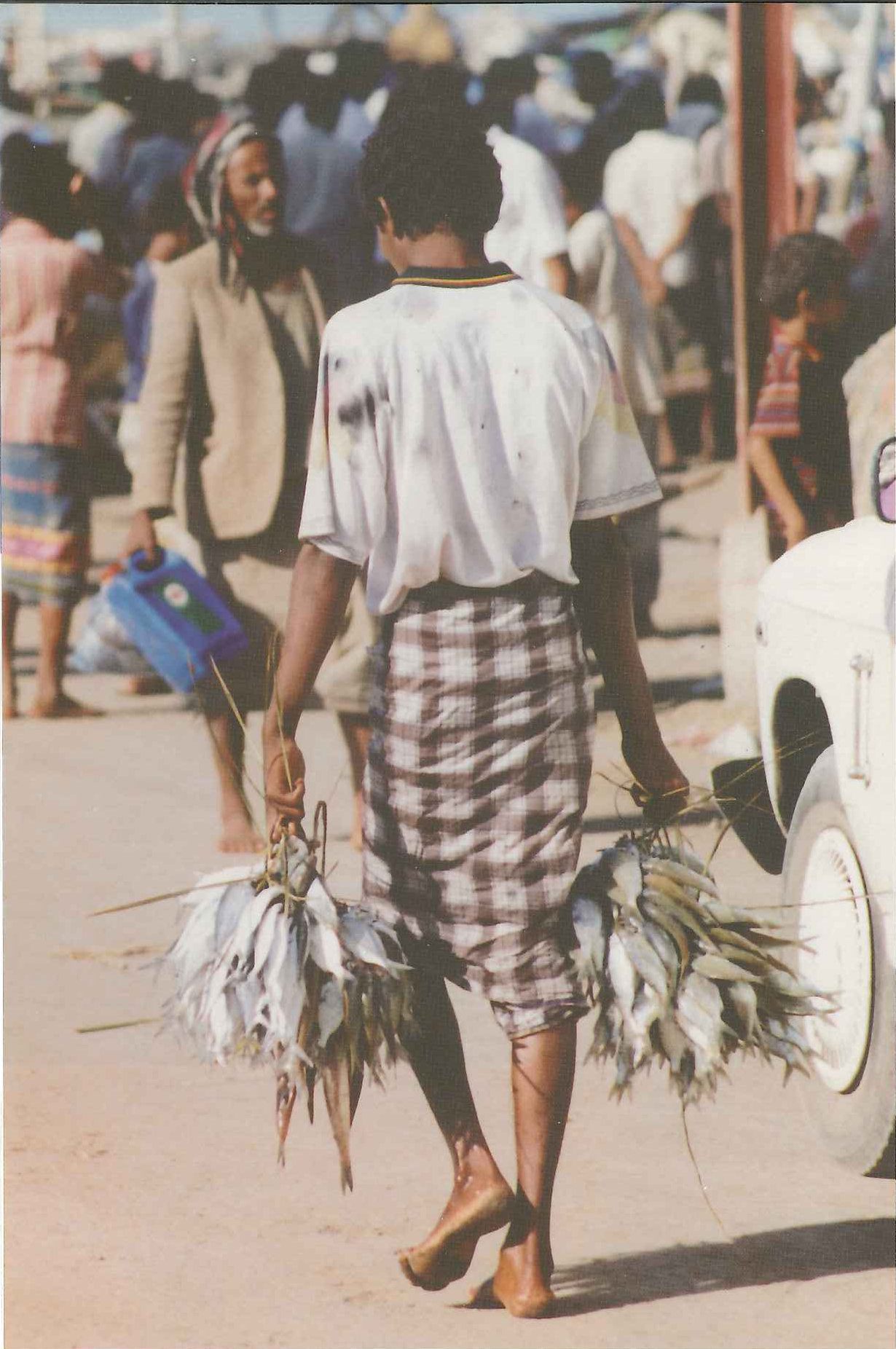
Yemen also faces a social crisis. More than a million labourers were forced to return from Saudi Arabia and the Gulf States when the Yemeni government supported Saddam Hussein tn the lead-up to the first Gulf War. Only a few have been able to return and find work. The loss of remittances and the lack of jobs at home have placed great pressure on the social fabric of Yemen. More than two-thirds of Yemenis are under the age of 24, unemployment exceeds 35 percent, and illiteracy stands at over 50 percent. The inability of the government to maintain even minimal standards of education has provided a fertile ground for the “parallel Islamist education system” largely funded by the Saudi Arabian government. In the words of May Yamani, the author and daughter of the former Saudi oil minister Ahmad Zaki Yamani, “Saudi Arabia exported both its Wahhabism and Al-Qaeda to Yemen by funding thousands of madrassas, where fanaticism 1s taught.”
Nonctheless, there are positive elements. The 1990 constitution, ratified in a public vote in May 1991, affirmed Yemen’s commitment to free elections, a multiparty political system, the right to own private property, equality under the law, and respect of basic human rights. It established a Presidential republic, with a bicameral legislature consisting of an elected Assembly of Representatives (Majlis al-Nuwaab), and an appointed Shura. Elections since that time have been generally free and fair, and judged to represent the will of the populace. While the President’s General People’s Congress (GPC) has maintained an absolute majority, the northern-based, tribal, and Islamist-oriented Yemeni Congregation for Reform (Islah) and the southern secular Yemeni Socialist Party (YSP), have maintained strong minority positions, and take part in the process of government. Women have the vote, participate in parliament, and hold positions of authority in the government. The first woman minister was appointed in 2001. The government and people of Yemen, while respectful of tradition, remain outward looking and open to the world.
My first introduction to Yemeni society came at social gatherings in the home of our extremely able Honorary Consul, which featured poetry recitations and song, political debate and business discussions, and learned discourse on a variety of subjects. What I learned by listening served me well for the rest of my posting.
It was also at these gatherings that I first encountered gat, the semi-narcotic plant that 1s so much a part of Yemeni culture. As pervasive as coffee, as addictive as nicotine, and as socially enabling as a beer in the pub, it is estimated that over 75 percent of the men, and a majority of the women chew qat daily. It is the major cash crop, moving money from the cities to the rural areas. However, gut also contributes to the poverty of Yemen, by decreasing productivity, using scarce water, reducing the amount of land devoted to food production and consuming large portions of the household budgets.
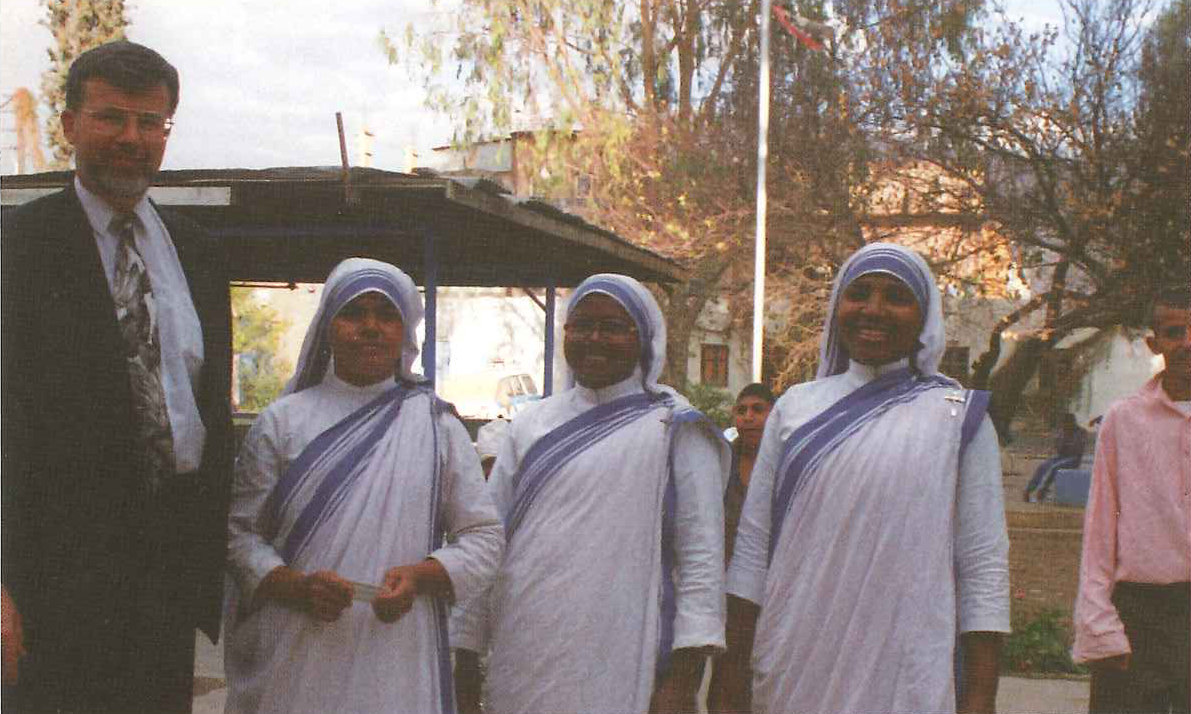
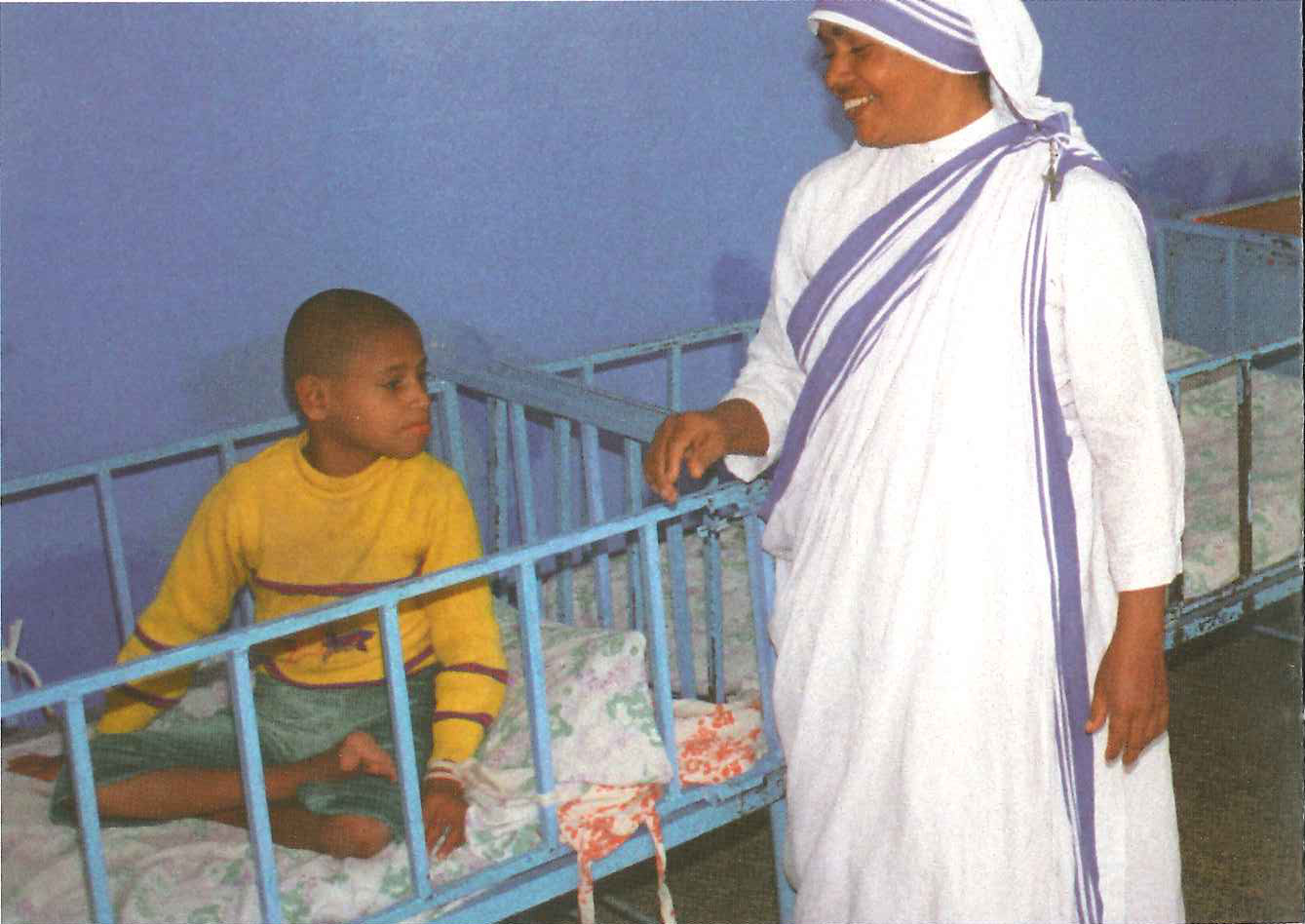
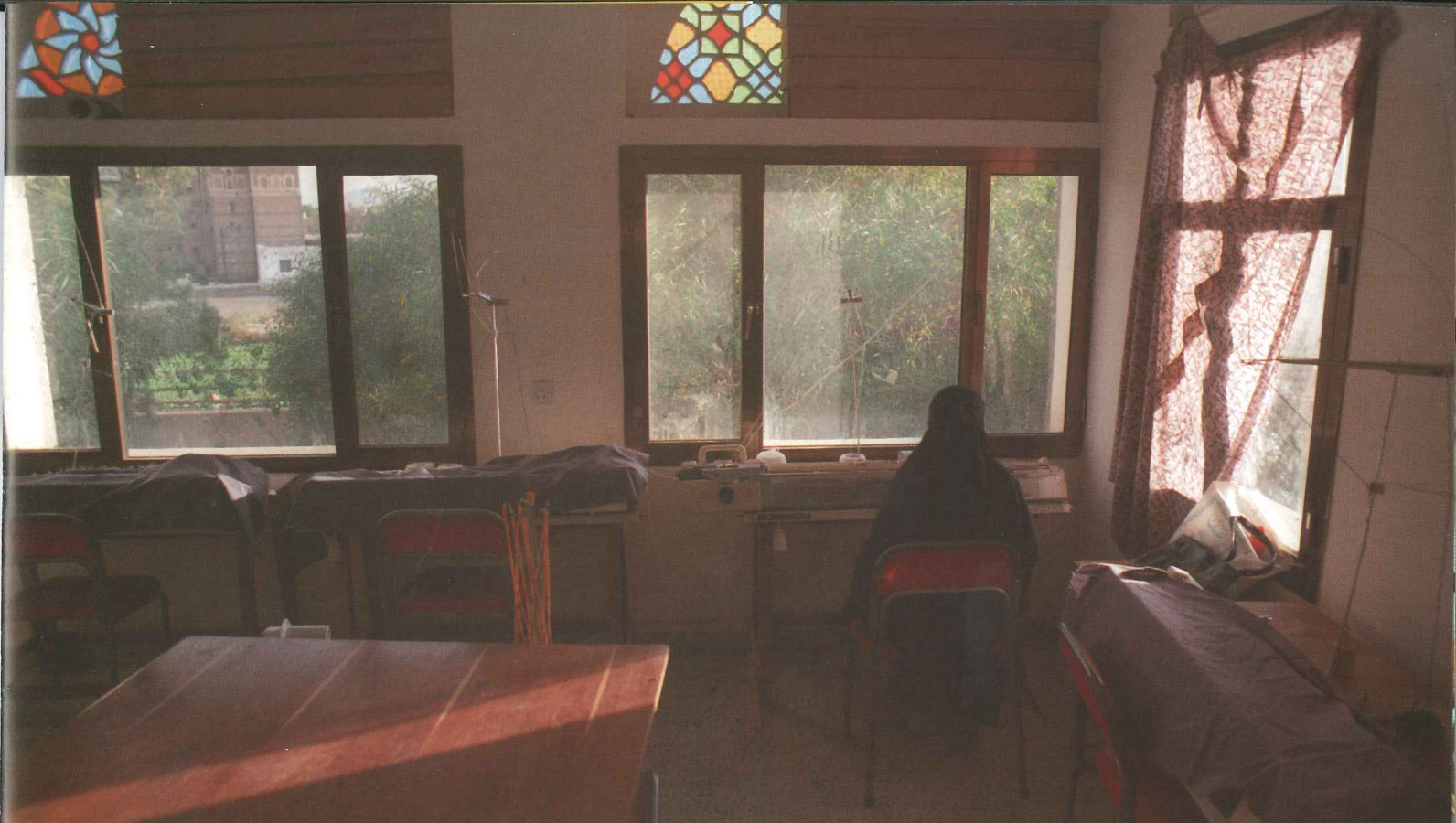
With the assistance of the Honorary Consul, projects were found for the embassy’s small Canada Fund. First among these was support offered to an institute for handicapped children and abandoned elders run by Mother Teresa’s Missionaries of Charity. Contributions were made to a women’s school, which taught sewing and provided sewing machines for the employment of widows and unwed mothers. Among other projects, a generator was acquired for a hospital in Sad‘dah, and trophies and uniforms were purchased for a volleyball league for a girl’s schools in Sana‘a.
There were problems of course. Kidnapping of foreign tourists and workers by tribal groups were far from unheard of, although most often these were efforts to gain the attention of the central government, to encourage them to keep their development promises. Vicken Koundakjian of the embassy played a pivotal role in recovering a Canadian businessman who was held for three weeks after being kidnapped by the Hada tribe in 1993. And it was necessary to evacuate Canadian citizens during the 1994 civil war.
Clearly, the inroads made by the extremists in the tribal areas and the continuing internal conflicts have made it more difficult to work or even travel in Yemen today. Foreign tourists visiting historical sites have been attacked, too often with deadly results. Nonetheless, it would be unfortunate if Yemen’s relations with the West were to be limited to military and security aid. Development assistance, education and technical cooperation, capacity building, and institutional strengthening will provide much greater benefits in the long run. Yemen has recognized the immense economic and societal challenges it faces, and accepted that good governance is fundamental to successfully addressing them. Steps have been taken to address corruption, but weaknesses in the government institutions limit their effectiveness.
In the mid-1990s, Canada was well placed to encourage Yemen in the arca of good governance. Our political relations were on the upswing, as then-Speaker of the Senate Gildas Molgat visited Yemen in 1996, hosted by Sheikh Abdullah ibn Husayn al-Ahmar, Speaker of Assembly of Representatives. A number of parliamentary visits took place subsequently, in both directions. Additionally, CANOXY dealt fairly with the government in its operations in Yemen. It was also well regarded for its policy of cooperation with the local residents in its concessions, drilling water wells and building schools among the tribes. It reinforced Canada’s strong reputation for honourable dealing.
A renewal of Canada’s investment of time and money could have a large impact. Exchange programs for judges, members of parliament, journalists, government workers and academics would help to address limitations in the capacity of the Yemeni state. The Yemeni government is seeking to implement a plan to address deficiencies in the education system, and Canadian support for teacher training courses would be a service to Yemen.
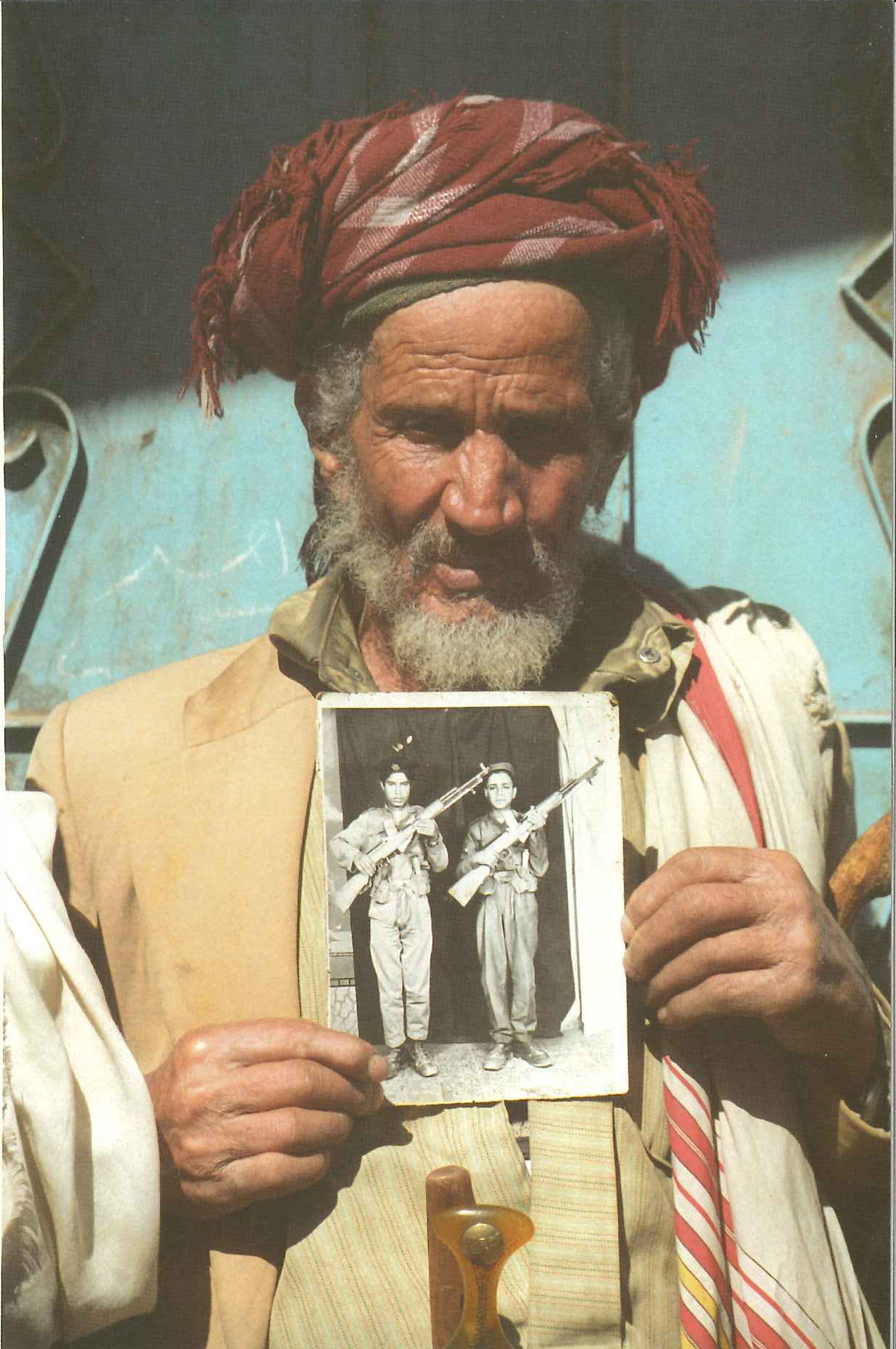
Turmoil in Yemen undermines regional stability by providing openings for violent extremists. If not contained, It poses problems for its neighbours, Saudi Arabia and the Gulf states. The Yemeni government is seeking ways to address its communal shortcomings. For the time being, it has the will and, with assistance, the resources to become a model for its neighbours, but they need to be mobilized by better governance. It is clear from the recent visit of the Foreign Minister that they seek our help. We have a real opportunity to make a difference in promoting good governance and economic development in one of the poorest of nations.
At the end of the day, the highest cost will come from doing nothing.
View the original scanned pages →
Originally published in bout de papier, Vol. 25, No. 1 (2010) — Spring 2010 // Printemps 2010, pp. 9–13. Read the rest of this issue →



