
bout de papier, Vol. 9, No. 1 (1992) — Winter 1992 // Hiver 1992, pp. 31–33
If Yousof Karsh had not produced such brilliant portraits of world figures like Winston Churchill and Pope Pius XII, Canada would certainly have recognized the late Roloff Beny as its greatest photographer.
Roloff Beny’s book, To Everything There is a Season, was commissioned for Canada’s centennial year, and his coffee table volumes on Japan, Ceylon, and Persia are magnificent collectors’ items. He was a personal friend of the Iranian royal family and enjoyed the favour of other important patrons. He may have become convinced that the hospitality lavished on him was his due. Among members of the Canadian Foreign Service, he came to be seen as a magnificent craftsman, but an inveterate sponge.
A colleague in Rome, where Beny lived, told me that when invited to an embassy function, Beny would hire a limousine and send the bill to the ambassador. His experience in Japan may have encouraged him to think of himself as a “living national treasure” in the style of Japan’s greatest living artists and craftsmen who are thus designated and revered. If so, the ambassador must have accepted that view because the limo bill was paid, and Roloff was invited back.
One day my ambassador in Algiers received a letter from a colleague in another post advising him of Roloff Beny’s intention to visit and commending the photographer to him. The ambassador, however, had never heard of Beny and was not disposed to be indisposed. He turned the matter over to me with instructions to see if we could find him a cheap hotel and smooth his way with cultural officials.
Beny phoned as soon as he landed at the airport, and I suggested that he take a taxi to the embassy. He arrived in a black hat, black turtleneck and flowing black cloak, cameras and equipment slung over his shoulders and he stood in the street surrounded with his baggage and with a somewhat bewildered look on his face. In retrospect, I think he was probably hoping that someone would pay the taxi for him.
We took him down to the cheaper of the two acceptable hotels in the city, but he was not satisfied with it at all. It became clear that when he had asked for a cheap hotel, he was actually hinting to be put up at someone’s residence. He finally wheedled our local information assistant into inviting him to her home.
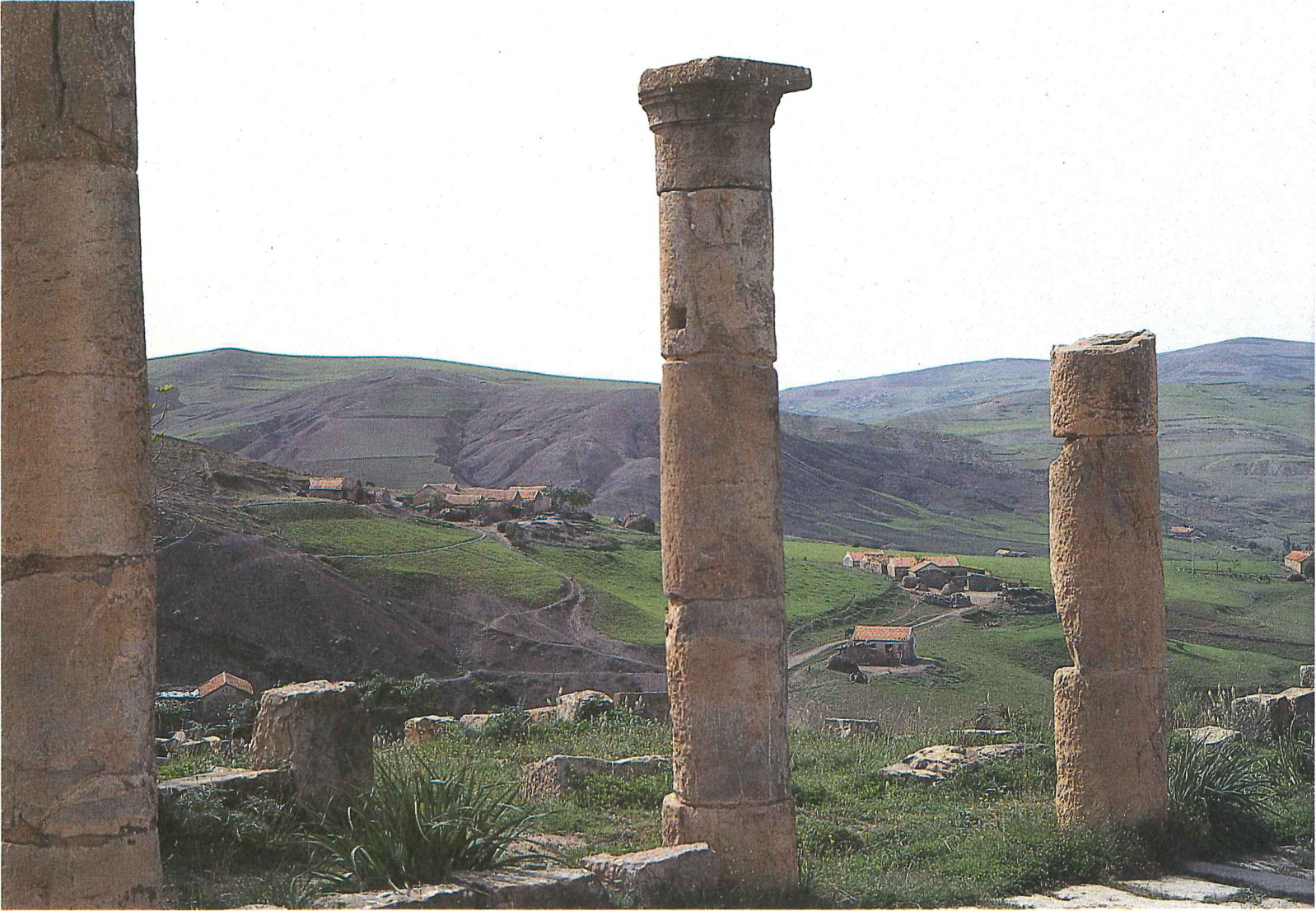
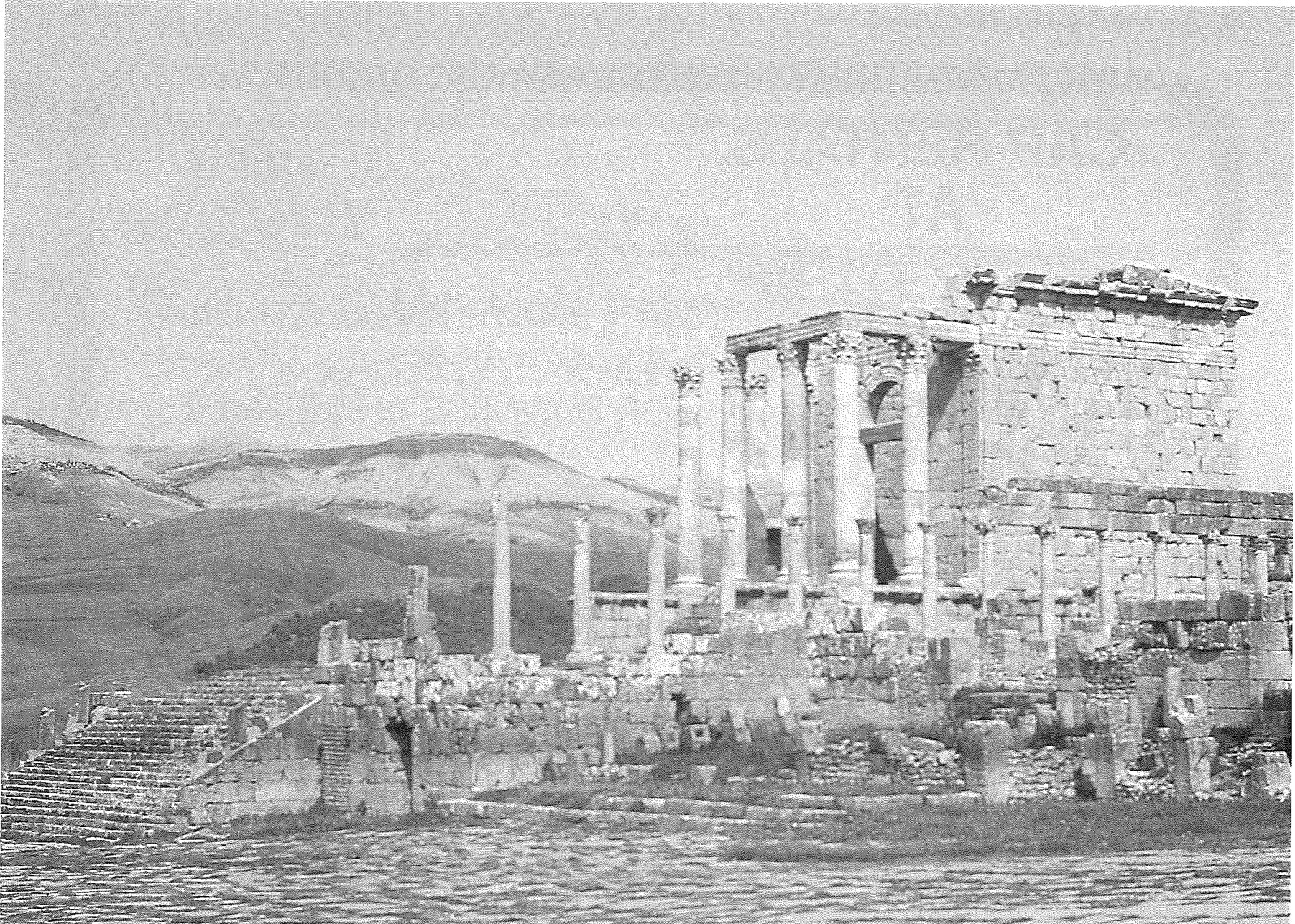
Beny was working on his book, Odyssey, a pictorial collection of ancient civilizations around the Mediterranean basin. He wanted to visit the Roman ruins of Timgad, southeast of Algiers on the edge of the desert, one of the farthest outposts of the empire of Septimus Severus. As it happened, I was planning to drive there over a long weekend with a British friend, and so we invited him to accompany us. He accepted with alacrity and took over the management of our trip, though not, I hasten to add, the expenses. To be fair, he gave a form and a focus to our visit that we would otherwise not have had.
Ann and I shared the driving, and Beny arrayed himself and his photographic equipment across the back seat. He was an amusing passenger, but demanding. I had a killing headache by the time we reached our first goal, the cream-tinted ruins at Djamila. We had stopped at every photogenic marketplace on the way. He wanted to take pictures of the vegetables on display (the aubergines were particularly luscious then) and Ann was enlisted to hold up the triangular aluminum reflector so he could get the right light.
He was preoccupied at that time by negotiations with the province of Alberta to donate his archives of negatives for a tax write-off. He spent the time composing amusing telegrams for us to send to the then Premier, Peter Lougheed: “BENY SAVAGED BY CAMEL IN SAHARA STOP PLS FINAL- IZE NEGS BEFORE HE PERISHES”. As a diversion from that train of thought, he speculated as to what shepherds talked about all day in the deserted outbacks through which we were driving.
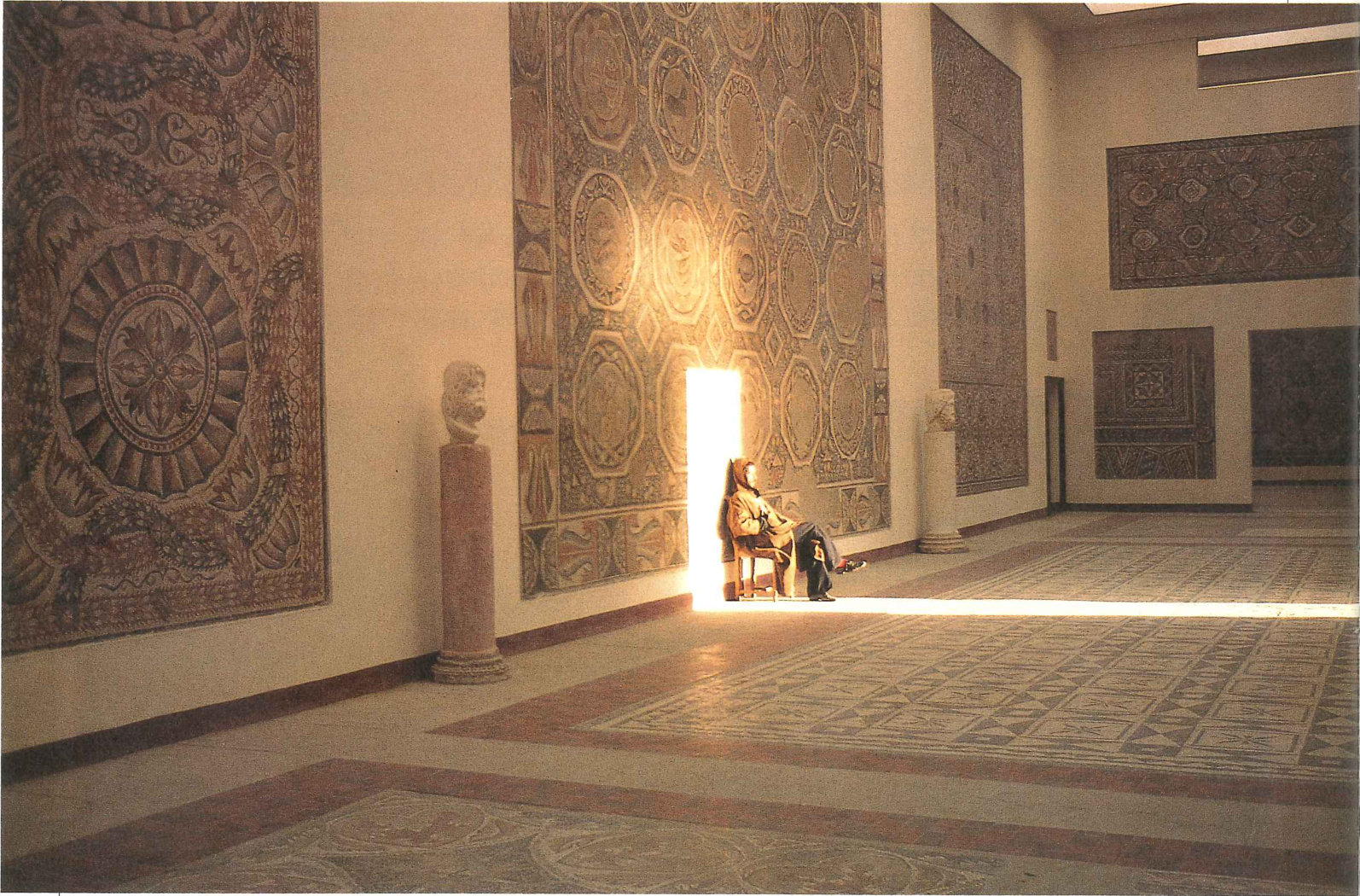
It was a treat to watch him work. He gave us a number of practical tips on photographing monuments. When shooting pictures of mosaics found in Roman ruins, first hose them down with water. This will give a luminous, shimmering quality to the picture. Beny always preferred shooting early in the morning or in the late afternoon because the horizontal light provided warmer colour tones and sharper definition as a result of the shadows. He was endlessly patient in setting up a shot, shuffling back and forth for the exact composition, and waiting humbly if necessary for dramatic movement.
In addition to technique, he always seemed to command the luck of a great artist. At Setif, he insisted we go in the morning to the main square so he could take a shot of the honey-coloured marble statue of a nymph in the fountain (a leftover from the French era). He called all such poses “Venus on the half shell” after the Boticelli painting. Just as he was framing his shot from across the street, an old Arab peasant went up to the fountain, uncovered his feet and proceeded to wash them in the classic marble basin under the stony gaze of the naked nymph — a wonderful composition that Beny used in the book.
At Timgad later in the day, a light snow fell and then melted almost at once, giving the ancient ruins the hosed-down glow that Beny would have ordered up himself. non-professional, had used my last bit of film before the snow fell. I had taken a quick shot of a pair of storks perched on ancient pillars in the ruins. Beny, however, took more time lining up his shot and just when he was ready, the birds rose slowly in the air giving his view a grace and dynamism mine lacked. Working with the master did have another advantage in that using his permit to take photographs, Ann and I were able to sneak our cameras into the museums when picture-taking was forbidden to “tourists”.
We were travelling on a fairly tight schedule because Ann and I had to get back to work, so we asked Beny to select the places he most wanted to visit, and struggled to keep him moving forward. The morning we left Timgad, it had snowed and he wanted to go back to film the ruins again with their white caps. We had to tell him that if we did that, we would not be able to stop in the oasis town of Biskra. He grudgingly chose Biskra, but all along the road he kept insisting we stop or do side trips. We shopped in the market place at Biskra and he picked up a couple of the smallest stick souvenirs for his two assistants back in Rome. We pushed on to the town of Bou Sa’ada, and had time for tea but no time to visit the old Spanish mill. Finally, as later afternoon came on (perfect for taking pictures), we approached the last mountain pass before the descent into the Mitija plain and Algiers. “Looks like we will be home by dinner” I said to Ann.
“Yes,” Beny whimpered from the back seat, “you have been a very disciplined team.”
Beny never did offer to help pay for the gas, but he had promised us immortality with an acknowledgement in his book. The book was published and included some very familiar scenes, including vegetables in a market stall illuminated by a sun deflector. It also used some quotes from Albert Camus’ Wedding at Tipasa that I told him about for his shots at the coastal ruins of Tipasa. Nowhere could I find a word of thanks or acknowledgement to any of the staff from the embassy who had gone out of their way to help. I did not buy the book!
View the original scanned pages →
Originally published in bout de papier, Vol. 9, No. 1 (1992) — Winter 1992 // Hiver 1992, pp. 31–33. Read the rest of this issue →



