
bout de papier, Vol. 9, No. 1 (1992) — Winter 1992 // Hiver 1992, pp. 35–37
An article about photographic art as an investment during a recession may strike you as a little odd, but this is really one of the best times to begin collecting works of art, particularly photography. On the international scene, most major art galleries now recognize the importance of photography and compete aggressively to add to their own collections. Today, the public and many art collectors are just beginning to discover this “new” art form that museums have been pursuing for decades. Public awareness has been helped along by the recent celebration of the medium’s 150th anniversary and the wide circulation of quality publications about photography. Prices for fine photography are rising and the Canadian public’s interest will become even stronger when the Canadian Museum of Contemporary Photography begins its high-profile launch for its new building in Ottawa in mid-1992. Photography collecting is an interest which you can pursue throughout your Foreign Service career and postings abroad.
Starting a Collection
With this in mind, you may ask how you can start to collect. First, begin by educating your eye. Go to see as much original high-quality work as you can find. Like any other form of art, it is important that you experience the work first hand to find out where your particular interests lie. You can become aware of what is happening in the photography world by putting your name on the mailing lists of as many public and private galleries that show photography as possible. You will then receive invitations to both gallery openings and lectures; these events also provide a unique and an excellent way to meet some of the artists and to learn more about their work.
Second, familiarize yourself with the general history of photography and the major styles and artists. The History of Photography by Beaumont and Nancy Newhall is inexpensive, a pleasure to read and has hundreds of pictures to illustrate the text. Looking at Pictures by John Szarkowski is another essential book that covers classic to modern works. The author is the curator for photography at the Museum of Modern Art in New York. All the photos he includes in his book are each reproduced on a full page, together with an appreciative and entertaining text.
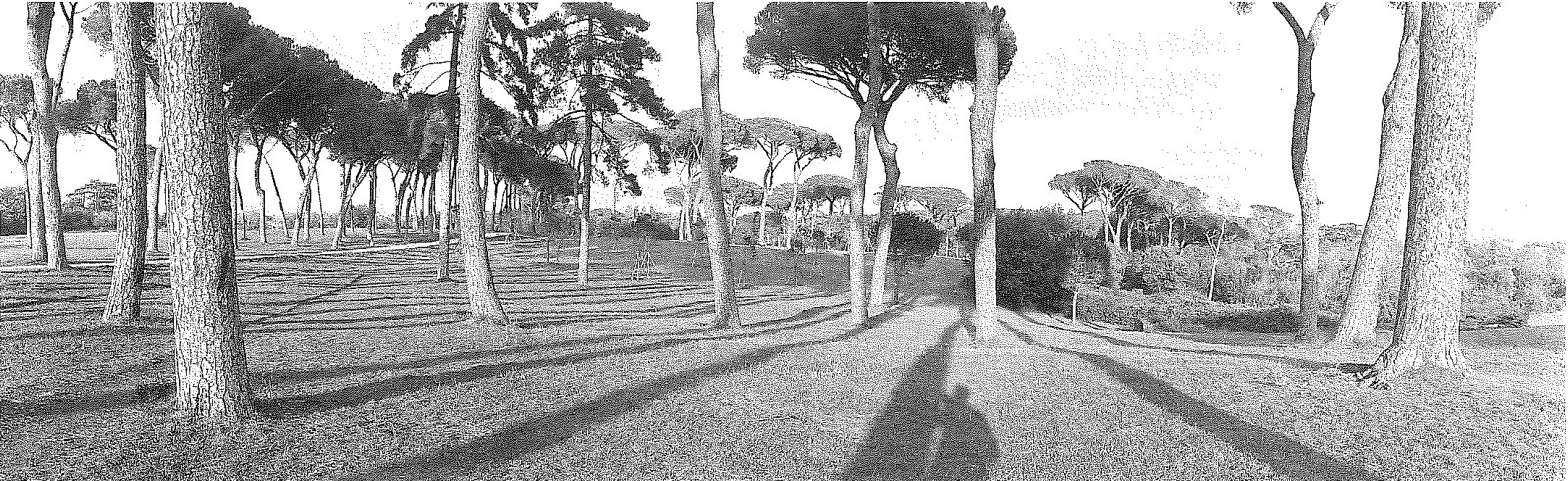
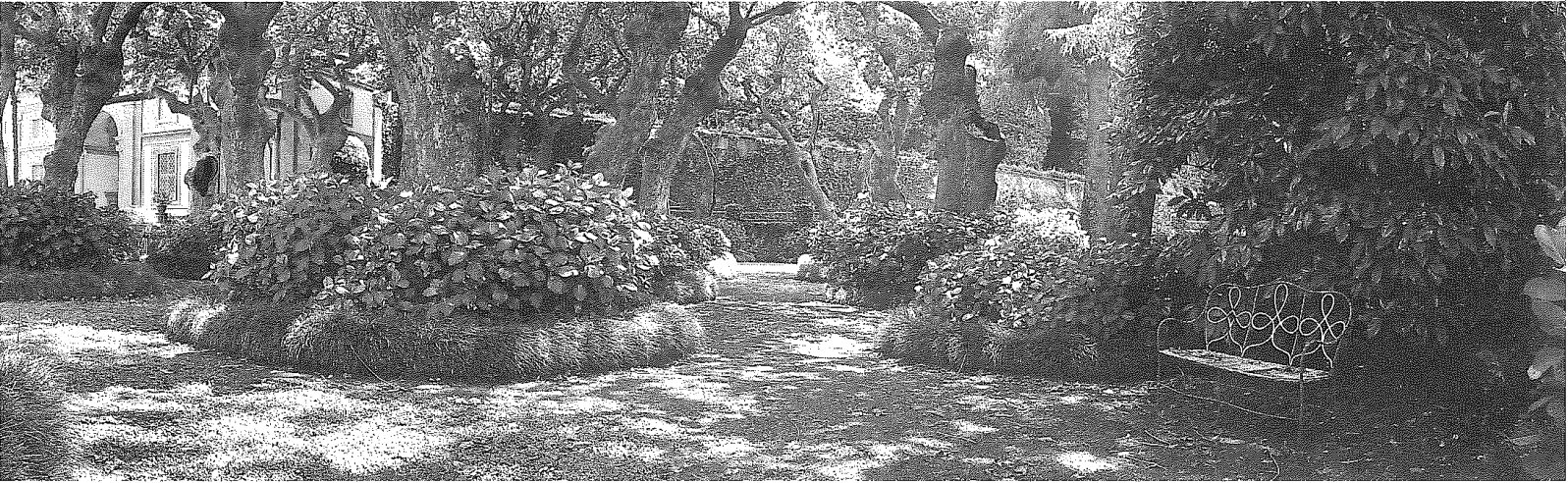
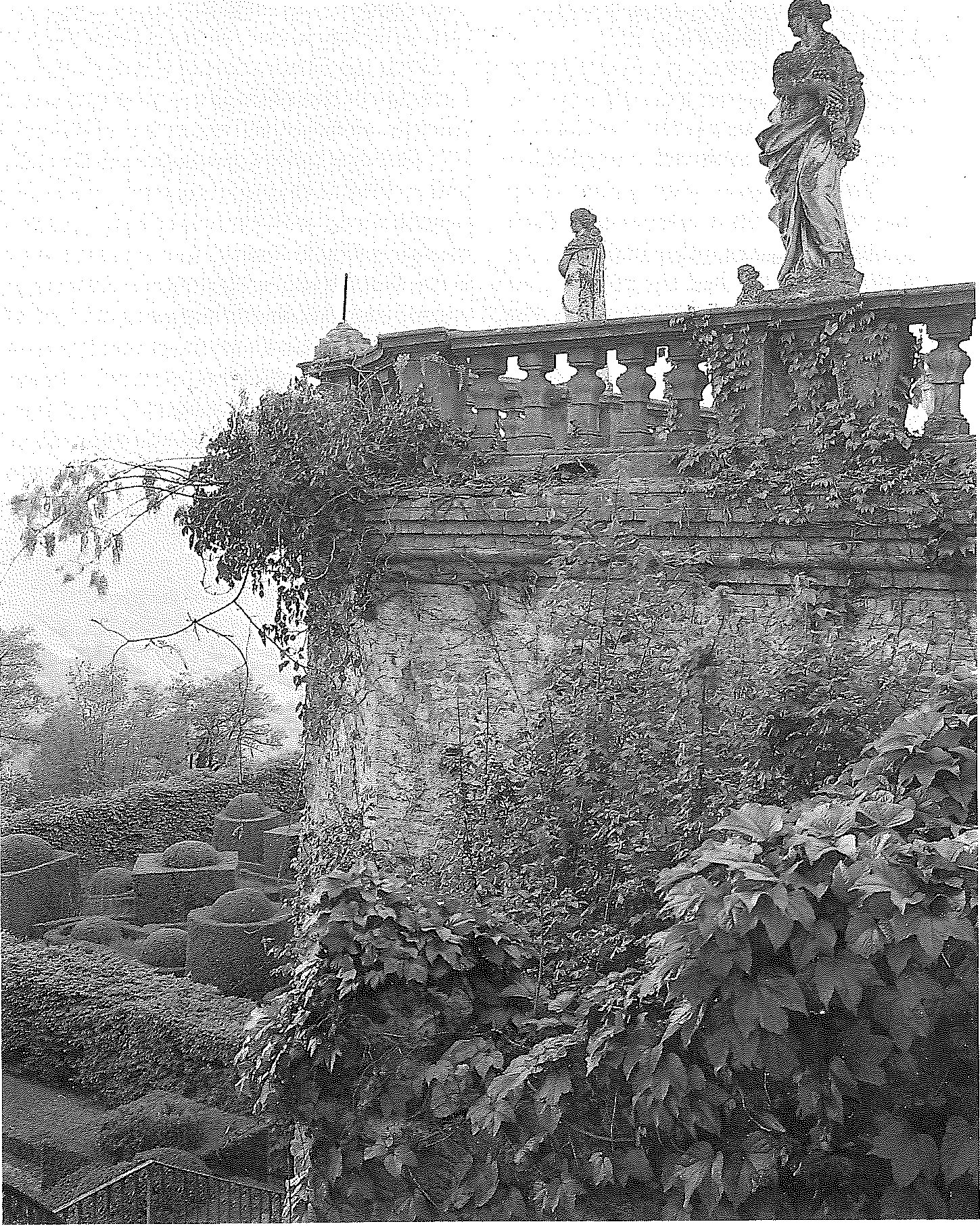
Most major Canadian art museums publish books on photography as part of their regular programming. The three most important resources in Canada are all located in Ottawa: the National Gallery of Canada produces authoritative books that span the entire history of the medium; the Canadian Museum of Contemporary Photography (CMCP) frequently publishes photographic books and critical essays about current Canadian issues; and the National Archives of Canada has a large selection of publications. Contemporary Canadian Photography (1984), published by CMCP, is widely available in Canada and provides an overview of the work in their collection at that time. In addition, many monographs are available about photographers — too many to list! However, Geoffrey James’ most recent book, The Italian Garden, is a particularly fine example of this genre (see illustration).
Third, when looking at photographs, you might want to bear in mind in a very general way, that there are two main categories. There is work by living (i.e. contemporary) photographers and then there is the rest often classified as “vintage” or “historical” photography.
Quality vintage photographs, particularly ones by recognized artists, are expensive. Both Sotheby’s and Christie’s auction houses publish catalogues to announce their sales in major cities around the world. The majority of work at auction tends to be in the “vintage” category and the expected bids are generally high. Although the work of some contemporary artists is expensive, for the majority this is not the case. The prices of contemporary photography are rising, but are still relatively modest and accessible to anyone with a keen interest in collecting art. You will find that most dealers tend to specialize in one of the two categories.
Finding a Dealer
When you are looking for a dealer, find someone you feel comfortable with and whom you trust. This is important because what you are purchasing along with a photograph are professional personal services, and in the art world, referrals are often appropriate. Art dealers and their clients frequently develop long-term business relationships which carry on irrespective of physical location. Your art dealer will work hard to make sure you make an informed choice once you have decided to purchase. Dealers’ reputations are closely tied to the quality of the artists they represent and therefore a good choice of artists is an important indicator of business integrity. When you purchase a work of art, the price is generally fixed and you should not try to negotiate a lower one. However, if you cannot afford to buy a piece that you really love, let the dealer know because many will allow you to buy the work on time and usually without any interest charges. (A word of advice is that when you need to speak to your dealer on a matter of importance, call ahead and make an appointment. They will then be in a position to give you the time and the personal attention you require.)
When you find an artist that you like, feel free to ask the dealer for a copy of their résumé. This document gives an important perspective on an artist’s career. At the outset of your collecting career, you should choose work by established artists whose exhibition history covers at least 10 consecutive years. You should also check whether their photographs are already in the collections of museums or public institutions such as the National Gallery, CMCP, the Canada Council Art Bank, or even in your local civic or corporate collections. Usually the résumé will also provide other information such as the artist’s publications, participation in shows in Canada and abroad, major awards received and other details useful to the collector. That being said, the résumé is no substitute for the work at hand (that you must judge for yourself) but it can be an important tool for assessing the stability and contribution of the artist’s work to the field.
Determining the Price
Many factors contribute to the price asked for a photograph: the size, medium, scarcity of the work, historical importance, artist’s reputation and, sometimes, the popularity of a particular image — all are taken into account. Pictures made with “one-off” or unique processes tend to be more costly than are images which can be re-printed. Although negatives can be used repeatedly, printing high-quality, fine photographs is time-consuming and expensive. For these reasons, most photographers do not make large numbers of a particular image. They prefer to move on and do new work instead. In the world of etching, etchers often “cancel” their printing plate when it becomes difficult to print from it; but a photographer almost never destroys a negative. The market conventions of print editioning (i.e. artists’ proofs which are used for etchings) are not common amongst photographers. Your dealer is sensitive to these issues of authenticity and can advise you about any particular image you have in mind.
A common piece of advice is, “begin collecting the most expensive and rare photograph that you can afford”.. But in fact, most large collections were established through the careful choice of photographs from the lower end of the price scale. The low end of the market will often enable you to buy work from well-recognized artists for as little as $250 to $600 per print and these prices are not going down. Recently, certain pieces of contemporary photographic work have sold for as much as $100,000.
Are You a Collector?
Photographic collecting is part risk, part passion, part cunning, very exciting and 100% personal. Fortunately, this passion can be pursued world-wide. Whatever price you decide to spend, my best advice is only spend it on work you really love. An informed, well-chosen art purchase is an investment, certainly; but it is also an expression of your personal interests and tastes that you will live with as it appreciates. While you build your collection, your personal enjoyment will grow along with your skill in selecting the work you want. It is fun, and chosen well, it just keeps on getting better!
View the original scanned pages →
Originally published in bout de papier, Vol. 9, No. 1 (1992) — Winter 1992 // Hiver 1992, pp. 35–37. Read the rest of this issue →



