
bout de papier, Vol. 8, No. 2 (1991) — Spring 1991 // Printemps 1991, pp. 24–28


The odds of winning LOTO/649 surely must be lower by far than the odds of Personnel effecting such perfect posting symmetry in the normal course of business. Two well-known Canadian authors (spouses at that) landing at our two major missions in the USA at roughly the same time: one to New York, the other to Washington; one the spouse of a political appointee, the other the spouse of a career bureaucrat/diplomat. What a wonderful, wacky, serendipitous turn of the screw, with the political appointee going to the United Nations in New York, the apogee of diplomacy, and the bureaucrat/ diplomat going to Washington, the pinnacle of power.
How wonderful that both authors chose to write about their experiences, as wildly diverse as they would be in such disparate centres of the American melting pot. I refer to “This is New York, Honey!” by Michele Landsberg, and Washington Rollercoaster by Sondra Gotlieb. The titles themselves epitomize the flagrant differences.
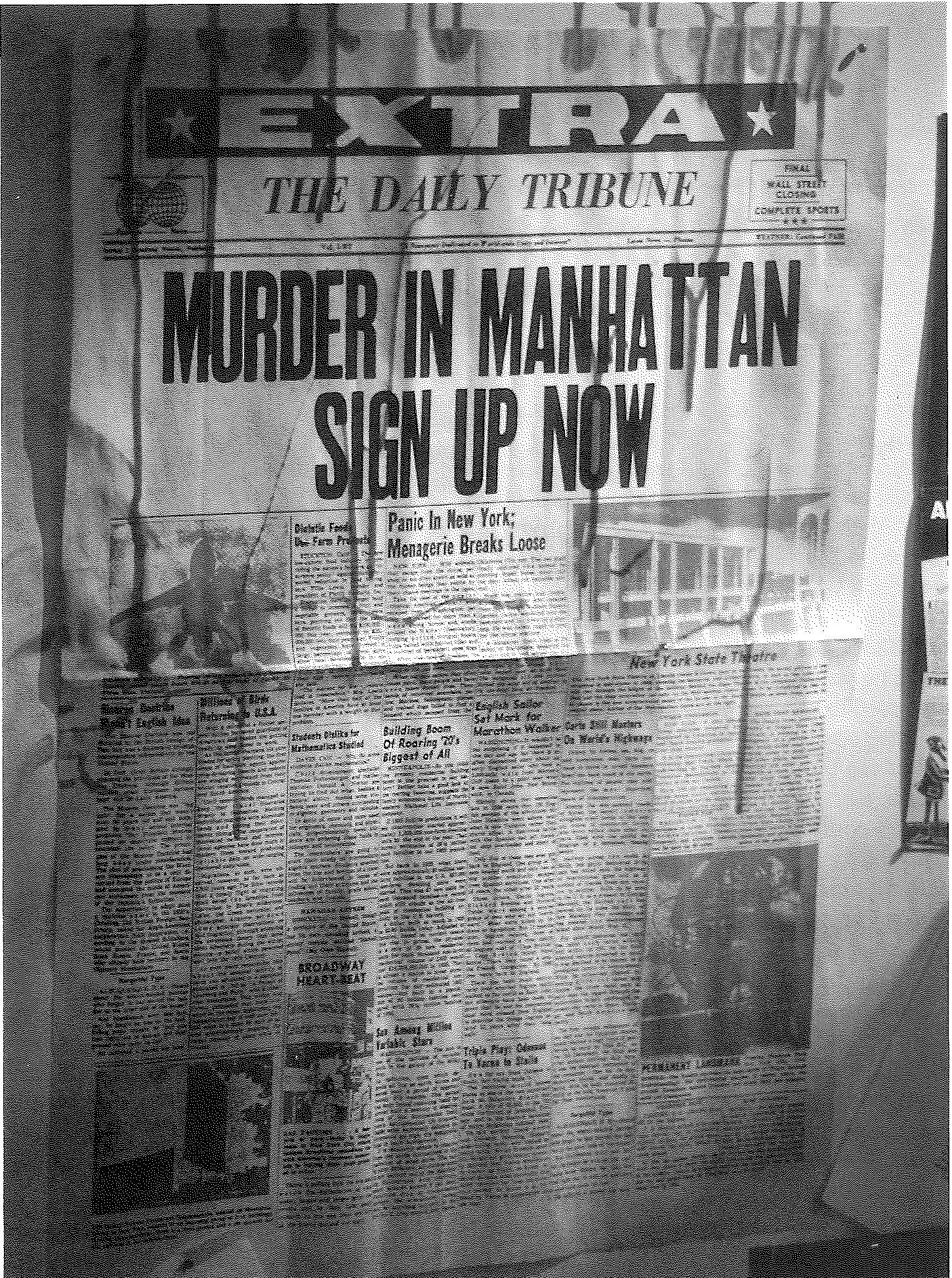
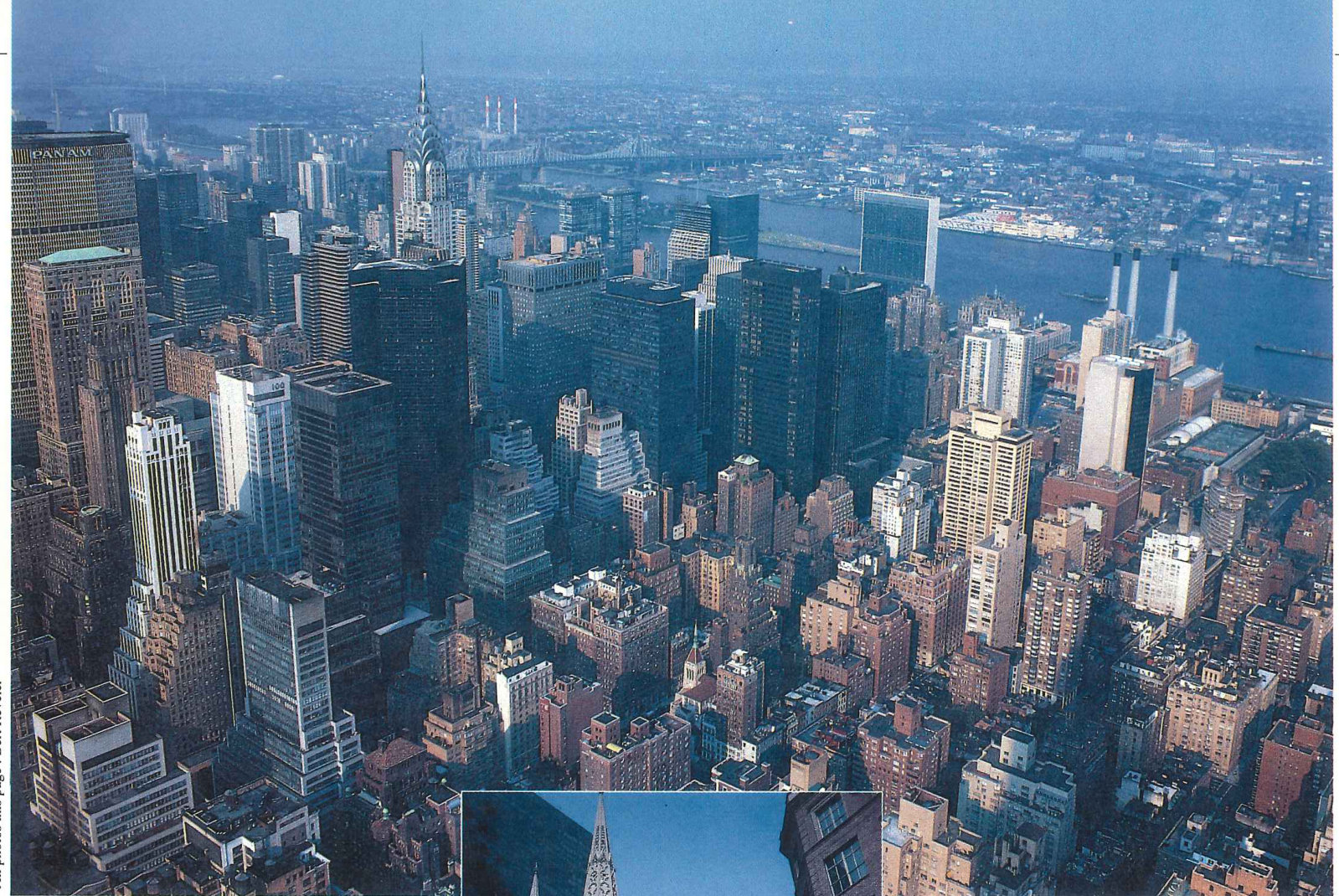
Landsberg writes about New York, a city where anybody with enough daring, talent and chutzpah can make it if they try hard enough and long enough. For many it is the true capital of the USA. It is a city of multinational corporate headquarters and multistoried buildings (PanAm Building, Chrysler Building, Empire State Building); of art and culture (Metropolitan Museum of Art, Museum of Modern Art, Lincoln Centre, Carnegie Hall); of crime and passion (Mafia, Triads, 42nd Street, Times Square); and of rampant seven-day-a-week consumerism and gastronomic delights (Saks, Tiffanys, Bloomingdales, Macys, Lutece, pretzel vendors).
I was predisposed to dislike Landsberg’s book. Her Globe and Mail column had prepared me for a narrow perspective, with little sympathy or willingness to understand the foreign service. I was wrong in my predisposition. While her book contains earlier Globe and Mail columns on New York, she builds on them. She reveals a hesitant Canadian, initially not particularly inclined to like New York but, discovering a fascinating city, and showing a wonderfully exploring eye. She learns the whereabouts of places of personal interest and the ways of the city, revealing a warm and humanistic spirit. The city of “wilding” teenagers has a humanizing effect which transforms her perspective. She is liberated into a technicolour world from the mundane straightjacket of being the grey Canadian from Toronto.
She examines New York mores and provides a fascinating travelogue both for those familiar with the city, and those visiting it for the first time. As she says, “What I couldn’t know until I lived there was that walking the streets, the simplest and most mundane of all activities, could be intoxicating and addictive and one of the things I would love the most. The streets of New York are superabundant with life, colour, action, and anecdote; they’re like a river of stories you can dip into and out of for as much humour, poignancy, or drama as your soul requires at the moment.” Perhaps it is this contrast which creates the difference, because “writing is a solitary task. To plunge from my silent, eight-by-nine foot writing cupboard into this tidal surge of the streets was like an instant charge of electricity.”
The city does surge; there is an electric charge in the very air one inhales with every intoxicating breath! It is a walker’s city — the only way to feel its pulse, smell its smells, see its sights and the millions of people with millions of stories. Landsberg is seduced by the Big Apple. She enjoys its small, liveable neighbourhoods; the vitality of its inhabitants; and, unlike Toronto, the ability to be openly Jewish in a polyglot and, on the surface, egalitarian city. While she revels in the multicultural city where every race and Ready to rap in Brooklyn. Culture has its day, she is also horrified by the corruption of its politics, with the obvious impact on services, education, and race, and by the evident extremes of dire poverty and ultra wealth.

She devotes several chapters to this duality. She refers to Tom Wolfe’s book about the same concern, The Bonfire of the Vanities; or what Jane Jacobs had earlier termed a time of “cataclysmic money” which gushes suddenly in such a huge geyser that it overturns society’s value system, stable patterns of employment and housing, thereby creating an uncontrollable upheaval. As she says, “to live in that bubble of wealth, that fragile shimmer of ease and safety surrounding the very rich in New York, is entrancing: you waft on the heady currents of flattery, power, sensual ease, service. But the price you pay … is that thrill of pure icy horror along your veins when, every now and then, you sniff the cold, cloacal breath of menace gusting at you from the dark swamp….” She contends that rarely has a class of obscenely wealthy robber barons flaunted its riches so blithely under the very noses of the deprived and the hopeless – and this in the heart of a culture that constantly proclaims its classlessness, opportunity, and democratic values.
She observes “Black New York”, and appears to be surprised by its reality. can only assume that she has spent little time living outside Toronto. Black America, black Nova Scotia, the indigenous West, and oriental British Columbia would probably be equally foreign to her. She appears to adopt Tom Wolfe’s greatest fear of rich white America being a lurking terror of its black people. On arrival in New York she writes about having “to try hard not to be nervous of some people just because of their skin colour….” She cannot forget and is fascinated by this racial tension, and the divisiveness which occur in daily encounters. As a newcomer to the city, she first sees it as integrated: black faces as part of the visible mosaic. “Only slowly did I learn… that there is a huge gulf dividing the classes… the upwardly mobile black population which blends seamlessly into white New York… and the black poor; their race noticeable only because their poverty has made them into a menacing underclass.” I would suggest that the poor latino, asian, indigenous and white populations form an equally menacing underclass.
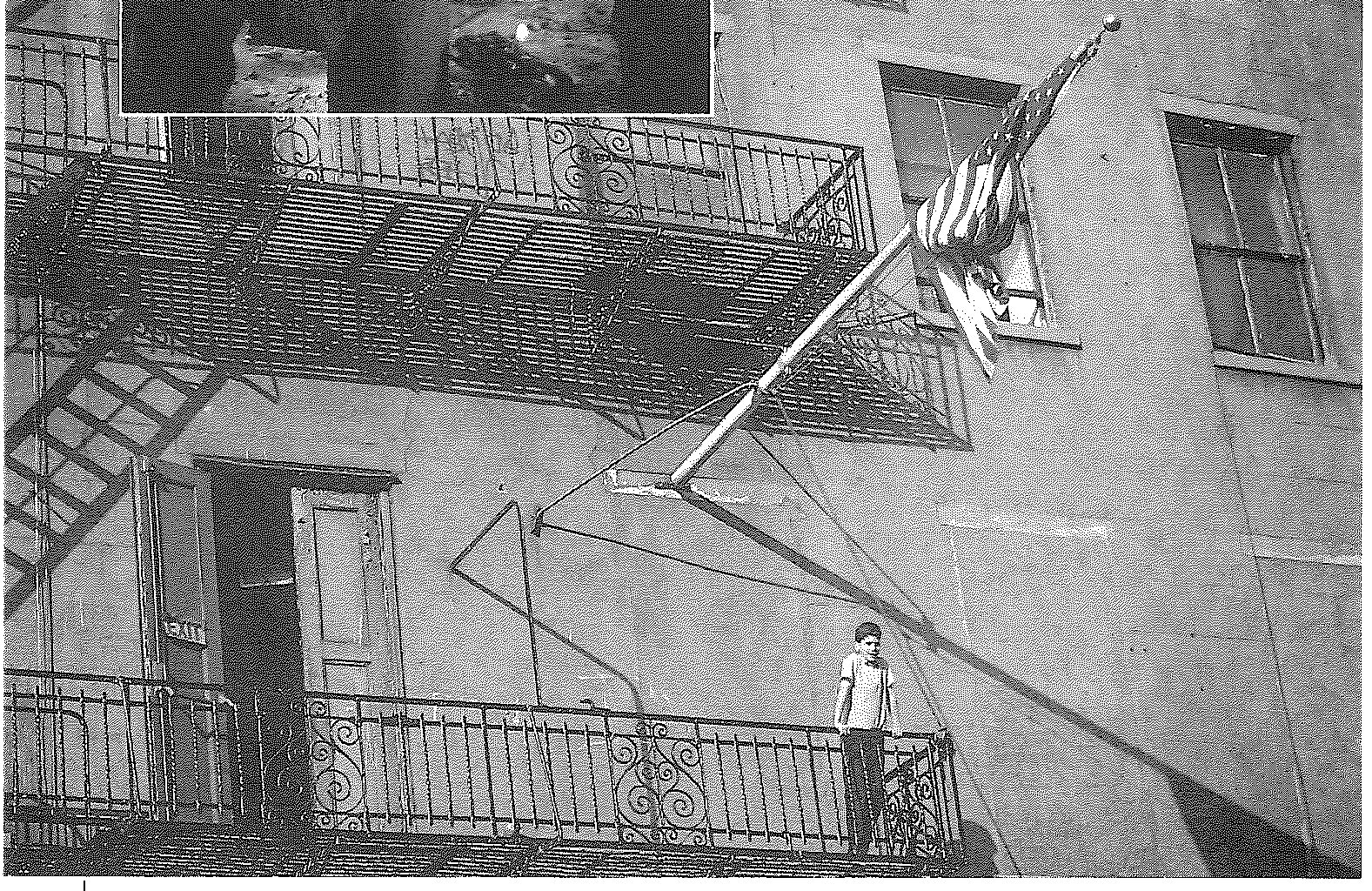
In spite of the incipient menace posed by living in New York, there are glorious compensations such as art, music, and literature. Added to this is the sheer unexpectedness of the cultural ambitions of seemingly ordinary individuals: “In the local cigar store, I bumped into the butcher, a man with an Stars and stripes in TRIBECA. Untidy grey moustache and a plump aproned belly, reading art magazines on his coffee break. Eagerly, he told me of his plans to create a book of food photography as art: his eyes glistened with pictures of perfect pork roulades. A bleached-blonde real-estate agent confided that she was researching a book on the history of European witches; a taxi-driver played me a tape of his own jazz saxophone compositions.
It is Landsberg’s position as the wife of an Ambassador to the United Nations that wins her entree, initially at least, to the milieu she seeks. There is no reference to the social responsibilities which inevitably must have come her way as the result of her husband’s political appointment. Neither bout de papier Vol. are we afforded any glimpse into the world of international diplomacy viewed from the perspective of the wife of an ambassador.
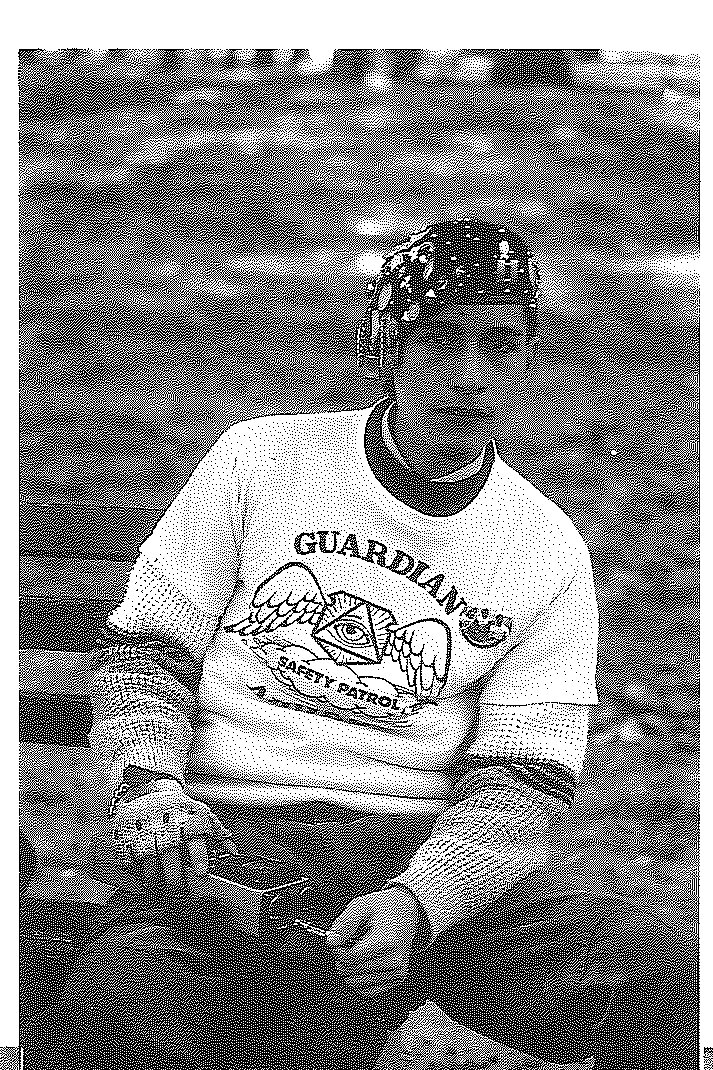
Sondra Gotlieb’s book, on the other hand, goes right to the heart of the issue: being a writer and the spouse of a diplomat. On the first page she appears to deprecate her role as “Washington’s twinkling hostess” as she was referred to by Vanity Fair. We know that the Gotliebs (like the Ostrys, the Kirkwoods, and the Enders) were famous in Ottawa for their gracious and exuberant entertaining in a city not known for glamour or graciousness. But Gotlieb’s real lament is that she never grew up wanting to be a “wife of…” or a hostess. Indeed, before the posting to Washington, she had managed to have a successful career as writer, journalist, and On patrol in Spanish Harlem. Novelist. However, as the spouse of a diplomat, and particularly of an Ambassador, her function was to be a hostess. This obviously rankled.
Gotlieb believed the pressure exerted on a bureaucrat’s spouse was intense. This convinced her early on that her commentary on politicians or their policies would adversely affect her spouse’s career. His reputation for being an objective public servant would be destroyed because she would be considered his “mouthpiece”. ’. This forms the basis for the bad feelings between her and Michele Landsberg. Indeed, she censures Landsberg: “The unwritten rule about wives (sic) of top officials who write about politics did not seem to apply to the wife of Canada’s ambassador to the United Nations, Michele Landsberg, who was to write a controversial column for the Globe and Mail during her husband’s term of office. However, a politician who reads something unpleasant about himself written by a public servant or his wife (sic) would certainly remember. The husband (sic) should be prepared to slither about in the slow lane of his public-service career.” (Landsberg later retaliated when reviewing Gotlieb’s book on television, and was noticeably negative.)
Nevertheless, this is a fascinating book for many reasons, one of which is the glimpse it gives of a strong marriage and successful partnership between two individuals who succeed brilliantly. Gotlieb relates her progress from the obscurity of a childhood in Winnipeg where “my mother believed that inviting strangers for dinner was ’pushy, especially if they came from a headier social scale than her own”. It provides tantalizing glimpses of the hard work and behind-the-scenes effort in becoming a successful ’Hostess’: not simply entertaining but, Entertaining the Power Jobs to gain influence or an entree to “take” a meeting. This difference is something which all diplomats presumably would like to know. This is a skill which External Affairs admires but fails to develop in its new recruits or their spouses, trusting that people can learn this on the job. Indeed, officers used to be evaluated on the quality of their spouse’s entertainment; now it is euphemistically on the basis of the “officer’s” entertainment.
According to Vanity Fair, the standard by which entertainment is judged is largely in the guest list: “The Canadian Embassy in Washington is the only social hot spot on Embassy Row. Those who wouldn’t be caught dead at an embassy affair will always go to the Gotliebs’ certain of meeting someone they know or need to know.” Having an exciting and interesting mix of guests has always been true. But how does one accomplish this? Gotlieb’s answer is that the event must be interesting, enjoyable, well-planned and presented, gracious, and tasteful. It need not be necessarily sophisticated, although this helps, nor needlessly extravagant. However, it should be elegant, even if simple. This introduces the perennial battle still waged between External Affairs and Treasury Board. Entertainment allowances are based on some nameless bureaucrat’s perception of what constitutes an appropriate level or style of official entertaining. Gotlieb makes her point on style early. She knows the differences between a good meal and a bad one from her restaurant reviewing days, and how not to give the kinds of deadly diplomatic parties with only diplomats present.
According to Gotlieb, appropriate guests include artists, writers, journalists, top businessmen, politicians and government officials. They should not include what she terms “ ’embassy rats’ — rich idle people who only ask ambassadors to parties in order to be asked back to the embassy. These people have little or nothing to do with foreign relations or helping the ambassador’s country.”
Why is entertainment important? Well, she defers to Jane Austen who defended her novels by stating, “Everything happens at parties.” Gotlieb then proceeds to prove the validity of this statement. She makes it clear that while being the unpaid manager of a “small hotel” and chief orchestrator of the “froth and shadow of important events”,, she was helping her husband to “put Canada on the map” of power city. She devotes several chapters to various brunches, luncheons and dinners at which the power jobs on the rise and on the fall of the rollercoaster ride (including the Gotliebs) are revealed through the shifting and reshifting groups and conversations.
Her book also gives a fascinating view, particularly during the Reagan years, of the sands and shoals of the highly sophisticated whirl of high society in America. In a humourous, but self-deprecating manner, Gotlieb provides several anecdotes of this difference in life-style between Ottawa and Washington. Just trying to decide what to wear is a problem. “We’d dress up or down, depending on the event. It was always a puzzle to know what to wear … Sometimes the men were wearing ties and blazers, and the women Oscar de la Renta suits. Sometimes the men left their ties at home, and the women wore Yves St. Laurent slacks and triple-ply cashmere sweaters, made in Scotland, not Hong Kong. Inevitably I wore a suit to the slacks affair and a sweater to the Oscar de la Renta suit brunch.”
Even getting people to come to dinner is difficult unless you have the right list. “In Washington you are known by your job, or your access to Important Jobs, and people come for dinner to gather information, arrange a meeting or lobby for their interests.” When they do come, they do not like to waste time. “Everybody in Washington gets up early and many go out for dinner almost every night. This means they hate sitting too long at the table. A separate course for salad was a thing they dreaded like the middle seat in an airplane….” Alcohol also posed difficulties since many either did not drink or pretended not to by taking only colourless beverages. Even at dinner, while wines were not refused, they were not often consumed. However, she could not ignore serving wine because she learned that important wines were necessary for important people. So far as she could discern it was the appearance that counted.
Travel to places such as Palm Beach and San Francisco reveal further, the dream-like worlds of the super-rich referred to earlier in Landsberg’s book. The Gotliebs visited Palm Beach and were met by their hosts at the airport “in one of their Rolls-Royces…. Before we could go to sleep we were taken to the Bath and Tennis Club for a Moet and Chandon champagne cocktail party. Moet, I discovered, was the local drink apart from the hard stuff. In the morning we woke up in a large house coloured entirely in white — walls, upholstery, rugs, marble floors, as well as the figurines on the shelf. This was the only colour our hostess, dressed in white, liked. She was ashen-haired, with a very white face.”
On another occasion in San Francisco, they attend a party given by Mrs. Getty (of the oil family) at her Architectural Digest home in Pacific Heights overlooking the bay, where even the flowers of the wealthy are different: “I noticed the bowls of peach-coloured roses gathered in huge bunches.
Each flower was fully bloomed, yet no one flower was opened more than the one pressing next to it. It was the roses that more than any of the objets d’art in the beautiful house brought to mind Scott Fitzgerald and his famous phrase about the rich being different than you and me. This was the first but not the last time I was to see designer roses.”
Being a houseguest in these large homes created problems. Aside from the question of clothes, gifts and sports (not many Canadians play polo, the inevitable matter of tipping arises: whom to tip, how much should be given, and when. However, leaving aside the trials and tribulations of being the travelling road show for Canada, the Gotliebs continued to perfect their entertainment and lobbying style in Washington. Toward the end of the book, which details events and people during their seven-year posting, Gotlieb confides that the best parties from their point of view and that of their guests were the small ones with about 14 stimulating guests. Even non-ambassadorial level diplomats should be able to apply many of her useful tenets to good advantage, whether in Washington or Timbuktu.
These two books have generated some anger and considerable debate both at External Affairs and in the public domain. In my view, they rank among the best of their genre. That is not to say that they do not 28 bout de papier Vol. have faults. For instance, I believe that both would have benefitted considerably by leaving out their final sections. The Landsberg book could have dropped the section on being “A Canadian in New York” because the entire book is written from the perspective of being a Canadian. The final chapter is a somewhat self-indulgent critique on smugness. In the Gotlieb book, the chapter on “The Ride Down the Rollercoaster…” (which begins on the morning after the “Slap Flap”) could have deleted the final part about the daughter’s illness. This is a deeply personal event which has been diminished somehow by its telling. Without actually using it as an excuse for the slap she gave to the social secretary, this is the effect. Having chosen to write in the preceding chapter about the slap, she blamed it on her anxiety over the constantly changing seating plans for an ever-growing Prime Ministerial dinner, and on her too-rigorous diet. I believe she should have stopped at this explanation, because there really is no easily forgiveable reason for the event. It happened, which is unfortunate. However, it cannot be undone, and Gotlieb should put it aside and go on to other more positive matters.

Notwithstanding these comments, I believe the two books provide intriguing glimpses into life in two fascinating cities: Washington and New York. This is the view through the looking-glass of the spouse’s world which the employee generally never experiences.
View the original scanned pages →
Originally published in bout de papier, Vol. 8, No. 2 (1991) — Spring 1991 // Printemps 1991, pp. 24–28. Read the rest of this issue →



