
bout de papier, Vol. 7, No. 3 (1990), pp. 24–29
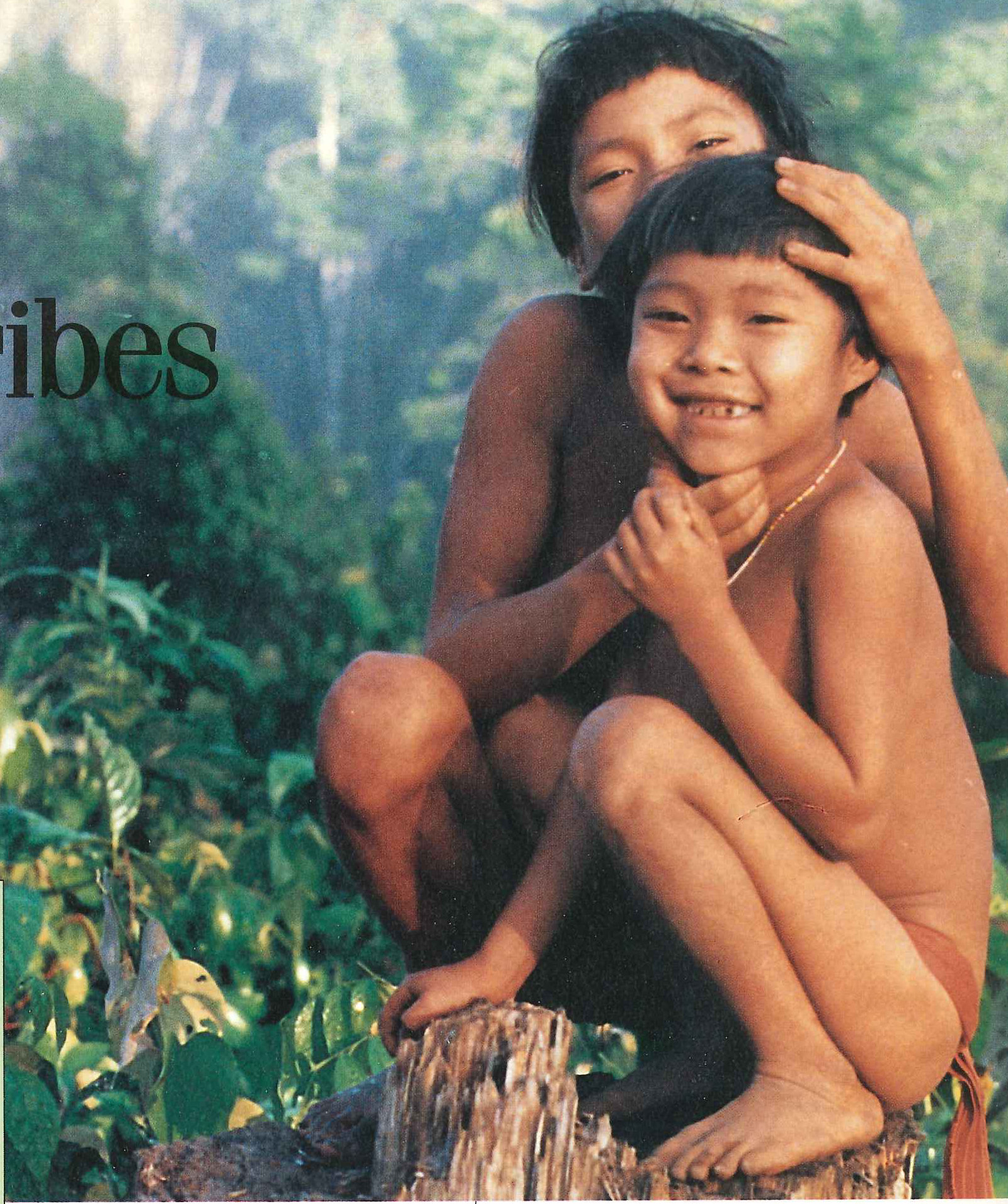
The surviving Ameridians of Brazil number about 250,000 people — a mere .2% of the Brazilian population. Yet, they have a social significance out of all proportion to their numbers. In a country whose vigorous national culture seems to “Brazilianize” all immigrants, the Amerindians are Brazil’s only true cultural minorities. For many North American observers Brazil’s remaining Indian cultures offer an indigenous alternative to the “western consumer lifestyle” that has colonized the rest of the hemisphere. While all of our native peoples are now irreversibly incorporated into the cash economy, Brazil still contains a number of intact Indian cultures that have yet to make substantial contact with western society. As survivors of the conquest, they evoke for us images of pre-Columbian romance and post- Columbian guilt.
In the summer of 1987, I had the unusual opportunity of visiting the two most famous indigenous areas of Brazil — Xingu Park in Mato Grosso along the southern fringes of the Amazon, and the land of the Yanomami along Brazil’s northern frontier with Venezuela. The tribes that inhabit these two regions make a revealing comparison, because they differ radically in their ability to adapt to the encroachments of western society. Yet in the final analysis, both groups face the same constraints against any attempt to preserve their cultural autonomy.
The Yanomami
The Yanomami are one of the classic tribes of academic anthropology, due to the work of American anthropologist Napoleon Chagnon. They number between 15-20,000 people, evenly divided between southern Venezuela and northern Brazil. This makes them the largest single Indian tribe in Brazil and the largest group of relatively uncontacted Indians left in South America. In total, they occupy an area of about 100,000 square miles of largely mountainous rainforest along the watershed that divides the Amazon from the Orinoco. Despite their geographic dispersion, the Yanomami maintain a remarkably uniform culture, through century old patterns of inter-marriage, alliance and warfare.
I spent twelve days in early July 1987 in the Yanomami territory around the Serra do Surucucu, a grassland plateau that rises from the surrounding rainforest along the western border of the state of Roraima. Until the early 1960s, Surucucu was one of the most remote spots in this remote corner of South America. More than 4000 Yanomami are estimated to live in over fifty villages around the plateau, of whom no more than twenty have had regular contact with the outside world.
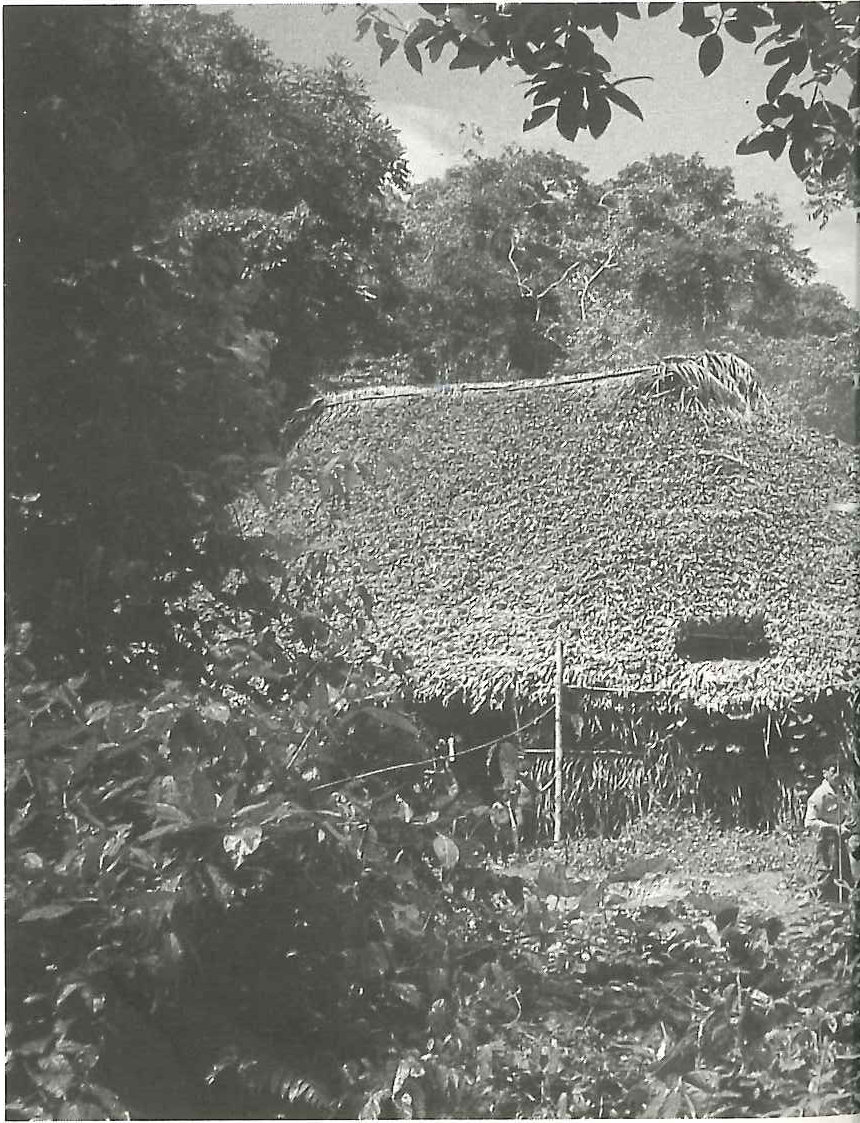
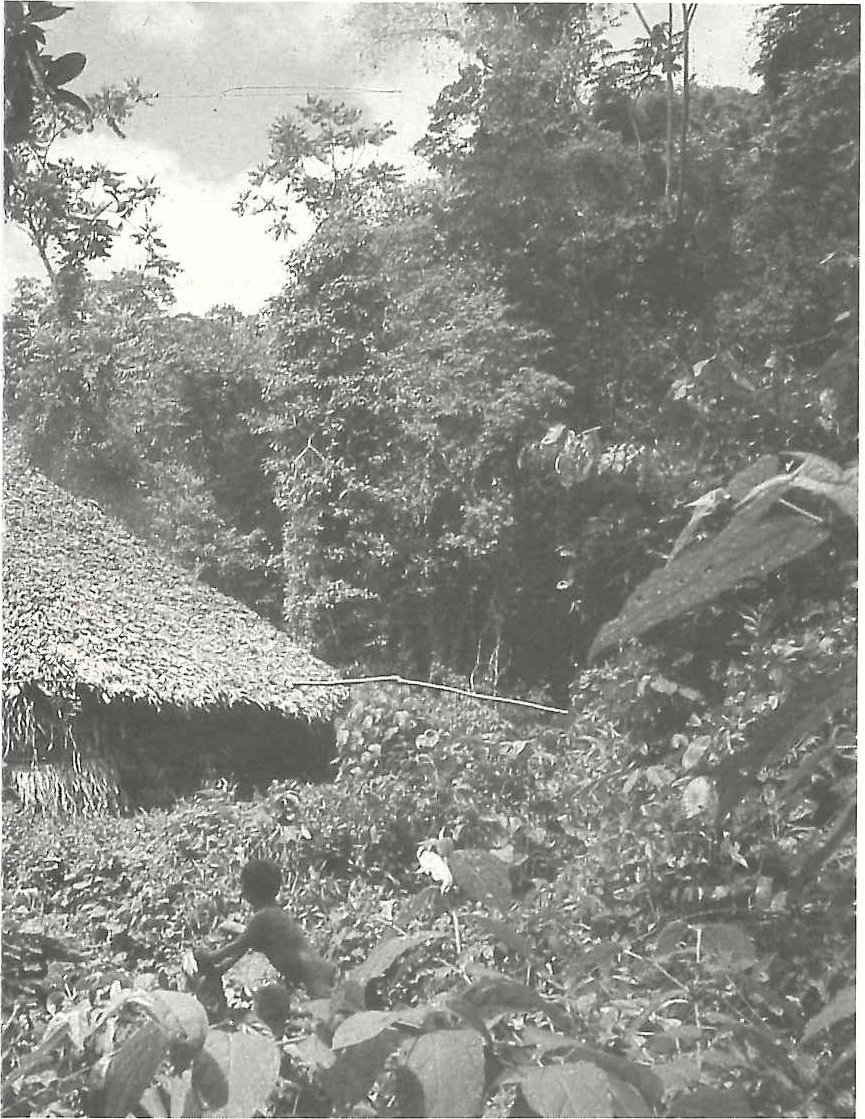
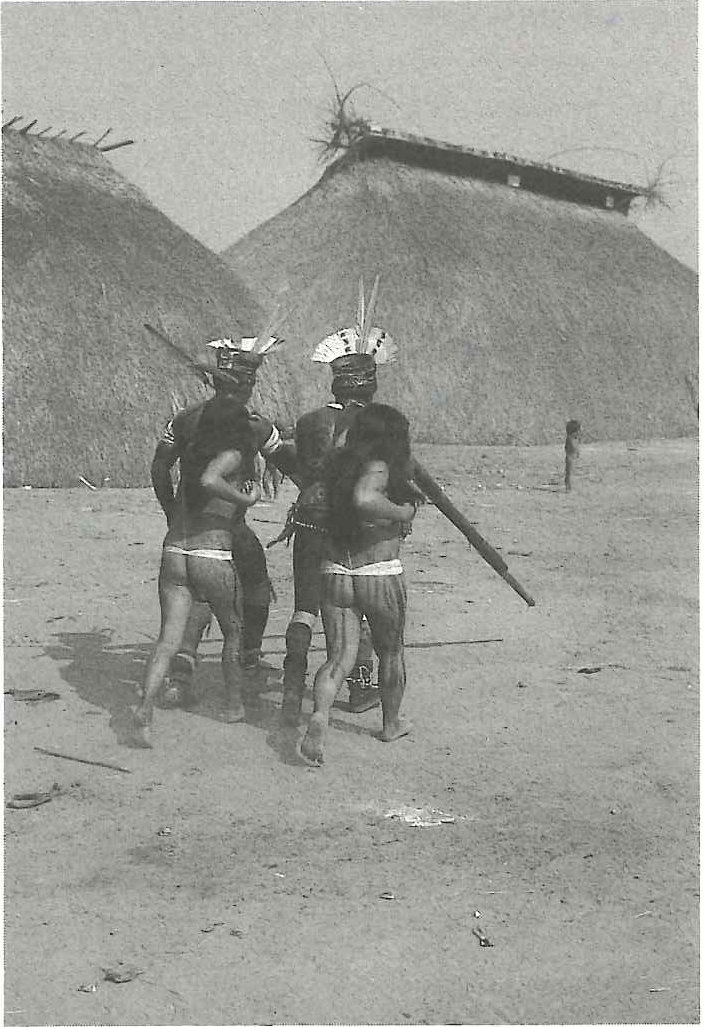
Each Yanomami village consists of one large thatched conical dwelling, known as a maloca in Portuguese. Some Yanomami malocas contain up to three hundred people living communally. When numbers become too great, the maloca will fissure and a sub-group will strike out to construct a new maloca in a nearby area of forest. On average, the Yanomami will move and rebuild their malocas at least once every ten years. By one estimate, it takes up to 600 square kilometres of forest to provide sufficient hunting for an average community of Yanomami. Over the last five thousand years of this low density migratory existence, the Yanomami have probably cleared every last stretch of forest in the region at least once to plant their gardens of manioc and plantain, and have then allowed it to grow back again.
The first change in this centuries old cycle came in the early 1960s when an American protestant missionary organization arrived and established a mission which lasted for about fifteen years, and was then abruptly abandoned. The next group of outsiders to penetrate the plateau was a force of itinerant prospectors, known as garımperos. Financed by outside mineral interests, more than 500 garimpeiros invaded Surucucu in 1975, built an airstrip and began panning for tin. To avoid trouble with the Yanomami, many garimperos simply gave them hand-outs of food – which encouraged some communities to abandon cultivating their own gardens altogether. When the Ministry of the Interior decided to evict the garimpeiros from all Yanomami areas in Roraima, these communities subsequently starved for several months.
Following this episode, the Brazilian government’s Indian agency, FUNAI, decided to establish a small post in Surucucu. The man appointed to run the post, José Bezerra, became one of the handful of white Brazilians who has ever learned to communicate with the Yanomami. In Surucucu, he carved out a role for himself, in the tradition of FUNAIs best field agents as a benevolent if somewhat powerless “protector” of the Yanomami. For nine years, Bezerra’s only contact with the outside world was a supply flight once a month by a Canadian-built Brazilian Airforce Buffalo.
In 1986, modern times caught up with Surucucu. Looking for new defence roles to play once they were no longer in power, the Brazilian Army embarked on an ambitious border control strategy in the Amazon, christened “Calha Norte” ’ New airstrips and military outposts were to be built at strategic points along Brazil’s sparsely populated northern frontier. Included among the list of potential threats to Brazilian sovereignty which this project was meant to combat was the possibility that foreign interests might conspire to declare the independence of the Yanomami. As the Calha Norte post commander in Surucucu analyzed the situation for me: “The Yanomami have four of the five necessary attributes of nationhood: a people, a culture, a language and a territory; all they lack is the fifth – a government”
Surucucu was one of the first sites selected for a Calha Norte post, intended to house seventy soldiers, officers and their wives. When I arrived there, a strange four cornered society had sprung up on the Surucucu plateau. The military base under construction was at one end of the runway; the FUNAI post was at the other. In between were the ramshackle barracks of the road paving crew decorated with pin-up posters and surrounded by discarded tires and tin cans. At the edge of the forest was a Yanomami maloca.
To the casual observer, relations seemed very neighbourly between these four disparate groups. The FUNAI post served as the meeting ground. During the day, Yanomami from the entire region would converge there, the women seeking medicine for their children while the men came to barter at the trading post. At night, all the soldiers and the construction workers would gather around the table in the FUNAI post kitchen to listen to the radio and play dominoes. Yanomami in small groups would sit outside on the verandah. Since no one except Bezerra and his staff could speak both Portuguese and Yanomami, communication across the kitchen doorway was limited. Nevertheless, greetings would be exchanged, a few dumb-show jokes made and the occasional deal was done — such as the evening when an elderly man arrived, clad only in a penis sheath, to swap two kilos of freshly killed tapir meat for a pair of shorts.
However, as I soon found, this bucolic scene concealed a more disturbing reality. The rapid arrival of so many outsiders in the preceding year had completely altered the human ecology of the region and introduced diseases against which the Yanomami had no natural resistance. When I arrived, Surucucu was in the midst of an influenza epidemic, which left the Yanomami aching and listless, reduced their energy to farm or hunt and increased their susceptibility to other diseases. I visited two malocas, containing more than one hundred Indians, every one of whom was suffering from the flu. Many of the Yanomami were sick with pneumonia as well. While these diseases were not fatal for the adults, they had already killed a number of infants and there were few children visible in the malocas we visited over the age of three. Worst of all, the first cases of malaria in the history of Surucucu occurred while I was there. Once whites carrying the disease arrive in a malaria free region, the local mosquitos soon become carriers too, and they pass it on to the indigenous population.
One Saturday night in the midst of the influenza enidemic. a nublic dehate occurred at the FUNAI post that raised all the issues at stake over the future of the Yanomami. I was talking around the kitchen table after supper with a young doctor from a Brazilian Indian rights NGO. His organization had been working for over ten years to lobby the Brazilian government to create an “indigenous park” that would protect all of the Yanomami’s traditional territory. In the preceding two years, it had secured European funding to begin a much needed health program as well for the Yanomami, flying in two young doctors who had been trained to speak Yanomami to make field trips to outlying villages and provide basic inoculations.
In the midst of our conversation, the army post commander, arrived in great ceremony and announced that he was convening a community meeting, summoning everyone else at the post around the kitchen table. He began by explaining that he had taken advantage of his recent leave to conduct some research into the legal standing of the Yanomami. After examining the relevant decrees and questioning higher authorities, the commander had learned that Surucucu, along with all other Yanomami territories in Roraima, had yet to be registered as Indian lands. This meant the military had inherited a special responsibility for the Indians welfare as a by-product of their authority under the Calha Norte program to control a cordon sanitaire within 150 kilometres of the border. The commander concluded that the army had no intention of disturbing the Indians along the frontier — their sole objective was to maintain the peace. But as he more or less admitted in his speech, the military had not fully taken into account the reality of the Indians presence in Surucucu. Hence his purpose in convening this meeting — given that the army was now here to stay, what should happen to the Indians?
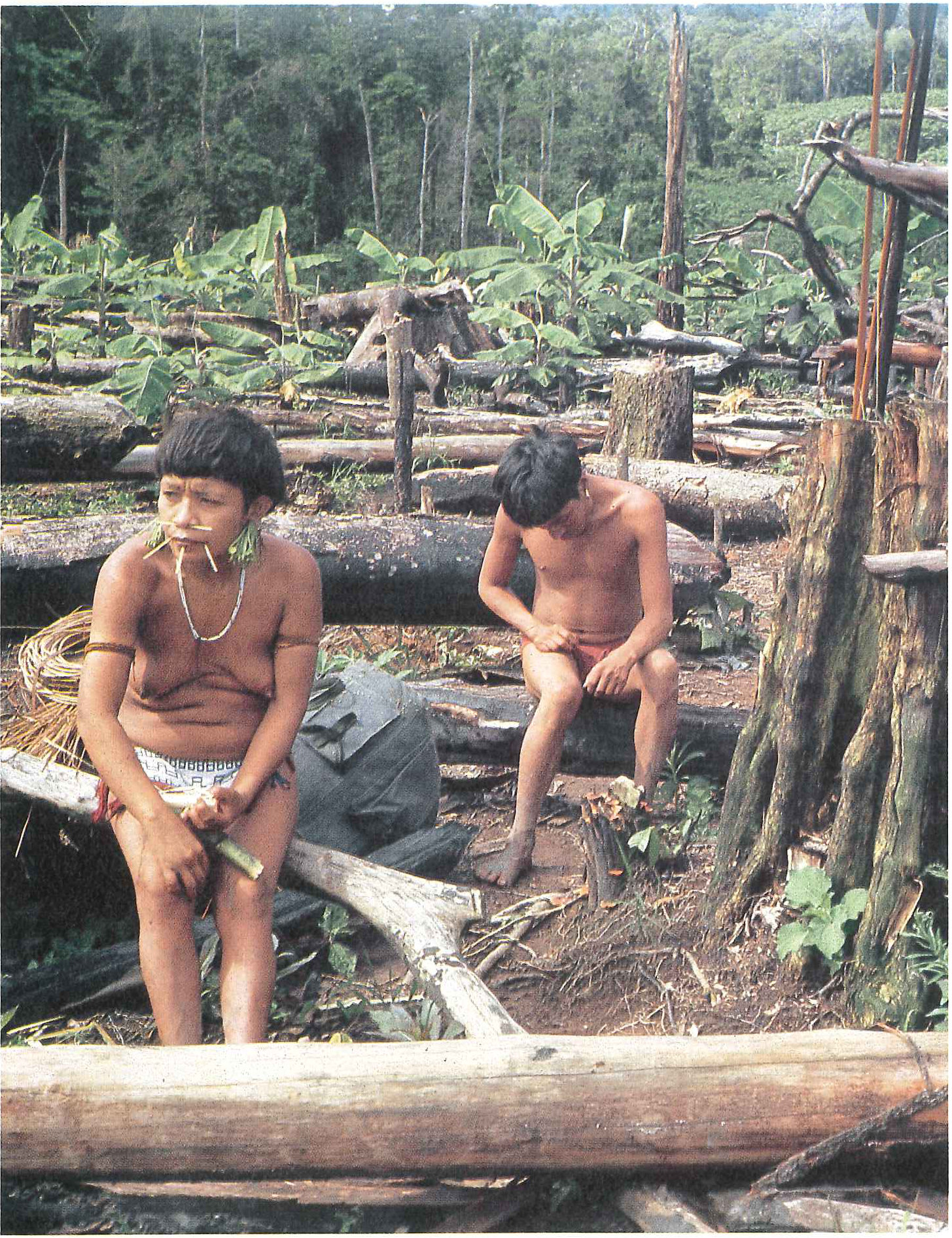
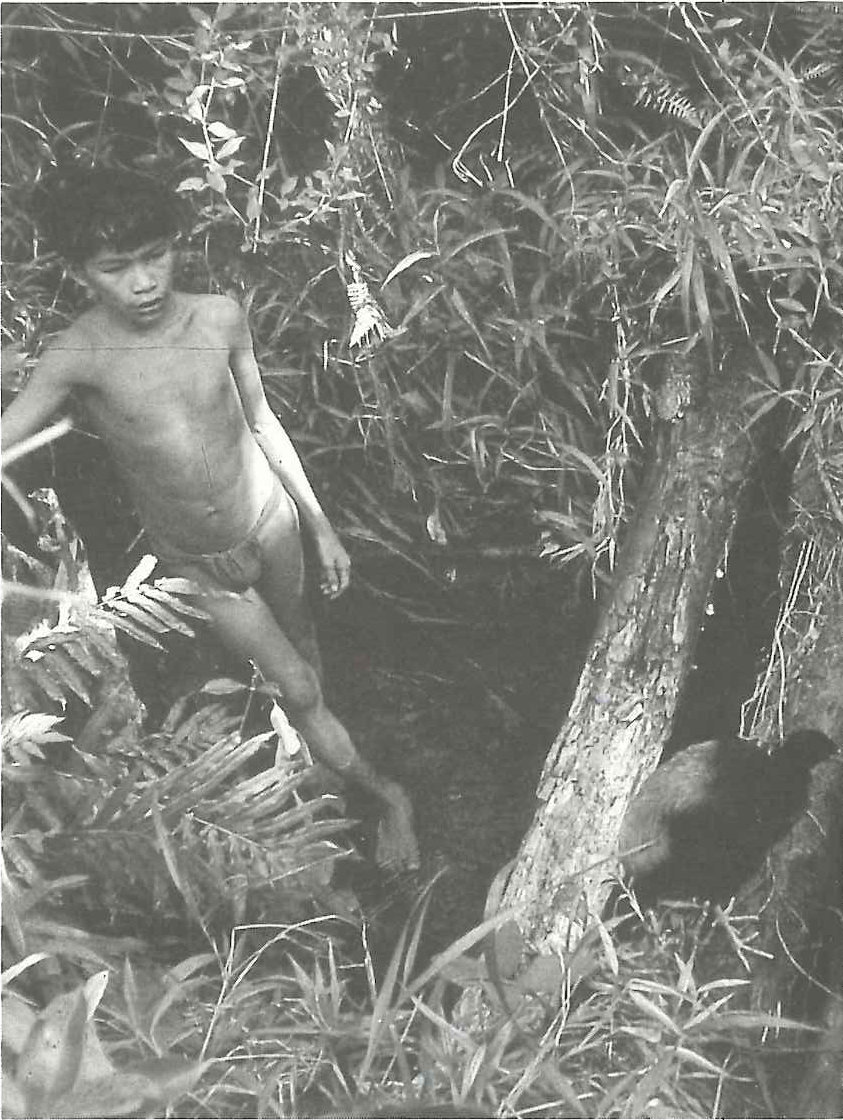
In a tone of cynical outrage, the young doctor replied that the commander had not revealed the true purpose of Calha Norte — which was to create poles of economic development along the frontier around the new military bases. In his assessment, such development would only accelerate the spread of diseases that were already killing off the Yanomami. The young doctor then taunted the commander by asking whether the Army would support his NGO’s proposal to create a binational park for the Yanomami. The commander’s hostile response was that the doctor’s NGO had its own hidden agenda — which was to use the park proposal as the first step towards declaring the independence of the Yanomami. The military’s presence was required precisely to thwart such threats to Brazilian sovereignty from foreign sponsored groups.
The commander then outlined his own vision of the future, which would entail the Yanomami maintaining their numerical majority around the base while gradually evolving into regular Brazilian citizens. The doctor, who could see the Indians he had come to Surucucu to protect slowly dying before his eyes, completely rejected this vision. For him, nothing short of a return to the status quo before the arrival of the Army, followed by the creation of an indigenous reserve, could halt the steady disappearance of the Yanomami.
The discussion concluded on more common ground when everyone agreed that the real threat to peace in the region were the garimpeiros, who constantly sought ways of evading the government’s ban on returing within 150 kms of the border. Talk turned to how everyone might help to reduce the spread of disease from the new arrivals in Surucucu. At the end, even the young doctor offered to provide the commander with reports of his medical findings among the Yanomami.
After the meeting, I realized I was watching the final chapter in a centuries old story, as the last large tribe of Indians in the continent undergoes the irrevocable process of contact with the white man and his diseases. All of the participants in the debate realized that change was about to occur very rapidly in Surucucu and they were all playing a part in the process. The commander of the new military post sensed he was at a cutting edge of history and was somewhat troubled by the social responsibilities he could see that he had acquired that ran beyond his narrow military mandate. The doctor on the other hand displayed all the frustrations of the expert who could see more clearly than anyone else what was really going on, but who felt powerless to block the forces of change. The only members of the community who were completely excluded from the discussion were the very people the debate was all about – the Yanomami.
As things turned out, that meeting proved to be the high water mark of potential cooperation within the emerging community in Surucucu. A month later, the roof fell in on the Yanomami. To pre-empt the possibility that they might become legally excluded from prospecting on Indian lands, the National Association of Garimpeiros organized an invasion of the Yanomami territory Inside a Yanomami Maloca hut near Surococu. Two hundred kilometres south-east of Surucucu. A clash shortly thereafter between the garimpeiros and the Yanomami prompted the government to order all non-government personnel out of the rgion. All the NGO doctors were deported. No alternative system of health care has been put in their place. Bezerra was transferred out of the state. Permission for outsiders to visit the region is now very tightly controlled.
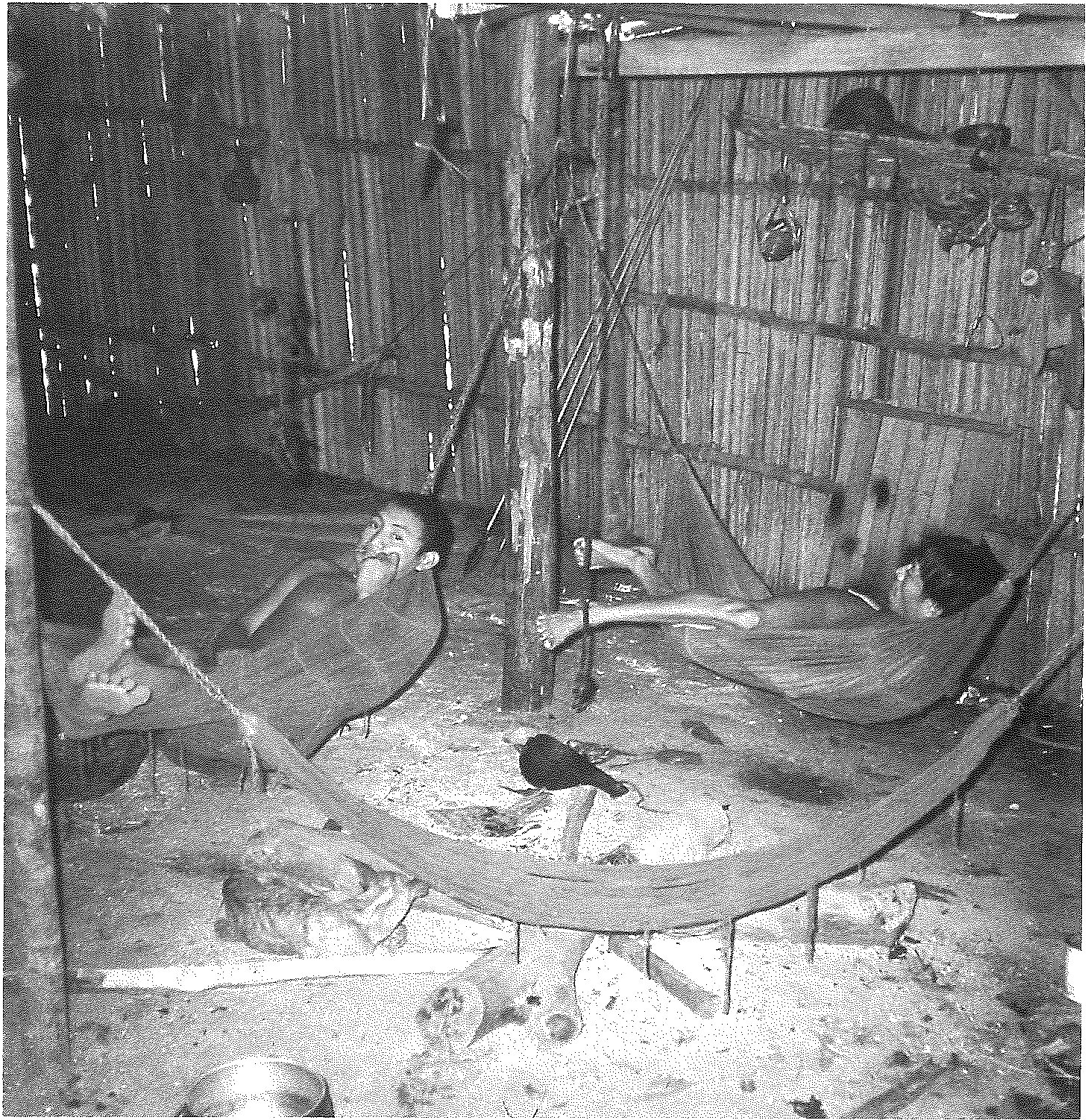
At the same time, gold was found in large quantities in Catrimani and the garimpeiro invasion turned into a torrent. FUNAI now estimates that over 30,000 garimpeiros are working in Yanomami territory — and they range up the streams in all directions in their search for new placer deposits of gold. In addition to spreading disease, the garimpeiros have dumped several tons of mercury into the rivers of the region, as a by-product of the reduction process they use to extract the gold.
None of this is technically legal, but the presence of a gold rush on this scale has completely altered the political economy of the newly created state of Roraima. The garimpeiros have powerful support from local politicians, who will be seeking their votes when elections are held in the state for the first time next year. Attempts by FUNAI to seek a judicial injunction to halt aircraft landings at these illegal airstrips have been blocked by regional courts. In the meantime, despite repeated declarations that a cleanup operation would soon take place, the Army has yet to forcibly remove the garimpeiros. As one senior general explained the military’s ambivalence to a western Ambassador: “In the Amazon we can’t even put a man in jail for murder — so how can we arrest him for going to work?”
As for the Yanomami, no one knows how many have died from disease or clashes with the garimpeiros. FUNAI has proposed a demarcation of their lands into nineteen discontinuous “islands”, “, which avoid the major centres of garimpeiro activity, and which are surrounded by National Forests that would be open to controlled exploitation. Even under the best of circumstances, the Yanomami’s land rights under this arrangement would be difficult to enforce; under the present circumstances, FUNAI has yet to even try to implement it. The prospects for managing a gradual transition for the Yanomami from cultural isolation to political incorporation in the Brazilian state now seem very bleak indeed.
Xingu
If the Yanomami are among the most threatened tribes in Brazil, the tribes of Xingu in central Brazil are certainly the best protected. Eighteen different tribes, numbering 2,200 people inhabit this park, which was Brazil’s first indigenous reserve, created fifty years ago. Today, Xingu Indigenous Park is one of the few indigenous territories whose boundaries are clearly demarcated and respected by Indians and whites alike. For these reasons it is regarded as a model, by the government and by Indian advocacy groups.
I travelled to Xingu in early August 1987 to investigate a potential “Canada Fund” small aid project. However, my visit coincided with the high point of the ritual season
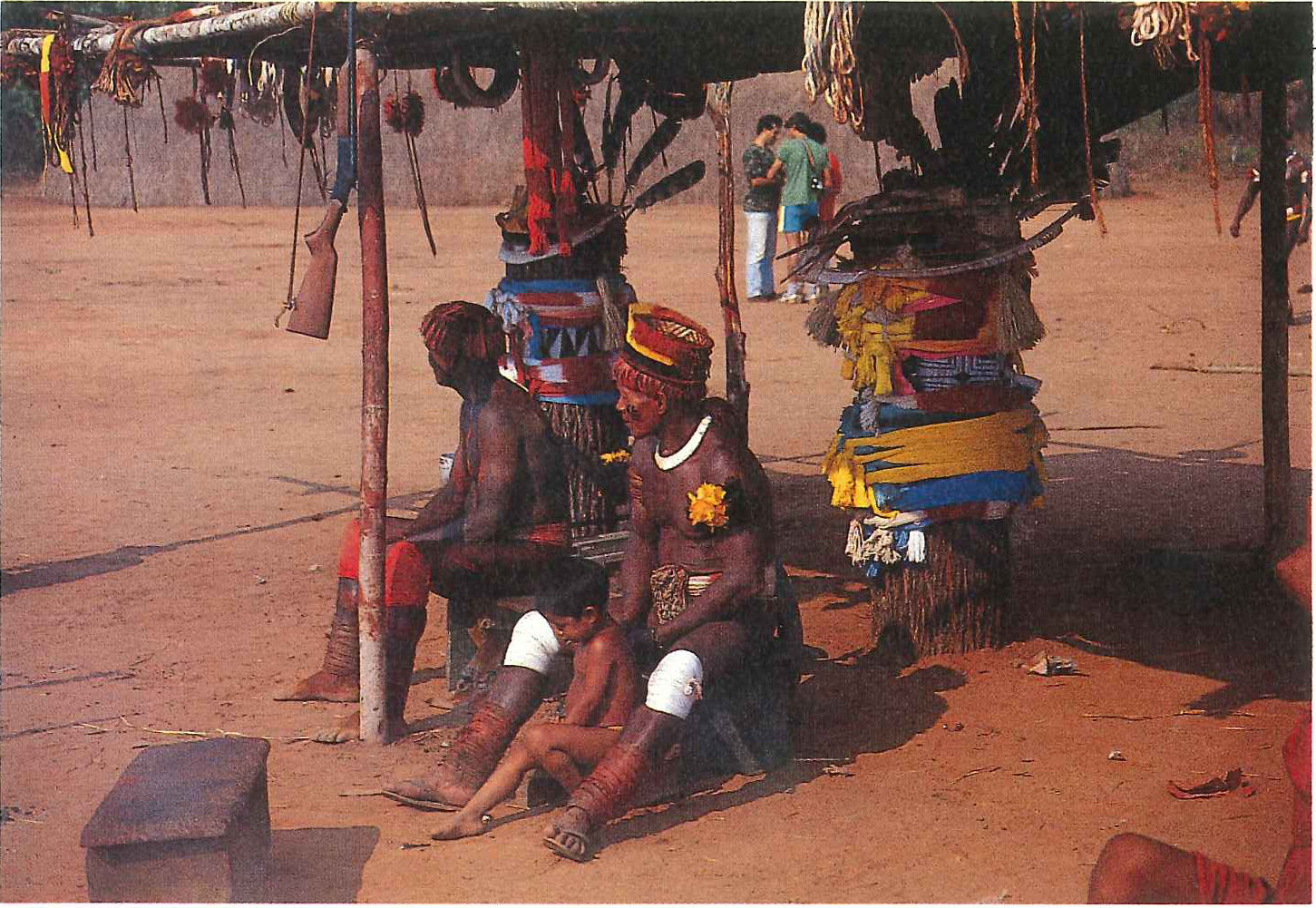
– the Kuarup festival, which brings together tribes from all four of the major language groups found in the Park. The setting for this event was a Carib speaking village, comprised of twelve huge malocas in a circle around an acre of open ground, about two hours by dirt track across low forest and savannah from the airstrip in Alto Xingu. The Kuarup is a combination potlatch and rite of passage, involving wrestling contests, mass funerals and initiation ceremonies. Different tribes of Upper Xingu take turns staging the Kuarup, every year in which an important chief has died. All their neighbours are invited. When we arrived in the host village in mid afternoon, the meeting ground in the centre contained about seventy naked Indian men, decorating themselves with elaborate painted geometrical designs. Once they were finished dressing for the event, the two village shamans began an hour long ritual chant, to which the tribesmen danced in a single file. This process was repeated once again after nightfall, with the tribesmen carrying torches and dancing around the three ceremonial graves in the centre of the meeting ground. The woods around the village began to glow with the campfires of neighbouring tribes. When dawn arrived, five other tribes, totalling three to four hundred people in all, were seated around the meeting ground. The men of the host tribe challenged each of the visitors in turn to a mass wrestling contest. Following an initiation rite of a teenage girl, who had been kept in seclusion in one of the malocas for several months, two flute players circled the village entering each maloca in turn. Once this was over, the party broke up and everyone moved towards the tables of manioc and smoked piranha. The Kuarup had ended. Several fundamental contrasts stuck me about the participants in this ceremony, compared to the Yanomami I had visited the month before. The Indians in this Park have long ago acquired the resistance to the 28 bout de papier Vol. infectious disease that now plague the Yanomami. Their only significant health problem is that they have become overmedicated with the cheap but powerful drugs that FUNAI likes to stock in its field dispensaries.
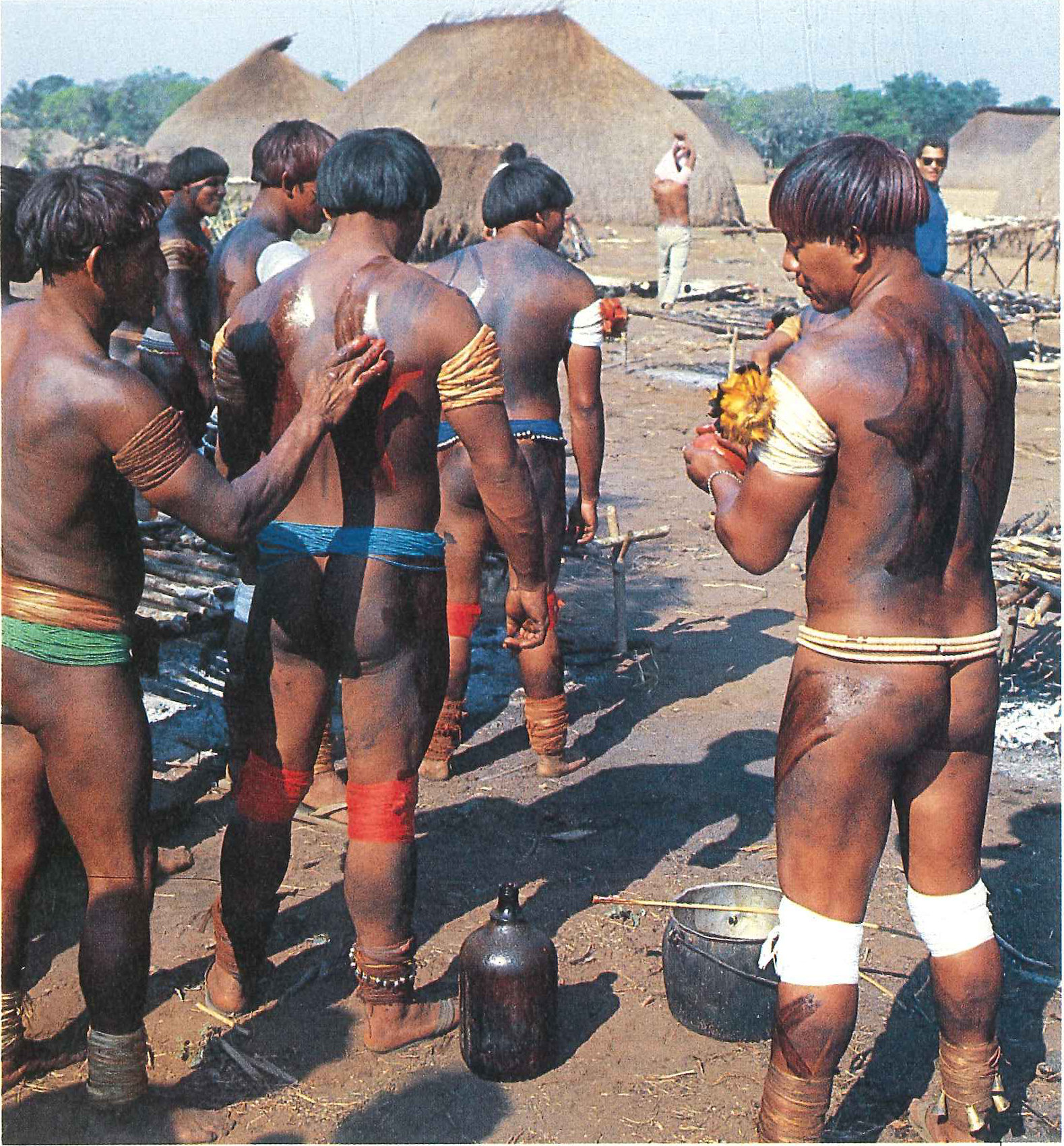
A second fundamental contrast with the Yanomami is that most of the men of Xingu speak Portuguese, which serves as a lingua franca between the different tribes in the park as well as a means of communication with the outside world. Not only can one speak to the Indians in Xingu, but they are very interested in speaking to you. In a lull in the middle of the Kuarup, a brave, clad in nothing but warpaint, strolled over to me to enquire matter of factly if I had come from New York – like the anthropologist who had come to study them the month before.
A third contrast is that the Indians of Xingu are at least marginally involved in the cash economy, through sale of handicrafts and the receipt of “photography fees” from visitors to the Park. A number of the braves came around immediately after the ceremony to see if I would be interested paying cash for their headresses at a fair market rate. When I offered to swap some batteries I had brought instead (based on my previous experience bartering with the Yanomami), they were spurned on the grounds that they were the wrong size to fit into their tape recorders.
A final contrast is that the Indians of Xingu are well aware of how they fit into the outside world. One explained to me that his tribe has a standing arrangement with the rancher whose lands bordered theirs at the edge of the Park. Once a month, the rancher would loan the Indians his truck for a shopping trip to the nearest market town. Others described trips they had made further afield to Brasilia or even Sao Paulo. The leader of the tribe we met the day after Kuarup to discuss our aid project, a burly chief named Aritana, had received the ultimate accolade in Brazil: several years ago he was the hero of a popular TV soap opera, or novela.
Unlike the Yanomami, these Indians clearly are in a position to manage their own relations with white society. They occupy positions of influence within the FUNAI bureaucracy that no other Indian group in the country can claim. However they have not come by this privileged position easily. It took almost thirty years of constant lobbying by a remarkable trio of missionaries, the Brothers Villas-Boas, to build up a sufficiently interested constituency among Brazilian urban intellectuals and foreign observers that the military government felt compelled to firmly demarcate the boundaries of the Park. Even so, as recently as 1984, there was an attempt to slice off a large portion from the northern end of the Park and award it to ranchers who had already invaded the land. The combined efforts of many Xingu tribes, several armed skirmishes and one spectacular kidnapping were required before the ranchers dropped their claims to the land.
How far the Indians of Xingu have moved along the acculturation scale towards a “western consumer lifestyle” became apparent to me as a result of the discussions over our small aid project. The Brazilian medical agency sponsoring the proposal had produced what seemed a perfect example of “appropriate technology” for Xingu – a new clinic with a hygienic cement floor and running water, but housed under a traditional thatched roof that the Indians could construct, which would be far cooler than the cement boxes that FUNAI had previously built. An hour and half of various learned objections to the roof from Aritana and his tribal brethren ranging from the sudden shortage of thatching materials, timing problems concerning the rainy season, and doubts about who would benefit most from the clinic – finally boiled down to the fact that the Indians did not want obviously well heeled white men showing up in their Park just to build another “Indian” building. If they were going to get a building from Canada, they wanted a white man’s building — complete with four cement walls, a tiled roof and preferabbly air conditioners in every room — just like the houses they had seen on their trips to Brasilia.
It is difficult for outside donors such as the Canadian government to profess respect for a tribal people’s hard won independence and then deplore what they want to do with it. Nonetheless, it is also disconcerting to travel 1000 kms into the middle of the Amazon to discover that the inhabitants you have come to meet want to ditch their “exotic culture” as fast as possible in favour of your own.
This point is more than a fine cross cultural irony. The Villas-Boas brothers succeeded in their campaign to save the Park largely because of the extraordinary ritual and artistic life there. The fascination of ceremonies such as the Kuarup remains the Indians of Xingu main passport to the outside world. If in the process of managing their own integration in the mainstream economy of Brazil, they lose their values and forget their culture, they will lose as well their effective claim to the territory they now control. In a country racked by land and population pressures, no other group of 2,200 marginal farmers could secure a title to 22,000 sq kms of land. Without their unique ritual life, the Indians of Xingu would be treated no differently from the lowest strata of the other 99.8% of Brazil.
Before completing this trip, I thought that Yanomami and the tribes of Xingu would illustrate the worst and best case scenarios for the Indians of Brazil. Afterwards, I realized that both face a more complex trade-off between maintaining their cultural integrity and their physical survival. The two societies differ most in their ability to make these trade-offs for themselves. But both face the same real constraints on their ability to survive as pre-industrial cultures embedded in a rapidly expanding industrial society.
Postscript: On January Sth 1990, as a result of a series of successful court actions in Brasilia pressed by a coalition of human rights groups, the Brazilian Government launched a para-military operation to remove the garimpeiros from Yanomami territory. A political backlash followed, organized by the miners, and a deal was struck tentatively allowing them to remain in one mining reserve on the fringes of traditional Yanomami lands. Many thousands of miners have now left the region; but thousands remain to be rounded up, including up to 10,000 miners reportedly around Surucucu. For the first time since late 1987, outside doctors have been allowed into the region to treat sick and dying Yanomami. It remains to be seen what policies will be adopted by the new Brazilian Government, after President-elect Fernando Collor takes office on March 15th.
View the original scanned pages →
Originally published in bout de papier, Vol. 7, No. 3 (1990), pp. 24–29. Read the rest of this issue →



