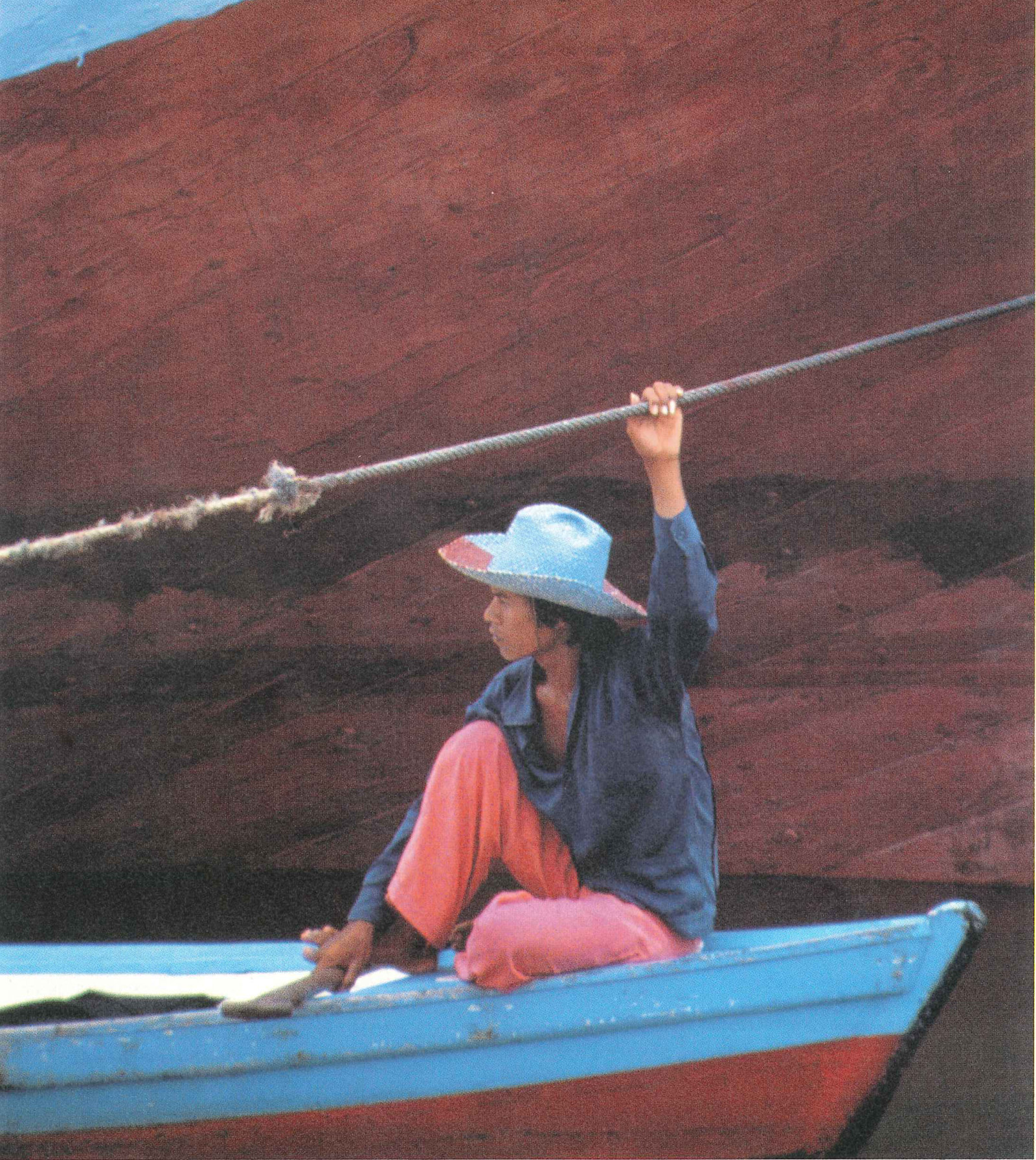
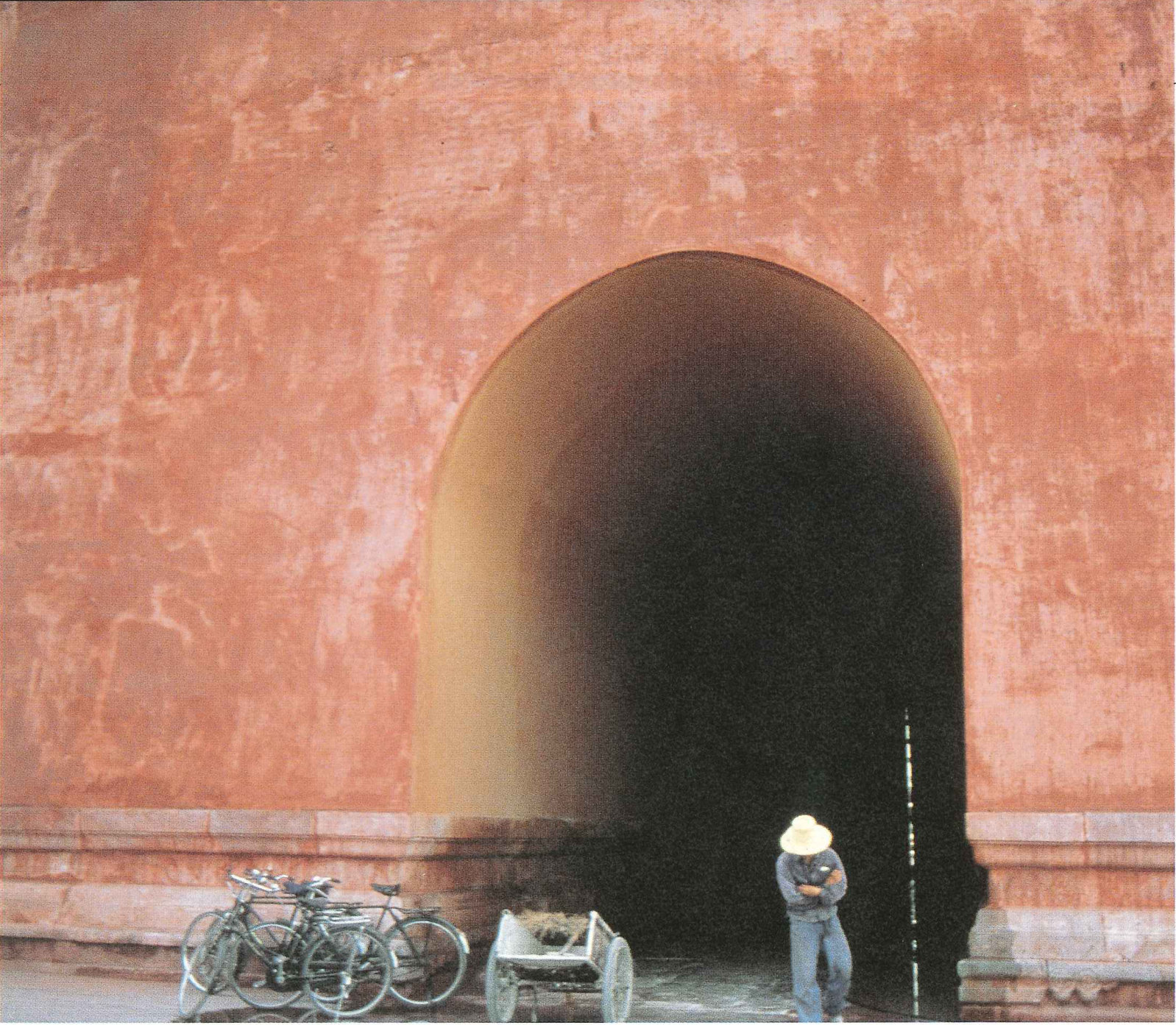
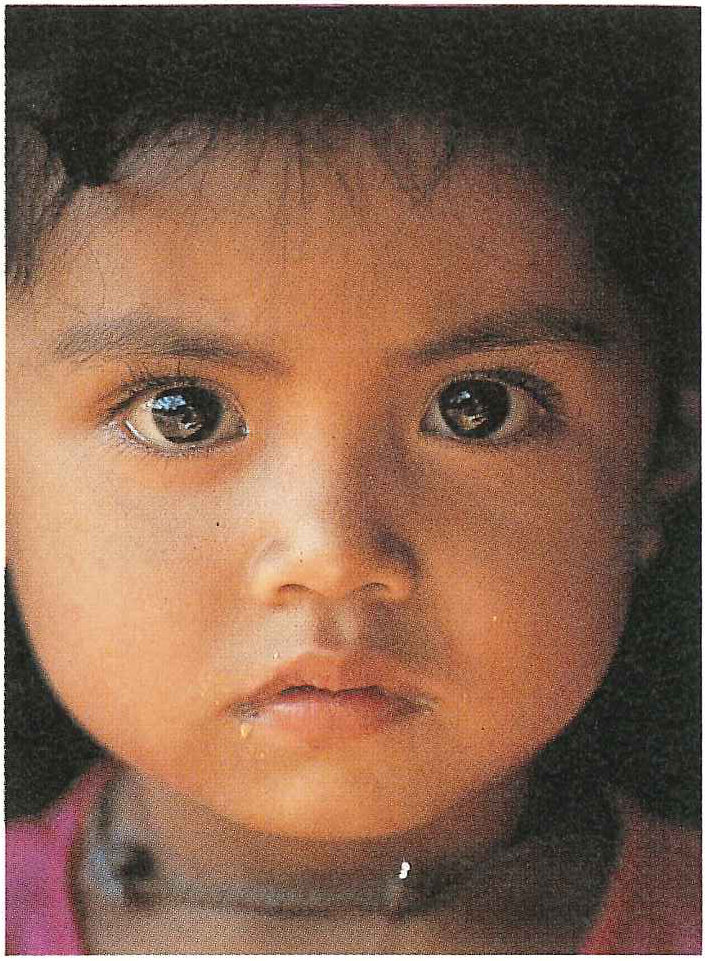
This photo was taken in Jakarta, Indonesia down at the Suna Kelapa, the old Dutch port where you can see more sailing ships, the magnificent wooden Buginese Makassar schooners, than you ever thought existed. This area was the first place we visited in Jakarta. The reason this man is dressed to match the boats (the big and the small one) is because the colour of each boat signifies its owners colours and his position as an employee. Back in Canada, the photo won first prize in a national photo contest, in which part of the prize was a trip back to Asia (which was, of course, my main reason for entering in the first place.)While on a long stroll around the inside of the immense Forbidden City in Beijing, I photographed this cleaner in front of one of its giant doors.This beautiful Lao refugee child was waiting with many others at the medical clinic in Phanat Nikhom refugee camp near Bangkok, and I couldn’t resist photographing her. Besides her beauty, she stood out because of her pink party dress that must have been sent by relatives now living in the West. She looked so different from the rest of the children in the camp, and there are so many children living there.
Photography is a system of visual editing. At bottom, it is a matter of surrounding with a frame a portion of one’s cone of vision, while standing in the right place at the right time. Like chess, or writing, it is a matter of choosing from among given possibilities, but in the case of photography the number of possibilities is not finite but infinite.”
John Szarkowski Museum of Modern Art New York
Indeed, the multiplicity of subjects one can photograph is never-ending and I have found that photographing in Asia is the most intense and rewarding of experiences precisely because of its diversity. Waiting around every corner is a scene that longs to be recorded, an event that must be seen by others, a smiling face, a turbaned head, a flash of vibrant colour in someone’s dress, a pretty face, a rugged, lined one… I had travelled and photographed in Asia several years before we went to live in Bangkok, Thailand on a two-year posting. While living there, we were fortunate enough to re-visit countries I’d travelled through before and to explore new vistas.
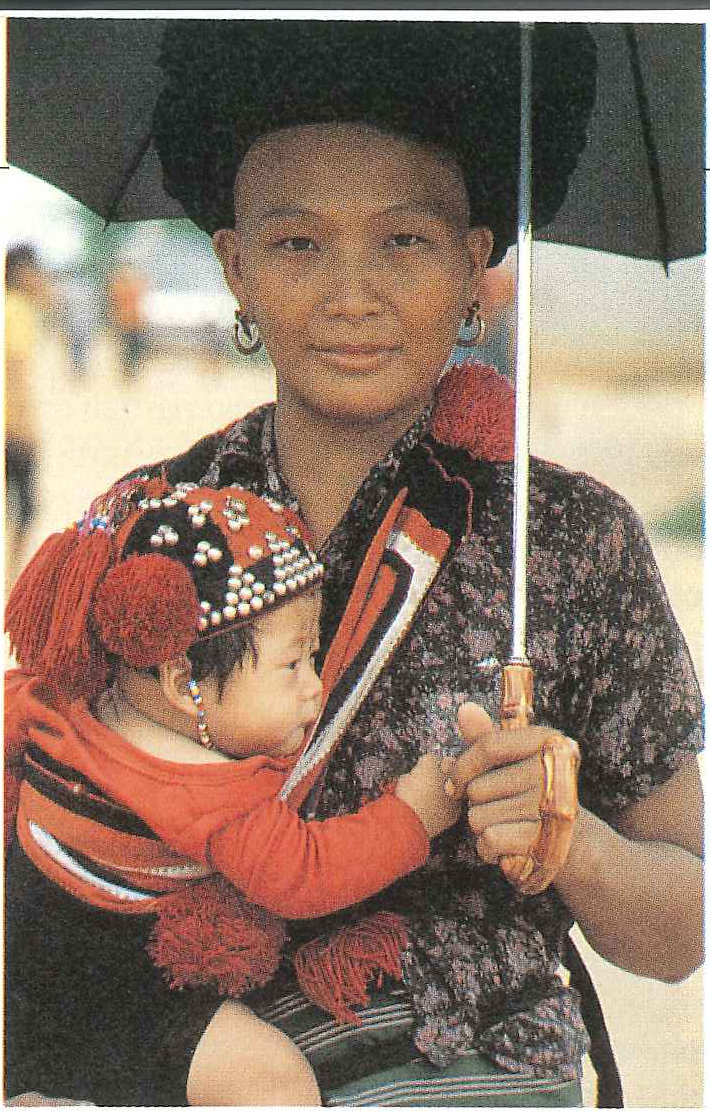
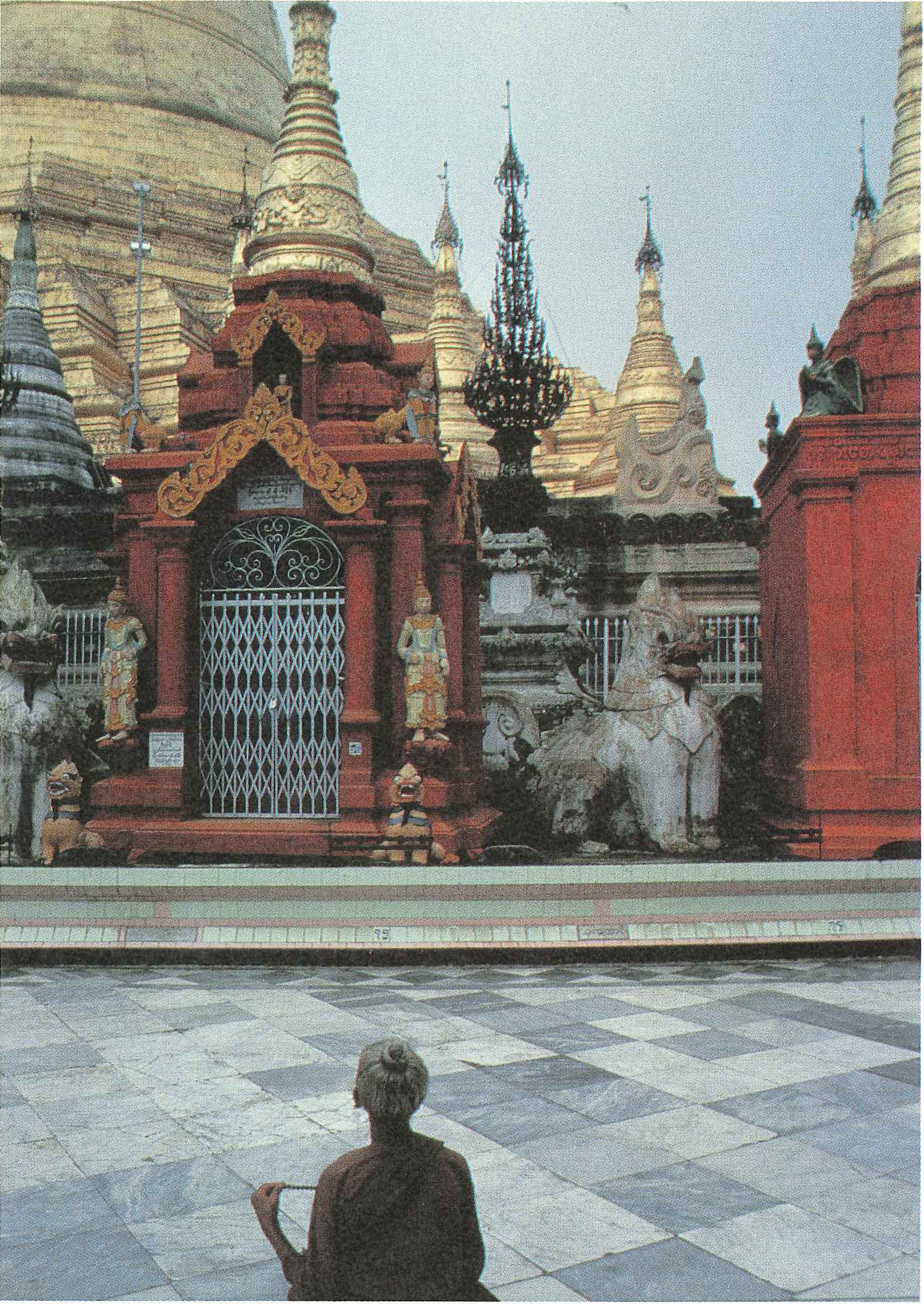
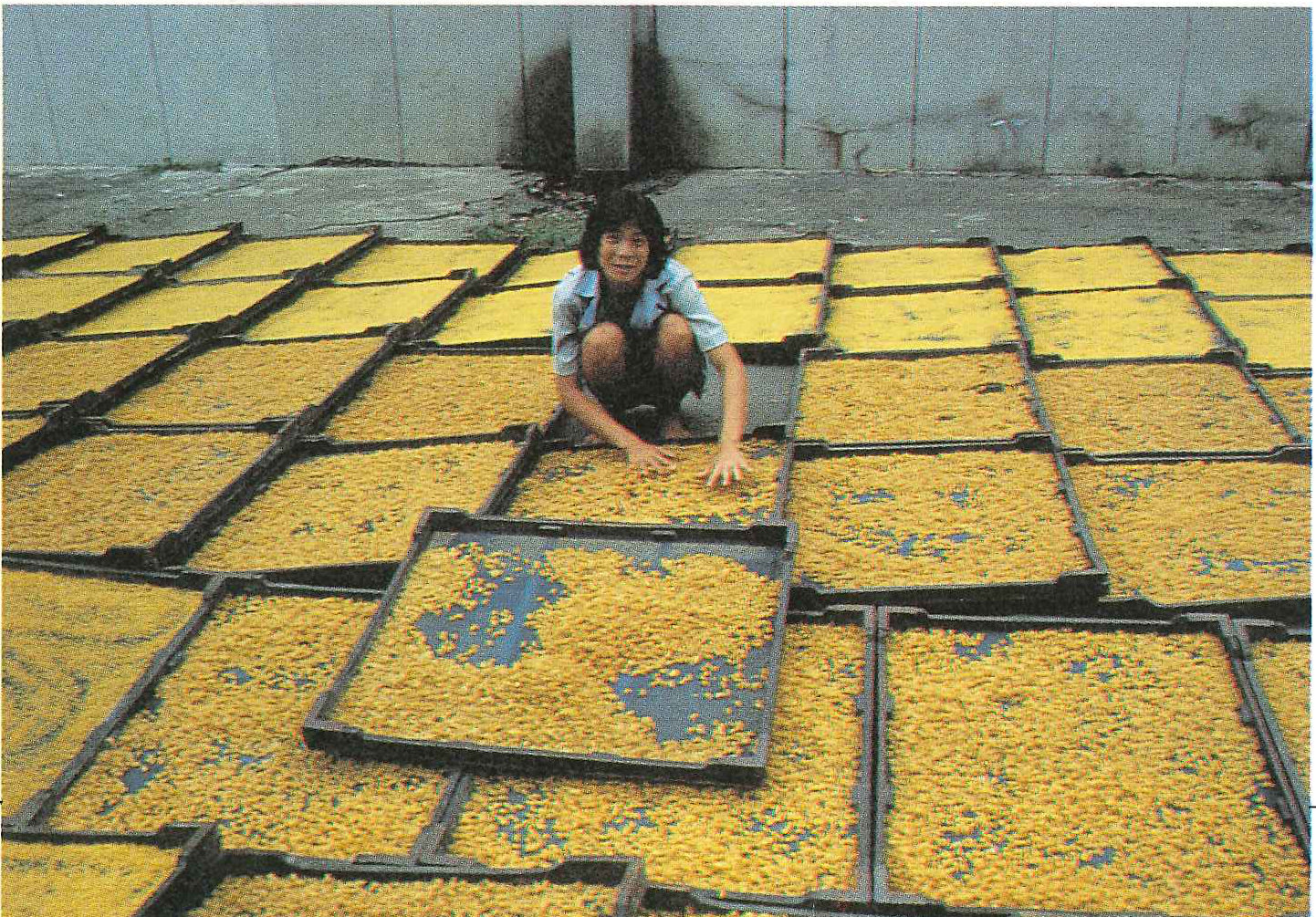
A Mien (Yao) mother and child walk, under the hot Thai sun at midday, down one of the dirt roads in a refugee camp in Thailand. The hill tribe people are so proud and some love to be photographed, which surprised me. The experience is probably a diversion from their confined lives in the camps. Sometimes, I brought back the photographs of them on my next visit and I often bought the crafts they had to sell. It is always nice to meet the same refugees again in Canada as we have done on several occasions.It was a rainy day in Rangoon. We were at one of the most astonishing religious sites in the world — the Shwedagon Pagoda. It was June, in the middle of the rainy season. A monsoon cloud had just passed by and drenched this elderly woman who later sat down with her worry beads to reflect and pray at this, the most sacred Buddhist temple in Burma. The Shwedagon is over 2500 years old with 8000 gold plates covering it and more than 5000 diamonds and 2000 other precious and semi-precious stones encrusted on its 100-metre spire. One is transported back to “medieval” times while climbing up the wide, enclosed stairways to the main stupa, as vendors sell all kinds of antique treasures, fortunetellers foresee the futures of clients, neon lights glow on Buddha images and much, much more.I spent two weeks in Ho Chi Minh City (Saigon) in Vietnam. In such a short space as this, one can’t begin to relate even the surface of what was seen there, even during such a short period of time. I saw this young man on my first afternoon walk. He was sorting through macaroni noodles as they dried in the sun. I guess what made the trip so fascinating was being allowed to go to a country with such a varied history at a time when most foreigners were not being allowed in.
Each time I photograph, and particularly when I photograph in other cultures, I discover that “what” I take photographs of is not as important as “how” I get them. In other words, the personal dynamics of the photographic process becomes intensified. I have always felt that the way one treats those whose permission we have asked, or even the onlookers, colours the entire photographic atmosphere. If we treat people with respect, it is usually returned.
The following photographs were selected from thousands taken during my two years in Thailand. One of the greatest pleasures of photography for me is the access it provides into other people’s lives — like the refugees I met in camps all over Thailand, the wonderful Thai people I met each day, the friendly and often curious citizens I encountered on various trips throughout the region. And, of course, the landscape vistas are embedded in our thoughts forever once we have tried to immortalize them on film — the jungles, the mountains, the villages, the monsoons, the cityscapes, and the great wonders of the world.
For those of you who have lived or travelled in Asia, I hope these photographs bring back fond memories, as they did for me while writing the captions; and for those of you who haven’t been to this part of the world I hope you enjoy the short journey they will take you on.
If I had to choose one region of the world as my favourite, I would have no second thoughts — it would be Asia. There is, quite simply, more variety there than in any other region of the world. In terms of culture, religion, architecture, dress and food, Asia has everything you could ask for, and more than you could ever imagine.
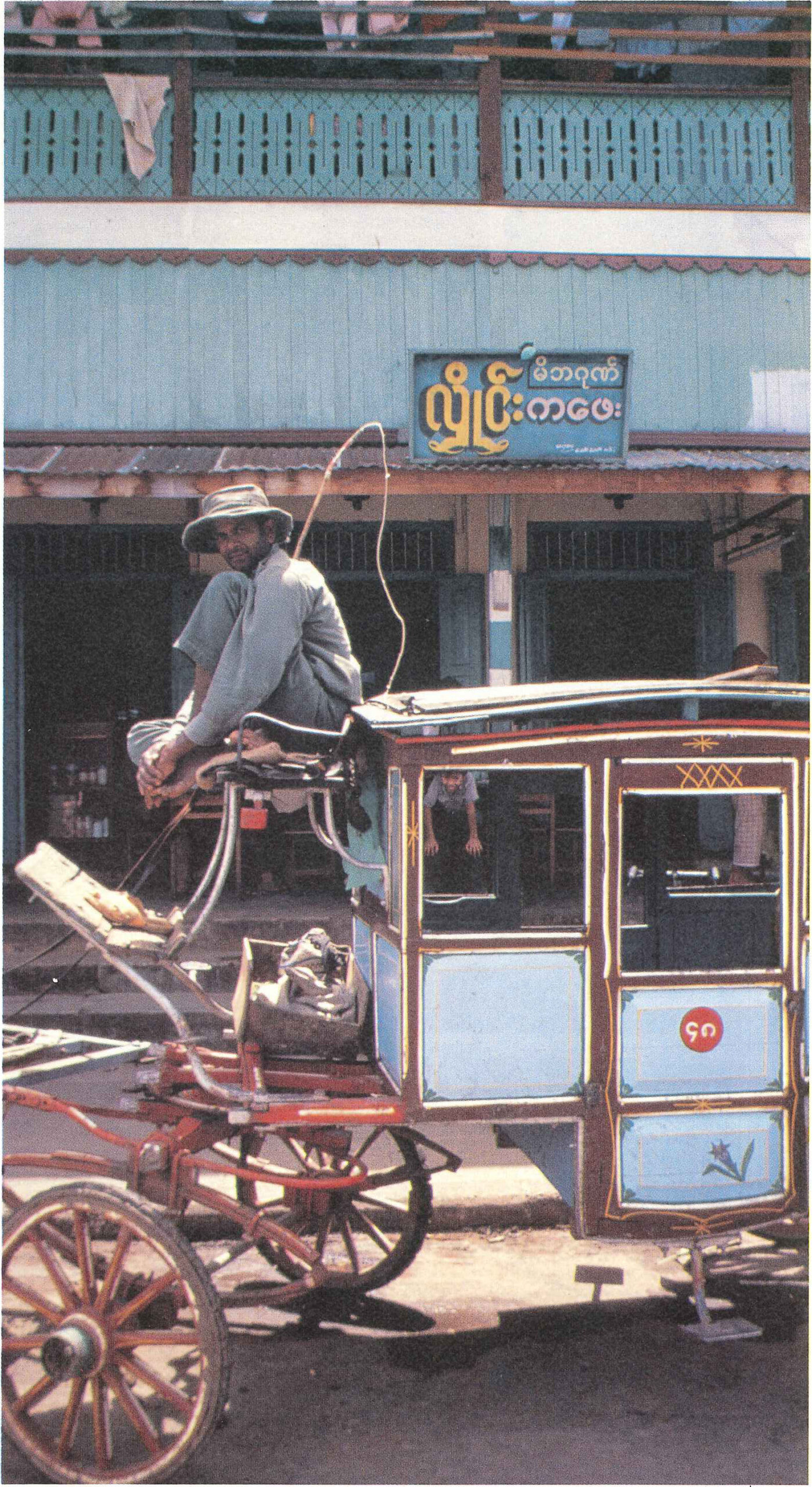
After a bumpy 60-km jeep ride north from Mandalay, Burma, we arrived at the small, sleepy town of Maymyo. Maymyo is one of my favourite places in Asia, a hill station that on the surface appears not to have changed since the days of the Raj. It’s back to the era of the stagecoach or mindlay as it is known, which still operates as a modern day taxi. Most people walk or ride bicycles along the wide, tree-lined streets past the large British-style houses which are similar to those found in small-town Ontario. Many of the local residents are Indians, a significant number of whom are descendants of Indian soldiers who were stationed here during British rule.