
bout de papier, Vol. 5, No. 3 (1987) — Fall 1987 // Automne 1987, pp. 6–8
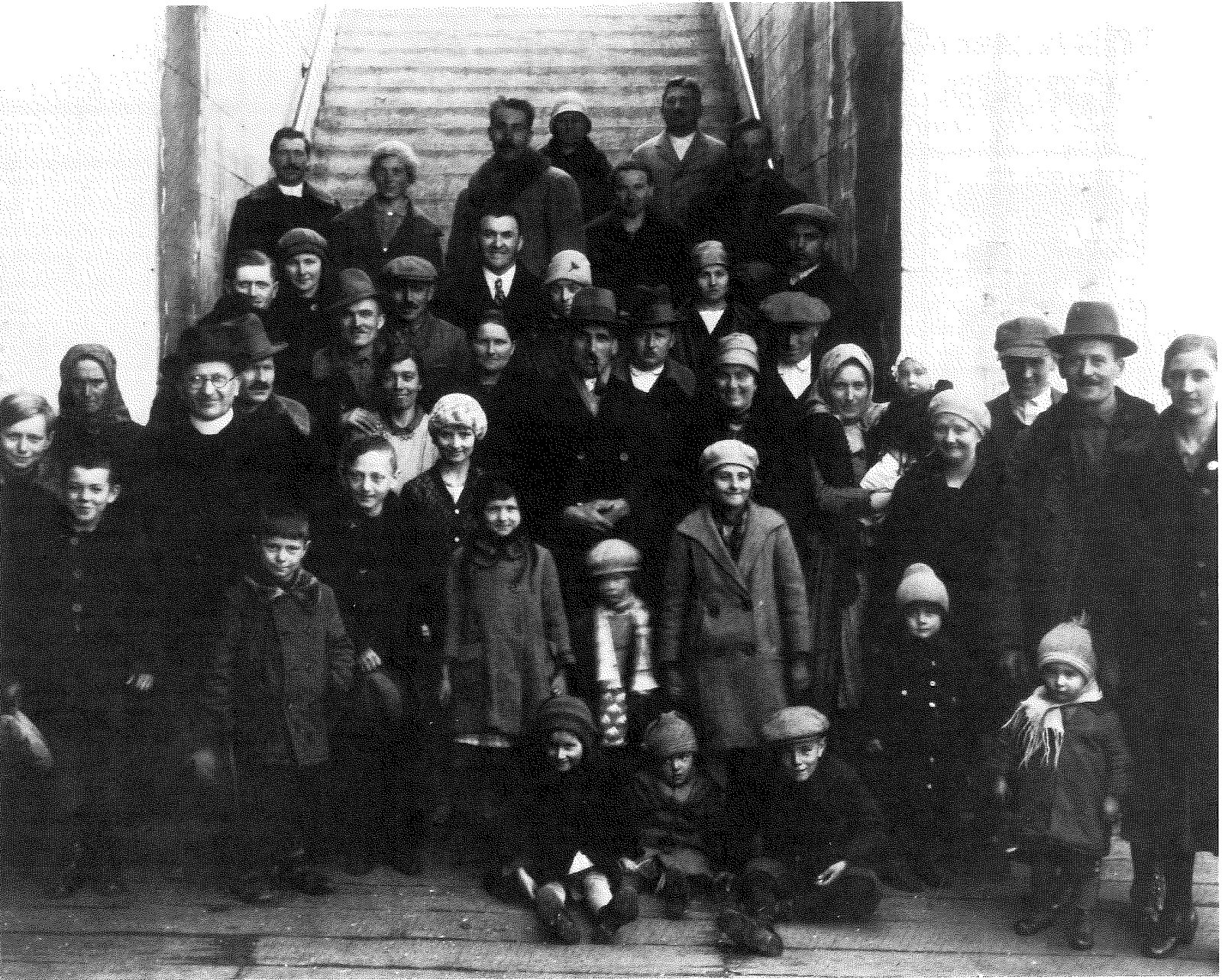
Informed observers within and beyond Canada recognize and acknowledge that this country has contributed significantly to the alleviation of global refugee problems during the past forty years. Over this period, more than half a million refugees and displaced persons have gained permanent entry to Canada. In excess of one billion dollars in grants and materials have been donated to the programs of intergovernmental and voluntary agencies. This enlightened approach to the refugee phenomenon may not entirely make up for the appalling stance Canada adopted in the nineteen thirties towards European refugees who were seeking a safe haven from Nazi persecution.
Canada’s recent financial support to international humanitarian agencies, when combined with generous and ambitious private and government-sponsored refugee resettlement schemes, goes a long way to explain the awarding to this country of the Nansen medal by the Office of the U.N. High Commissioner for Refugees in 1986. Now, however, legislation about to be promulgated by the Canadian government has filled long time observers of this country’s refugee activity with apprehension and dismay as well as with a little despair and even anger.
Bill C-55, aimed at improving the efficiency of the refugee status determination process, and Bill C-84, intended to deter persons from abusing the immigration intake process, have caused civil libertarians, immigration lawyers, and students of refugee affairs to assert that Government policy will act contrary to the provisions and spirit of both the U.N. Convention Relating to the Status of Refugees, to which Canada is a signatory, and the Charter of Rights and Freedoms. Rather than dissecting the two pieces of legislation, this article will briefly suggest why the Government has felt the need to adopt a more restrictive refugee policy than has been the case in recent decades, and why Canadians should be alarmed rather than satisfied with this new posture.
In analyzing the Government’s motivation for seeking a more restrictive refugee policy, it must first be pointed out that refugee and immigration issues are inevitably intertwined in the minds of policy-makers, and for that matter, Canadians generally. Indeed, there are separate branches or divisions within Employment and Immigration Canada that specialize in refugee affairs and in the movement of the more numerous, economically-motivated immigrants to Canada. Yet, statements by Parliamentarians, including Cabinet Ministers, as well as from Canadians at large, frequently demonstrate a lack of awareness of the major distinctions between refugees and immigrants, erroneously considering all persons in these categories as a threat to Canadians with jobs, a burden to the taxpayer and possibly a socially destabilizing force. Without doubt, unscrupulous immigrant consultants both here and abroad, along with many of their clients, have muddied the distinction between immigrants and refugees still further. These persons have attempted to use the provisions of the refugee status determination process to improperly gain a permanent foothold in this country. By means of C-55 and C-84, the Government seeks to control and manage the global migratory pressures which are confronting virtually all the more affluent Western industrialized countries.
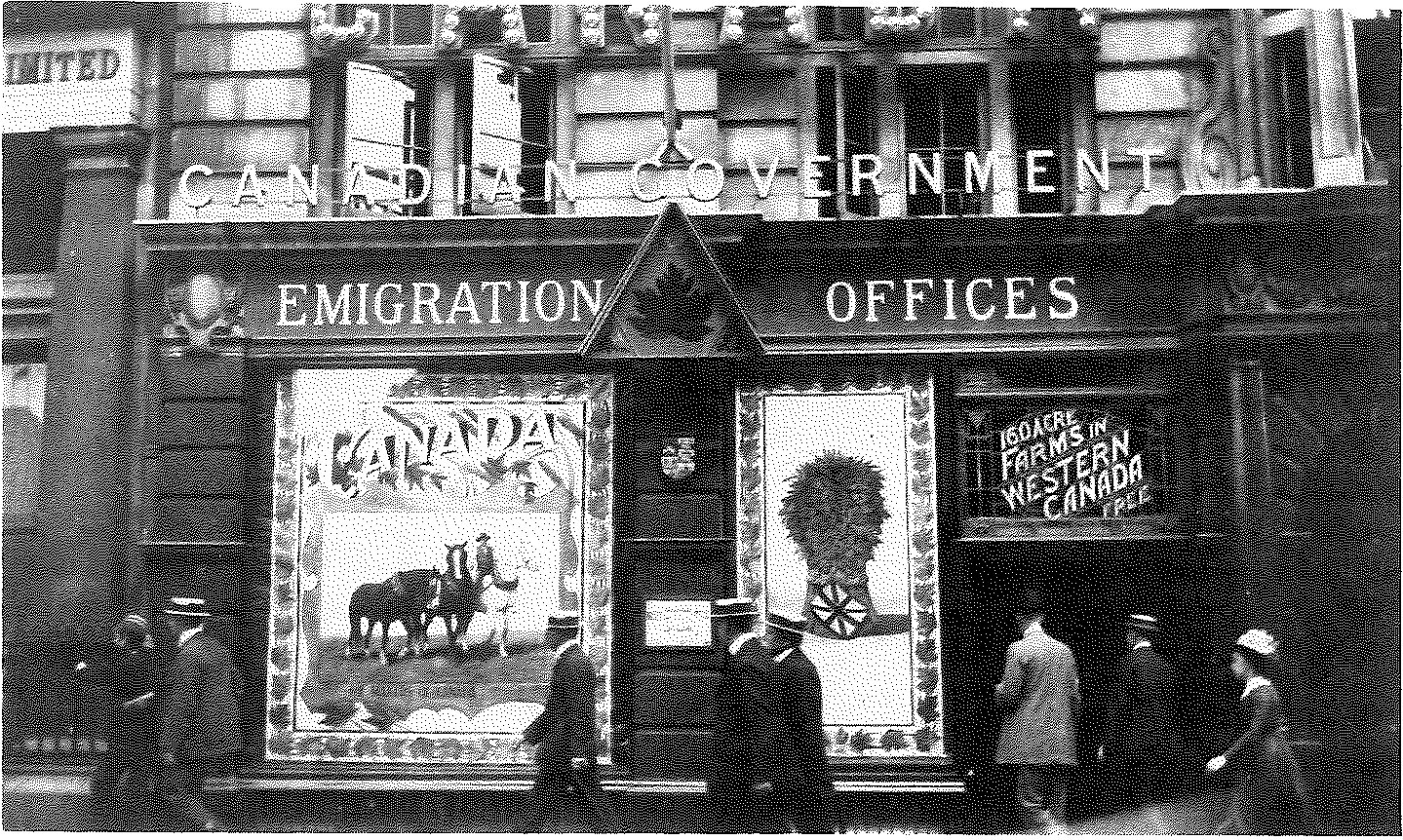
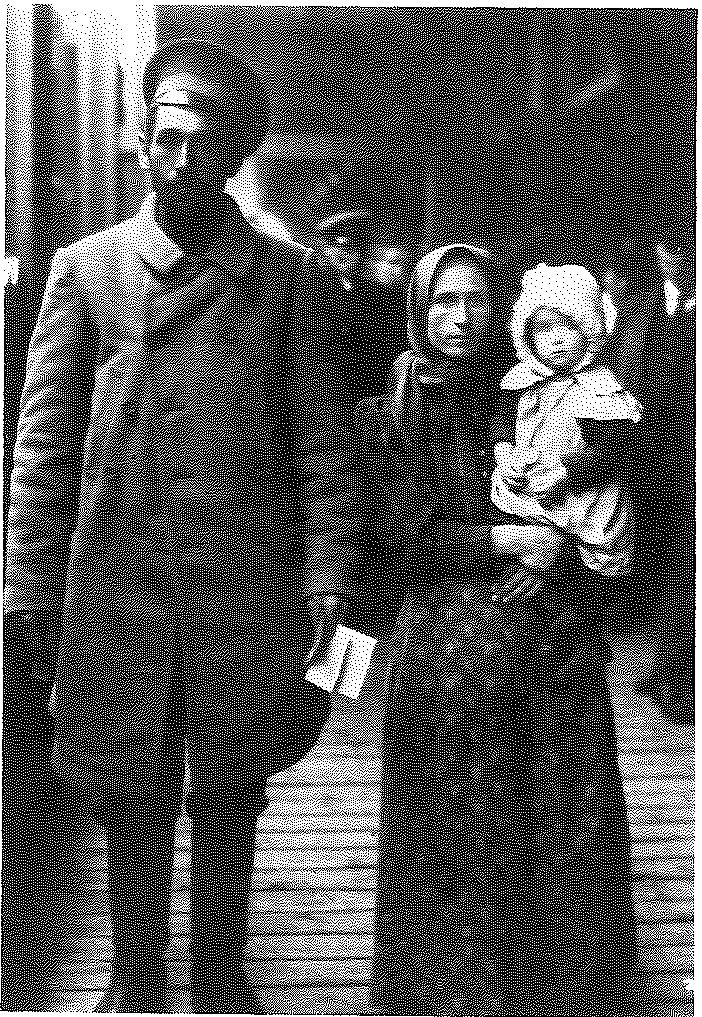
Broadly speaking, political and bureaucratic/administrative factors in large part account for C-55 and C-84. Survey research over the past thirty to forty years has demonstrated that immigration has never been particularly popular with the Canadian public. Ironically, while Canada is a country built by immigrants, Canadian society has not welcomed newcomers, exhibiting instead a latent animosity verging on xenophobia. The Government has sensed this public distrust of immigration programs which are perceived by Canadians to be bringing foreigners to these shores in an uncontrolled, self-selected manner. In the face of mounting abuses, the present Government believed there were political gains to be made by passing legislation that significantly prevented migrants, be they refugees or economically-motivated immigrants, from entering Canada and remaining here without first having been screened and processed abroad at Canadian posts.
Bureaucratic and administrative pressures also had a part to play in the decision to enact C-55 and C-84. Career public servants in Immigration had for years been endeavouring to persuade governments to adopt legislation that would enable them to more effectively manage and control who should enter Canada, using trained, no-nonsense visa officers, often portrayed by their critics as “gate-keepers.” Existing policy and regulations, it was argued, permitted persons to arrive at Canadian ports of entry, or on our beaches for that matter, and defeat administrative procedures by simply claiming to be refugees. Even if these claims were subsequently found to be frivolous, the elapsed time would have enabled these persons to settle in Canada, thus making removal most unlikely. The present Government then, frustrated by the undoubted widespread abuses to immigration procedures and regulations, moved to tighten up the admissions process and justified the decision to do so on political and administrative grounds. The public, it was asserted, would endorse restrictionist-protectionist legislation and the bureaucracy would welcome tools that enabled control and enforcement to gain at last an upper hand.
Why should Canadians be alarmed rather than satisfied with this legislation? Is it not obvious to all that, as a result of unforeseen migratory pressures and unscrupulous immigration consultants with desperate clients, real problems existed for Canadian immigration authorities? Is it not also the case the steps had to be taken to erase a state of affairs where thousands of persons were jumping the queue of would-be immigrants who had chosen to follow proper procedures through processing at overseas posts? Indeed, few observers would argue that certain policy modifications had to be made to halt abuses to immigration programs and to curb fraudulent refugee claims. It is not certain, however, that the solutions the Government has adopted are workable or are within the humane and compassionate traditions that have been a part of refugee policy evolution in Canada over the past few decades. Canadians should show wariness and caution towards the new restrictive legislation, particularly to C-84, which embodies a harshness and illiberal quality not in keeping with Canada’s political and ethical values.
Even before this country finally formally signed the U.N. Convention on the Status of Refugees, Canadian governments adhered to the spirit of that international agreement by accepting persons with a “well founded fear of persecution” and not threatening “refoulement.” Moreover, The Immigration Act (1976) acknowledges Canada’s obligations internationally to assist refugees and places them very high in the processing priority. In addition, persons arriving at Canadian ports of entry, according to the 1976 Act, were guaranteed the right to claim refugee status. Subsequent rulings by the courts have given persons who have had this claim overruled the right to an oral hearing before the Immigration Appeals Board. Fair and just practices such as these contributed to Canada’s international stature and indicated to other governments that this country practiced domestically what it preached internationally. Canada’s international credibility may be endangered with the passage of both C-55 and C-84.

Specifically, there are a number of worrisome shortcomings contained in the new legislation. First, persons claiming to be refugees are not guaranteed a hearing before a panel of the newly established Refugee Board and may, in fact, be prevented from landing on Canadian shores. This latter provision gives Canadian officials the right to “refoule” persons, a step explicitly prohibited by the 1951 Convention on Refugee Status. Second, Canadian authorities may detain refugee claimants without a court hearing for up to 28 days. Some lawyers argue that this provision is contrary to “habeas corpus” and the Charter of Rights and Freedoms. Third, persons and organizations found to have offered advice and counsel to foreigners concerning how to apply for refugee status in Canada may be fined or imprisoned. Fourth, claimants awaiting a ruling on their request for refugee status may be required to depart from Canada and go to a “safe country” until the decision is rendered. It is by no means certain what constitutes a “safe country.” Finally, there is no right of appeal, except on points of law, when a request for refugee status has been rejected.
Of the two pieces of legislation discussed here, C-84 is the more hurriedly drafted and threatening to civil liberties and Canada’s liberal traditions. While a number of chronic factors had a part to play in explaining why this bill came to be, the arrival on Canadian shores of 155 Tamils in 1986 and 174 Sikhs in 1987, without doubt, acted as a catalyst, causing the Government to recall Parliament this past summer to pass hastily what it believed to be appropriate legislation. Had the occupants of those two small boats been nationals of East European countries, it is extremely doubtful that Parliament would have been recalled, or that legislation such as that introduced in the House of Commons would have been passed, even though their arrival would have been just as improper.
Some Canadians may indeed suggest the present Government is courageous for taking this hard line towards would-be refugee claimants and persons prepared to abuse immigration regulations. Many others, however, would assert that these two pieces of legislation reflect a negative overreaction and a turning away from the sort of national behaviour that placed Canada in the forefront of the international community in refugee matters and which resulted in this country being awarded the Nansen medal for its humanitarian work in easing global refugee problems.
View the original scanned pages →
Originally published in bout de papier, Vol. 5, No. 3 (1987) — Fall 1987 // Automne 1987, pp. 6–8. Read the rest of this issue →



