
bout de papier, Vol. 5, No. 2 (1987) — Summer 1987 // Été 1987, pp. 22–25
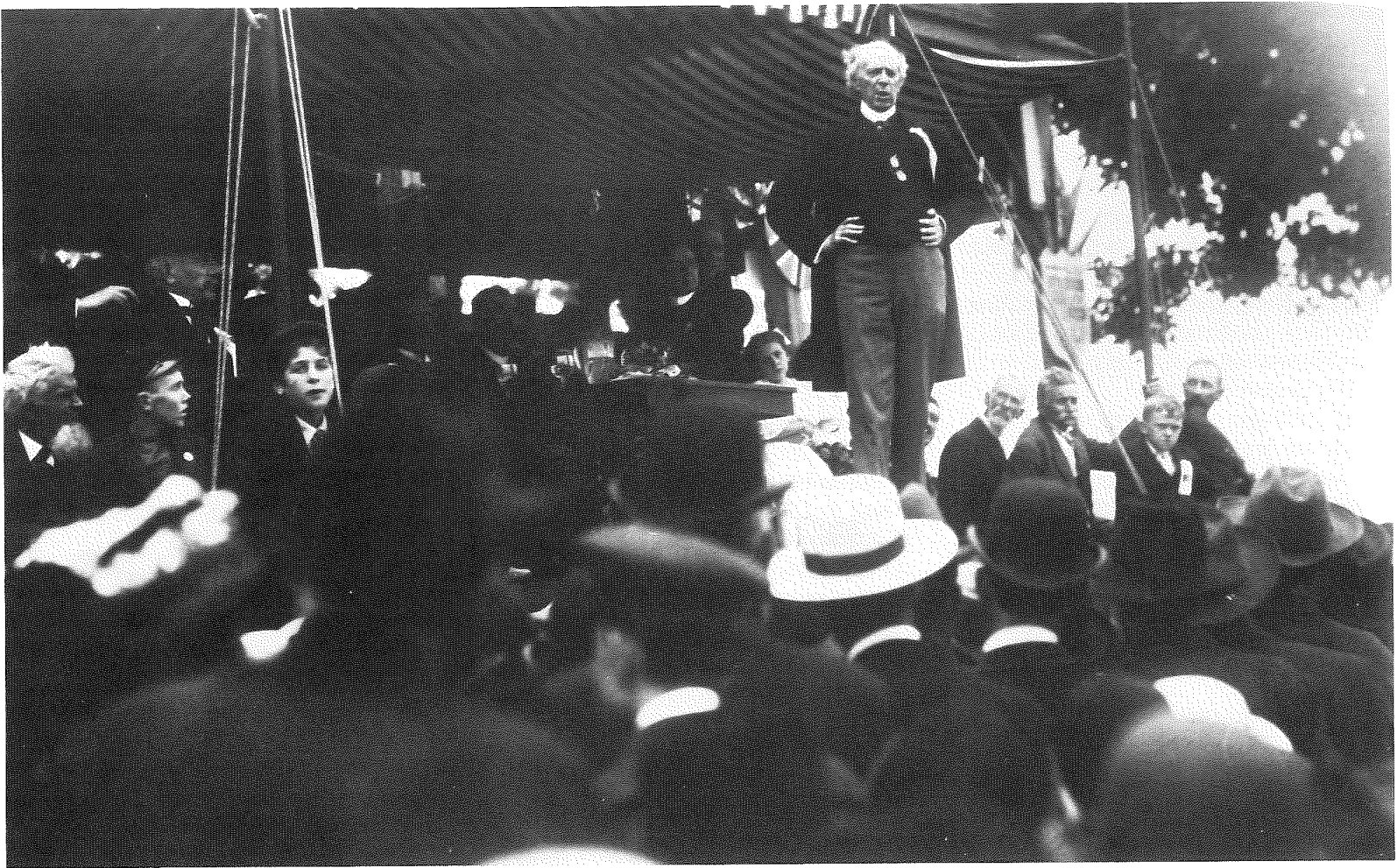
Draw near to the fire this stormy windswept night, and bout de papier will tell you a Canadian ghost story.
It is the tale of the free trade ghosts of the past inhabiting the present, rattling noisily in the closets of the country, lurking in the far corners of folk memory, and hovering in the fog and mist of the hyperbole of public debate. Arrayed against them are the cold, hard verities of the present, armed with common sense and a shrewd, well informed public endowed with a strategic sense of the best interests of the country.
To begin, as Sergeant Friday in Dragnet used to say, “Just the facts ma’am, just the facts.”
In the 1890’s and the first decade of Canada’s century, the US Congress was infected with a protectionist virus every bit as virulent as the current strain. The McKinley and Dingle tariffs of 1890 and 1897 and the Payne-Aldrich tariff of 1909, had raised US tariffs on Canadian goods to 20%. US legislation provided, moreover, for a 25% additional duty on the exports of any country found to be discriminating against the US.
Since the abrogation of the 1854-1866 Reciprocity Treaty, the US had spurned numerous Canadian initiatives for a new arrangement including the offer of such an arrangement incorporated in the National Policy. In 1902 Laurier declared, “There will be no more pilgrimages to Washington.” Cross country hearings in 1905-6 to revise the Canadian tariff found little or no sentiment for reciprocity. In an Edwardian version of the Third Option, unilateral Imperial preferences were instituted, and a bilateral trade agreement was concluded with France.
What revived reciprocity as a practical proposition? One factor that the Liberals believed in free trade as an article of faith. In Sir Alexander Mackenzie’s words, “There is no policy more consistent with what we call the Dark Ages of the world than that of protection as a principle. There is no principle more consonant with the advance of human freedom, no principle more in accordance with the great prosperity that prevails in our time than absolute freedom of commerce.” Another was that the Canadian tariff was a simmering source of dissatisfaction for farmers in Ontario and the Prairies. In an extended summer tour of the West in 1910, Laurier was met everywhere with a demand for lower tariffs. The National Federation of Agriculture formally demanded free trade with the US in natural products and a selected list of manufactured goods.
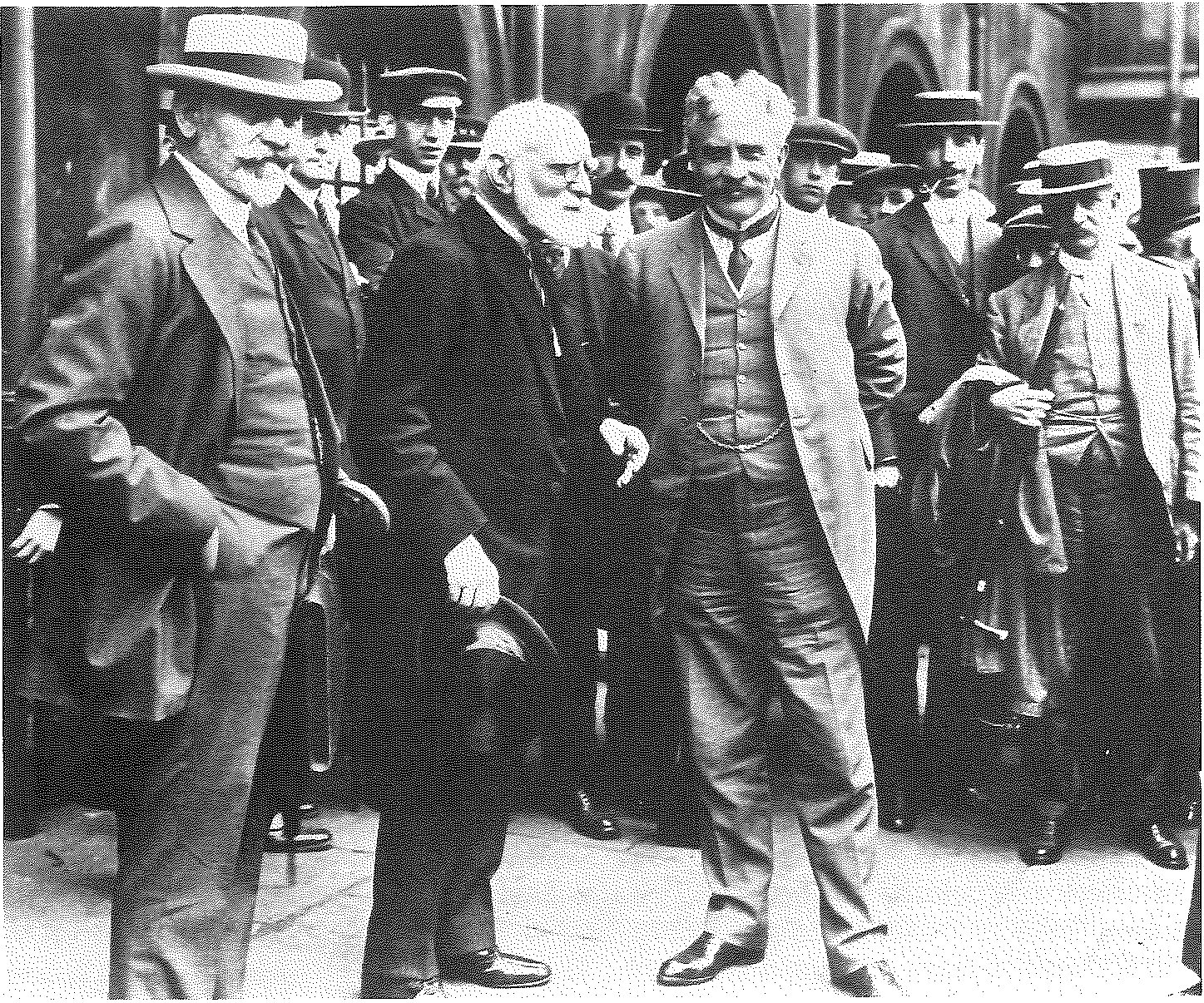
A third was the attraction of a new initiative to a government 15 years in office and in severe difficulties over naval policy. Laurier’s decision to establish a Canadian navy left him on the wrong side of the issue in Quebec and the rest of the country. Quebec nationalists led by Bourassa saw a Canadian navy as a betrayal of French Canada and defeated the Liberal candidate in a 1910 Quebec by-election. English speaking Conservatives and many Liberals demanded that Canada make a direct contribution to the Royal Navy.
The impulse for an agreement in the United States sprang from a raging debate about Canadian exports of pulpwood and newsprint. US newspaper publishers wanted lower tariffs on Canadian newsprint. US mill owners wanted cheap Canadian pulpwood but not the newsprint. Ontario and Quebec applied export taxes and restrictions on pulpwood which raised costs both for newsprint and the mill owners. The debate was bitter. President Taft wrote, “I have not been familiar myself with any situation politically where there has been so much hypocrisy, so much hysteria, so much misrepresentation…” The negotiation of a reciprocity agreement which could satisfy both publishers and mill owners and attract a large and diverse coalition was a way out.
The spark for negotiations came in 1910. The Canada-France Agreement was considered by the US to constitute discrimination against American products and the Administration threatened to apply the 25% retaliatory duty on Canadian goods as required by legislation. On March 20, 1910, President Taft and Fielding, Minister of Finance met in Albany NY and cobbled together a settlement of the immediate issue. In the accompanying exchange of letters, Knox, US Secretary of State and Fielding expressed a readiness to examine “…a readjustment of trade relations on broader and more liberal lines…” and the basis for the Reciprocity Agreement was laid. In the House of Commons, the Prime Minister declared, “The first thing we shall do is to endeavour to negotiate with our neighbours and if possible get a treaty of commerce with them.”
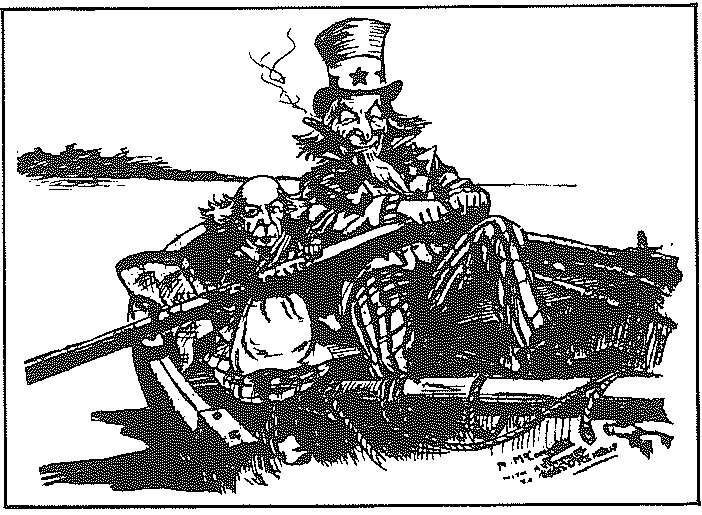
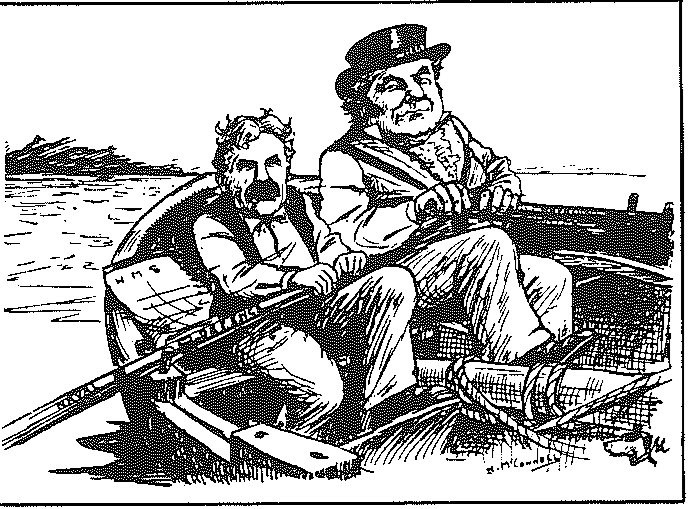
Negotiations began with informal discussions in Ottawa in November 1910. In January 1911, Fielding and Paterson, Minister of Revenue travelled to Washington. This was a simpler age. There were no large negotiating teams, no consultations with the private sector, provinces or states, no communications strategies, no red herrings; the negotiations were for the most part oral and wholly confined to tariff issues. The negotiations began January 7 and concluded January 21. On January 26th, the Agreement was presented to the House of Commons and introduced into Congress.
The Reciprocity Agreement was neither a treaty nor any other form of contractual arrangement but a commitment to secure the enactment of its provisions. The Agreement had four tariff schedules: Schedule A, a free list consisting primarily of primary agricultural and resource products and a few manufactured goods; Schedule B, a list of goods to be admitted at identical tariffs, for the most part further processed products of those on Schedule A, and a larger list of manufactures including automobiles and agricultural implements; Schedule C, providing for reduced US tariffs on softwood lumber and shingles; and Schedule D, lowering Canadian duties on coal.
Fielding’s announcement of the Agreement in the House on January 26, 1911 was a bombshell. The Montreal Herald Parliamentary correspondent reported that members were instantly aware that “history was being made…” and that when Fielding concluded, “the Liberals cheered and cheered again.” Borden, leader of the Opposition found, “the deepest rejection in [his] party and many members [were] confident that the Government’s proposals would appeal to the country and give it another term of office… I stemmed the tide as best I could, although I was under great discouragement.”
Borden had other reasons to be downhearted. He was spending a great deal of time beating back threats to his leadership. The campaign against the Reciprocity Agreement gave Borden a rallying issue.
Notwithstanding the initial reaction, the opponents of Reciprocity were well prepared. Between the interim settlement of 1910 and Fielding’s announcement in the New Year, they had searched each other out and gathered strength. In June 1910, Borden cautioned against “embarrassing commercial treaties and understandings,” with foreign countries. The Montreal Board of Trade warned that reciprocity could mean a weakening of the imperial tie, and the Canadian Manufacturers’ Association worried that negotiations would open their protected market to US competition. In the Fall of 1910, Sir George Ross, a former Ontario Premier argued that American desire for annexation had not died out, that a larger market for Canadian forest products would deplete Canadian forests and that prosperity would be placed at the mercy of a treaty.
Fielding’s announcement provoked an intense debate in and outside the House. Sir Edmund Walker, President of the Bank of Commerce declared that the Agreement put continentalism ahead of the British connection. Eighteen prominent Toronto Liberals called the Agreement the worst blow ever to threaten Canadian sovereignty. Sir William Van Horne, former President of the CPR said that “He was out to bust the dammed thing.” Within days, the business community was arrayed against the Agreement, fearing that it would soon be extended to cover all manufactured goods and thus imperil the protected if small and inefficient Canadian industrial base and east-west transportation networks.
In the House, Fielding argued strenuously that, “what we have done is no departure from the policy of Canada for forty years…” and that “the historic policy of the Dominion from the first day of Confederation…there was no difference of opinion as to the great importance and desirability of reestablishing reciprocal trade relations with the United States of America…”
The case for the Agreement was based on rational argument and rested on the hope that common sense and reason would prevail over emotion. Reciprocity would assure free access for primary products to a market of 90 million, higher prices for producers and lower prices for consumers. The allegation that the Agreement threatened Canadian identity was dismissed as baseless and scaremongering. It was the age of oratory. In his House speech on March 7, 1911, the Prime Minister addressed the sovereignty issue:
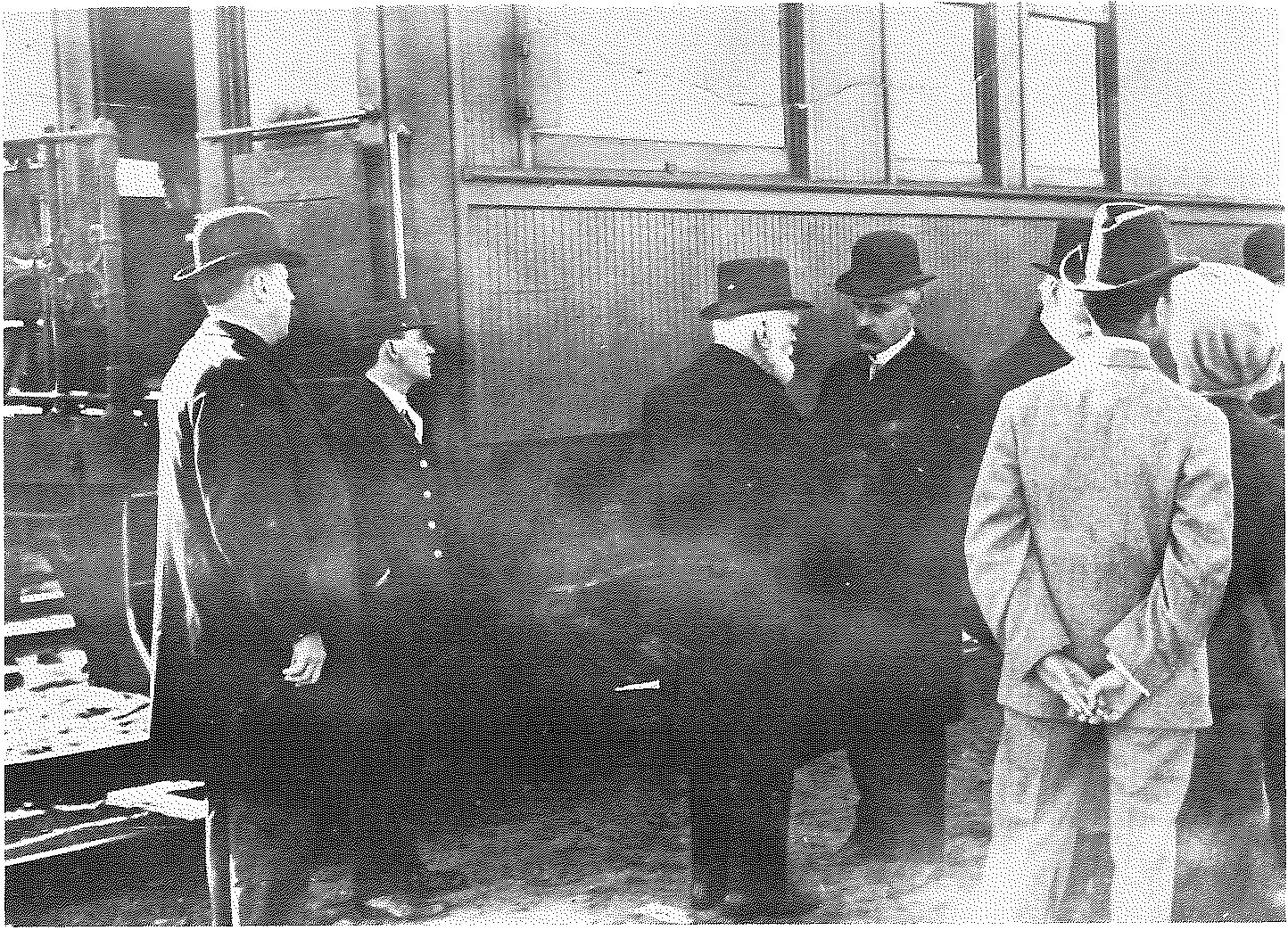
“Away with this timorous advice of faint hearted men, we stand by the experience of the stout hearted men of fifty years ago… far from sharing the forebodings, the lugubrious forebodings… we are now entering a new era in our relations with our neighbour…we are told that unless this retrograde policy (of protection) is maintained, Canada is exposed to danger and…that we are exposed to annexation. Annexation! Annexation! Once upon a time there was a very strong annexationist movement.and it received its first check… (with)… the reciprocity treaty of 1854… and the desire for annexation has dwindled until there is not a vestige of it left in any part of the country.”
The Americans did not help. The Administration failed to secure Congressional passage of the Reciprocity Agreement at its regular Winter Session. In a special session in April, the House acted promptly, but the Senate hearings dragged on and passage was not secured until July. In his prolonged battle to secure Congressional approval, President Taft more than once declared, “Canada is at the parting of the ways.” The Speaker of the House of Representatives, Champ Clark, proclaimed his …hope to see the day when the American flag will float over every square foot of the British North American possessions, clear to the north pole…” These and other statements were cited over and over again as irrefutable evidence of the true and dark designs of the US.
In the House debate, an Opposition member carried away with the eloquence of his case cried:
“Sir, these gentlemen met at Washington American negotiators with whom they were entirely unable to cope in ability, knowledge or experience. Behind the back of the country, behind the back of the Cabinet, they carried out these unfortunate negotiations and in the end a disastrous agreement was reached. • They brought back this Pandora’s Box with them to Canada; they opened it and out pranced the Trojan horse.”
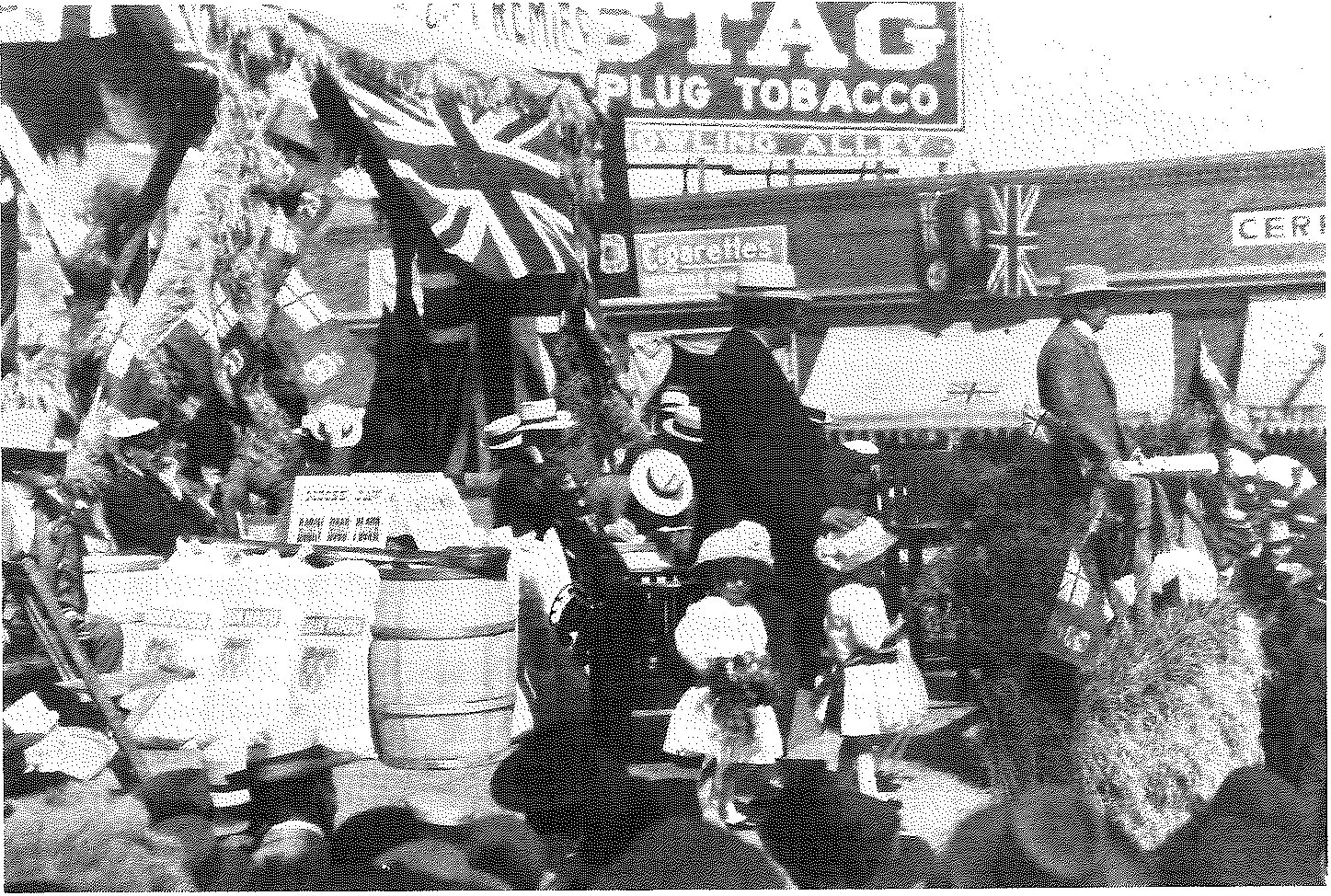
The debate dragged into April. Against his better judgement, Laurier adjourned Parliament and spent May and June in England attending the Coronation of King George V and the Imperial Conference. Shortly after his return, Laurier dissolved the House and called an election for September 21.
It is widely believed in modern memory that the 1911 election was fought solely on the Reciprocity Agreement, but there were in effect two election campaigns. In English Canada, the principal battleground was Ontario and the main issue was the Agreement. A long period of prosperity had dissipated the argument for larger markets; the loyalty cry rallied many. There was a desire to hit back at years of American neglect and hostility and a vicarious pleasure was taken “in wiping the American eye.” The Government went into the campaign facing a united and well financed Opposition with a party organization which had crumbled badly over the years.
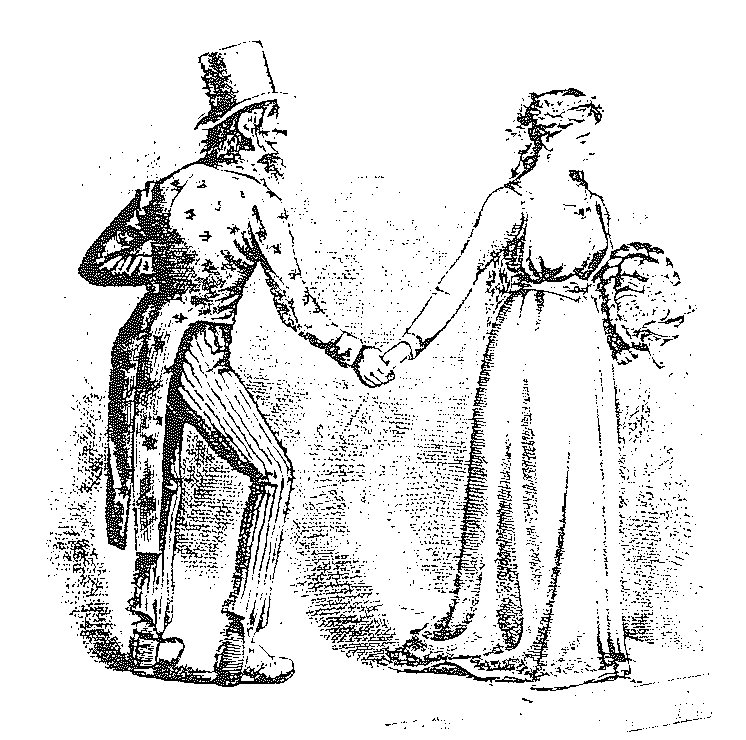
Borden summed up the case against in his final address in Halifax, September 19, 1911:
“And never let us forget that Canada cannot become fiscally and commercially a part of the United States and remain politically a part…of the British Empire…Above all, do not forget that the momentous choice is for all time… we are in truth standing today at the parting of the ways. We must decide whether the spirit of Canadianism or Continentalism shall prevail on the northern half of this continent… was at best peripheral. The naval question was paramount. Bourassa at first favoured the Reciprocity Agreement as antidote to a closer Imperial connection but later became a ferocious opponent, condemning it as a device to hide the Government’s true policy which was to drag Canada into Imperial adventures. Laurier’s lament rings true; “In Quebec I am branded as a jingo and in Ontario as a separatist. In Quebec, I am attacked as an Imperialist and in Ontario as an anti-Imperialist. I am neither. I am a Canadian.”
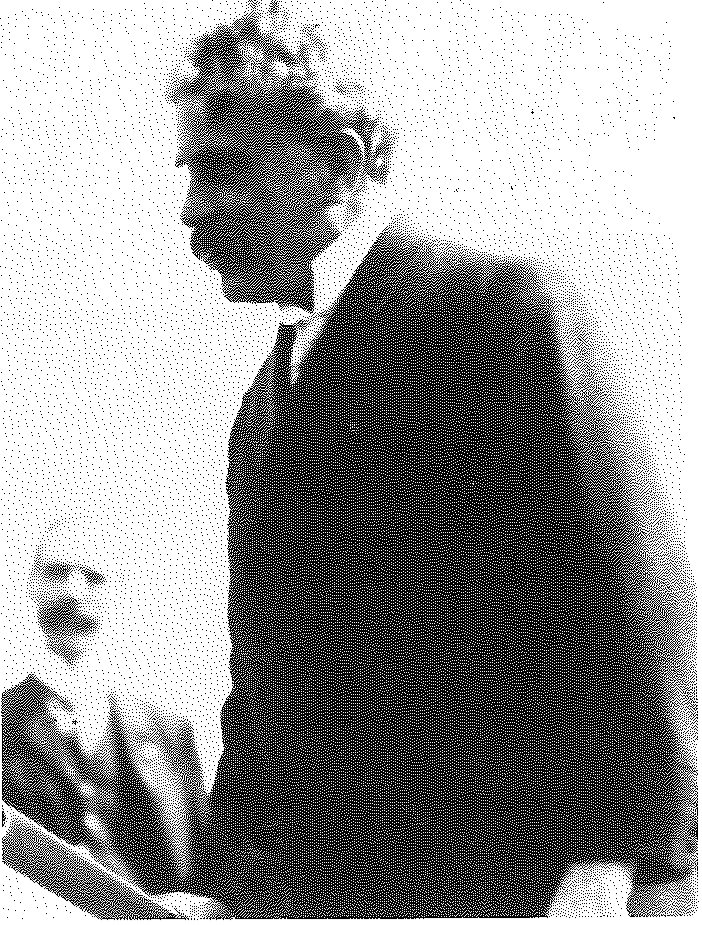
The result was the astonishing overturn of September 21. Fear of the unknown, the comforts of prosperity, the strenuous efforts of protectionists, the fatal vise of the naval question made a poisonous combination. Like roses caught by the first storm of winter, the Reciprocity Agreement wilted and withered.
All the elements of the 1911 debate are present in the national discussion of free trade of the 1980’s. As Sergeant Friday would observe, “Only the names have been changed to protect the innocent.”
Like the Reciprocity Agreement, free trade arouses little public attention in the US while to Canada, it is a question of vital economic and political importance. The economic arguments for free trade with the US remain as compelling as they have always been. The Imperial connection may have lost its allure many decades ago but the warning about the threat to Canada declaimed from every street corner in 1911 is now garbed in cultural and national identity. In 1911, the forces of opposition coalesced around the loyalists anchored in the Imperial connection and the protectionists fearful of losing their assured Canadian market to the more efficient Americans. In the 1980’s, the new nationalists shorn of their attachment to Empire make common cause with the new mercantilists who believe that Canada’s comparative advantage lies in protecting the Canadian market, promoting exports and keeping out imports.
“History,” pronounced Henry Ford, “is bunk.” Indeed, for whatever the similarities, there are decisive new elements.
The first is an informed and involved Canadian public. In 1911, the Reciprocity Agreement was sprung upon the public and making considered judgements required everyone to become an amateur economist in the ten months between the conclusion of the Agreement and the election which decided its fate. The current debate began in earnest in 1983-84, preceded by discussion and research of increasing intensity in the think tanks, the universities and the Senate. When the negotiations conclude with, as now seems probable, an agreement, its proponents and detractors will find a public far better primed to distinguish fact from fiction and to separate the wheat from the chaff.
The second is the attitude of Canadian business. In 1911, business cowered in its protectionist bunker fighting a mighty battle against free trade in primary products lest the dread virus spread to manufactures. In the 1980’s, Canadian manufacturers have undergone a sea-change in attitude. They want to escape the straitjacket of the small, a fragmented Canadian market and unlike their grandparents, are eager to face the cold winds of competition in the big bad world
The third is the emergence of Canada from colony into nation. As Joe Clark has emphasized, Canadians are self confident and mature and willing to look at a commercial arrangement with the US unencumbered by the ancient fears. The polls favouring free trade have been remarkably consistent for several years. The spurious connection between a closed inward looking economy and the independence of Canada has been broken and is now recognized as a phony.
The fourth is the role of the provinces. In 1911, the provinces had but little part in the public debate. This time, not only are matters within provincial jurisdiction, such as government procurement being negotiated, but more importantly, provincial governments have played a key role in articulating a national consensus for the launch and pursuit of negotiations and most can be expected to be key proponents of the Agreement.
But now, the fire dims and the gray dawn rises in the East. The ghosts of 1911 gather uneasily, uncertain, in the murky shadows to do deadly battle with the realities of r the 1980’s.
View the original scanned pages →
Originally published in bout de papier, Vol. 5, No. 2 (1987) — Summer 1987 // Été 1987, pp. 22–25. Read the rest of this issue →



