
bout de papier, Vol. 5, No. 1 (1987) — Spring 1987 // Printemps 1987, pp. 4–5
Sound the trumpet, beat the drum. Led by Jon Fried, the negotiations committee is ready for battle. The team, which includes François Laberge and Daryl Copeland (Framework), David Edwards and Cécile Latour (Leave), Rodney Briggs and Rob Brocklebank (Pay) and Jon Allen (Employee/Employer relations) deserve tribute and garlands for their hard work. The big issue remains our pay increase. Last time we got 7.5% over two years. This time we can probably bargain for something in the same range with perhaps a sabbatical year provision. The consumer price index is hovering around the 4% mark and Treasury Board President de Cotret is on record as saying wage settlements should keep pace with inflation.
The foreign service did not keep pace with the rise in the cost of living during the seventies and the pay increases awarded most other bargaining units were higher. Salary, especially at the FS-1 and lower end of the FS-1 level is low when compared to the qualifications of the incumbents as well as their responsibilities. For a profession that places high value on negotiating skills, there was apparently a reluctance in earlier times to fight on our own behalf. Like a grand old lady who has come down in the world, a sort of shabby genteelism descended upon us. Part of the problem was a misguided, if laudable, belief that the Department would see us right in the end. The Department has little to do with the process. It is the Treasury Board which represents management; generosity of spirit (and pocketbook) is not in their mandate.
The Foreign Service Directives are up for their triennial review in the National Joint Council. John Lobsinger is handling our brief. In looking over the problems of the last few years (besides the outrageous rent share increase) one item which deserves entrenchment in either the FDs or the contract is the right to private communication between employees at post and their personnel officer at headquarters. As the system currently stands, the Ambassador has the right to see all communications sent from post. On a couple of occasions, this has caused unnecessary hardship to employees who want to ensure privacy in their dealings with personnel. At headquarters this right is taken for granted. Not so at post. It should be.
Daryl Copeland has spent much time and effort on something he calls the Professional Evaluation Guide. PEG, for short, would provide foreign service officers with a guide to how fellow FSs have judged their managers. Copeland’s efforts build on an idea originally floated in these pages two issues
4 bout de papier Vol. ago by himself and co-author Michael Small. The great difficulty with this proposal is how to be fair to those appraised. The dangers are obvious: it must be more than a beauty contest or an outlet for revenge. The concept, however, has much to recommend it. But the touchstone of true worth is not always success. It may be an idea whose time has not yet come.
PEG has generated much discussion and in our last issue we ran a letter by Maldwyn Jones on the idea. Alas, it has created some ugly feeling because of comments contained in his letter about a former manager. Some readers thought that parts of Mr. Jones’ passionate prose were an insult to francophones and that they should have been censored out. To insult francophones was not the intention of the fluently bilingual and francophile Mir. Jones.
As for our editorial policy? Well, we subscribe to the credo ascribed to Voltaire: we may disapprove of what one says, but we will defend your right to say it. We publish on issues of interest to our readers. Occasionally these are controversial, but we believe debate is healthy. bout is not a platform for insult. Letters to the Editor are just that; they do not represent the views of bout nor PAFSO.
That being said, hindsight suggests the author might have been wiser to omit certain imprudent passages, as the main point of the letter was apparently obscured. And Mr. Jones’ complaint deserves a hearing. A bad appraisal from bad managers can prevent the promotion of good officers. Our system is peculiar in that candidates for a higher position, unlike the rest of the public service, are neither interviewed nor invited to apply for promotion. Everything depends on our evaluations. Resort to the grievance procedure or appeal to the Public Service Commission does not seem the best solution.
A former Undersecretary, Gordon Osbaldeston, has written about the public service and its relationship to our political masters in the January issue of Policy Options. A strong proponent of an apolitical civil service, he recounts that the main reason behind the creation of a permanent Public Service was to stop patronage and thus improve the quality and efficiency of government services provided to the people. He notes that those who seek its politicization diligently seek out the exceptional appointment to make the case that the Public Service is already politicized, therefore, “let’s go all the way”. The defence of the institution, he argues, requires constant vigilance and that requires reliance on the opposition parties and the media. If, however, the government of the day feels it requires staff to advise it on political, rather than bureaucratic considerations, Osbaldeston believes it should be so equipped. Better to create a competent political arm of government than to politicize the Public Service.
For the Foreign Service the debate on the merits of an apolitical civil service have taken on an urgent relevancy as a consequence of the unparalleled number of political appointments made by Mr. Mulroney’s Ministry. The Osbaldeston advice in this instance would appear to have fallen on deaf ears. As John Starnes says elsewhere in this issue, the consequences of this approach will result in experienced people leaving for more challenging, rewarding work. The effect is not always readily apparent but the damage may be long lasting. Hardly the sort of epitaph a government would want.
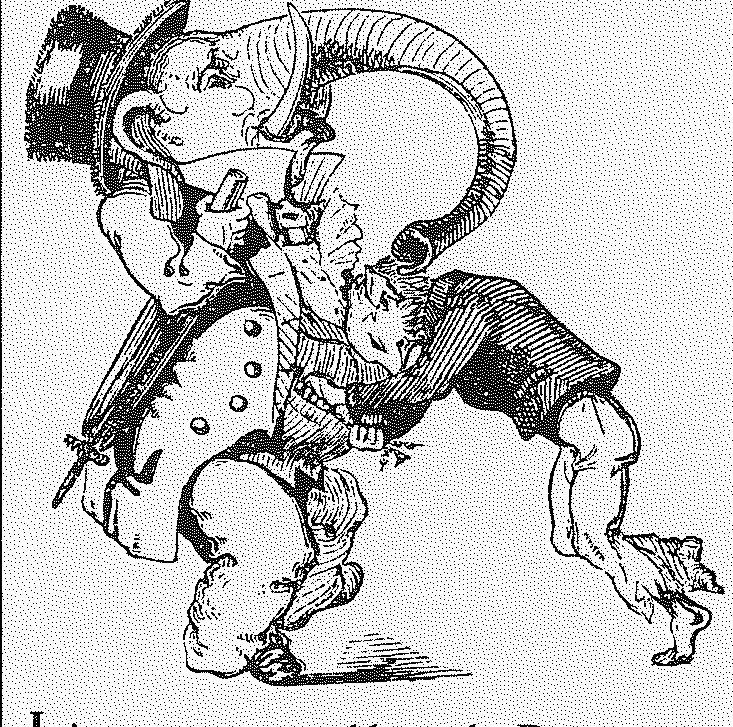
War and peace, refugee crises, Economic Summits, Francophonie, the Commonwealth, South Africa, the PM and Ministerial progress around the world, cod agreements, all this and more are taken in easy and unflappable stride by the cool professionals we all are or aspire to be.
But the sudden announcement late one Thursday afternoon that the Great Helmsman was to be called to higher duties left dry mouths and anxious hearts. Of course, the External breast beats with pride. We can still do it — provide the best in the hour of need After all, did the PM turn to Finance, the PCO, the Post Office?
But still there is uneasiness. Derek Burney’s work in remaking the Department into the cutting edge of Public Service professionalism is unfinished. The task is great. Even one step removed, we look to him to maintain his commitment. The spirit is willing. The Service still inspires a “regimental” loyalty. All of us, participants and observers in the changes wrought in the last 18 months applauded the new leadership in steering the department through tortuous shoals.
We have worried about the increasing politicization of the public service. Some have asked what is the difference between this case and patronage appointments to the Foreign Service? Could we be about to see the public servicization of the political staff? Frankly, we prefer the Osbaldeston solution.
The Burney secondment follows a long tradition of foreign service officers serving their Prime Minister. Until the appointment of St. Laurent, the External Affairs portfolio was held by the Prime Minister and an assignment to that office was not unusual. Some, like James Gibson (whose reminiscences on that time are carried in these pages and Jack Pickersgill served their entire foreign service career in the PMO. Of foreign policy advisors, the list is long and includes Head, Roy and Fowler under Trudeau, Sullivan and de Salaberry under Clark. While most of them served through the Privy Council Office, the distinction between the two offices had become increasingly blurred – if Mr. Camp can find a home in the PCO then Mr. Burney can certainly serve in the PMO. There have been a host of press officers in the PMO: Hadwen, Roberts, Senecal and now Marc Lortie.
Probably the closest parallel to the Burney appointment is John Hodgson, a former ADM at Defence, who served Pearson — our most illustrious graduate to the greasy pole of politics, as principal secretary from 1966-68. (The fact that Mr. Hodgson finished his career as Deputy Minister of Veterans’ Affairs is less widely advertised). The British and Australians make a regular practice of importing bureaucrats into political positions and then return them to the public service. In the Cabinets of 20 and 30 years ago, there were a quartet of ministers: Pickersgill, Pearson, Drury, Sharp, who cut their teeth in the public service. The American example is, of course, dismissed as unworthy, although even the venerable Economist has suggested that Britain would be governed better if its civil service were more political.
When all is said, when all the Titanic and Hindenburg jokes have been told, when the cafeteria has recovered its morale and phlegm reigns once again supreme, we wish Mr. Burney (and Brian Hambleton who goes with him) well. Which of us would say no! Who would cavil? And we know that Derek will not forget the principles for which he stood: quiet competence, professionalism and service to country. We are well aware of his struggle to have foreign service assignments based on merit, not party. And we know we are forgiven the plea to one who has contributed to our pages: Will ye no come back again?
View the original scanned pages →
Originally published in bout de papier, Vol. 5, No. 1 (1987) — Spring 1987 // Printemps 1987, pp. 4–5. Read the rest of this issue →



