
bout de papier, Vol. 4, No. 4 (1986) — Winter 1986 // Hiver 1986, pp. 15–51
Elder
The death on November 19, 1986, of Don Jamieson who served as Secretary of State for External Affairs from September 1976 to May 1978 came as a shock. We thought that, since we had been assigned to the Minister’s Office while he was Minister, our personal views on Mr. Jamieson might be of interest to bout de papier readers.
Mr. Jamieson genuinely liked people and as Minister, had an easy rapport at all levels. He had a repertoire of anecdotes and jokes that could enthrall audiences of all sizes and at all hours! Mr. Jamieson was relaxed (and unthreatened) when receiving advice from experts and comfortable with the distinction between his role as Minister and that of his various advisors. He prodded for analyses that went beyond the merits of a decision, preferring to gauge the consequences as well as the rationale for a particular course of action.
At all times, but notably when he travelled, Mr. Jamieson was supported fully by his wife, Barbara. He recognized that she provided the anchor at home as mother of four children which allowed him to play his role as Minister of the Crown to the full. Significantly, the strength of the family permeated his office and inspired loyalty and affection both ways. Her presence at his side in official visits relieved his staff of many administrative details and anxious moments.
The press reports indicated that Mr. Jamieson was working at the time of his sudden death on his memoirs. While he was still Minister, he often quipped that in any public recollections, the chapter devoted to his time in the External Affairs portfolio would be titled “No Bottom Line”. He was obviously and visibly frustrated by Memoranda coming to him that did not present sharp policy options but seemed wishy-washy and “on the one hand, … on the other”. He realized, however, that it was difficult in the portfolio to quantify and assess the success or failure of actions that were the subject of policy recommendations. He took seriously his responsibility for bringing a wide range of public/press considerations, national and regional considerations, political concerns and his own judgment and fairness to the foreign-policy decisions he as a Minister was called on to make.
The oratorical skills of Don Jamieson are legendary. He relished occasions for speeches especially if the event lent itself in any way to a “stem winder”
He paid great attention to the speeches he gave on foreign policy, on public occasions in the House and before the Standing Committee as well as in international bodies like the United Nations General Assembly. He revelled in press interviews and press conferences. He enjoyed getting across a message, his message, but also the Department’s message. He was acutely interested in international affairs and on Canada’s relations with the United States. He sought information from whatever source possible and he read newspapers and magazines voraciously. In general, he preferred, as a source of information, press articles to Embassy reports. Newspapers gave him a feel for what the public would think about an issue.
He enjoyed the rough and tumble of the House of Commons but usually managed to stay above the fray. Pre-Question Period briefings seldom lasted more than a minute. When caught on a specific or obscure point of fact in the House, Mr. Jamieson inevitably promised a detailed reply to the Honourable Member by the end of the day and, with a wink or glare to the Officials’ Gallery, the wheels were set in motion. Question Period was not a blood sport or bear pit for Mr. Jamieson, but an extension of theatre for a consummate communicator. To be “Official Spokesman” for Mr. Jamieson was akin to having to serve Eugene Forsey as a letter-writer.
Mr. Jamieson demonstrated a profound sense of moral commitment. Rhetorical flourishes left aside, he brought a sense of value to foreign policy issues. Nuclear proliferation, for example, was a profound personal concern. He wanted Canada to be in the forefront in ensuring nuclear technology was used only for the peaceful use of generating electric power. He considered it a major achievement to have put in place the Non-Proliferation Treaty-based safeguards policy and to have carried it as far as it could go in negotiations with our partners in nuclear cooperation.
He was proud that Canada was a member of the United Nations Security Council for much of the period when he was Minister. He considered that Canada had a significant role to play multilaterally. He felt particularly at home in the Security Council. On matters to do with Southern Africa, he was motivated by a strong sense of right and wrong. He was happy to have devoted much of the foreign policy debate that he encouraged in the House of Commons on December 13-14, 1977, to the announcement of a package of economic sanctions against South Africa including the closing of trade offices and the imposition of visa requirements. He recognized it was an issue of marginal importance in Burin-Burgeo and would bring him few, if any votes. Undoubtedly he was willing to devote time to questions of Namibia in the Contact Group because of the opportunity it gave him to work closely with his colleagues in the Contact Group: Cyrus Vance, David Owen, Hans-Dietrich Genscher and Louis de Guiringaud. The personal contact was very important to him as it allowed him political insight into the problems of the day and access to information not available at other levels. There was a deeper moral motivation. He was, for example, profoundly moved when he was in Windhoek, Namibia, to see at first hand the deplorable conditions in communities and in hospitals and schools reserved for blacks.
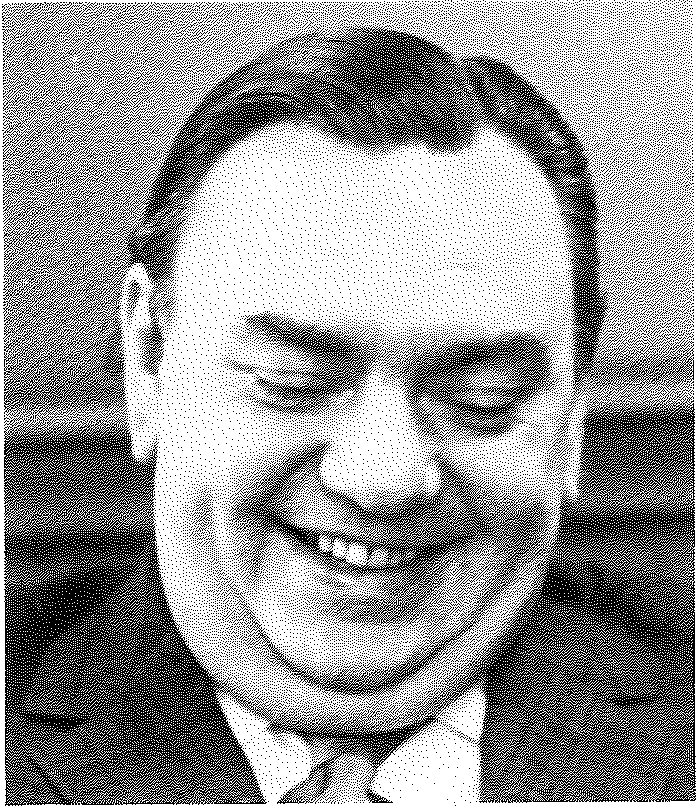
He accorded a special priority to relations with the U.S.A. He admired the policy positions of the U.S.A., but more than that he saw the relationship with the U.S.A. as the most relevant foreign policy force for his riding. In his first encounter with Henry Kissinger, Mr. Jamieson registered concern about a fishing dispute in the Gulf of Maine. Kissinger’s eyes glazed unknowingly; the Gulf of Maine was a long way from grand strategy of a superpower. Mr. Jamieson, though, was particularly anxious to have good relations on fisheries and maritime boundaries and used his friendship with Cyrus Vance to promote the ad referendum agreement concluded on the East Coast. In general, he was most eager in his bilateral meetings with Vance to have constructive and personal discussions and to avoid the laundry list of issues on which Departmental officials considered they needed to have Ministerial sanction for their action. He preferred by far meetings that advanced issues of particular interest to him and the government.
Mr. Jamieson’s view of the Department was frankly nuanced. He was not distant and aloof. He saw his role, however, as political, giving broad guidance, while leaving to the Deputy Minister the operations of the Department. Particularly he did not wish to be involved in administrative matters. There was little he liked less than to have a Head of Mission appeal to him, while travelling, on the insufficiency of the residence or the inadequacy of staff or to have a matter that he considered purely routine or administrative referred to him when he considered it should be resolved by officials.
View the original scanned pages →
Originally published in bout de papier, Vol. 4, No. 4 (1986) — Winter 1986 // Hiver 1986, pp. 15–51. Read the rest of this issue →



