
bout de papier, Vol. 32, No. 2 (2022), pp. 33–35
BELGIAN TRAPPIST AND ABBEY BEERS. When I moved to Belgium a couple of years ago, I didn’t drink beer and that didn’t bother me a bit. But one day I realized that if I failed to take advantage that I lived in a land famous for its beer, I would surely regret it.
SO I DECIDED TO GIVE IT A GO and picked up a few different kinds at my local grocery store. They all have impressive selections; Belgians take their beer very seriously. Even the smallest grocery stores are crammed full of well-crafted brews that would make beer connoisseurs back home weep. The ones that caught my attention, in part because of their labels, were the beers that were labelled Trappist. I had no idea what that meant, but I was curious and do love researching, so I’ve put in the legwork and have even made it part of my regional travel, visiting four abbeys to learn more. It’s a tough gig, but I’ve made the sacrifice for you, Dear Reader.
It turns out the answer is easy, though not straightforward. When the Catholic Benedictine order was introduced into France from Italy, they were established in Citeaux, in Burgundy. Citeaux was named for the cistels reeds that grow on the river near the abbey, first giving them the name “Cistercian” monks. In the 17th century, the Cistercian order at La Trappe Abbey in Normandy underwent reforms under the abbot of Rancé, lending that group the name “Trappist”. ’. The French Revolution was not kind to those representing the Church and many Trappists moved to Belgium and other areas when their abbeys were destroyed.
To build their monasteries, Cistercian monks were often given wetlands; this required them to become water management experts. Consequently, when you visit, you’ll see many abbeys have ponds or other engineered bodies of water. What does this have to do with beer? Well, you’ve got to drink something with your meals. Beer requires good water, which they had plenty of. Beer was also a way for the monasteries to meet the Benedictine requirement of being self-supporting and financing abbey construction. Trappist monks live by three tenets: prayer, work, and hospitality. Beer brewing is one form of labour that allowed them to support both their abbey and community – a significant share of profits from their sales are donated to charity.
Eight Trappist abbeys formed the International Trappist Association in 1997 to protect the name “Trappist” and prevent non-Trappists from using the term for marketing purposes. It’s essentially the same as an AOC, with certification requiring some strict criteria, including that brewing has to take place in an abbey and be performed or supervised by the monks. The second part is becoming increasingly tricky as the population of Trappist monks is aging and steadily dwindling; some monasteries have closed as a result. It begs the question whether the Trappist beers available now will still be around a decade or two in the future; when a beer loses its Trappist designation, any number of changes could be made to the ingredients or beer-making process in the name of increasing profits. Thirteen abbeys produce Trappist beer, six Trappist breweries in Belgium, two in the Netherlands, and one each in Austria, France, Italy, Spain, the UK, and the US, but only I of those are able to label it as an Authentic Trappist Product.
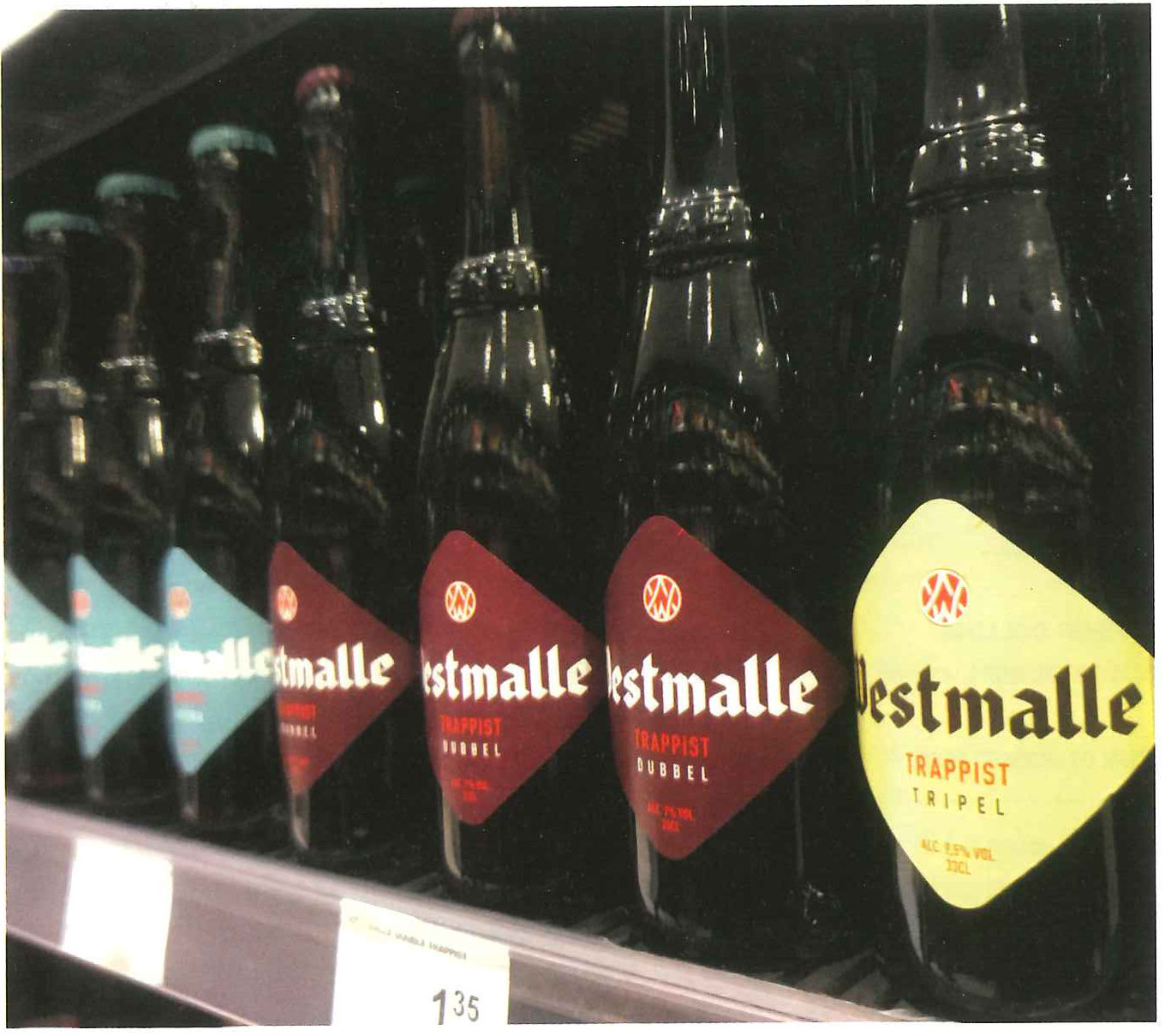
Beer in Belgium is taken as seriously as wine is in France. Lovers of the brew will be particularly impressed to know that Westvleteren, which has the coveted title of “best beer in the world,” is here in Belgium. Its product is in such high demand that outside local restaurants and bars, residents can only buy a maximum of two cases through a complex online lottery system. I found some for sale in a local beer shop and bought a bottle … for €18. For the record, I enjoy my favourite Westmalle Trappist beer for about a tenth of the price. Many travellers have been surprised to find themselves wobbly after only one or two glasses: alcohol levels in Belgian beers can reach the equivalent of wine (and is, of course, generally served in larger portions).
As the world’s third-largest exporter of beer, after Mexico and the Netherlands, marketing is everywhere in Belgian beer culture. Each Trappist beer has its own chalice-shaped glass that is supposed to bring out the best of its signature beer. When you order one at a Belgian restaurant or bar, the beer will inevitably be served in its branded glass, or else will come with profuse apologies. There are also endless non-Trappist abbey beers, like Maredsous, that carefully highlight their abbey roots. Abbey beers may come from a Trappist abbey that doesn’t meet all the criteria for the designation, or may have no association with an abbey at all; the implication of the quality of abbey-brewed beer is marketing gold.
Having only studied and never seen a Trappist abbey up close, I had built up something of a romantic notion of how an abbey functions. When I mentioned my fascination to a French colleague, she responded, “Ugh, they are prisoners; they never leave.” That was a bit of a wake-up call, as the requirement for hospitality had given me the impression that they integrated with their communities. Not so much, it turns out.
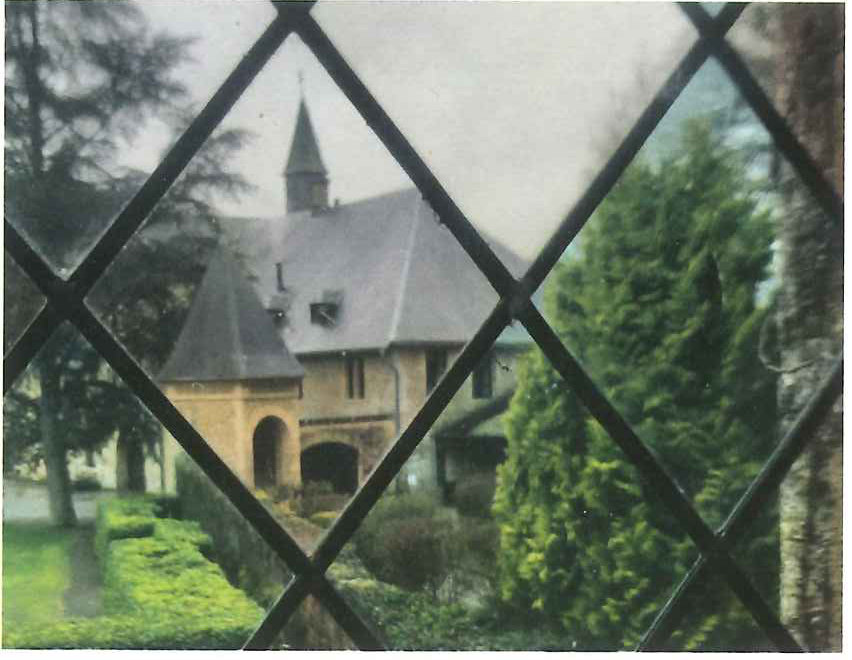
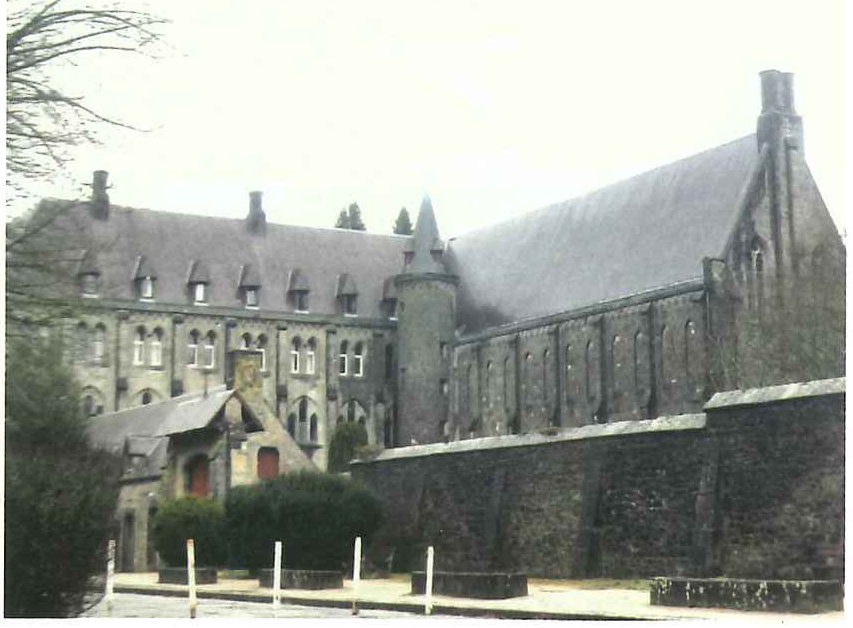
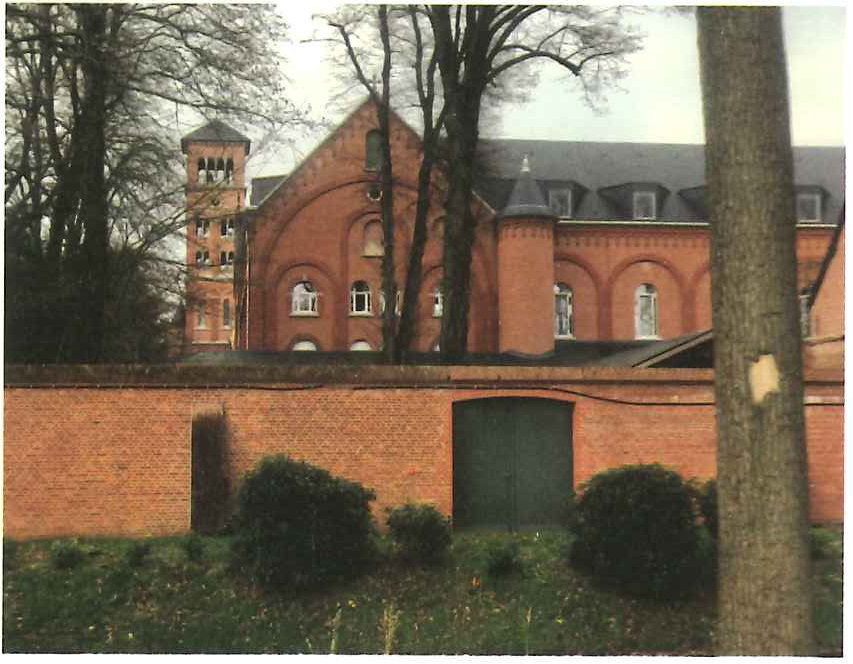
But you certainly can visit some of the abbeys; each has its own version of hospitality. Many will host religious groups and have quarters that anyone can stay in for a few days. Some – but not all – also allow visitors to access the grounds, though there are strict boundaries and you will most often only catch a glimpse of a resident if you are lucky. Beer isn’t the only treasure you can find when you visit. Some of the beer-producing abbeys also offer artisanal cheese, or bread. Many abbeys, including the Trappist ones, will also carry products produced by other abbeys in the region, providing each access to a significantly larger clientele. This includes cookies, honey, syrups, herbs, supplements, bath products, and lotions. Learning about the history of Trappist brewing has made me appreciate the beer here so much more. Enjoying the offerings, as well as visiting the abbeys, has added a layer of richness to my time in Belgium. If you are lucky enough to get the chance to visit, I especially recommend Orval Abbey, near the French border, where significant effort has gone into explaining the abbey’s story that begins with a trout returning the lost wedding ring of an Italian countess. Whether you are a diehard beer drinker or not, it is well worth taking in a glass of a thousand years of history.
View the original scanned pages →
Originally published in bout de papier, Vol. 32, No. 2 (2022), pp. 33–35. Read the rest of this issue →



