
bout de papier, Vol. 31, No. 3 (2021), pp. 4–7
ON A HUMID HAVANA NIGHT in the not-so-distant future, the sounds of a Cuban pianist rise into the summer air, paired with the smooth vocals of a Canadian jazz singer, before an intimate crowd at Casa Canada Cuba. The walls of the Casa are lined with an exhibit of a visiting Canadian painter who offers workshops to aspiring artists in the community of old Havana. Earlier that day, a Canadian-Cuban co-production documentary was presented to local film students, while a visiting Canadian contemporary ballet company held an exchange with a Cuban dance company in the courtyard. Upstairs, a Canadian and a Cuban chef put their final touches on a collaborative hors d’œuvre to be paired with Canadian wine and maple syrup infused mojitos. Once a dream, we’re getting closer to making Casa Canada Cuba a reality.
Planting the seed
It all began during my years working at the Canadian Embassy in Havana. Cubans from all walks of life would repeatedly comment that there was something truly special about the Canada- Cuba relationship; yet there was no ’centre’ where this could be celebrated.
Were they on to something? Indeed, our two countries have had a long-standing special relationship in every sector. The economic ties are long. By the early 1900s, the Bank of Nova Scotia was one of the most important banks in Cuba, supporting the vast trade between the island and our Atlantic provinces. Today, our ties between people and families are also extensive. Pandemic aside, over 1.2 million Canadians visit the island every year, making Cuba our third preferred destination, next to the US and Mexico. Ask any visitors, and they will tell you unequivocally, “it’s the people” Canadians of Cuban origin are also putting our country on the cultural map. British Columbia’s Juno award winner Alex Cuba won a Latin Grammy nomination again last year. Cuba’s official selection for the 2020 Academy Awards was the acclaimed Canadian-Cuban film Un Traductor, directed by Toronto’s Sebastian and Rodrigo Barriso.
Despite these historic ties and active relations, there is next to no Canadian cultural footprint on the island, and we’ve had no ongoing ability to deepen the mutual understanding of our cultures.
After serving in Cuba, my wife Alix and I travelled to Mexico City for our cross-posting. Despite the distance, the idea of a primary venue in Cuba for hosting and showcasing cultural events and exchanges between Canadian and Cuban artists, writers, musicians and other cultural representatives, continued to seem imperative.
It was only on jumping to the private sector after Mexico that I was really able to pursue this seriously. Following fits and starts while trying to launch the project on my own, I soon realized I needed to partner with a heavy-hitter, with a cachet in the business and cultural worlds in both Cuba and Canada. I reached out to my former boss in Cuba, (ret’d) Ambassador Matthew Levin, to seek his recommendations. He said he had just the person – I later learned that he couldn’t have been more right.
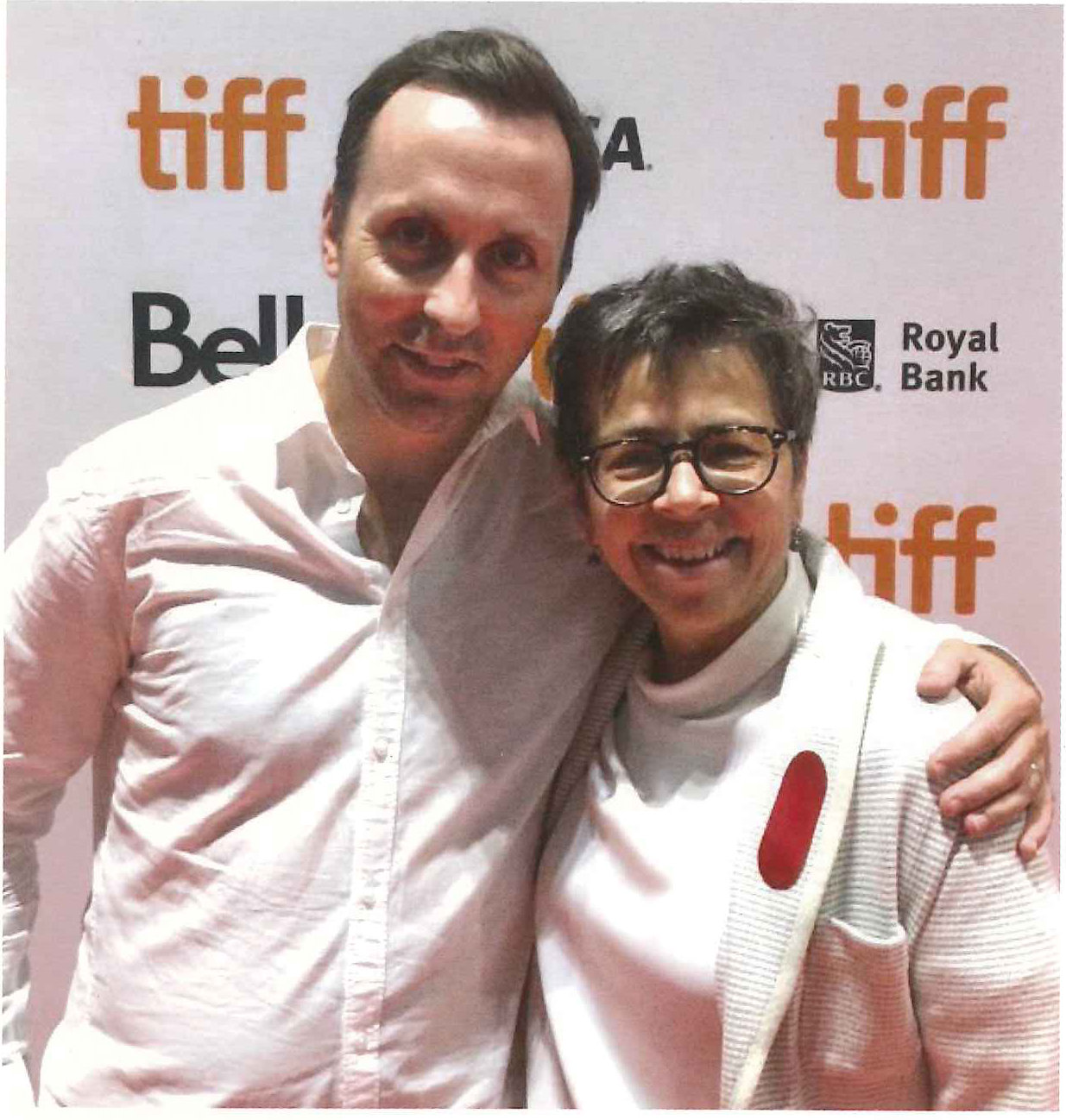
Enter Juanita
It was a frigid Toronto day in March. I was in the city on business and had secured a side meeting with Juanita Montalvo. She was heading up a private equity firm with her business partner Mark Entwistle, a highly-regarded former Canadian Ambassador to Cuba. We hit it off immediately. We shared a commitment to responsible natural resource development and a passion for the arts. We were even both proud graduates of Fredericton High School and shared New Brunswick roots! While working in and out of Cuba over 20 years, Juanita had played an instrumental role in numerous cultural projects, including a partnership between Cuba and Canada’s National Ballet School and the Sherritt Collection of Contemporary Cuban Art at the Art Gallery of Ontario. Despite these and other cultural achievements between artists and institutions of both countries, she mostly regretted the missed opportunities.
Over the years, Juanita had seen a stream of renowned Canadians come through Havana. She recalled the 1997 visit to Cuba by the late Graeme Gibson and his wife Margaret Atwood, who were there to launch the Spanish edition of their anthology of Canadian writers, Desde el Invierno. The couple made many trips to Cuba, primarily in support of the protection of migratory birds. There was also filmmaker Atom Egoyan, artists like Rebecca Belmore and Sandra Brewster, philanthropist tycoon and champion of Canadian values the late Peter Munk, broadcaster environmentalist David Suzuki, celebrated fashion designer Tanya Taylor, just to name a few. Juanita was certain that a cultural centre could have harnessed these visits by hosting exchanges with similar talent from Cuba and the interested local public. She lamented that these had also been opportunities to showcase Canadian values and experiences through the eyes of thought leaders from diverse cultural origins.
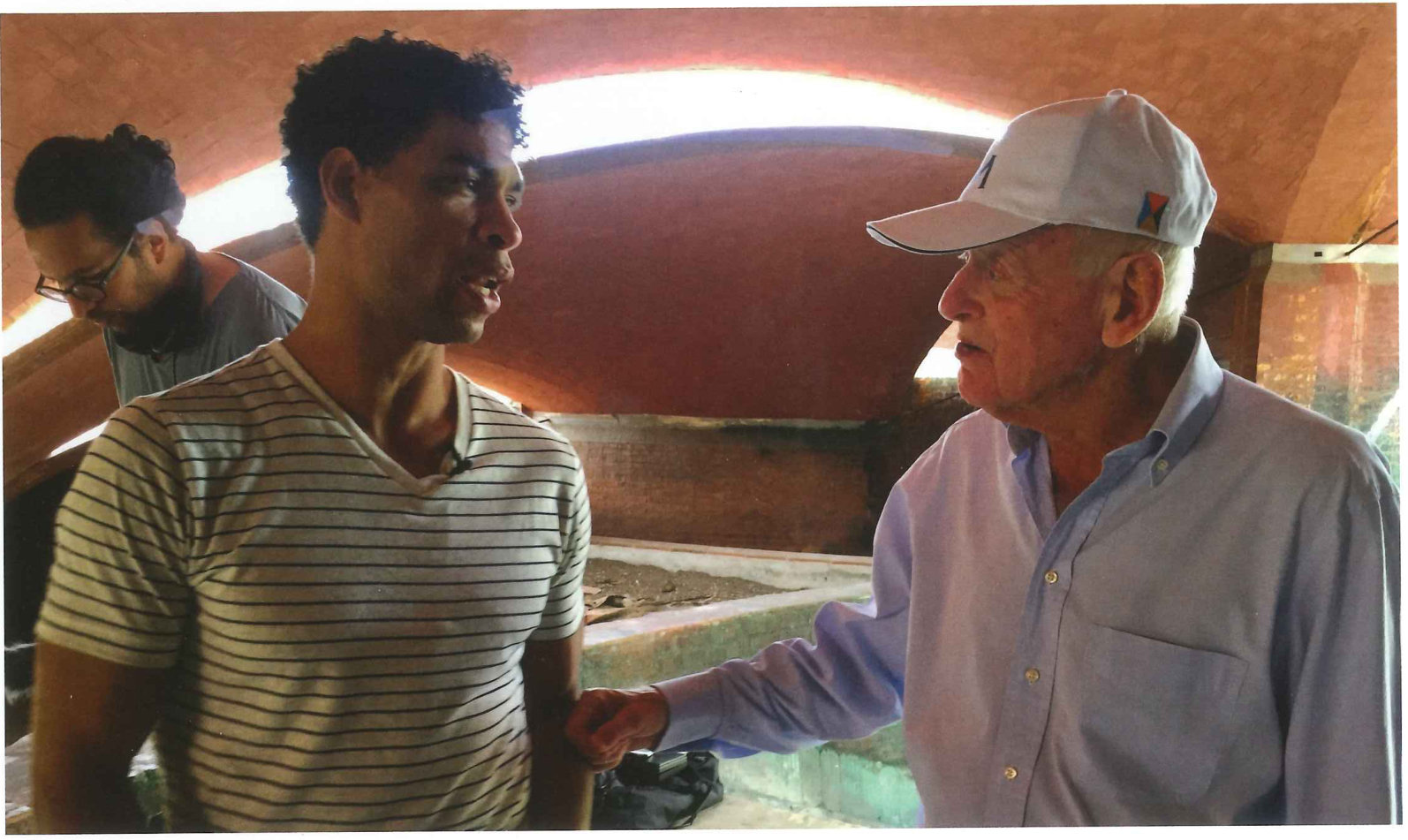
Together with Juanita, we established “Casa Canada Cuba” as a registered federally-regulated Canadian not-for-profit organization, founded to serve as the formal legal entity in Canada for advancing the project in Cuba. Momentum was gained when Cuba appointed star diplomat H.E. Josefina Vidal Ferreiro as Ambassador to Canada. She had led negotiations during the rapprochement of Cuba and the US in the final year of the Obama Administration, and was eager to support stronger relations with Canada. Ambassador Vidal’s dynamism has helped build the support of top-level government officials in both countries, as well as prominent members of the cultural and business communities of Canada and Cuba. Currently, we’re aiming to secure project funding and a venue in Havana to house Casa Canada Cuba. As we look ahead to the Casa’s cultural programming, we’ll tap into the network of notable artists, musicians and other cultural personalities who represent the diversity of our societies. We will create a venue for discourse to learn from each other, shedding light on today’s Canada and bringing contemporary understanding to our shared values.
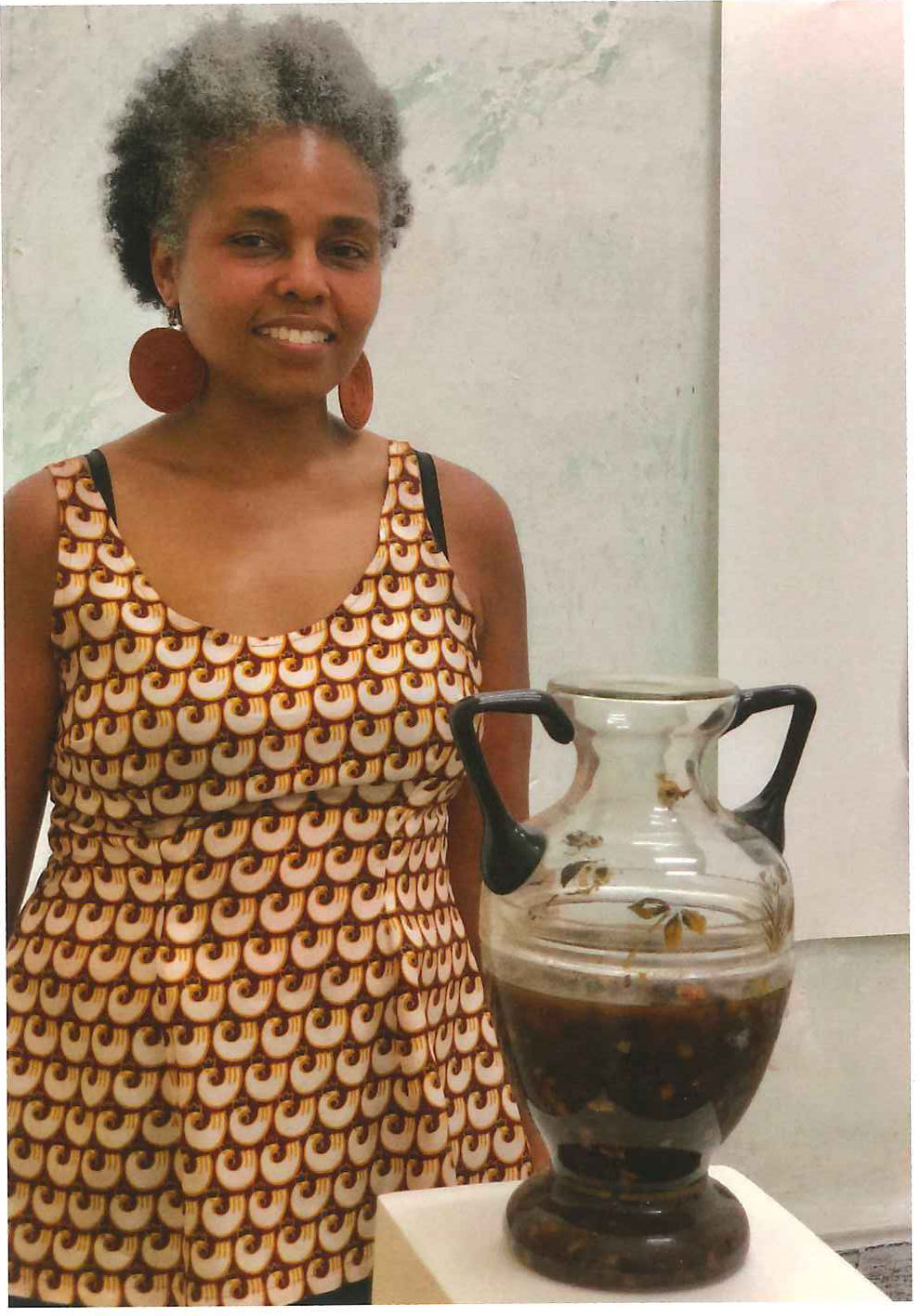
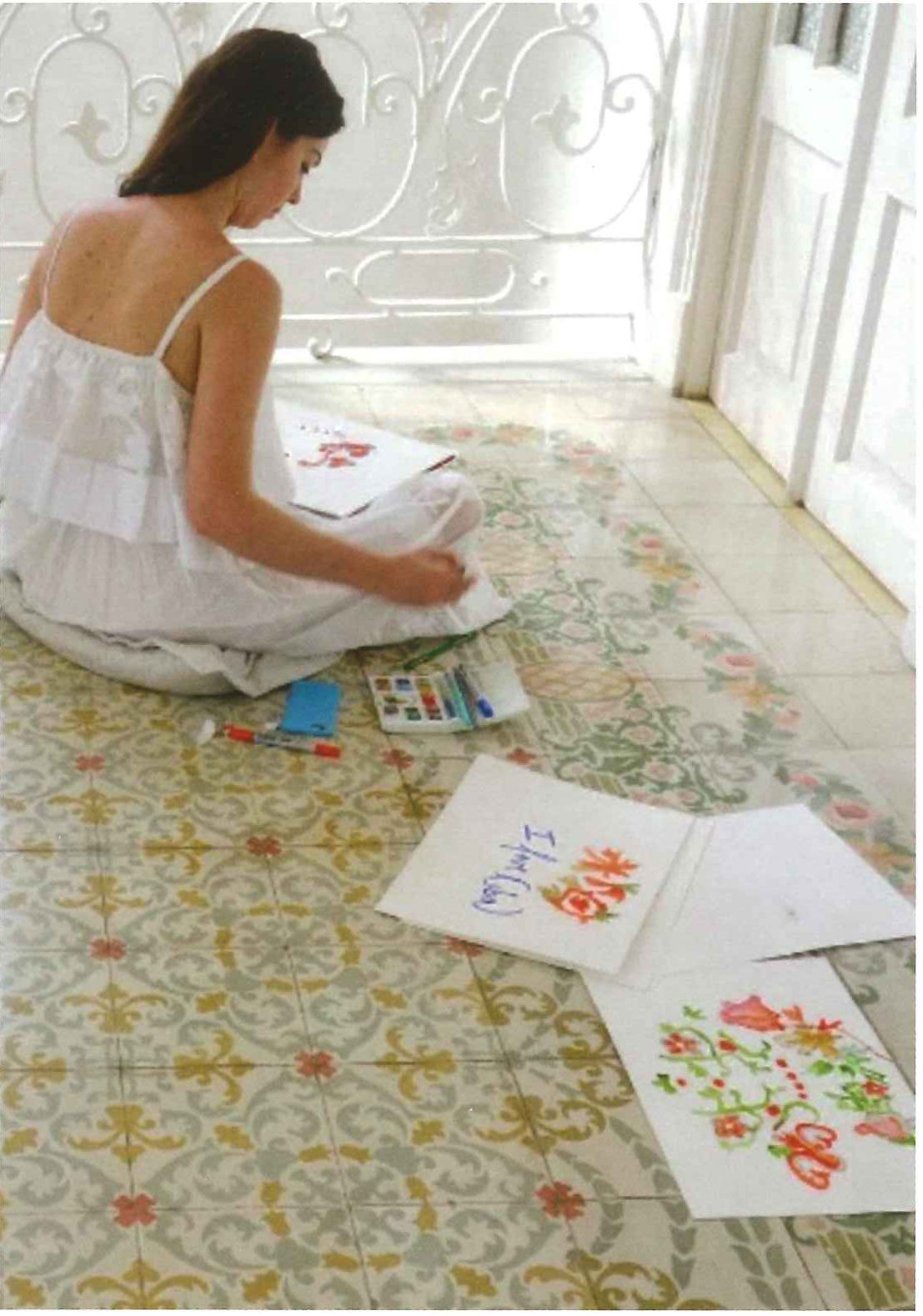
A New Chapter of Cultural Diplomacy
With culture as a cornerstone of Cuban society and its engagement with the world, and as we emerge from this pandemic, possibly into an art renaissance anchored by new technology, it’s an ideal moment to deepen and formalize the cultural engagement between Canada and Cuba. Casa Canada Cuba is an ideal flagship project to symbolize a new chapter in our shared history and an opportunity to have a lasting impact in the lives and work of many.
We’d love to hear from you and we’re always looking for support with skills, time and other donations. Please visit the Casa Canada Cuba website at casacanadacuba.com
You can also reach out to project co-founder and former foreign service officer Andrew McLaughlin at [email protected] odp
View the original scanned pages →
Originally published in bout de papier, Vol. 31, No. 3 (2021), pp. 4–7. Read the rest of this issue →



