
bout de papier, Vol. 31, No. 2 (2021), pp. 36–37
FRIES. Hi everyone. It’s been a while. I’ve been posted to Brussels since we last spoke, so l’m looking forward to telling you all about the fabulous foodie treasure I’ve been
SO LET’S BEGIN WITH ONE of the foods that best reflects Belgium: fries. Part of the gloriously holy triad of Belgian specialties (the others are chocolate and beer). Did you notice I didn’t call the article “French” fries? I’ve banished that term from my vocabulary to avoid the political ramifications they can cause here.
Whether fries are French or Belgian is a matter of some debate. Namur, Belgium, may have been the birthplace, when a particularly cold winter in either the 17th or 18th century may have forced the locals to fry potatoes instead of their usual river fish. France lays claim to the frite as a snack that was sold on Pont Neuf, Paris’ oldest bridge. Either way, both countries produce a magnificent fry. It is so part of Belgian culture that there are fry oil recycling spots all over the streets of Brussels. The term “French fry” is commonly accepted to have come from American soldiers who served in French-speaking regions during WWI. Of course, in French, it’s just “frites” or, if you want to be fancy, “pommes frites”.
Let’s talk about the fry itself. Belgian fries are always made with Bintje potatoes, usually single-fried (to my great disappointment) and often cut fresh on the premises. In contrast, North American fries are often made with russet potatoes, fried and then frozen, resulting in a softer, fluffier centre. Believe it or not, freezing them actually improves the texture (at least, in my opinion). I’ve spent a fair amount of time testing out techniques in my own kitchen, so take it from me, you can produce a really great fry at home if you’re so inclined. I also make oven fries regularly here now that my fryer is in storage. Vegetable oil is good, peanut oil is better, but animal fats like chicken, duck or beef really kick it up a notch. Now when I make chicken stock, I keep the fat that rises to the top as it cools rather than tossing it. Trust me. It’s amazing.
I was absolutely gobsmacked to see bags of frozen McCain fries available in Brussels grocery stores. It seems that Florenceville, New Brunswick’s little family enterprise from 1957 has become a global frozen potato powerhouse. According to Agriculture and Agri-Food Canada, potatoes are the largest vegetable crop grown in Canada. $1.3b in 2019. 1000 growers. Grown in every province; PEI largest producer, Alberta, Manitoba and NB also major producers. Two-thirds of potatoes are processed for the frozen fry market for the likes of McCain and Cavendish Farms. Potatoes and fries are a huge export for us; we send 90% to the US and small quantities to Mexico and Japan. Top 10 global exporter for both fresh potatoes and frozen potato products.
Recipe // Recette: Oven fries
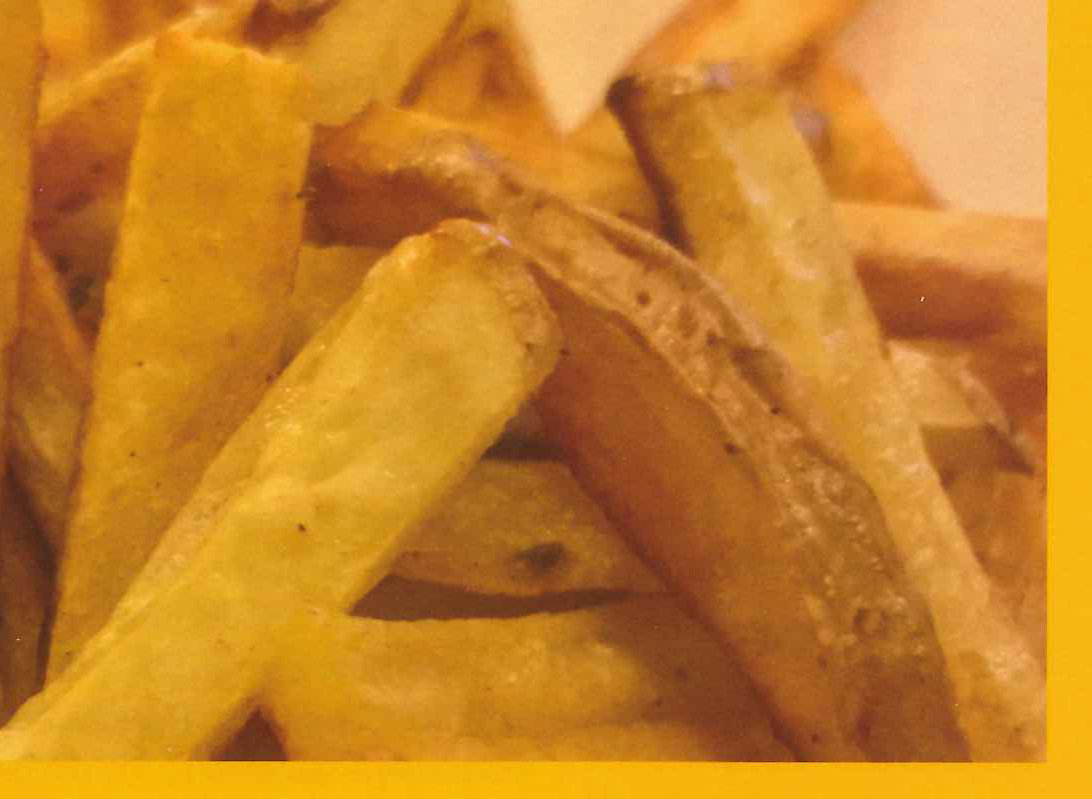
Oven fries are one of the easiest things to make in your oven.
I large potato per person. Russets and Yukon Gold are particularly good
1–2 tablespoons vegetable or peanut oil, or chicken or duck fat
Salt or seasoned salt (I like Lawry’s and A&W)
1. Heat oven to 400°F, using the convection (fan) setting if you have it.
2. Put the fat in a cast iron pan or rimmed cookie sheet and place in the oven to heat.
3. Cut a small slice off one side of the potato, to make a level surface that you will then stand the potato on. Slice each potato (as thick or thin as you like) length-wise, keeping the slices as consistent in thickness as possible. Rotate the whole thing on its side and repeat the slicing.
4. For a better fry (optional), place on a tea towel or paper towel and dry off moisture. Then place the potatoes in the pre-heated pan and rotate them so all fries are covered in oil.
5. Bake for 40 minutes, turning them every 10 minutes. If you cut your fries thick, they may need an extra 10 minutes.
6. Salt as soon as you take them out of the oven and enjoy as soon as possible.
You can eat fries plain, but really. why would you do that? At home, ketchup has always been my favourite, but my eyes have now been opened to the magic of the fry sauce.
Mayonnaise is the standard in Belgium. but there is an entire fry sauce industry that has grown here. Fry stands will list all of their options, but with absolutely no information about them. That is research you just have to do yourself. They are all mayo-based, but vary in sweetness, spiciness, main flavour and add-ins.
I’ve recently discovered a regional US fry sauce available in Utah. Oregon and Idaho that is going to become a part of my fry consumption. featuring mayonnaise, ketchup. spices and pickle juice (check out https://therecipecritic.com/fry-sauce for the recipe I used: you can also add some minced onion or Qarlic to it). It takes approximately 30 seconds to make and I highly recommend you give it a try.
Originally published in bout de papier, Vol. 31, No. 2 (2021), pp. 36–37. Read the rest of this issue →



