
bout de papier, Vol. 3, No. 1 (1985) — March 1985 // Mars 1985, p. 19
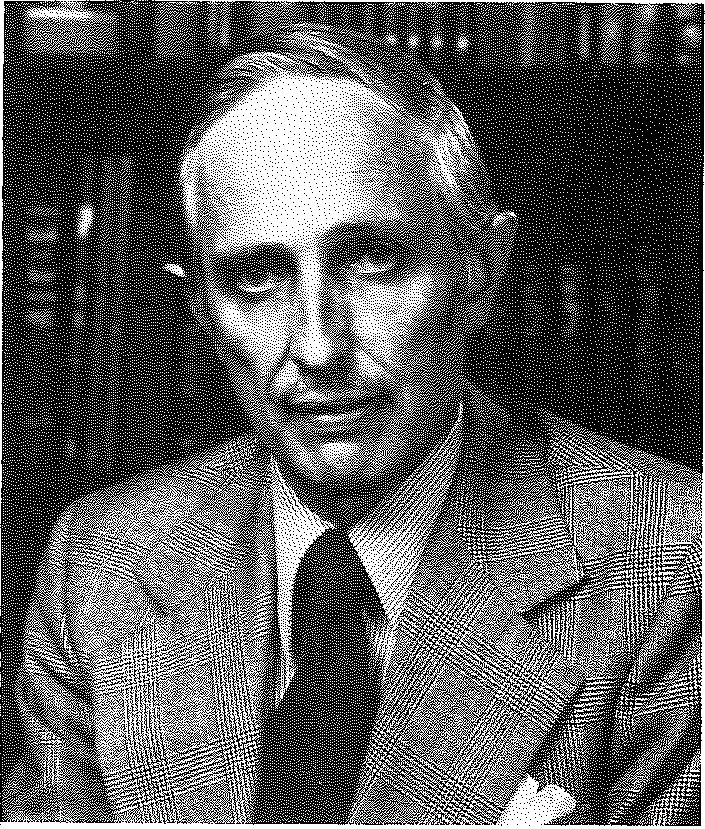
Charles Marshall died suddenly in Islamabad on January 13, 1985, while serving as Canadian Ambassador to Pakistan. We print the eulogy delivered by his old friend and colleague Bob Middleton.
I have been asked by the Marshall family to say a few words about Charles. I am deeply touched by the honour they have done me.
Yesterday an eminant person, new to the Department of External Affairs, was overheard to say that he was struck by the impact Charles’ death had had upon members of the Department. Over the last week it was evident to him that this sad event was very much on the minds of his officials. Others in the Department have made a similar point as they sought to inform themselves of what was being done to mark his death and how they could best express their sympathies and grief.
Why this surge of real regret and deep concern? It was in part because Charles Marshall seemed to represent the best of what we have worked for in the Canadian Foreign Service. He belonged to a generation which saw it as a family or a community and who had willingly dedicated his life to it. He had given much to it and, collectively, we now wished to give back what we could.
Equally, though, people as individuals felt his death because Chuck touched people to do an unusual degree as he passed through his life. I think most of us would agree that we don’t always leave deep traces in a kind of career that moves us from job to job and place to place every few years. But Charles Marshall was different. When people recall him they speak not only in pleasant generalities but with a clarity of detail in their recollections.
We in External Affairs claim him proudly as one of our own. Yet those who know Canada’s north will quickly tell you about his six years in Northern Affairs. While only in his twenties, he became closely associated with the early days of Northern Development and the vital question of Canada’s sovereignty in the High Arctic. He travelled extensively by ship and aircraft throughout those remote regions to make direct contact with those caught up in these early exciting days. Thirty years later one of this northern mentors could say “Charles Marshall was a man of good ideas”
He is similarly remembered by us in External Affairs. General Burns spoke warmly of the work Charles did in Geneva in the late sixties. He recalled his negotiating skills, his energy and dependability. “He had his feet under him” he said simply: High praise indeed from a distinguished general. Another colleague spoke of Charles’ professionalism in the 1970s and his concern over the question of our defence policy. He remembered the enormous effort and the subtlety of judgement that Chuck devoted to the task of persuading a government to improve our military strength. Years later his work as Ambassador to Ankara won his country the friendship and respect of the Turks. In Islamabad the government was so disturbed by his death and so appreciative of his work in Pakistan that President Zia himself called on Anne Marshall to express his sympathies. Canadians who have served there tell me that this was an extraordinary gesture of personal regard.
What explains these impressive achievements? He was, of course, born into a family which over the generations has rendered notable service to Crown. and country both in Canada and in Scotland. His parents are well known to many in this church today. Charles carried on this tradition and he combined it with intelligence, integrity, dedication and a determination to get a job done. An old friend spoke to me admiringly of his “restless vigour and vitality”
But he also had very human qualities. He treated everybody, whatever their role and function, with consideration and kindness. He was popular — but he never courted popularity. All of these attributes depreciating humour. As he often pro tested he was but a spear carrier in whatever bureaucratic drama was at hand. What a delicious phrase.
Some spear carrier we have here.
Charles always struck me as a man with his life superbly in balance. He was a devoted public servant and a brillant diplomat, but he was equally a thoughtful and kind son, husband and father. He listened with care to the views of his children as they grew up to adulthood. He was sensitive to the traumas of prospective moves in this itinerant life of ours and sought to make them less disruptive for his family.
He encouraged in his home, by his own example, respect for others and for the job at hand, a willingness to see the other side, a belief in the place of persuasion in dealing with all important issues, a respect for compromise, and an awareness that the way one gives advice is as important as the advice itself.
Charles’ family unquestionably drew enormous strength from him. But they themselves must realize what they gave to him — and their huge part in the happiness and satisfaction that marked his life. All of them gave it, but none more so than Anne Marshall herself whose great strength of character, thoughtfulness, dignity and grace have been so vividly demonstrated these last 10 days.A
View the original scanned pages →
Originally published in bout de papier, Vol. 3, No. 1 (1985) — March 1985 // Mars 1985, p. 19. Read the rest of this issue →



