
bout de papier, Vol. 29, No. 3 (2016), pp. 28–29
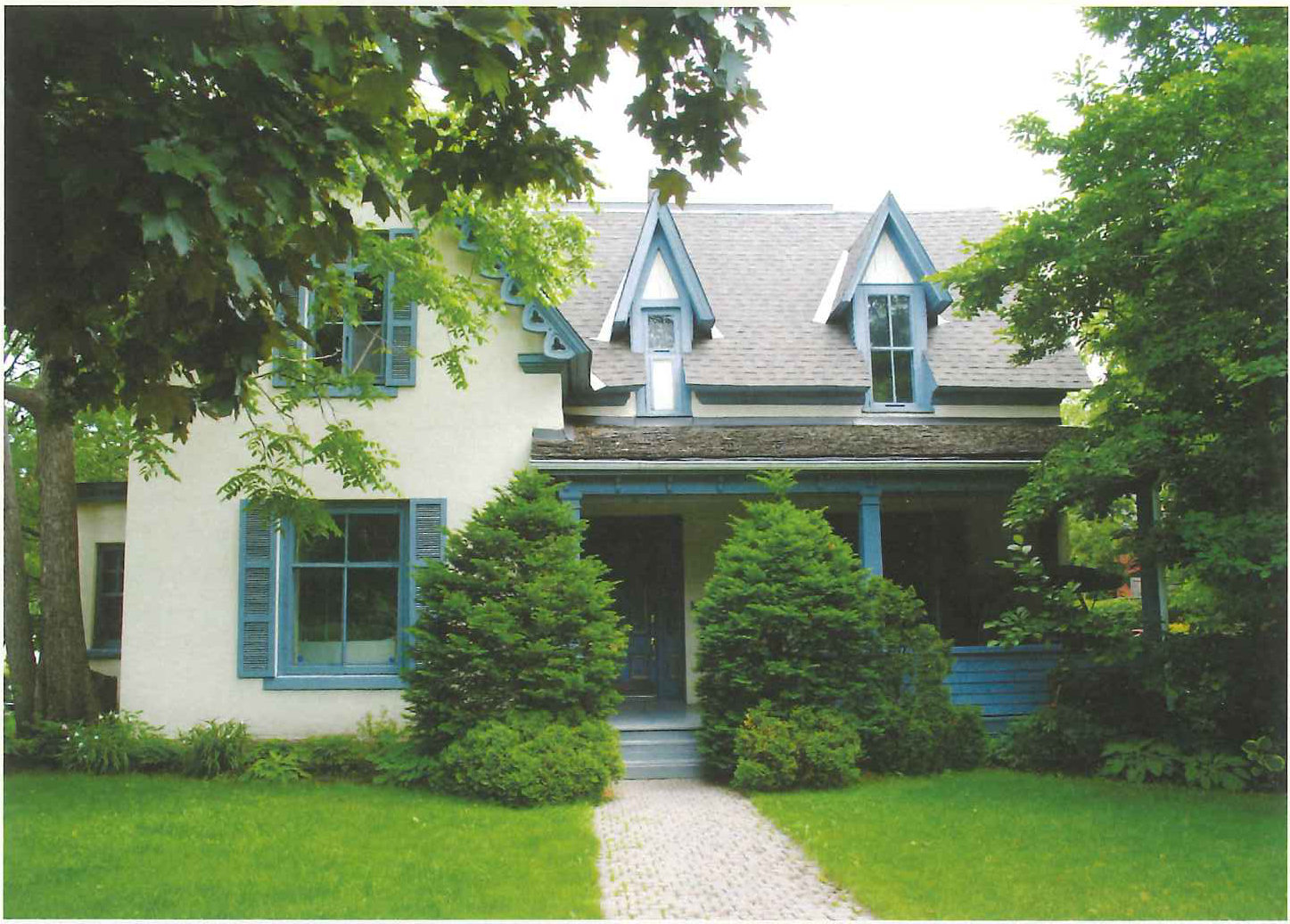
When my family returned to Ottawa from our most recent posting in Geneva in 2012, life in Europe had convinced us of the link between urban, walkable, complete communities and high quality of life. So it didn’t take long to sell us on a new home in Sandy Hill and the familiar lifestyle that came with downtown living. But while we loved the stories of our Confederation-era house – which had once served as the workshop for a pair of entrepreneurial fur-trading brothers in the late 1800s – we knew little about the history of the area itself.
I began to question neighbours about some of the spectacular architecture of surrounding houses and was amazed to discover that my daily commute alone took me past the former homes of Lester B. Pearson, Sir Charles Tupper and Sir John A. Macdonald. I had no idea this national history was – quite literally – in my backyard, and I was fairly certain most fellow Canadians didn’t either. That turned out to be just the tip of the iceberg.
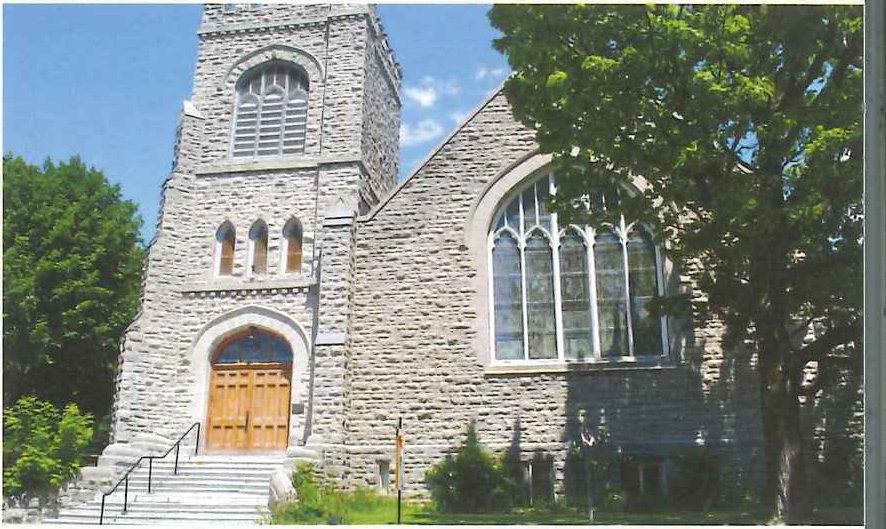
At the time, I had recently joined a grassroots community group called Save the Saints (co-led by fellow Foreign Affairs colleague Susan Young) which had formed in response to the Anglican Diocese putting All Saints Church on the market. Save the Saints was working to ensure that any potential buyer undertook to respect the needs and desires of Sandy Hillers in the development of this unique property. Part of this exercise included an historical survey of the church and its surrounding streets.
We were floored to discover that not only had the area been home to the “Father of Medicare” Tommy Douglas, CPR magnate Sir Sandford Fleming, Confederation poet Archibald Lampman, Canada’s first female Senator Cairine Wilson and WWI flying ace Billy Bishop, it had also served as residence to lumber barons, Governor Generals, Chief Justices of the Supreme Court, Cabinet Ministers, Lieutenant Governors, Clerks of the Privy Council, and heads of national institutions. Moreover, multiple fathers of confederation and prime ministers lived on or within a few blocks of Laurier Avenue East and a number of those homes still remain standing, including Macdonald’s Stadacona Hall, Diefenbaker’s abode at The Strathcona, Laurier’s Laurier House, where Mackenzie King also resided, Tupper’s Daly Street residence, Pearson’s Augusta Street Cottage and (according to urban lore) Trudeau’s suite on King Edward Avenue’s Martin Terrace.
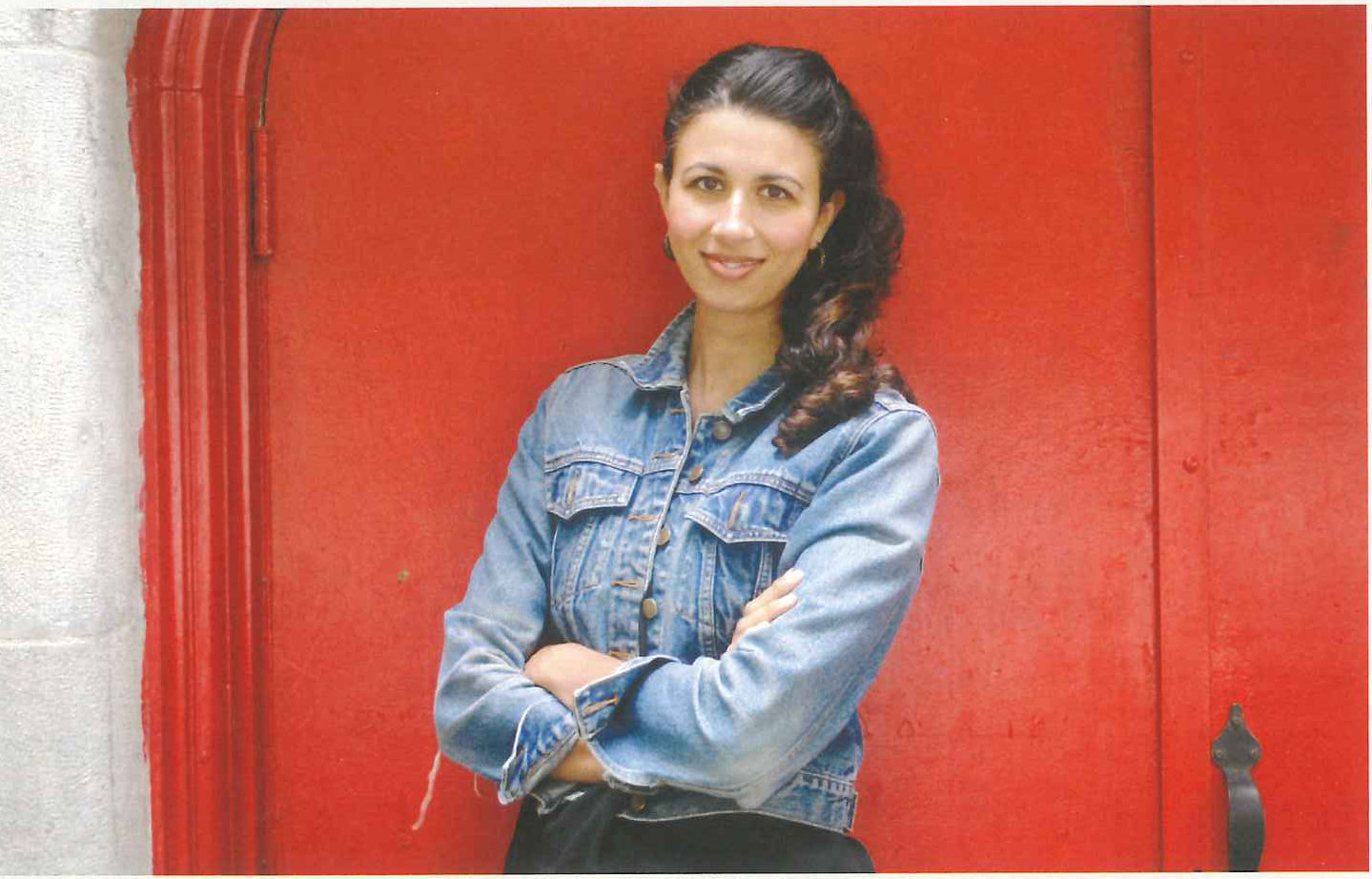
Through this discovery, the Prime Ministers’ Row Initiative was born. Prime Ministers’ Row seeks to transform Laurier Avenue East from King Edward Avenue to Strathcona Park into Canada’s first street museum, dedicated to commemorating the legacies of all former Prime Ministers and celebrating other significant nation-builders. Our hope is to leverage the extraordinary built heritage assets of this area to tell the stories of these nation-builders – both their successes and failures – and to bring Canadians together to debate and discuss contemporary governance issues of the day.
Specifically, this is a large-scale, national legacy project with four main components:
- Street Museum: We will leverage the extraordinary architecture and history of this area to create an innovative, interactive, multi-block, multi-media outdoor ‘street museum’ that will offer Canadians a place to reflect on questions of governance, identity, culture, values and history.
- Physical Transformation: Through infrastructure improvements to the streetscape and the addition of a number of structural components, the physical environment of Laurier Avenue East will be transformed into a grand and dynamic space befitting the nation’s capital. The streetscape will benefit from: the addition of public art installations representing all 10 provinces and three territories as
well as art installments reflecting the stories of Canada’s Indigenous People; commemorative elements recognizing this area as unceded Algonquin Territory; monuments to past leaders and nation-builders; wayfinding markers; an illumination program; entrance arches; and seating areas, all of which will bring the physical space to life and will create lasting symbols. The emphasis will be forward-looking and inclusive.
- Programming & Events: We will leverage the existing critical mass of international, national and local civil society organizations based in this area to establish Laurier Avenue East as a vibrant centre for political discourse in the heart of that Nation’s Capital. Through a curated series of programs and events, as well as conferences, debates, and speaker series, we will engage Canadians from across the country and from all walks of life in contemporary issues, building on the networks, expertise and interest of civil society partners.
- Multimedia Platform & Educational Content: In addition to being available in hard copy, material will be accessible via digital content, outreach materials, mobile apps, virtual tours, online forums and social media networks. In partnership with educators, we will
develop a spectrum of age-appropriate content to educate and engage intergenerational learners. This will allow for Prime Ministers’ Row-related content to be accessible to Canadians across the country.
In just over a year, Prime Ministers’ w has become a federally-incorporated 1-profit governed by a board of eminent, luential Canadians from across the in try; we are supported by a team of cial advisors with extensive experience i expertise in relevant disciplines (from hitecture to urban planning to museum erpretation to partnerships/fundraising); have been publically endorsed by the tional Capital Commission as one of the ; Ideas for the National Capital for 2017 I beyond; we enjoy the support of major titutions such as the University of awa and the City of Ottawa; we have en championed at all levels of governnt across party lines (including through stalwart support of former Foreign fairs colleague and now city councillor ›i Nussbaum); and we have benefitted m enthusiastic media and social media erage from all corners of the country. And the church that started it all? This t Christmas, the property was sold to a up of investors made up in part from the e the Saints group itself. Now, not only 1 Sandy Hillers have a say in the future All Saints Church, but Prime Ministers’ Row will have its very own interpretive centre within it – nestled in the same space where Sir Robert Borden’s State Funeral was held almost 80 years before.
With the transformation of Laurier Avenue East into Prime Ministers’ Row for Canada’s 2017 sesquicentennial celebrations, this historic streetscape will offer the literal and figurative meeting place between those who shaped Canada’s first 150 years and those who will shape the next 150.
I hope you will consider becoming part of it! Visit our website to get a better sense of the project and click on the ‘Join Us!’ link to become a member; $20.00 will get you a five-year membership and access to an exciting series of events and programs in the lead up to 2017 and beyond. www.pmr-apm.ca
View the original scanned pages →
Originally published in bout de papier, Vol. 29, No. 3 (2016), pp. 28–29. Read the rest of this issue →



