bout de papier, Vol. 28, No. 3 (2014) — Winter 2014–15 // Hiver 2014-2015, pp. 15–17
by Paul Gibbard Surfing and diplomacy. What on earth (or water) could be the connection? In September 2013, after three years of living and working in Venezuela, decided to take six months of self-funded leave in Barbados. My wife, also a Foreign Service Officer but posted to Barbados, and had spent two years commuting back and forth to spend occasional weekends together. So was delighted to be sharing a
Looking for a complete change of pace and a way to decompress, I decided to learn how to surf. It seemed unlike anything I had done before, particularly my previous day job. Turns out I was wrong but I only discovered that later.
Barbados is a surfing paradise — relatively calm bays on the west and south coasts with killer waves coming all across the Atlantic to make the “Soup Bowl” on the east coast the site of surfing junior world championship competitions.
Some might find surfing boring. Only a fraction of your time is actually spent riding the waves. Mostly, you’re watching the horizon, day dreaming or analyzing (consciously or not) wave patterns. Generally, only a few waves will carry enough power and release it where you can use it. First, you need to identify which waves are worth your effort. Then, you need to be in the right spot to take advantage. Too far behind the wave and you’ll be left behind. Too far in front and you risk getting crushed, sometimes painfully. Believe me, that speeds up the learning process!
Sound familiar? Remember going on posting and for the first six months, if not more, feeling lost at sea? As diplomats, we try to understand underlying political, economic and social dynamics of the countries where we live or for which we are responsible. It’s usually a long — but necessary — process.
So, now you understand waves a bit and are ready to try to ride them. The next step is standing up on the board, which is a lot harder than it might sound. And once you’re up, staying up is not a given! It requires balance, agility and some courage. A few people are naturals and get the hang of it quickly. Others, like me, only get there with a lot of practice.
Like surfers, we as diplomats also have to decide when we’re going to stop watching the waves and take the next step. Our ability to make meaningful interventions, large and small, depends on correctly reading these patterns. When we don’t, we run the risk of being irrelevant as events pass us by. Or we may find ourselves caught up in events that overwhelm us.
Surfing rewards taking risks and making (the right kind of) mistakes. It’s how you learn. Scars on ankles, legs and chests are learning’s price and proof. However, minimizing the consequences is important. want to avoid being buried by a wave and you especially want to avoid getting whacked in the head by your own board.
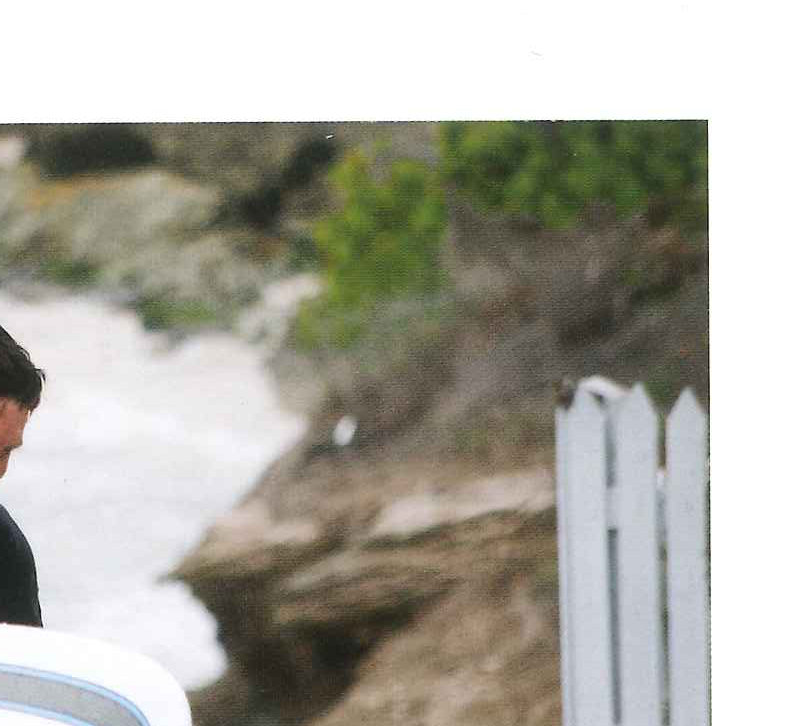
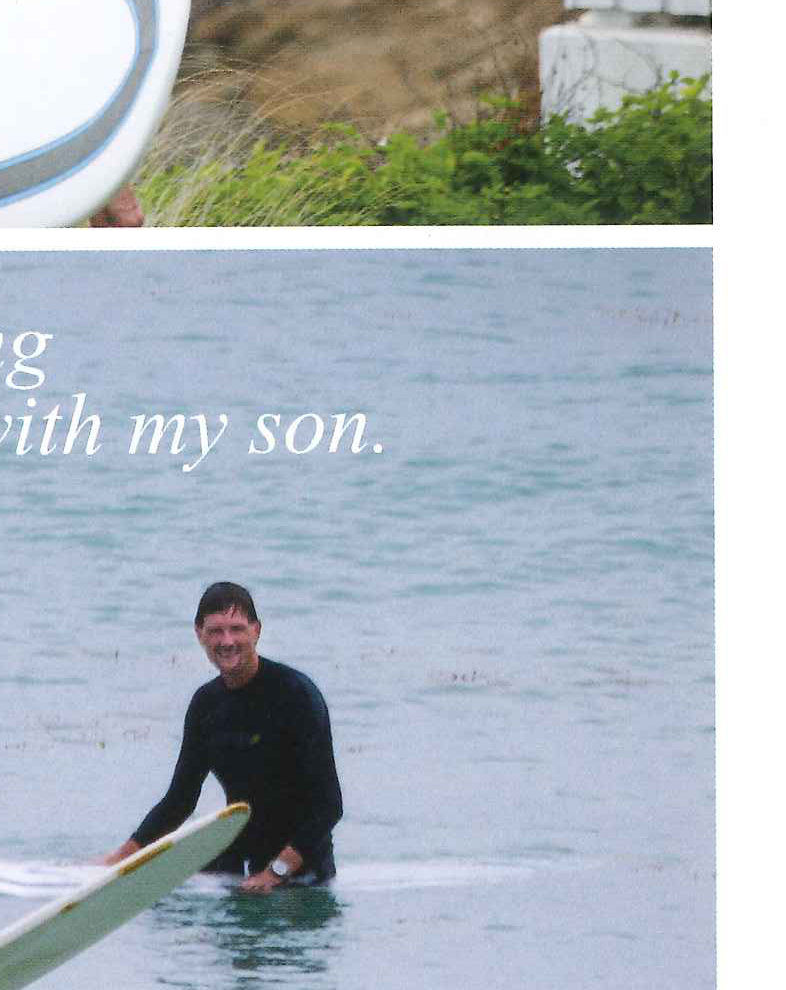
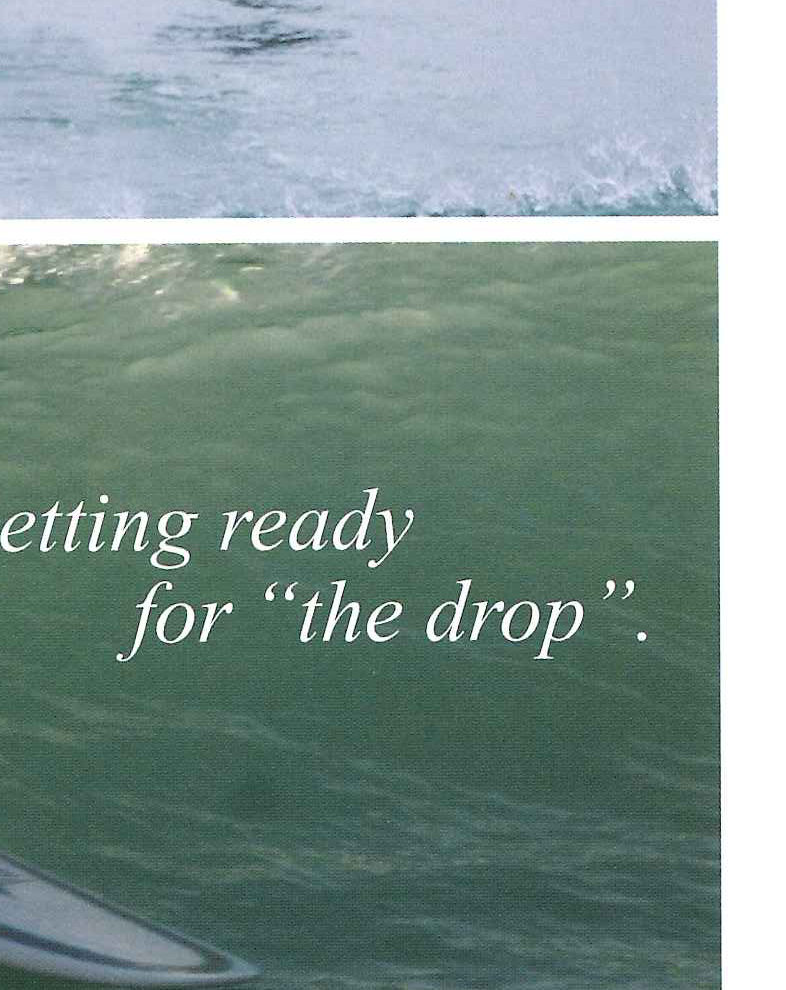
Given the DFATD reputation for overachieving, it’s hard to admit that we make mistakes. (I’m still waiting for that promotion interview question: “what was the worst mistake you’ve made and what did you learn from it”? And for interviewees believing that they could answer it truthfully!) But who are we kidding. We all (no exceptions, I’m afraid) make mistakes. It’s all about limiting the damage and using it as a chance to grow and figure out a better way.
Like in diplomacy, learning to understand and ride waves goes much quicker if you learn the language, develop a network of contacts and draw on the knowledge and experience of others. Surfing has developed a rich vocabulary to describe waves and surfing conditions (e.g. gnarly) and to describe what to do and not do. For instance, when you “make the drop”, you want to avoid “being worked” by the wave. It’s also a really good idea to avoid “pearling” (digging the front tip of your board into the wave) or the result may be a spectacular somersault over the board prior to getting clouted on the back of the head.
As diplomats, I think we’re adapting to a world where decision-making and knowledge is increasingly diffuse. The stereotype of diplomats spending their time hobnobbing with the obviously rich and powerful was probably never really true and makes even less sense now. We make useful contacts and learn important information in some unexpected places.
The same is true for surfing. It has a reputation for being the sport of young people obsessed or seduced by the sea. The obsession/seduction part may be right. However, the reality is that many people share the same passion and have knowledge to share: not just the surfing dude or wahine but other fellow surfers like the investment banker from Milan, the chef from a local restaurant, the director of a local Canadian subsidiary, and even the occasional former Ambassador.
Finding a mentor/teacher can be invaluable for both surfers and diplomats. I’m eternally grateful for those folks both at sea and at DFATD who have taken a rather awkward student under their wing. Those nuggets of insight are invaluable.
Surfing has become very tech savvy in recent years. Satellites track storms thousands of miles away and can help to predict when the waves they generate will hit local shores. Before leaving home, it just makes sense to check for the size of waves, their periodicity (the time between waves — usually, the longer the better) and wind direction for your local surf spots. Technology is becoming equally important for diplomacy. For instance, we’re increasingly using social media to direct our messages and influence both a broader and more targeted audience than in the past.
All these things — understanding patterns, taking risks while honing our skills/trade, learning the language, building contacts, finding mentors, and using technology — lay the foundation. However, the real good surfers are a step ahead. They see changes in wave patterns and change position to take advantage. They don’t just ride the waves into shore; they harness that power and “carve” the waves, moving back and forth to generate their own momentum.
I’m envious! Blind luck still plays a big part in any “sick” moves on my part. I understand the parallel with diplomacy — we also strive to position our countries to take advantage of opportunities. At our very best, we’re ahead of the curve, intervening with the right people at the right time for maximum results. Really stretching the metaphor, we can imagine, at least for a brief period of time, generating our own bubble of momentum in trying to shape the world.
Sound a bit farfetched? Well, dreaming was one of the things that led me to surfing in the first place. Surfing has also increased my appreciation for our craft of diplomacy. What we do can require as much skill, intellect, soul and courage as riding a monster wave or gliding through a barrel wave, completely surrounded by water on three sides.
Who says surfing doesn’t have anything to do with diplomacy?
Thanks to my wife, Debbie DesRosiers, son Robyn and daughter Piaf, for the inspiration, encouragement and comments. Thanks also to surfing great Alan Burke for his advice. All mistakes are mine!
Paul Gibbard was posted to Costa Rica, Mexico, Cuba, Venezuela, and now accompanies his spouse in Barbados.
View the original scanned pages →
Originally published in bout de papier, Vol. 28, No. 3 (2014) — Winter 2014–15 // Hiver 2014-2015, pp. 15–17. Read the rest of this issue →