
bout de papier, Vol. 10, No. 4 (1993) — Fall/Winter 1993 // Automne/Hiver 1993, pp. 30–31
Story and photos by Brendan P. McGivern
Mount Kinabalu, the highest mountain in Borneo, dominates the landscape of the East Malaysian state of Sabah. At 13,450 feet, Mount Kinabalu is the largest mountain between the Himalayas and Papua New Guinea. The name of the mountain is derived from Aki Nabalu, which means “the revered place of the dead” in the language of the Kadazan, the largest aboriginal tribe of Sabah.
Climbing Mount Kinabalu requires a good two days. It begins with a two hour drive from the Sabah state capital of Kota Kinabalu to the base camp of Mount Kinabalu, at 5000 feet. Most visitors stay overnight at the base camp, and begin the trek early the next morning. The Sabah park authorities require each hiker to be accompanied by a guide, who is usually a member of the Kadazan tribe.
The hike is not difficult. No special mountain climbing skills or equipment are required. Anyone reasonably fit can walk up. However, the trail basically winds straight up for about five and a half miles, and so the hike is certainly a workout. Much of the hike is under a canopy cover, and the cooler temperatures on the mountain provide a welcome respite from the normal tropical heat of Malaysia.
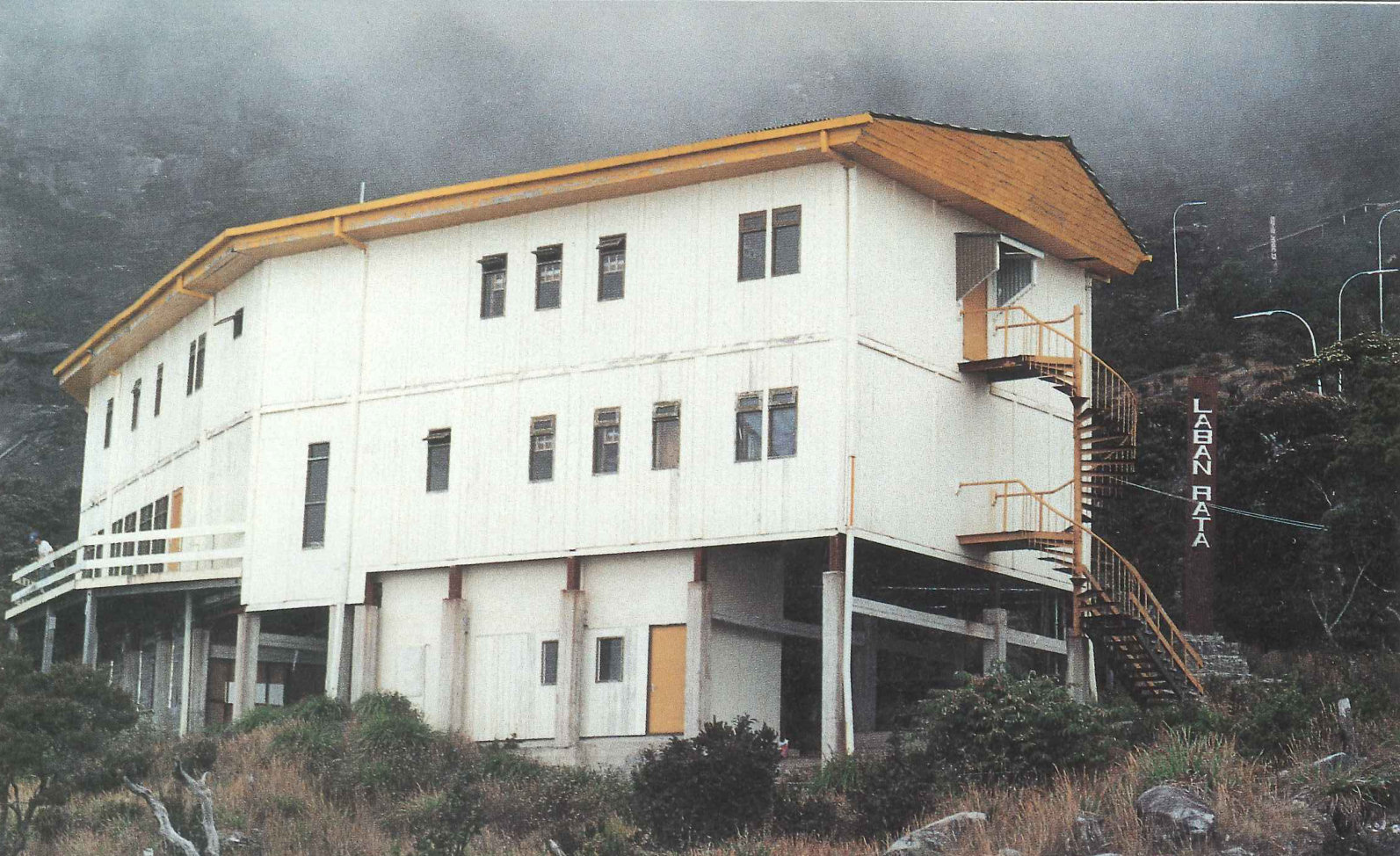
Visitors who begin the hike at about 8:00 a.m. normally reach the Laban Rata Rest House, at 11,000 feet, by about 2:00 p.m. After a vigorous six hour hike, Laban Rata provides the relative luxury of beds, hot water, and a restaurant. It also allows visitors to rest their sore muscles and to gaze upwards at the peak of Mount Kinabalu, looming above.
They cannot rest for long. Clouds cover the mountain peak soon after sunrise, so hikers must reach the top and begin the descent before the clouds roll in. To do this, it is necessary to commence the final trek at about 2:00 a.m., using flashlights to light the way.
As the hike continues upward, the landscape changes. The trees disappear and are replaced by a sheer rock face. For the most part, visitors can just walk up the rock, but in parts it becomes so steep that ropes are needed. The park authorities have placed ropes on the rock, anchored in with spikes, so hikers can pull themselves up.
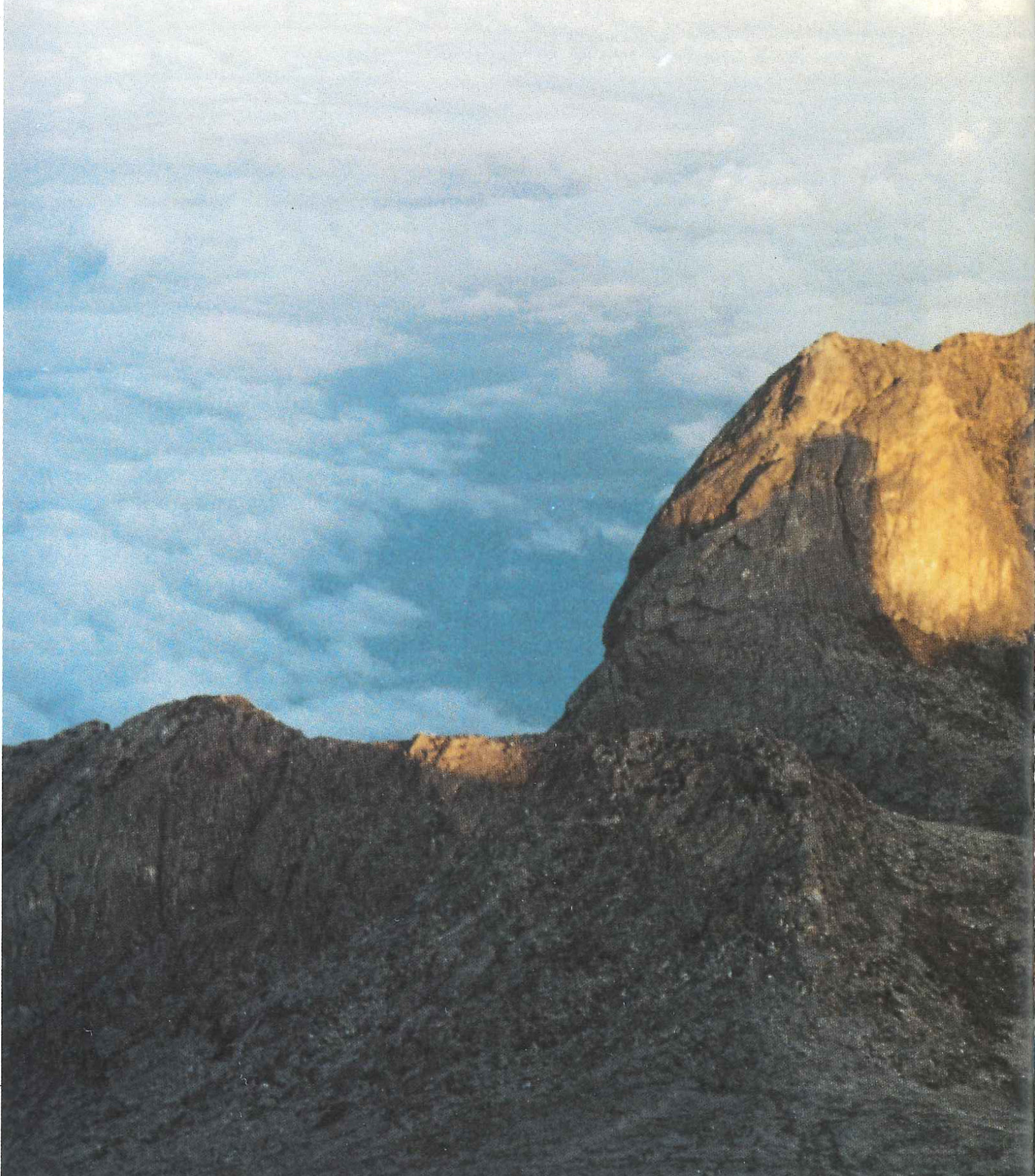
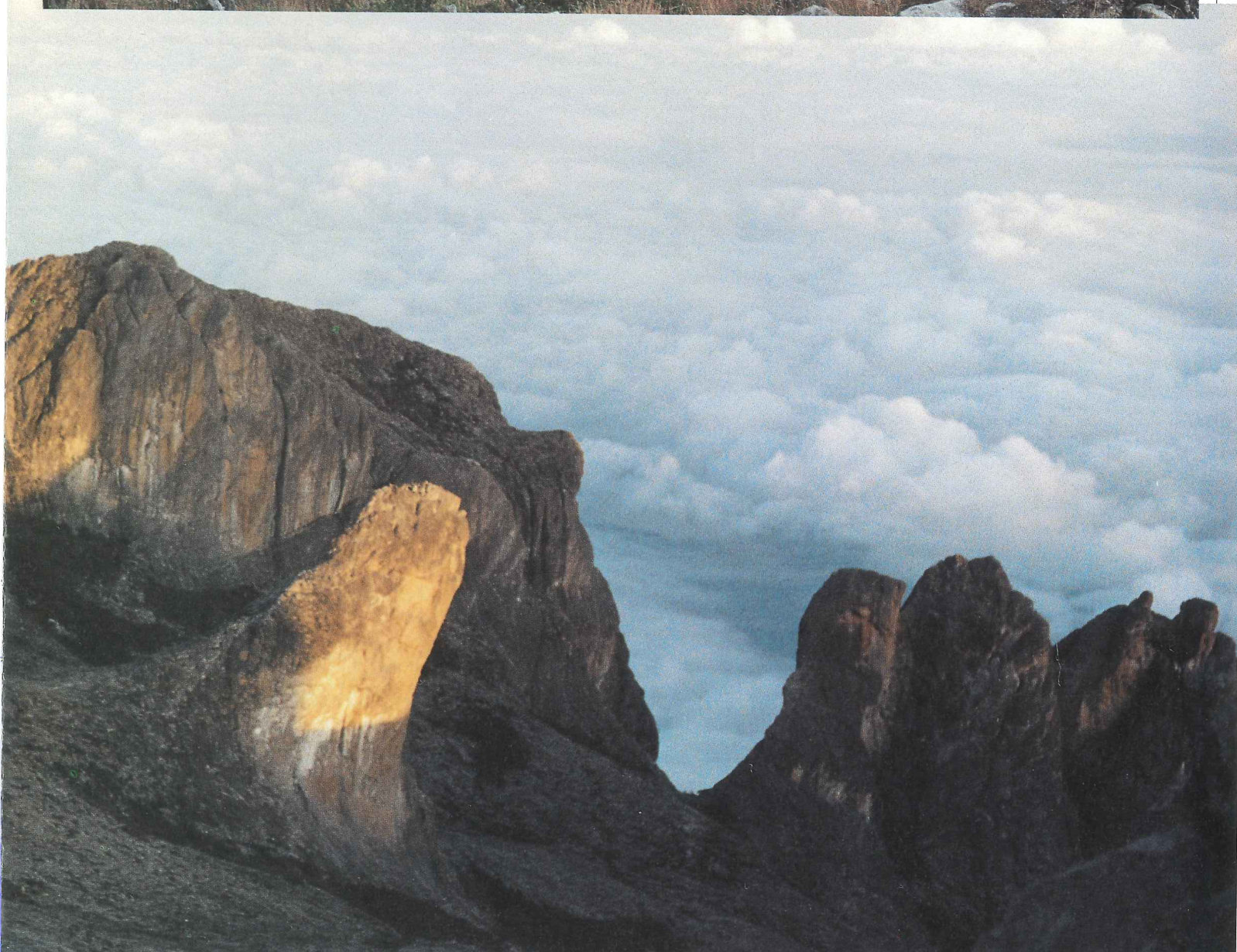
The summit of Mount Kinabalu, 13,450 feet, is usually reached by about 5:00 a.m. Low’s peak, the highest point on the mountain, is named after the British soldier credited with being the first to reach this pinnacle, in 1851. After reaching Low’s Peak, one sits and waits for the dawn. It is quite cold at the summit, with temperatures at about zero or below. It begins to warm up as dawn breaks, shortly after 6:00 a.m. When the sun lights up the mountain, hikers can see for the first time the spectacular view from the peak.
After about an hour at the summit, it is time to begin the climb down. The descent is quite hard on the legs, with steady pounding on the knees for five and a half miles, straight down. The base camp can be reached by about noon, ending the trip. The park authorities provide certificates to those who have made it to the top of Low’s Peak.
The hike up and down Mount Kinabalu takes two days of hard work. Each September the Malaysian government sponsors a “climbathon”, or a race from the base camp to Low’s Peak and back. The record time for this race is held by a Gurkha soldier, who made it to the summit of Mount Kinabalu and back in just two hours and twenty nine minutes, a staggering speed which can scarcely be comprehended by those of us nursing aching legs from a two day climb.
View the original scanned pages →
Originally published in bout de papier, Vol. 10, No. 4 (1993) — Fall/Winter 1993 // Automne/Hiver 1993, pp. 30–31. Read the rest of this issue →



