
bout de papier, Vol. 11, No. 4 / Vol. 12, No. 1 (1995) — Spring 1995 // Printemps 1995, pp. 3–5
So, what does the foreign service do, anyway?
This special edition answers what happens on an average day in the life of the foreign service. The day is June 2. It follows a foreign service which never sleeps. We start at one minute past midnight at headquarters in Ottawa. Overseas, the day is half over in our Asian posts; Europe and Africa are waking up at dawn; and our posts in the United States, Latin America and the Caribbean are asleep. When Ottawa is preparing Ministers to respond to events in the morning, our Asia posts are ending their work days; European, African and Middle Eastern posts are in the middle of their days; and posts in Latin America and the United States are just opening. When the Ottawa day ends, dawn breaks on a new day in Asia.
Two departments are the homes of the foreign service — the Department of Foreign Affairs and International Trade and the Department of Citizenship and Immigration.
The Department of Foreign Affairs and International Trade
The Department of Foreign Affairs and International Trade
(DFAIT) “promotes and defends the interests of Canada and the common values of Canadians around the world. It seeks to improve Canadians’ awareness of the world and serve Canadians abroad.”
Yes, but what does it really do? Well, it pursues Canadian political, economic and cultural relations internationally; it is Managing Canada’s relations in an ever-changir
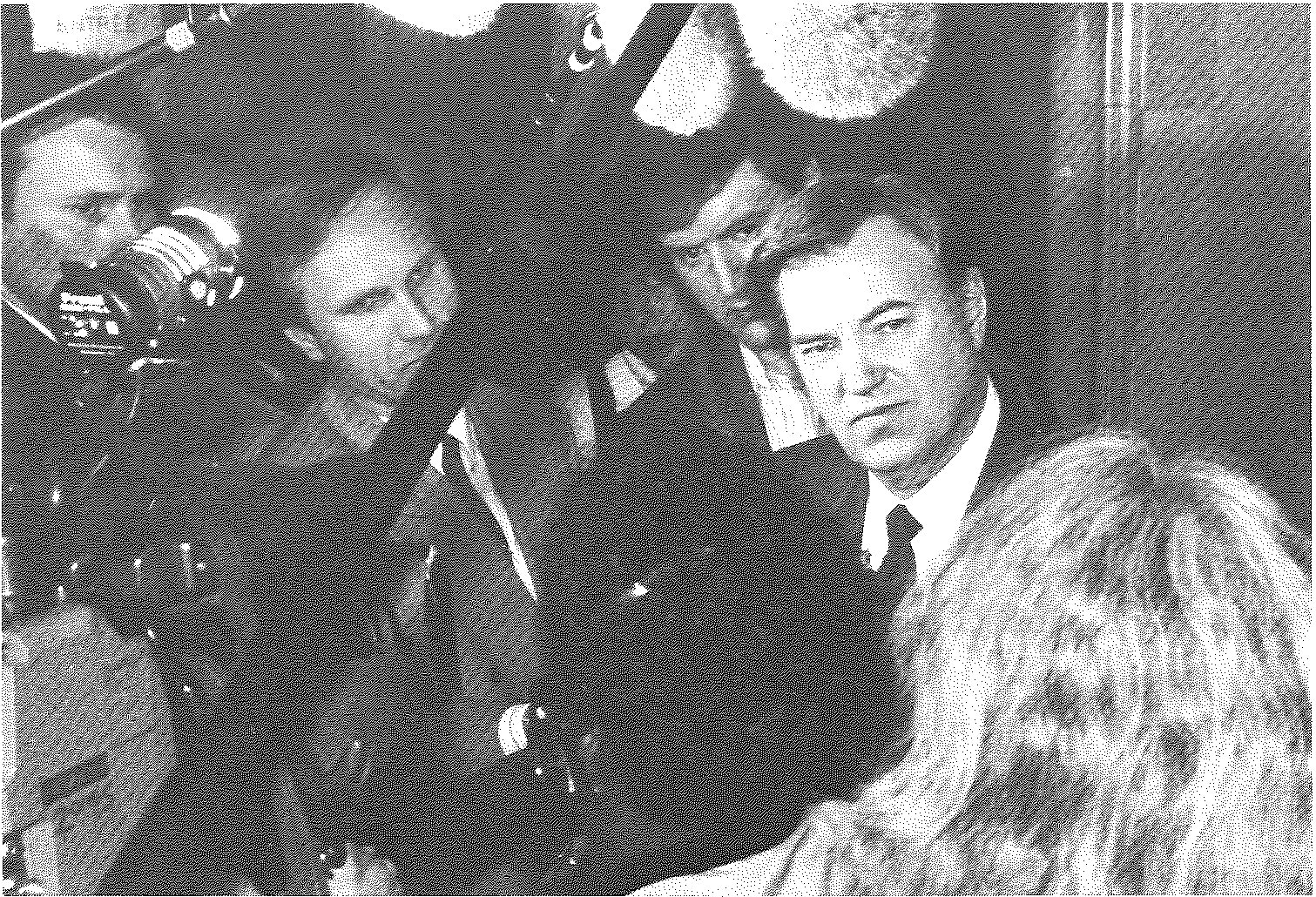
Canada’s negotiator with other countries or in multilateral arenas; it advises on international developments; it helps Canadian business in international markets; it attracts foreign investment and technology into Canada; it fosters international law; it promotes international peace and security; it delivers Canadian aid overseas; it helps distressed Canadians abroad; and it manages Canada’s missions around the world. The department has two Ministers — the Minister of Foreign Affairs, André Ouellet and the Minister for International Trade, Roy MacLaren — and two Secretaries of State — one for Latin America and Africa, Christine Stewart and the other for Asia- Pacific, Raymond Chan.
It has a Deputy Minister of Foreign Affairs, a Deputy Minister for International Trade and an Associate Deputy Minister of Foreign Affairs who are career civil servants. They are the chief policy advisors for the Ministers and are responsible for the administration and management of the department.
Ten Assistant Deputy Ministers head the five geographic, four functional and corporate services branches. These branches are supported by the Communications Bureau, the Policy Staff, and the Office of Protocol. In addition, senior officials head up small units on special priorities such as the Ambassador for Environment, the Ambassador for Fisheries Conservation, the Ambassador for Circumpolar Affairs, the Senior Coordinator for Federal-Provincial Relations and the Chief Air Negotiator.
The four functional branches (International Business Development; Trade and Economic Policy; Political and International Security Affairs; and Legal, Consular and Passport Affairs) take the lead on the major international trade, economic, and political issues. The five geographical branches (Africa and the Middle East; Asia and Pacific; Europe; Latin America and Caribbean; and the United States) manage Canada’s relations with their regions.
The Department of Citizenship and Immigration
The Department of Citizenship and Immigration
“promotes Canada’s goals of a prosperous, tolerant and humanitarian society by maximising the benefits of the global movement of people.” Yes, and in real life? The department defines membership in the Canadian society; manages entry into Canada; recruits immigrants and protects legitimate refugees; administers the Citizenship Act and the Immigration Act; and advises on the global movement of people.
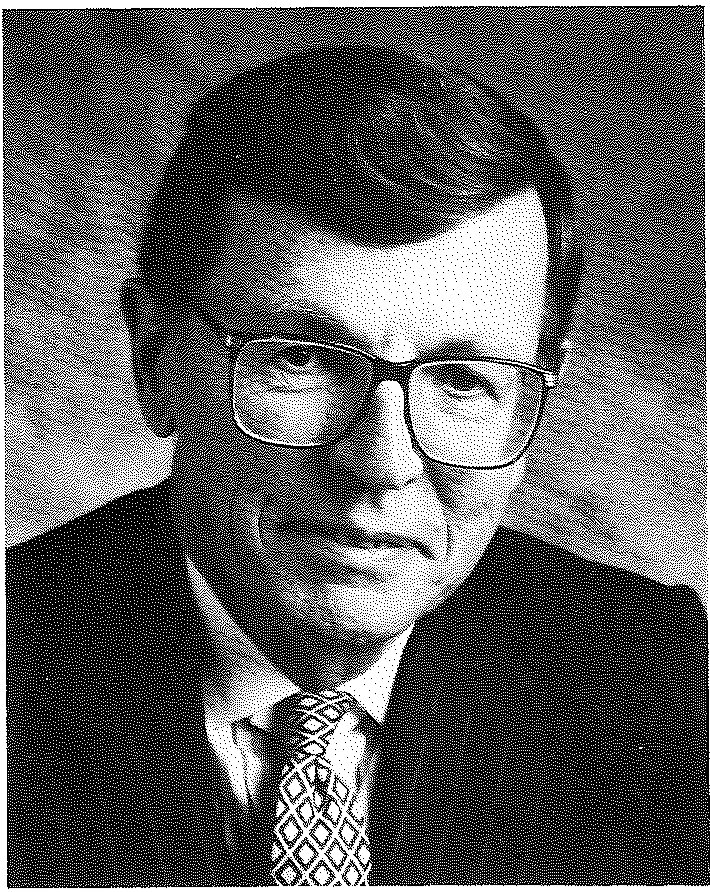
The Minister of Citizenship and Immigration is Sergio Marchi. He is supported by a Deputy Minister and four Assistant Deputy Ministers (Corporate; Policy; National Service; and International Service Sector). Three directorates (Ministerial and Executive Services; Public Affairs, and Legal Services) offer common services. The Corporate Sector looks after human and financial resources; the Policy Sector analyzes trends, legislation and issues. The National Services Sector treats the integration of newcomers into Canadian society, the administration of border points-of entry, citizenship, enforcement, immigrant landings and the in-Canada processing of visitor and immigrant applications. The International Service Sector delivers the refugee programs, issues visas and undertakes the immigrant selection at posts abroad. The Immigration and Refugee Board, an independent quasi-judicial tribunal, carries out immigration and detention reviews, immigration appeals and refugee determination. bout de papier Minister MacLaren: this man means business, international business.
Missions Abroad
Canada has 111 posts abroad. There are 22 in Africa and the Middle East; 20 in the Asia-Pacific; 33 in Europe; 16 in Latin America; 12 in the United States; and 8 missions accredited to international organizations such as the United Nations, the European Communities, the North Atlantic Treaty Organization (NATO) and the Organization for Economic Cooperation and Development (OECD).
June 2: So What’s Up?
What does a June 2 snapshot of the foreign service capture?
International conflicts
Rwanda, Haiti, and Bosnia. On June 2, members of the foreign service in headquarters and posts are closely monitoring and providing advice on what Canada can do to end misery and promote peace in these three international hotspots.
The Ministers’ days Minister Ouellet attends a Cabinet meeting and Question Period in the House of Commons in Ottawa and then travels to Quebec City to give a speech. Minister MacLaren is in London. He meets with his British counterpart and the President of the European Bank for Reconstruction and Development. Minister Marchi is in Ottawa, attending Cabinet meetings in the morning and afternoon as well as participating in Question Period in the afternoon. Secretary of State (Latin America and Africa) Stewart is in Colombia. She meets with the Colombian President and his Cabinet and has dinner with Canadian aid organizations. Secretary of State (Asia Pacific) Chan is in Vancouver. Policy decisions Some are seemingly mundane; others have wide importance. All require a political decision. On June 2 some of the issues are: the directions of the parliamentary review of foreign policy; a program of special measures for the acceptance of immigrants from the former Yugoslavia; the Export Development Corporation’s financing to China; Haitian athletes and les Jeux de la Francophonie; Canadian panelists to the NAFTA panel on apples; international reaction to new Canadian fisheries legislation; clothing imports from the Middle East; commercial relations with Cuba; and the future of the Commonwealth Committee of Foreign Ministers on Southern Africa. Canadians abroad The members of the foreign service are helping Canadians overseas. There is an earthquake in Indonesia and the Embassy checks up on the safety of the five Canadians working in the area. In Rwanda, the Embassy is looking for Canadian nuns caught in the fighting of the civil war. The Canadian Embassy in Moscow is evacuating a Canadian businessman injured in a robbery. In Delhi, the High Commission visits a young Canadian prisoner awaiting trial.
Trade and investment INCO, Goodyear, Bell Canada, Northern Telecom and Atomic Energy Canada visit the department seeking information on marketing and financing opportunities in Japan, Russia, Indonesia, Kazakhstan and other countries. In Kuwait, the Embassy holds a press conference to support a Canadian truck manufacturer’s bid to provide vehicles to the Kuwait military. Senior Canadian officials open secret negotiations with Chile in the Canadian Embassy in Mexico on the expansion of the North America Free Trade Agreement. Immigration Approximately 1,000 new immigrants and refugees are accepted on June 2 by the foreign service. Thousands of visas are being reviewed in forty eight processing offices in missions abroad. Political and economic policies Protecting Canadian fishing resources of the East and West Coast, ensuring the access of Canadian agricultural products to the United States, forging Canadian commercial links in Asia, particularly China, pushing a Canadian candidate to head the OECD, forging a substantive relationship with the European Union to protect Canadian trade and investment, promoting the peace process in the Middle East, assisting the peaceful transiton to majority rule in South Africa, participating in the public and parliamentary reviews of Canadian immigration and foreign policies, and preparing Canada for the G-7 Summits in Naples this year and in Halifax next year are all issues that members of the foreign service are actively working on today.
International Political and Economic Meetings NATO, the principal defence alliance of Western Europe and North America, the OECD, the forum for the major economic industrialized countries of Europe, North America and Asia Pacific, and the Organization of American States are all holding ministerial meetings in early June. The foreign service is preparing Canadian ministers for these meetings.
Bilateral visits Members of the foreign service are laying the groundwork of visits of Ministers and Heads of Government, both Canadian Ministers to foreign countries and foreign Ministers to Canada.
Prime Minister Chrétien is visiting the UK and France from June 2 to June 8 to attend the ceremonies commemorating the Normandy landing of the Allies fifty years ago in 1944. Minister Ouellet will be in Paris and Istanbul for the OECD and NATO ministerial meetings. Minister MacLaren is in London on June 2, then travelling to Brussels for consultations with the European Union. He finishes his trip with a visit to Paris for the OECD Ministerial meeting and the Canada-France Joint Commission. Secretary of State Stewart is visiting Ecuador and Colombia on June 2 and 3 and then goes to Brazil for the OAS Annual Assembly. Minister Marchi is preparing a visit to Europe which will include Russia, Hungary and Italy to promote cooperation on immigration and trade between Canada and these countries. Then, coming to Canada is Argentine President Carlos Saul Menem on June 20. Preparations are well underway. Other visits to Canada being prepared on June 2 are those of the Mongolian Foreign Relations Minister, the Czech Minister of Industry and Trade and the Croatian Foreign Minister. This then is what happened on June 2. The day is about to begin.
View the original scanned pages →
Originally published in bout de papier, Vol. 11, No. 4 / Vol. 12, No. 1 (1995) — Spring 1995 // Printemps 1995, pp. 3–5. Read the rest of this issue →



