
bout de papier, Vol. 14, No. 2 (1997) — Summer 1997 // Été 1997, pp. 19–22
by Mark Drake
66 domestic political exercise with marginal export value added.” That’s how one cynical participant described Team Canada’s recent mission to Korea, the Philippines and Thailand. While that’s certainly a minority view, there’s no doubt that many over-taxed, snow-shovelling Canadians regarded this trip as a bit of a junket— particularly bearing in mind the time of year and with the politicians taking their wives along. They also looked somewhat askance at the multi-billion dollar deals which Team Canada “came back with” (arrive Monday, negotiate Tuesday, sign deal Wednesday). And some of the media reports were negative, as they looked for stories which would sell, rather than trying to support the combined Canadian effort. So maybe it’s time for some reflection on the value of these missions and what they are actually trying to achieve.
No big deal?
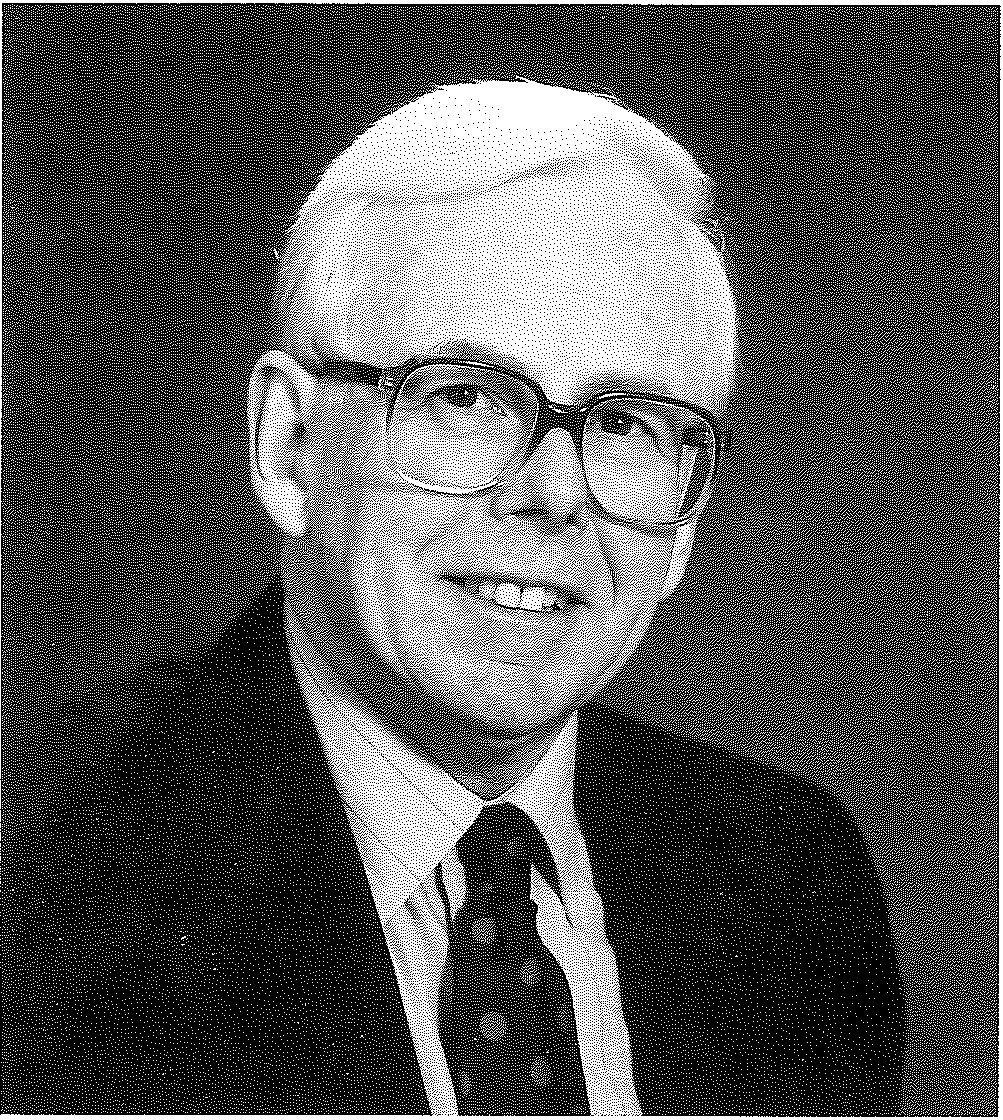
Perhaps we should deal first with the billion dollar deals. This is primarily politics and essentially for the media and domestic consumption. Sure the mission can help clinch some deals which have been on the table for a while, and it may even advance others which are proving difficult to nail down. However, most of the companies in the signings have worked for years to get this close to a deal and the MOUs are usually the starting point for an equally long (and generally frustrating) negotiating period. Of course, it’s fun to brag about a large dollar figure, but we need to do this with some caution. The numbers can come home to roost if the deals fail to come through, or for that matter, if sales to the region decrease (as they have in the case of some of the previous Team Canada destinations). So if the value of the deals is over-emphasized and is in any case primarily for domestic political consumption, Mark Drake, Senior Vice President, The Alliance why do the business people line up to go on these missions, and very often come back for a second or a third trin?
The answer is simple. Business people pay to be there, because Team Canada works, and it works in three basic ways.
Win, win, win First of all, it helps give substantial regional visibility to a country which — although it is a member of the G-7 – only accounts for 2% of world trade and, in spite of what we may think from the local media, is simply not well-known as a top-class supplier of goods and services around the world. Major companies in Asia (and indeed in Latin America and elsewhere), deal extensively with the US and Europe, but with some notable — and often resource based — exceptions, are not used to doing much business with Canada.
Secondly, the presence of the Prime Minister of Canada and the Provincial Premiers gives participating companies (especially the SMEs) significant credibility, and this is particularly important in regions where government sup-e port is a key element for business success.
This is why Team Canada is more likely to flourish in say Asia or in Latin America, where government is perceived to add value, than in parts of Western Europe, where its role is decreasing.
Thirdly, Team Canada provides unique inter-Canadian networking opportunities for business people, amongst themselves and with politicians. While you could argue that this would be achievable in a mock-up jumbo on the end of the Pearson Airport runway, anyone who has travelled abroad with business companions knows the natural bonding that takes place during the travel itself, and as you wrestle with the idiosyncrasies and frustrations of doing business in a strange environment. This networking is good for business and is a very important component of the Team Canada effort. In fact, it’s so important that some companies take it a touch too far. Sickness prevented one of my colleagues from going on the trip this January, but his photo and coordinates remained in the catalogue. He has so far received 10 followup letters from Team Canada participants, saying what a pleasure it was to meet him, bout de papier Vol. how much they enjoyed the discussions with him in Korea! Well, I suppose it’s preferable to no follow-up to a real discussion….
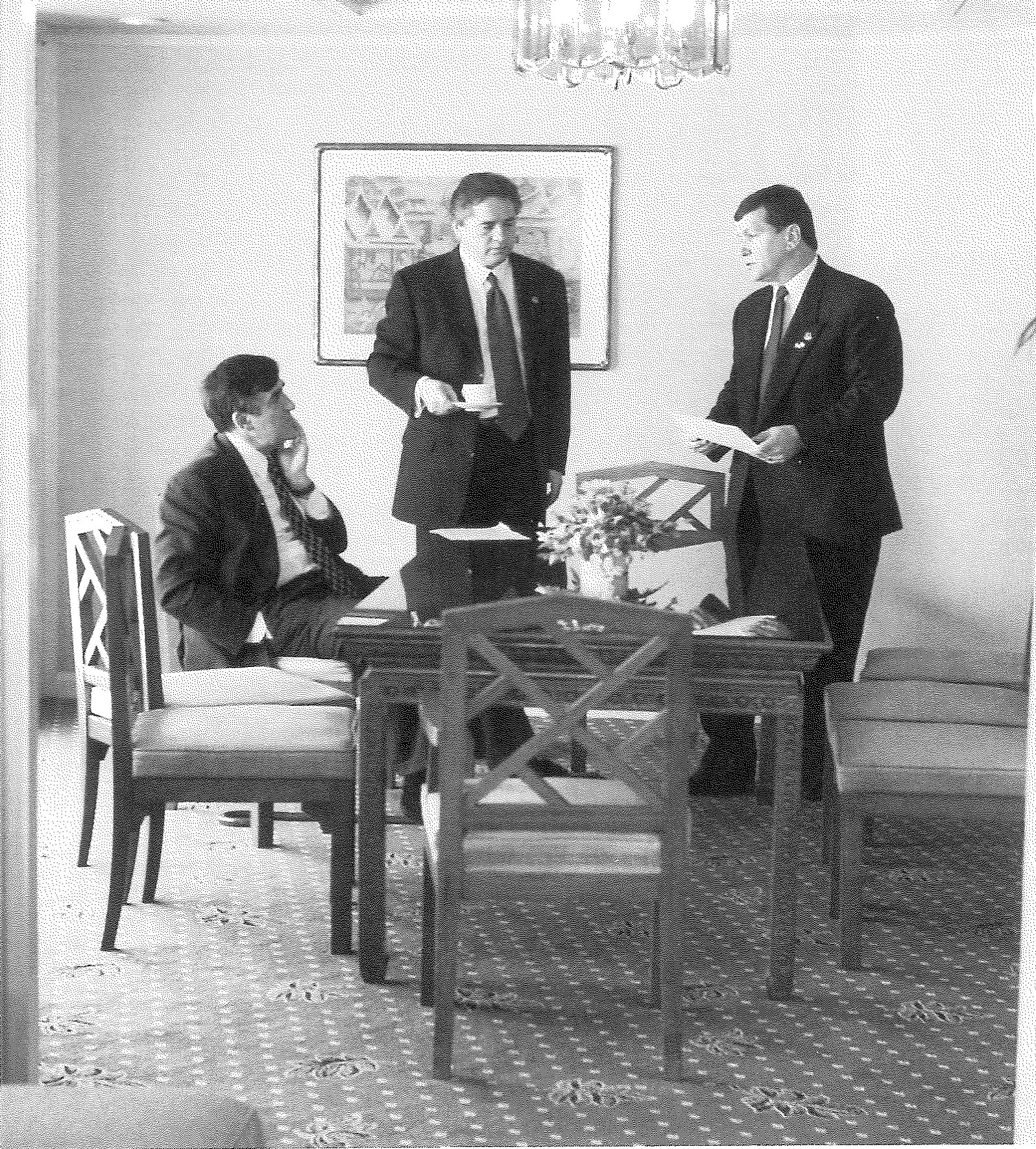
You’ve got to admit … it’s getting better Team Canada is fundamentally about improving exports and that’s important because —- as we all know by now — international trade accounts for nearly 40% of Canada’s GDP and exports employ one Canadian in three … and let us not forget that each $1 billion of exports provides 11,000 jobs — now where did that number come from?!
The January 1997 mission was the fourth in the series and the largest so far, with well over 400 business and academic participants, plus the politicians, media and 20 bout de papier Vol.
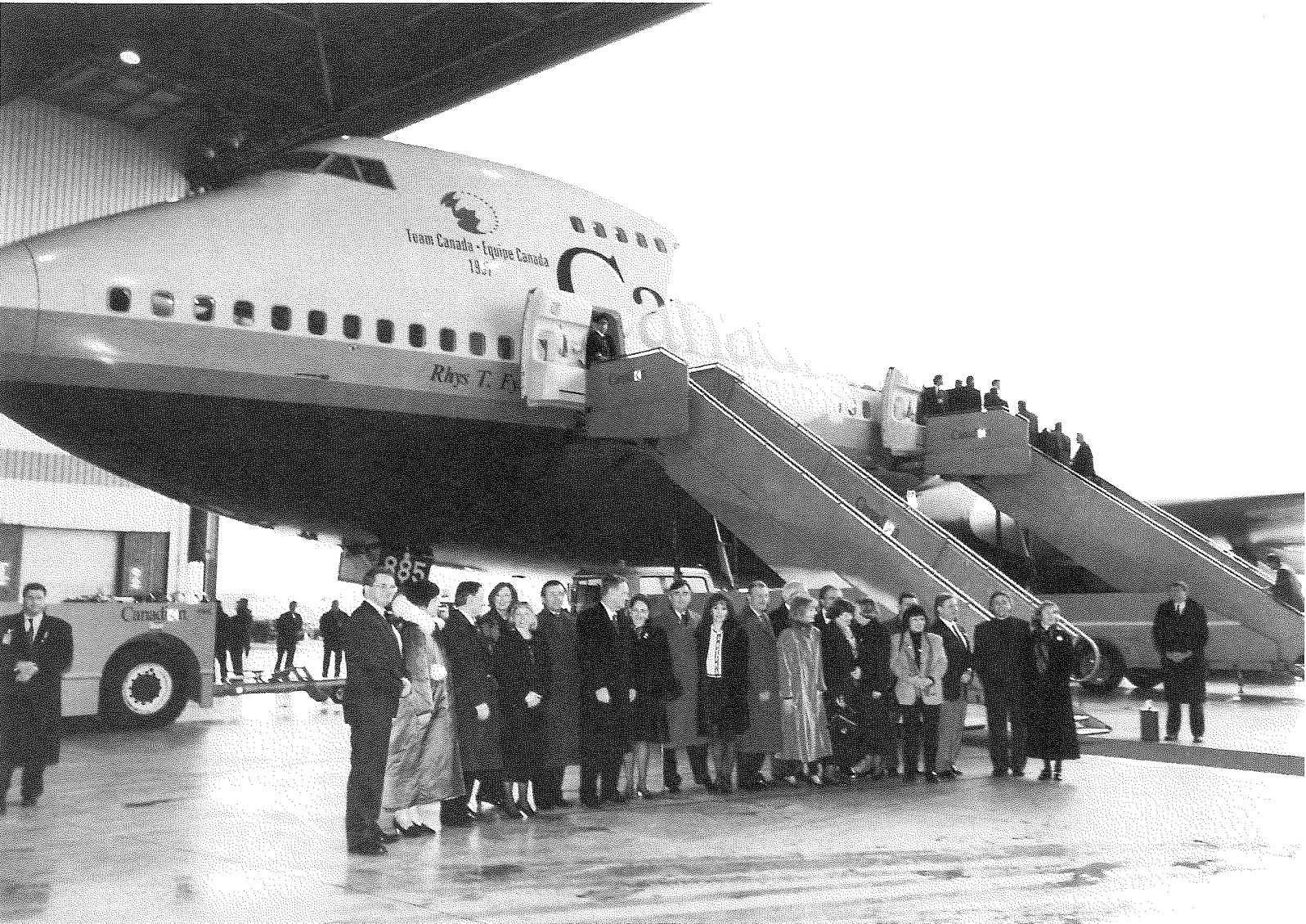
Photo: J.M. Carisse support staff. Regulars tell me it was the best so far — for several reasons. For one thing, we are getting better at putting them together. The logistics for this type of large, non-sectoral mission have got to be a nightmare, and the support teams involved at the posts and back in Canada — not to mention Canadian Airlines — did an outstanding job. It was also more of a genuine Team Canada effort this time. First of all, there was one plane (the first time this has happened) and there was lots of contact between the politicians and the business folk on the flight, as well as in the countries visited. This opportunity had been missed on previous occasions, where the business people felt like second-class citizens, flying on a separate plane, with a different programme, and also very often staying in different hotels. If it’s Team Canada they said, let’s all travel together and share a good part of the programme. It was a fair request, even if it meant that some executives rediscovered economy seats for the first time for 25 years. After all, the business people (who pay $10,000 or so to go on the trip) are the ones who ultimately make the contracts and ensure the success of these missions in terms of export business and job creation. Incidentally, most of the Premiers were also highly-accessible and well-briefed on the participating organizations from their provinces. A helpful scenario, as wheeling in the Premier in support of a business position can very often clinch a deal.
Could do better still….
In spite of the positives, there are still some rough edges to knock off. The media tried desperately to promote political disaster (fortunately without success) and had to be encouraged during the trip to focus more on helping sell Canada abroad, rather than baring our unity and other bruises. The signing ceremonies (involving companies trooping up to a stage one after the other to shake hands briefly with the Prime Minister and the Premiers) still need to be improved. Local partners, who are signing deals at senior level with important Canadian partners, want much more exposure. They want at least an individual photograph with the PM and preferably the opportunity to spend a few brief minutes talking with him. So this part of the operation has to be stage-managed better and maybe specific hurdles put in, so that a certain quality level is achieved at the signings, even at the expense of a lower total dollar value.
The stage-management of some other events —e.g. lunch invitations to companies’ local partners — needs to be fine-tuned. And why should the business part of Team Canada be kept sweltering at the back of the plane on arrival, as the politicians exit through the front door to great fanfare? They should be allowed out of the back door to be part of the ceremony.
Opinions are divided on some other issues. For example, what value do the Premiers bring? I suggested earlier that they help the companies from their province gain recognition, but there is another important aspect to their involvement. This is the bonding between Federal and Provincial politicians, as they travel abroad to promote Canadian trade. This is not to be underestimated with our unsolved unity and internal trade barrier problems. On the other hand, they do potentially lessen the PM’s impact, and have raised questions in some Asian minds about who is leading Canada. There is even a risk that a proliferation of provincial premiers may confuse the customers. The jury is out on this particular question.
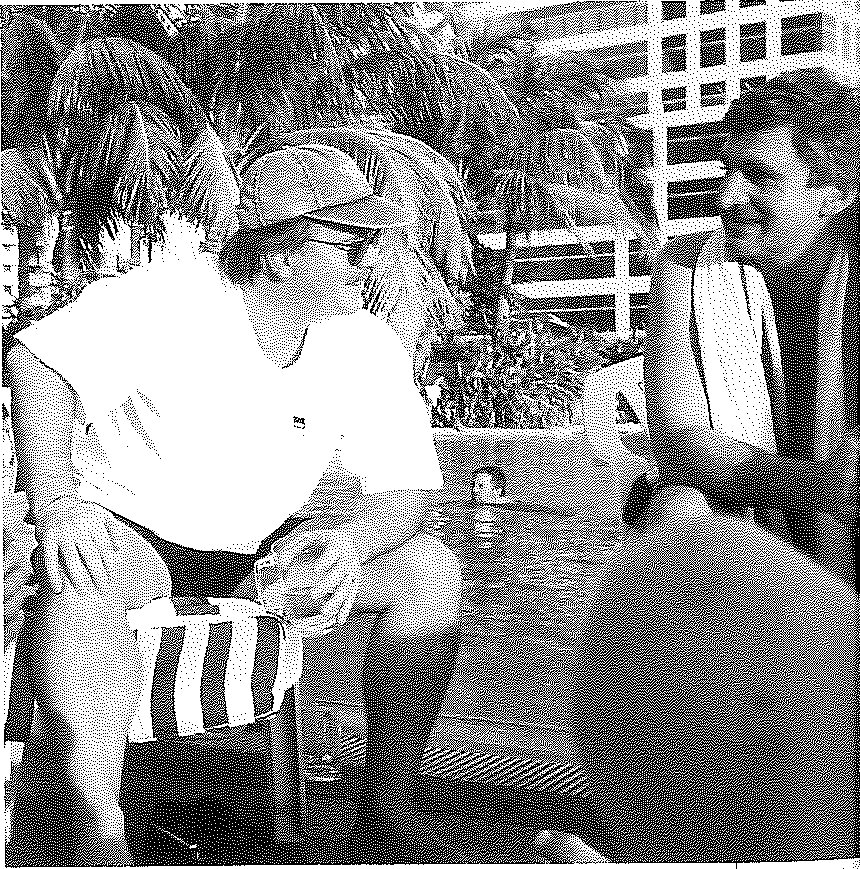
It is also out on the size of the mission. 500+ is an impressive number of people to land in a capital city and it certainly creates waves. However, it also means that the individual contacts between business people from the Canadian delegation and their local counterparts become more difficult to control, and some people get lost in the crowd. 1,500 people for lunch, for example, becomes almost unmanageable and local guests sometimes can’t find their hosts (yes, this did happen). Large companies and SMEs (of which there were many on the last trip) have different requirements, and a “one size fits all” arrangement — e.g. In the signing ceremonies — doesn’t work too well. But what else can you do with a mission this size? This argues perhaps for an export-ready hurdle before a company can participate, even if this cuts back somewhat on the size of the SME contingent. attention to detail, and not just some details, but every detail. We learn as we go and there is no question that the 1997 Mission showed many areas of improvement. For example, the pre-trip briefings were good, the sector reports were useful and there was even some spare time to rest (ignore the pool-side photo; these trips are murder on the digestion and the biological clock). And there was good media support in the regions for individual companies.
However, there are still some areas of concern. Simultaneous translation is expensive, but it is certainly necessary for the presentation sessions in countries like Korea, where the business language is not English. And why are the name badges still so miserably small? For good networking, you must be able to read the name at six feet. If we need a photo identification card let’s have one as well but, for goodness sake, let’s have a decent-sized name badge. And why not sector code the name badges while we are about it?
What colour ink: red or black?
So what’s the bottom line? No question in my view that these missions are extremely valuable window-opening exercises, and of considerable potential help to Canada’s business leaders from large and small companies. They create excellent recognition, visibility and credibility for Canada. There has to be follow-up of course, perhaps in sectoral missions and certainly by the companies individually. But high-profile visits with government partners help Canadian business leaders to achieve more, and often in a shorter time, than they could do on their own. So the Team Canada Missions should continue, but should concentrate on countries where visible government support remains important, and where politicians can add credibility to the business presence.
Canadian business leaders to achieve on their own.
In addition, the lessons learned from the four previous missions should be put to good use, and the rough edges which I have mentioned should be smoothed out — particularly those related to the signing ceremonies, which could achieve much more impact with local partners if they were handled differently. And, talking of the bottom line, we could make a better judgement if we actually knew what that was. What is the net cost to taxpayers after the business contribution? Maybe bout de papier could tell us?
And finally, let’s not make too much of those billion-dollar deals. What’s important is that Canada is there in force, is recognized as a top-quality supplier of goods and services and is ready to do business competitively with the best in the world. If the missions achieve that, they will have been very much worthwhile.
View the original scanned pages →
Originally published in bout de papier, Vol. 14, No. 2 (1997) — Summer 1997 // Été 1997, pp. 19–22. Read the rest of this issue →



