
bout de papier, Vol. 12, No. 3 (1995) — Fall 1995 // Automne 1995, pp. 18–23
A look at four successive waves of immigration to Canada: from Hungary, Uganda, Indo-China and the former Yugoslavia.
Introduction
LILI VUULLUL One of the basic policy objectives of Canada’s present Immigration Act is “to fulfil Canada’s legal obligations with respect to refugees and to uphold its humanitarian tradition with respect to the displaced and the persecuted”
This objective was not stated so clearly until the proclamation of this Act in 1976. Yet the humanitarian response to the displaced and the persecuted had, indeed, become a tradition long before the introduction of the legislative means to recognize officially special humanitarian programs that fall outside the definition of a Convention Refugee.
The “Political Prisoners and Oppressed Persons (PPOP)” Program, which facilitated the resettlement of those fighting oppressive regimes from within their homelands, and consequently suffering for it at the hands of those they opposed — such as the Chileans of the early 1970s who opposed the Pinochet Regime, and Poles of the early 1980s who, as ’Solidarity’ activists, were imprisoned or detained following the introduction of martial law in 1981 — was one program which continues in certain countries to this day. The affected countries change from time to time, but not the commitment to extend such humanitarian assistance.
This tradition had its roots in the Cold War. The Iron Curtain had just been hung between East and West, forcibly enclosing East Europeans within the Soviet sphere of influence determined by the Allies at Yalta in 1945. It took a decade for East Europeans to recover sufficiently from the ravages wrought by the war to demonstrate dissent with the communist regimes — and another 35 years before the yoke was cast off completely — and in between those who could flee west did. Canada took thousands during this period, beginning with the Hungarians in 1956, continuing with the bout de papier Vol.
Czechs and Slovaks following the Prague Spring of 1968, and extending throughout the 1980s with the Self-Exiled Program.
Canada extended assistance to Ugandan- Asians in 1972 when they were expelled by then-dictator Idi Amin Dada. It was described as the first mass resettlement of non-Europeans to Canada following the introduction of the universal, nondiscriminatory selection criteria in 1967. Barely half a dozen years later, Canadians responded to the plight of thousands of Vietnamese fleeing that country following the defeat of the South in April 1975. By then, the new Immigration Act and Regulations had been proclaimed and there now existed a legal process for rapid response to such a massive displacement of people. The Designated Classes, which define groups of interest to Canada from a humanitarian and compassionate perspective, are introduced and discontinued according to need and changing global situations. Some, such as the Indo-Chinese Designated Class, which facilitated the admission of Vietnamese “Boat People”, gain wide public recognition, support and involvement; while others have had little public profile outside of the community directly involved.
The articles which follow are based on the experiences of officers of the Immigration Foreign Service who were (and in one case still is) actually involved with the special groups we profile here — the Hungarians of 1956, the Ugandan-Asians of 1972, the Vietnamese of 1978-80 and the Yugoslavs of 1995. Memories of these special programs remain forever clear for those who were actively involved with them — the bold headlines and sombre voices of newscasters describing scenes of human upheaval akin to Dante’s Inferno, the speed and urgency with which the programs were established, the chaos and confusion greeting the first wave of staff arriving to respond to the crisis and the subsequent camaraderie among colleagues while getting the job done. finally, for the faces, if not the names, of the people sitting on the other side of the table, desk, bench or whatever flat surface served as the working space for the immigration interview, seeking a new life of peace and security in Canada.
The Hungarians
by Carol Turner-Trusca
The Hungarian Uprising of late October and early November of 1956 was the culmination of a tumultuous year in the Communist world. The denunciation of Josef Stalin’s policies and personality in a vitriolic speech by his successor, Nikita Khrushchev, at the 20th Congress of the Communist Party of the Soviet Union sent shock waves rippling through the communist satellites. The effects and disparate solutions in Poland and Hungary were most dramatic.
Encouraged by what appeared to be a relaxation of totalitarian control from Moscow, the Poznan (Poland) Riots of September 1956 began initially over a shortage of bread. They later spread to those who were generally discontented with their standard of living. The crisis was resolved without the direct intervention by Soviet forces through negotiation and an acknowledgement by Moscow that Warsaw would be permitted to respond to Polish problems in a uniquely Polish way.
Less than a month later, the Hungarians, taking encouragement from the Polish outcome, began demonstrating in the streets of Budapest against the political system which had been imposed upon them. Students and young workers were later joined by members of the military who had been ordered out to subdue the demonstrators. This manifestation of discontent posed a far greater threat to the Kremlin than did the food riots in Poland. It threatened the very existence and unity of the Communist Bloc. Other communist leaders encouraged Moscow to take drastic action.
On November 4, 1956 Soviet troops marched through the streets of Budapest and by November 7, 1956 visible dissent had been quelled. Then came the Stalinist-style retribution, for leaders such as Imre Nagy, who was toppled from power and later executed, and for the students, workers and soldiers who had demonstrated. The exodus began. Two hundred thousand persons fled Hungary for Western Europe over the next few weeks. Almost 40,000 found new homes in Canada (the entire Forestry Faculty of Sopron University resettled at the University of British Columbia where students continued their studies under Sopron auspices until the last class graduated in 1961) in an ad hoc program which forever changed Canadian immigration.
Under the guidance of the then Minister, J. W. Pickersgill, who personally oversaw many of the arrangements both in Europe and in Canada (including the placement of the Sopron faculty), disputes, obstacles and politics were set aside to permit an administrative approach that processed and resettled virtually the entire movement in less than three months. For the first time, Canada took an active role in resettling refugees, including the chartering of aircraft dedicated to bringing Hungarians from refugee camps all over Europe to Dorval, Malton, Winnipeg and Vancouver in addition to those who travelled by sea to Halifax, Quebec and Saint John.
To facilitate the rapid movement of the Hungarian refugees to Canada, Cabinet approval was granted in late November permitting Minister Pickersgill to modify the usual security and medical procedures, and within days the Immigration Attaché in Vienna had received his instructions, including relaxed selection requirements. Most Hungarians underwent medical examinations on their arrival in settlement centres in Canada, and the only reason for obtaining occupational information was to facilitate eventual placement following their processing at reception centres in Canada.
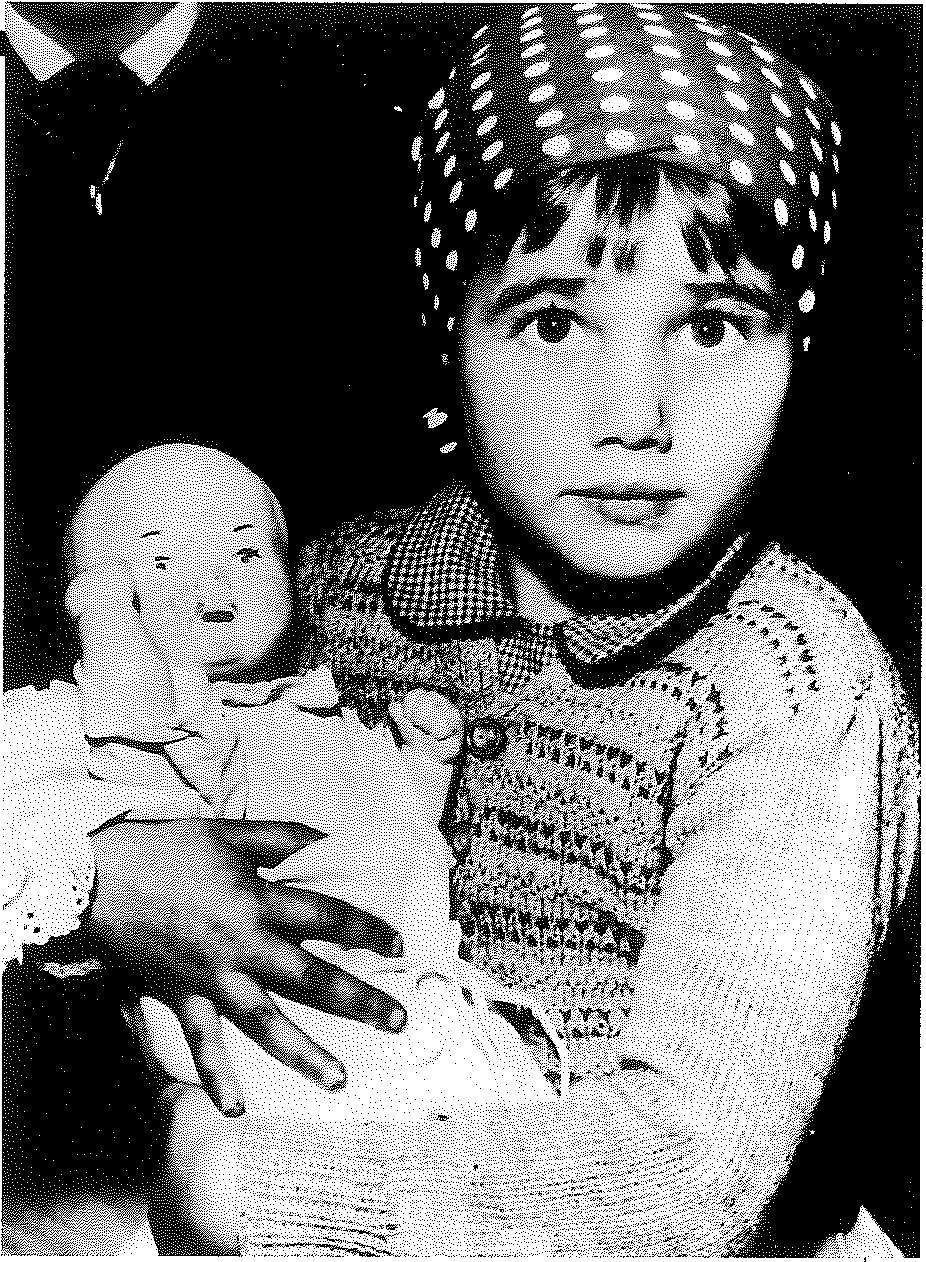
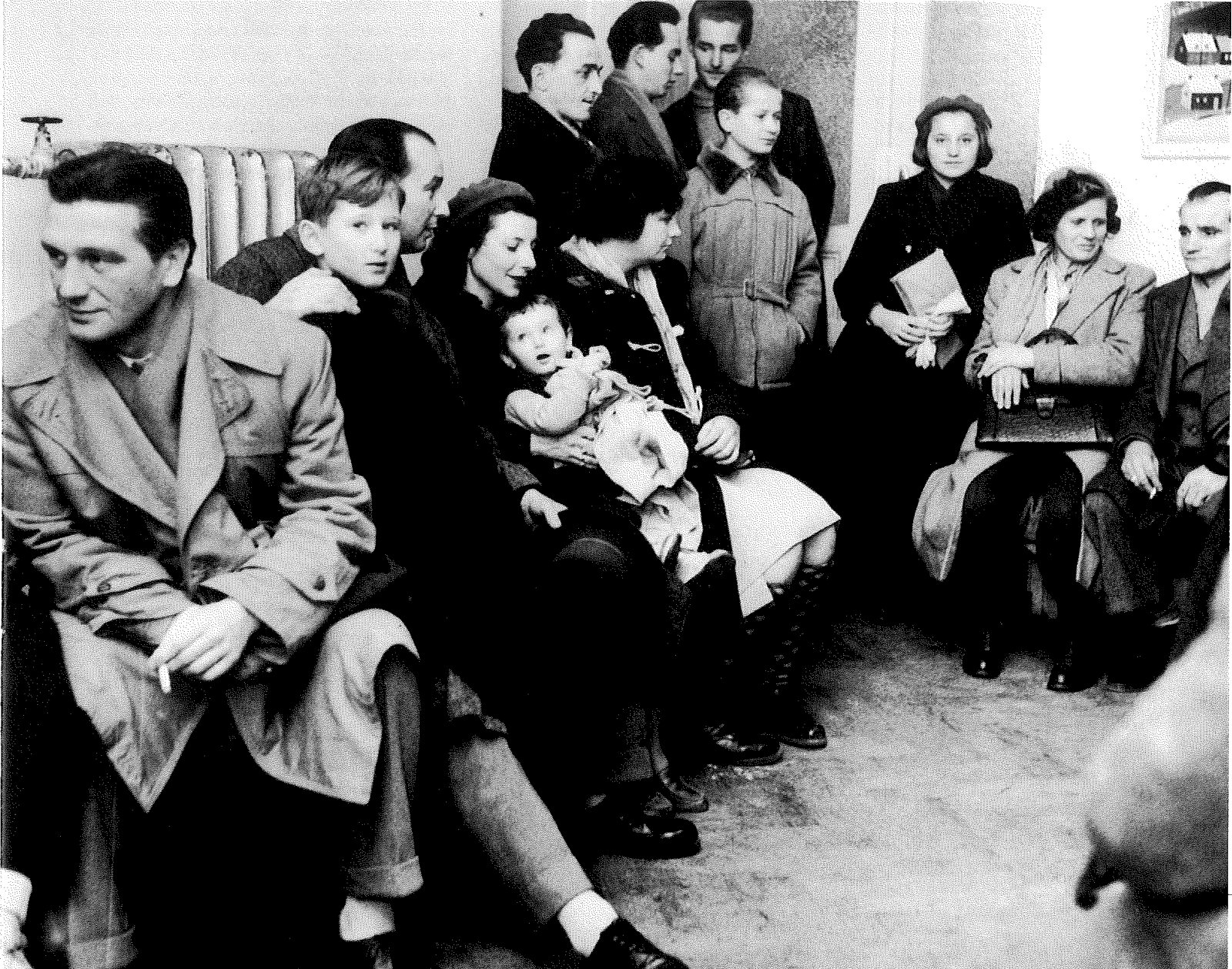
At the outset of this movement, immigration staff in European centres processing Hungarians were reminded that “field officers are to exhibit a sympathetic and patient approach bearing in mind the stress and uncertainty which has been the lot of these people in the last few weeks.”
This admonition likely proved unnecessary. Historians have noted that all involved in the processing of the Hungarians, from the Minister right down to the most junior clerk, displayed an extraordinary degree of professional commitment during this period, particularly those officials posted in Europe at the time charged with the responsibility of organizing the various camps in conjunction with the International Committee on European Migration (ICEM, now known as the International Organization for Migration — IOM). Regrettably, most officers actively involved with this movement have long since retired from the foreign service.
Hercule Raymond was one Foreign Service Officer who started his career in the Department of Citizenship and Immigration in May 1957 as a junior accounting clerk in Quebec. He was charged with the responsibility of handing each arriving adult $5.00 pocket money, as authorized by Parliament in February 1957.
Raymond, who retired from the Foreign Service on April 30, 1995, recalled of the arriving Hungarians: “They were all very young, and most arrived with only the clothes on their backs. They had nothing else. Quebec City was the transit point for most who arrived by sea — we were charged with processing them to their onward destinations across Canada. People went overboard to help them — starting with the CN and CP staff in Quebec, and the interpreters there, and continuing right across the country. Resettlement of such numbers was a tremendous logistical challenge, and even though the department was small it was done well — especially considering that the “state of the art” technology then was the telex machine.
“I think one of the reasons for this success was an instruction that then existed in the Immigration Manual of the day — a 2 volume blue bound series — in Section 4.00(b) that stated “there is no substitute for common sense””
The Hungarian refugee movement was the first example of the use of immigration as a national response to an external political situation, and its unqualified success acted as a useful precedent for other humanitarian programs of subsequent years.
20 bout de papier Vol.
As John L. Manion, former Policy Assistant to Minister Pickersgill, stated at a 1993 symposium on the Hungarian Movement: “(it) was a brave and bold initiative of the Government and people of Canada. Immigration was never quite the same afterward.”
Scattered Pearls — the Ugandan Asian Exodus to Canada
In early August 1972, world headlines proclaimed “IDI AMIN TO EXPEL UGANDAN ASIANS”. Given 90 days to leave the country they had called home for generations, some 80,000 people found themselves stateless.
The Asian community in East Africa, which traced its roots back to the mid-1800s, had been the mainstay of the Ugandan economy and civil service, and a link between former British colonial power and the African nationals. There had been threats of “Ugandanization” since the country’s independence from Britain in 1962, but few believed it would happen. However, threats, beatings and robberies showed that Amin meant business this time.
Amin declared that all Ugandan passports had to be “verified”, a pretext for stripping people of their documents. Over half of the Asian community held British citizenship, and queues soon formed at the British High Commissioner’s office. However, speedy acceptance was uncertain, as a wave of “Britain for the British” nationalism was sweeping that country at the time. India, the “mother country” for most Ugandan Asians, was not keen on taking them either.
At that particular moment Canada was in the midst of a federal election campaign. As always, immigration was a controversial subject. Up to this time Canada had never been involved in resettling thousands of refugees from anywhere other than Eastern Europe. The plight of the Ugandan Asians was one of the first challenges to Canada’s relatively new non-discriminatory immigration policy. The Minister of Manpower and Immigration, the Hon. Bryce Mackasey, convinced his cabinet colleagues that Canada had a moral obligation to respond.
On August 24, 1972, then Prime Minister Trudeau announced that Canada would accept all “expellees” with nowhere to go. The only trouble was, Canada had no diplomatic mission in the Ugandan capital at the time. The Foreign Branch at immigration headquarters in the old Bourque building in Ottawa called on the immigration program manager in Beirut, Roger St. Vincent, to head up the team.
Mike Molloy was one of that team of 30 visa officers, clerks, typists, doctors, and medical technicians who flew into Kampala. “Canada got there first with the most,” says Molloy, now Director General of Citizenship and Immigration for Ontario. Under St. Vincent’s leadership, Molloy and his colleagues set up an office from scratch that was capable of assessing over a hundred refugees daily. “We only had the point system to work with,” Molloy adds. The United Nations definition of a Convention Refugee was added to the Immigration Act in 1976.
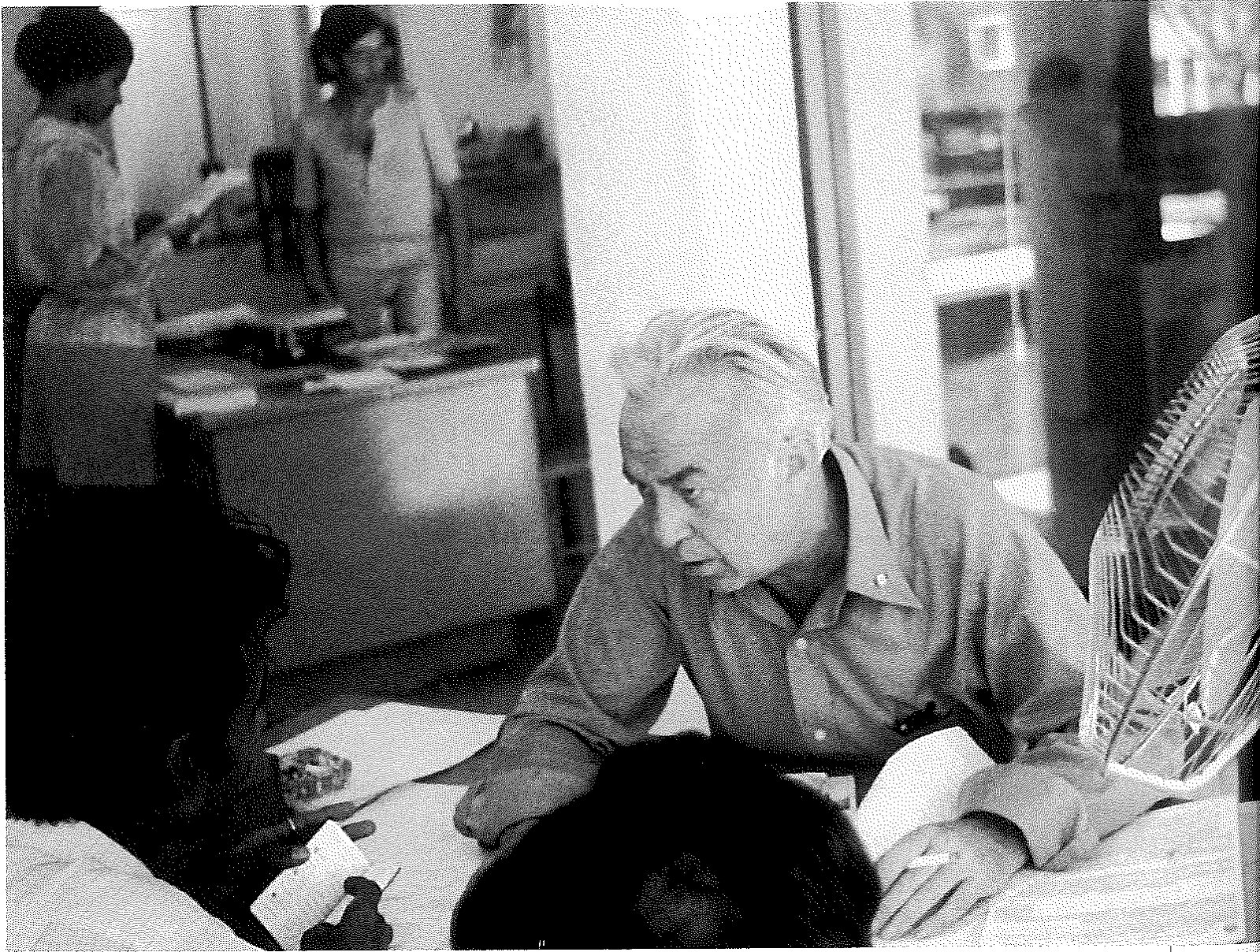
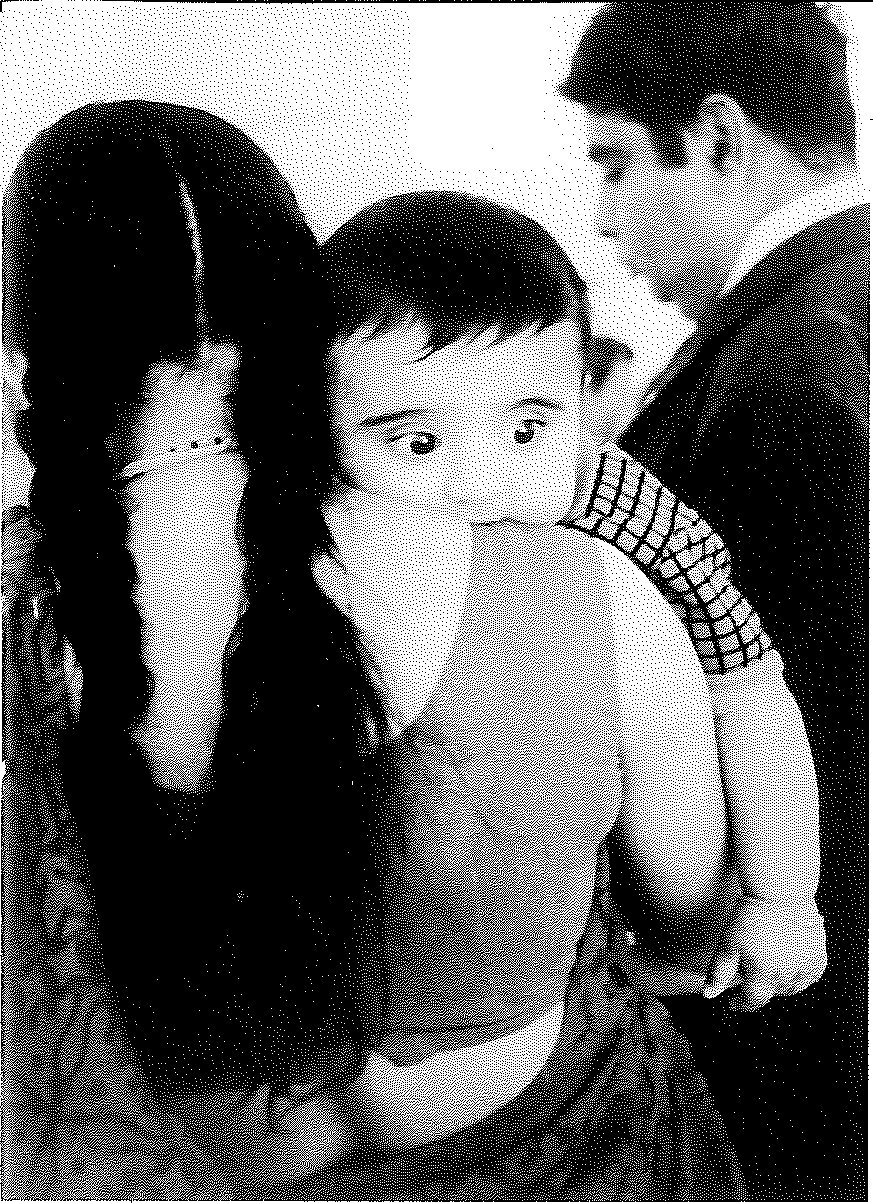
Since most Ugandan Asians spoke English, were well educated, and had business and professional skills, they easily qualified for the minimum 50 points. However, visa officers had to be very careful that their very efforts to assist the Asians did not in fact put them at risk of reprisals from Amin’s government, since the selection process was taking place within the country of persecution. To protect applicants, each was given a number and told to watch for it in the local newspaper, alerting them when to come for an interview. By Amin’s November deadline, Canada’s team had facilitated the departure of 6,175 refugees. Canada admitted more Ugandan Asians than any other country except Britain.
“The Canadian government responded to a variety of motives as all governments do?” reflects Molloy. “First, it acted to demonstrate its humanitarian concern and to provide an example we hoped would be emulated by other governments. Second, it acted to assist Britain out of a very difficult situation.”
“The third thing that’s evident in the decision making is that the government felt it had to do a certain amount of balancing. It gauged its intervention with one eye on satisfying the humanitarian impulse felt by many Canadians, but at the same time, it was concerned about not going so far as to invite a backlash. So it’s the balancing that always has to take place in immigration policy between ’doing things right’ and ’doing the right thing.
“Finally,” says Molloy, “I think the government acted out of a very strong perception that the Asian community in Uganda represented a significant and very desirable pool of entrepreneurial and professional talent, and this would benefit Canada.”
For those with no family in Canada, the government provided housing, transportation, orientation programs, and job counselling. Religious and community groups also joined the settlement effort. When they fled Uganda, few Asians believed that they would never return to their country of birth. However, within a year, nearly 90% of those surveyed had found work in Canada. 94% said they wanted to remain here. Twenty-three years later, this community of “expellees” continues to thrive in their new home.
The Indo-Chinese Movement: Bangkok — The Early Days
Communist victories in Vietnam, Laos and Cambodia in April 1975 displaced thousands of persons associated with the defeated governments. While most were resettled in the United States and France, the two countries most directly linked to Indo-China, Canada accepted over 5,000 persons over the next two years either as refugees or under Family Reunification Categories.
By mid-1977, increasing numbers of “Boat People” from Vietnam began appearing on the less than welcoming beaches of neighbouring countries, chiefly Malaysia and Thailand, which resulted in pressure upon Western countries to resettle more Vietnamese. At the same time, a trickle of refugees escaping Cambodia brought at least some of the horrors of Pol Pot’s “Democratic Kampuchea” to the attention of the wider world. Laotians, facing conditions somewhat akin to those in Vietnam, also started to cross the border into northeast Thailand in large numbers.
In mid-1978, Canada officially committed itself to an Indo-Chinese resettlement program through the “Indo-Chinese Designated Class” — a concept incorporated into the then new 1976 Immigration Act. The initial limited commitment was quickly overtaken by events, primarily that of world attention focussing on the problem through media coverage of the plight of the “Boat People”.
The principal share of the workload in the early stages fell on the two-person office at our High Commission in Singapore. It quickly became obvious that the Singapore-based staff could not handle the situation alone. It was decided to open a small operation in Bangkok, with responsibility for Thailand and Burma (Myanmar) when a “land” component for the Indo-Chinese movement was established — the “Thailand Overland Refugee (TOR)” and the “Small Boat Escapees (SBE)”. We would also process privately sponsored refugees.
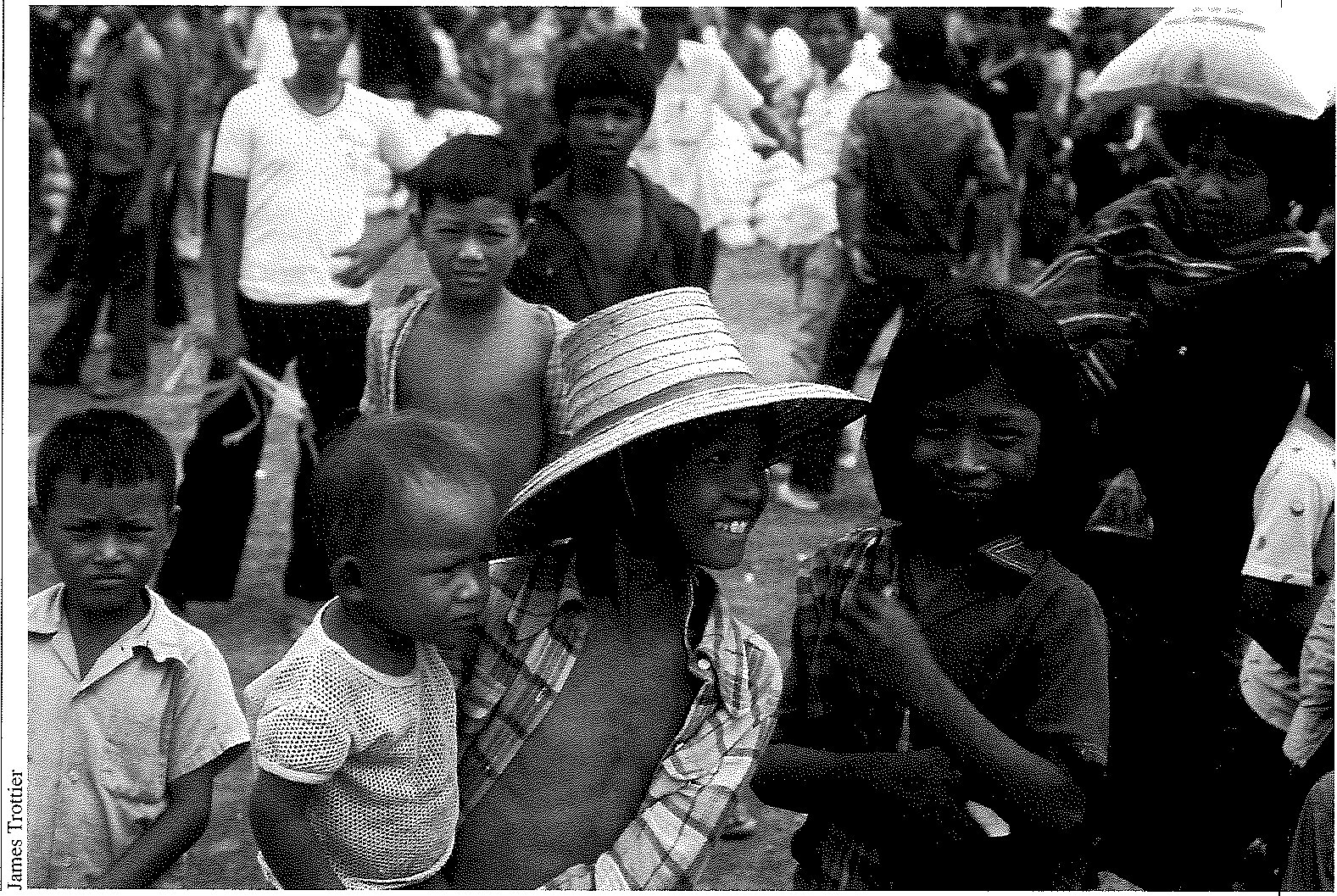
Thailand was the reluctant host to almost 100,000 displaced persons from Laos, Cambodia and Vietnam housed in camps along the country’s eastern land border and coast. The Thais had markedly different attitudes to the three nationalities: because of the close ethnic links between Thais and Laotians, the authorities took a relaxed approach to security in the Laotian camps. Residents were free to travel outside the camps, including back to Laos. Cambodians were offered an uncertain welcome in a series of austere camps on the border between the two countries. The Vietnamese were viewed as a destabilizing factor within Thailand, and they were the subjects of the tightest security, with movement out of the camps virtually impossible.
Against this background, the Bangkok operation became operational very quickly, with Murray Oppertshauser and myself making trips to various “transit centres” or refugee camps within a month of our arrival. We also arranged the week long visit of the Roman Catholic Archbishop of Ottawa, the 22 bout de papier Vol.
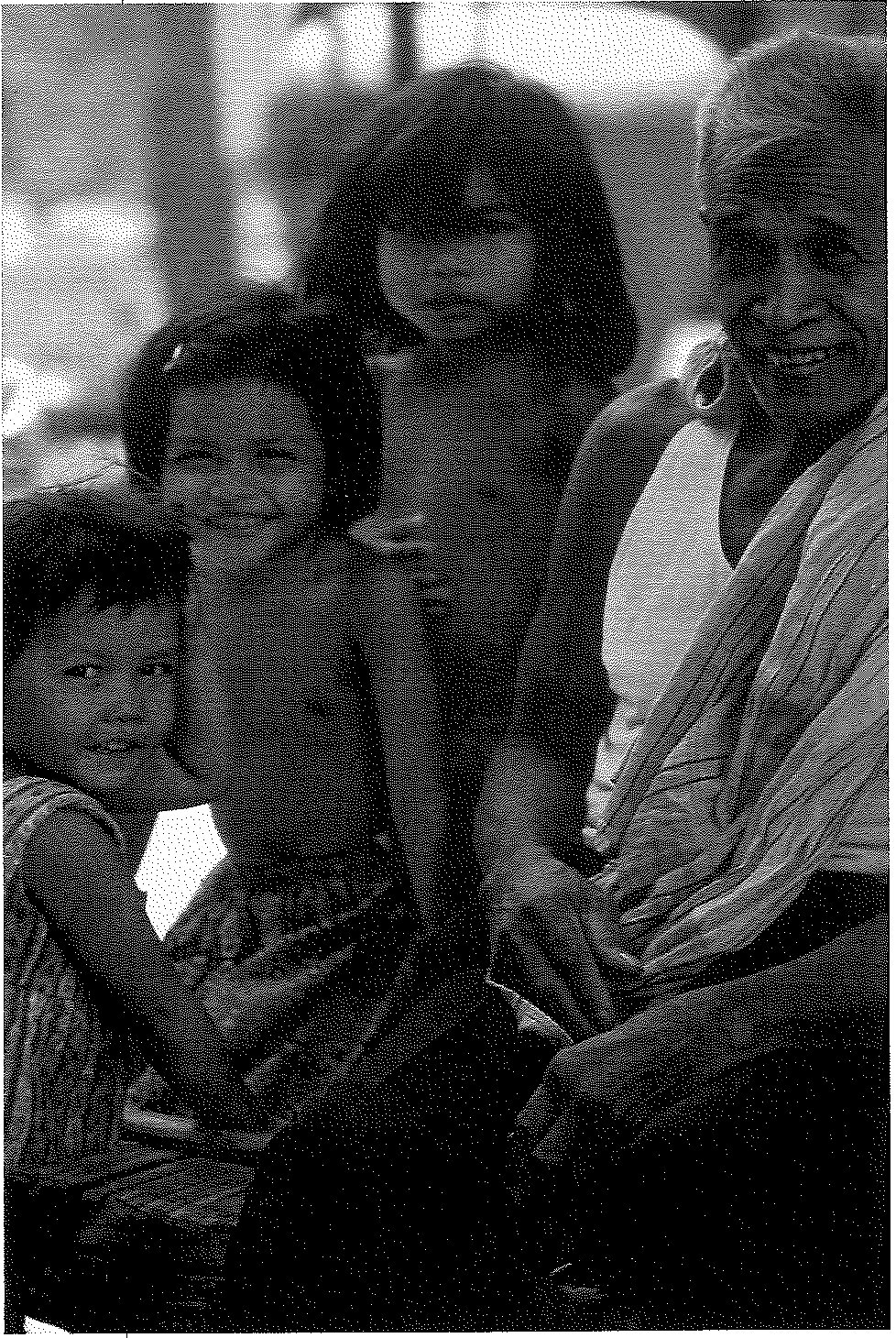
Right Reverend Plourde, whose efforts were instrumental in developing the Church’s refugee sponsorship program. Ottawa groups, from churches and elsewhere, were to become particularly active in resettlement of Indo-Chinese in what became known as “Project 4000”.
Ever greater numbers of refugees arrived in Thailand throughout 1979. Particularly difficult was the situation of Cambodians who began arriving in great numbers along Thailand’s eastern border from April onwards. Outside Thailand, large numbers of “Boat People” also began arriving in Hong Kong, the Philippines, Indonesia and Malaysia. Canada, among other reset- I tlement countries, was under increasing pressure to accept more Indo-Chinese. By the end of 1979, Canada was committed to receiving some 60,000.
The Bangkok operation gradually expanded during the latter half of 1979, as both temporary duty and permanent staff arrived to respond to the commitment. Temporary duty officers came from the domestic service in addition to other overseas missions. Also, the Service de l’immigration du Québec (SIQ) established an office at the embassy to select Quebec-destined refugees, and we were assisted by RCMP representatives for security screening. At times there were up to 14 federal visa officers and three Québec officers serving in Bangkok who were good colleagues and friends.
Many truly remarkable people among the refugees settled successfully in Canada and have done very well. Others demonstrated their feelings about being selected for resettlement in Canada in unique and touching ways. One Laotian family named their daughter, born just prior to their departure, “Canada Prasouk (Canada Happiness)” and another family named their child “Verboven”, after my colleague Leo who approved their application.
Some early private refugee sponsoring groups had interesting expectations — ranging from a specific request for Lutheran Vietnamese to another group that wanted a computer programmer, right down to specifying the software and hardware with which the refugee should be familiar. We were unlucky in the former, but the latter request was successful. I made an initial visit to a newly arrived ship in Bangkok harbour containing some 400 refugees. Once on deck I asked for anybody speaking English or French to act as e my interpreter, and later asked the volunteer what he did. He replied that he was a computer programmer with a Masters Degree in Computer Science from San Diego State University. My next question was if he wanted to go to Canada!
In the camps, knowledge of Canada was limited to recognition that it was cold in winter. At one point, two of our officers who were cigar smokers, not common among the Vietnamese, were asked one day if all Canadians smoked cigars because of the cold!
I believe all members of the Immigration Foreign Service who were involved in the Indo-Chinese Refugee program found the experience to be one of the most rewarding and worthwhile of their careers. At one level we were directly responsible for getting people out of an impossible situation and where, in most cases, resettlement was the only viable solution. The work gave a rare opportunity to follow through on the immigration process from beginning to end. I have encountered people whom I processed between 1978-80 in the Thai camps after their successful establishment in Canada.
Refugee and Humanitarian Programs for Former Yugoslavia
In the span of just three years, our mission in Belgrade has become the largest refugee office overseas. The number of refugees has increased from under 200 persons in 1992 to a 1994 record of 3096 arrivals. Under the Yugoslav special measures program, which allows Canadians to bring over their relatives affected by the conflict, our mission in Belgrade has admitted an additional 4000 persons to Canada.
These figures only hint at the strain and workload pressures confronting our immigration staff, from the program manager and Canada-based officers to the locally-engaged staff and countless temporary duty officers and emergency LES. Every day the staff hears difficult stories from people who have lost their homes and their livelihoods, whose neighbours have turned against them and who have been forced to flee in the face of an ethnic conflict which shows no sign of abating. With each interview comes the realization that these people have found an inner strength to overcome the ravages of war, the shelling of their villages, mistreatment, torture and worse. Seeing the overwhelming joy in people’s faces as they are selected to begin a new life in Canada compensates in some measure for the emotional drain of conducting these refugee interviews. Our offices remain a beacon of hope for refugees prepared to leave everything behind to start anew.
Canada expects to receive well over 4000 government-assisted refugees from the former Yugoslavia in 1995. Our visa offices in Belgrade, Vienna and Budapest are processing the largest numbers, with missions around the world contributing to the resettlement of refugees affected by the conflict in former Yugoslavia.
The following account by Brian Casey reflects the first-hand experience of one “front-line” visa office behind today’s headlines.
The violent disintegration of Yugoslavia, which began in 1991, presented immigration policy makers and foreign service officers in the field with unique challenges. A war in Europe producing hundreds of thousands of refugees and displaced persons and accompanied by the horrors of ethnic cleansing was the last thing I expected when I began my posting in Belgrade in 1990. But soon after my arrival in Belgrade it became apparent that things were proceeding in the wrong direction. Still, nobody knew how far and how badly wrong they would go.
Today, there are over 30,000 people in Canada as a result of the immigration programs put in place to respond to the human dimensions of the Yugoslav crisis. The Former- Yugoslavia Special Measures Program was designed to assist relatives of residents of Canada and the refugee program provides for resettlement in Canada of refugees from Former Yugoslavia. The following are the stories of a few of the individuals who have benefitted from these programs.
Mr. B. was one of a stream of refugees who began to flow out of Sarajevo during the summer of 1992. His wife was killed by shell fragments as she sat at the dining room table in their apartment. He was left with three young children aged eight, six, and four. He was a mechanical engineer and spoke reasonable English so we thought his settlement chances were good, but because of the needs of the three children, we arranged a group sponsorship for them from a church in Halifax. He started a permanent job six weeks after his arrival in Canada and one year later he was taking out a mortgage to purchase his first home.
Mrs. I. came from the city of Mostar with her three children where her husband was killed in the shelling when she was three months pregnant. She gave birth to a baby girl in the makeshift hospital in the still besieged town six months later. When the baby became sick she received permission to leave Mostar but to do so she had to cross the line of fire between the opposing forces in the town. The memory of crossing that line, clutching her baby and with her 10 and eight year old daughters running beside her, will remain forever etched in her mind. After reaching safety she made her way to Belgrade, where a friend gave them temporary shelter in her small apartment. The next day she came to the Canadian Embassy.
Our receptionist immediately referred her to our “Woman At Risk” counsellor, whose job is to encourage and support severely traumatized refugees and persuade them not to give up hope. A few days later they were seen by a Canadian officer and little more than two months later they were in Canada under the care of a Mennonite church group. Things have not been easy for them in Canada — Mrs. T. and the two older children required further counselling and one of the children went through a difficult adjustment to school. However, little more than a year later Mrs. T. has learned English, is working part-time and is helping other refugees adjust to life in Canada.
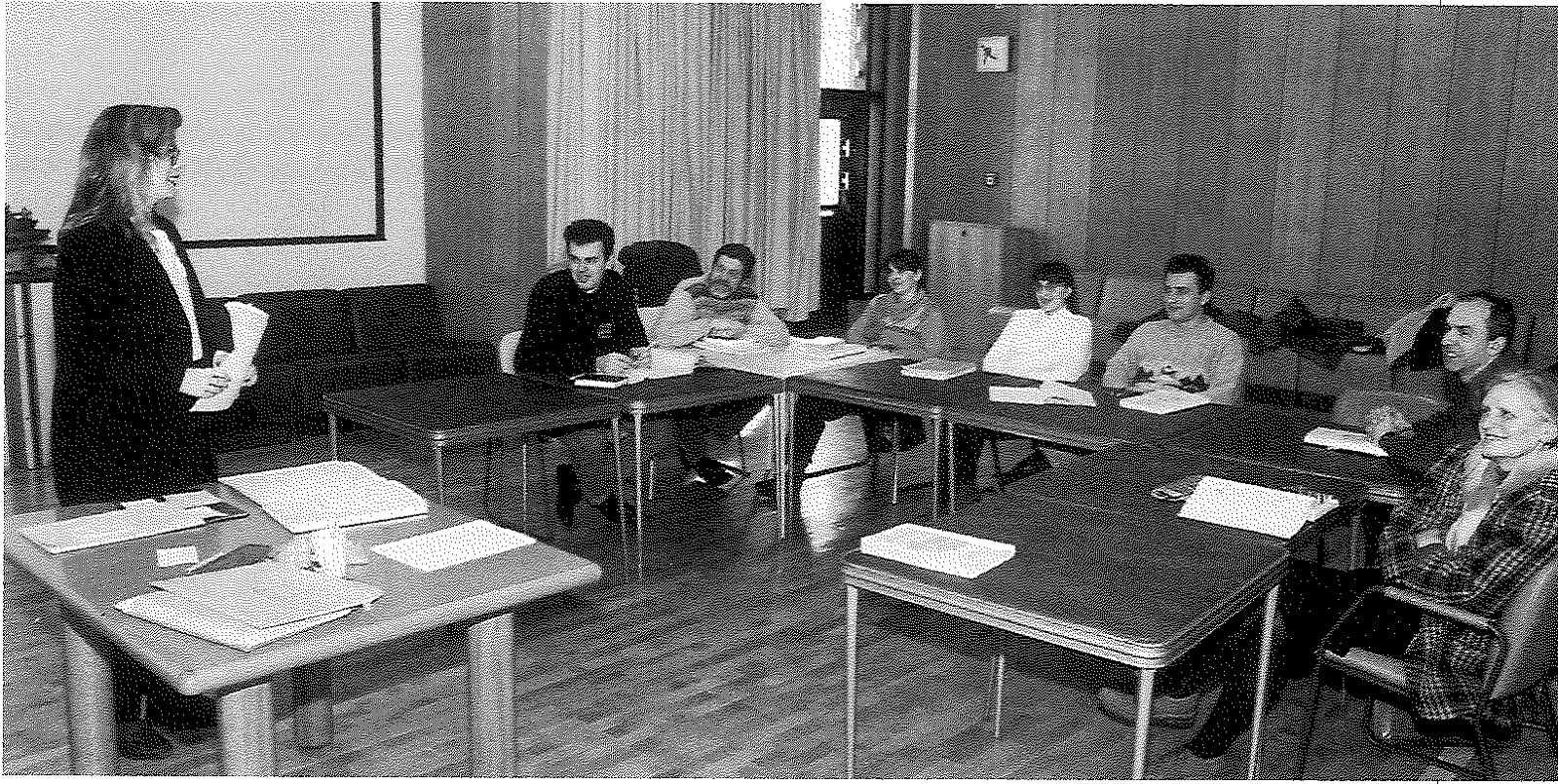
Mr. and Mrs. S. and their six year old daughter Dijana left for Canada last week. They were a mixed marriage couple who lived in a town in eastern Bosnia. When the war came he refused to fight for any side and because of this and his ethnic background he was repeatedly imprisoned, beaten and tortured. His wife always somehow managed to get him out of prison and finally they were able to leave Bosnia and reach Belgrade. During the interview, his hands still shook uncontrollably because of the torture he had endured. I saw them again last week — just before their departure — they were composed and confident and proud of the English they had picked up after two months of language classes in the Embassy.
These are but a few of the many people who have been helped by our refugee and humanitarian programs for Former Yugoslavia, programs that are being delivered out of the Embassies in Vienna and Budapest as well as in Belgrade. Although the European countries have granted temporary protection to far greater overall numbers of people, Canada has emerged as the number one choice of former Yugoslavs for permanent resettlement. This has happened because of the scope of our immigration programs, their accessibility to all and the quality of the settlement programs inside Canada.
Sadly, the need for refugee and humanitarian immigration from Former Yugoslavia shows no sign of abating. Continuing efforts and resources will be required to respond to the plight of at least some of the victims.
The Deputy Minister of Foreign Affairs and International Trade Canada recently awarded a citation to the locally-engaged staff at our Mission in Belgrade for their work on the immigration program.
View the original scanned pages →
Originally published in bout de papier, Vol. 12, No. 3 (1995) — Fall 1995 // Automne 1995, pp. 18–23. Read the rest of this issue →



