
bout de papier, Vol. 26, No. 1 (2011) — Summer/Fall 2011 // Été/Automne 2011, pp. 11–14
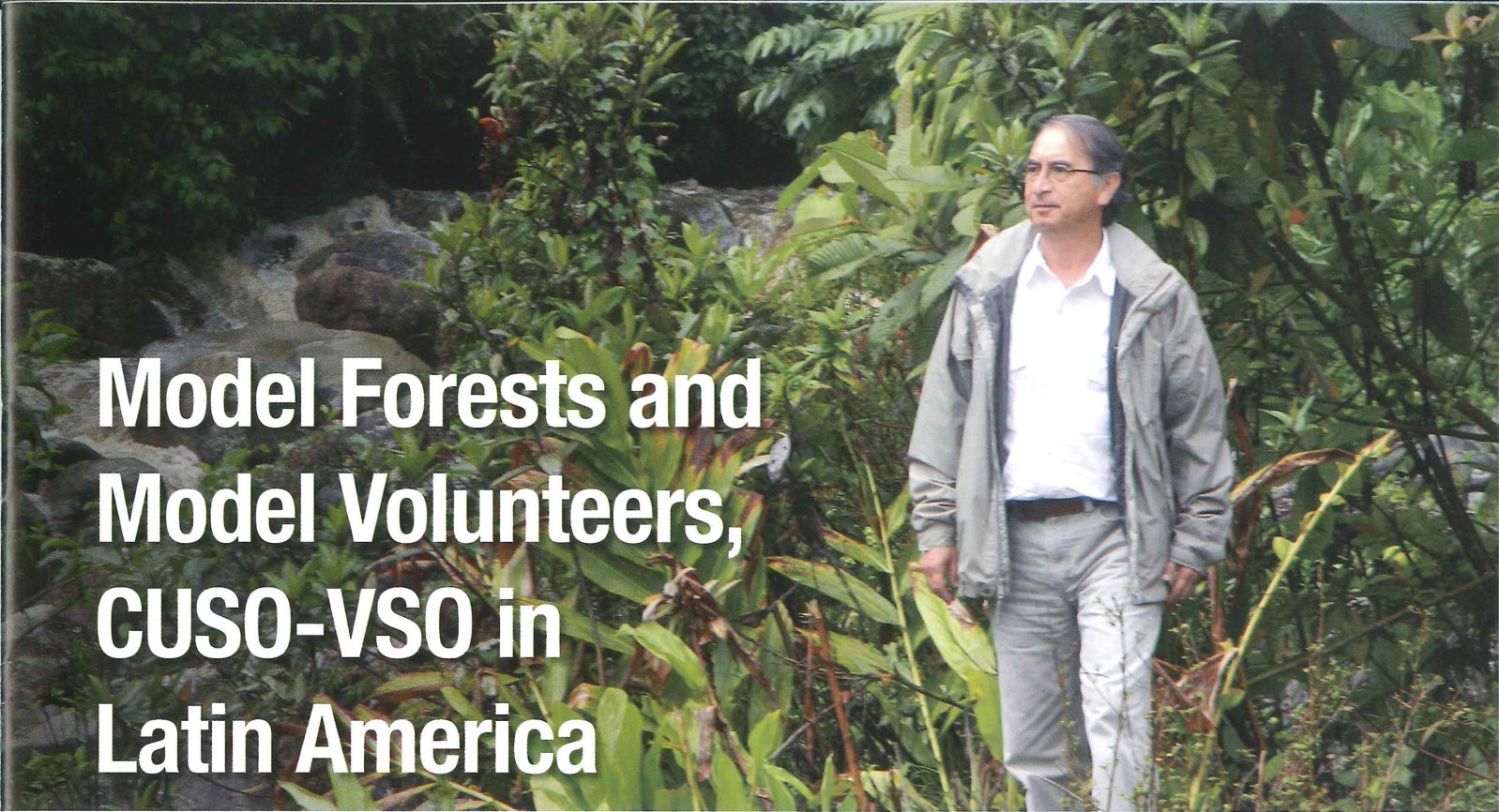
Chilean native, Canadian citizen and long-term Saskatchewan resident Rolando Ramirez was CUSO’s Regional Director for Latin America for over a decade. As Canada’s best known standard bearer for volunteering in the developing world, CUSO (now CUSO-VSO) has a proud tradition of tackling critical issues in countries where we have something significant to share — sustainable forestry and agriculture to name two. Partnering with other international NGOs and governments, today’s CUSO-VSO makes a real difference in the field, although its story is not as well known as it could be. This interview was conducted shortly before Rolando’s retirement this summer.
bout: Tell us about CUSO-VSO.
RR: There is a lot to tell! I find my role as Regional Director very satisfying (I am based in Costa Rica). The professionals I work with, our volunteers, partners, and the projects we support make this an experience I would not find anywhere else.
CUSO-VSO is a non-profit, international development agency that works through volunteer professionals and partner organizations. It is the North American member of VSO International, an alliance of Voluntary Service Organizations with operations in more than 40 countries — the world’s largest volunteer sending NGO network. Our vision is of a world without poverty. We work with organizations and networks through Canadian and international volunteers of varied cultures and backgrounds, and enable them to share skills and learning.
CUSO-VSO is based in Ottawa. Cameron Charlebois, a Canadian, chairs a Board of 12 Directors, half of whom represent overseas partners. The Executive Director is Derek Evans. I run operations in Latin America and the Caribbean with the help of a Council of Members from regional partner organizations. Our budget is about $4.5 million a year. Funding from CIDA accounts for nearly 80% of that through a Canadian Partnership Program Agreement (CPPA). Other notable Canadian donors include the IDRC, le ministére des Relations internationales du gouvernement du Québec, Howard Webster Foundation, Power Corp, Stratford Shakespeare Theatre Festival, and Scotiabank — as well as other funds raised by CUSO-VSO from the public in Canada and the USA.
bout: CUSO-VSO must have a long track record?
RR: Absolutely — we hit the half-century mark this year. The organization began in 1960 when the Canadian Overseas Volunteer (COV) programme at the University of Toronto combined with the Canadian Voluntary Commonwealth Service (CVCS) and Le Mouvement universitaire national pour le développement outre-mer. As the new volunteer movement spread to other Canadian universities, a national body was needed to coordinate the programme. That gave rise a year later to Canadian University Service Overseas (CUSO).
Founded in June 1961 at McGill (and supported by many universities and organizations including COV, CVCS, WUSC, UNESCO and the Student Christian Movement), in 1981 we became just “CUSO” because many volunteers were independent professionals with varied skills and experience. We are one of Canada’s oldest volunteer sending agencies. We have sent over 11,000 Canadians abroad to work on poverty reduction, human rights, democratic governance, HIV/AIDS prevention, and environmental sustainability.
In 2008 CUSO and VSO Canada (the 1995 Canadian chapter of VSO, a British NGO founded in 1958) merged to form CUSO-VSO. Together we have placed some 15,000 volunteers in Africa, Asia, the Pacific, Latin America and the Caribbean and Eastern Europe. Operations in Latin America and the Caribbean (LAC) started in 1961 when volunteers were sent to Jamaica and Cuba. Since then, we have placed more than 3,000 volunteers in Bolivia, Costa Rica, Peru, Colombia, Honduras, Belize, Chile, Guatemala, Panama, Argentina, Nicaragua, El Salvador, Mexico, Guyana, Brazil and some Caribbean countries.
bout: What are your development priorities?
RR: They shifted from the defence of human rights and the reestablishment of democracy in early, less democratic years, to sustainable development and equity today.
CUSO-VSO has three key regional programs in LAC: i) Access to Justice for Women and Children, which seeks
to improve access by women and children to formal and alternative justice mechanisms and processes that address the inequities they face (notably with regard to violence
and fundamental rights).
ii) Youth Social and Economic Inclusion, to help disadvantaged
youth access decent employment and opportunities for entrepreneurship, and become active citizens within their
communities; and iii) Protecting Environments — Managing Natural Resources,
to empower people in vulnerable rural communities by improving their livelihoods and mitigating and adapting to the effects of environmental changes and threats (including climate change) through more effective natural resource management practices.
These three programs reflect an “americanist” vision. It is based on concerns and solutions shared across borders, where good governance, inclusive economics and the environment are the pillars of any strategy for sustainable wellbeing for all citizens. In Guyana we also work at the national level on education, disability and secure livelihoods; however, we are now integrating these programs into our regional approach.
Gender equality, climate change and knowledge sharing are crosscutting themes, notably in Jamaica, Guatemala, Honduras, El Salvador, Costa Rica, Peru, Bolivia, Guyana, Chile and Argentina. We have more than 50 partner organizations, including the National Judicial Institute of Canada, Directrice de la Protection de la Jeunesse, the Network of Carrefour Jeunesse Emploi, the International Model Forest Network, and the Stratford Shakespeare Theatre Festival.
CUSO-VSO has had considerable success in the region, with thanks to our Canadian donors, partners and volunteers:
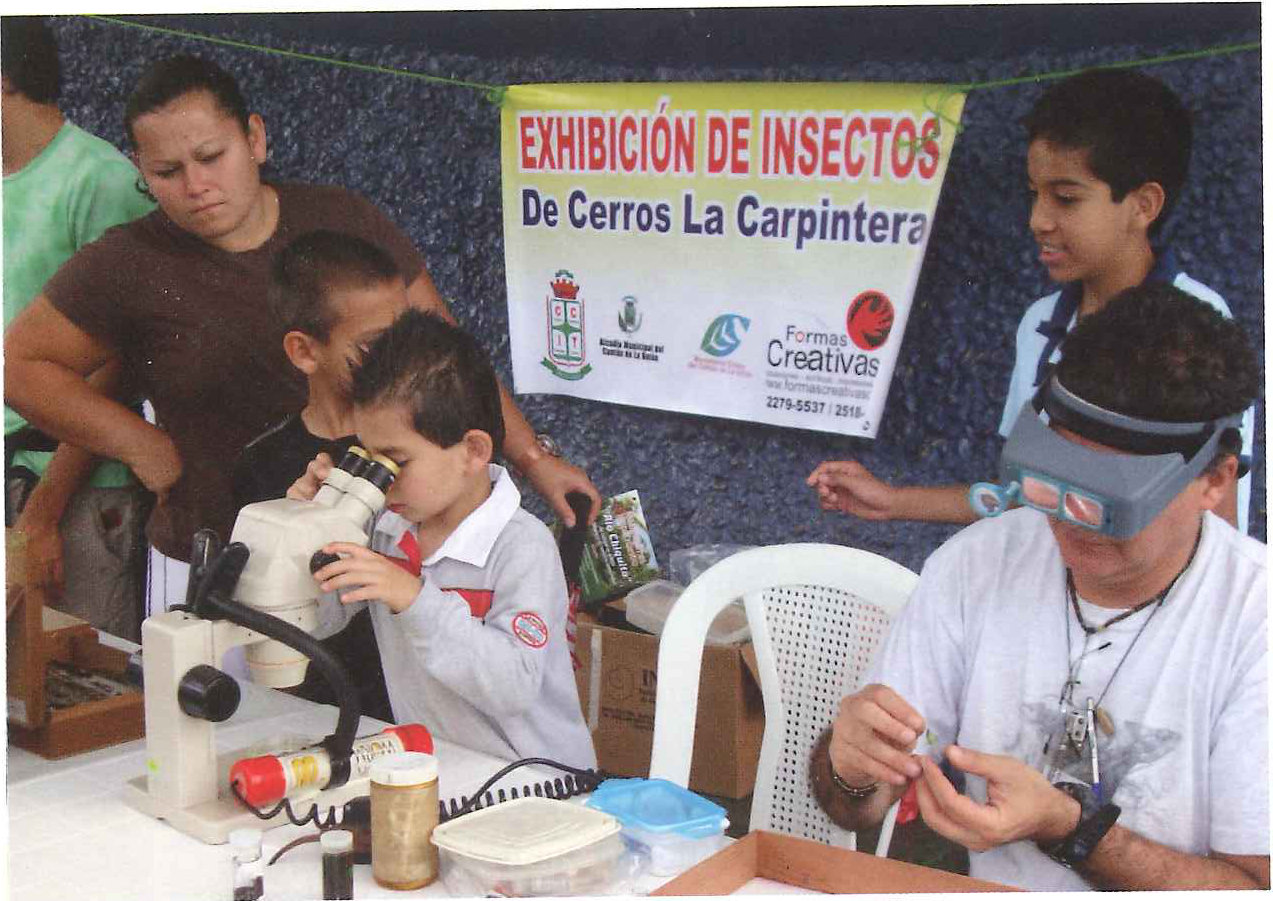
Since 2009 Canadian volunteers have been working hand-in-hand with youth from the community of Suchitoto in El Salvador. Stratford Shakespeare Theatre Festival designers, sound and light technicians, costume designers and cutters, directors and actors enhance local cultural activities and economic sustainability through a variety of teaching/ employment programs. Some 30 volunteers to date have worked with mostly rural participants in activities that can serve as models elsewhere.
In late 2008 two Youth and Employment Centres were created in San Juan de Miraflores and Cusco, Peru. They offer young people professional orientation and entrepreneurial training to improve their job prospects. In the first three months they helped over 600 (the goal for the year was 200). By October 2010 nearly 5000 youth had been helped, 4% of the entire target population. This was possible thanks to an alliance with Carrefour Jeunesse Emploi de l’Outaouais and other Carrefours from Quebec (CJEs) that inform, orient, counsel, and encourage youth in job searches. In Jamaica, we helped build capacity in the justice system to give adequate psychosocial support for children in court. A Canadian Kids-in-Court project was adapted for the local context; we worked with the Office of the Children’s Advocate (OCA) reaching out to all stakeholders of the justice system from the Supreme Court to the National Volunteers that first handle children in court. The OCA recently presented CUSO-VSO with an award in recognition
of our contribution.
bout: Voluntarism is crucial to CUSO, why?
RR: it is very fulfilling to observe volunteers in the field, whether high in the Andes, or in the rural tropics of the Caribbean. To see their commitment to contribute and learn as part of communities (that value their services) is to understand why we at CUSO-VSO encourage people to SHARE their skills, creativity and learning WITH communities where we work. That is our core competence.
Working with a network of volunteers and partner organizations is a win-win situation for everyone. Transferring crucial skills stimulates sustainable growth in the local community. Partners get access to a valuable and cost-effective source of qualified professionals. Volunteers make a personal contribution while developing lifetime knowledge and skills through a rewarding and challenging professional, personal and cultural experience.
The average CUSO-VSO volunteer is 39, but age is not a crucial factor. We value volunteer’s skills, knowledge and capacity to be productive in the field. Over 3000 Canadian volunteers have worked in Latin America and the Caribbean since 1961. Today, around 70% of volunteers come from Canada, the rest participate through south-south cooperation with volunteers coming from countries within the region contributing their expertise elsewhere in Latin America and Caribbean.
DOUt: Tell us about the Model Forest Network.
RR: It is a Canadian idea put into practice around the world with methodology supported by the International Model Forest Network (IMFN). There are model forests running or in development in 22 countries on five continents. CUSO-VSO also supported the creation of the Ibero-American Model Forest Network (IAMEN) with 24 model forests in 13 countries.
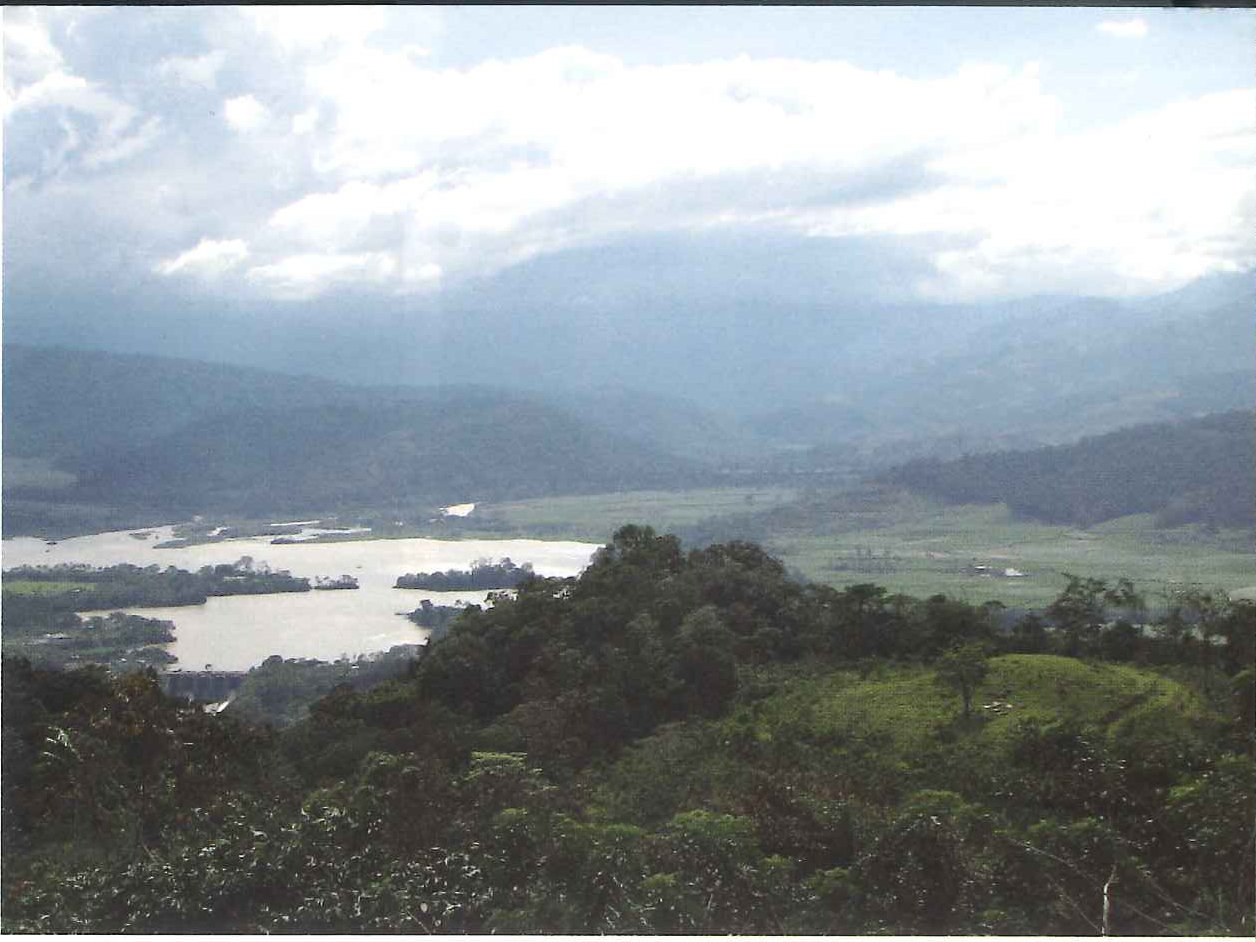
“Model Forests” are large geographical areas with enough forest cover to justify introducing best management practices. These are developed, tested, improved and shared to generate models of sustainable development. Model Forests may include protected areas, private farms and tree groves, villages, rivers and watersheds. Within this space, technical knowledge is used to optimize social benefits and economic opportunities while ensuring environmental conservation.
Local participation is the key to long-term success. Model Forests are about people resolving issues of poverty and development. They bring their knowledge and resources to the table in order that all stakeholders in any Model Forest contribute toward the betterment of all its members. At the heart of every successful Model Forest are people with diverse perspectives about development but with one common aim: sustainability where everyone benefits. These include owners of groves and plantations, small-scale farmers, forest companies, park officers, indigenous communities, environmentalists, scientists, tour operators, government officials, hunters and others.
CUSO-VSO supports initiatives for sustainable livelihoods — Model Forests are one of our best examples of innovation and best practices for the sustainable management of natural resources and landscapes. No Model Forest is quite like another: some are in areas of low population density where rural poverty and access to natural resources are key issues; others are in heavily populated areas and deal with issues of water quality, recreational needs, conservation and biodiversity.
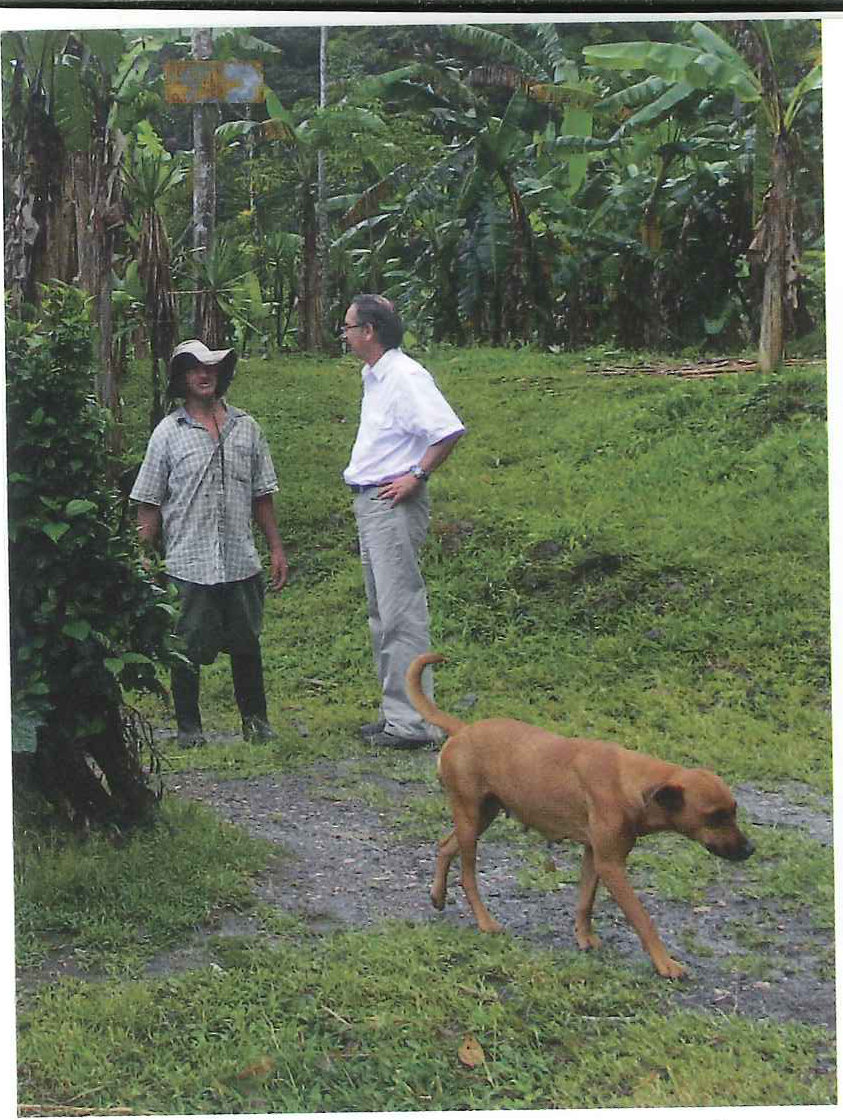
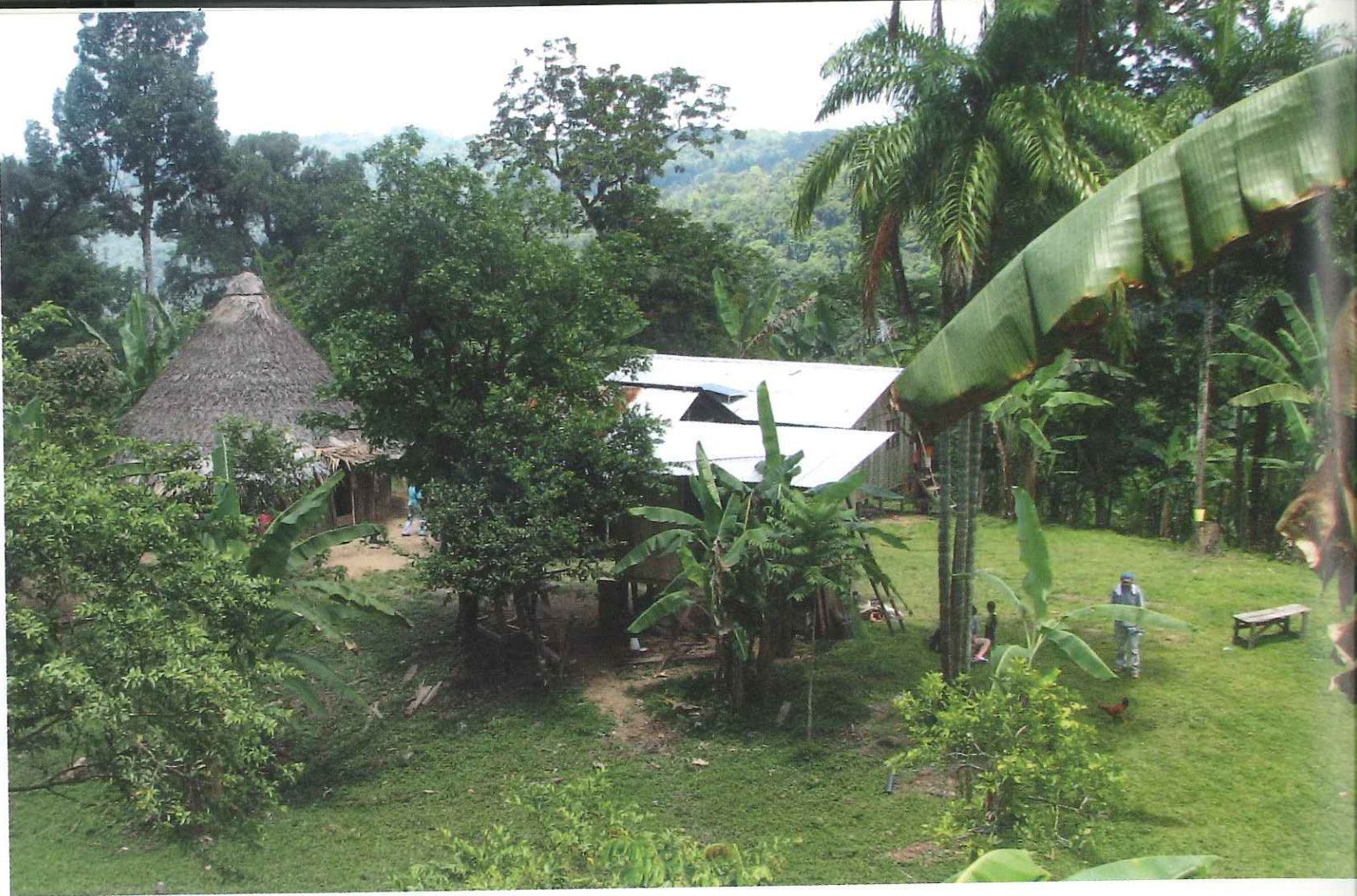
They facilitate the association of various groups, networking, a commitment to sustainable management, and work to extend landscapes where activities can be pursued based on the values and needs of stakeholders.
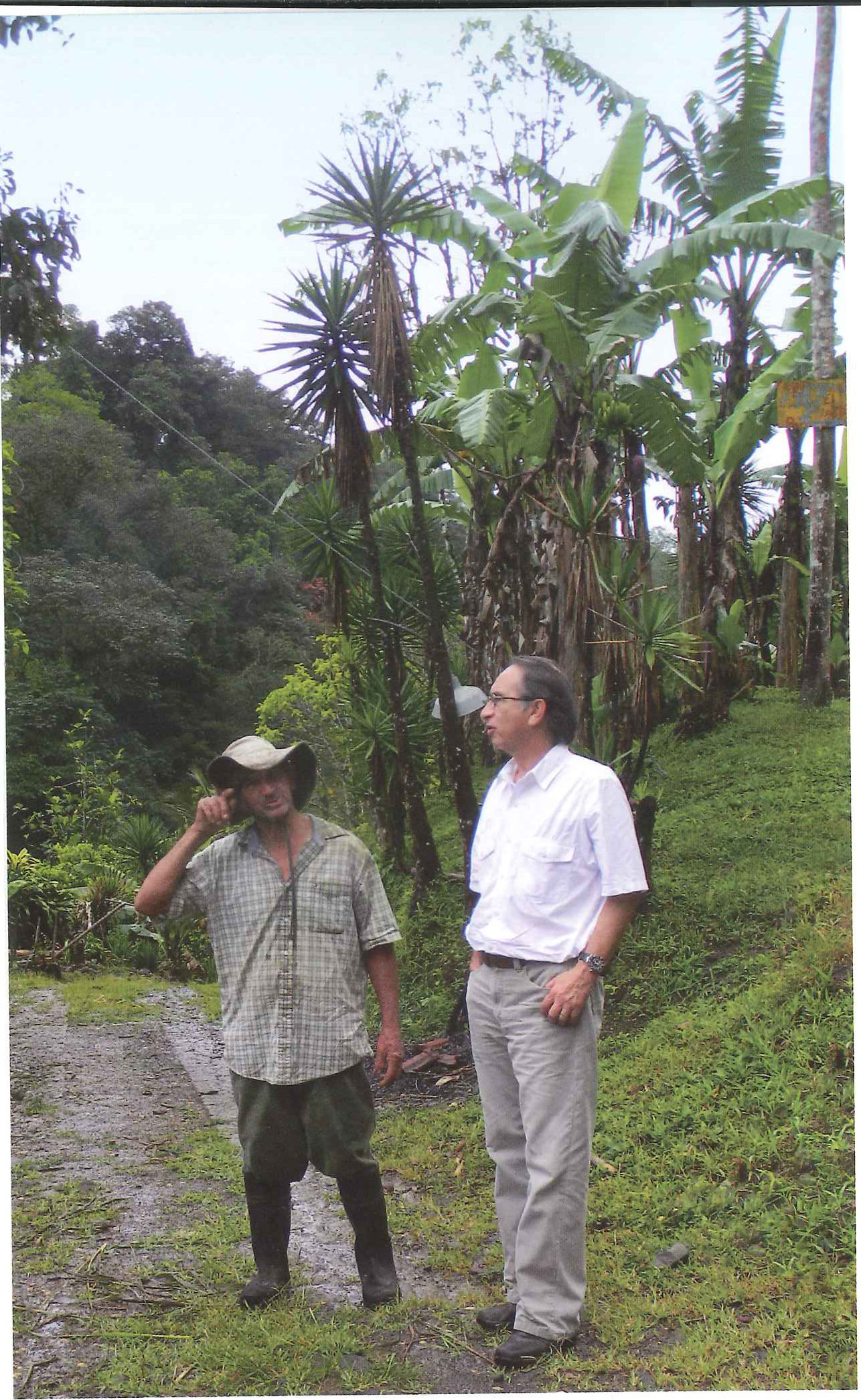
To date, CUSO-VSO has worked with Model Forests in Bolivia, Chile, Costa Rica, Honduras, Guatemala and Argentina where we assist in the management of the regional Iberoamerican Model Forest Network (AMEN). Our first volunteer, Sylvain Legault of Gatineau, walked into the Chiloe Model Forest in Chile in 2000; since then 40 volunteers have served in community forests that help sustain 1.4 million people.
What do our Model Forest volunteers do?
Inthe Atlantida Model Forest (Honduras) we build local capacity to manage decentralized responsibilities
and budgets;
Inthe Araucarias del Alto Malleco Model Forest (Chile)
contribute to disseminating and adapting best practices for regional participatory planning and monitoring;
With the [AMEN we help create local capacity for analysis and communication, policy analysis and advocacy;
Inthe Lachud Model Forest (Guatemala) we help adapt indigenous knowledge and traditional land use and resource management systems; and Inthe Chiquitano Model Forest, (Bolivia) we help build capacity to benefit from sustainable, resource-based
economic activity.
DOUT: What are the big challenges ahead?
RR: Political reality here has changed significantly in the last 20 years. Democracy is more entrenched in most countries, and the region has experienced economic growth and expansion despite the recent financial crisis. Nonetheless, the region remains one the most unequal in the world in terms of income distribution and access to decent income and jobs. Some 280 million people continue to live under the poverty line.
The big challenge for development is reducing the growing gap of rich and poor. It contributes to a climate of increased insecurity, civil unrest and corruption. It threatens still fragile democratic practices, particularly among the poorest countries in the region. Most countries also are ill prepared to adapt to climate change, and the urban and rural poor will continue to suffer the biggest consequences of natural disasters. Issues of good governance, efforts to overcome inequality, and initiatives to adapt to a changing environment set the agenda in our efforts to diminish current levels of poverty and inequality.
CUSO-VSO helps fight poverty by establishing strategic regional alliances and initiatives. Knowledge networking, public policy understanding and advocacy are central to that effort. As borders fade, North-South and South-South collaboration also will prove one of the key new features of international cooperation. In many respects we are the human face of Canadian development efforts in which cultural diversity and identity, enriched by new approaches and experiences, are a foundation for a new global sense of citizenship. I think we embody the spirit of the Americas Strategy and we look forward to working with our diplomatic colleagues in its implementation.
bout: Thank you.
View the original scanned pages →
Originally published in bout de papier, Vol. 26, No. 1 (2011) — Summer/Fall 2011 // Été/Automne 2011, pp. 11–14. Read the rest of this issue →



