
bout de papier, Vol. 28, No. 1 (2014) — Spring 2014 // Printemps 2014, pp. 10–13
En 2009, à l’initiative du Jurisconsulte et du Juge-avocat général de l’époque, Alan Kessel et le Brigadier-général Kenneth Watkin, le Bureau juridique du MAECD et le Cabinet du Juge-avocat général (JAG) du ministère de la Défense nationale et des Forces canadiennes ont instauré un programme d’échange entre leurs avocats. Conçu afin que le Cabinet du JAG et le Bureau juridique acquièrent une expertise juridique accrue, le programme, d’une durée de deux ans, offre une opportunité aux avocats de niveau FS3/Major d’acquérir une expérience au sein d’une autre organisation gouvernementale dans un domaine d’intérêt mutuel, en favorisant le développement professionnel en droit international. Ceci, notamment, en touchant aux questions du désarmement, de la sécurité internationale et du droit de la mer afin d’obtenir une perspective militaire et civile unique face aux différents enjeux du droit international.
As co-authors of this review, we are very pleased to attest to the success of the exchange programme, now well into its fourth year. It more than met our expectations and, for good measure, those of at least two of our predecessors (see insets). The exchange programme really deserves to be better known. It owes its success to the vision of its creators who sought to strengthen institutional ties between the two bureaux, and (in all modesty) to the talent of participating officers. All of the latter brought strong academic backgrounds, in-depth legal experience and wide-ranging professional skills to the table. Most importantly, the programme has flourished because it has tapped into a strong desire amongst members of our respective legal branches to strengthen par Sébastien Bouchard et Suneeta Millington
personal ties between military and foreign service cadres.
Major Sébastien Bouchard
Lorsque le Cabinet du JAG voulu sonder mon intérêt pour une assignation a la direction du droit des océans et de l’environnement (JLO) au sein du Bureau juridique, ma principale préoccupation fut reliée aux spécificités des responsabilités du poste comme tel, c’est-à-dire aux questions juridiques reliées au droit de la mer et à la souveraineté de l’Arctique. Ma carrière au sein du Cabinet du JAG, bien que diversifiée, en était essentiellement une en droit international et opérationnel, peu orientée dans un contexte naval ou maritime et ce programme d’échange me
eu 7 ix $ 1 Sébastien Bouchard in “business class ”— Afghar semblait fort opportun à la lumière de mon expérience à ce jour.
Ayant été déployé à titre de conseiller juridique dans plusieurs théâtres d’opération et ayant prodigué des conseils juridiques à des commandants militaires en zone d’opération, mon expérience était diversifiée et spécialisée à la fois. En effet, j’avais eu l’occasion de me déployer avec les troupes, ou autrement participer, comme conseiller juridique aux plus récentes missions militaires d’importance. Acquise souvent dans des circonstances tragiques, il s’agit d’une expérience professionnelle unique. De 2007 à 2008, j’ai été désigné comme conseiller juridique du groupement tactique, le bras armé de la force conventionnelle du contingent canadien, déployé dans le cadre des opérations de combat menées dans la province de Kandahar. Peu de temps après mon retour au pays, je me redéployais en tant que conseiller juridique principal de l’Opération Hestia, la composante militaire de la réponse humanitaire internationale et pangouvernementale impliquant également le Ministère des Affaires étrangères et du Commerce international et l’Agence canadienne du développement international (suite au tremblement de terre dévastateur qui a frappé Haïti, le 12 janvier 2010).
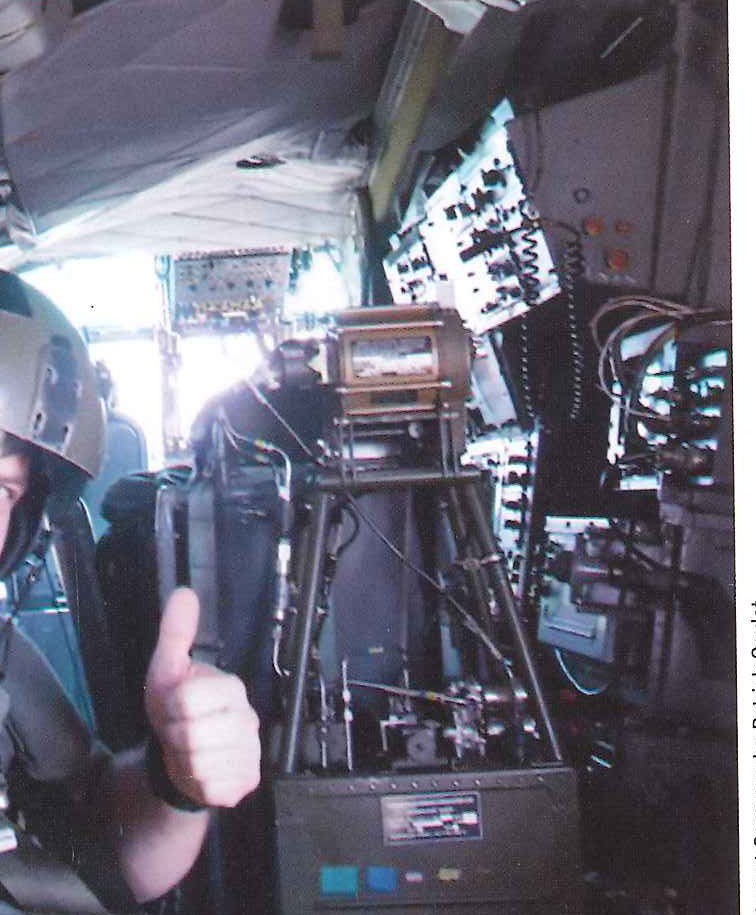
En 2011, j’étais affecté à la direction juridique de l’État-major stratégique au Quartier-général de la Défense nationale à Ottawa. J’ai renoué avec la pratique du droit international humanitaire en participant, entre autre, à l’élaboration de la directive de ciblage des objectifs militaires et des règles d’engagements applicables aux opérations aériennes visant à faire respecter la zone d’interdiction de vol au-dessus de la Libye ainsi que protéger les civils et les zones d’habitation libyennes contre les forces armées du régime de Mouammar Kadhafi. Qui plus est, je venais de compléter une maîtrise en droit dont plusieurs sujets traités se rapportaient au droit de la mer. Puisque l’un des objectifs de cet échange est de faire profiter chacune des organisations — et les individus qui y participent — d’expériences et d’expertises différentes, je présume que j’étais alors un bon candidat!
Passons à l’échange : avant de discuter brièvement des distinctions dans les sujets traités, je me dois de faire une brève parenthèse sur la différence de la culture organisationnelle entre nos deux ministères. Un exemple aussi simple que les heures de pointe de chacune des organisations suffit pour étayer ces différences. Lors de ma dernière affectation à l’État-major stratégique, la journée commençait par une réunion à 7h15. Quelle fut ma surprise d’être le seul arrivé au bureau à 8h00 lors de ma première journée au MAECD! Loin de moi l’idée de sous-entendre par ces propos que mes collègues du MAECD ne travaillent pas de longues journées, bien au contraire! Mais pour emprunter une analogie militaire connue, le rythme de bataille n’est pas le même. Le premier choc culturel passé, j’ai vite réalisé, de par la nature des dossiers qui m’ont été confiés, que les océans étaient plus vastes et profonds que je ne le pensais, offrant ainsi des questions juridiques aussi inattendues qu ’intéressantes.
En tant que chef de délégation représentant les intérêts canadiens à l’Autorité internationale des fonds marins, jai appris l’existence de la prospection et l’exploration des nodules polymétalliques et autres recherches scientifiques dans les fonds marins. J’ai avisé et participé aux négociations concernant le statut souverain d’une épave dans les eaux canadiennes qui présentait une menace environnementale en raison de fuites d’huile. J’ai aussi eu à représenter la position canadienne sur des différends maritimes et territoriaux, au Canada et ailleurs.
Fait intéressant, dans le cadre de mes fonctions j’ai donné de nombreux conseils juridiques sur les droits et obligations des États eu égard aux régimes juridiques applicables aux différentes zones maritimes. À cet effet, j’ai eu l’occasion d’analyser plusieurs opérations maritimes des Forces canadiennes. Cette fois cependant, d’un angle différent! Bien que la pratique du droit opérationnel comprenne également les opérations maritimes, notamment la piraterie et les opérations contre-narcotiques, ces questions sont en quelque sorte limitées au contexte militaire comportant une réalité opérationnelle importante. S’il est vrai que je me plais à croire que mon expérience comme avocat militaire en droit international et opérationnel ait apporté une autre perspective aux opinions données, force est de constater que cet échange m’a également exposé à d’autres considérations propres aux affaires
DFATD $ Suneeta Millington and DND Friends “ex étrangères qui étayent et définissent davantage l’analyse juridique. Je crois que c’est cette combinaison d’expérience et de perspective qui rend cet échange si profitable et enrichissant, non seulement pour les individus qui y participent mais également pour les organisations.
Suneeta Millington
In 2007, as a Legal Officer in the International Humanitarian Law Section of the United Nations, Human Rights and Economic Law Division, I had the good fortune of being assigned to the Cluster Munitions file. As such, I joined a small interdepartmental team of legal and policy colleagues within Foreign Affairs and National Defence working to address the humanitarian impact these weapons were having in conflict and post-conflict zones around the globe. States and civil society had begun to mobilize around the issue and the diplomatic process for negotiating a new multilateral instrument had just been launched. It was, very much, “The Beginning”.
As a result, over the subsequent year I was privileged to work alongside a small but talented DFATD-DND delegation as we studied the issues, consulted within government and formulated our national position. I was further privileged to travel alongside this same group as we undertook preliminary negotiations around the world during a series of multilateral preparatory meetings, often working long, late hours to hash through some of the more complex and controversial aspects of the draft treaty. It was, in effect, a chance to experience first-hand the tremendous relationship between DFATD and DND, wherein — although we often represented distinct interests and brought unique perspectives to the table — we shared a similar vision and were bound, of course, in advancing the interests of the Government of Canada cohesively and coherently. While there were regularly differences of opinion, the strength of our interpersonal relations meant that we addressed these professionally and respectfully, and came out at the end with better approaches and more creative solutions.
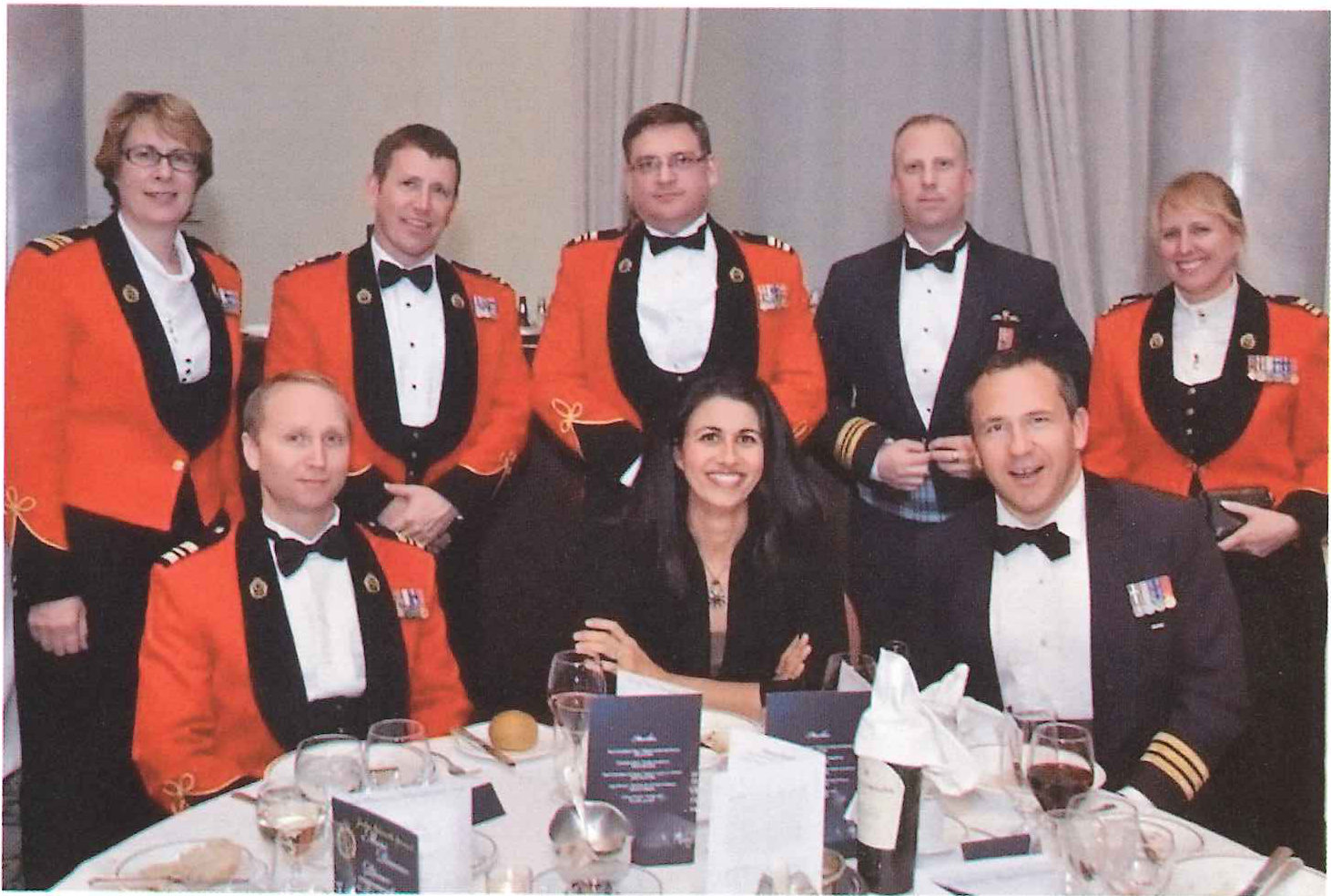
The preparatory work culminated with intense and heated negotiations at the Dublin Diplomatic Conference in May 2008, addressing, inter alia, thorny issues of scope, definitions and interoperability. It was during this final set of negotiations where the talents of the JAG lawyers (both those on the delegation and those supporting them back in Ottawa) were on full display, and where I truly came to appreciate the quality and skill of the military lawyer (though not their obsession with early morning starts…). Each colleague brought to every challenge a remarkable clarity of thought, an important precision of drafting and an impressive depth of substantive legal knowledge — borne of military discipline and drawn from valuable operational experience — that played an instrumental role in Canada’s ability to advance its interests in concluding a new Convention on Cluster Munitions. My interest was thus piqued: what kind of professional development, work culture and training opportunities were being fostered by the OJAG that led to the emergence of these top-notch lawyers, and how could I tap in?
When I left Ottawa the following summer for a posting to Canada’s Permanent Mission to the UN and Other International Organizations in Geneva, the seeds for the exchange started to take root and the possibility of participating was on my radar. But in the intervening years I gave it little further thought; I was busy in Geneva with the conventional weapons file and the broader international peace and security portfolio, and although I continued to work on the policy aspects of cluster munitions (Canada played an integral role in establishing the implementation structure for the new instrument), my daily interactions with DND and my OJAG colleagues decreased.
Although I found this continued work on clusters very rewarding, when the news came that the file would also be part of the job package for the JAG Exchange, I hesitated — I wanted to join the OJAG’s Directorate of International and Operational Law (DIOL) to take on new files and try new things, did I not? And after almost five years, on and off, I felt a sense of fatigue setting in vis-a-vis the work. Yet the allure of finally getting to approach the issue set from the DND perspective was tempting, and the knowledge that I could bring a wealth of interrelated experience to the management of the dossier was gratifying. Thus, having been there at the beginning, I decided I also wanted to be there at the end; the opportunity to play one last role in the evolution and closure of this file (anticipated passage of Canada’s domestic implementing legislation and subsequent ratification of the instrument) was too good to turn down.
The development of international law moves slowly, as does virtually every issue that arises in a multilateral context. On cluster munitions, I have experienced something many international lawyers can only dream of — seeing new law conceptualized, negotiated and implemented, all within the span of a few years — and be part of it all. Now, six months into my exchange, I realize how lucky I am to have come full circle on this file and to have been given a front row seat from which to view (and participate in) its final developments.
I am also grateful for the other opportunities afforded so far by this exchange position: a team of impressive colleagues with whom to work and to learn from; a seat at the table on several sensitive, topical files; a daily chance to confront cutting-edge questions related to armed conflict and the conduct of hostilities; a dedicated week studying Weapons Law and the Law of Weapons Reviews with a global expert in Geneva; a chance to meet the current Chief of the Defence Staff; an opportunity to brief two General Officers — including the former Chief of Defence Staff General (ret’d) Natynezyk; and a spot at the OJAG’s annual Continuing Legal Education Symposium. Finally, and perhaps most exciting of all, an invitation to the JAG’s Military Mess Dinner.
Conclusion à deux
En raison de l’importance stratégique du rôle du JAG et du Jurisconsulte qui est intégré dans leurs organisations respectives, la mission et la vision que les deux bureaux juridiques ont de la prestation de services juridiques sont comparables. En effet, que les services juridiques soient axés sur les opérations militaires ou sur la politique étrangère, la transition d’une organisation à l’autre est facilitée par le fait que cette prestation des services juridiques soit orientée vers le développement de solutions et une compréhension opérationnelle évidente. Les avocats et avocates du Cabinet du JAG et du Bureau juridique font continuellement face à des défis et à des opportunités similaires: nouvelles affectations, déplacements fréquents, difficulté pour les conjoints de travailler, exigences de formation professionnelle continue, déploiement/affectation en zone de risque et effets physiques et psychologiques suite à des conditions difficiles sont que quelques considérations qui sont partagées par une carrière tant de soldats que de diplomates. Cette proximité dans nos expériences professionnelles nous lie d’une façon surprenante et, pour ceux et celles qui ont participé à cet échange, a permis un enrichissement professionnel et personnel considérable.
But there are marked differences between our Departments also, and it is perhaps from these that we learn the most. We are both encouraged to advocate diligently and faithfully on behalf of our respective clients, to provide excellent and unfettered legal advice and to seek creative solutions to multifaceted problems. And yet our daily rhythms are varied, our work cultures unique and our bureaucratic structures distinct. When it comes to work-life balance, the military wins hands-down; physical well-being and mental wellness are viewed as integral parts of job success, and “blackberry attachment” is as frowned upon as daily fitness breaks are encouraged. But alas, DND should not get too smug — the benefits accrued in this regard are daily challenged by the complexities of mind-boggling Chain of Command intricacies and the frustrations of deciphering the “military parlance” that is regularly used at the expense of everyday English and French. In sum, this exchange far surpassed our respective expectations, deserves a long life, and ideally might prove a precedent for other exchanges that strengthen our collective professionalism.
Major Sébastien Bouchard
is on exchange with the Ocean & Environmental Law Division at DFATD. He studied law at the University of Ottawa, was called to the Québec Bar, and joined the Office of the Judge Advocate General (OJAG) in 2002. He served with Legislative and Regulatory Services, and as Special Assistant 2 to the JAG, Deputy Judge Advocate for 5 Canadian Mechanized Brigade Group in Valcartier, and Strategic Joint Staff Legal Advisor. He was deployed as the battle group legal advisor in Kandahar in 2007-08 and senior legal advisor to the Commander of the Joint Task Force Haiti in 2010. He completed his LL.M in Comparative Law at McGill in 2012.
Suneeta Millington
is a DFATD Legal Officer on exchange with the Directorate of International and Operational Law (Office of the Judge Advocate General) at DND. Having studied English and Spanish Literature at the Universities of Calgary and Barcelona, she obtained her J.D. from the University of Western Ontario and was called to the bar. She joined the Foreign Service in 2006, serving with the Treaty Law, Privileges & Immunities Law and International Humanitarian Law sections. She was assigned to PRMNY covering the UNGA Legal Committee and held the Disarmament, Peace & Security portfolio at the UN Mission in Geneva.
Major Brent Clute
This exchange afforded me the opportunity to get involved with an issue to which I would have likely never otherwise been exposed — Space Law — and to represent Canada at the 4th and 5th Meetings of Government Experts on the Space Assets Protocol to the Cape Town Convention. In this context I had the chance to engage as a “real” diplomat on the international stage, and to advance Canadian concerns in unique settings (including the Food and Agriculture Organization in Rome). Though the substantive legal issues upon which I worked are not directly applicable to my current job at the Canadian Forces College in Toronto, the strong big picture understanding of relevant issues I accrued during my time at DFATD, the numerous international contacts I forged with both civilian and military counterparts, and the insight I gained into multilateral negotiations have all continued to prove relevant and useful to my career as a military legal officer.
Alison Mitchell
Currently posted to the Embassy of Canada in Washington, D.C., I participated in the JAG exchange in 2012-13. The experience expanded my knowledge of the law of armed conflict enormously. Best of all, it gave me a unique understanding and appreciation of the good work of the Canadian Armed Forces — something that will serve me for the rest of my career. I had been working on international humanitarian law matters for a number of years at DFATD, but spending a year in the Directorate of International and Operational Law gave me a whole new perspective on some of the most important international legal challenges of our time. Highlights of my time with the JAG included negotiating the Arms Trade Treaty at the UN in New York; helping formulate new guidelines for the protection of schools during war (in a medieval castle in Switzerland); and being welcomed as the only civilian on a two-week, hands-on operational law course for JAG officers at the Canadian Forces Base in Kingston.
View the original scanned pages / Voir les pages numérisées →
Originally published in / Publié à l’origine dans bout de papier, Vol. 28, No. 1 (2014) — Spring 2014 // Printemps 2014, pp. 10–13. Read the rest of this issue / Lire le reste de ce numéro →


