
bout de papier, Vol. 27, No. 3 (2013) — Autumn 2013 // Automne 2013, pp. 12–14
Note de la rédaction : Trois articles sont regroupés parce qu’ils abordent sous des perspectives différentes ce qui pourrait fort bien devenir le principal enjeu de la diplomatie au XXI siècle : la glissade vers le chaos et la violence qui l’accompagne. De toute évidence, un thème aussi général remplirait une encyclopédie, mais, ici, nous examinons trois questions interreliées : que faire lorsque le chaos frappe avec de plus en plus d’insistance à la porte de nos missions, la nécessité d’amener des intervenants non étatiques, comme des entreprises militaires, sous la règle du droit humanitaire international (afin d’aider à contenir ce chaos) et, enfin, un appel à jeter un nouveau regard sur la militarisation de notre propre diplomatie et ses priorités afférentes par l’établissement d’un ministère de la Paix. Faut-il sortir des sentiers battus?
Malgré l’image populaire qui continue de véhiculer des longs métrages comme Argo, de plus en plus de diplomates canadiens ne sont que trop conscients du fait que l’évacuation d’une ambassade dans la vraie vie est beaucoup moins prestigieuse que Hollywood ne le dépeint. On passe beaucoup moins de temps à des sauvetages par hélicoptère qu’au déchiquetage de documents. Telle fut du moins mon expérience en mars 2012, lors de la fermeture de l’ambassade du Canada à Damas (Syrie) — DMCUS dans la nomenclature interne du MAECI. Compte tenu de la fréquence croissante à laquelle les diplomates canadiens doivent composer avec de tels scénarios, il y a quelques leçons utiles à tirer de l’article « Last Days of DMCUS » — surtout la nécessité de déployer tous les efforts voulus pour prêter assistance aux employés recrutés sur place (ERP), qui pourraient aider d’autres personnes susceptibles de se retrouver dans des circonstances semblables.
Prior to the evacuation
I arrived in Syria in July 2011, several months after the start of the crisis but just in time for Bashar Al Assad’s regime to launch a dramatic and violent intensification of its security crackdown to quell growing unrest. The Arab Spring reached Syria in March 2011, when the government’s heavy-handed response to what were very small incidents in the town of Dara’a triggered much larger protests that spread throughout the country. The Assad regime responded with military force and repression, which eventually pushed the peaceful protestors into taking up arms transforming demands for limited political reforms into a full-fledged civil war. The tragic consequences of Assad’s obstinate brutality are likely to be felt in Syria for years to come.
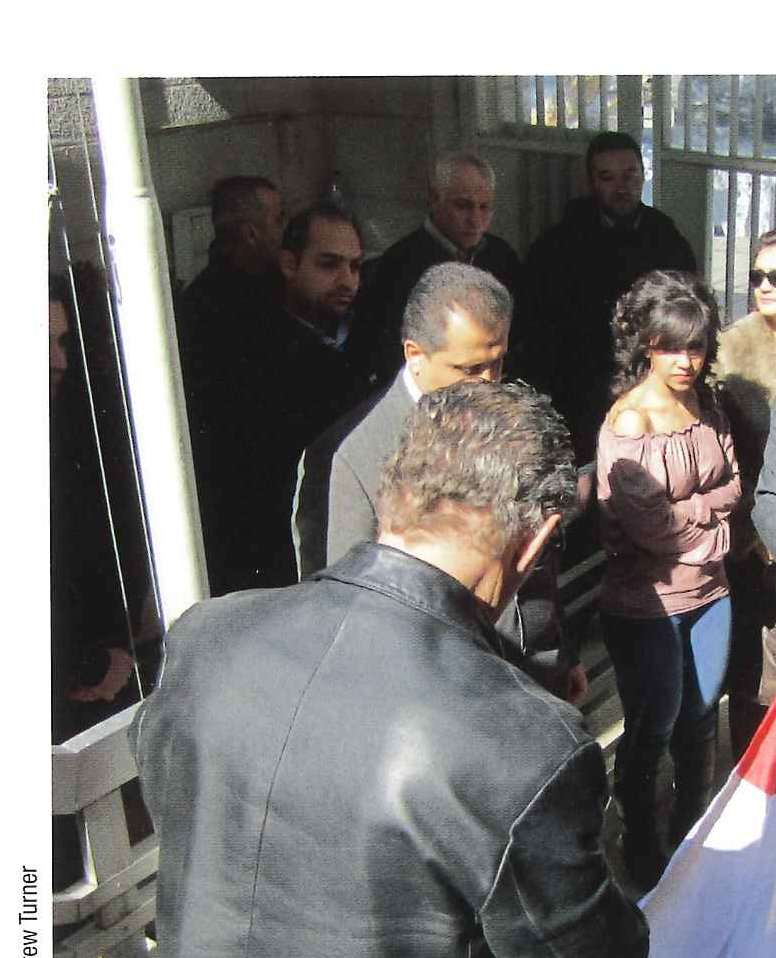
For months Damascus remained an isolated bubble, protected by the regime’s security forces; people carried on while much of the country descended into chaos. As things gradually deteriorated, many embassies started to reduce staff levels and evacuate families, particularly after a few orchestrated pro-regime demonstrators attacked several diplomatic missions, including France, Turkey, and the United States. While none of these incidents resulted in casualties or massive damage, clearly the regime could not be counted upon to respect its obligations under the Vienna Convention on Diplomatic Relations. It also imposed restrictions Damascus Immigration Section, January 2012 on diplomatic movements, effectively preventing diplomats from going anywhere in the country except for Damascus and, on rare occasions, Aleppo. Canadian and American diplomats were singled out needing special permits to travel to Jordan and Lebanon.
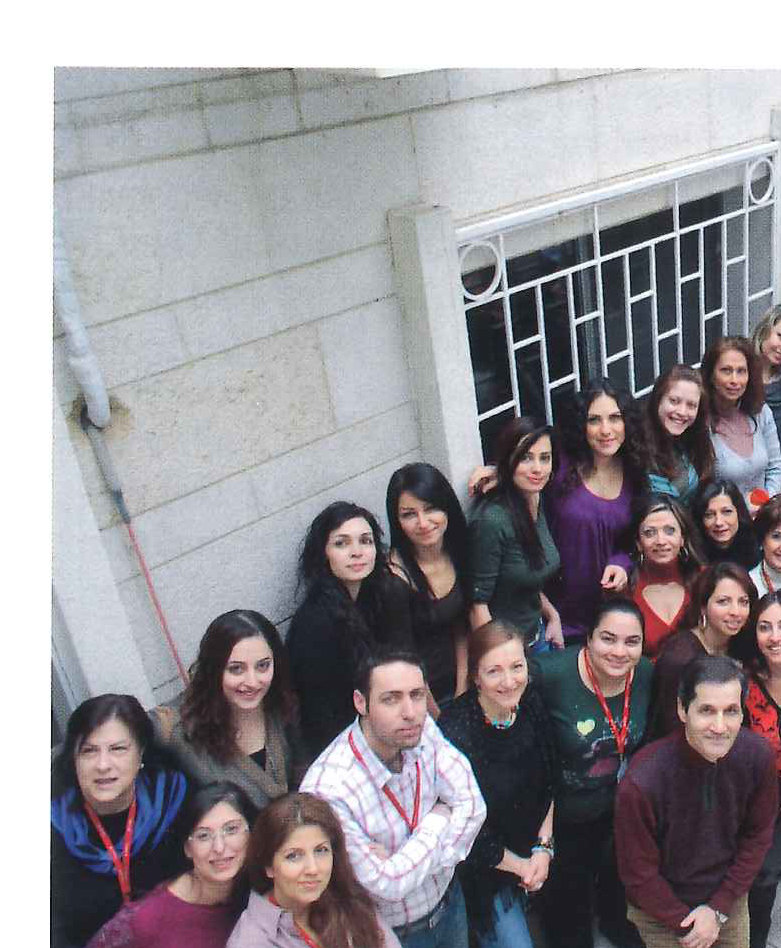
In mid-December DMCUS organized a month-long “voluntary evacuation” of Canadians from Syria. We offered extended hours and special procedures for processing documents for Canadians and their dependents returning to Canada. It was made clear that once the operation ended, the Embassy could not guarantee the provision of services — presciently as things turned out.
Later that month several large bombs exploded in Damascus, raising concerns about possible terrorist attacks (whether the opposition or the regime was responsible for the bombings remains unclear). It was significant for us given our exposed location on a major road, with very little setback to protect against car bombs. Moreover, our role as the regional hub for Citizenship and Immigration (CIC), combined with significant staff reductions at other countries’ embassies, meant that we were one of the largest diplomatic missions in Syria and a potentially tempting target. It was decided to close the CIC program and reduce to core staff by early February 2012.
By this point security deteriorated even further. I often heard gunfire during my short walk to the Embassy, and awoke to the sound of explosions during the night — still distant but drawing closer. More and more, we found ourselves placed on security lockdown. The situation prompted the evacuation of several embassies — the US, UK, France, and Switzerland. Canada decided not to linger and the evacuation of DMCUS began.
The evacuation
Fortunately our evacuation resulted from a crisis that worsened over the course of nearly an entire year giving us plenty of time to plan, organize, and practice procedures. That would not have been possible had the evacuation been triggered by a sudden, unexpected event. Advance planning helped us develop detailed contingency plans, familiarize people with unusual procedures (such as setting up alternate command posts (ACP) and using satellite phones), and identify any gaps. Details of the evacuation did not necessarily unfold as anticipated. Some scenarios (such as using an ACP) did not arise. However, with plans in place (even if we deviated from them when needed), chaos became much easier to manage without overlooking important details that otherwise could have been missed.
We will not always have sufficient advance warning to develop evacuation plans and training exercises, so more Canadian missions should prepare for such contingencies now. Planning needs to be as extensive as ours, and it is always difficult to prioritize contingency planning when we are faced with so many other competing demands, but advance preparation can literally make the difference between life and death in emergencies.
Fortunately the decision to evacuate DMCUS was made well before the mobs were at our gates. We had time to implement our deliberate closure plan, rather than the 24-hour emergency scenario. Despite this, it was a very difficult and stressful operation that would not have been possible without the tremendous effort of the embassy staff, the support we received from other Canadian missions, people at HQ, and most especially the DMCUS LES. They not only faced the loss of employment (of over 20 years for some) and much of their social network, but witnessed their country descend into chaos and were often at personal risk due to the fighting in their neighbourhoods.
Despite our advance work, the evacuation decision triggered a total effort to meet the rapidly approaching deadline. With the departure of spouses and non-core staff, DMCUS was down to 10 CBS and approximately 20 LES from a team that had numbered around 100 people prior to the crisis. We were evacuating by land to Lebanon, which allowed us to bring a lot of valuable equipment and material to our mission in Beirut — but sadly meant that we did not actually get to smash very much! That left much work to be done: dismantling equipment, shredding documents, administering LES severance packages, making arrangements for a protecting power, organizing the evacuation convoy, sorting out our personal packing, coordinating with Ottawa, continuing to monitor the situation in Syria, and countless details.
The search for sensitive materials turned up a few real surprises, including a Hezbollah flag in an old filing cabinet. Most interesting to me were old diplomatic cables (and I encourage everyone to switch to a paperless office and electronic records immediately to cut down on shredding), about Hafez Al Assad’s death and Bashar’s succession to the presidency in 2000. They highlighted the considerable uncertainty surrounding the transition but hinted at optimism about the potentially reformist new leader — even their bleakest forecasts stopped far short of the catastrophe that the Damascus Flag Lowering Ceremony, March 5, 20 younger Assad has become. There was certainly no expectation that his actions would lead to the closure of DMCUS in little more than a decade.
I developed a healthy respect for “Murphy’s Law” as things that could go wrong, frequently did. A fire alarm went off shortly after we finished shredding all the system guides/maps, forcing us to search the entire building to find the source. Once found, we could not notify anyone right away because we had already disconnected the phones! The SIM cards for several of the satellite phones intended to provide emergency communication for the convoy vehicles expired the day before we left. Our evacuation route to Lebanon nearly had to be abandoned due to a snow storm in the mountains (trapping the Swiss evacuation convoy for nearly a day). Attention to detail kept minor hiccups from becoming major problems.
To avoid any possible reaction from the Assad regime, evacuation preparations were made in secret (to the extent possible). The scale of the operation made this nearly impossible and we were not helped by some CBS posting farewell messages on Facebook. Explicit guidance on the use of social media is definitely called for: Syrian news reported our departure as we were preparing to drive away on the morning of March 5. Fortunately, the authorities chose not to interfere. Following a brief flag-lowering ceremony, our convoy set off for a thankfully uneventful drive to Beirut. I phoned my parents from the Syria-Lebanon border to let them know the evacuation was underway. It was an unusual conversation, anecdotal material for the annual family Christmas letter!
The LES and the evacuation
Our evacuation was successful, but we left the LES behind — newly unemployed in a collapsing economy facing conditions that we deemed too dangerous for us to live in. Normal staffing policies and procedures are not really designed for these types of situations. We quickly learned to cooperate closely with relevant HQ divisions (notably the Locally Engaged Staff Services Bureau) to ensure sufficient flexibility was incorporated in decision-making. Excessively rigid application of Foreign Service Directive provisions can create serious delays and inconveniences for CBS on issues of relocation, personal effects, and dependants. A similar rigidity on issues of LES severance can literally determine whether they will be able to feed their families. Happily, the support from HQ was outstanding. Between the CIC closure in January and the Mission closure in March, HQ made every effort to ensure timely decisions, immediate response to queries, early provision of severance information, flexible interpretation of policy and other action to assist the LES.
Take severance pay. Our policy is to pay in local currency but with civil unrest, or other problems significant enough to force the evacuation and closure of an embassy, it is hardly surprising to find that the local currency often loses much of its value — precisely when the price of many basic commodities is increasing. Our LES requested that severance be paid in $US to preserve its value. While our policy normally precludes it, given extreme circumstances in Syria HQ authorized such payment. This practical action sent a strong message of Canada’s commitment to our LES while acknowledging their very difficult circumstances.
As LES were let go through no fault of their own, the Mission decided not to rub salt in the wound. We eliminated the policy of individually escorting staff out of the Embassy once their employment was terminated. We sought to treat the LES as we would wish to be treated ourselves and consulted with them. They asked to be allowed to leave as a group, to preserve their dignity, support each other, and say farewell to their Canadian and Syrian friends. While key aspects of the evacuation — such as the date of our departure — were kept secret for security purposes, the LES were generally kept informed of what was happening and given the opportunity to provide input when possible. The staff literally worked up to the hour before closure and we had no issues or concerns regarding their loyalty or security. They respected Canada and viewed the Embassy experience with great affection: both the CIC staff and the remaining LES asked for group photos before closure and created a “Former Employees of the Canadian Embassy” association.
For me the three great lessons of our evacuation were: at the first sign of real trouble, plan ahead; work as closely as possible with HQ as we all wish to do the right thing; and, last but not least, treat the LES as you would want to be treated yourselves — their dilemma is almost certainly far worse than yours. As for Syria itself, once touched by its beauty and its people the nightmare of its descent into chaos remains very hard to set aside. I should like to be there the day we reopen.
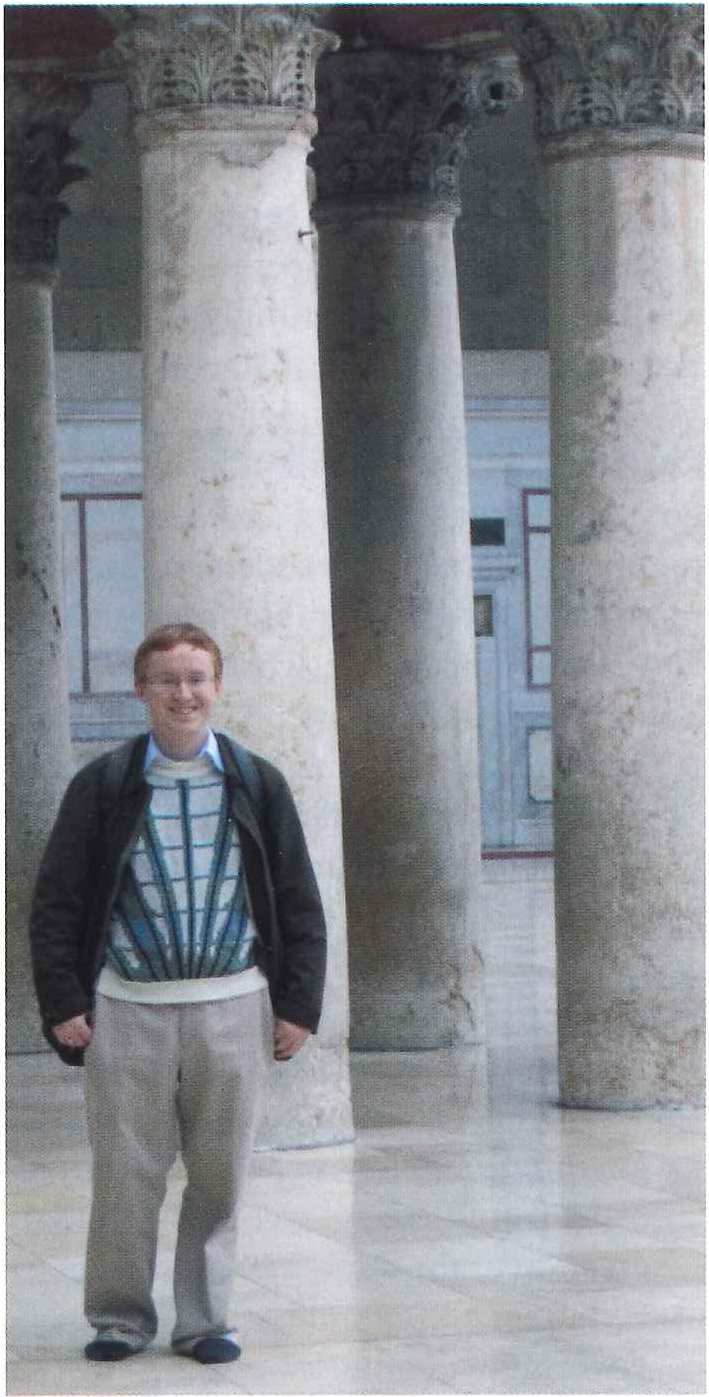
Andrew Turner joined DFAIT in 2002. He served as Political Counsellor in DMCUS from July 2011 until the evacuation on March 2012, returning to become Deputy Director responsible for Syria. He now serves in Kabul.
View the original scanned pages →
Originally published in bout de papier, Vol. 27, No. 3 (2013) — Autumn 2013 // Automne 2013, pp. 12–14. Read the rest of this issue →


