
bout de papier, Vol. 16, No. 4 (1999-2000) — Winter 1999-2000 // Hiver 1999-2000, pp. 14–19
“So, why did you join the Foreign Service?” “Well, I really wanted to travel and work overseas.” Sound familiar? Most of us never realized that our first tour of duty would be right here at home – a three-week “study tour” of Canada. In keeping with the Canadian
Foreign Service Institute (CFSI) tradition, a group of bright and shiny new ESs and ASs (one of whom was admittedly not so new, but still very bright and shiny) naively set out, expecting a long series of meetings interspersed with interesting new hotel rooms and flight cabins. It turned out that we were partially correct: there were many hotel rooms, some more interesting than others, and lots and lots of airplane cabins. As to the rest, well, we were in for many surprises….
The first surprise occurred during the planning stages. Although many of us have planned visits and prepared briefing books for our colleagues and superiors, having our fate in our own hands was somewhat daunting. Part of the CFSI mantra is that the planning stage is at least as important as the trip itself, and perhaps even more so, as we spent several months under threat that the trip might be cancelled due to possible budgetary problems, negative press or simple displeasure with our preoccupation with said trip during other segments of CFSI training. We quickly realized that the purpose of the cross-Canada study tour was to expose us to as many facets of Canada as possible in a three-week period, which made our first challenge to figure out what (and whom) to see and where to see it (or them). With this in mind, we set out to design a varied, sometimes eclectic, often exhausting, programme that would permit us to “experience” Canada. With a diverse group of ten members, this task was akin to “herding cats,” as an unnamed participant was overheard to say, but it was, in the end, successful and educational. There was, however, a general air of relief when everyone arrived at the Ottawa airport at the correct time, with luggage and briefing books in hand, ready to face the unknown.
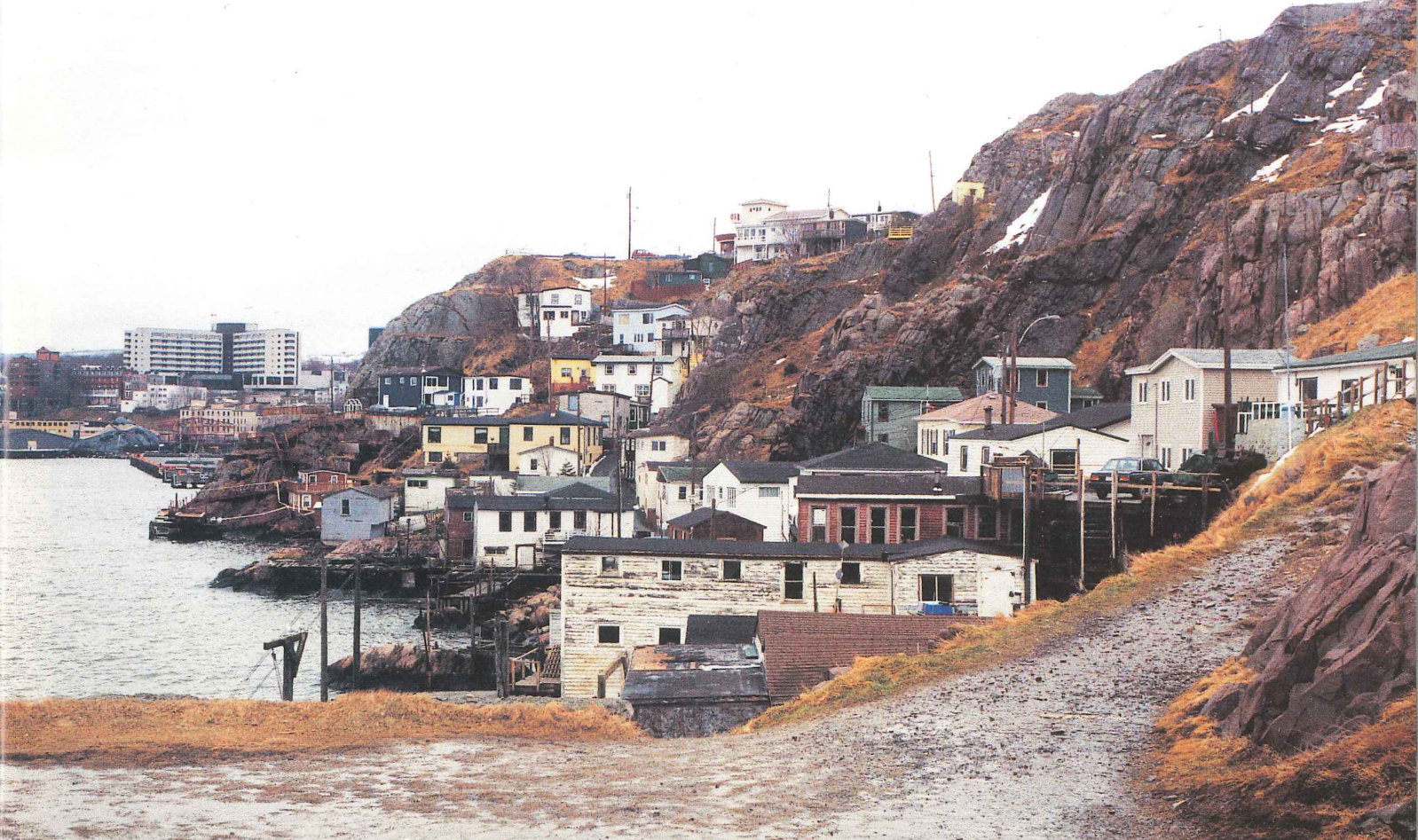
Our successful arrival in Newfoundland was celebrated by a late night jaunt on George Street, followed by waking up the next morning (OK, afternoon) to discover our first “Canadiana” fact — it rains horizontally in Newfoundland. Several in the group weren’t convinced by simple dry observation, and decided to experience horizontal rain by going hiking in it. Their conclusion: horizontal rain is as wet as the vertical stuff. In all fairness, most of us did eventually venture out because the pull of Newfoundland’s stunning scenery is simply too great to resist. We spent the rest of our stay going about our meetings, discovering that icebergs are carbonated, eating wonderful fish dinners and getting an interesting feel for the flavour of the province. One example of this was our being “screeched in,” a venerable Newfoundland tradition involving a particular type of rum and a wooden puffin. Enough said.
Moving along, our group found itself in Quebec. Although this was one part of the country that most of us were relatively familiar with, we found our experiences eye-opening. For example, we met Tran Trieu Quan, who discussed his time as a prisoner in Vietnam. We also went to, among other places, Hydro-Quebec, Archambault prison, and had a 5à 7 with Les Deux Mondes, an extremely talented, but quite eclectic, theatrical troupe. If you can find a logical correlation among these, then you are either quite brilliant or have a particularly vivid imagination. This mixture of events, though, is representative of the study tour. The very diversity that makes these meetings seem rather discordant, is what increased the value of the tour as a whole. We were seeking an overview of Canadian society, and while we could have made literally a million other selections in a city like Montreal, these events gave us the chance to see a unique cross-section of the population in a very short period of time.
Quebec was the only location where we took ground transportation in order to cover any significant distance, from Quebec City to Montreal. Now it is true that Via Rail on the Quebec City- Windsor corridor is not exactly the most exciting mode of transport in the world, but one major advantage of trains (or buses or cars or even horses) is that you can get a true sense of the size of the country. By simply flying from point to hat the vastness of Canada point, we felt that the vastness of Canada was somewhat diminished – although we did become intimately familiar with the Canadian in-flight magazine for April 1999.
Our next major destination was the geographic heart of the country, Winnipeg. En route, we stopped briefly in Toronto for an unusual look at an otherwise very familiar airport. As part of our visit, we were allowed to go “airside” — onto the tarmac at Pearson International Airport. Have you ever had to yield to a plane?
I don’t think any of us, except our one native Manitoban, was quite sure what we would find in Winnipeg. The contrast with Toronto and Montreal was rather startling, and for that reason it is possible that some of us were a trifle harsh in our judgements of the city, which we found very illustrative of the differences existing among Canada’s urban centres. Once again, the mix of meetings was varied, ranging from the Laboratory Centre for Disease Control’s new Level TV bio-containment facility to an intense debate on journalistic (and general) ethics with the CBC’s Ross Rutherford.
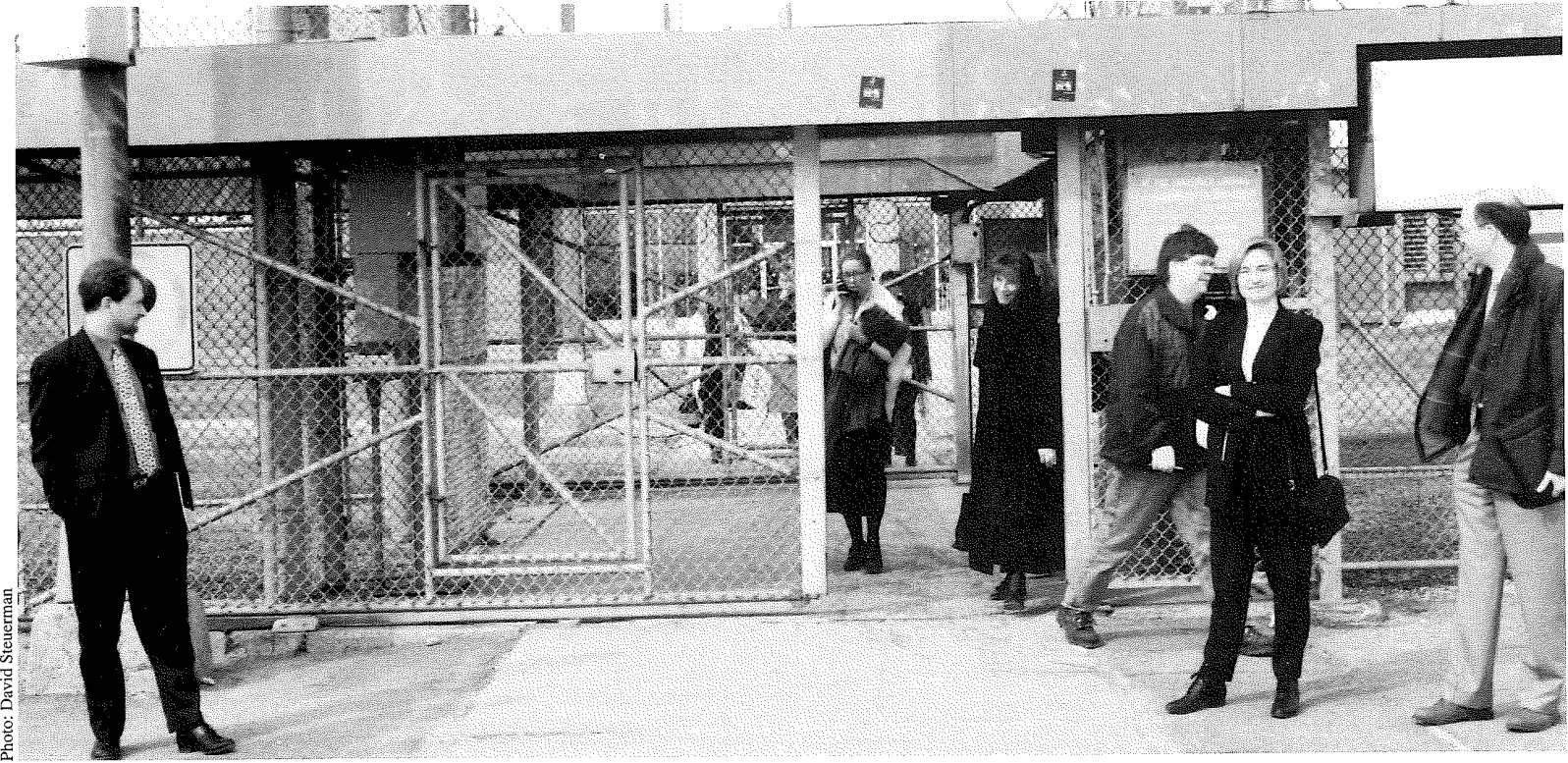
One other event deserves special mention. On our last night in Winnipeg, we visited the Stony Mountain prison in order to take part in an aboriginal Healing Circle. Admittedly, a few of us were a bit apprehensive about the whole scene, and there was a slightly surreal air to the experience.
As one member of our group put it, “there was our group, fifty muscled prisoners, one locked door, and no guards.” Despite that original reaction, the atmosphere was oddly relaxing and definitely the most powerful experience that I think any of us had during the tour. The idea behind the Healing Circle (or Sacred Circle) is that a feather is passed from person to person, and whoever holds the feather at that moment has the right to speak his or her mind, uninterrupted. Listening to some of the stories of what these men have gone through was more than enough to put any of our small concerns into perspective. We were allowed to introduce ourselves and found everyone to be very typically Canadian in their politeness. Nevertheless, I was very aware of the fact that I was in the middle of a different culture just as surely as when I had been in Japan or China. I realized something else when the members of the circle gave us the chance to hear a couple of their songs. In this prison, a place most of us would do anything to avoid, these people, who had lived in many cases truly horrendous lives, both in terms of what was done to them and what they had done in turn, had come to realize who they were. This says something about our country and society, something we should not, perhaps, be particularly proud of. But this is another value of the tour — it allowed us to see this magnificent, beautiful, and sometimes troubled country through the eyes of others.
From Winnipeg, we went west and north to Yellowknife. One stipulation for the tour was that, among the three groups formed out of our class of thirty, we would touch every province and territory. The other two groups, therefore, went to Whitehorse and Iqaluit respectively, while we drew the Northwest Territories. Like a number of the places we visited during the trip, Yellowknife had the feeling of being an outpost in the middle of nowhere. I began to get the feeling — reinforced by observations from our Manitoban — that, outside of the biggest cities, Toronto, Vancouver, Montreal and perhaps Calgary, the “outpost” feeling is probably the norm for most Canadians, contributing to the sensation of being left out of the decision-making loop. This may help to explain the extremely positive receptions that we received throughout the trip, not least in Yellowknife. Again, the meetings were with an interesting mix of companies and people working in cultural affairs or government. An example of the former was a company called Coynet which specializes in making coin-operated Internet providers. An example of the latter was a meeting that was held with BHP/Community Mobilization, which provided an insight into how business and social development can work together for the benefit of all.
It all showed us that pre-existing notions of Canada’s regions do not always hold true, even among Canadians who should know better.
A number of us were also able to get out of Yellowknife for at least part of one day. Along the upper portion of Great Slave Lake there is a road called the Ingraham Trail. John Diefenbaker’s dream had been that this route would “link the north”, providing ground access between Churchill, Manitoba and Yellowknife. Unfortunately, like so many other dreams, this did not get translated into reality, and the trail terminates rather abruptly some 75 km outside of Yellowknife. Nevertheless, it did give us the chance to see the real Great White North, which was well worth the effort. After a fairly icy hike, not recommended in trench coats, and a couple of impromptu luges, we found a small but stunning waterfall coming through a sheet of ice and snow. We didn’t really encounter any significant wildlife while up north, but we more than made up for that with our imaginations. Virtually every bird, squirrel or faint rustle in the bush had the possibility of being a bear!
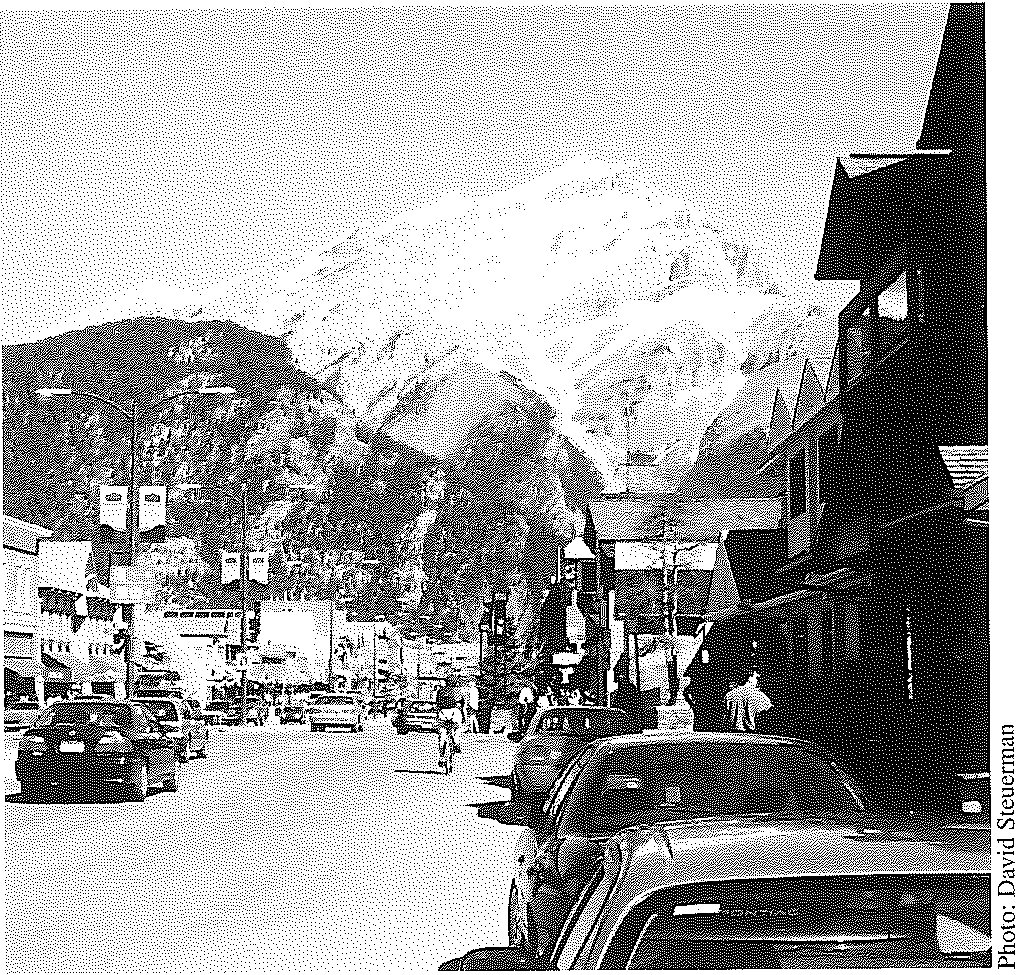
Calgary was the next stop, an extremely lively and vigorous city. I was surprised at how dynamic the city was, although I imagine that the old cycle of boom/bust must have been quite hard on the average Calgarian. A number of the meetings held in Calgary indicated that the city is trying to refocus and get away from its traditional dependence on resources. Our impression was that it is definitely succeeding. One eye-opener for the non-sports fanatics in the group was a meeting with Harley Hotchkiss, owner of the Calgary Flames, which provided a glimpse of how deeply ingrained hockey is into the culture and social fabric of thousands of Canadians, a timely discussion considering the recent debates on hockey’s future in Canada.
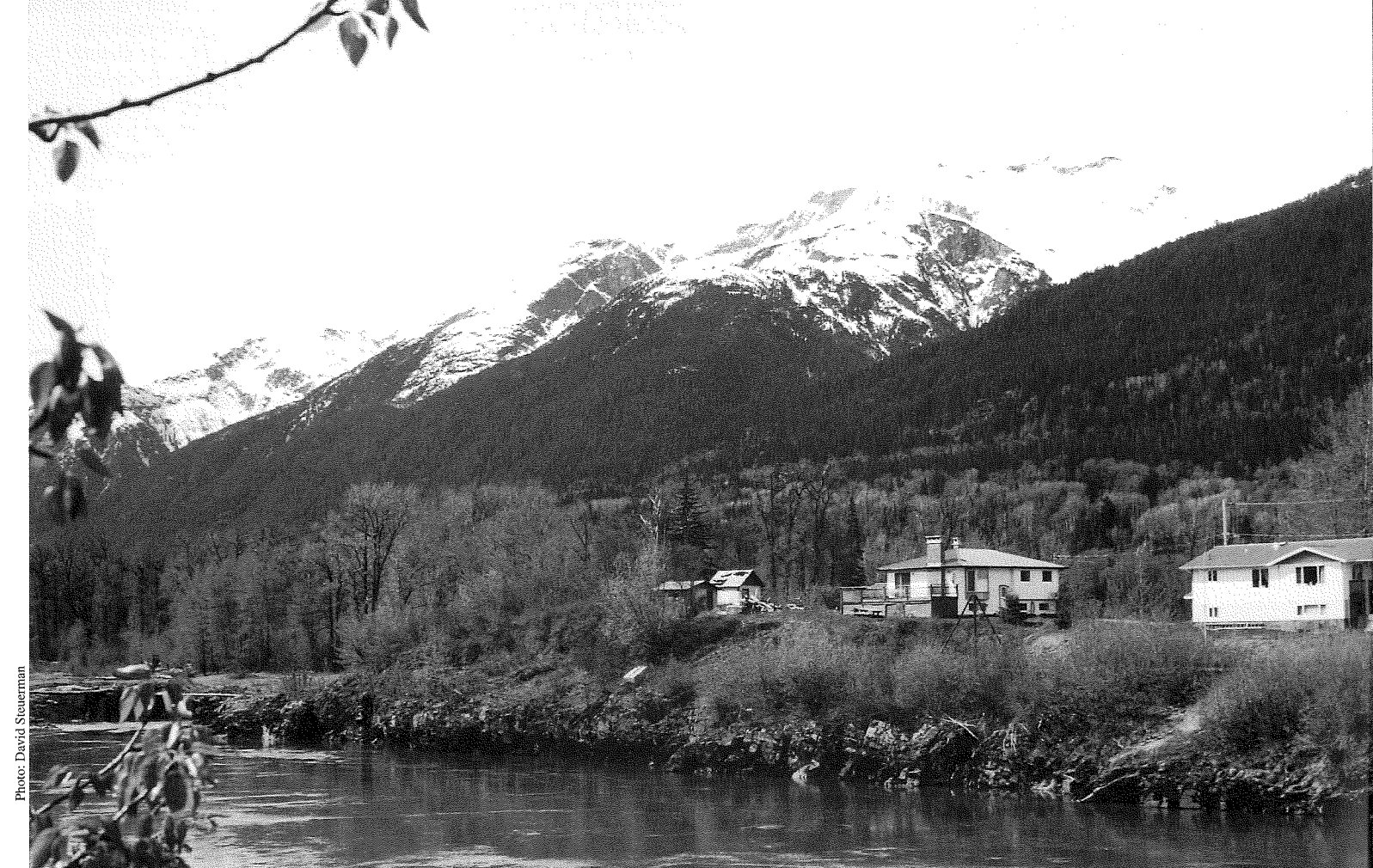
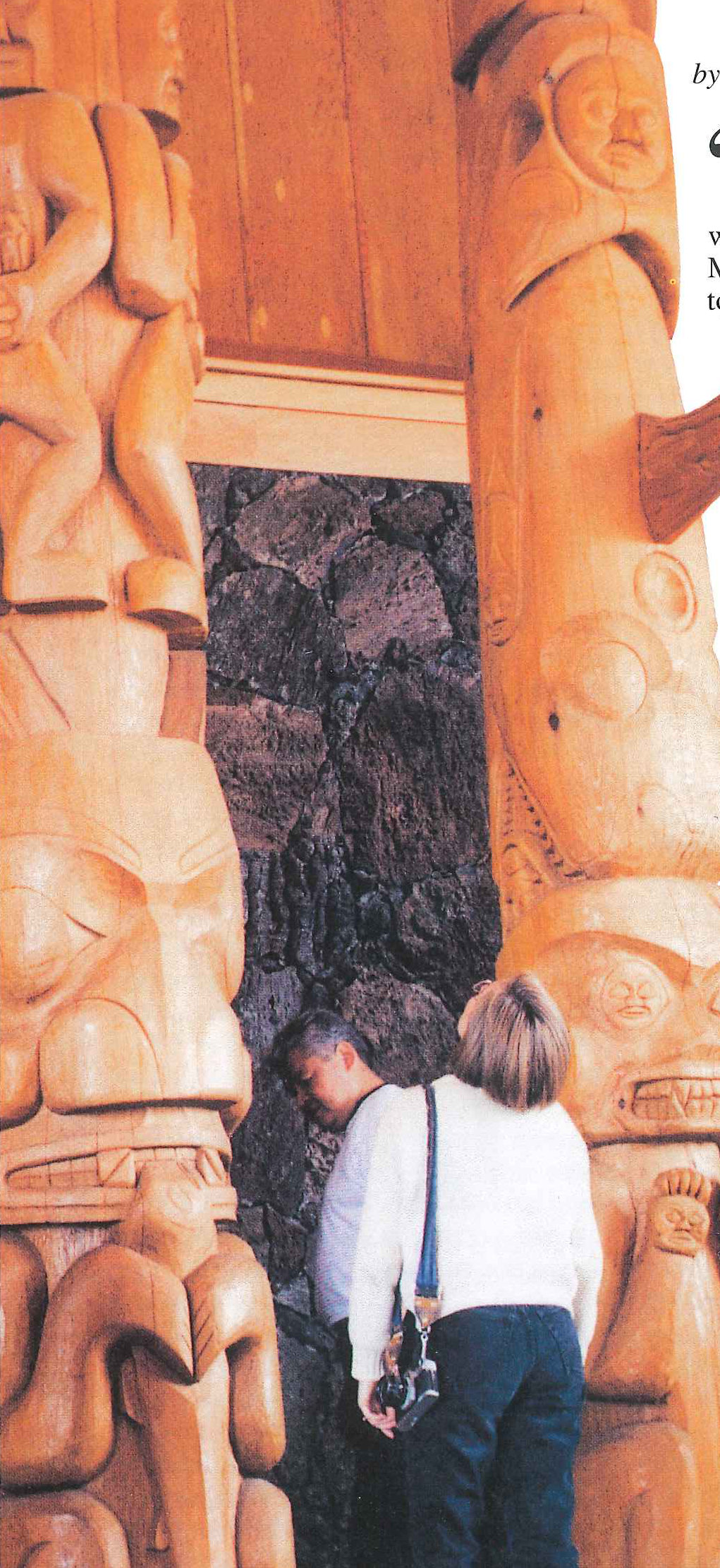
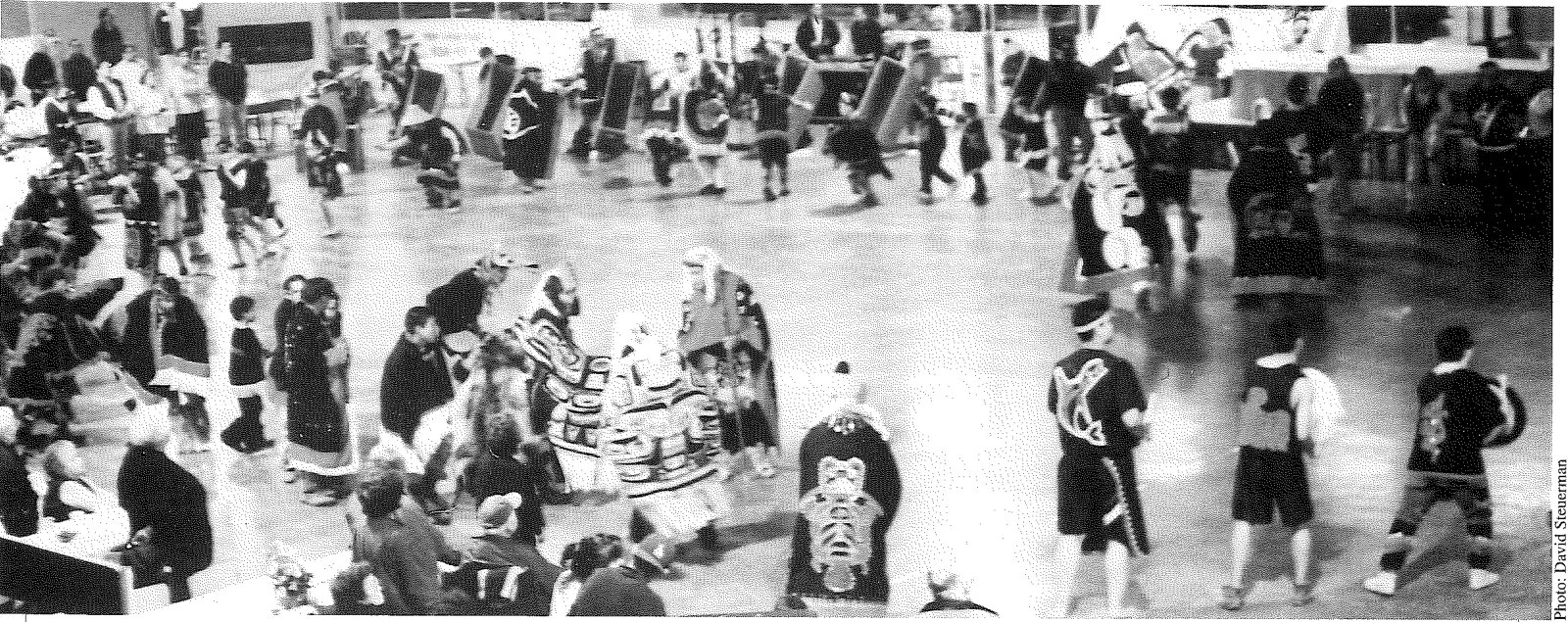
Perhaps the most unusual portion of our tour was Terrace and the Nisga’a territory. The Nisga’a were made famous because of their recent success in concluding a land-claims deal with the BC provincial government, the first of its kind in Canada. Upon arrival, we had the chance to drive around their territory (some 2000 km2, a large area, but only a fraction of what had been claimed as their traditional lands). Once again, the scenery was absolutely breathtaking, particularly an extensive lava flow, the result of a large volcanic eruption some two centuries ago. One distressing note was the level of forestry activity that was taking place. On our way to New Aiyansh, the main Nisga’a village, we passed a large number of fully-laden logging trucks. It was also possible to see vast swaths of white snow, seemingly like bandages, on otherwise heavily treed mountains. Although as Foreign Service officers we all appreciate the importance of the forestry industry, both to B.C. and to Canada as a whole, the evidence of this kind of clear-cutting was still rather disturbing.
Nisga’a were not thrilled either by these logging practices. Their hope is that by regaining control of their lands they can regulate the extent and to some degree mitigate the effects of the logging. Nonetheless, they struck us as being economically savvy enough to realize that logging represents development, and that their resources are eminently usable.
The Nisga’a celebration was wonderful to see and participate in, not only because of the honour of being allowed access to this somewhat isolated world, but also because it showed evidence of a people rediscovering themselves on their own terms. This is not to say that what we saw was perfect. The Nisga’a were the first to admit that much needs to be done in order to improve their situation, but what we saw was a start.
Vancouver was our final stop, another day of meetings and yet another perspective on the enigma that is Canada. At this point we found that we had run out of country and it was time to come home. For a lot of us, it will take some time to digest fully what we saw, learned and experienced. Three weeks to see a country of this size is a huge challenge, even a for a determined tourist.
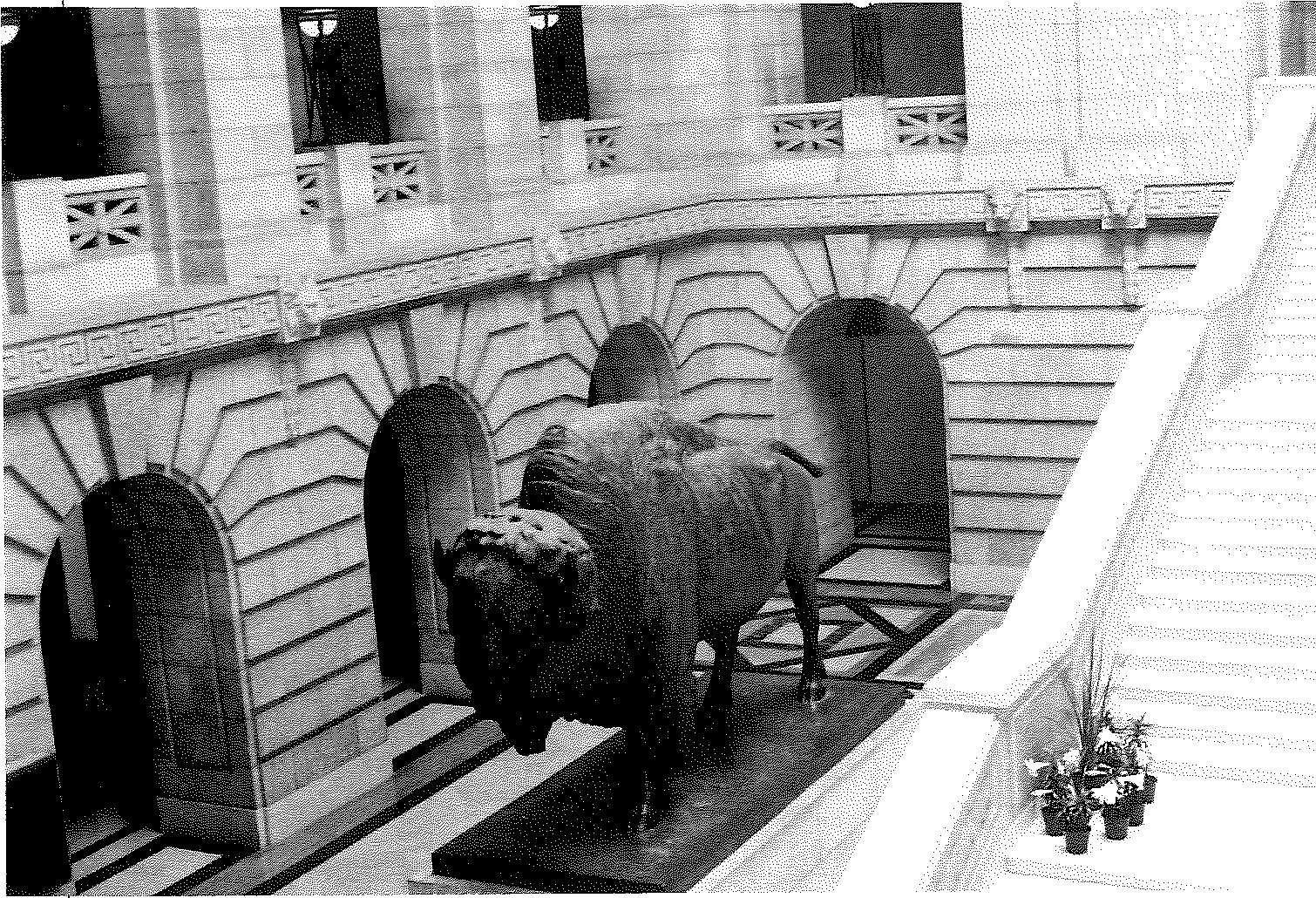
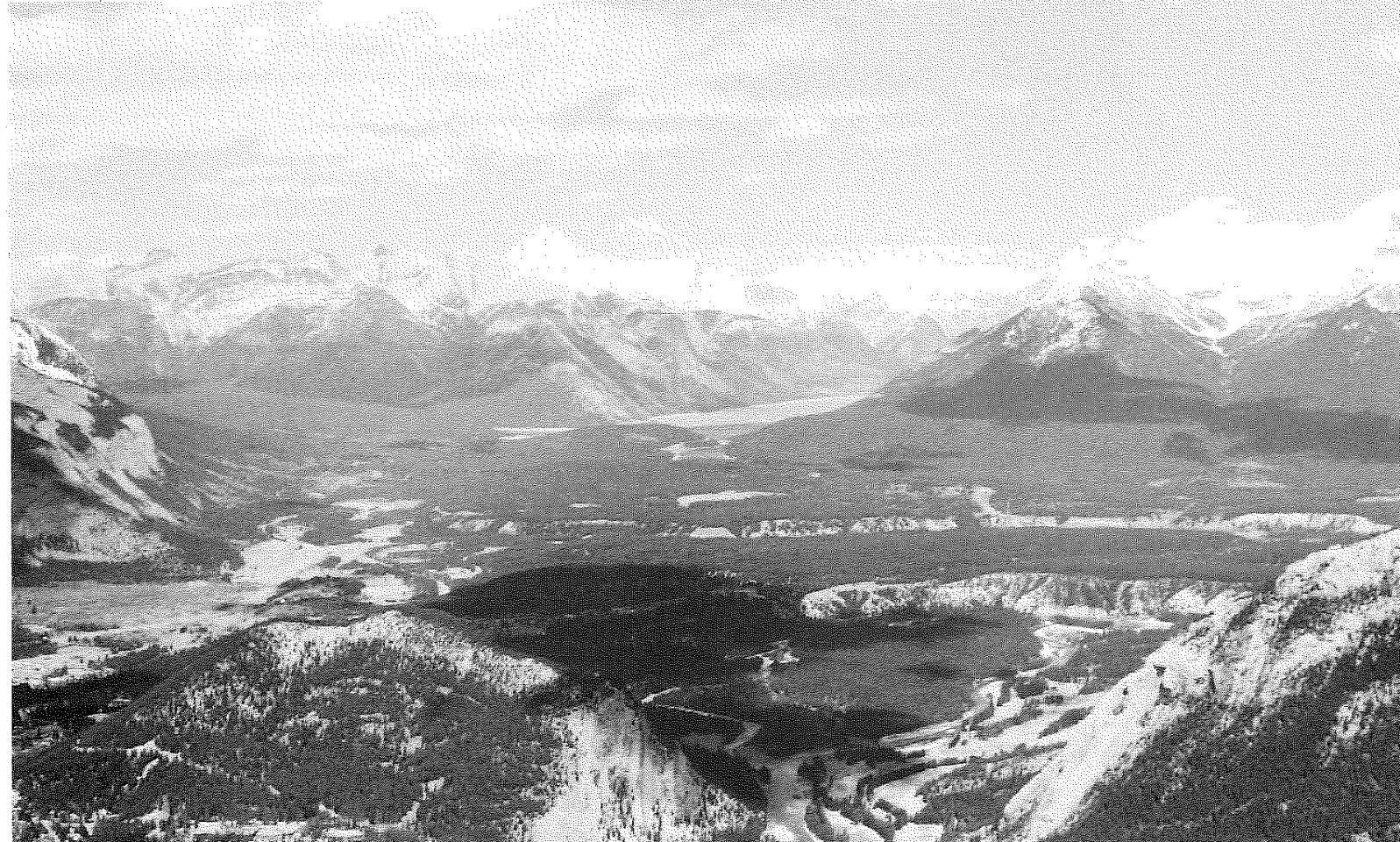
Add in the necessity of attending an average of four or five meetings per day, and the result is an exhilarating, but totally exhausting trip. Nevertheless, without any doubt, it was worth every minute and every penny to the department. It has made all of us realize that there is life outside our own personal neck of the woods/acre of prairie/stretch of beach/city block/mountain, and that every region of this country has a tremendous amount to offer. What better representation can a country have than an FS or AS abroad, going misty-eyed as he or she recalls running away from imaginary bears in the NWT, or nearly getting swept off the rocks in Cape Spear, Newfoundland, or almost falling off a mountain in the Rockies, or being tongue-tied when handed a “talking feather” in a native healing ceremony, or wandering through the imposing legislature halls in Winnipeg, or watching an experimental piece of theatre while drinking wine with the artists in Montreal, or … well, you get the idea. artists in Montreal, or … well, you get the idea. Some say it’s a junket, some say it’s a waste of taxpayers’ money and our time, some say it’s more trouble than it’s worth. In response, I would ask what we, as Canadians and as employees of DFAIT, want and expect from our officers abroad. If the answer is someone who knows and truly appreciates his or her country, and can well represent all Canadians from all regions, then the value of the cross-Canada study tour cannot be in doubt. Now about that puffin….
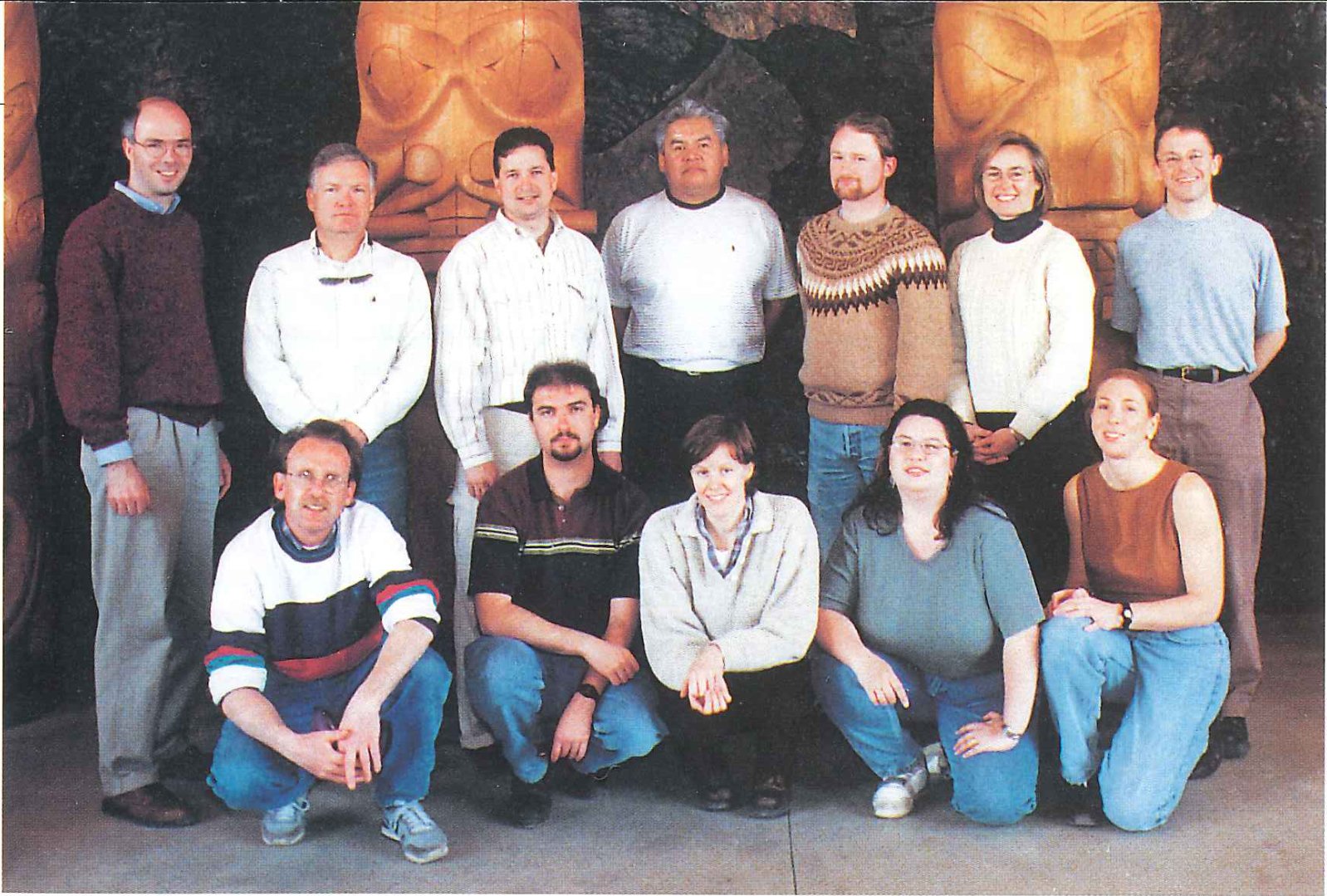
David Steuerman (Trade Commissioner currently in Japanese training) was the tour travel coordinator and Toronto coordinator with Amanda McNaughton (Trade Commissioner currently posted in Washington) who was the Manitoba provincial coordinator and put together the final trip report; Christopher Hull (Political Officer posted in Algiers) was the overall trip coordinator and NWT territorial coordinator); Allison Phillips (Political Officer working in Toronto at the International Trade Centre) put together the briefing materials used during the trip); Stephen Goddard (Management and Consular Officer currently working in JAM) managed the group’s finances); John Roxburgh (Trade Commissioner working in URT) was the Newfoundland provincial coordinator); Kathy Bunka (Political Officer posted in Accra) was the Quebec provincial coordinator); Karen Garner (Trade Commissioner currently stationed in Johannesburg) was the Alberta provincial coordinator); Robert Gaulin (Agent, Gestion et service consulaire qui est en affectation a Harare) s’est occupé du territoire Nisga’a); and, last but not least, Joshua Hodgson (Trade Commissioner working in Taipei) was the coordinator for the Vancouver area.
View the original scanned pages →
Originally published in bout de papier, Vol. 16, No. 4 (1999-2000) — Winter 1999-2000 // Hiver 1999-2000, pp. 14–19. Read the rest of this issue →



