
bout de papier, Vol. 24, No. 3 (2009) — Summer/Fall 2009 // Été/Automne 2009, pp. 4–7
f Canada’s Foreign Service Officers were to be described as the heart L. the Department of Foreign Affairs and International Trade, then the Communicators, who kept the various elements linked, must surely be seen as the arteries which ensured safe and secure links between the different departmental outposts.
DFAIT no longer has a traditional Communicator category. But in their heyday, these men and women ensured secure contact between Departmental headquarters and the constituent elements scattered around the globe. Today, with SIGNET, which communicates as instantaneously and easily with the office next door as an Embassy located on the other side of the world, it is hard to fathom just how much effort went into maintaining often precarious communication links between the different units which made up the Department in an earlier era.
During the early years of the Department there were only a handful of Canadian missions abroad and they relied on the British Diplomatic Wireless Service and Diplomatic Courier Service for much of its communications. At that time encryption was by way of a book cipher — a tedious system — which involved looking up a word or letter in code books and recording. them as five-number groups which were then subtracted from another five-number group.
Although time consuming, the benefit of the One-Time Figure Pad was that, without access to the pads themselves, it was unbreakable. The encrypted messages themselves did not, therefore, need to be specially protected. Until the late 1960s, Communicators in some overseas missions continued to use this system and took the encrypted messages to the local telegraph office for transmission to Ottawa. Because the messages could be miscopied in the telegraph office or at any subsequent transmission centre, they did not always arrive in Ottawa without some corruption. As secure as it was, the Communicators were happy to see an end to reliance on this system.
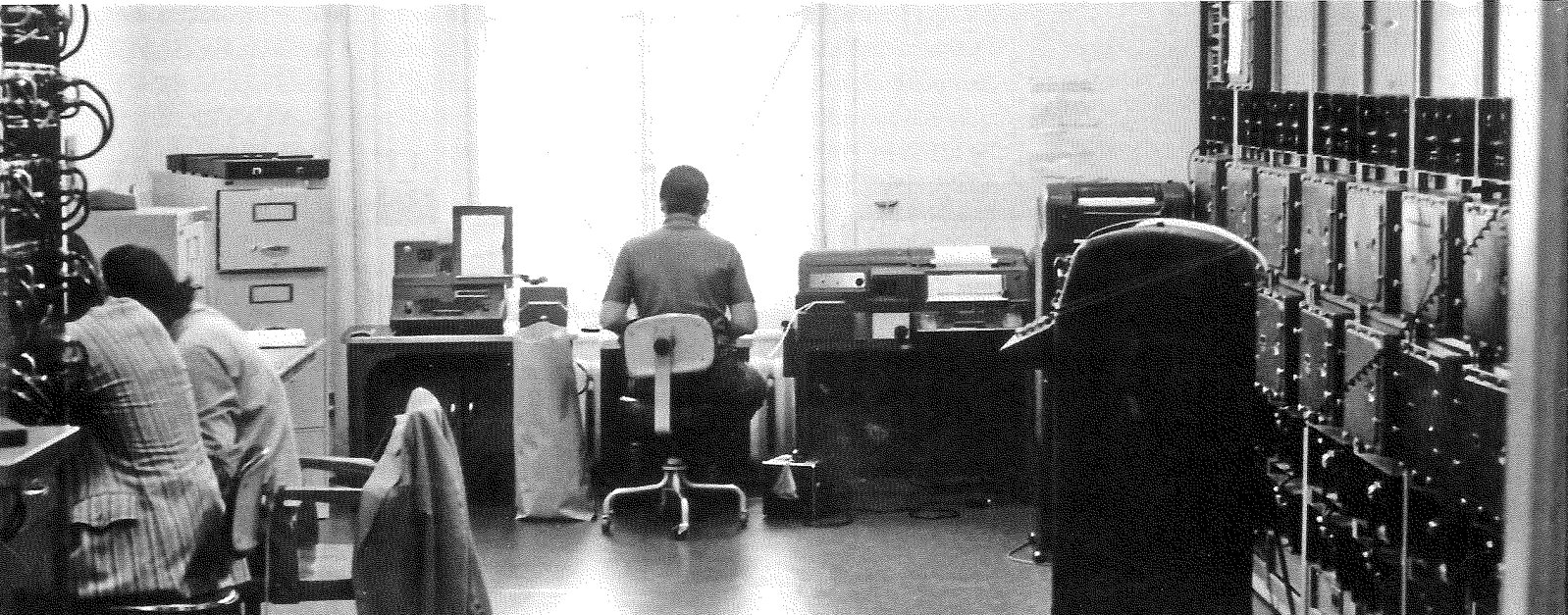
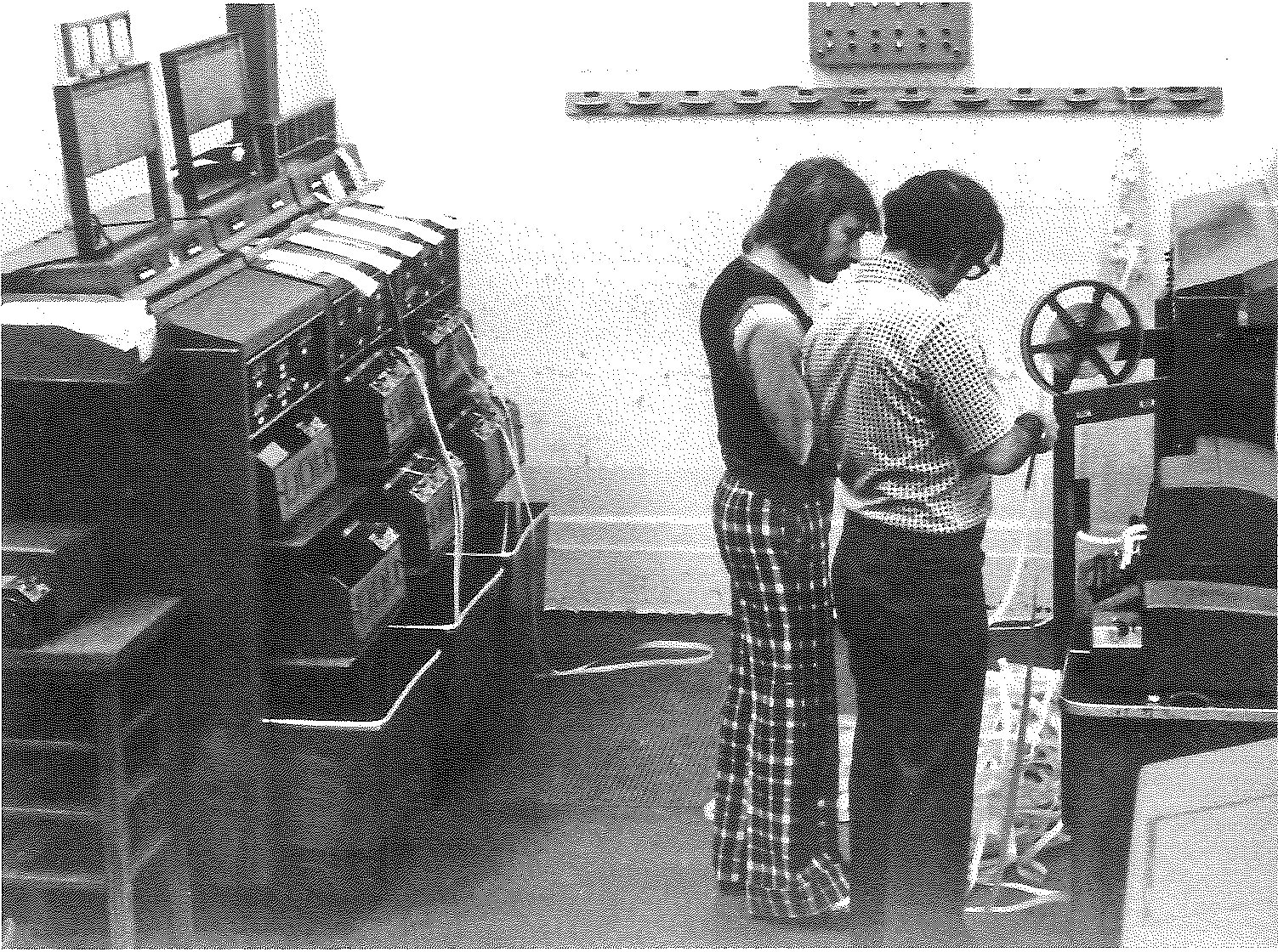
One of the earliest encryption machines used by Canada was the Typex, which came into service in 1946. Roughly analogous to the better known German Enigma, the Typex had the advantage of printing out an encrypted and plain-text copy of the message simultaneously while the Enigma simply lit up the appropriate encrypted letter to be recorded by an assistant. Later, the Rockex — a more secure system perfected during the war by Benjamin Bayly, a Canadian working for the British Secret Intelligence Service — came into use.
A peculiarity of the earliest Typex machines used was that they eliminated all vowels. This shortened messages and increased errors as receiving communicators had to guess at words which might have been misspelled or had had letters transposed. By the 1960s this oddity of the Typex had been remedied. The Typex, for unknown reasons called the “Iron Chinaman,” went out of service in 1971, with possibly the very last one maintained in Saigon by Raymond Fortin.
The Rockex, not only more secure but also simpler to operate, came into common use in the late 1940s with an amazing communications rate of 60 words per minute. During the Second World War, the Rockex had been restricted largely to highly sensitive messages and used by the HYDRA communications hub at Camp X in southern Ontario for intelligence exchanges between Britain, the US, and Canada.
Early communication efforts remained small and informal. Prime Minister Mackenzie King himself could sometimes be seen walking the 100 feet down the hall of the East Block of Parliament to inquire whether a reply had been received to a message he had sent earlier.
The first formal communications centre was introduced in 1946 under Stan Daly with a handful of communicators and some technicians, mostly, then and later, from the Armed Forces.
Before the early 1950s, secure communications with all but the largest missions in any other form than through diplomatic bag was unusual. In 1954, Lester B. Pearson, Secretary of State for External Affairs, launched a program to provide all but the smallest missions with cryptographic equipment to facilitate communications when speed was of the essence. He was responsible for placing communications on a more modern and sophisticated level.
To support and implement the modern, more sophisticated communications structures that were called for by the mid-1950s, the Department brought in Colonel Bill Lockhart, a retired army signals officer, who became the first Director of the Communications Division. He was tasked with modernizing and institutionalizing communications, something he accomplished through a growing network of leased Telex circuits. He periodically threatened to resign whenever Departmental accountants balked at his demands for resources and cut off his funds. Invariably, Lockhart was reinstated when the political divisions revolted over interruptions in safe and reliable communications. Lockhart expanded departmental communications capabilities from a few words per minute during the Second World War to routine 10 to 15 page telegrams, which earlier would have had to be sent by diplomatic bag.
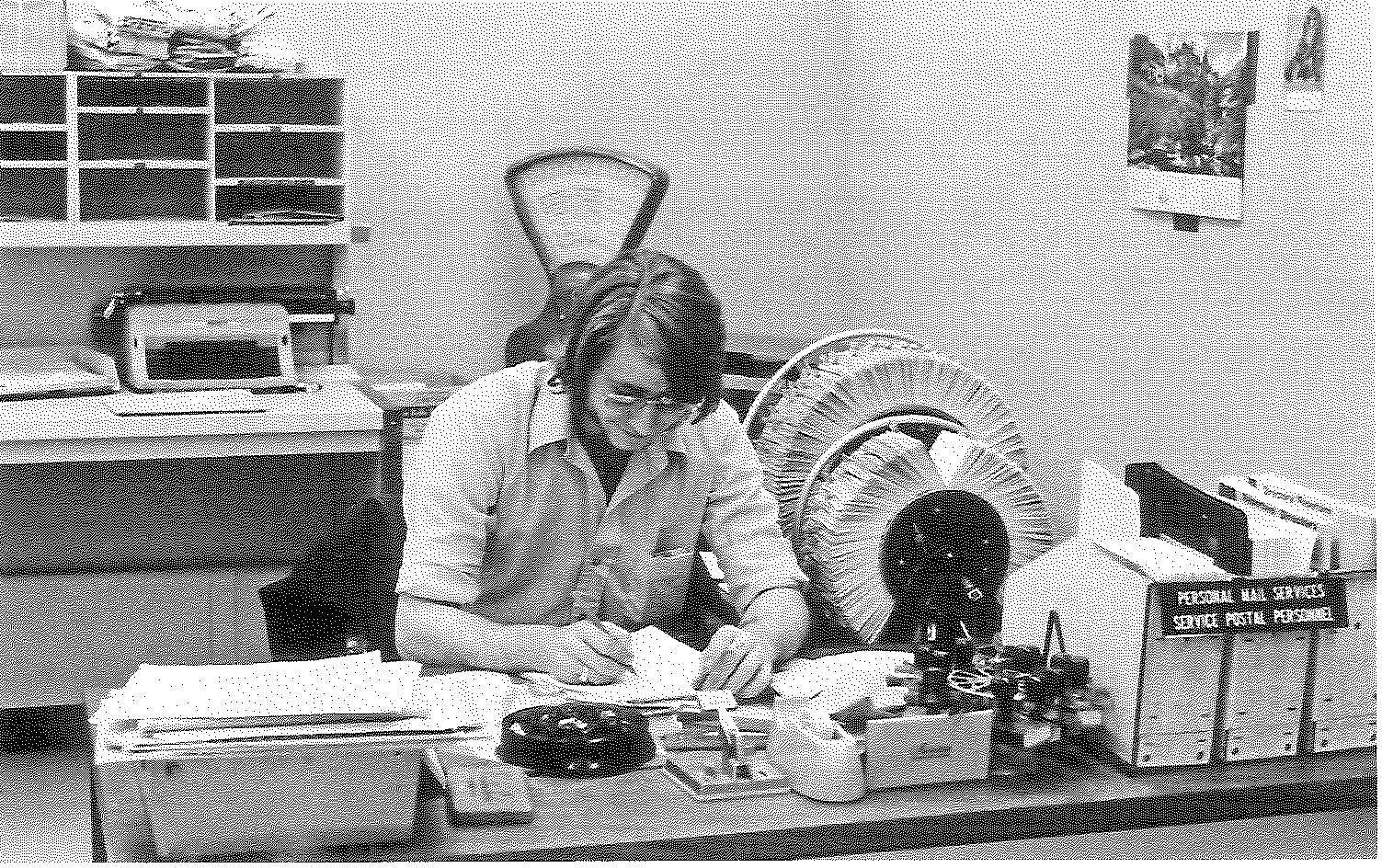
Increased communications necessitated the constant delivery of secret keying material to the Canadian missions abroad. To end the dependence on the British courier service, which was not free, Lockhart started a global Canadian Diplomatic Courier Service. He also began to send technicians to the British technical service to master the secret art of sweeping Canadian embassies for clandestine listening devices. As Canadian expertise evolved, sweep teams would arrive at Canadian missions, particularly in Eastern Europe, to conduct electronic and destructive searches for hidden microphones. Rarely did they return to Canada empty-handed.
The Lockhart era lasted until 1966 when he was forced to retire because of the then-mandatory age limit. In his 10 years at Foreign Affairs, Lockhart had established the communications division as a dependable core service, had created a Canadian diplomatic courier service, and launched a technical section capable of ensuring limits on intrusive listening devices in Canadian missions. From his time with the Department, communications became a vital core institution which continued to evolve and were increasingly viewed as an essential service.
The Telex circuit system, which Lockhart had introduced, lasted until 1974 when it was replaced by the Ottawa Communications Automated Message Switch (OCAMS) which began with 64 circuits, insufficient to handle all Canadian diplomatic communications, but a great advancement over what had gone before.
The OCAMS was replaced by the New Ottawa Communications Automated Message Switch (NOCAMS) in 1978. NOCAMS operated with 512 full duplex circuits and was capable of servicing the breadth of Canadian diplomatic representation abroad. In the space of 30 years diplomatic communications had advanced from 10 words per minute to an average of 20,000 messages per day, some running to many pages, without exhausting the capacity of the system.
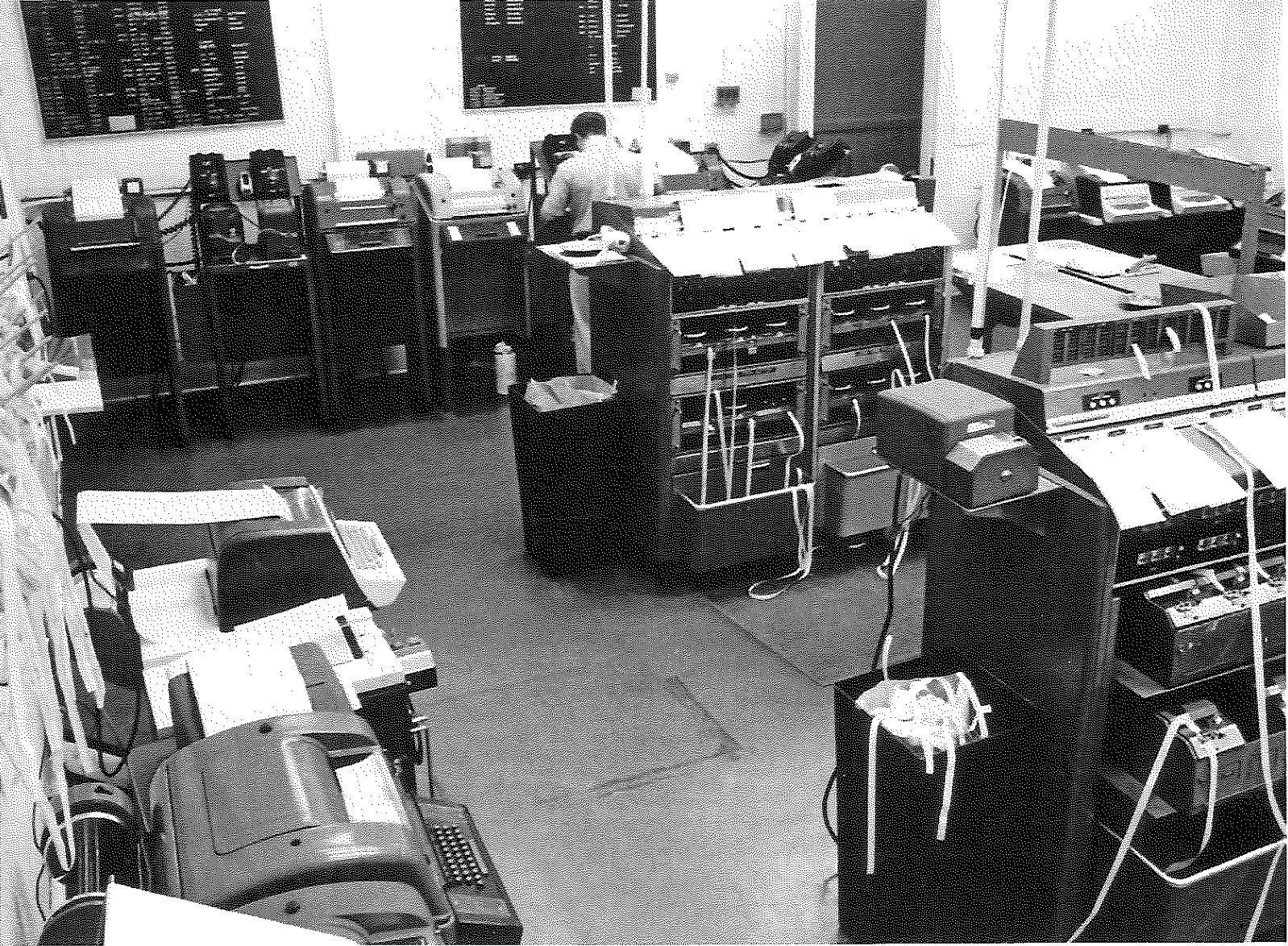
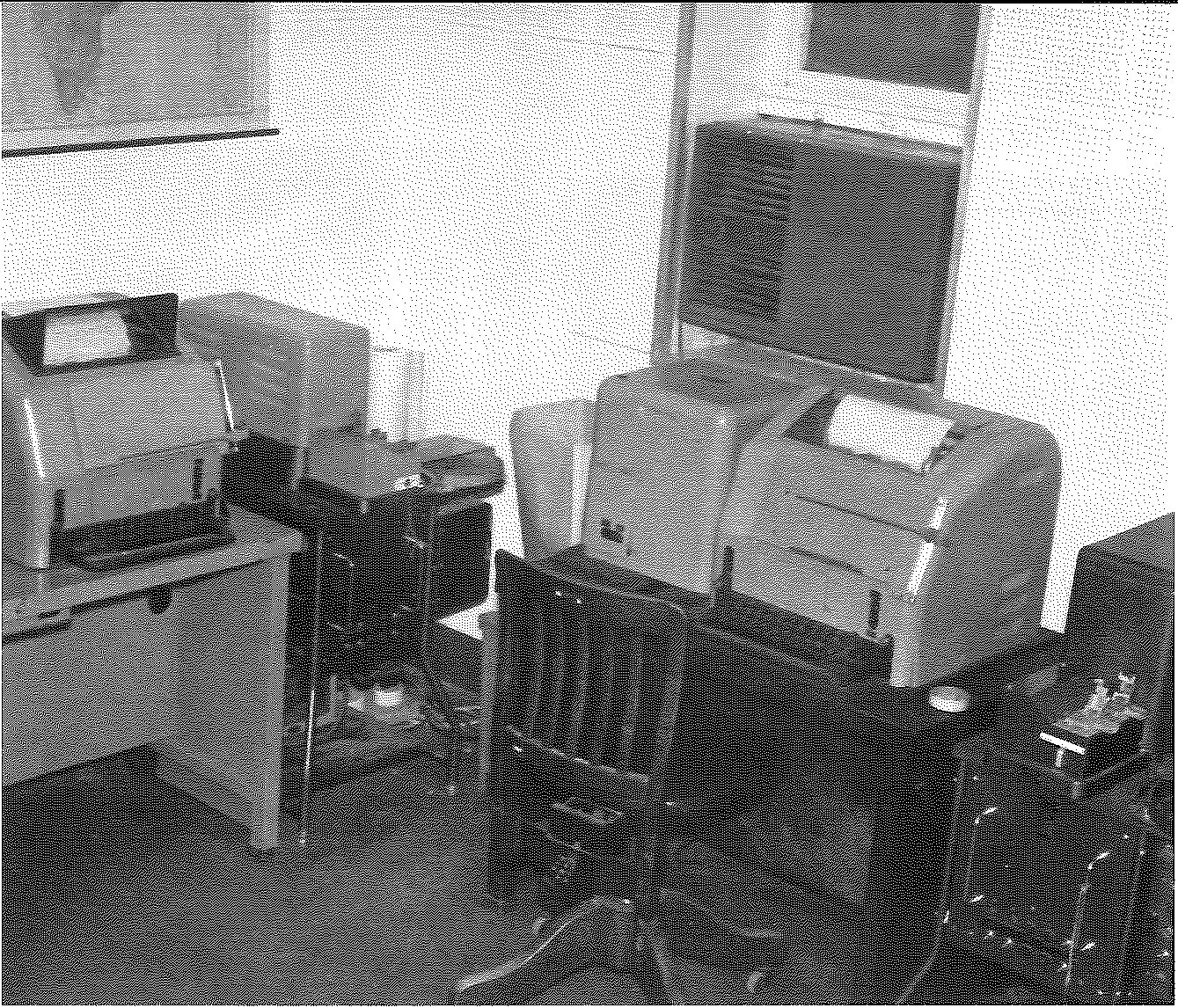
As the NOCAMS system completed its life cycle in the early 1990s, there followed the Canadian Online Secure Information and Communications System (COSICS) era. Intended to provide worldwide desktop secure communications, COSICS was outrageously expensive ($56 million just to develop) and was only ever installed in North America.
The NOCAMS continued to serve (and serve well) the non-North American missions while COSICS maintained its unbroken record of consuming money. At 1830 GMT on August 18, 1997 NOCAMS ended its life when the last message was received by controller Tom O’Quinn — a moment recorded in the lore of the Department’s communicators.
Replacing NOCAMS was SIGNET which had first been introduced in 1992 and was deployed to all missions in 1995. SIGNET provided a more secure communications system. Communications had become desktop and the Communicators had become history. Replenishment to their ranks ended. “Term” Communicators, who had been hired some years earlier, ensured a smooth transition to the new epoch. In 1995, a 50-year era of Communications, and those who had made it happen, came to an end.
Diplomatic Couriers
The Canadian diplomatic courier system lasted longer but was also briefly curtailed — only to be resurrected on a smaller scale to handle the infrequent shipments of classified material to various missions. Those performing courier duties were taken almost entirely from the ranks of the Communicators.
In their heyday, hundreds of Canada’s red diplomatic bags were used for shipping classified material, always escorted by a courier. The red diplomatic bags are never out of sight of the couriers except when in flight. couriers are always the last on and the first off any aircraft, sometimes to the consternation of various celebrities who have to wait their turn. Unclassified material was sent by air in un-escorted white diplomatic bags. This practice continues today. The bags were sealed with string and a lead seal denoting the originating office. The knotting of the string was covered by sealing wax on which the departmental or Embassy seal was impressed. The system was tedious and time consuming but secure. Some individual envelopes or packages in the bags were often also protected by wax seals. In later years the string closing the diplomatic bags were replaced by snapping plastic lever locks with random serial numbers. Arrow head tags were inserted into the locking mechanism which would break when the bags were opened but remain visible throughout for inspection of evidence of tampering with the bags.
Today, there remain only a very small number of Canadian Diplomatic Couriers with efficiencies attained by trading off courier runs with Australian and British courier services.
The material for this article was provided in large part by former members of the technical and communicator trades, and especially Raymond Fortin.
View the original scanned pages →
Originally published in bout de papier, Vol. 24, No. 3 (2009) — Summer/Fall 2009 // Été/Automne 2009, pp. 4–7. Read the rest of this issue →



