bout de papier, Vol. 18, No. 1 (2001) — Spring 2001 // Printemps 2001, pp. 14–15
It is now some 15 years since I left Foreign Affairs. The years in the Service were good years, even better than I realized at the time. Far too much time was spent on trivia, but that is not what I remember now. My memories run to Islamabad and the far peaks of the Himalayas, to the surreal beauty of Varadero in the ’60s when we had the place to ourselves, to dark bone-chilling hikes along the Neva in January, to sailing heavy seas off Hong Kong and tramping across Calcutta’s Howrah Bridge in searing summer heat. Occasionally, I relive the crises of the Cold War. Much of the rest of it is pretty fuzzy now, buried under layers of dust in the brain’s archives.
We all had our reasons for joining the Service. Mine was to see the world and get some excitement. I satisfied both aims in spades. The Ottawa administration was always like a cold hand, its fingers reaching out to choke off the fun. However, if you could manage to ignore it or elude its grasp, life in the Service could be a marvelous experience. The Pearson Building claimed only eight years of my 27-year career, and for that I considered myself eminently fortunate.
Do retired Foreign Service Officers simply fade away? The past decade and a half I have spent in the shadow of the Rockies. They have been good years. There is something invigorating, after years of living in teeming capital cities, about waking up in the morning and watching the sun rise over the broad expanse of the prairies, and in the evening seeing it slowly set in all its glory behind the snow-capped mountains.
I suppose that I could have gotten just as much out of being an airline pilot or a truck driver instead of a diplomat. What was important to me was moving along, and the new experiences that this brings with it.
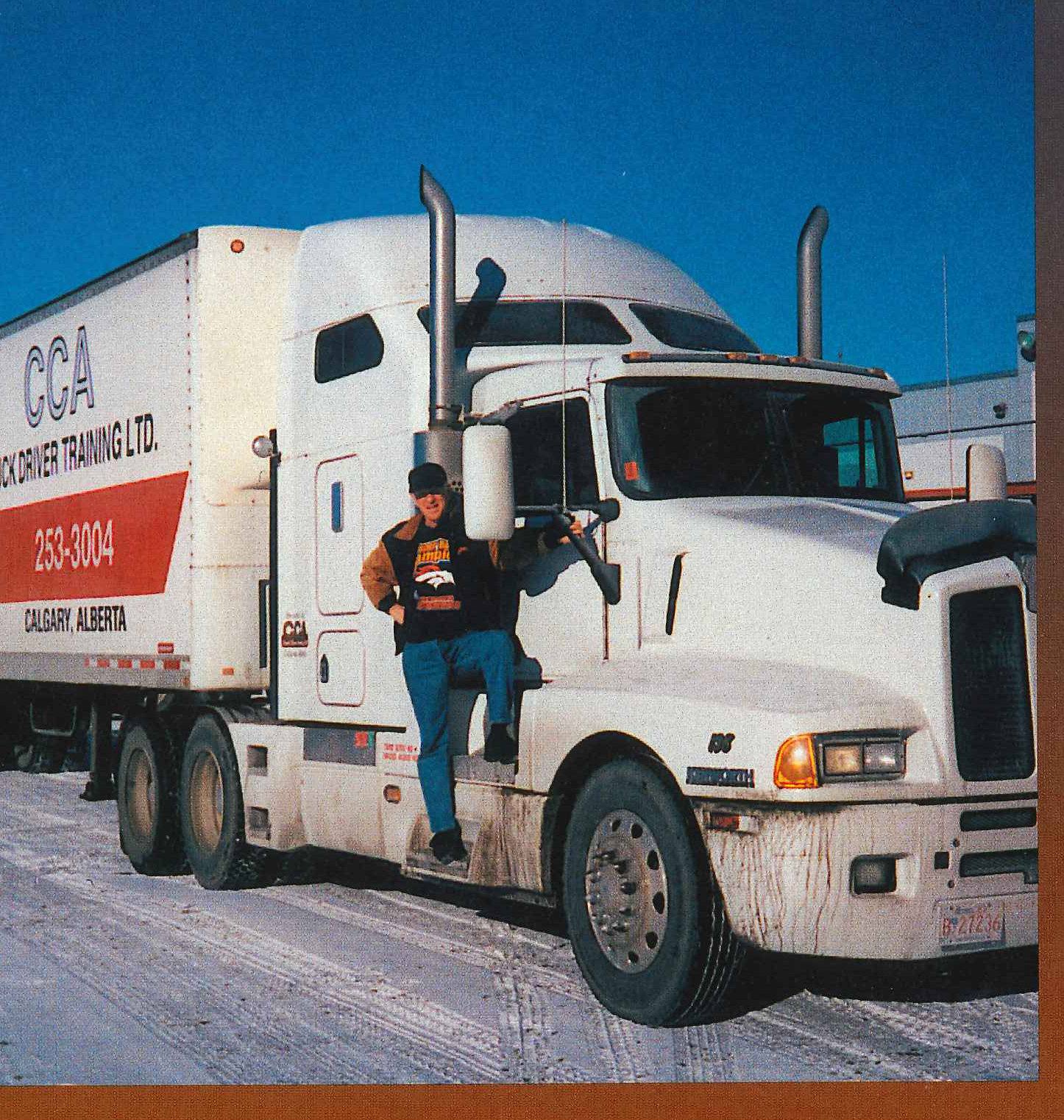
The Foreign Service was, I think, as much as anything else a tool to help me to see new places and meet new people.
The closest I came to the ideal job was during my university studies when I drove buses to pay the costs. For years after, I looked back on the days behind the wheel, driving the highways and byways from Niagara to Buffalo to Queenston and Niagara-on-the-Lake, through rose-colored glasses. They were carefree times when I felt in harmony with myself and the world around. The seasons changed from spring to summer to fall. The peach and cherry orchards ripened and yielded their fruit. The maples turned from green to crimson. The traffic ebbed and flowed along the River, and I moved with it. If gridlock took over, we simply stopped and waited. After all, we were being paid regardless.
Leaving Foreign Affairs three decades later produced a feeling akin to liberation. It was like being able to fill one’s lungs with sweet fresh air after having been underwater longer than is comfortable. Not that diplomacy was unrewarding. On the contrary, it provided a series of unparalleled vistas and rewards. My only complaint was that those three decades passed in a frenzy of activity. Very occasionally, we would pause for an instant to take in the peaks towering above or the seascape around. Then, it was back into the maelstrom of directives and telexes and petty conflict, pride and ambition.
The term ’retirement’ is, I think, a total misnomer. People don’t withdraw. They simply move from one stage of life into another. What does occur is that one is suddenly faced with all sorts of fresh options. This is an exhilarating crossroads when finally one can seriously contemplate those things one always wanted to do but was never able to.
One of my first acts on moving to the Rockies was to buy a motorcycle, a big cruiser. With that cruiser, I rode the prairies and the mountains, taking several weeks each year to follow my whims. It might be Highway 3 from Lethbridge to the Crow’s Nest, or 16 out of Jasper and west to Rupert, or the Klondike north to Dawson City. There was something about the open road and the smell of pines, the twists and turns, the sight of moose and even the odd black bear or grizzly. One was so close to Nature as to be part of it. Sometimes Nature’s wrath would remind me of my own fragility, with lightning, thunder and driving rain bouncing off the pavement and my visor. Once I hit a slick patch and went down, sliding in the blanket of mud my protective angels had laid down.
Occasionally, I would venture from the mountains. One summer, I rode east on secondary roads, resolved to carry on as long as the weather held. That time, I turned back only after standing on top of Signal Hill and determining that there was no way ahead. Another time, I returned to my Niagara haunts, camping my way along Superior’s magnificent coast, across Manitoulin and down through Ontario’s lovely villages and towns.
Since coming to the West, we have hiked the back country along the Continental Divide. We have seen wolves far from any highway and listened to them howl in the middle of the moonlit night. We have seen the grizzly with cubs in her own terrain and mountain goats summering high in their hidden cirques. We have also traveled by canoe along the Yukon so rich with reminders of the past.
One day two summers ago, I decided on a whim that I wanted to drive big trucks. I took the course, passed the test, and for a short while ran the long stretch from Calgary to Edmonton in the middle of the night. Then, someone asked me if I was interested in buses. Without so much as a second thought as to what this might do to my already tarnished ambassadorial aura, I rose to the bait. By the end of the year, the wheel had come full circle and I was driving buses again.
I have been driving for more than a year now. Usually I take to the road once or twice a week, sometimes for longer periods. I have driven hockey teams to Rocky Mountain House, Mormons to their temple at Cardston, German tourists to Jasper, British infantrymen to Suffield. Other journeys have taken me to Victoria and Vancouver. As with anything else, there are the good and the bad. The best are the unfailingly polite and appreciative Japanese. The worst are the Friday night office groups heading out for the weekend. They board the bus as reserved, well-mannered white-collar workers, and debark in a drunken stupor. We call them the animal runs and curse as we mop up the beer and clear away empty cans and sub wrappers.
My favorite run is in the dead of winter, heading west on the Trans-Canada. Every Saturday in fair weather and foul, we leave at 5 in the morning with groups of heliskiers, destination various points in the high Rockies. This is where all the faces of Mother Nature reveal themselves and where skills meet their toughest challenge. It might be a driving blizzard as you climb up through the avalanche tunnels to Rogers Pass and descend the other side to Revelstoke. Or treacherous road surfaces as you wind down the narrow switchbacks from Field to Golden. On other occasions, you revel at the glorious sight of forest and mountain, dazzling in the winter sunlight.
Why do I do it? I’m not really sure. Actually I love it as long as I don’t have to do it, and as long as I can pick and choose my times. I get a thrill out of driving the big new luxury machines and satisfaction out of double-clutching up and down the mountains through multiple gears. I like interaction with passengers, although sometimes I have to bite my tongue. Once, a talkative Texan said to me: “Don’t y’all wish y’all had some education so’s y’all didn’t have to be a bus driver and put up with people like us?” Perhaps it is the rejuvenation that comes with getting into a job at this stage where age works neither for nor against you. There is also something refreshing, after so many years in a career where relationships were determined by rank and privilege, about being “just another bus driver” and having people accept you for what you are.
So this is yet another story of what happens to Foreign Service Officers after they ’retire.’ If I had to single out the one feature that appealed to me most about the career, it was that I never at any time felt myself caught in a rut. And indeed, life after the Service continues, if anything, to be even richer and more variegated. Yes, I mix the more mundane pleasures with being a sometime professor and observing elections in foreign lands. But once the task is over, I always come back to sit quietly with my memories, sip wine and watch the sun set over the Rockies.
View the original scanned pages →
Originally published in bout de papier, Vol. 18, No. 1 (2001) — Spring 2001 // Printemps 2001, pp. 14–15. Read the rest of this issue →