
bout de papier, Vol. 27, No. 1 (2012) — Winter 2012 // Hiver 2012, pp. 5–8
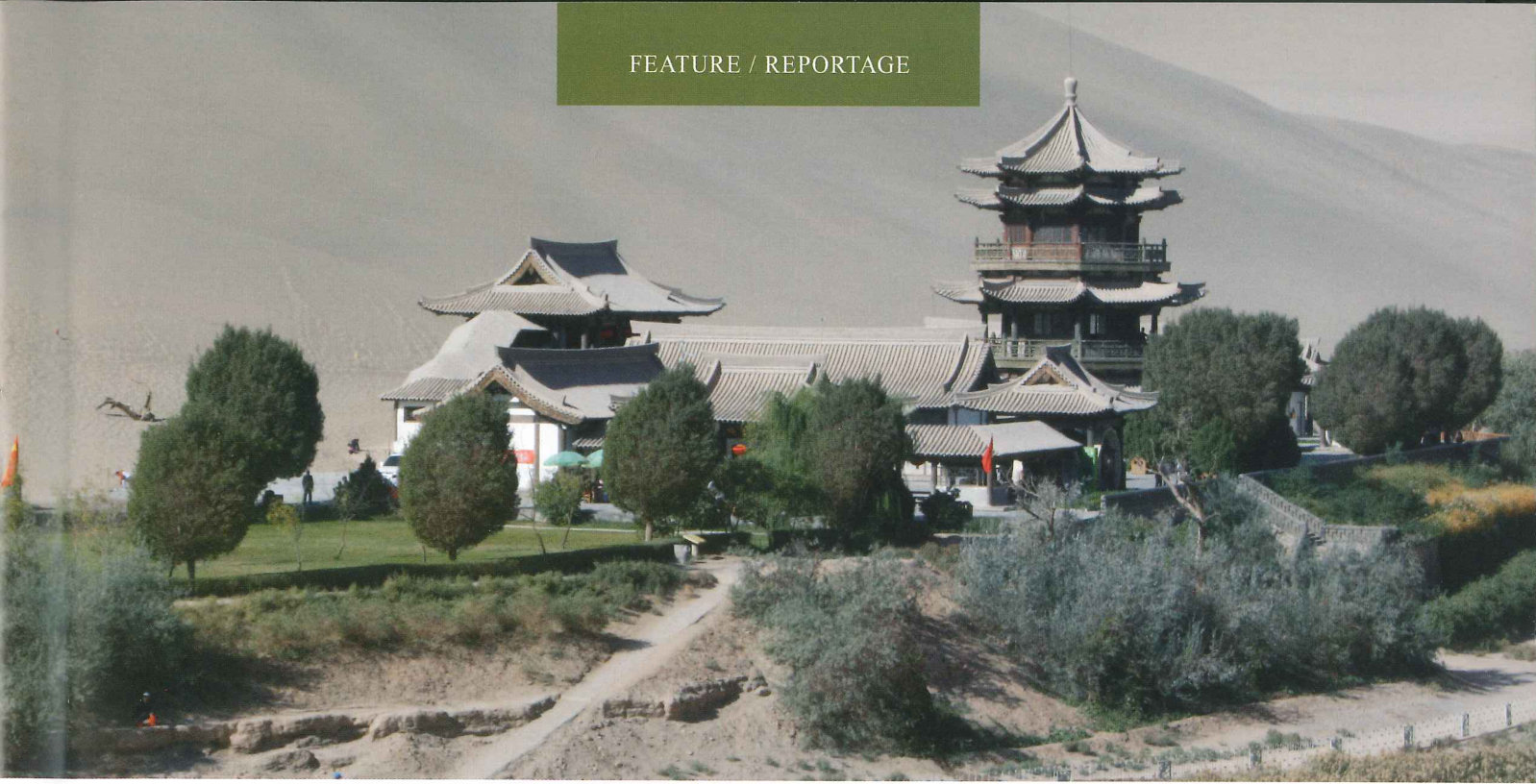
When signed up for a posting to China back in 1999, there was still a debate going on. One of my favourite writers on the subject, Joe Studwell, pointed out that there is a long line of merchants from the days of Marco Polo to IBM chairman Ralph A. Pfeiffer Jr. who lost a lot of money there. The China dream was just that, he argued — a dream.
China was certainly an emerging priority for Canada in 1999. Two hundred million people were climbing their way out of poverty into the ranks of the middle class. The rise of China’s vast, state-run economy seemed to offer possibilities for a trade commissioner. And so, I committed myself to a year on the China desk, two years of language lessons and what would become another nine years working in our missions in Taipei, Beijing and Shanghai. Having signed my life away, it was time to take the family there.
China was literally a country in the dark. By night, you could not always see the buildings, but you could feel the enormity of the place, like a sleeping, breathing dragon — or so I imagined. By day, it was grey with industry. There were old people in blue Mao suits holding bird cages, tides of bicycles flowing past steaming noodle stalls, bamboo scaffolding, frigid buildings without elevators, and officials whose long underwear showed out the bottom of their pants when they sat down.
We had a skilled team of China experts promoting Canadian interests and translating opportunities into tangible benefits for Canada: people such as Susan Gregson, (later Consul General in Shanghai, whose China days stretch back to university in Tianjin and Shanghai in the late 70s), and former Ambassador Howard Balloch (who, to this day, conducts business in China wearing his trademark bow tie). Fellow trade commissioners were often adventurous. One left the embassy to farm chinchillas near the Russian border. Others fell off camels in the Gobi desert, drove overland from Sichuan to Tibet or married Chinese recording artists and ran Buddhist charitable organizations.
There was also Mark Rowswell, kicking around the embassy when I was just getting my bearings. Mark mastered Mandarin and was invited to appear on a Chinese new year TV special. His flawless performance of a traditional Chinese comic routine impressed and flattered the Chinese. It made him a celebrity and probably one of the most recognized Canadians on the planet. (His diplomat brother Ben’s article on democracy and social media appeared in bout two issues ago.)
By 2010, China had made impressive economic strides and was firmly entrenched as Canada’s second-largest trading partner. However, many still associated China with communes in the countryside, not skyscrapers and cell phones. One senior Canadian official visiting China for his first time looked around and asked, “Where are all the bicycles?”
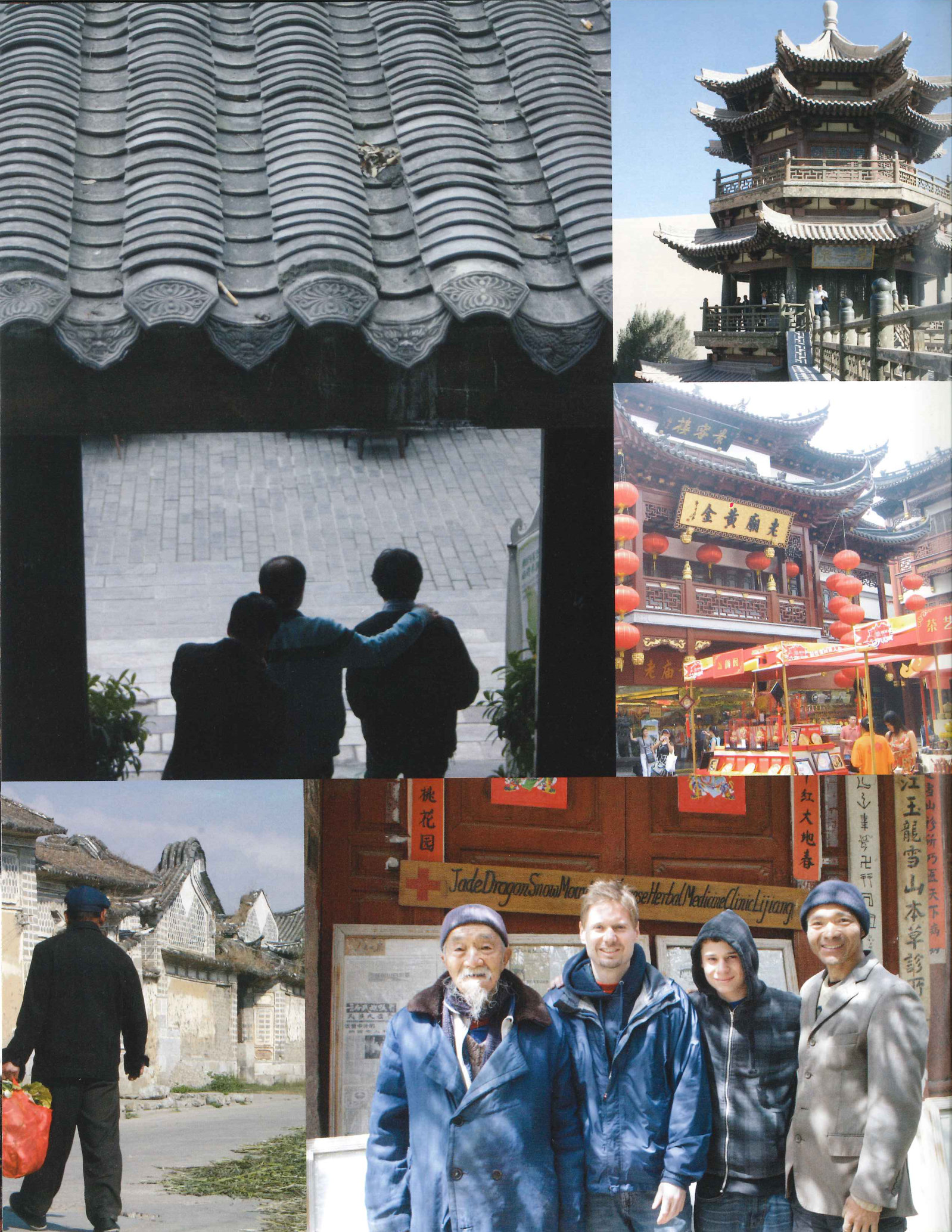
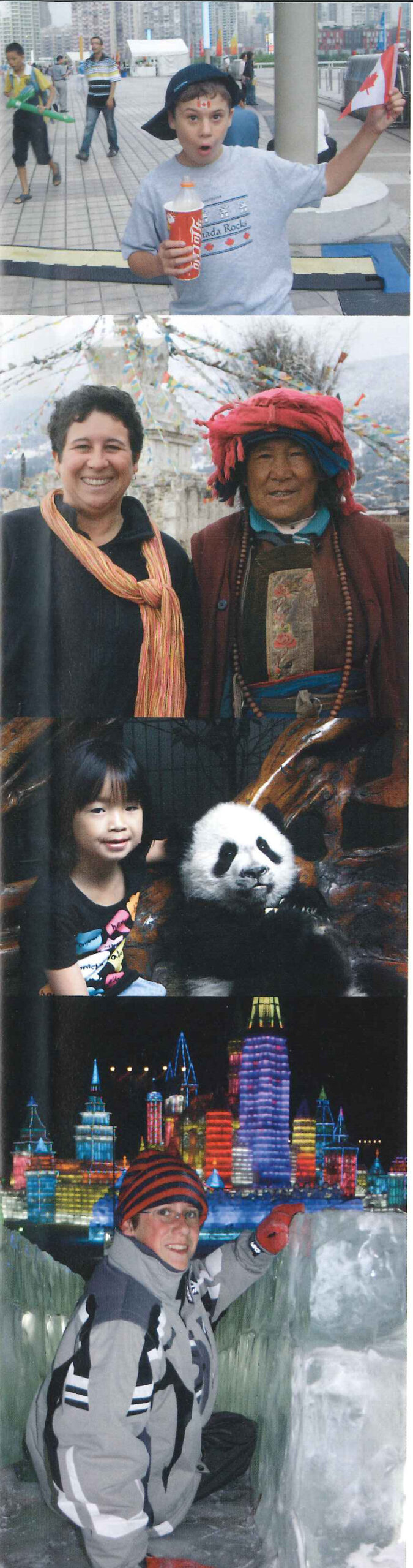
Chinese entrepreneurs were no longer looking for investment from Canada per se. They wanted raw materials, technology and managerial knowhow. In a list of the 10 most important things Canadians need to know about doing business in China, written for the Canada China Business Council, I stated that you have to see what’s happening with your own eyes. To be frank, Canada was being outcompeted by the Americans, the Germans, the New Zealanders and especially the Australians. Many of our companies on the ground were being restrained by presidents and CEOs back home who had not bought into the China dream.
A fellow board member from the Canadian Chamber of Commerce in Shanghai tried to convey how quickly things happen in China to a visiting CEO over dinner. Leaving the restaurant, they saw a new bus shelter — the kind with a roof and benches — which had been installed while they had been inside talking.
My wife Jen and I would watch migrant construction workers outside our compound in Beijing. Before starting work at a new site, they would build two-storey dorms out of brick. When done, they would demolish the dorms, take the same bricks to the next site and start over again.
In two years, we watched them from our window at River Garden as willows along the viaduct disappeared and corn fields, which stretched across an arid plain toward the Great Wall, were replaced by a convention centre, a Crowne Plaza International Hotel, a shopping mall, more housing compounds and an international airport terminal. One day, big trees appeared along all the big new boulevards in our neighbourhood…after the first rain, they were all leaning at crazy angles.
While Canadians debated the viability of a high speed rail line between Toronto and Montreal, we saw China build more high speed rail lines than the rest of the world combined. And Canada won some of the business, too. There was also Shanghai’s port, which opened in 2005 and has already become the world’s largest.
Accomplishments such as these seemed to belittle Canada’s own projects, such as our investments in the Asia Pacific Gateway and Corridor Initiative. However, few ever asked the 3,500 fishermen who left to make room for the port of Shanghai what they thought. During a tour of the facilities, when one Canadian enquired about the environmental assessment, the Chinese response was, “Well, we looked at the water and it seemed okay.”
Jen and I were concerned about the effects of air pollution on our kids playing soccer when neither team could see the other’s goal. There were always food scares, no matter what precautions we took. During the melamine scare, we learned that the brand of milk we drank at home had tested positive for a nitrogen-rich compound used to make industrial resins, which had been added to the milk to cheat protein tests.
And then there were all the fake products. The CEO of a Chinese company producing most of the garden and patio furniture for big name North American chain stores told me that he got his start producing fake antiques and other items. Friends of ours bought a big amethyst cluster in China. Back in Canada, it got dusty and so they put it in a sink full of water to soak. The next morning, all that was left was sediment and some wire.
There were times when our Canadian values put us on a collision course with China. Disagreements could mean a frustrating end to good business opportunities. It could mean that the CBC website was blocked. Or Chinese friends could one day become emotional and anti-Western. With a country the size of China and so much at stake, it could be disturbing.
We never knew what would happen next. One evening, there was a call from the department’s Watch Office. Canadian passengers on a flight from Vancouver had been quarantined over fears of swine flu. Questions were being asked back home. We were instructed to verify their safety, but the Chinese would not tell us where they were. As more information filtered in from the passengers themselves, we finally discovered the location. I was first on site. The quarantine officials did not know what to do with me. They eventually allowed me inside after I donned a special white body suit, gloves and mask. When the time came, I couldn’t help myself: “Hi, I’m from the federal government and I’m here to help you.”
Some of my best memories have nothing to do with work and everything to do with the kindness and hospitality of its people. Once, in Sichuan Province, travelling with a friend who was not feeling well, I went outside to look for Chinese takeout. Eventually, I settled on a small place with a friendly owner who trotted out her nine-year-old son so that I could teach him English. It was very amicable. We drank a lot of tea. After less than an hour, dishes started coming out of the kitchen in blue and white porcelain bowls on wide trays held by three beautiful Chinese girls wearing traditional silk qipaos. At the insistence of the owner, who would not accept payment of any kind, I led the procession back across the darkened city on foot, over a bridge and then up four flights of stairs because there was no elevator in the hotel. My very surprised friend answered the door.
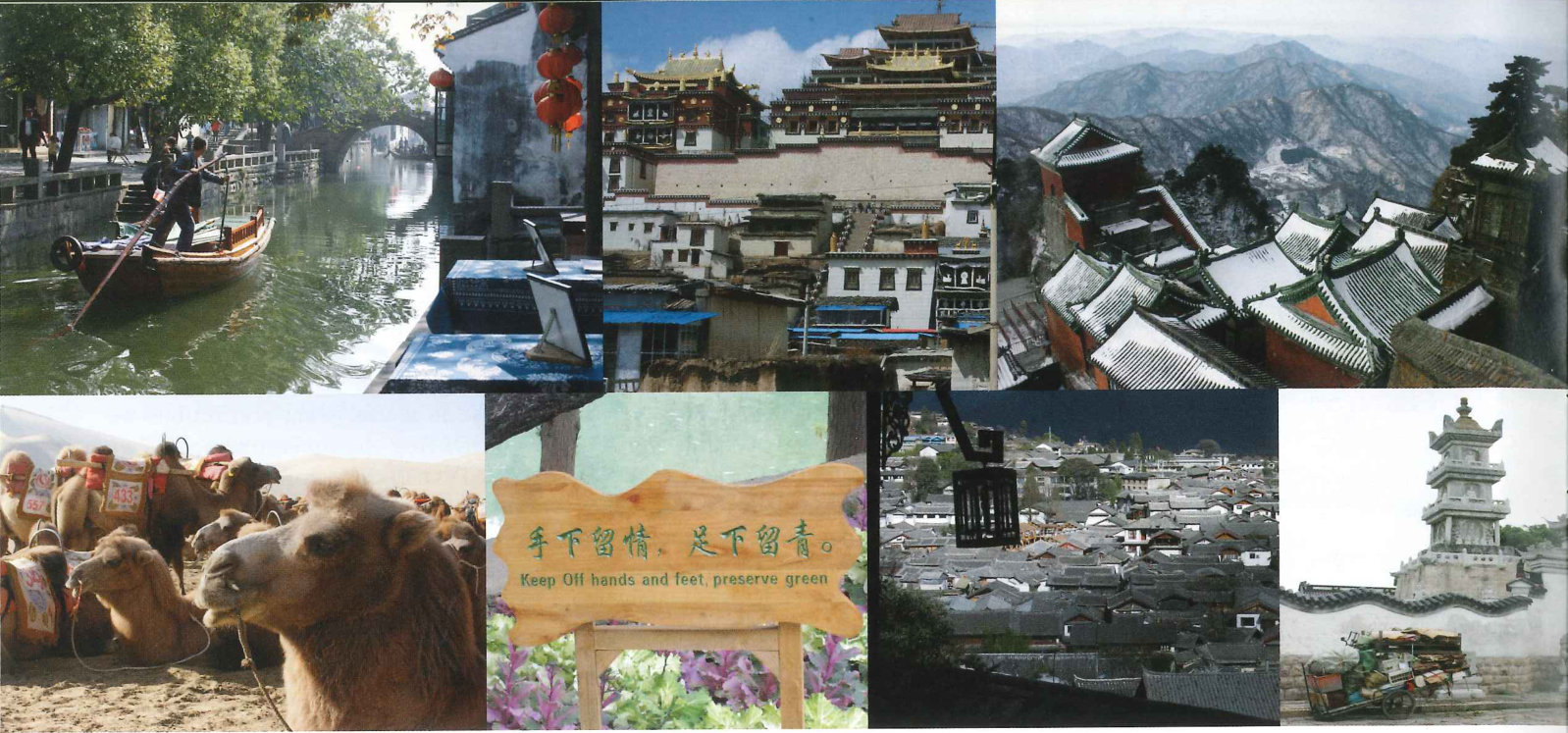
Given the lingering impact of the 2008 financial crisis, especially in Europe and the U.S., Canada’s challenge now is to figure out how to take our bilateral relationship with China to the next level. The stakes are high. Our trade deficit with China persists, and many of our exports are raw materials with little value-added. Chinese investment in Canada is growing, but much of it consists of large acquisitions made by Chinese state-owned enterprises in our natural resources sector, which is raising red flags about the willingness of such enterprises to respect market fundamentals and Canadian law
We are in a good position. Many of Beijing’s priorities align with Canadian capabilities, especially the pressing need to find solutions to China’s energy, environmental and health concerns. For small and medium-sized Canadian enterprises with innovative solutions that lack both capital and market opportunities at home, China can often be the answer. Intellectual property protection in China is improving as more Chinese firms such as Lenovo seek to protect their innovations. In recent years, Canadian firms with a strategy for protecting their IP rights in China have usually been successful.
However, we do need China to open its market further to foreign companies. Canadian company affiliate sales abroad exceeded our total exports for the first time in 2009, and the benefits accruing back to Canada from our companies in China and elsewhere are increasing. It is in our interest to see China lift foreign investment restrictions and open its government procurement market to our companies.
We also need to encourage Canadian business to take China more seriously: a greater presence in China is essential if we are to significantly increase our exports of value-added goods and services. And, although Mandarin is now the most widely spoken foreign language in Canada, very few non-ethnic Chinese-Canadians speak it. Our companies have benefitted greatly from the welcome presence of Chinese students in Canada — now estimated at more than 70,000 — but more Canadians need to learn Mandarin if we are going to build greater familiarity over time.
In February, I was called back to help organize Prime Minister Harper’s visit to Beijing, Guangzhou and Chongqing. A number of bilateral agreements were announced, as well as a slate of commercial deals. Our local business community was exuberant. Mark Rowswell was there, too, as Canada’s goodwill ambassador to China. It was good to be reminded of the passion shared by Canadians in China, and of the dedication and the generosity of the Chinese people.
As for the China dream, it is now a fact of life for most foreigners who live and work in China, tempered by the realities of a non-democratic government and a no-holds-barred commercial culture still learning how to do business with the West. It is the product of Chinese entrepreneurialism and the incredible changes of the past 10 or 20 years. It is the feeling that, despite challenges, nothing is impossible.
Striking out in the cold at four in the morning for the summit of Taishan, China’s holiest Taoist mountain, I once joined a contingent of fellow pilgrims in rented People Liberation Army coats, all driven by the vain hope of seeing the sunrise and the famous “sea of clouds.” The weather was terrible. It was raining. Just when we were past all hope, convinced that the journey was for naught, an opportunistic vender unfurled a wide photographic backdrop of the sunrise, the way it was supposed to look. For a couple of kuai, we had our pictures taken in front of it.
Jordan Reeves recently returned to Canada from postings in Beijing, Shanghai and Taipei. A recipient of the 2010 PAFSO Canadian Foreign Service Officer Award, he works in the Office of the Chief Trade Commissioner.
View the original scanned pages →
Originally published in bout de papier, Vol. 27, No. 1 (2012) — Winter 2012 // Hiver 2012, pp. 5–8. Read the rest of this issue →



