
bout de papier, Vol. 18, No. 3 (2001) — Fall 2001 // Automne 2001, p. 20
In another era, when, possibly, Foreign Service Officers remained starry-eyed and grateful for the opportunity to “serve” rather longer than they are said to do these days, our commitment was in no small measure due to the heady wine of being linked, however modestly, with the likes of the revered Ambassador Charles Ritchie; he of the incomparable diaries. Ruminating recently on highlights of that almost forgotten past, one indelible moment came to mind that seems worth sharing, since it speaks to why Charles was as widely admired for his diplomat skills as loved for being him.
It so happened that during the General Assembly one year while Canadian Permanent Representative, he was kind enough to invite me to sit with him for refreshment in the small bar at the far end of the long corridor in the UN building that leads past the elevators to the much more frenetic Delegates lounge. We had only just begun to relax, when up he jumped and took off down the corridor in his inimitable bird-like way, eager to intercept a fellow representative whose small Latin American country had not yet been enticed among the cosponsors we were working hard to recruit for a Canadian draft resolution on radioactive fall-out.
In those days, the respected Howard Green, Secretary of State for External Affairs, was determined to do something about the world-wide threat of radiation from nuclear tests, thought to loom particularly balefully over his beloved British Columbia because of prevailing winds. Charles was well aware of a rumour circulating in Ottawa that the future might be quite bleak for all involved in any failure to rustle up cosponsors of our draft in the numbers the usually kindly Minister had publicly promised to the Canadian people.
Not wishing to miss an opportunity to learn from a master at work, I fell in beside the two ambassadors. Within a step or two I realized that Charles, far from embarking on an irresistible pitch, was on the receiving end of a severer dressing-down than one Excellency should ever administer to another. Although Charles never for a second lost his cool, he must have been relieved when an elevator cut off further reprimand Subsequently, I discovered that the innocent origin of the outburst lay in Charles’ abiding passion for the written word and his related habit of profiling for the Department anyone in his bailiwick with even a modicum of potential for or against the promotion of Canadian interests abroad. Thus, with customary elegance and incision, but certainly with no intention of causing embarrassment, he had commented on the special difficulty of estimating what to expect from this opposite number, since the gentleman so seldom attended a UN meeting of any kind. While Charles expected his assessment to be treated with due privacy, he appreciated that it might be copied to our mission in the country concerned. But he could not have imagined that some budding FSO
14:3000730003* there would hand a copy to a contact in the Foreign Ministry, unmindful of the mischief he was setting in train. Inevitable, the unsuspecting Ambassador’s Minister had erupted with considerable heat when he became aware of what the Canadian Permanent Representative to the UN thought of his appointee’s attention to business in New York. The ensuing rocket had landed just before Charles chose that untimely moment to solicit a favour.
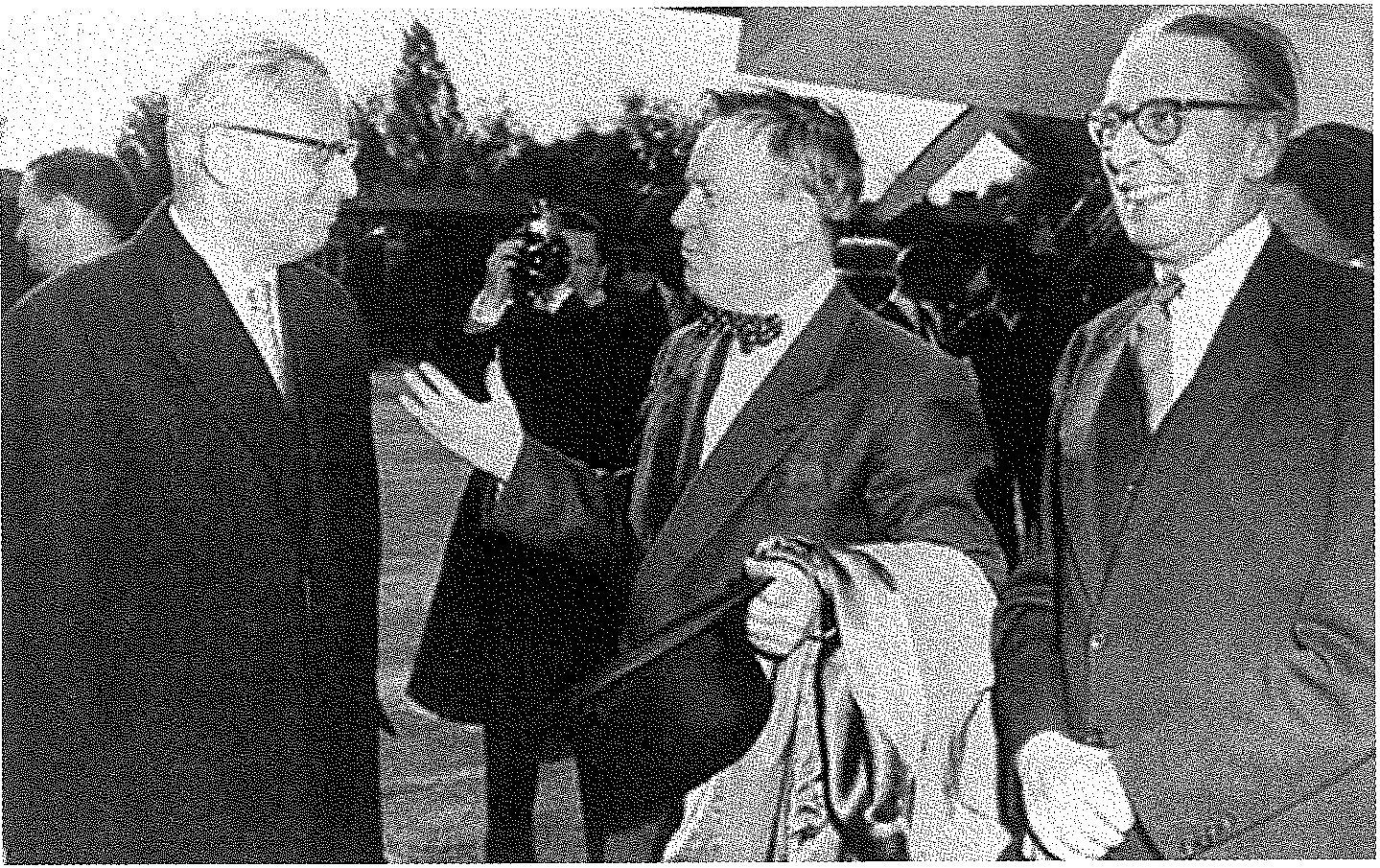
In my relatively inexperienced judgement, the rift was totally beyond repair, leaving no possibility that any assistance for our initiative could be forthcoming from such an angry man. Not so Charles. Unfazed by a most unpleasant passage, good humour and bounce intact, he gave no indication that the future was not under firm control. Sure enough, within a very few days, his apparently alienated colleague had been brought round, and his country’s name made a precious addition to the breadth of international support for Mr. Green’s position the list of cosponsors was meant to reflect. All of us on the delegation who shared responsibility for building an ever more imposing list, were awed by Charles’ facility in working even the most obscure corners of our chosen profession, and were grateful for this latest of his many contributions to our joint peace of mind. I am still wondering how in the world he managed to pull it off.
View the original scanned pages →
Originally published in bout de papier, Vol. 18, No. 3 (2001) — Fall 2001 // Automne 2001, p. 20. Read the rest of this issue →



