
bout de papier, Vol. 18, No. 3 (2001) — Fall 2001 // Automne 2001, pp. 37–38
CANADIANS AT WORK, by Vincenzo
Pietropaolo, Canadian Auto Workers
Union, 2000, 200 pp, $55.00
Faithful bout readers may remember a black-and-white photographic feature we ran in our Spring 1997 edition, under the title “Harvest Pilgrims”. The item consisted of a small selection from a photographic exhibit by Canadian photographer Vincenzo Pietropaolo that toured, to considerable acclaim and interest, several missions in the Americas; it featured migrant workers from Mexico and the Caribbean who come to Canada every summer under arrangements sponsored by the Department of Citizenship & Immigration, to work in the orchards and farms of Southern Ontario.
Pietropaolo is back in the workplace again, this time as the principal photographer featured in a 200-page coffee-table book commissioned and published by the Canadian Auto Workers’ Union (CAW), as the Union’s millennium project.
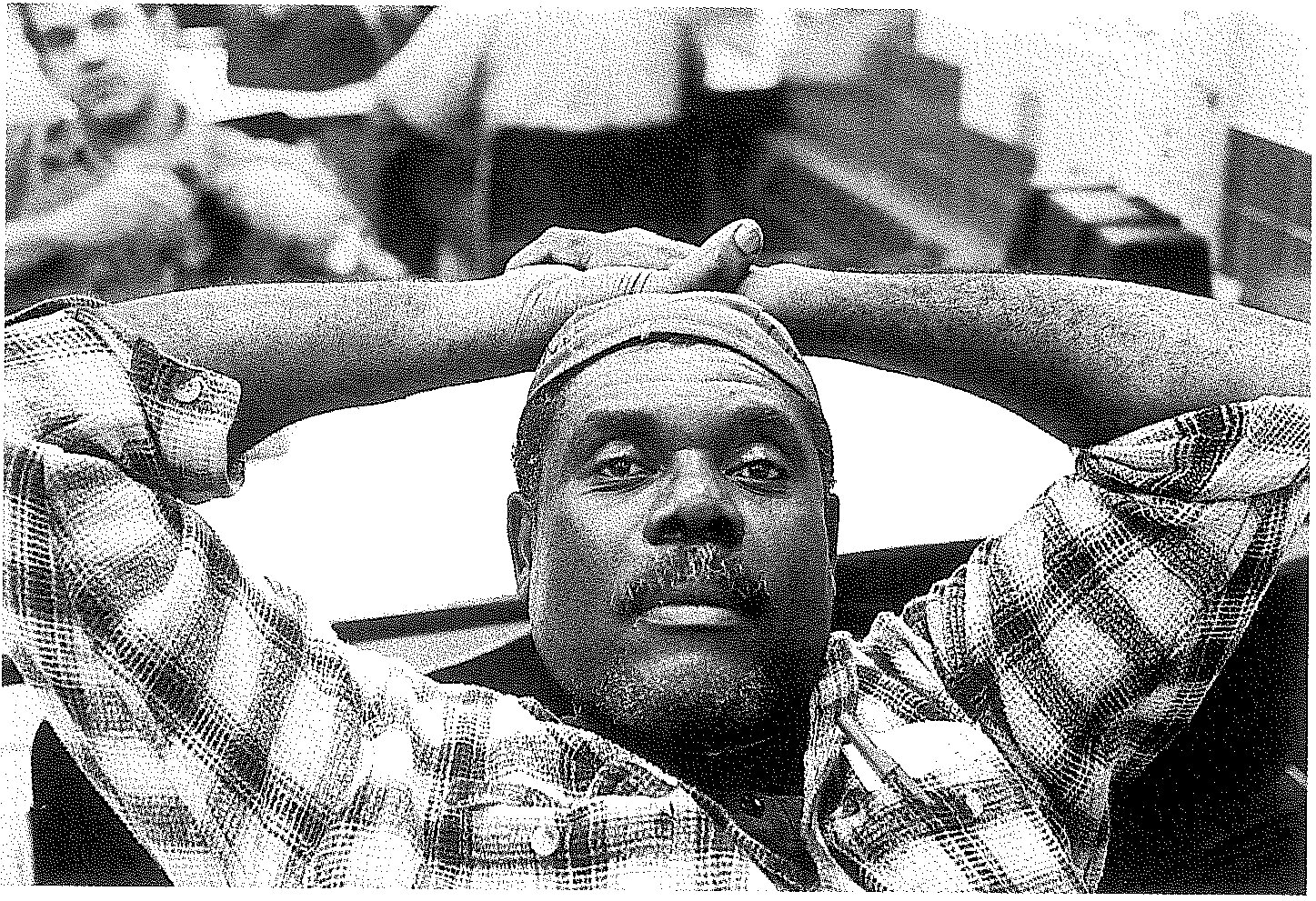
And here I must say that I have a quibble. While the book is entitled Canadians at Work, it should more strictly be called CAW Members at Work. You will not find photographs here of Canadian diplomats nor of members of other large union or association groupings: Pietropaolo was mandated to photograph only CAW members in their workplace. I suspect that, not unreasonably, the publishers may have decided that explicit reference to the Union in the book’s title might be a turn-off for some would-be purchasers or readers, but the effect is nevertheless unfortunate: a civil servant or a teacher browsing the book without reading carefully its introductory essay by Sam Gindin, may feel miffed.
But this is a minor gripe. This is a fine and sensitive collection of photographs of Canadians working — for the most part hard and with great dignity – in physically demanding jobs.
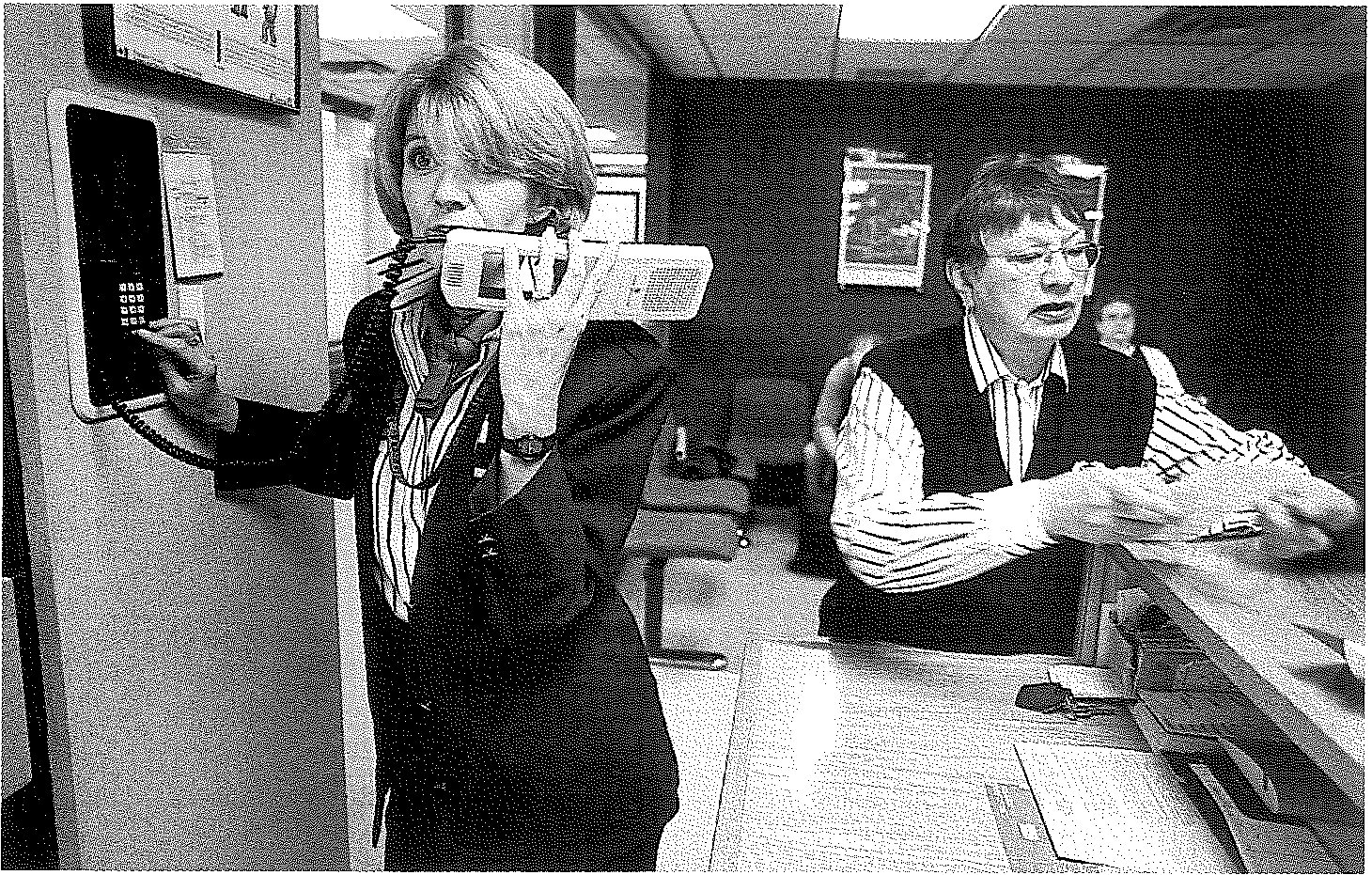
Many of the photographs will raise a wry smile of recognition or of sympathy: the harried Canadian Airlines Workers at Whitehorse, for example (p. 55), or the St. John’s Hotel Workers on Break, who look for all the world as though they are enjoying ribald gossip over their hurriedly snatched game of whist.
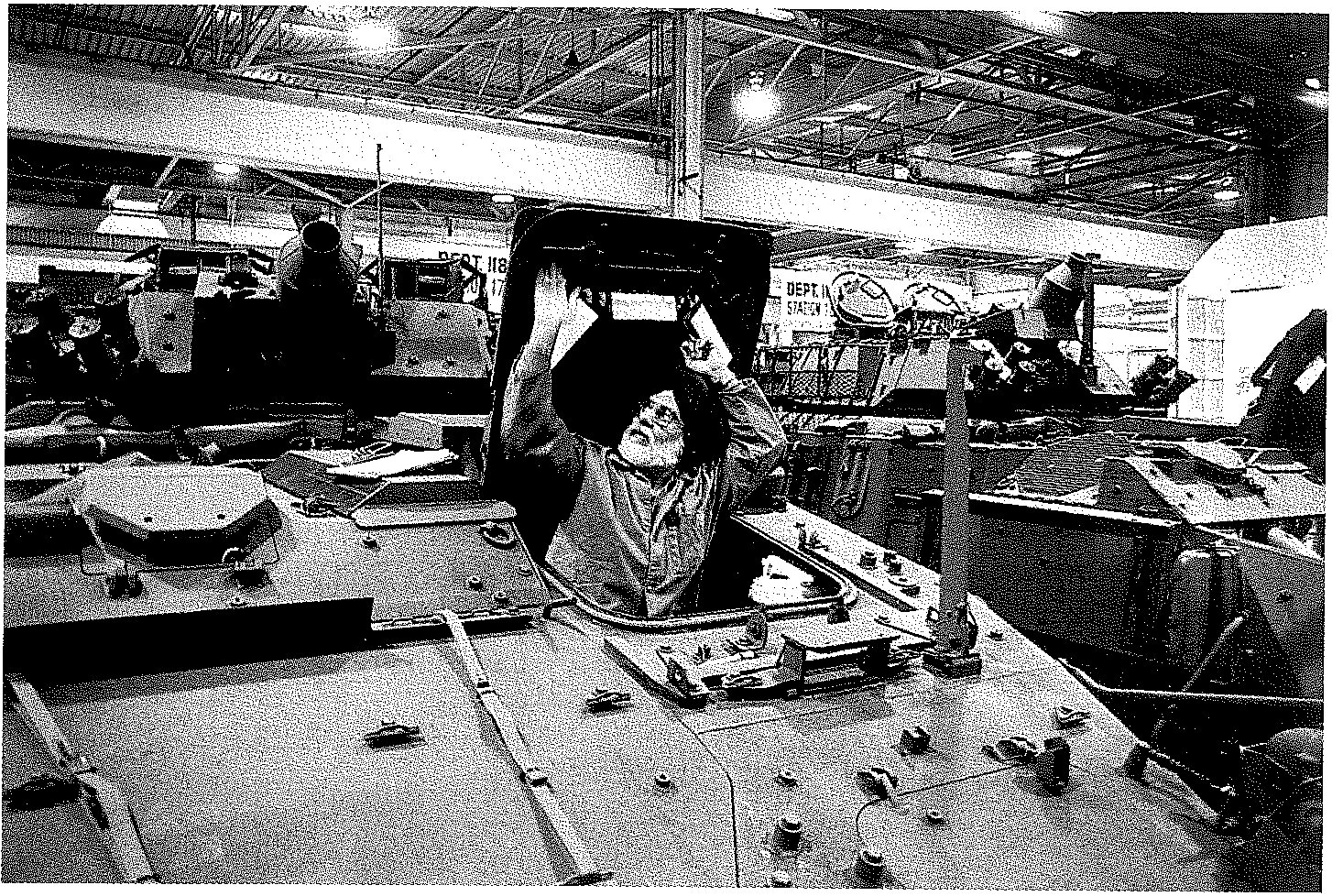
Others remind us of how multicultural Canada’s workplace is: the Sikh Armoured Vehicle Assembly Worker (p. 48) or the Winnipeg Bus Assemblers; while a wonderful photo of an exuberant female Truck Assembler (p. 119) challenges our stereotyped view of the physical workplace as a man’s workplace.
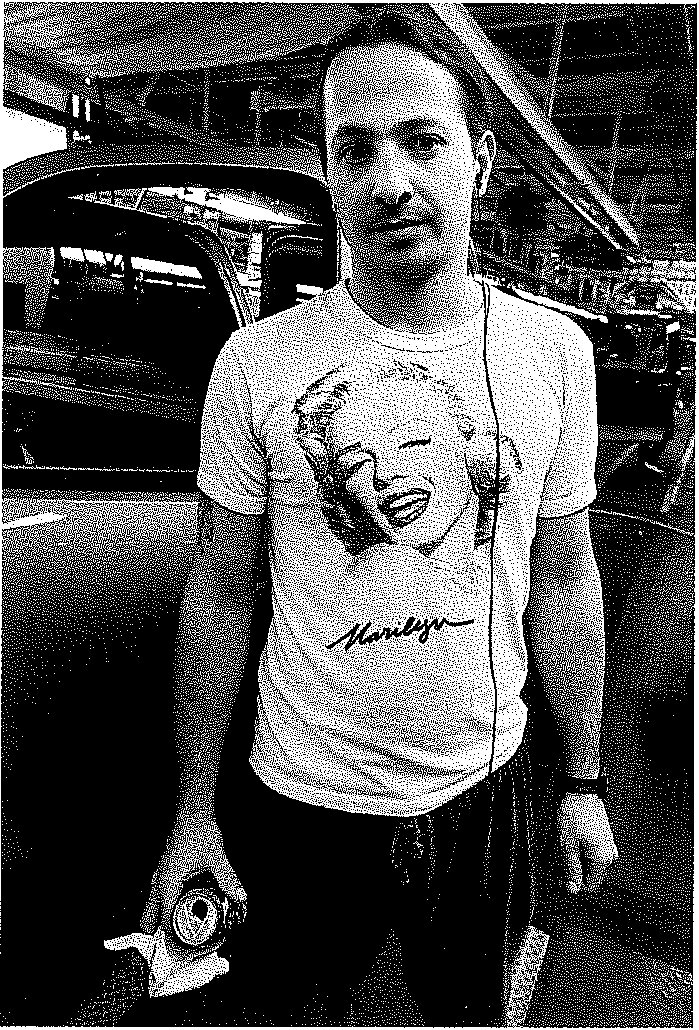
But exuberance is the exception. Most of the faces of Canadians at Work are sombre, pensive, even weighed under. Witness Autoworker, Oakville, Ontario (p. 53): the message here — the Marilyn Monroe tee-shirt, the Walkman, the wistful half-smile — seems to be one of dreams frustrated, of hopes unfulfilled. The lighting of many of these photographs is quite exceptional — Hotel Worker, Vancouver (p. 182) or the slightly ominous Taxi Driver, Ottawa (p. 171) are small masterpieces — but it reinforces the impression that most Canadian workplaces are sombre, even sinister places. And while the book’s closing photograph — Autoworker at the End of the Shift (p. 198) — is clearly appropriate for its location, it is at the same time disturbing: this workplace is a dark and gritty one, the artificial light on the Canadian flag and in the bowels of the assembly plant insufficient, incessant; the young worker checking his watch as he strides away looks glad to be getting away.
Canadians at Work is powerful, honest and sensitive; alternately inspiring and sad. In many respects it is a far truer portrait of Canada today than any number of Beautiful British Columbias. But if you’re buying this as a gift, do choose your recipient carefully.
View the original scanned pages →
Originally published in bout de papier, Vol. 18, No. 3 (2001) — Fall 2001 // Automne 2001, pp. 37–38. Read the rest of this issue →



