
bout de papier, Vol. 19, No. 1 (2002) — Spring/Summer 2002 // Printemps/Été 2002, pp. 14–16
A responsible for Afghan matters, this task has required a far Ithough our High Commission in Islamabad has long been greater commitment since September 11. In September, the High Commission had only one Political Officer — Counsellor Glyn Berry. High Commissioner Konrad Sigurdson has also had his work cut out for him; he arrived at post on September 10. DFAIT has since tried to provide additional support through a rotation of officers, one at a time on temporary duty — a role I was fortunate to fill for six weeks in February and March. Towards the conclusion of my time there, I made a trip to the capital of Afghanistan to represent the High Commission at meetings and to make démarches on the Interim Authority. This is the story of my short and surreal time in Kabul.
I left Islamabad only 20 hours after the lethal March 17 grenade attack on a church in the diplomatic enclave. This made me a touch more anxious than I would have been otherwise. Of course I lied about my destination to my parents back in Canada.
The only flights from Pakistan to Kabul were on UN planes. This was exciting enough: early-morning check-in at a house in the Islamabad suburbs and then a drive to the airport in coaster buses with people from various UN agencies, a few other diplomats, and some non-governmental types from organisations like Amnesty International and from aid agencies. The NGOs were quickly identifiable because they were required to pay US$600 cash for the 40-minute flight (a tad pricey considering there were no snacks or in-flight movies).
The short flight (Islamabad to Kabul is only about 500 km by road) goes west over the historic Khyber Pass. I had been driven up the pass only five weeks earlier with Stephen Doust (an FS who had filled the rotation at the High Commission for the six weeks before me and the armed soldier in the front required by the local government.
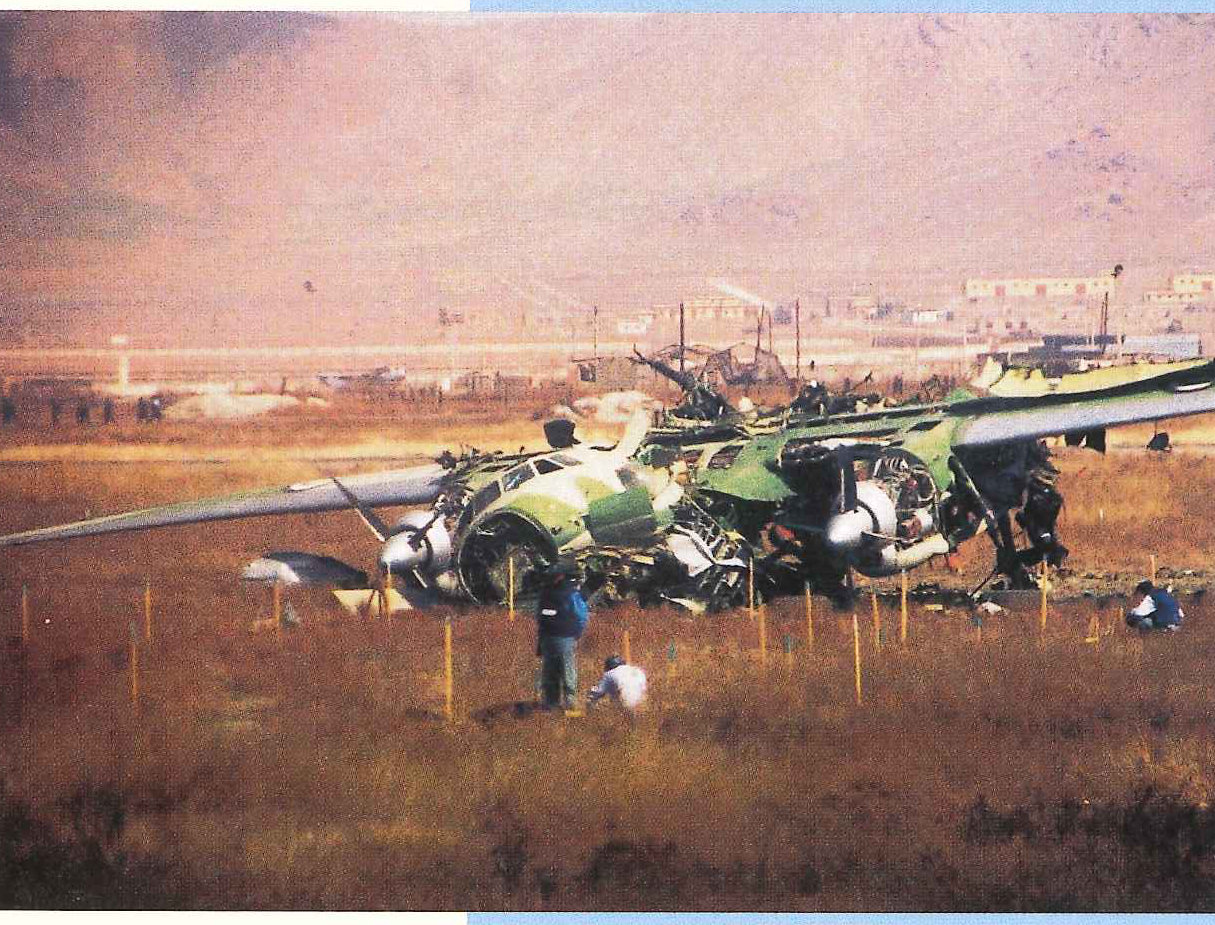
The flight then descends to the Kabul plain, surrounded by impressive 20,000-foot peaks. The winter had been very dry, making it difficult during the descent to distinguish the parched earth from the thousands of square earthen-walled compounds. But the impression on landing was striking: the airport was littered with several dozen bombed-out airplanes, and the landmine detection teams with their dogs were at work (and are expected to be for many months to come. One of the two blue and white Boeing 727s of Afghanistan’s own Ariana Airlines sat on the tarmac; regular flights had commenced only a few weeks earlier.
My first task on arrival was transport and shelter. Canada did not yet have any regular means of arranging logistics or meetings in advance; few places had phones and regular cellphones were dead weight. Fortunately, Michael Semple, a UN official on the flight, took me under his wing. He took me to his office, where he was helping to set up the Loya Jirga Commission that would choose the new government in June, and he had his staff find a car and driver and an interpreter (the cost of which had climbed a bit since the fall of the Taliban: car and driver were US$100/day, and the interpreter was a bargain at US$50/day, a month’s income for the average Afghani).
Next up: hotel. My first stop was the nearby hotel where Stephen had stayed on his trip to Kabul one month earlier. I had been cautioned about the place by Stephen (he tried to give himself a sense of security each night by having his pointy umbrella at the ready) but stories of hotels without power or water were so common that I anticipated a little hardship. So I checked in. After an hour’s contemplation, I went back and checked out. The hotel was so dirty and dingy and dilapidated that it looked as if the war had gone on inside the hotel. And my impression of the sinister hotel statf was that war might erupt again at any moment. I was also not just a little worried that in the middle of the night in my pyjamas I might take a tumble down the third storey toilet hole and end up more than a little dishevelled in the basement. So after a brief argument with the hotel staff who were less than inclined to allow me to evacuate (because I was to pay five times the rate for locals), I was out. I soon found a UN-approved guest house. Although its original one star had long ago lost its glimmer, all the walls were standing and there was a small but reassuring lock on my door and a guard at the gate. Much, much better. I thought my Mom and Dad would be much less worried, if only they knew.
The hotel across the road from my own was the grand Hotel Kabul, which has not yet regained its glory since being bombed, nor since the incident 24 years ago when the American Ambassador was kidnapped in the lobby. The Afghan police stormed the place and killed all the kidnappers. Unfortunately, the Ambassador died in the crossfire.
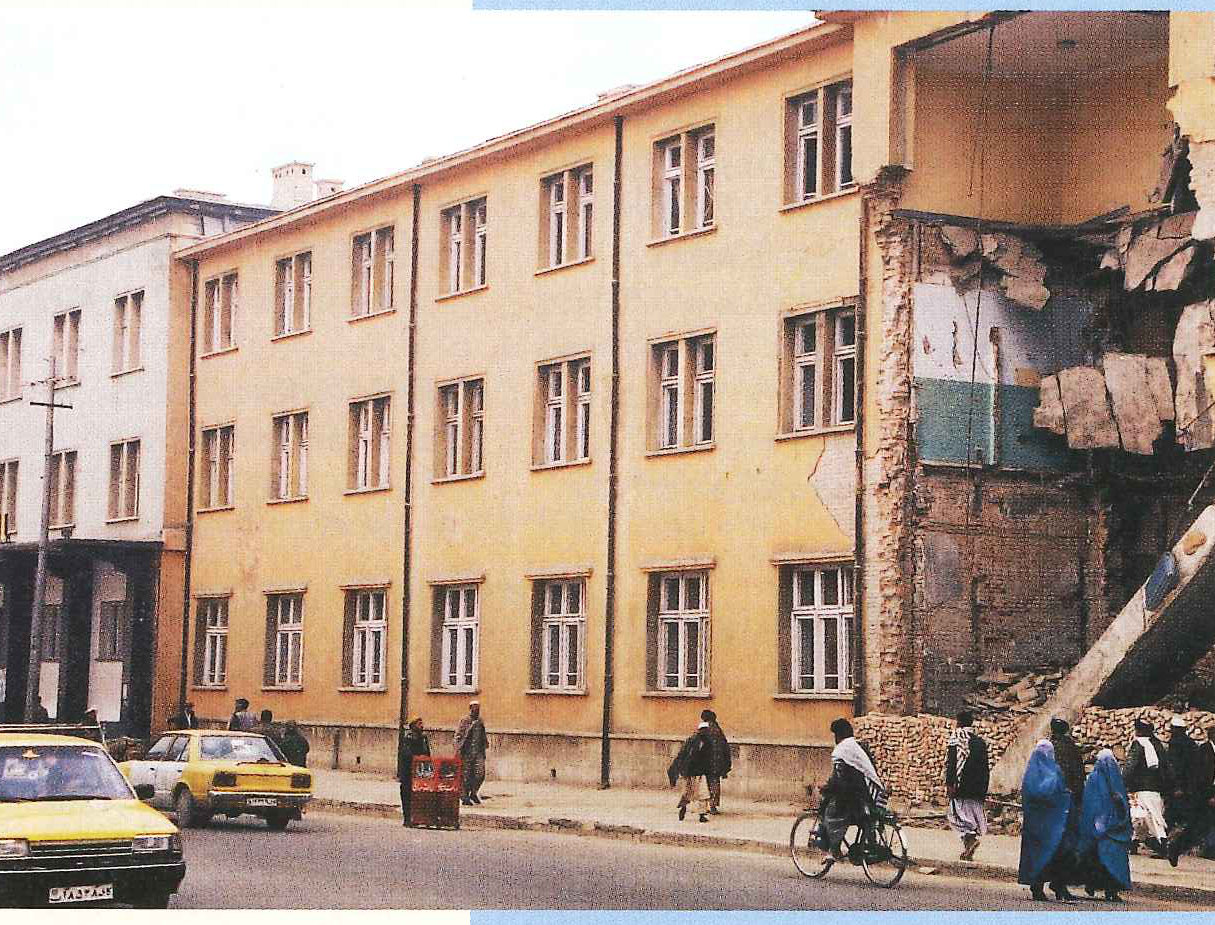
Car and driver, interpreter and hotel all looked after. Time to investigate the city. Surprisingly, the centre of the city is still standing. I had envisaged craters and shells of buildings, but most of the big buildings are relatively undamaged. It is the rows of Soviet-style walk-up apartment blocks on the outskirts that have taken most of the damage during various civil conflicts or during Russia’s tenure. The centre of the city has remained relatively intact.
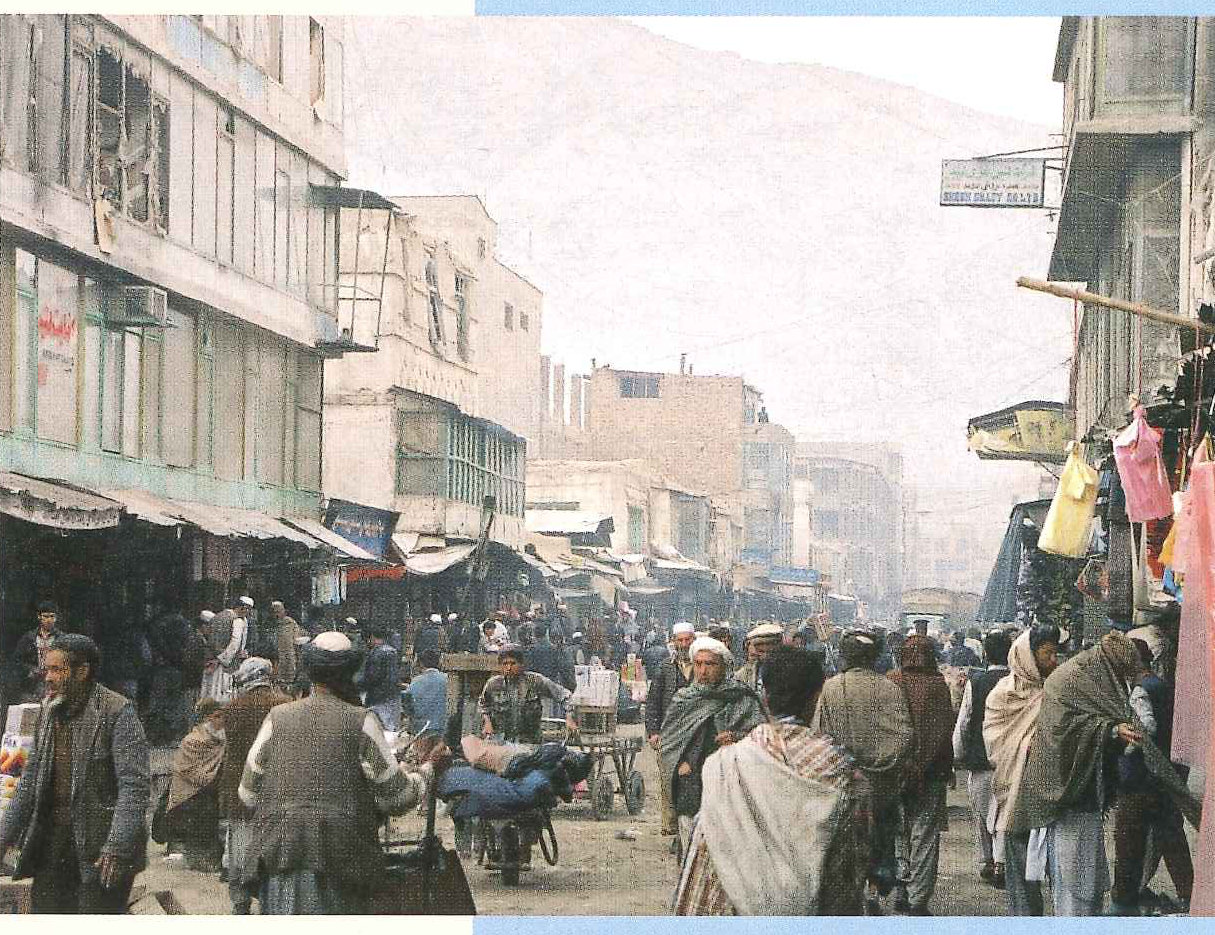
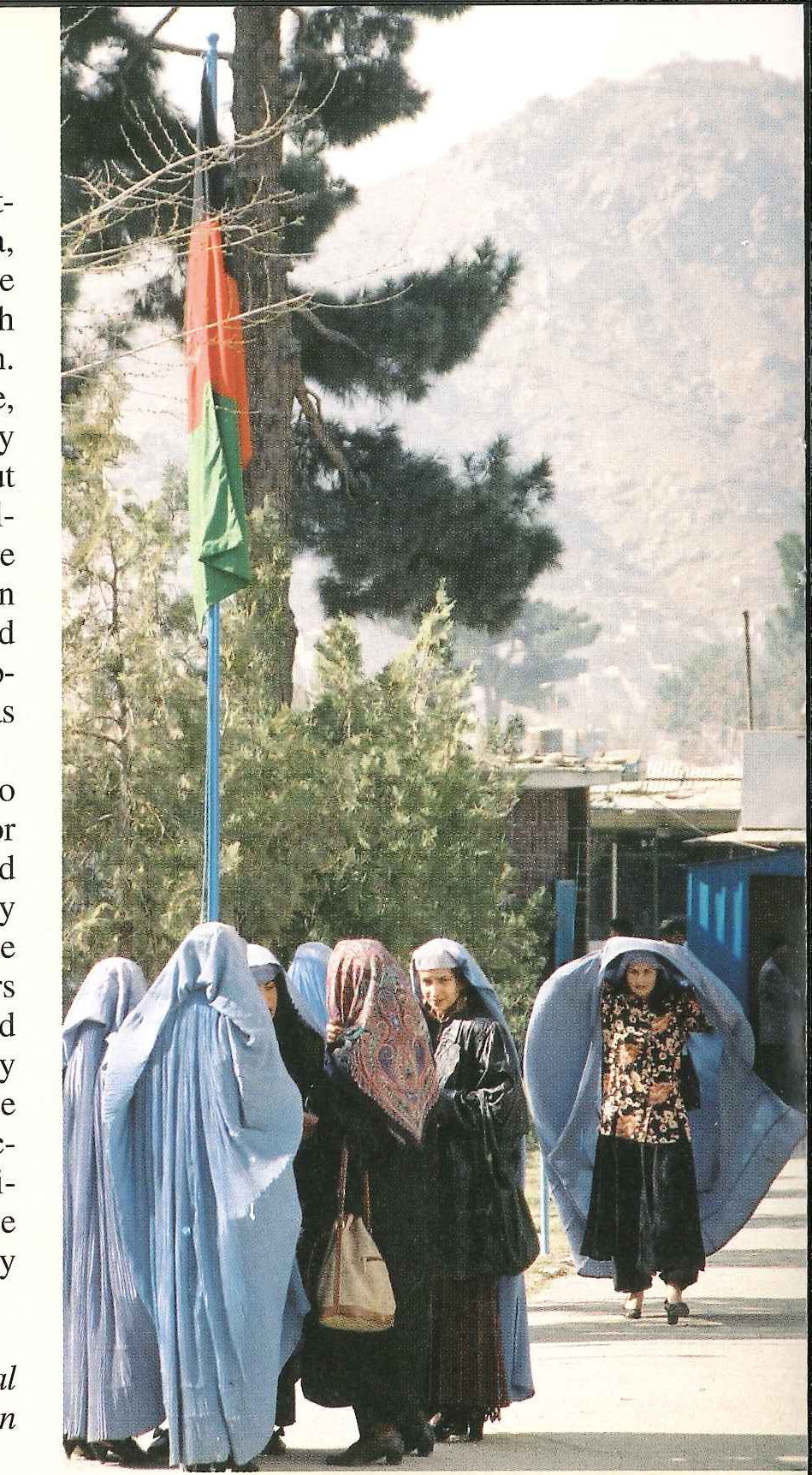
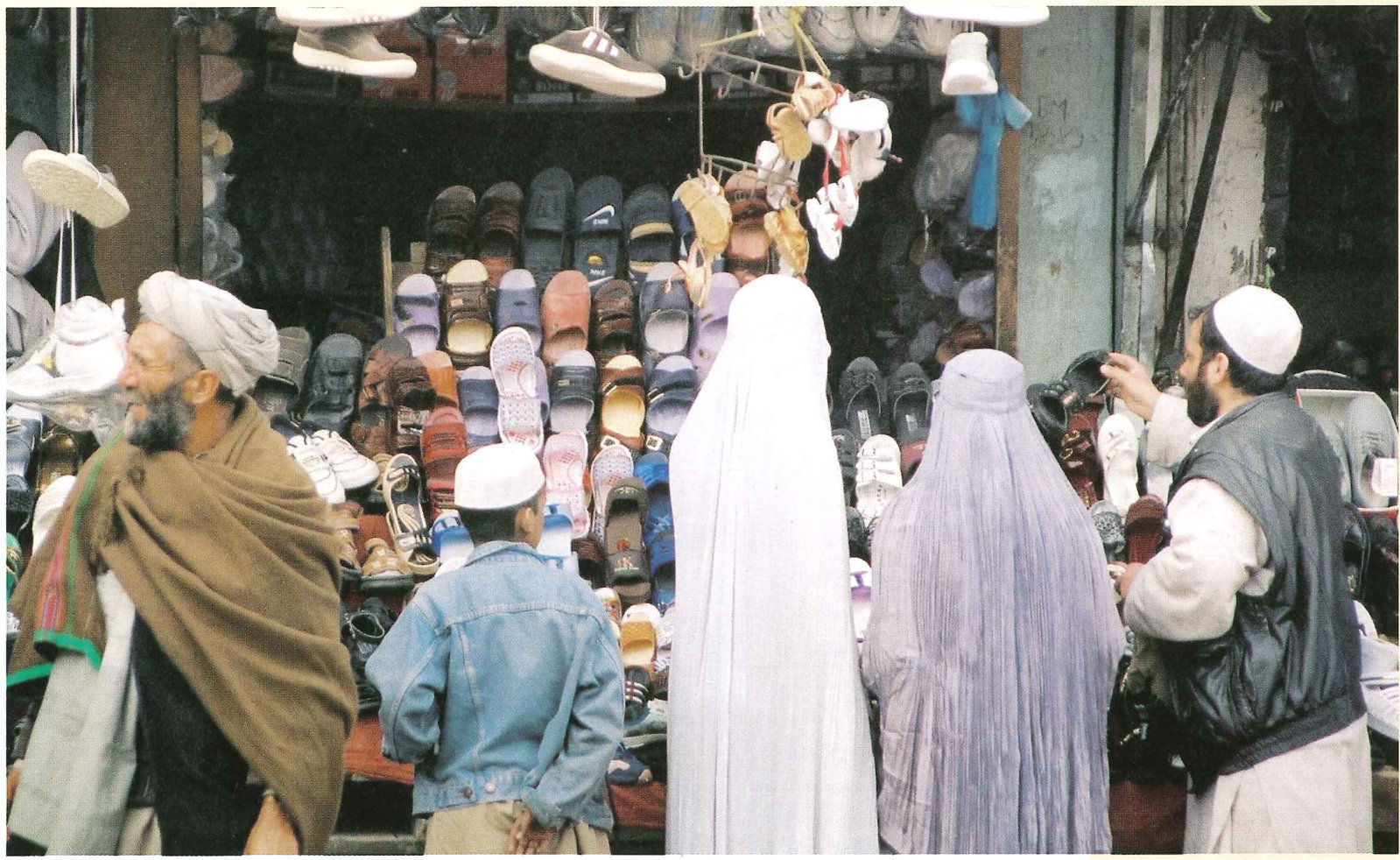
But Kabul is still a wild west town. The streets are full: thousands of honking yellow taxis from the 1970s, pedestrians everywhere (many with their sheep and donkeys), street vendors and sidewalk photographers with their c. 1920s wooden box cameras, and everything covered with a film of dust and dirt. I had so much dust on my shoes and suit that I started to blend in with the men in the street, many of whom were also wearing a dirty blue blazer. There were still plenty of blue burkhas; 98% of women were still wearing them, although a few dared not to. In the garden of the new Ministry of Women’s Affairs, many ladies revealed that underneath their burkhas they were wearing stylish pant suits or dresses or a leather jacket. The Ministry itself was now in a proper building after having spent several months operating out of the Minister’s home. Outside the Ministry walls, a split second of uncovered face is allowed for a lady to get her ID photo taken by a street photographer, but otherwise women are not yet satisfied that they are secure enough to risk appearing uncovered.
Most of my programme was arranged on the fly. That first afternoon I wondered if I would have any meetings at all. The local driver I had hired did not speak any English, and the distinction between various government or UN offices was a steep learning curve for anybody in the rapidly expanding world of civil service and civil society in Kabul. My interpreter was a 20-year-old returning to Kabul for the first time since his family fled as refugees to Pakistan when he was five. He too lacked much knowledge of the city, and he was thrilled just to be along for the ride. We met many people and entered many offices that first day just asking for directions.
But then the meetings started to flow. Venues varied widely, from aboard the UN flight into Kabul, to sitting on a bed in the dingy hotel room of a local dignitary and his friends at eight at night (his friends took turns at their prayers in the corner of the room, to a meeting in the historic fortress-like Palace in the centre of the city. A few of the meetings were pre-arranged, representing the High Commission at donors’ meetings. I made a démarche on the UN Special Mission to Afghanistan (UNSMA), meeting with Nigel Fisher, Head of UNSMA’s humanitarian and development pillar, and who had spent a year on secondment at DFAIT not so long ago. But my goal to make a démarche on the Ministry of Foreign Affairs required a little bit of perseverance.
A visit to the Ministry of Foreign Affairs (MFA) was fascinating, an insight into the state of the institutions of government in Afghanistan. Government ministries were often impressive and relatively unscathed buildings, but otherwise they were embryonic. The MFA was so fascinating that I visited five times, all to try and arrange two meetings. Making an appointment by phone was out of the question; my satellite phone and I disagreed and the MFA itself had a grand total of three phones for its four floors. The floor that housed the Americas and Europe divisions had no power. On my fifth trip there, I finally found the Director of the Americas. In fact, he was the only person in the Americas division, apart from the nice man who prepared tea. Unfortunately, the Director did not speak English, just Farsi and German (from his posting in Bonn in the early 1990s). Despite these difficulties, he was greatly enthused to receive a Canadian representative.
Following my meetings I threw caution to the wind and went walking by myself into the old city markets. These were pools of humanity amid the dust-hued colours of shoe stalls, hanging meats, dozens of brand-new music video outlets, and venerable tea cafes. I bought very little; my pockets simply weren’t big enough to handle the cash. A US dollar then got 35,000 Afghanis, in 10,000 notes, if one was lucky, but usually in 5,000 notes or less. The money changers were easily identifiable in the streets (which was critical because there were no banks operating) by the 30-inch-high pile of cash they carried in their hands. I changed $2 for souvenir purposes, and then promptly spent half of it on a memorable find. An entrepreneur with a brother in Toronto was selling old Afghanistan stamps; I bought a pair publicizing the 1988 Winter Olympics in Calgary. I was constrained in my touring partly by the fact that the British forces with the ISAF (International Security Assistance Force) enforced a 10 p.m. curfew. In the daytime the ISAF were relatively inconspicuous, much less so than the Afghan militias who were on most street corners and at frequent checkpoints. But by 10 p.m. came the curfew and complete darkness in the streets), so at 9:30 p.m. after a late dinner at the UN residence compound (with Tammy Hall, on secondment from DFAIT to the UN Mine Action Programme), my driver broke land speed records getting me back to my hotel because he also then had to get himself home by 10 p.m.
There were signs of progress in the Kabul streets. Street billboards depicted happy children who would be attending the first day of school that very week, and a convoy of 25 German-donated police vans came in from the airport to provide the fledgling Afghan constabulary with wheels. And each night, back in my room (bare but for the bed and the huge colourful Afghan carpets that were used everywhere), I was serenaded to sleep by the sound of one of the hotel guards out on the sidewalk playing a piccolo, illegal music only six months earlier.
And that was it. I had had most of the meetings that I wanted, and I had almost run out of money. Well, that was almost it. I was detained by Afghan immigration officials at the airport for a little while. They insisted that because my visa to enter Afghanistan said “entry” only, and because I was a diplomat, I needed a new visa that said “exit.”
I should note that the officials had to go outside the airport terminal to read the visa, because the sole 60W lightbulb in the entire terminal was not quite enough to distinguish between my passport and a ham sandwich. Obtaining an “exit” visa would, of course, have necessitated a trip back to the Ministry of Foreign Affairs. Well, the next plane out was in three days, after the New Year’s celebrations of Nau Rauz (the first since before the Taliban), and I had only $60 left. I soon abandoned my arguments and prostrated myself before the officials and pleaded ignorance. Eventually, they tired of me and I was allowed to leave aboard UN Air.
My visit to Kabul was too short and so fully occupied that it did not seem real. For the short-time visitor, the burkhas and Afghan militias in the streets quickly become less remarkable, blending into the background almost as well as the soldiers of the ISAF. The crowded markets and streets full of traffic speak of a normalcy that has not yet fully arrived. But the burkhas and Afghan militias and non-functioning Ministry of Foreign Affairs indicate long-term issues that will have to be successfully resolved long after the security blanket of the ISAF departs.
View the original scanned pages →
Originally published in bout de papier, Vol. 19, No. 1 (2002) — Spring/Summer 2002 // Printemps/Été 2002, pp. 14–16. Read the rest of this issue →



