bout de papier, Vol. 14, No. 4 (1997) — Winter 1997 // Hiver 1997, pp. 10–11
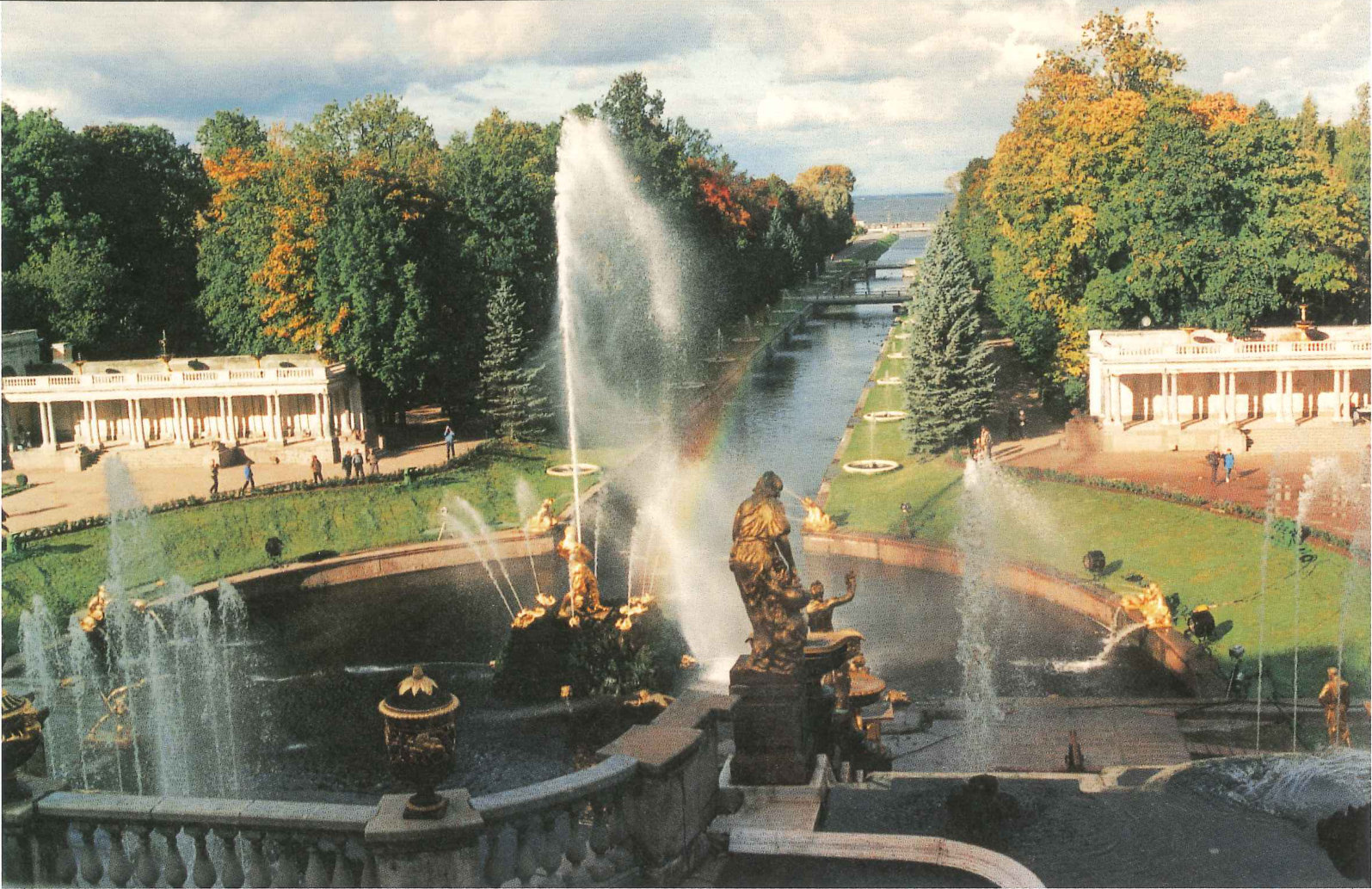
In search of fertile ground for research on diplomatic mini-missions? Look back five years to the former Soviet Union. Following the creation of fifteen newly independent states, there was a proliferation of one-person foreign offices. Diplomats hung their signs and raised their flags in hotel rooms from Vilnius to Vladivostok, Ukraine to Uzbekistan. Canada was no exception.
Newly established offices in Yerevan Armenia, Tallinn Estonia, Alma Aty Kazakhstan and Riga Latvia were often staffed by one Canadian. In 1993 we opened a one-person Consulate General in St. Petersburg to expand Canada’s commercial and cultural relations with North- West Russia. Today there are 26 Consulates General in Russia’s second largest city with staffs ranging from one home-based employee, in Canada’s case, to about 30 in the cases of Finland, Germany and the United States.
Having spent half of my career in this part of the world, my arrival in St. Petersburg in August 1995 was not my first experience with micro diplomacy. In Kazakhstan, where our office in 1992 consisted of a laptop computer and a satellite telephone terminal, I learned that the cover for the phone could double as an nocturnal alarm system when leaned against the hotel room door while I slept. I also learned the importance of being there on a permanent basis in these emerging markets if we are to open new doors for Canadian businesses. Given the vastness and diversity of the Russian Federation, this includes maintaining a presence in Russia’s regions.
As a trade commissioner embarking on the St. Petersburg assignment, I told myself that the mini-missions of the 90s are the descendants of Canada’s earliest one-man trade offices in Australia, Russia and Germany whose purpose was to promote trade for Canadian products and become familiar with local market conditions. But in this age of air travel, CNN and the World Wide Web, what has changed since the days of Canada’s first trade commissioners like John Short Lake and Dana Wilgress, are the expectations of our clientele. Service standards have been established for mini-missions. These one-person offices need to be properly equipped and funded if we are to meet them.
After two years in St. Petersburg, I have reached some conclusions: mini-missions yield quantifiable results in those areas where the Department of Foreign Affairs and International Trade is directly accountable to Canadian taxpayers; and that training and enhanced responsibilities for locally-engaged staff, information technology, and the relationship with the larger “hub” mission are critical to the effective operation of these one-person offices.
In a survey for the November 1996 report to House of Commons on Canada’s Export Promotion Activities, the Auditor General found that the trade officer’s most valuable contribution is as a networker and a broker. It is difficult to introduce our firms to potential buyers, distributors or joint venture partners when Canadian diplomats are not present in a market. Mini-missions offer a way of fulfilling that function.
In the case of Russia, which a recent World Bank report predicts will be one of the “Big Five” economies over the next 25 years, the privatization of state enterprises, the creation of local businesses and regional distribution networks as well as the decentralization of economic and commercial decision-making mean that trade commissioners cannot sit in Moscow and expect to be effective matchmakers. By having a mini-mission in St. Petersburg covering seven subjects of the vast Russian Federation, we have raised Canada’s profile in a regional market of I million people. The result has been increased exports and new joint ventures.
While the benefits to Canada are measurable, the mini-mission concept is often poorly understood by diplomatic colleagues and host governments. This became apparent when the Ministry of Foreign Affairs Representation in St. Petersburg published the Consular list and mine was the only name under the Canadian heading. It was a revelation to some that you could operate a mission with one expatriate.
“This is one of Canada’s many mini-missions around the world,” I explained. My fellow diplomats nodded and walked away no doubt thinking that the term “mini-mission” referred to the height of Canada’s representative to Peter the Great’s city. I am 5’2”. • Tsar Peter was 6’7” “. What a photo that would have made!
My collenques from other Consulates began to get the picture when they s I was the Canadian representative to thing. A typical week could include ing with the Governor or the Pres Representative, a roundtable with attachés, delivering a speech to th national business association (and the speech), responding to faxe Canadian companies, explaining complete a passport application, at the opening of a museum exhibit, pr monthly financial reports, and playi field for the Canadian baseball tear
But you cannot be everywhere. B only representative means that you make difficult choices and compr You are often left with the feeling t are letting someone down. On thos sions the merits of having at least tw mats per mission are not lost on me the role played by locally-engaged
In his report, the Auditor Gene concluded that locally-engaged co cial officers are an “essential compo Canada’s overseas trade service.” T centage of locally-engaged staff (L a proportion of all trade officers increased from 50.5% in 1986 to 52 per cent in 1995. Nowhere is their role more essential than at mini-missions.
There is an argument to be made for channelling some of the savings generated by mini-missions into better training for locally-engaged staff. This includes business development training, familiarization trips to Canada, consular training, courses to improve English and French language capabilities and information technology skills. The initiative undertaken to give greater signing authority to LES for routine consular tasks such as document certifications is also a step in the right direction. At it stands, these often essential consular services are not provided when the lone diplomat is away from the office.
The introduction of mini-mission e-mail in the fall of 1995 was the single most important contribution to increasing the productivity of our St. Petersburg office. With limited human resources at our disposal, mini-missions need a quick, reliable and cost effective connection to our colleagues and our clients. Objectives for future generations of e-mail packages could include improved access to the World Wide Web and federal and provincial government materials. Is an island han to information technology, Canada missions are linked to a network sors. The productivity of a one-pers depends in great part on the rela with the “hub” mission. The hub al structure was introduced to reduce den on smaller missions by conce financial and other administrative sibilities in our larger Embassies.
Hub and spoke reduces duplica allows mini-missions to focus mor on fulfilling Canada’s foreign p objectives. A successful hub and spo relationship extends beyond administrative matters to include information sharing and coordination on policy issues.
More is not always better. Sometimes it is just more.
While I would agree with the other contributors to this series that a two-person minimum is ideal, a one-person office equipped with the latest in information technology, with trained locally-engaged staff and a supportive and well-financed hub can go a long way to increasing Canada’s exports and expanding all facets of our foreign relations.
Of course it is possible to wave the Canadian flag from time to time in St. Petersburg while living in Moscow. I know because I was the chief flag waver here from 1990-93 before we opened our Consulate General. But my first two years in this assignment have proven to me that you do not achieve the same results by just dropping in.
Ma Bell may offer the next best thing, but in the end there is no substitute for being there.
View the original scanned pages →
Originally published in bout de papier, Vol. 14, No. 4 (1997) — Winter 1997 // Hiver 1997, pp. 10–11. Read the rest of this issue →