
bout de papier, Vol. 16, No. 4 (1999-2000) — Winter 1999-2000 // Hiver 1999-2000, pp. 35–36
Tony was one of a kind. From the first time you met him, it was easy to be captivated by his ebullience, gift with words and subtle humour. You learned early on that the cut and thrust of argument came as second nature to him. It was a skill he honed as an undergraduate at UBC, where he went on to establish a reputation as a formidable debater. He was not one for soothing platitudes when it came to expressing a deeply held point of view. You could have differences with him, but you were unlikely ever to be bored with his company. Great vitality, openness of manner, an audacious approach to life and a readiness to declaim on virtually any topic were his endearing trademarks. Few people had such a broad grasp of English history — idiosyncratic at times, mind you — or such a fine way with words. There were few more accomplished practitioners of the rhetorical arts than Tony.
After dabbling in local radio broadcasting in Ontario, doing a stint with the Canadian Government Travel Bureau and completing his studies at the University of Minnesota, Tony joined the Department of External Affairs in 1969. Postings in the Netherlands and India indicated early on that he was a natural for diplomacy. He even demonstrated some acting talent when he appeared as a British cavalry officer in a bit part in an Indian film while he was posted in Delhi. High Commissioner in Bangladesh, a sensitive assignment as director of security operations at headquarters, Ambassador, successively, in Peru and Spain — by any measure his was an impressive record. True, there was a period of adversity when he was, unfairly in the minds of many, singled out for censure during the controversy surrounding the admission to Canada of the former Iraqi ambassador to Washington. It was typical of Tony that he was prepared to take full responsibility for the decision, and few who were in Ottawa at the time will forget the grace and forceful logic with which he endured and surmounted the rigours of a parliamentary enquiry. Ironically, it was at this low point in his career that Tony demonstrated his depth of character and fortitude. Colleagues and friends derived great satisfaction from his ultimate vindication and later accomplishments.
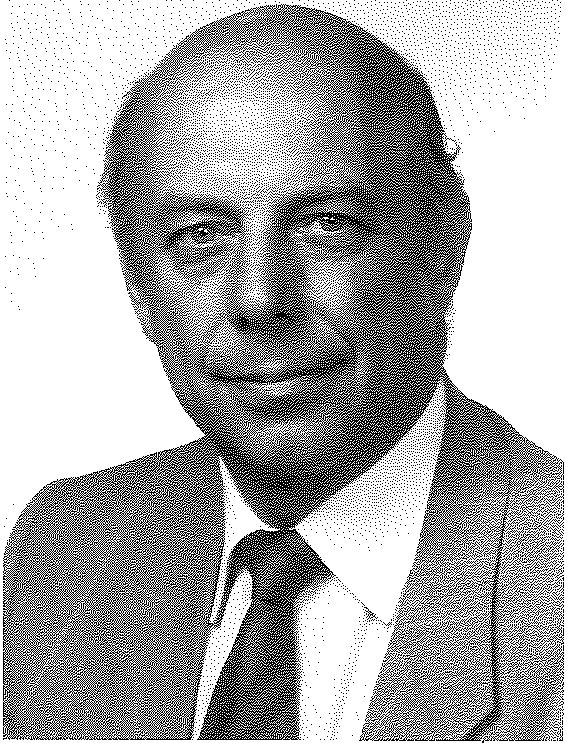
Tony also had a deep sense of tradition and professionalism. This was illustrated by his belief that the Foreign Service was at its zenith when diplomatic uniforms were worn — a tradition which he opined ought to be revived. It was also apparent in his views on the more mundane and practical ways in which foreign affairs should be practiced in the later part of the 20th century. There are perhaps not many working in the Pearson Building today who realize they owe a debt of gratitude to Tony for the fact that they work in enclosed offices and not behind the partitions so common in other government departments. Following the merger of the “old External” with the Trade Commissioner Service, Tony became a relentless advocate-cum-agitator for “walls”. For a man of otherwise such conservative views, he came very close to manning the barricades over the issue.
Tony married later than many of us, but in Lucie he found the support and constancy which sustained him. On becoming a father, he took great delight in Alexandra and was always enchanted by her.
He will, of course, best be remembered and honoured for his superb display of leadership, courage, compassion, sang-froid and, yes, humour, during the hostage crisis in Lima. Tony showed his true worth in those long weeks of challenge and unrelenting stress. His first priority was the care and safety of many colleagues and friends incarcerated in the Japanese Embassy. Selflessly he went back and forth to the Embassy, each time bringing words of encouragement to the hostages. We all saluted Tony for that bright and shining moment which earned him a high place of honour in the department’s pantheon and added lustre to the Canadian Foreign Service.
He was a complex, at times infuriating, and almost always delightful character. Tony Vincent will be greatly missed as a friend and a colleague.
View the original scanned pages →
Originally published in bout de papier, Vol. 16, No. 4 (1999-2000) — Winter 1999-2000 // Hiver 1999-2000, pp. 35–36. Read the rest of this issue →



