
bout de papier, Vol. 11, No. 4 / Vol. 12, No. 1 (1995) — Spring 1995 // Printemps 1995, pp. 67–74
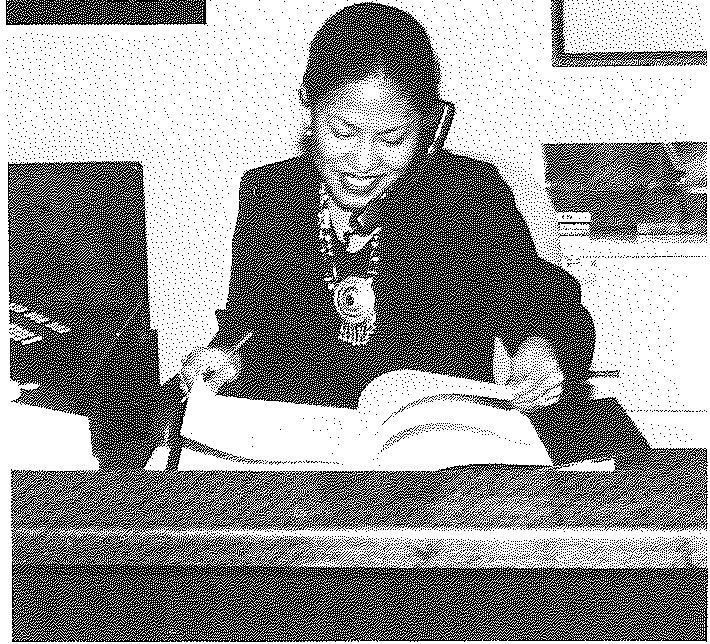
Le sous-ministre adjoint par intérim aperçoit à travers la fenêtre de son étroit bureau une B. Pearson, vue peu inspirante s’il en est. Le sous-ministre adjoint est en mission à Washington et New York; il participe à des entretiens avec le président Aristide d’Haïti et les cinq « Amis d’Haïti » où sont examinées les prochaines étapes que pourraient adopter pour Haïti les pays les plus concernés et ceci, à la lumière des sanctions économiques décrétées par l’ONU et de la menace d’une invasion imminente qui aurait pour but de rétablir le président Aristide.
Les priorités politiques et commerciales pour le Canada dans la région sont:
• la mise en place, dans les relations bilatérales et dans le cadre de L’OEA, d’un partenariat actif avec les états de la région
• la défense de la démocratie
• le renforcement des institutions démocratiques en Amérique centrale et dans les Antilles
• la promotion des relations commerciales avec l’Amérique latine et les Antilles
June 2 unfolds…
•.. The Press Office organizes a meeting on the Secretary of State (Latin America)’s proposed visit to Cuba. The Minister’s office tries to get through to Bogota to talk to her but the connection is not made. “CNN Latin America wants an interview with her from Ottawa prior to departure, as well as after the visit while she is in transit in Miami airport.”
68 bout de papier ••. At Place du Portage, a meeting starts. “The purpose of this meeting is to begin preparations of the next round of meetings with Mexico and the US on the regulations governing the admission of temporary workers under NAFTA. We might want to look at some new professions for eligibility.” … Le cabinet du ministre Ouellet demande une mise a jour des reunions des “Amis d’haiti” a New York. Ottawa contacte l’ONU pour s’assurer qu’un rapport des consultations avec les Français soit produit. •.. The Honourary Consul in La Paz reports a missing plane carrying a Canadian environmental worker and four colleagues has not been found. A search plane is missing as well. Lima contacts the head of the Peruvian Air Force to arrange for the loan of a helicopter for searching the higher reaches of the Andes.
••• Port-au-Prince files its reports on the impact of economic sanctions and needs for humanitarian assistance. The Ambassador calls. “There is increasing tension in the air. The military leaders are starting to panic.”
•.. Selon notre ambassade en Colombie, la visite de la secrétaire d’État Mme Stewart s’est bien déroulée.
•.. There is a meeting in the Office of Protocol with the Argentine Ambassador on the upcoming visit of President Menem. … A funeral home in Costa Rica details their work in forwarding the ashes of a recently deceased Canadian. They regret that the ashes had not been received in good condition but the transportation company is to blame.
… Le bureau de la presse rapporte que « nous recevons de nombreuses demandes des médias au sujet des sanctions financières à l’égard des partisans du régime illégitime du Haïti, en particulier ceux de nationalité canadienne ou possédant le statut d’immigrant reçu.
… “The Deputy’s office has sent back the urgent memo again. They say we don’t have the margins correctly set.”
•.. A Montreal travel agency inquires about the return of the personal effects that had been stolen from 40 Canadian tourists in Venezuela in a daring middle-of-the-night robbery.
… Discussions are finalized on the sale of helicopters to Colombia and a memorandum is prepared for ministerial consideration.
… The families and lawyer of two Canadians imprisoned in Colombia, in a conference call, go over the problems they are having and ask for help to transfer them to a Canadian prison.
… Jamaica reports that the Jamaican judicial system has promptly dealt with yet another of the five to ten Canadians arrested each week on drug charges. ..• The Mission to the United Nations sends on the latest draft communique for the UN Five Friends of Haiti. It calls for tough new measures if the military regime does not hand over power soon. •.. Les Barbades nous envoient un rapport sur leurs entretiens avec le Commissaire de police portant sur l’assistance aux investisseurs canadiens qui croient avoir été fraudés et qui estiment ne pas avoir reçu l’appui des autorités locales.
Meanwhile at the Office of Protocol
Uncertain Times in Port-au-Prince
by Ambassador Francis Filleul, Ambassade du Canada, Haiti
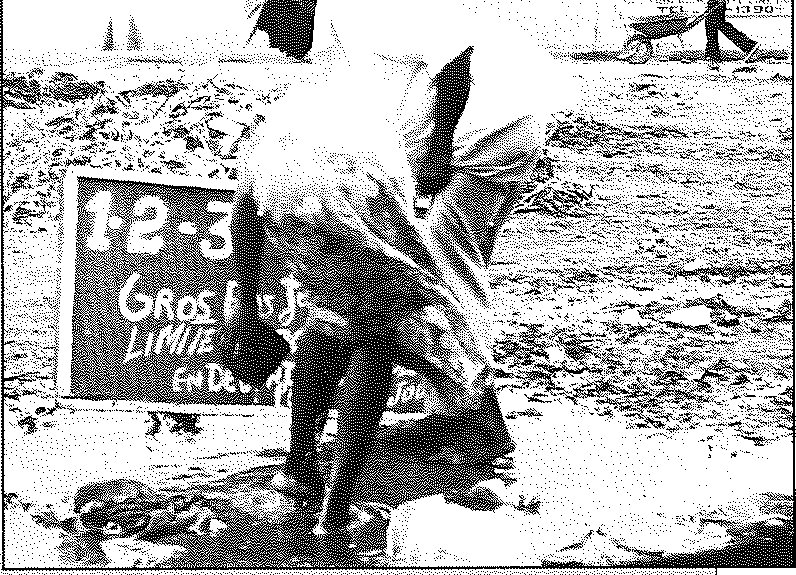
Context: Haiti has been placed under reinforced UN embargo since May 20, 1994 in an attempt to dislodge the military and putchist regime and permit the return of elected President Aristide. Many indications now point to some form of unilateral or international intervention in the coming weeks.
Thursday, June 2, 1994
AM Fête-Dieu. Streets are filled with processions of the devout singing hymns.
Early Morning Conferred with Embassy media analyst to catch up on latest creole language radio reports. Prepared first draft of situation report for Ottawa. Checked with CIDA programme director on a report on humanitarian aid. It is urgently needed for Canadian representative at meeting of Five Friends of Haiti in New York.
Mid-morning Held meeting of Canada-based staff on potential effects on mission operations of extra sanctions being considered by USA. Telex to be prepared for Ottawa. Discussion focused on consular responsibilities, revising emergency evacuation plan and renewed consideration of downsizing mission personnel. Administration officer confirms that Embassy fuel stocks are good for approximately 2 months, and further replenishment still possible.
Noon Received visit from one of President Aristide’s close advisors. Review present situation and Aristide’s attitude to possible international intervention, armed or otherwise, in Haiti. Received call from French Chargé on timing and content of this week’s meeting in New York. Discussed on telephone with CIDA Canadian media reports (inaccurate) that aid funds had been blocked by Haitian government.
Afternoon At her request, called on Ambassador of Venezuela, one of Five Friends, to discuss stops can by vanada to wumom visas from those closely connected to de facto government.
Late PM Attended vernissage of Haitian painting and sculpture under patronage of rightwing members of Chamber of Commerce.
Evening Joined RCMP officers lodged in Official Residence to watch satellite broadcast of Stanley Cup Final.
On June 2 …
The word “protocol” conjures up images of white gloves, gowns, tuxedos and good table manners. Official protocol encompasses a great deal more than that. The Office of the Chief of Protocol has a number of major responsibilities.
• services the Diplomatic Corps and their families in Canada. It facilitates the presence in Canada of approximately 14,000 foreign representatives and their families.
• plans high-level visits to Canada, and the official international travel by the Governor General, Prime Minister and Ministers of the Department
• administers the Official Hospitality Program which offers government hospitality to foreign guests of the Prime Minister, Cabinet Ministers, Ministers of the Department, and senior public service officials.
… The Chief of Protocol finishes his meeting with Ambassador of Thailand regarding the Thai Prime Minister’s visit to Canada in the fall. In the morning, he discussed the visit of Argentine President Menem with the Argentinean Ambassador. •.. On the second day of June, the Office of Protocol met four ambassadors, received 153 phone calls and 46 Diplomatic Notes, issued 17 Diplomatic Notes, gave 30 accreditations, registered 9 vehicle registrations, clarified 7 cases of diplomatic privileges and immunities issues, and did not give a partridge in a pear tree. (It is not on the Government Gift list which the Office also controls).
•.• Immigration and customs clearances for the Lesotho Minister of Transport and Communications, the Crown Prince of Morocco, the Chief Justice of Nigeria, the Minister of Overseas Chinese Affairs of Taiwan are arranged.
•.. On termine la préparation des visites en juin du ministre tchèque de l’Industrie et du Commerce, du ministre mongol des Relations extérieures, du vice-premier ministre du Vietnam et du ministre croate des Affaires étrangères.
… “Yes, we would be happy to set up a protocol training program for volunteer hosts and hostesses.” Staff liaises with the Victoria Commonwealth Games Society to review arrangements for VIP arrival and participation.
•.. A meeting is held with Africa Branch to finalize training proposals for staff of the Palestinian foreign liaison office. •.. Arrangements were finalized for Minister Ouellet’s trip to the OECD and NATO Ministerial meetings. … Menus, guests lists, invitation cards and seating arrangement for the planned events in the coming weeks are prepared.
A Minister in Bogota
by Mission Staff, Canadian Embassy, Colombia
Dateline: Bogota The first rule of diplomatic science is, “a Minister can only be in one place at any given time”. On June 2 Bogota, Colombia is as good a place to be as any for Christine Stewart, Secretary of State for Latin America and Africa The Minister’s visit is the culmination of two hectic weeks (and one panicky day!) of scheduling and cancelling, of confusion and misunderstandings, of planning and revising, of meetings and telephone calls, and of briefings and debriefings. Two weeks of complete dedication focus on two and a half days of high level meetings with the hope that all comes off without a hitch.
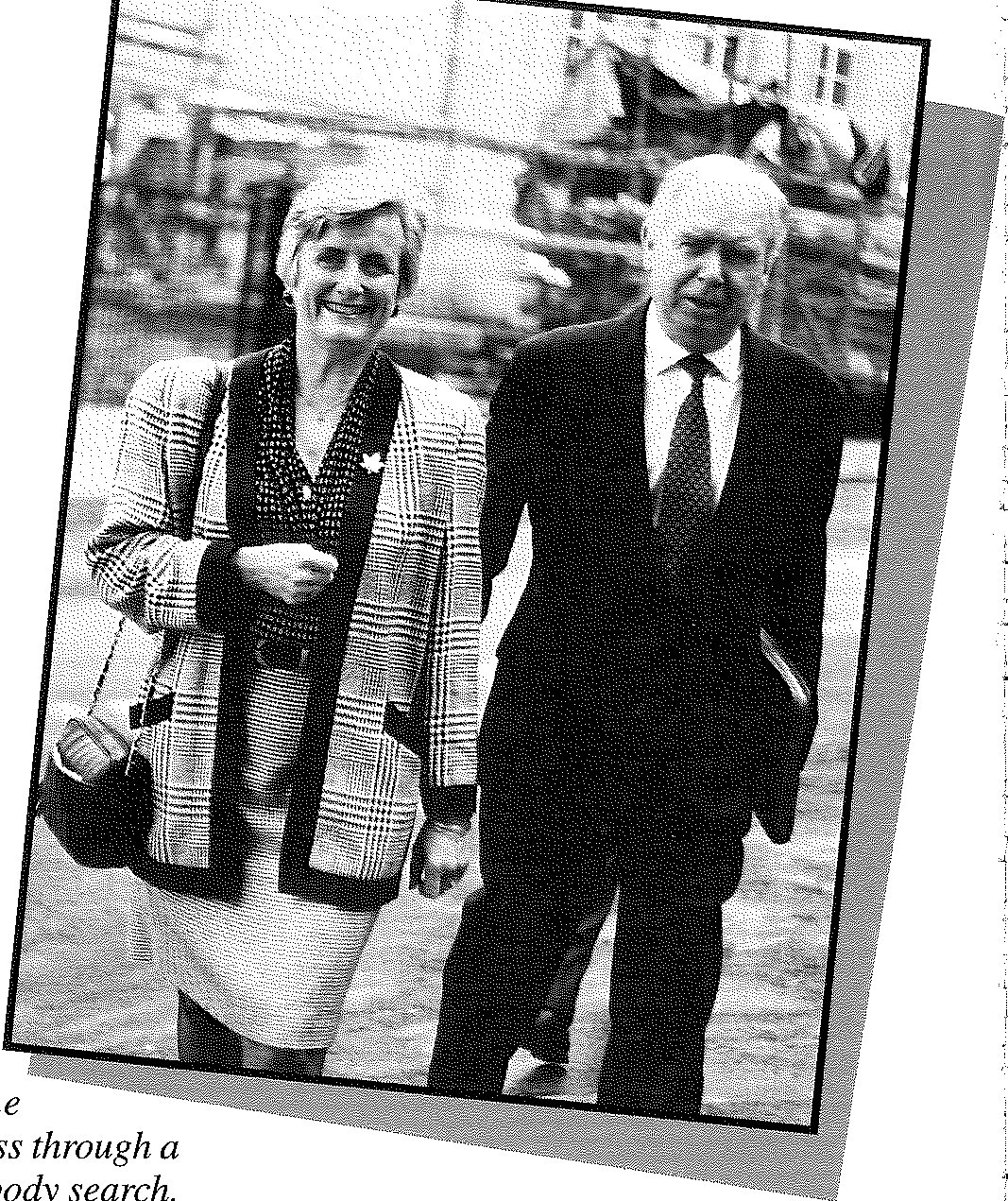
The Morning with the Minister It is eight o’clock (Bogota time; Ottawa is an hour later). The cars are washed and final instructions are given to the drivers. An bout de papier advance person goes to the Congressional building to check on arrangements and make sure there will be no security problems. Normally to enter the Colombian Congress, you must explain to a guard why you are there, receive the permission of the appropriate person to enter, pass through a metal detector and undergo a body search. The advance person undergoes this treatment on behalf of the Minister. At about the same time the Ambassador travels downtown with the Minister and her delegation to the Congressional buildings. The delegation arrives early for the meetings so the Minister and the Ambassador walk around the historic old part of Bogota for a few minutes. The meeting starts at ten. The Minister discusses regional issues and reviews the state of Colombian-Canadian relations with the Senate’s Second Commission on Foreign Policy.
While the Minister is in her meeting, her office calls from Ottawa, asking for her exact itinerary for the rest of the trip. They are not satisfied “she leaves tomorrow”. Messages are sent over the walkie-talkie to ask her assistant to call the Embassy. As the assistant is in the meeting and out of touch, her office will have to wait a couple of hours. This is hard to explain.
Back at the Embassy, those who are not accompanying the Minister make calls to ensure that tomorrow’s appointments are still on. This is a wise strategy. In Colombia a confirmed appointment one day can be cancelled the next because of a soccer game on television.
Meanwhile, back at the Chancery …
The usual morning routine …. newspapers are read; coffee is percolated (this is Colombia after all; and horror stories are exchanged about the traffic and violent incidents of the previous night.
A reception for Les Ballets Jazz de Montréal who will be performing in Bogota next week is being planned. Who should be invited and how many tickets to their performance should we buy? A messenger is sent to buy the tickets.
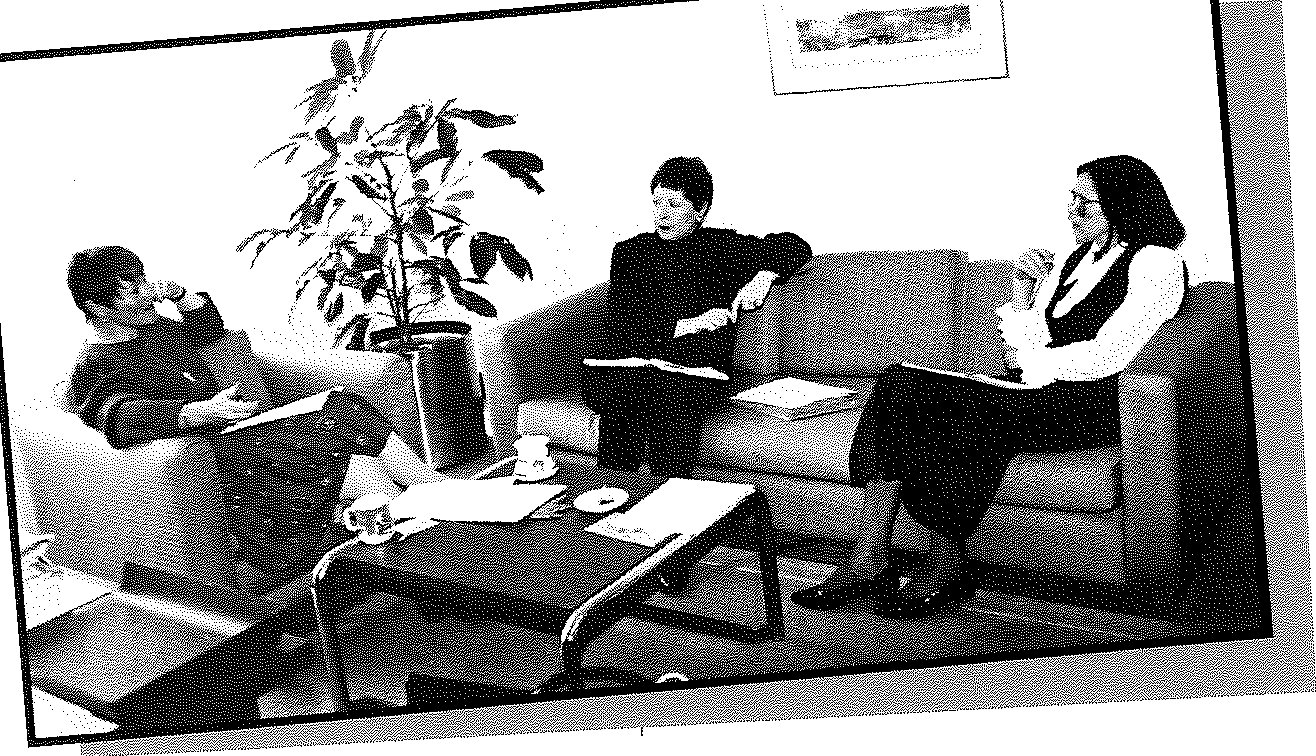
There is a call from Caracas, one of three satellite offices. The others are in Quito and Guayaquil, Ecuador. Two East European engineers in Venezuela are waiting impatiently for their Canadian visas to start a project in Quebec. They had been promised that the process of issuing the visas could be accelerated. Now the merry-go-round starts. The applicants live in Caracas: the immigration office is in Bogota, the doctor who conducts the medical exam is in Port-of-Spain:, and the Quebec Office that issues the provincial certificate is in Mexico City. The visas are not issued that day.
Corporate profiles of the exhibiting Canadian companies for the Bogota International Fair catalogue are being prepared in the commercial section. Up to twenty-five Canadian firms will participate.
The consular section calls Barranquilla, a city on the Atlantic coast, to check on two Canadians who are out of jail on probation but are not allowed to leave the country. Like all Canadians jailed in Colombia, they were arrested for drug trafficking. These two Canadians had been arrested two years ago and are still awaiting the tinal outcome of their case. The Embassy keeps in touch to make sure they are alright. There is not much it can do to speed up the process. It can only ensure a fair and equal treatment in the best consular tradition.
Towards the middle of the morning, the waiting room in the immigration section is standing room only! Two immigration officers serve them; the third works on the new computer which refuses to print visas. The officer has been working on it for two hours now. Drastic times call for drastic measures. A low-tech typewriter is called upon for duty.
In the summer, the immigration section issues around 1200 visitors visas per month. They typically see 50 to 60 applicants for visitors visas per day and process 30 to 40 more sent by travel agencies.
The Afternoon in Bogota It is noon time. The Minister winds up her meeting with the Colombian Senators and heads to the Official Residence for a luncheon with various Colombians and Canadians. The guests of honour are two academics (one Colombian, the other Canadian) who are participating in a conference on the black market in small arms and the problem of drug trafficking in Colombia. The Minister meets the President of Colombia, Cesar Gaviria Trujillo at two o’clock. As Ms. Stewart speaks Spanish quite well and the President speaks fairly fluent English, no translator is needed. The Minister is presented with a gift from the President; her present (a Haida box) will be sent next day by the Embassy. This is the centrepiece meeting of the visit. It has a double significance. Besides being the President of Colombia, Mr. Gaviria is soon taking up duties as the next Secretary General of the Organization of American States (OAS). Ms. Stewart had officiated at the meeting that elected Mr. Gaviria to the OAS post. They discuss the future of the OAS and the place Canada and Canadians play in this international group. The meeting goes well.
Meanwhile, back at the Chancery …
• Former Cabinet Minister Jake Epp, who now works for TransCanada Pipelines, meets to talk about a possible investment in a large oil pipeline project.
The Ottawa CIDA manager meets with the assistance section to discuss Canadian assistance projects in Colombia and Ecuador.
An emergency passport is issued to a young Canadian who is travelling through South America. Somewhere around the southern city of Cali, he lost his passport. There are more routine applications received by mail from Canadian citizens who are long-time residents of Colombia. There are approximately 1100 Canadian nationals in Colombia who, from time to time, approach the Canadian Embassy for consular services. The most common requests are for passports and information on pensions and taxes.
The immigration section interviews a candidate for permanent residence. A woman with a baby is seeking permanent residence in Canada to join her boyfriend. In order to gain residence she plans to marry a friend of her boyfriend. There is a complication. The boyfriend in Canada already has a wife in Colombia who refuses to give him a divorce. The immigration officer tries to figure out if he should believe this story or not. All the while the baby cries at the top of his lungs.
Canadian technicians in Colombia to install cellular telephones drop by to ask about living conditions in Colombia. They receive a security briefing and hints on survival in the city. Do not go out after midnight and avoid shady looking people.
Night Time in Bogota At five o’clock the Minister gives an interview at her hotel to two journalists, one Colombian and one Canadian, on her trip and answers questions on Canada’s relations with Colombia and the future of the OAS.
The Minister is the guest of honour at a dinner later that evening at the Official Residence with representatives of various non-governmental organizations active in political and economic development in Columbia. The evening ends at eleven. Those who are not at the dinner for the Minister are at home watching the second game of the Stanley Cup finals. New York beats Vancouver 2 to 1.
On the Trail of a Campaign
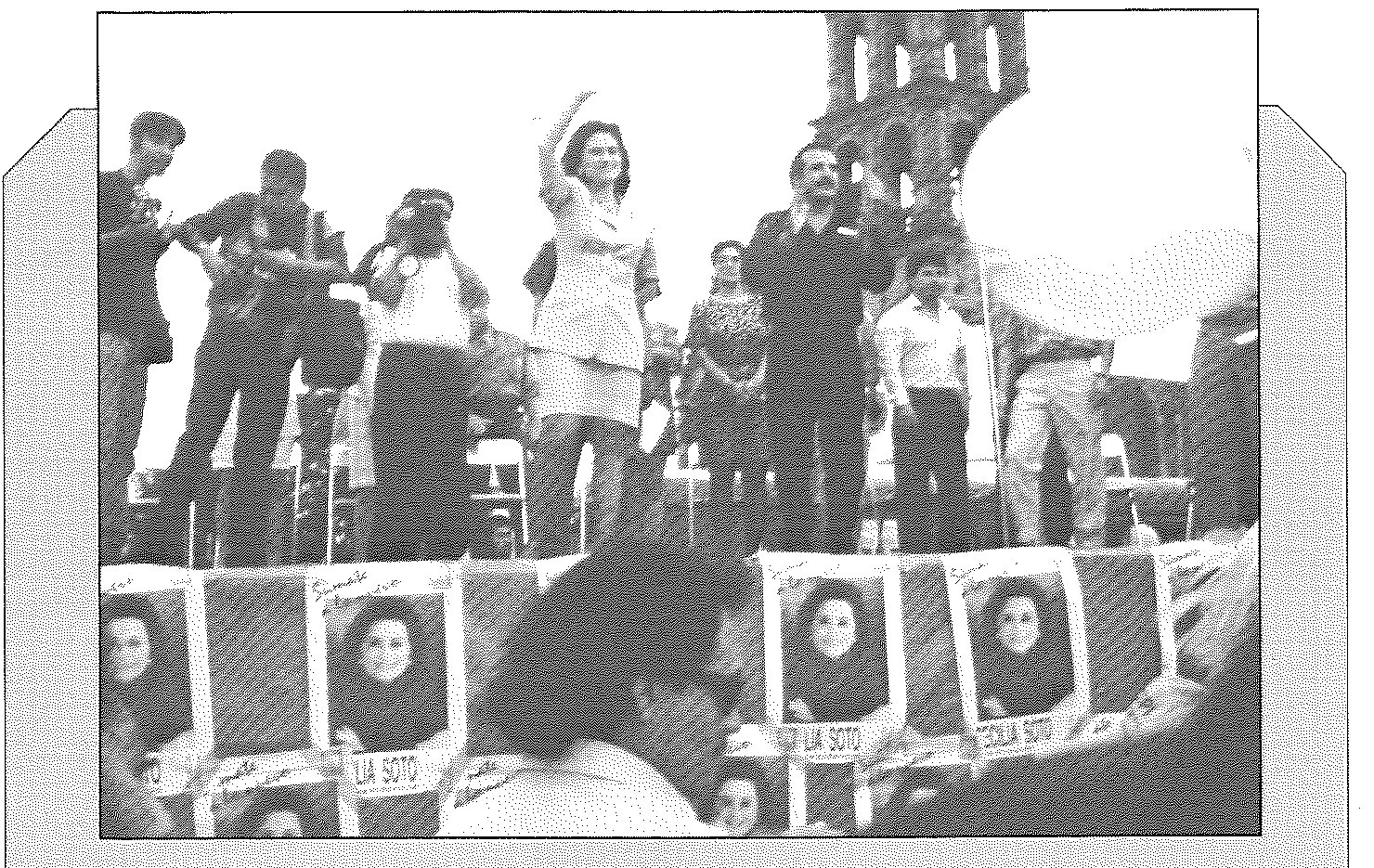
Dy Nick Cogman, canaaan emodssy, Mexi The Mexican Presidential campaign is in f I leave this morning with Claudia, our loc campaign of Presidential Candidate Cecilia: Institute for Biological Investigation which s Porton Down but is in fact less sinister. H diseases that attack maize. It is Ms. Soto’s (1 The Candidate, called simply “Cecilia” by a sign that says “Biological Fungicide”. She talk about the peculiar virulence of Mexica maize bugs are only one-quarter as strong as We move to the auditorium where the Car so graduate students. The first question is a fi point of the intellectual property chapter of N 40 degrees Celsius, a student faints but the “Why does the government lie to us?” “Is i your mentor?”
At around five in the afternoon, events I provincial town of Irapuato. Ms. Soto is to le: Many of them wear red or yellow T-shirts, Candidate has not arrived but the warm-up a You think I’m Sexy” a troupe of thirty or so t and tight red blouses, begins to gyrate in a d man shouts “Si, si!” through the microphone To a rousing chorus of “Se ve, se siente, you can feel it, Cecilia for President!), the C microphone. She excoriates the Mexican mali a damper on the enthusiasm of at least half who has been patiently holding up a picture his stick and shambles off. Now the candidati of the Mexican government is its lack of a pı up when she says “Last October, in Canada, twenty people lost their jobs. Can you imagi A good crowd I am assured by a Soto tean by ten o’clock that night. Only eight more c n full swing. Local political analyst, to cover the day’s lia Soto. We arrive at noon at the Irapuato th sounds and looks rather like a Mexican. Here they investigate germs and other s (the Candidate) first stop of the day. ’by the Mexican media, is standing under She listens to the Director of the Institute ican bugs. Did you know that Canadian g as their Mexican cousins? Candidate answers questions from 200 or a fifteen minute declaration on a abstruse f NAFTA. The temperature climbs toward the questions become more interesting. Is it true, Ms. Soto, Lyndon Larouche is ts move out into the main square of the › lead a rally. A large crowd is assembling. rts, the colours of Ms. Soto’s party. The p act begins. To a Spanish rendition of “If s0 teenaged girls, all in short yellow skirts a disorganized fashion on the platform. A one. Te, Cecilia Presidente!” (“You can see it, e Candidate strides across the stage to the nale for his machismo, which seems to put alf the crowd. An old silver-haired man, ure of Ms. Soto on a stick, quietly lowers date is saying that one of the great failings a professional civil service. My ears prick la, when a new government came in, only ¡agine, only twenty!” eam member. We are back at the Embassy re candidates to go.
A Naftanoon in Monterrey
Noble, the minister counsellor down from our Embassy in Mexico City, appears fresh and ready to begin his round of meetings in the Mexican border town of Reynosa. TRIMEX International of Kitchener, Ontario, active in this part of Mexico for the last ten years, is organizing a series of visits for us to gain a better appreciation of the market for Canadian construction materials and construction technology.
We arrive at the site where TRIMEX is building a new SUS2.1 million plant for Emerson Electric of the United States using Canadian steel. TRIMEX is working with a local partner to build Phase I of a five phase plant. Emerson is so impressed with TRIMEX technology that the plant manager wants TRIMEX to build his home across the border in Texas. TRIMEX’s Canadian construction technology has attracted considerable attention from local contractors who at first were skeptical of the “new kids on the block”. Now that they have seen just how fast it can be erected, there is a daily parade of Mexicans proposing joint ventures and strategic alliances. We depart at ten for Matamoros to visit Auto Trim Inc., a Canadian company, which is making leather-covered steering wheels for US and Canadian auto manufacturers. They also produce small plastic components for the car industry. TRIMEX built Auto Trim’s plant in 1987. Since then there have been three more TRIMEX additions to the plant which is located on Avenida Canada. The City of Matamoros had been lobbied by the Canadian firms to change the name of the street to honour of the first Canadian maquiladora in the area.
We tour the Auto Trim plant that is producing 55,000 leather-covered steering wheels a week. All the leather is pre-cut and shipped to Mexico for assembly. Hmm, how many cow hides does it take for 55,000 wheels! minutes late for lunch. We got lost in the many little side streets. No matter, we are in Mexico and everyone is late. The Mayor of Reynosa and official party have yet to arrive.
Two o’clock and still no sign of the Mayor. We order drinks. Drinks arrive. Noble takes a swig and wonders why he has an olive in his mouth. He has ordered a whisky and soda, not a martini. The olive is actually a cockroach. The drink is sent back and new whisky arrives without condiment. Tequila with worms okay, but whisky with cockroach, no. Still no Mayor. We order lunch. Three thirty, we finish lunch without Mayor. Fifteen minutes later, the Mayor and al his official party arrive. We fear that we may have to order lunch again and eat another full meal in order to save face and “break bread with the Mayor”. He realizes he is a little late and we share a light snack with him. Discussion focuses on the dynamic city of Reynosa and opportunities for Canadian companies. We agree with the Mayor that Canadian Embassy will send representative in July to participate in Reynosa Industrial Trade Show and promote business with Canada. At four thirty, we bid farewell to the Mayor and go off in search of some road paving equipment that the Mayor recently purchased from Pyrotech of North Vancouver. An hour later, we depart for Monterrey, where my colleague will fly back to Mexico City. As the Canadian Ambassador is out of the country and he is Chargé, he cannot leave Mexico without appointing another Chargé. This means that he cannot fly back to Mexico City via Texas, which is quicker.
The two hour trip back to Monterrey allows me to retell the story of the recent Consulate reception for 150 people, when the caterers did not appear. Incredible efforts were made to keep the masses happy and fed by wrapping Canadian smoked oysters in tortillas and serving smoked salmon enchiladas. Guests commented the next day on the interesting canapes. I momentarily pondered a career move into catering business and cross-cultural cuisine.
We arrive in Monterrey and Noble checks-in and heads home to Mexico City.
As for me, the City of Montreal is arriving with a 20-member delegation and the Consulate will host another reception to celebrate the new agreement between Montreal and Monterrey on June 5. Not tempting fate, I decide to stop and buy more tortillas.
Post Script The next day, the Reynosa newspaper reported on the visit of Canadian Ambassador, J. Ian Burchett and his secreatry Mr. Robert Noble.
Visas for Argentina
Letter from the Caribbean
On Consular Alert in Jamaica
Argentina by Regis Beauchamp, Canadian Embassy, Argentina s the program manager in the Immigration Section, I check to see how many visitor visas had been issued to Argentine nationals planning to accompany President Carlos Menem on his state visit to Canada in mid- June. Many! The arrival of the President’s passport later in the morning generates some interest in the section. We decide to grant him a visa.
Thank you for your facsimile dated May 30, 1994 regarding “A Day in the Life of the Foreign Service” requesting input form the Canadian High Commission regarding events that happen at the Chancery and Residence on June 2, 1994.
I sincerely regret that due to a recent down-sizing exercise, the mission no longer has the personnel resources to adequately reply to requests such as yours. It is unfortunate that my reply cannot be more positive, but I do wish you success in your publication, one I might add, I would be interested in perusing
Alert in Jamaica by Marguerite Duncan, Canadian High Commission, Jamaica pon entering the office open the filing cabinets and turn on the “good ole” laminator for passports. “Millions” of passport applications flow in from the Honourary Consulates in Montego Bay, Belize and Nassau, not to mention applications from the Turks and Caicos Islands and the Cayman Islands and those citizenship applications to be processed for the “zillions” of babies born to Canadian citizens outside of Canada!! It is Thursday and these passports must be ready to go to the Honourary Consulates by package by Friday morning. bout de papier KENLOC HEALTY
The phone rings.
“There is a young lady here to see you. She says she came to Jamaica on an expired passport and on her Canadian Birth Certificate which is now lost and who needs to travel on Sunday”. I go to the glass window where I meet an attractive 19 year old young lady, laden with jewellery. She has at least five earrings in each ear and two tiny studs in her nose. Her arms rattle with gold bangles. Luckily she has her immigration card which shows that she entered the island on her birth certificate. After discussing the matter with my supervisor, she receives an emergency passport. I give her the relevant form and send her to get photographs at a nearby photo studio. I am not back at my desk for five minutes when the receptionist calls me saying that there is a young man at the passport window. Off I go. There at the window is a ragged youth clutching a Jamaican passport.
Michael claims he had been adopted by parents in Canada who had brought him back to Jamaica at age six. He wants us to help him find his adoption papers because he wants to go back to Canada. I ask him if he had a Canadian Citizenship card or a Canadian passport. He can’t remember LTY CORPORATON
I take down the details about his adopted parents in Canada. He can’t “quite” remember the present address or phone number. I look in his Jamaican passport. The photo bears a likeness to him— a younger version.
I give him a Citizenship Application Form and advise him of all that was needed should he apply for a replacement. I also advise him to contact the Jamaican Adoption Board to see if there were any documentation of his adoption Back at my desk I laminate and laminate and laminate and answer query after query after query.
“I have a son born in Jamaica, how do I get him registered as a Canadian Citizen?”
“I have lost my documents … 27 …all my money was stolen…” On June 2, 1994, no one drowned, no one was arrested, or murdered. No one kidnapped her children and fled with them to Canada. A good day. Even better than that.
Someone whom I had helped the day before called to say “Thanks” ’. It’s rare to get a “Thank you” “, and it feels good.
View the original scanned pages / Voir les pages numérisées →
Originally published in / Publié à l’origine dans bout de papier, Vol. 11, No. 4 / Vol. 12, No. 1 (1995) — Spring 1995 // Printemps 1995, pp. 67–74. Read the rest of this issue / Lire le reste de ce numéro →



