
bout de papier, Vol. 11, No. 4 / Vol. 12, No. 1 (1995) — Spring 1995 // Printemps 1995, pp. 45–56
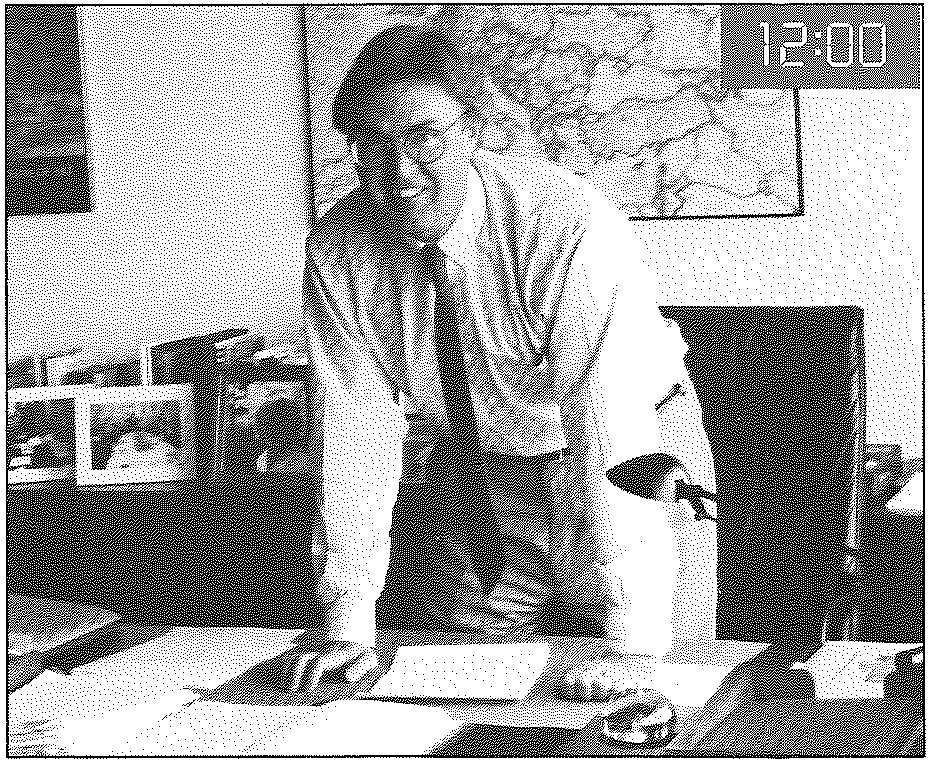
The hum of CNN news flicks on the screen in the corner of his office. The television is always on. The Financial Times and the Herald Tribune lay neatly folded on the desk top. The desk is empty except for single sheet of paper. It outlines new options for Canada in the former Yugoslavia. The ADM takes one quick look at the television before he heads to lunch. In Europe, the afternoon is over and the day is coming to an end.
Four issues dominate Canadian policies in Europe:
• the economic and political integration of Europe.
• the bolstering of political and economic reform in the countries of Central and Eastern Europe and the Former Soviet Union.
• the conflict in the former Yugoslavia.
• Canadian trade and investment in Europe.
June 2 unfolds….
… Les ambassadeurs canadiens affectés auprès de l’Allemagne et des Communautés européennes sont réunis à Ottawa dans le but de discuter des options qui s’offrent au Canada pour renforcer son partenariat tant avec les Communautés européennes qu’avec la Présidence de l’Union européenne. ••. “I’m sure They didn’t really say that. T’Il call to make sure.” A newpaper article quotes the Chargé d’affaires and commercial officer in Athens making négative comments about doing business in Greece. The Minister’s office requests a Q and A. bout de papier ••• Preparations are finalized for the Canada-France Joint Economic Commission. Minister MacLaren will lead the Canadian side in Paris.
••. The Minister’s office requests an update on the situation in Bosnia in light of the American threat to lift the arms embargo. ••• Warsaw meets with the lawyer of a Canadian detained on commercial fraud The charges are serious and the prisoner will not be released on bail. … “They will support Don Johnston for Secretary General of the OECD, if we back whom for NATO Secretary General?” ••. Le SMA répond a de nombreux appels que lui adressent nos chefs de missions en Europe lui suggérant toutes sortes d’options visant a promouvoir la stratégie électorale de l’ancien ministre Don Johnston au poste du Secrétaire general de l’OCDE.
••• Hull contacts immigration program managers in Vienna and Belgrade to discuss the possibility of raising their selection targets for government sponsored refugees from the former Yugoslavia. •.. Norway reports members of the Sea Shepherd have been tried in absentia and sentenced to 120 days for attempting to sink a Norwegian vessel.
••. Selon Moscou, l’Arménie procède à des essais pour faire redémarrer ses réacteurs nucléaires, lequels avaient dû être arrêtés il y a quelque temps parce qu’ils n’étaient pas sécuritaires et parce qu’ils étaient construits dans des zones de tremblement de terre. Moscou demande si le Canada est disposé à fournir de l’aide et si la question sera à l’ordre de jour du prochain sommet du G-7. •.. Un peu plus au sud, Kiev fait le point sur les élections présidentielles en Ukraine et sur les risques de conflit entre l’Ukraine et la Crimée.
•.• A letter is drafted for Minister Ouellet to his Ukrainian counterpart reaffirming Canada’s support for the sovereignty and territorial integrity of Ukraine and for a negotiatied solution on Crimea. •.. The ninth medical evacuee from Bosnia arrives in Canada. There are consultations with the Minister’s office on further humanitarian assistance for the relief and rehabilitation of Sarajevo.
•.. Following up on an interdepartmental conference on Russian organized crime, Hull requests a confidential report from the immigration section in Moscow on the involvement of Russian organized crime in travel document forgery.
… L’ambassadeur croate se présente pour une audience afin de faire le point sur l’aide canadienne à son pays.
… INCO se présente pour discuter du potential au Kazakhstan. Cameco scrute un projet au Kirghistan.
••• Goodyear discusses investment climate in Russia and a Canadian consortium looks for Canadian government support to pursue a World Bank project in privatization in Poland.
••• The Canadian Ambassadors to UK and Germany testify before the House of Commons Committee on Forestry Practices. •.. Moscow plans the medical evacuation of a Canadian businessman seriously injured in a robbery at his apartment.
Les portes d’immigration
12:30 Les portes
Le sous-ministre de la Citoyenneté et de l’Immigration téléphone au bureau de presse. Il vient de lire un reportage sur un réfugié en provenance de Somalie que des personnes accusent d’être un membre de l’ancien régime. Il n’aura pas de déjeuner aujourd’hui.
Le 2 juin se déroule…
… The Deputy has meeting with two outgoing members of the Immigration and Refugee Board.
••. Le sous-ministre adjoint pour les services internationaux s’entretient avec le ministre Marchi de sa prochaine visite en Europe. « Vous pouvez signer une lettre d’intention offrant d’aider le gouvernement russe à mettre sur pied un Service fédéral de migration. Ensuite, en Hongrie, vous pouvez annoncer l’abandon de visas de visiteurs à l’intention de ressortissants hongrois. En Italie, il y aura l’ouverture du kiosque canadien à la deuxième plus importante foire commerciale pour les technologies de pointes. Si vous voulez, monsieur le Ministre, vous pouvez signez deux lettres d’intention, la première sur l’initiation du « Projet urbain » et la seconde sur les consultations périodiques Canada-Italie sur les questions d’immigration. » … There is the day’s visit of the US Ambassador to the United Nations. She asks for Canadian help in the resettlement of Haitian refugees in light of the new policies of the US Administration not to return refugee to Port au Prince.
… Ottawa établit des contacts avec le Haut-commissariat aux réfugiés par l’intermédiaire de la mission permanente canadienne à Genève et s’adresse aux Australiens et aux Européens pour s’enquérir de leurs plans d’actions sur Haiti.
… There are negotiations with Jamaica to facilitate the issuance of travel documents to Jamaican nationals under removal orders in Canada. It is agreed that later in the
Interlude polonais
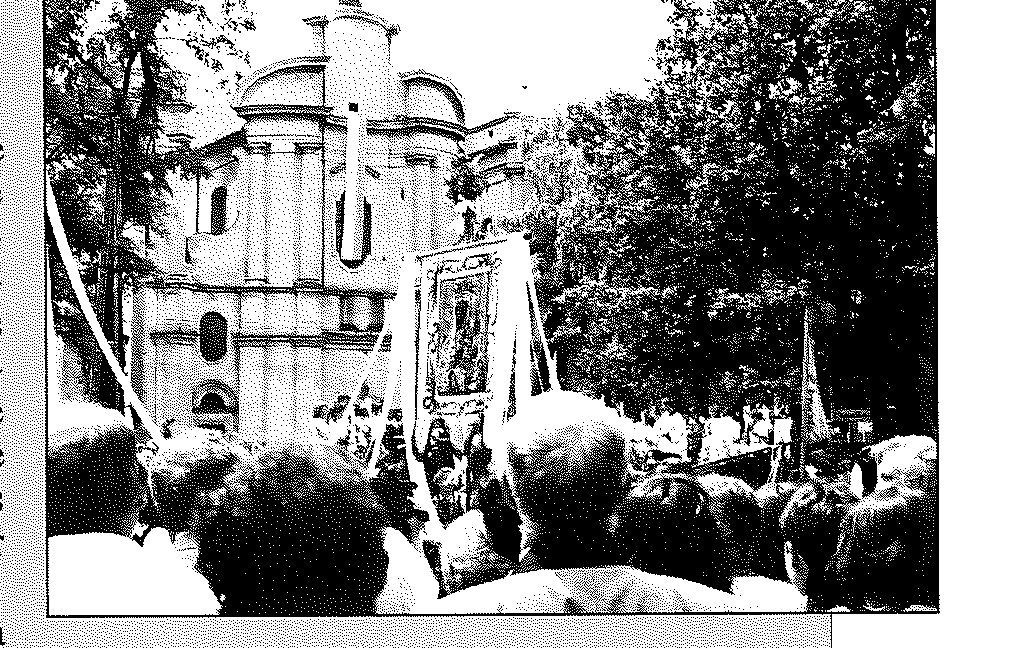
À Varsovie, l’ambassade ouvre ses portes dans une ville plutôt déserte. En temps normal, dès huit heure trente, la centrale téléphonique ne dérougit pas et des visiteurs attendent l’ouverture des bureaux. L’absence de queues à la section des visas est une confirmation s’il en fallait, que les Polonais prennent au sérieux leur congé de la Fête-Dieu.
Assise sur un banc dur de la cathédrale de Lowicz, écoutant les chants des meilleures chorales de Pologne, je réponds à l’invitation de l’évêque d’assister à la célébration de la Fête-Dieu. Cette matinée du 2 juin me surprend donc à une centaine de kilomètres de Varsovie parce que cette fête qui est plutôt un souvenir au Canada conserve toute son importance en Europe centrale et particulièrement en la très catholique Pologne. Lowicz, petite ville de Mazovie, a connu son apogée au XVIº siècle lorsqu’elle fut le lieu de résidence du primat de Pologne. De ces temps glorieux, il lui reste la procession solennelle de la Fête-Dieu qui est la plus célèbre du pays. Ici, les habitants de la ville prennent encore la peine de revêtir leurs costumes traditionnels ou pasiaki et participent en grand nombre à la procession. Ils portent fièrement une centaine de fanions brodés d’or et d’argent qui se balancent au soleil au-dessus des têtes de la foule massée sur la place. La ville évolue toutefois au rythme de la nouvelle Pologne : les commerces restent maintenant ouverts en ce jour férié et des vendeurs de souvenirs font de bonnes affaires auprès des touristes qui viennent aussi bien d’Espagne que de Poznan.
Sur le chemin du retour de Lowicz, je peux voir une des nouvelles formes d’entreprenariat. Sur la route qui sert aussi d’axe principal entre l’Allemagne et la frontière de l’Est, nous tombons sur une file de voitures assez inhabituelle, une dizaine de voitures pas très neuves toutes immatriculées aux Pays-Bas. Ce genre de procession n’est apparemment pas rare: des chauffeurs, d’ailleurs de plus en plus nombreux, ramènent des voitures usagées vers les pays de l’Est et se sentent plus rassurés lorsqu’ils circulent en convoi.
Cette incursion dans le pays n’aura duré qu’une matinée mais a révélé encore la très catholique Pologne et les changements énormes qui la traversent. Summer, the Jamaican Consul General Will travel with a foreign service officer to correctional facilities to confirm the nationality of those believed to be Jamaican citizens, but have no identity papers. •.. La section des litiges reçoit un avis d’appel, logé à la cour fédérale, visant le refus émis par l’agent de visa sur une demande d’immigration. Le ministère conteste l’appel compte tenu des répercussions qu’une décision défavorable de la cour fédérale pourrait avoir sur l’intégrité de la Loi.
The Minister’s Task Force on Immi-ion is in its second week of public conations. Preparations are being made the Minister’s speech in Winnipeg at a eting of the Federation of Canadian nicipalities. The Minister’s report, Into 21st Century; A Strategy for Immigration 1 Citzenship, will be the blueprint for next ten years.
London: Prime Minister, Minister and High Commissioner
The Arrival of the Prime Minister
by Harry Adams, Canadian High Commission, United Kingdom
It’s DAY 1 of the Prime Minister’s visit to Europe to commemorate the fiftieth
• anniversary of the D-Day invasion of Normandy by the Allies. It is D-Day all over again.
The trip is a nightmare to plan. There are five events on Day 2, four events on Day 3 and two events on Day 4. Only two major events are under the complete control of Canada, the rest are under the control of the UK Ministry of Defence.
There are fourteen heads of state and their entourages and one hundred and forty six Canadian media. Some of the media are based in London; some are coming with the Prime Minister; some are making their own way. They need to be moved between all the events in three different cities. Logistical nightmares will be solved along the way. A media contingent is often cranky and CBC will be carrying many of the events live back to Canada.
At this stage of the game, there are a great many unsolved issues:
Will the Ministry of Defence find the 50 missing passes?
Will the British relent and allow our media access to four key sites?
Will the Prime Minister’s photographer be allowed in!
Will we ever understand the CBC’s real needs for live coverage?
How will the media get to France in time to pick up the story?
48 bout de papier Early Morning Outlook – bleak The mission media team arrives at the High Commission at seven thirty to discuss how best to tackle the outstanding issues. An hour later, we depart for Green Park, the site of the Canada Memorial. Its unveiling will be the centrepiece of the Prime Minister’s London program. We meet the CBC delegation who are doing the set-up for the next day’s live broadcast. It’s amazing how many people and equipment go into live TV. There are people everywhere, trucks, cables, cameras. There are several last-minute demands including exclusive use of several positions that we had allocated to others; more roaming cameras than royal security will allow; full and open access to all areas that neither the Canadian nor the UK security will allow. When we say no, CBC threatens “to pull the plug”. Heated discussion follows! We return to the High Commission to try to resolve the issues:
Will the Palace intervene on our behalf to get a Canadian journalist on board the Britannia?
Will the other media who had been offered the positions at Green Park give them up to the CBC?
Can we persuade the Ministry of Defence to issue new passes to replace the 50 passes they lost?
Is the media room ready for opening at three this afternoon?
How can we keep UK media under control at the Green Park site when all they want to do is stick a camera in the face of the Queen and get a picture of Princess Diana’s legs? How can we keep the rowdy Brits from beating up on the quiet Canadian journalists (sic)?
Can we improve the mobility of the CBC live crew without screwing everything else up?
Noon: Situation Less Bleak At one thirty, we have a full meeting with the Prime Minister’s advance team. There is confirmation that the PM’s plane will be two hours late. Everyone will have to be
Minister MacLaren Comes to Town
contacted to delay departure to the airport. Quite a few media are going out to film the arrival and this now means that they won’t be back in London until eleven in the evening. Everyone has cell phones. In a scenario that Monty Python would be proud of, every few minutes a cellular phone rings and everyone stops to pick up theirs. The room is filled with the sounds of “hello”, “bonjour” spoken into the ether. No one can tell their ring from any other ring.
The meeting breaks up and the media team is off to the Holiday Inn to open up the press centre which is, thank goodness, already well set up. Unfortunately, the hotel staff has not arranged the briefing room right, so, while the briefing is delayed, we all start moving tables and chairs. Meanwhile, the various accreditation passes are issued (minus the 50 still lost by the Ministry of Defence) to incredulous media used to a simpler world than the UK pass system.
The Press Briefing At four, the representatives of the Prime Minister’s Office, National Defence and the High Commission give the briefing. Out of a total of 40 media present, half are British and they are not happy. They want more spaces at Green Park — at the expense of the Canadians! No! No! No! No! We talk again to the Palace and the Foreign Office. There is a breakthrough on access for Canadian media to the four closed sites.
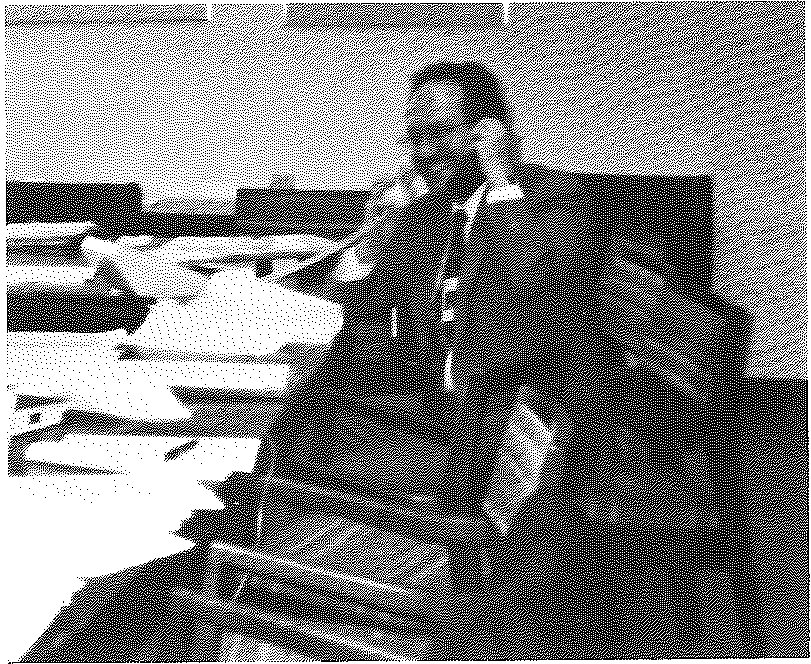
At seven thirty, the media bus departs for the airport with representatives of the PMO and the High Commission. The rest of the mission’s media team stays behind to rework the entire media program in both languages. At eleven, the bus arrives from the airport carrying a tired media contingent and the rest of the PMO media team. At midnight, the briefing begins. It lasts an hour. There are more changes to the media plan. It must be ready for first thing in the morning. Did someone mention dinner? Sleep? Day I ends, sort of. by Trade Section, Canadian High Commission, United Kingdom t is five thirty in the morning. A driver from the High Commission heads for the airport with an officer from the High Commission. Minister MacLaren and Mrs. MacLaren are met at plane side and proceed to the VIP Lounge to clear customs. The mission’s car departs Heathrow for London. In the car, Minister MacLaren is anxious to discuss the details of program: the lunch meeting with the President of the European Bank for Reconstruction and Development (EBRD) and an important afternoon bilateral meeting with Michael Heseltine, the UK President of the Board of Trade and Secretary of State for Trade and Industry. The Minister wants more information on the EC wheat quota issue which affects Canadian exports to the UK. He wants to pursue this with his British counterpart.
We arrive at the Marriott Hotel. Oh oh. Despite three earlier phone calls, the Minister’s room will not be ready until noon. The Assistant Manager apologizes profusely and offers another room for the interim. The mission staff return to the High Commission to re-check the program and obtain information on the EC wheat quota issue requested by the Minister. We also clarify tomorrow’s program to dedicate the Canadian War Memorial in Green Park.
At noon, Minister MacLaren heads for the EBRD for his meeting. The discussions with the EBRD President focus on the new directions of the Bank towards the decentralization of banking operations, the tailored programs of assistance for each country in the former Soviet Union and Central Europe, co-financing possibilities between the Bank and the Canadian Export Development Corporation and the capital requirements for the Bank in the coming years.
Minister MacLaren also renews acquaintance with the First Vice President of EBRD. How Canadian companies can be involved in the oil and gas sector, telecommunications and nuclear power plants in Central Europe and the former Soviet Union are discussed.
In the afternoon, High Commissioner Eaton accompanies the Minister to the meeting with his British counterpart. The cancellation of the Pearson airport contract, trade relations between Canada and Britain within the European Union, GATT negotiations, NAFTA, the expansion of the European Union, the new UK competition policy, the financing of small and medium-sized enterprises, youth employment and the EU wheat quota and its implications for Canadian exports to the UK are discussed in a friendly manner. The British Minister asks his officials to look into the wheat issue. The last event starts at six thirty — the Guildhall Memoral Dinner. Meanwhile the staff of the High Commission begin the preparation of a reporting telex which must be shown to the Minister in the morning. They return home at midnight.
Diary of the High Commissioner
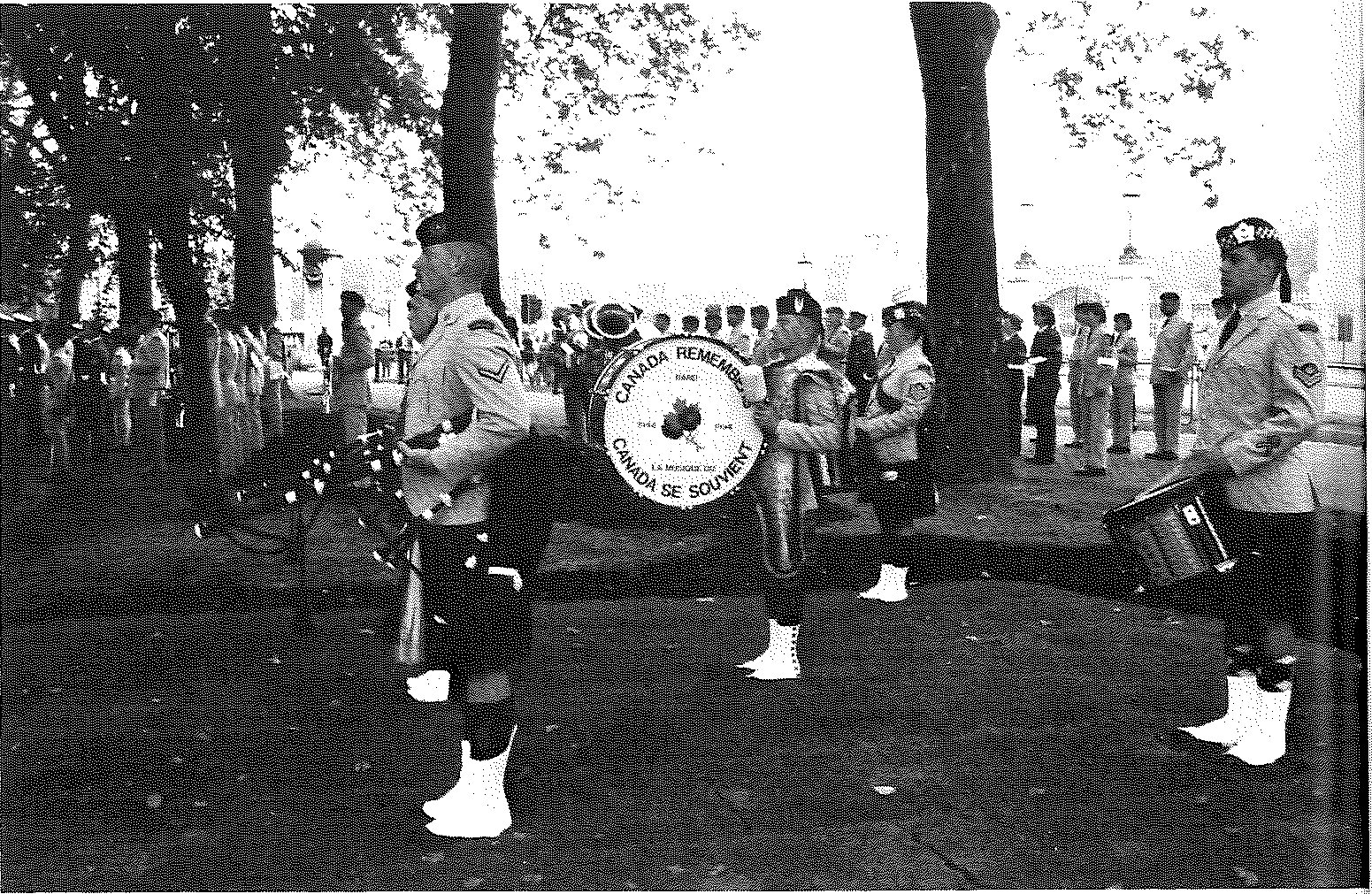
DIARY OF THE HIGH COMMISSIONER by Fredrik Eaton, High Commissioner, United Kingdom M y wife and I are off to an eight thirty rehearsal for the June 3 unveiling of the Canada Memorial, an event which will be the ceremonial highlight of our tour of duty and of Prime Minister Chrétien’s visit to London to celebrate the fiftieth anniversary of the D-Day invasion.
In my mind, this would be a quick run through of our own roles. As we arrive at the Memorial in Green Park behind the Canada Gates across from Buckingham Palace, I am quickly disabused of this fantasy. At least a hundred people are gathered there, not including the troops and two bands. The Canadian Defence Liaison Staff are all there, together with the Prime Minister’s Office (PMO) team and officers from the political section of the High Commission. The Queen’s Private Secretary leads the contingent of Private Secretaries acting for the Royals. With eight members of the Royal Family to be in attendance tomorrow this means a large contingent. All the members of the Royal Family are Honorary Colonels of Canadian Regiments and thus wish to be present. This pleases us but makes for tricky protocol.
The entire ceremony is rehearsed: right from how to open a car door to farewells. Actually the car door instructions are delivered precisely by the Sergeant Major of the Irish Guards, the same man who rehearses the High Commissioners in their roles for Remembrance Day. He is a stickler for detail. The perfect picture of a Sergeant Major, he is over six feet tall and has a voice with a volume to be appreciated best in commands. He will ensure that nothing goes wrong tomorrow. bout de papier My wife plays the role of the Queen, arriving in her car and then inspecting the troops. She sees the faces of some very disappointed tourists who not surprisingly cannot identify her!
The British do these ceremonial events better than most, so when we have done the run through and adjusted some things (standard bearers moved from one side of the road to the other, platform moved forward, steps to platform from left to right side) we are all satisfied and hopeful that tomorrow will go off without a hitch. Back at the office, the office of the British Prime Minister calls. They are trying to rearrange the bilateral meeting with Prime Minister Chrétien set for tomorrow morning. This seems a bit late to me but the Political Division of the High Commission is sorting matters out with Downing Street, the Australian PMO in London and our own PMO. The domino effect!
The President of the Canada Club phones to urge that the Prime Minister be invited to speak to the Club. Every Prime Minister has spoken to the Canada Club which is the oldest dining club in London. It has no physical home. Apparently in the old days the Club was formed by Canadians who wintered in London. In former days, the festivities became quite riotous; now, however, they are black-tie dinners addressed by notables of the day.
In the afternoon I escort Minister MacLaren to his meeting with his British counterpart. There is a good feeling between these trade ministers.
After the meeting, I rush back home for a quick change before my wife and I dash off to the Canada War Memorial dinner. The dinner is organized to raise money for the Canada Memorial Foundation and its exchange scholarship programme between Britain and Canada. Many veterans and supporters of the Canada Memorial are there. Film clips are provided by the CBC and Vera Lynn sings.
At Heathrow, the Deputy High Commissioner greets the Prime Minister, the Defence Minister and the Chief of the Defence Staff and their wives. The D-Day visit is about to begin.
Être diplomate à Lisbonne
Le Portugal, ce pays acculé à la mer, est venu au monde quasi involontairement, pour reprendre une expression de l’écrivain portugais, Fernando Pessoa. Dernier rempart des envahisseurs celtes, romains et arabes, le Portugal est resté intact dans ses frontières depuis sa création, il y a huit siècles.
Le 2 juin, je traite en fait avec mes interlocuteurs officiels d’événements qui se sont produits non pas au Portugal mais à des milliers de kilomètres; c’est refléter une réalité indissociable de la psyché portugaise. Dans ce cas précis, il s’agit d’un enjeu qui les préoccupe depuis la révolution. Il s’agit du sort du Timor occidental, héritage encore douloureux de la période de la décolonisation. A tort ou à raison, on voudrait bien redresser une situation qu’on a assumée non sans certains remords Un autre jour, il me faudra traiter du processus de paix au Mozambique, de l’Angola encore tiraillée par les dieux de la guerre. Là aussi, les Portugais aimeraient entreprendre une nouvelle ère dans les relations avec les anciennes colonies, mais le temps en Afrique a ses raisons.
Mon message sur Timor est envoyé. C’est ici que j’ai été définitivement convaincu que la proposition, souvent attribuée à Pierre Elliott Trudeau, à l’effet que les représentations sont de moins en moins nécessaires puisque les correspondants de presse peuvent faire le travail tout aussi bien, était indéfendable. Les correspondants sont pressés par le temps; l’événement plus que le motif les intéresse. Leurs conclusions souvent vont sous presse encore à l’état de spéculation. Et que peuvent-ils bien faire dans les petits pays hors des moments de crise. Devoir retirer un jugement tout en rapportant ce qui se passe et interpréter ce qui s’est dit dans le cadre des intérêts canadiens, c’est la nature de mon boulot de diplomate.
Canadian Embassy, Ambassade du Canada, Buongiorno …
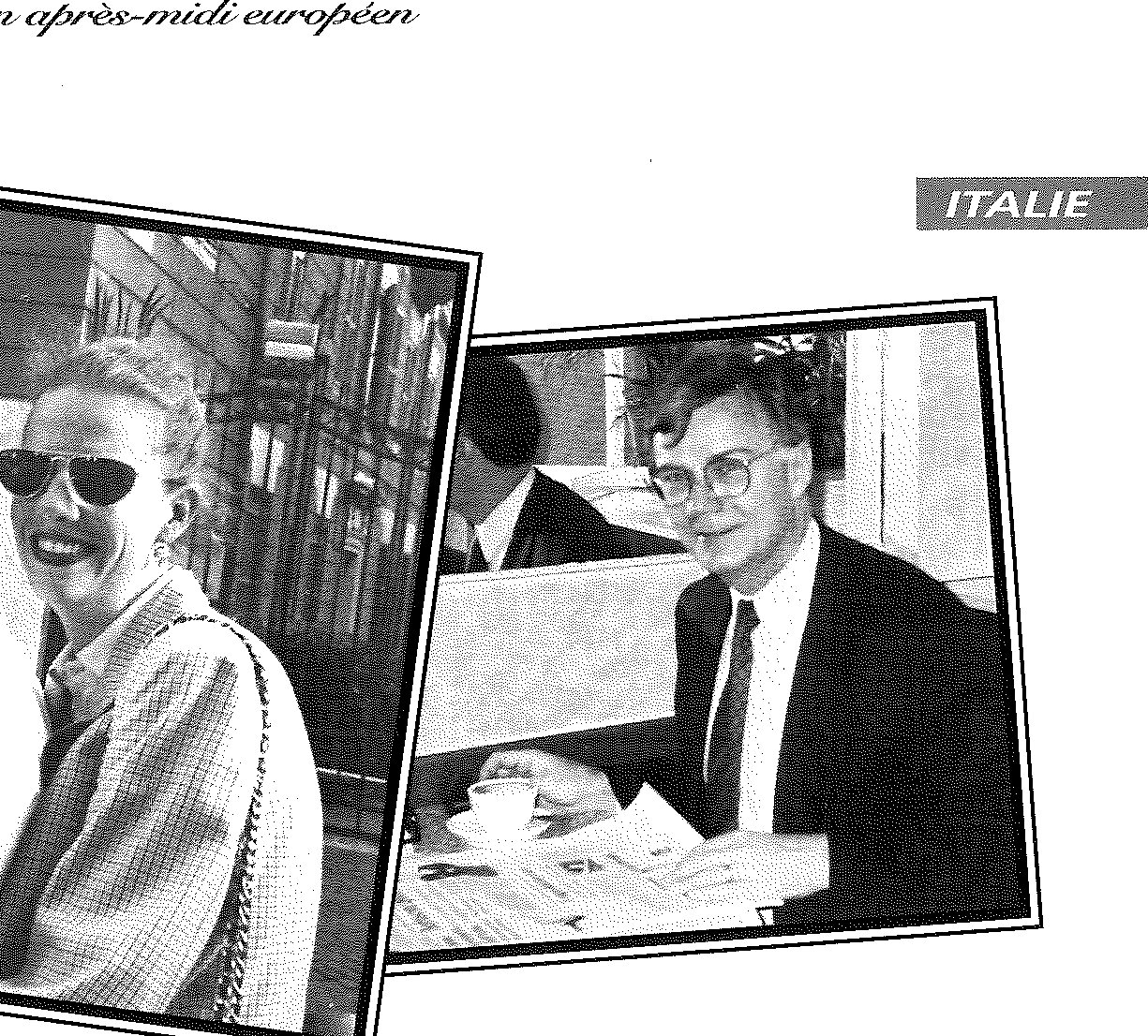
Une journée particulière à Rome, le président américain Clinton y faisant sa première visite officielle. La circulation automobile sera aujourd’hui encore plus chaotique, l’accès à plusieurs secteurs de la ville étant interdit ou limité pour des raisons de sécurité. Le couple Clinton vient d’arriver et la classe politique n’a d’oreille que pour l’endossement annoncé du Gouvernement Berlusconi déjà fortement malmené par certains de ses pairs européens pour avoir inclu des représentants du parti néo/post fasciste au sein de son gouvernement. Bisbille en la Majorité, pour la n’ième fois, on annonce des élections anticipées suite à la défaite de cette dernière, grâce à la défection de certains sénateurs de la Ligue du Nord, dans sa tentative de dominer les divers comités du Sénat où elle est minoritaire. Qu’à cela ne tienne, Clinton déclare son admiration pour la stabilité politique italienne malgré ses 53 gouvernements depuis la Deuxième Guerre mondiale.
Une priorité canadienne: confirmation de la rencontre bilatérale des ministres Ouellet et Martino à la réunion ministérielles de l’OCDE le 7 ou 8 juin prochains (qui a finalement eu lieu à la réunion de l’OTAN, à Istamboul, le 10 juin). La campagne canadienne pour faire élire Donald Johnston au poste de Secrétaire général de l’OCDE entre dans sa phase cruciale!
L’Ambassadeur doit se rendre au Quirinale à onze heures trente pour présenter les voeux du gouvernement canadien au président de la République à l’occasion de la fête nationale italienne. Comme en de telles occasions, le drapeau canadien claque à l’avant de la voiture, sur le côté droit. La feuille d’érable est instantanément reconnue avec amitié comme partout à travers l’Italie. Il est vrai cependant que dans les rues de Rome, encombrées ce matin pour la visite du Président américain, on peut lire un certain étonnement sur les visages de ceux qui voient passer la feuille d’érable plutôt que la bannière étoilée qu’ils sont venus attendre. La beauté solennelle du Quirinale coupe le souffle. Ambassadeurs, attachés militaires, chargés d’affaires prennent place par préséance dans l’imposante salle du trône. Le Président Scalfaro, flanqué du ministre des Affaires étrangères Antonio Martino et du corps d’élite des cuirassiers — aucun d’eux ne mesure moins d’un mètre quatre-vingt-dix! — à casques, cuirasses et sabres rutilants, reçoit les voeux du Doyen, le Nonce Apostolique, qui lui adresse au nom de tous les participants les paroles d’usage. Le réponse du Président est brève et chaleureuse, assurant ses auditeurs que le monde peut toujours compter sur une Italie généreuse, solidaire et fidèle à ses alliances sous le nouveau gouvernement maintenant en place.
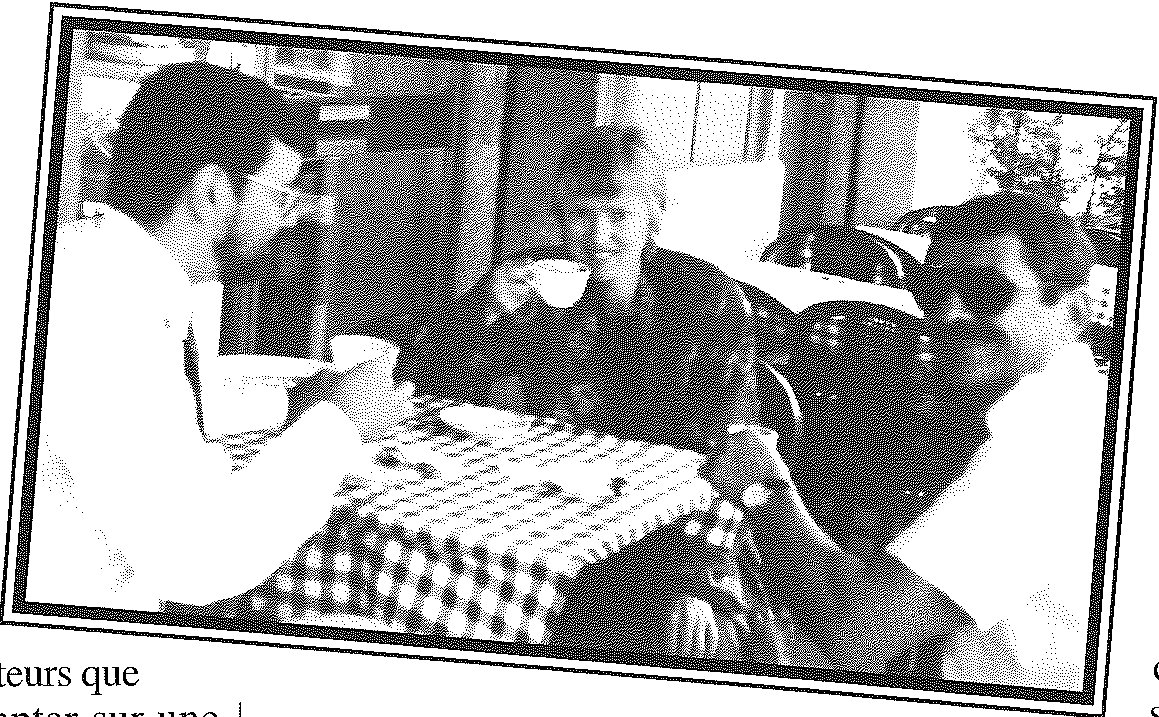
La réception qui suit la cérémonie permet de solliciter auprès du ministre Martino une rencontre bilatérale avec notre ministre Ouellet en marge de la réunion ministérielle de l’OTAN à Istamboul, la semaine prochaine. Le ministre Martino demande aussitôt à son Chef de cabinet de prendre à cet égard les mesures nécessaires. Embassy of Canada, Ambassade du Canada, Buon Giorno..Il est dix heures. Un sous-comité du Comité de gestion de l’Ambassade se réunit pour établir un plan d’action sur les récentes coupures de postes de travail à la mission et au regroupement de tous les services culturels de l’Ambassade. La réunion est suivie d’une rencontre plus restreinte. Il faut discuter de l’appui aux médias lors du Sommet G-7 à Naples. Canadian Embassy, Ambassade du Canada, Buon Giorno … Il est près de onze heures. Les appels téléphoniques au standard
52 bout de papier de l’Ambassade n’ont pas cessé depuis l’ouverture. Des articles parus dans la presse locale quelques jours plus tôt sur les bourses d’études à l’étranger ont valu une avalanche d’appels.
Aux affaires publiques et à la culture, la publicité à faire en collaboration avec l’impresario de la compagnie de danse O Vertigo, de passage à Rome, fin juin, est mise au point. La rédaction du mensuel de l’Ambassade, le Canada Contemporaneo, en vue d’une diffusion spéciale du numéro de juin sur le cinéma canadien, est également terminée.
La liste définitive des invités au dîner que l’Ambassadeur offrira dans une semaine à l’occasion du lancement de la version italienne du dernier livre de John-Ralston Saul, Les Bâtards de Voltaire, est mise au point. Une vingtaine de personnes sont invitées; philosophes, critiques, commentateurs. Le nouveau président du Sénat italien, l’économiste Carlo Scognamiglio, a déjà accepté l’invitation.
Canadian Embassy, Ambassade du Canada, Buona Sera … Il est treize heures. Le conseiller culturel rencontre à déjeuner le directeur d’une galerie romaine, Aperto, où se tient une exposition de deux artistes canadiens, Lussier et Myriam Laplante. L’exposition est co-parrainée par l’Ambassade et la Délégation du Québec. Rentrant du Quirinale, l’Ambassadeur fait le point sur l’organisation d’une visite à Rome de l’ancien ministre des finances, Michael Wilson. Puis l’Ambassadeur rédige à la hâte un rapport pour Ottawa sur sa conversation du matin avec le ministre Martino. La fin de son aprèsmidi est consacrée à des consultations avec Ottawa sur la participation canadienne au Sommet économique du G-7 de Naples. La secrétaire de l’Ambassadeur, pour sa part, s’affaire aux arrangements du voyage de l’Ambassadeur à Florence le 18 juin, et à solliciter un rendez-vous pour l’Ambassadeur auprès de collaborateurs du ministre Martino. Cette dernière tâche s’avère compliqué du fait que c’est la fête nationale chez les Italiens.
Au service consulaire, les dossiers consulaires se succèdent sans arrêt: un appel à un hôpital de Vergato (Bologne) pour s’informer de l’état de santé d’un ressortissant canadien; deux appels de la Cour d’Urbino sur les procédures canadiennes de légalisation des documents; un cas médical à Florence- Canadien victime d’une congestion cérébrale à Naples; l’approbation de six passports d’urgence; et la translation au Canada des restes d’un Canadien décédé en Italie.
S’ajoute à cela, un bilan bien rempli pour le chef des services consulaires: 1 cas de Canadien sans ressources, 2 cas médicaux, 3 Canadiens détenus en Italie et 4 appels aux bureaux de parlementaires canadiens concernant des cas d’assistance consulaire. Et en fin de la journée, il se rend à l’aéroport. Un Canadien arrêté en fin de matinée a pu être expulsé en soirée au Canada. Une Ambassade canadienne dans un pays de langue étrangère doit pouvoir compter sur les services d’un traducteur/trice. A cet égard, le 2 juin ne faisait pas exception à Rome : textes à traduire pour les sections d’administration et consulaire en matinée, quelques lettres à rédiger en italien, traduction d’un long article sur Naples et le G-7 ainsi que d’un autre sur la chasse aux phoques au Québec.
Canadian Embassy, Ambassade du Canada, Buona Sera … Il est dix huit heures vingt. Brigitte, la secrétaire de l’Ambassadeur, toussotte et annonce la fin de la journée en reprenant une expression célèbre de son patron : « il n’y a plus d’argent à faire ici ».
L’Ambassadeur rentre à la maison n’ayant pas de fonction officielle en soirée. Il se couche tôt puisqu’il doit se lever à six heures demain pour participer aux cérémonies commémoratives du cimetière américain de Nettuno où les présidents Scalfaro et Clinton seront présents.
Buona Notte!
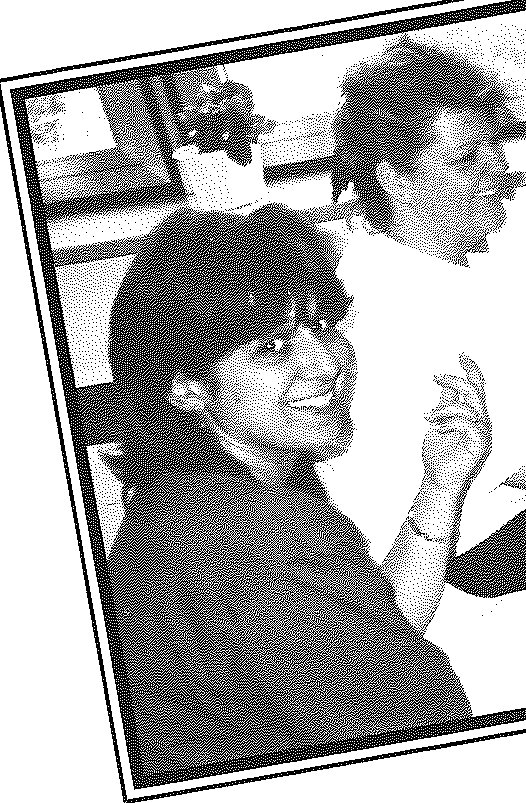
Always on a Thursday
Ambassador John Noble Kenneth Cook J. Gregory Goldhawk Canadian Embassy, Greece
A fter sweltering in 38 degree heat and intense pollution for almost a week,
Athens is almost washed away in a tropical downpour accompanied by a spectacular show of lightning and thunder. The flash floods which sweep through the capital bring a large tree down close to the Embassy. However, unlike last week, today there are no threats of bombs or bazookas aimed at the Embassy.
Six a.m.! It is really time to get up? Gawd, I’m tired. The Greeks, I have learned since my arrival here, are a wonderfully gregarious people, who love to entertain. Unfortunately, like other Mediterranean cultures, they like to entertain at what are, by Canadian standards, very late hours. Last night was a case in point. We arrived at about 9:30 p.m. for drinks, with dinner to follow at some unspecified subsequent hour. Without question, attending these events is helpful in developing commercial intelligence useful to Canadian industry— especially in a country like Greece, where personal contact plays an important role in solidifying a business relationship. Don’t get me wrong either — lots of times these social functions are fun, or at least pleasant. It’s a little hard to remember these facts, however, when the earliest you can gracefully leave is one a.m., and you know you have to be at the office by 7:30. I’m not sure that I’ll ever get used to this late-night routine.
The Ambassador leaves for the office in his 1991 Chevrolet Caprice. As usual it gets more stares and comments than the high priced Mercedes used by most other Embassies. It is the only one in town. I arrive at the Embassy. The Greek security guards are outside taking their first coffee of the day. I wish them Kalimera — “good morning!” I push open one of the two main doors to the Embassy. It’s a heavy contraption of metal grating and thick glass. You have to give it a hefty shove to get it open. Today I shove too hard. The door swings ponderously open, gathers speed, hits the floor-mounted stopper, flexes… and cracks the big pane of glass in the middle. This is not good. Does this mean bad luck, the same as for a broken mirror? I hope not – I just broke one very large piece of glass. Sheepishly, I report my misdemeanour to the Embassy’s administration and ask them to fix it and tell me how much it costs.
Today Ottawa is asking to arrange a meeting between Minister Ouellet and the Greek Foreign Minister on the margins of the OECD Ministerial Meeting in Paris next week. Only trouble is that the Greek Foreign Minister will not be there. The Greeks offer the alternate Foreign Minister, or a meeting with the Foreign Minister three days later in Istanbul at the NATO Foreign Ministers Meeting. We consult Ottawa on their wishes.
The Ambassador follows up on a phone call from Prime Minister Chrétien to Prime Minister Papandreou concerning the Canadian candidate for the post of OECD Secretary General. It was agreed the Ambassador would provide a note to PM Papandreou. He hand delivers the note to the PM’s charming chief of staff, Mrs. Dimitra Papandreou! He talks briefly with the Prime Minister who speaks fondly of his five years in exile in Canada during the period of the Greek junta (1969-74) and of his phone call from Prime Minister Chrétien. The Ambassador reviews the note with Mrs. Papandreou, who takes it into her husband. She returns with a commitment
– Greece will support the Canadian, Donald Johnston. Mission accomplished! However, the Ambassador worries the decision may not be relayed to Greek authorities and speaks to the Minister of National Economy and the Alternate Foreign Minister. His fears are founded, the Ministers have a slightly different interpretation of Greece’s position. Urgent reports and phone calls to Ottawa and our mission to the OECD in Paris are made. The leading Athens business newspaper has a feature article and picture of the Canadian Embassy staff on a visit to the paper’s office. The article focuses on possible economic and commercial cooperation between Canada and Greece, ranging from Canadian investments in the mining, oil, telecommunications sectors, to furs, the introduction of McCain’s frozen french fries and pizzas into the Greek market and improving Greece’s forest fire fighting capacity. A full scale supplement on Canada is being planned for the fall. The political counsellor puts out a press communique on Canada’s involvement in D-Day to remind Greeks that one of the three armies which landed in Normandy on June 6 was Canadian. A report is completed on how the elections for the European Parliament are going.
The Ambassador dashes off quick telegraphic reports on Canada/European Union (EU) cooperation during the Greek Presidency; on a speech by the opposition leader on Greek foreign policy; and an analysis of Greece’s dispute with Albania. He also reports that the Greek Foreign Minister has convinced Russian President Yeltsin to come to the Summit of EU Leaders in Corfu at the end of June. With relief, it looks as though accommodations for the Canadian contingent in Corfu are not likely to be requisitioned to accommodate the masses of staff coming with President Yeltsin.
I don’t get much time in the office. I have a call from a Greek Ministry of Agriculture official. He wants me to know the details of a recent meeting in Brussels on European Union actions which would damage Canadian exports of fur products to Greece. The information is timely, and I will report it back to Ottawa. On the way back, I stop at the offices of a Canadian telecommunications company. This firm recently lost a bid to supply the Greek Government with digital switches. This still smarts, as both the Embassy and the company had invested a lot of energy over the course of several years in an effort to win the contract. After this meeting, I return to the Embassy. My telephone rings. It’s Ottawa. I look at my watch — it’s 3:30 p.m. local time, 8:30 a.m. Ottawa time. He asks me if I remember a recent interview in Athens with a Canadian journalist. The article is out and he wants to fax it to me. Great! When it emerges from the machine, I scan it eagerly. My interest quickly turns to astonishment. The article badly twists my comments. I phone a local Greek contact who was also quoted in the article, and he claims that his comments as well were poorly cited. Overall, the article is very negative on the prospects for increased commerce between Canada and Greece. This will definitely not help the cause. I briefly consider the relationship between broken glass and bad luck. The Embassy is actively supporting a fund raiser for the Canadian Archeological Institute in Athens on June 12. The two Canadian secretaries handle replies to the more than 200 letters signed by the Ambassador to contacts in the business community. It is an opportunity to encourage the many Hellenic/Canadian communities to get involved.
At noon, the Ambassador attends a National Day reception at the Italian Ambassador’s. He seeks reaction from the Greek Foreign Ministry officials on the UN Secretary General’s report on Cyprus. He tells the French and British Ambassadors of Greek support for the Canadian candidate to the OECD, and engages the Greek Minister of Defence in a discussion of Turkish allegations that Greece is training Kurdish terrorists in Greece. The administrative officer, having recently successfully managed a large crowd of Ethiopian refugee claimants demonstrating outside the chancery for two and a half days, is relieved they left before the flash floods. Swift work by immigration and political sections convince the Ethiopians to abandon the demonstration.
The administrative officer is busy prepar-
54 bout de papier
Trade and Investment Along the Champs Élysées
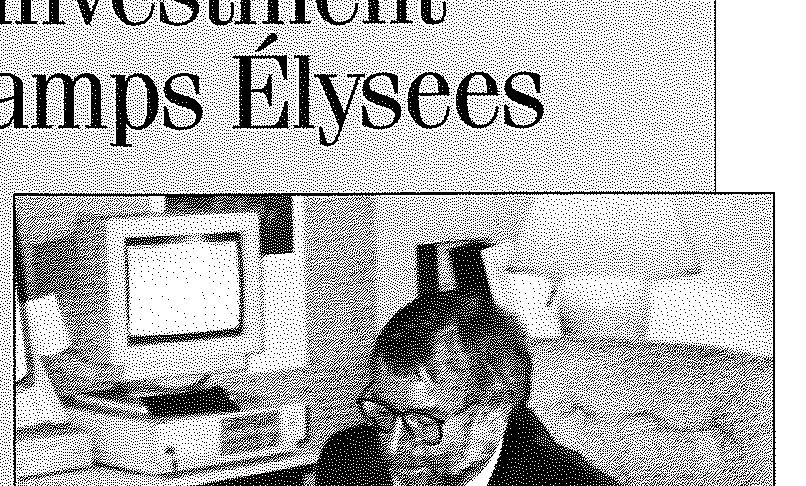
L by Rick Kohler, Haig Sarafian Andrew Shisko, Canadian Embassy, France orty of us work here, eight posted from Canada in the Commercial and Economic Section of Ambassade du Canada. We pursue our objectives in Agri-Food, High Tech, Industrial/Primary Products, Strategic Alliances, Investment, Technology, Economic and Finance field. Today is like any other day… Preparations are reviewed for the upcoming France-Canada Joint Economic Commission. Minister MacLaren will be here next week to preside over the session … The Ambassador and the commercial section participate at the Forum d’ Affaires Internationale au Ministère de l’Economie. The President of Torstar, the Chairman of Caisse de Dépôts et Placements du Québec, the President of Crédit Commercial de France and Thomas Rata attend There implemented to ensure the same predictability and stability for our contributions as for European member states”….A Paris Club meeting of Western countries which reschedule debts owing to them looke at daht racchedulino for Ruecia is a working group at the European Space Agency headquarters (Canada is the only non-European participating state) on the Agency’s transition to all-ECU funding, accounting and contracting system. “Canada asks that “special measures” be ing for the relocations of various personnel this summer and for meeting accommodation needs of the incoming staff. He is also trying to figure out the ramifications of the closing of the Embassy’s medical office in mid-July.
It’s 7:30 p.m., and I am attending a briefing at a local hotel by the St. Lawrence Seaway Authority. The Authority is in town to boost the Seaway’s image with Greek shipowners. I know many of these shipowners, and I use the occasion to discuss shipping, the Greek economy and the Canadian economy. I also discuss with the Seaway its hopes to expand business from the Greek market. They have some appointments already made, and I suggest a few additional persons they should see, with a promise to line up the necessary appointments by tomorrow morning. By now, it’s 9:30 p.m., and I must leave for a dinner engagement with the representatives of black tie dinner at Maxim’s for the Forum d’affaires internationales…Breakfast meeting with the Chairman of Sun Life…A speech to the Congres France Canada in Rouen. An Ottawa-based electronics manufacturer. The night is cool, and view of the city lights is pleasant. We review their proposal which looks good, and we agree to push it, from various directions, with the relevant Greek ministries.
The Ambassador, informed seven weeks ago that he is being transferred elsewhere, still is on pins and needles awaiting confirmation from Ottawa. Finally, at 7:30 pm the Under-Secretary phones to confirm the move.
Traffic is light going home, and it takes me only thirty minutes. Even so, it is still 12:30 a.m. by the time I lay my head on my pillow. Another day in the life of the foreign service is over. There’ll be another one tomorrow — challenging, frustrating, exhilarating, ever-changing — but it starts at 6:00 a.m., and first I need some sleep.
Carnet de voyage en Mecklenbourg-Poméranie Occidentale
C bureau dans la quiétude relativ d’un congé férié, la Fête-Dieu pour les Allemands, je me trouve en tournée en Mecklenbourg-Poméranie occidentale. Fédération pointilleuse, l’Allemagne établit ses congés (une quinzaine par an) sur une base géo-religieuse. Les Protestants du nord ne sont pas toujours en congé en même temps que les Catholiques du sud (ça réduit les risques d’embouteillage!). Les Poméraniens sont donc prêts à recevoir ce diplomate canadien (« mais que veut-il bien vouloir savoir?
Voici quelques notes dans un carnet de voyage.
Le trajet qui m’amène là où moins de cinq ans plus tôt sévissait un sévère régime communiste… le vol sur Lufthansa avec une place parmi les 4 seules rangées classe touriste contre 23 rangées classe Affaires… la gare de trains de Hambourg, où on ne fait pas que s’imaginer le supermarché de la drogue qui prolifère à ses portes…le train, direction Schwerin, quasiment neuf mais probablement de l’ex-Reichbahn (les mesures de sécurité sont en quatre
Le directeur d’un institut de formation à la démocratie et à « l’histoire objective » de l’ex-RDA… Notre interlocuteur, un ex-« Wessie » (1’ Allemand de l’Ouest parti faire de l’aide au développement dans l’est de l’Allemagne) se fait un point d’honneur d’indiquer qu’il ne se fait payer qu’au même tarif moyen que les « Ossies” “ c’est-à-dire a 85% de la moyenne des « vieux Laender fédéraux ». Parmi les sujets passionnants discutés, le « mal de vivre » de plusieurs Allemands de l’Est ordinaires dans cette nouvelle société qui leur est tombée dessus, à leur grand plaisir. Ils n’y retrouvent toutefois pas le « safety net » mur-à-mur de l’ancien régime, dans lequel on n’avait pas à se soucier de quoi que ce soit, pas même de la politique. Du Land, (les socio-démocrates)… Il s’agit d’un îlot dans la mer de béton qui sert d’habitation à la moitié de la population de Schwerin (60,000 habitants). Il y a vingt ans, on venait y vivre avec plaisir pour y trouver le « tout-à-l’égout ». Aujourd hui on se retrouve dans une banlieue avec le ciment qui se décompose et dans un Land avec le plus haut taux de criminalité en Allemagne unie. Pour notre interlocuteur, les perspectives de succès des socio-démocrates à l’élection du Land en septembre sont bonnes et on se répartit déjà les sièges de ministres, entre autres selon l’origine des candidats (i.e., on préfère les « Ossies »).
Le directeur local d’une fondation politique allemande… Un « Wessie » laisse sa famille à Hambourg durant la semaine qu’il passe à Schwerin.
Un dirigeant du PDS (fier héritier de l’ex-parti communiste est-allemand)… Chez ces « re-born » communistes, on vise le vote de protestation de ceux pour qui, « au fond, ce n’était pas si pire que ça en RDA ». Les chances de réélection ne sont pas négligeables. Ment loge dans un magnifique château modelé sur Chambord.
Le train pour Rostock… On ne peut s’empêcher d’avoir quelques appréhensions suite aux événements de l’été 1992 où des néo-nazis, appuyés en cela par la population locale, attaquèrent des 1945 (50% de la ville détruite en quelques heures) et de la déprime institutionnalisée de l’ère communiste. Malgré tout, et peut-être à cause de la détermination de ses habitants, c’est resté une ville très attrayante. Bien sûr la ville a perdu quelques milliers de ses jeunes cerveaux (à la chute du Mur) et la fermeture des chantiers navals (de 50,000 à 5,000 travailleurs) a donné un dur coup au tissu social. Malgré ça, on sent un vent d’enthousiasme mercantile et de rénovation architecturale dont l’appui financier de l’ouest allemand (à coups de 180 milliards de Deutsche Marks par an pour l’ensemble des nouveaux Laender) pourrait faire rêver bien des Lettons et des Bélarusses. Les élus locaux espèrent que le Canada prendra sa part du gâteau de la reconstruction
Immigration section,
I in the morning. They are from By the time the immigration staff arrive at work, the number of visitor visa applicants waiting for the office to open has grown to about 15 persons. Monday is usually the busiest day with a crowd of up to 30 people waiting. We processed 725 visitor applications in the previous month.
The immigration waiting room door opens at eight thirty.
Immigration is a story of people and June 2 is no different from any other day.
A Ukrainian-Canadian in the process of adopting a baby from an orphanage in L’viv calls the Embassy. He says that all Ukrainian requirements have been met and he wants to complete the final Canadian immigration steps. A United States citizen wants a visitor visa for a Ukrainian child that he and his wife have “informally” adopted. The US Embassy will not grant a visa without completed adoption under Ukrainian law. The caller feels this is too “bureaucratic”. Instead, he and his wife would like to take the child on a holiday to Canada. It is suggested that it might be difficult to grant a visa under the circumstances he has described. There are two independent immigration interviews. They are good candidates for Canada-a computer programmer from Lviv and a computer hardware specialist from Odessa.
Another case is more difficult.
A London Immigration Day
band in Toronto. Normally, this type of case would be “waived” interview. However, she was previously refused a visitor visa and a comparison of her visitor file and her immigration application shows that she “forgot” to mention a husband in Canada when applying for a visitor visa. An interview is necessary to obtain more information. Doors close at five.
Immigration section, Canadian High Commission, United Kingdom
It is going to be one of those days. An immigration control officer is at Heathrow airport to help airline officials review travel documents before passengers board a flight for Canada. A counter clerk reports that something is “not quite right” about the Greek passport presented by one passenger. Sure not, the immigration control officer finds that the 6’2” male does not look like an “Angelina” the name that appears in the passport.
Although the passport photo has been substituted, the forger has left the name and the sex of the original owner of the passport unchanged. “Angelina” is led away for questioning by UK immigration authorities.
A visa officer from London flies to Latvia, part of London’s expanded territory. Unfortunately her luggage does not fly with her, missing the connecting flight in Copenhagen. Oh, oh. A full schedule of immigrant and visa applicants to interview but no files!
The usual interesting array of personal stories for immigration…A Dutch farmer and his family is interviewed for immigration in the independent category. The farmer had visited Canada, researched the differences between the agricultural practices in Canada and Europe, and decided to purchase a dairy farm in Manitoba. Based on his training, experience and preparations, he is approved for immigration pending satisfactory results of medical examinations for him and his family…A businessman from Sweden receives an employment authorization to go to British Columbia to supervise the installation of equipment which regulates emissions from pulp and paper mills.
En route to the Queens University Forum on Social Policy in Sussex, Human Resources Minister Lloyd Axworthy stops in London. The immigration section arranges a breakfast meeting with the UK Minister for Employment.
A senior provincial official comes to London to scout out possibilities for recruiting skilled workers from the UK. The immigration sections organizes a week long schedule of meetings with chambers of commerce, universities, colleges, professional associations and newspapers. An interview with the High Commission’s immigration promotion and recruitment officer that appears in a professional journal this week elicits over 200 requests for application kits. Who says no-one in Europe wants to emigrate to Canada!
View the original scanned pages / Voir les pages numérisées →
Originally published in / Publié à l’origine dans bout de papier, Vol. 11, No. 4 / Vol. 12, No. 1 (1995) — Spring 1995 // Printemps 1995, pp. 45–56. Read the rest of this issue / Lire le reste de ce numéro →



