
bout de papier, Vol. 22, No. 1 (2006) — Spring 2006 // Printemps 2006, pp. 9–15
It was an inspired idea — take a year off and backpack around the world with two teenagers. From September 2004 through April 2005 together with our two youngest children, Emmanuelle then 15 and Christoffer then 13, Christine and I backpacked through the Middle East, India, Southeast Asia, China, New Zealand and South America. We had never previously contemplated the backpackers’ lifestyle, didn’t own backpacks and had never set foot in a hostel. The adventure proved much easier than we would have imagined and has given us innumerable lasting shared experiences and memories.
As a foreign service family, we have done lots of travel, but never this close to the ground and never for such an extended period of time. Since Christine and I married during a second posting in Marseilles in the mid-80s we have lived in London, Ottawa, Singapore, Brussels and Hong Kong. Upon our return from Hong Kong in 1999 I was asked to create a new division dealing with crime and terrorism. With the roller coaster of 9/11 and Canada’s G8 Presidency in 2002 this turned into a longer assignment than we had initially envisaged. The five years from 1999 to 2004 as Director of the International Crime and Terrorism Division represented my longest single assignment and the most extended period of time that I had lived in one place since leaving Newfoundland as a teenager for university. Christine, born in Paris, has also been on the move since her university days in France and the USA. Undoubtedly the five-year stint in Ottawa contributed to the itchy feet syndrome that saw us wandering the globe.
It was Christine’s idea to undertake this adventure. This was not a trip which was calculated long in advance; it was a fairly spontaneous project. We first got the idea in May and by August the plans had been made, leave without pay granted, the house sold, personal effects given away or put into storage and we were off on the adventure of a lifetime. What persuaded us to pack up, take the children out of school, and set off on what we have called our amazing journey?
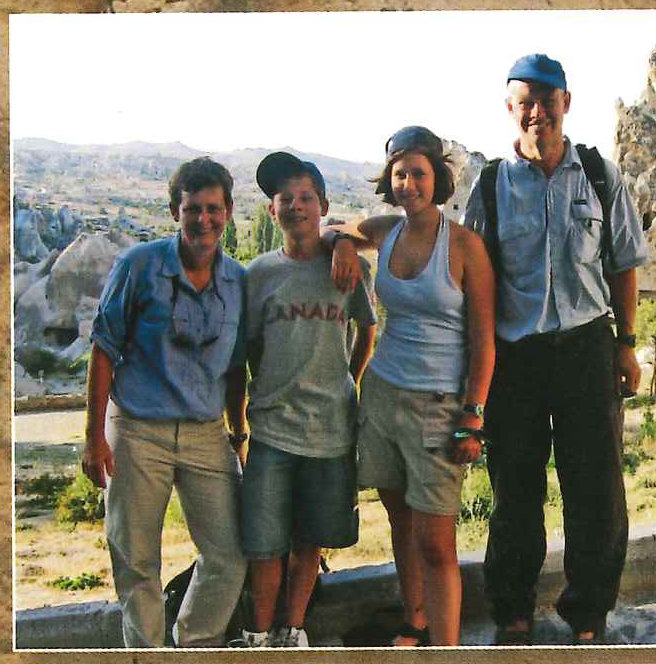
At the beginning of the trip Christine opened a private, password-protected Web site, a new service with the Lonely Planet Guidebook people. Every other day while in an Internet café catching up with our virtual social lives, Christine would download photos onto the site. When we finished the trip the Lonely Planet told us that our Web site was scored as one of their best and asked if we would agree to make it public to demonstrate the capabilities. After stripping out personal details of ourselves and friends we agreed. Take a look at http://lonelyplanet mytripjournal com/amazingjourney.
When a friend at the CBC found out that we were planning to undertake this adventure she said that others would be intrigued as to why two otherwise sane people would take two teenagers out of school to backpack around the world. Terry readily agreed to write some columns for the “Viewpoint” section of their Web page. This section gets up to 50,000 hits a day. A dozen columns about our adventures are now in the Viewpoint archives. Readers interested in more details about our travels can readily access these at www cbc ca. Type Terry Cormier into the CBC search engine.
Why
It is only in retrospect that we are able to dissect the many reasons why we set out on this adventure at this stage in our lives and careers. Perhaps the most fundamental is that we could. A generation ago it would have been practicably unimaginable to take such extended leave and travel with two teenagers literally around the world. Today, not only does the possibility exist, we are proof that the information and infrastructure is there to allow even inexperienced travellers to backpack safely to almost any remote corner of the planet.
We have been struck by – and admire – those colleagues who opt for parental leave. Our children are not that old, but only a short decade ago a male officer might get a day or two off on the occasion of the birth of a child. Nowadays many exercise the option of taking up to a year.
A key consideration for us was spending the time with the children at this stage of their lives. At various times in my career the demands of the job had meant that I was not around often. For many months after 9/11 I was not much of a feature at home. Before we know it the kids are grown — out the door and on their own. It was now or never if we were to undertake such an adventure with the children.
Stephanie, our oldest daughter and a student at the University of Victoria, helped put the idea in our heads. After her first year at UVic, Stephanie won a full scholarship to spend her second academic year studying in Shanghai. At only 18 she was setting off to spend the year in China. This got us thinking about visiting. If we were going to go all the way to Shanghai, why not make the most of it and stop off at other places? Technology helped confirm the decision by allowing us to stay in almost daily contact with parents in Newfoundland, France and the USA, Stephanie in Shanghai and family and friends everywhere. Internet cafés can be found everywhere from the deserts of Rajasthan to satellite connections in isolated small villages in the Andean mountains. Transmitting values to our children also figured into our personal calculations. Undertaking this adventure was a statement about things that are truly important to us as individuals and as a family. We have long been convinced that whether in our personal or professional lives, experience is the best teacher. We wanted to give our children a sense of adventure and of the importance of openness to others, a better understanding of the world in which they will make their lives, an understanding of how good we really have it as Canadians, and a sense of responsibility for the privilege which comes with all the opportunities we enjoy.
The education of the two children was, as always, a key consideration. We were after all taking them out of the school system for the year. We rapidly discarded as impracticable any consideration of trying to follow a distance learning curriculum. Our expectation, confirmed by our experience, was that the children would learn more about themselves, others and the world through the travels than through the classroom.
A less happy reason we undertook this adventure was that during the previous year we had attended a long string of funerals. Far too many colleagues, friends and acquaintances, both within and outside the foreign service, had cashed in their last chips, sometimes with very little notice. So with the sure knowledge that the only thing of which any of us can be certain is that we have today, we put together plans for our amazing journey.
So what did we get up to?
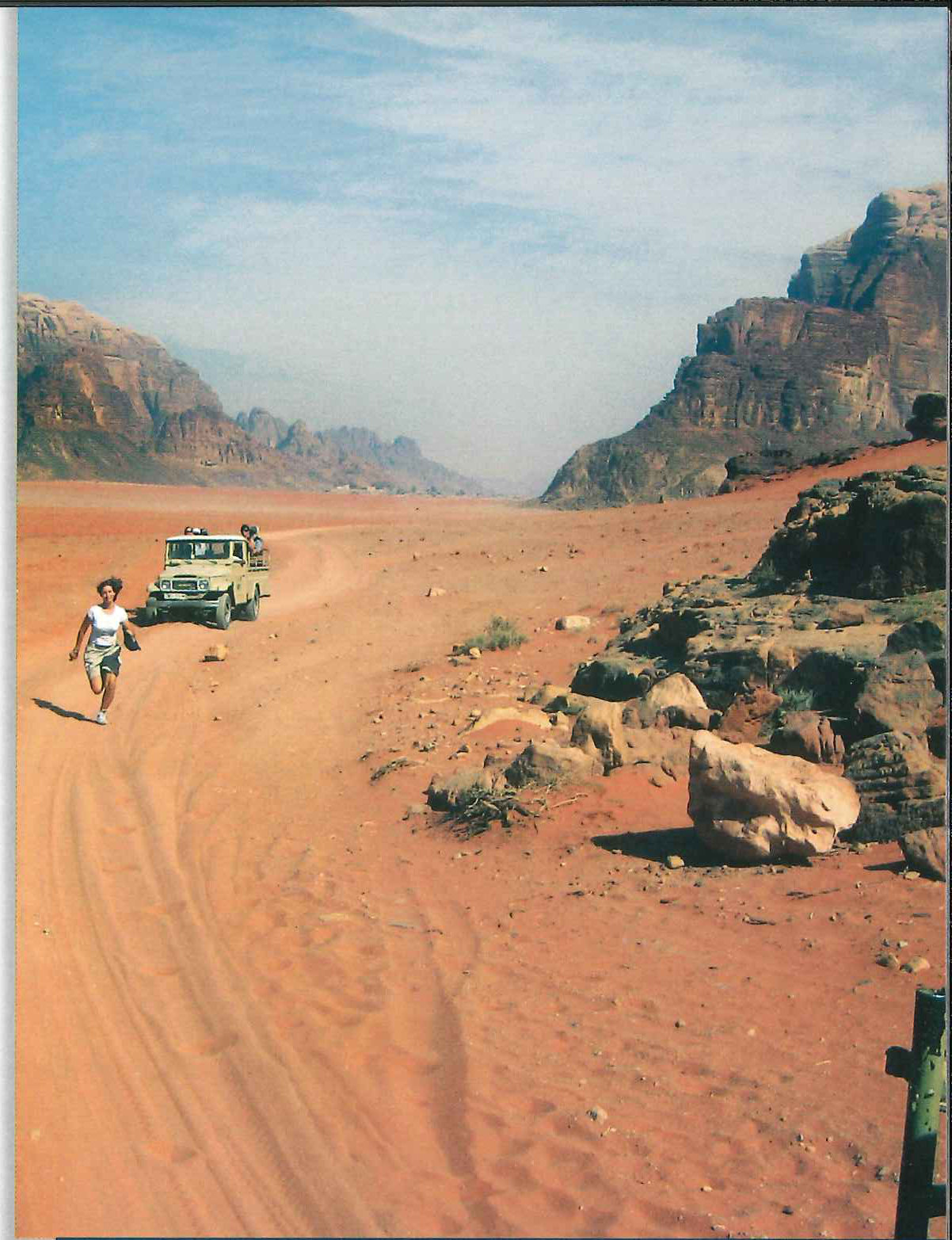
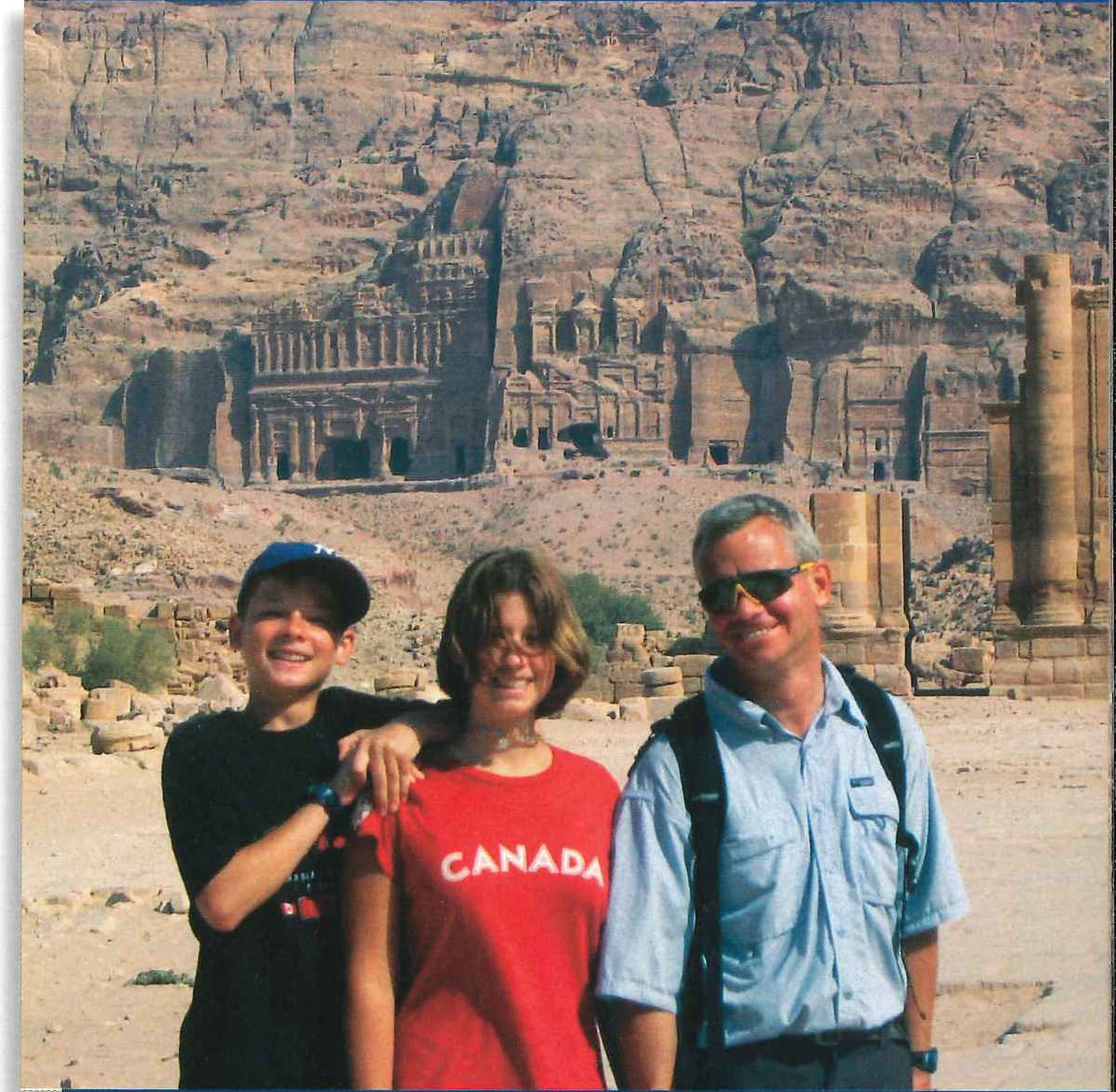
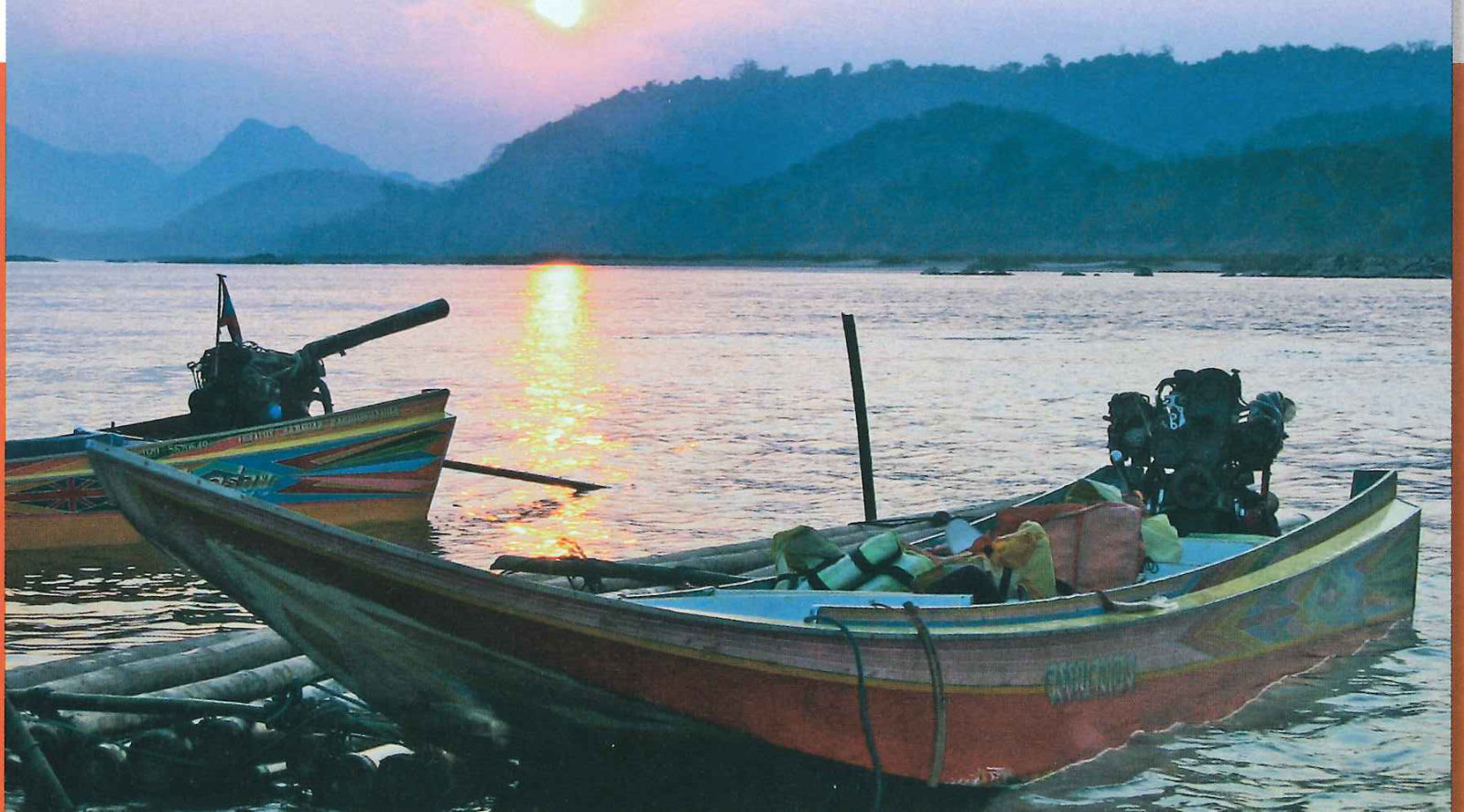
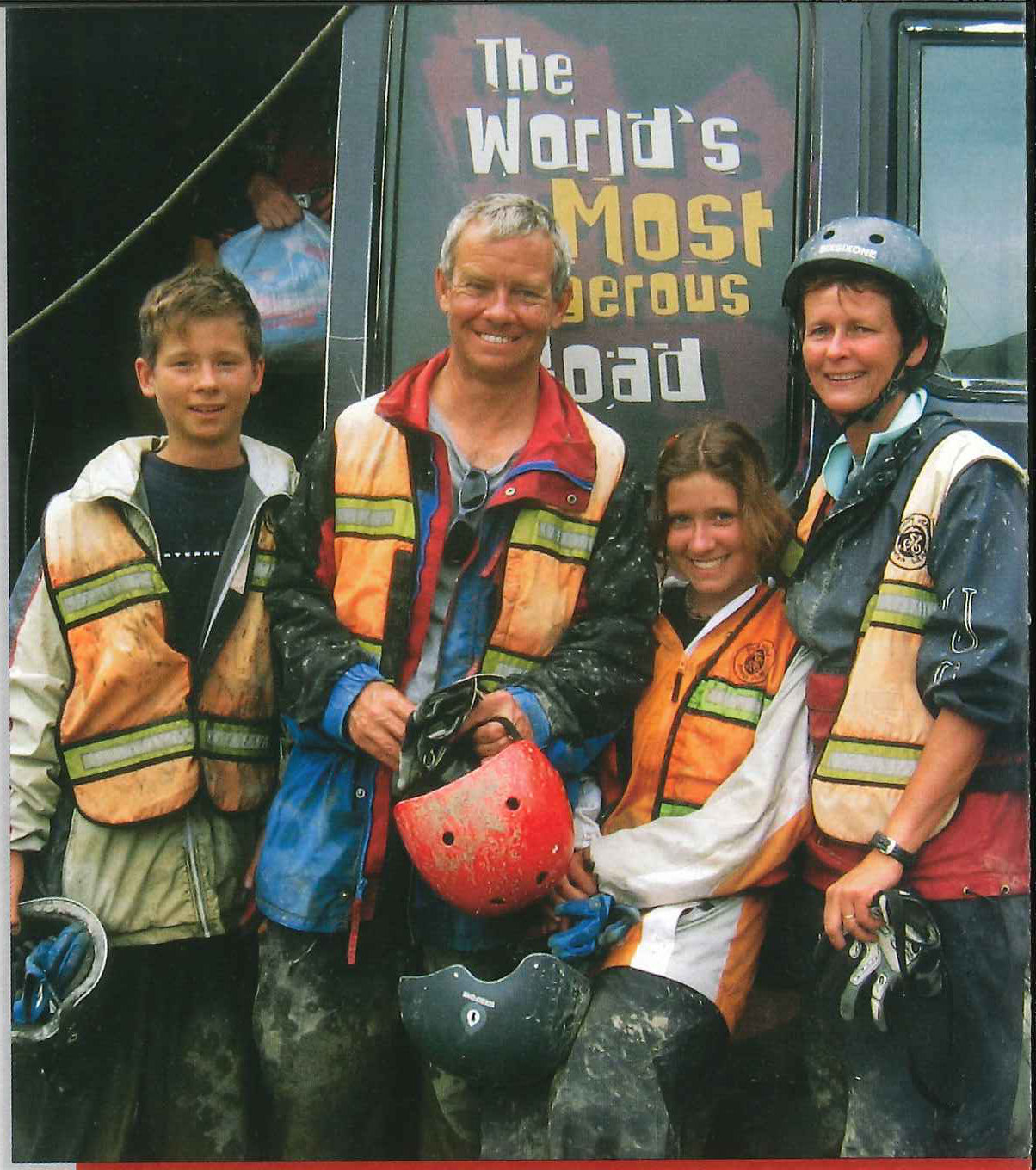
Turkey was the ideal introduction to this type of travel. The country is particularly well set up for independent travellers. Our first encounter with hostels was made positive by the friendships developed over meals and shared travel tales. We collected friends and travel companions along the way. By the time we made our way from Agaba, Jordan to Nuweiba in the Egyptian Sinai we were a merry travelling band of about 15, negotiating our way through a dozen border formalities. Through the Middle East, India, Southeast Asia, China, New Zealand, and South America we mixed it up with memorable exploits such as a “fast-boat” down the Mekong in Laos, a mountain bike ride descent of over 3000 metres on the “most dangerous road in the world” outside La Paz, a stay in an eco-lodge in the Bolivian pampas and much more. The eight months are a vivid kaleidoscope of new discoveries and exploits, strongly accented by wonderful people we met along the way.
Our “round-the-world” air ticket was put together with the help of a travel consolidator in San Francisco. We hit five continents and were able to make fifteen stops. Once set we could not change the routing, but could and did change dates. We were on the road pretty constantly, although from time to time we settled down to enjoy a less hectic pace on the beaches of Egypt, Thailand and India. At times we checked in with friends both in and outside the foreign service, including new friends we made along the way. In Wellington, New Zealand, we stayed with a young couple we had met on a three-day backpackers cruise in Turkey five months earlier.
We had set a number of criteria when planning the trip: nowhere expensive, unsafe, unhealthy, or cold. There is always room for interpretation and we made exceptions.
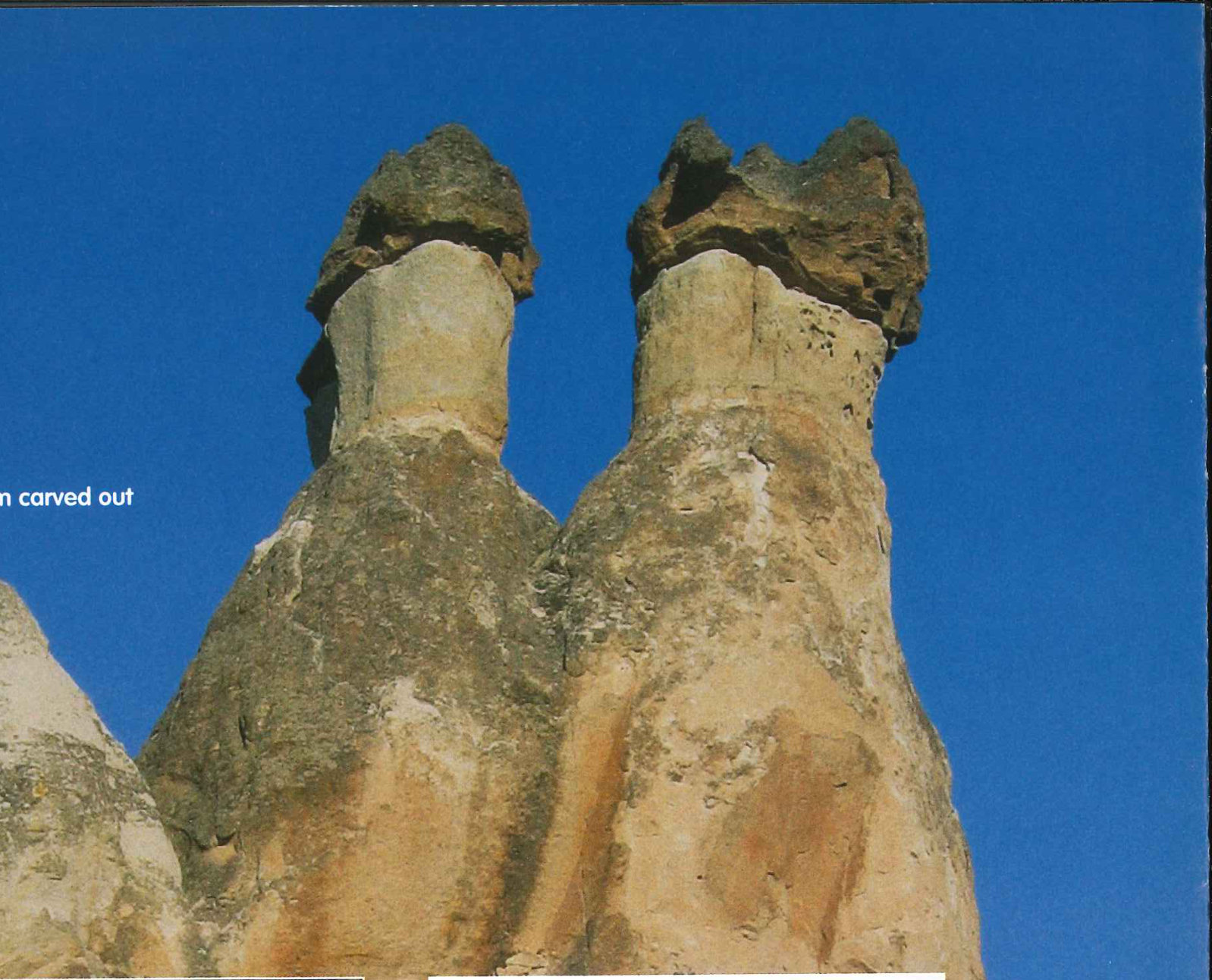
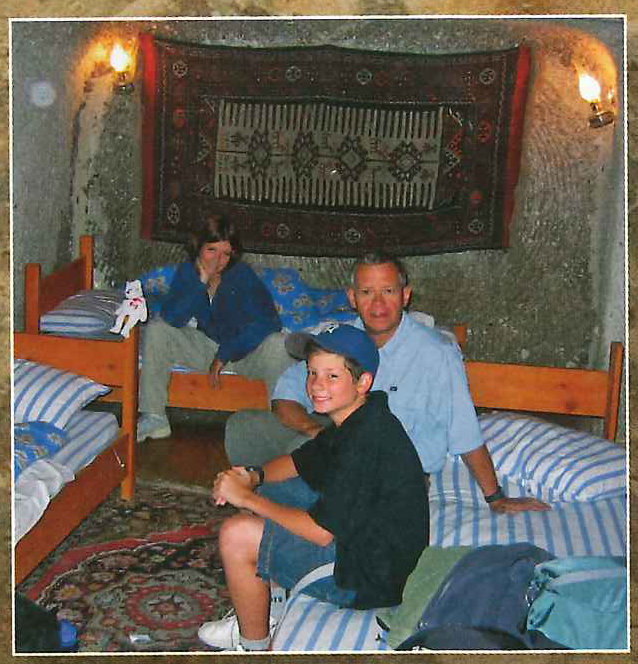
We broke the nowhere cold rule by going to Shanghai in February. We quickly had to buy gloves, hats and sweaters for everyone and long pants for Christoffer. Hardy Canadian that he is, Christoffer was happy enough in his shorts, although he was probably the only person so attired in Shanghai in February — certainly the only such person we saw. The double takes we were getting from the Shanghaiese had us in stitches. At Emmanuelle’s insistence we broke the nowhere expensive rule and spent three weeks in New Zealand giving a Lord of the Rings fan a chance to see this remarkable but relatively expensive country. With the exception of New Zealand our accommodation costs were kept to $30 a night for all four of us. We stayed in some extraordinary places. Our rooms in Goreme, Turkey, were in a small hotel recently converted from a private residence. The rooms were literally caves, carved from the soft volcanic material known as tuff which makes up the landscape in this remarkable area. In Udaipur, India we had a huge room with marble floors, Italian stained glass windows and a young manager who was more than happy to help Christoffer set off large, noisy and dangerous fireworks to celebrate Dewali.
Sure there were a couple of dodgy places. Like the windowless stuffy rooms which greeted us upon arrival in Siem Reap, Cambodia. In a well-known scam the company that provides the overland transport from Bangkok ensures that you arrive in Siem Reap well after dark with little energy or resources to scout out accommodation. The next morning we moved into a small, spanking new guest house where for $5 the four of us enjoyed clean, comfortable accommodation with private facilities while we explored the wonders of Angkor Wat and learned lifelong lessons about landmines and the killing fields.
What worked for us?
There are as many ways of undertaking such an adventure as there are people who travel. Despite the fact that we were complete novices at backpacking and long-term travel, things went remarkably smoothly. Here are a few of the reasons why we think that was the case.
This was a family adventure which the four of us agreed collectively to undertake. Everyone was on board. Manu and Christoffer were somewhat sceptical when we first broached the idea with them. They had no hesitation but really wondered if we would actually follow through. From the beginning it was agreed that we were all in this together.
Travel light. It is amazing how little you really need. We spent a fair bit of time researching backpacks before deciding what to buy. Neophytes that we were, we began the journey with too much stuff, literally tottering through the subways of Paris as we began the journey. We quickly stripped away unnecessary belongings. That extra pair of shoes we thought we needed just in case? Well we didn’t.
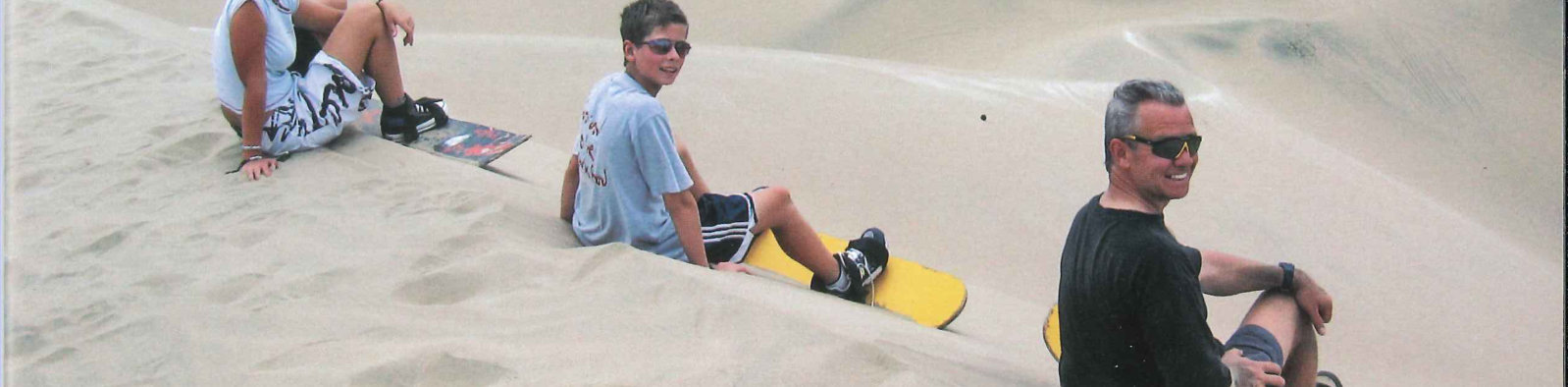
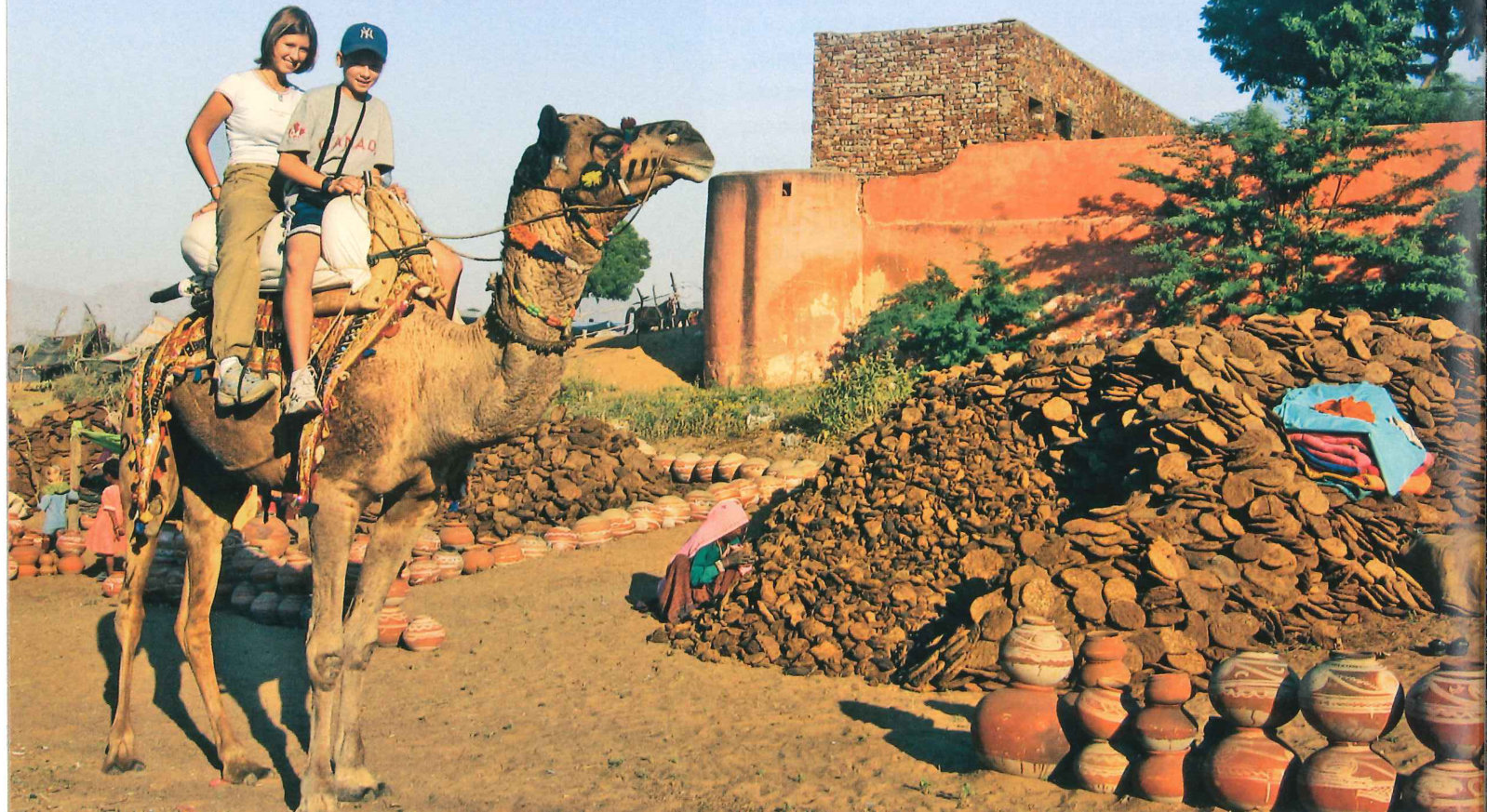
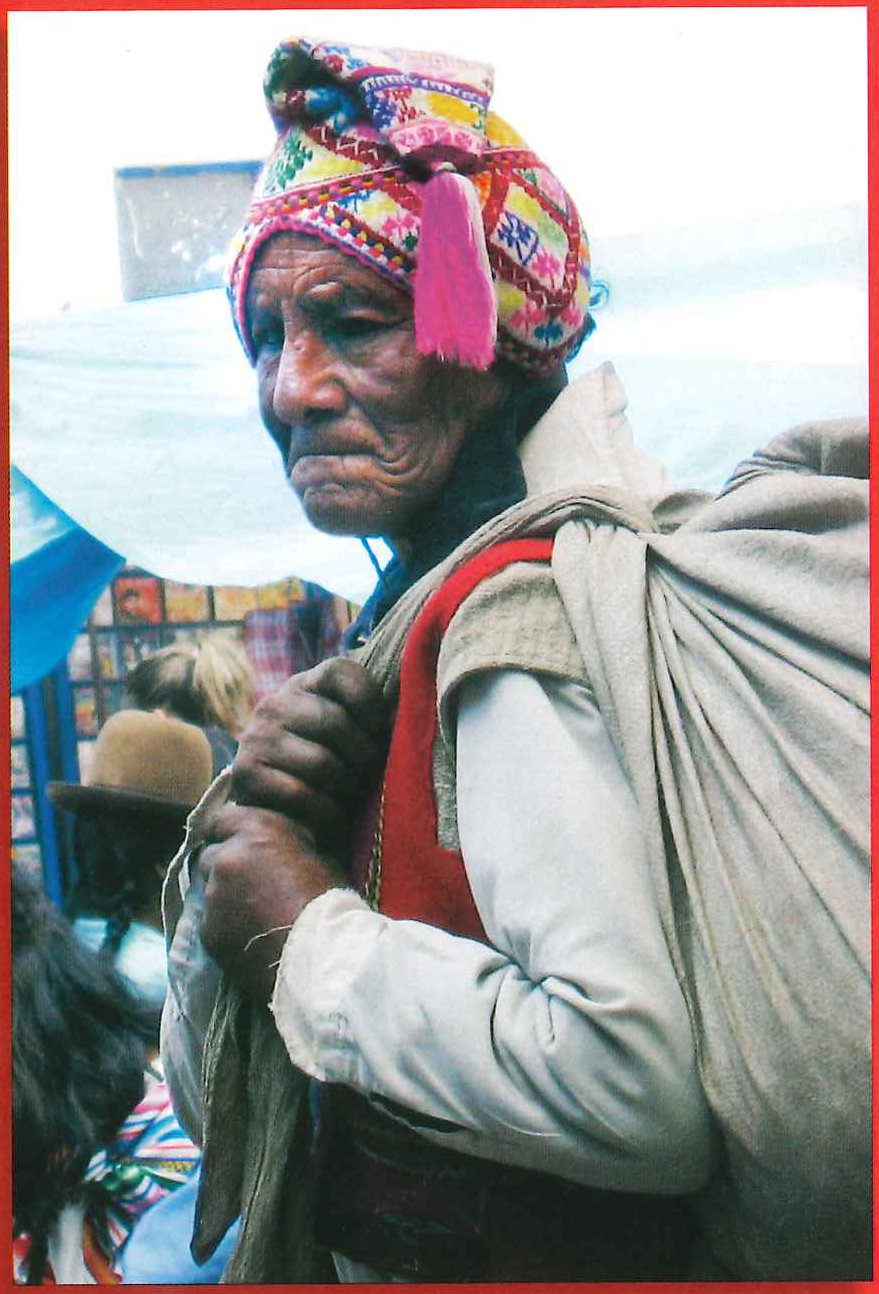
Bags within bags: the best advice ever on packing a backpack. We were each equipped with a half dozen net bags. It is much easier to get at your gear and to put it all together again quickly when you move on. Mix it up and try new things. While we visited our fair share of museums and probably one too many churches, we tried new and different experiences — from sleeping under the stars in Jordan’s Wadi Rum desert, to a three-day camel safari near Jaiselmer. We sandboarded the dunes of Peru and attended a world cup soccer qualifying game in La Paz. In Peru we were so fascinated by the local indigenous religious beliefs that we met a couple of shamans: one performed a cleansing rite for us with large condor feathers and another made an incantation to the pachamama, the Mother Goddess, on our behalf. When we did visit a museum the two children were attentive, inquisitive visitors.
Stay close to the ground. Our accommodation and local transportation was organized on the spot. A revelation to us was that when you stay in hostels and small hotels you often meet fellow travellers over breakfast or at the end of the day, sharing stories and lives and becoming friends. We often ended up travelling with people from many different parts of the world. Almost always these were people in their twenties or thirties who universally were intrigued about our experiences travelling with teenagers and were always great with the kids. We will always remember Simone, a Belgian lady who was close to eighty, whom we travelled with in Laos. She was travelling by herself for up to a year, working her way overland to Mongolia. Local buses and trains afforded opportunities to get very close to the reality of many others. Stay in touch. It was reassuring to both ourselves and our family and friends that we were able to stay in pretty constant contact. We were on Koh Samui, an island on the east side of Thailand when the 2004 Boxing Day tsunami hit. While we were only a couple of hundred kilometres from scenes of great disaster we felt nothing. Talk about globalization! We learned of the tsunami by MSN message from a brother in Newfoundland. We were able very quickly to reassure family and friends that we were safe and sound.
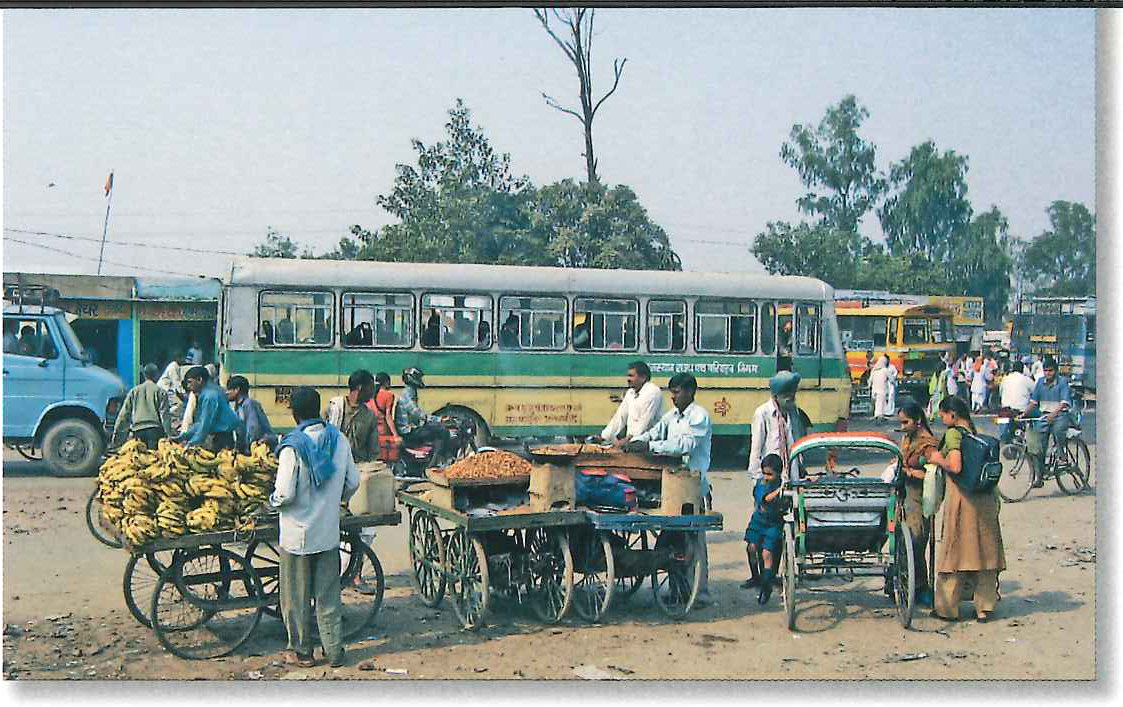
Perhaps the most important reason things went well for us was attitude: stay flexible, enjoy the moment, be open to each encounter. At times things did not always go as we wished. Sometimes the buses or trains were full. Sometimes they broke down. Christine got separated from us and lost for a couple of hours upon arrival in Jaipur. We got stuck in a remote part of Bolivia for a couple of days when the weather turned nasty and the dirt landing strip became a mud field, so we caught up on our journal writing and reading. At times the unexpected provided the best glimpses into the lives of others.
Le dernier mot de Christine
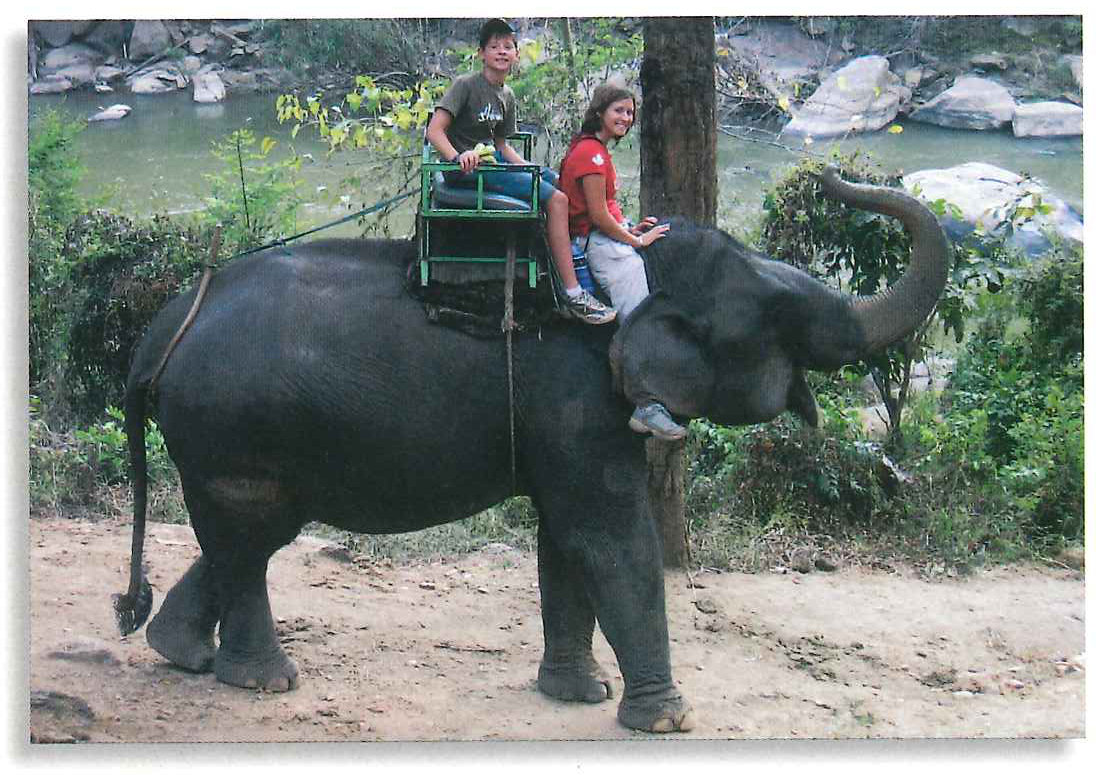
L’aventure en elle-même fut extraordinaire. Nous avons visité des lieux superbes à pied, en bus, en train, à dos de chameau, de cheval ou même d’éléphant, couché dans des auberges sympathiques, sous les étoiles dans les déserts du Rajasthan et de Wadi Rum, envahi quelques amis du ministère et d’ailleurs, rencontré d’autres voyageurs passionnés venant d’horizons différents du nôtre.
Voyager avec sac à dos, arriver dans des stations de bus, de train vous donne un premier contact avec les locaux très différent d’une arrivée classique à l’aéroport. Le contact se faisait plus facilement, peut-être parce qu’ils étaient plutôt intrigués par cette famille voyageant de manière peu commune.
Ce fut un bol d’air pur fantastique. Nos ados n’ont pas regretté un seul instant la décision de partir. Nous sommes très privilégiés d’avoir pu entreprendre ce voyage dans des conditions aussi agréables. Nous n’avions pas à nous stresser sur notre avenir puisque nous savions que Terry revenait à son emploi. Personne n’a été malade, pas de vomissements ou autres petits ennuis. La trousse d’urgence est revenue indemne — même pas un pansement manquant et que de bons restaurants végétariens découverts.
Maintenant en affectation à Genève, les enfants ont repris le chemin de l’école sans problème; ils découvrent le système international après le système français et il n’y a pas eu de perte de niveau. Ils sont en fait plus appliqués et réussissent très bien — y compris les maths même si la matière leur demande plus de travail. Deux mois en Amérique du sud fait en sorte qu’ils sont tous les deux en tête de classe en espagnol. Sans doute dans dix ans ou peut être moins, nous ressortirons les sacs à dos (que nous continuerons d’aérer ces prochaines années) et nous repartirons mais cette fois pour au moins une année; huit mois, c’était trop court.
View the original scanned pages / Voir les pages numérisées →
Originally published in / Publié à l’origine dans bout de papier, Vol. 22, No. 1 (2006) — Spring 2006 // Printemps 2006, pp. 9–15. Read the rest of this issue / Lire le reste de ce numéro →



