
bout de papier, Vol. 24, No. 3 (2009) — Summer/Fall 2009 // Été/Automne 2009, pp. 9–13
et slightly back from Sunset Beach S near Pelabuhan Ratu on the South
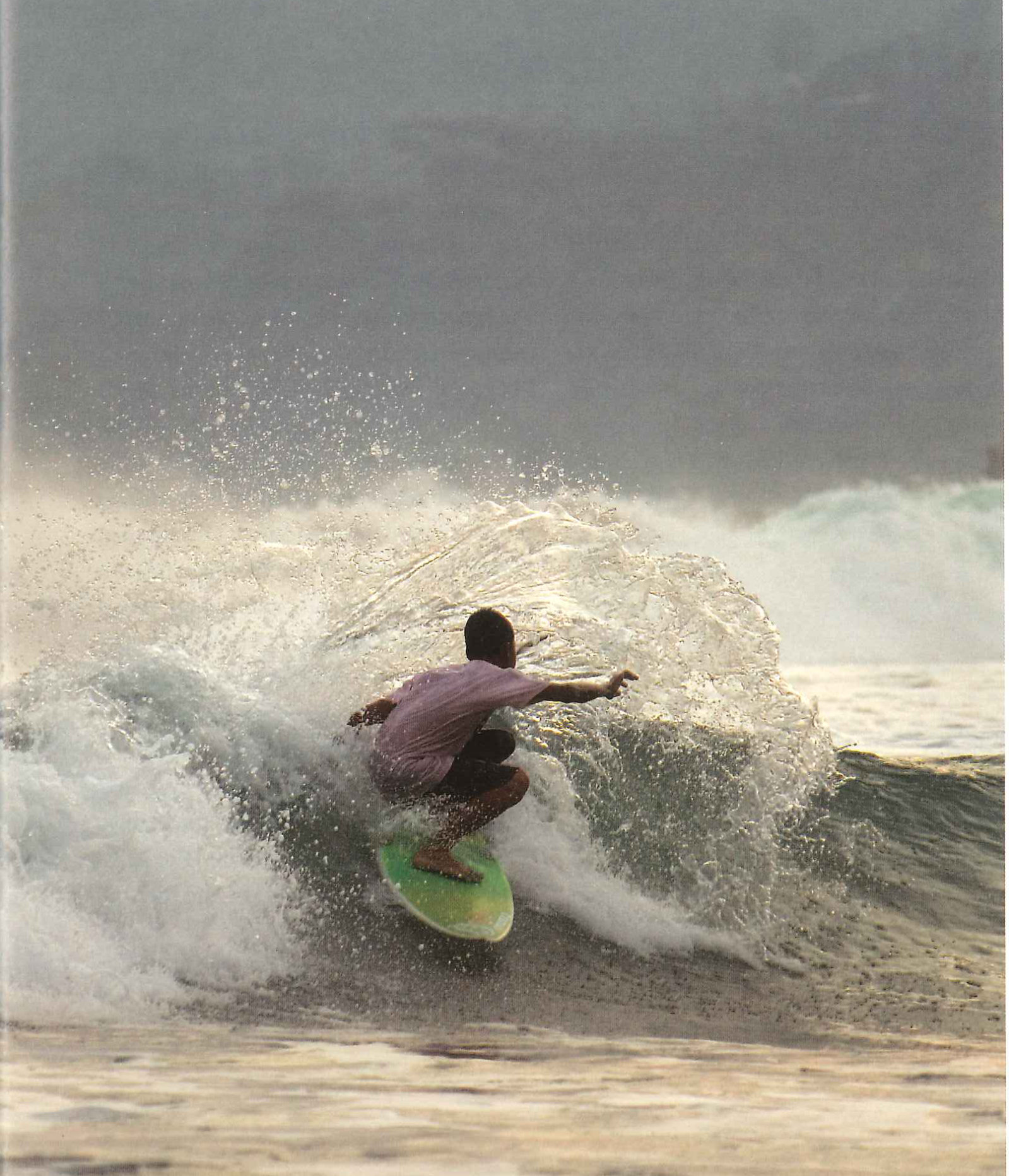
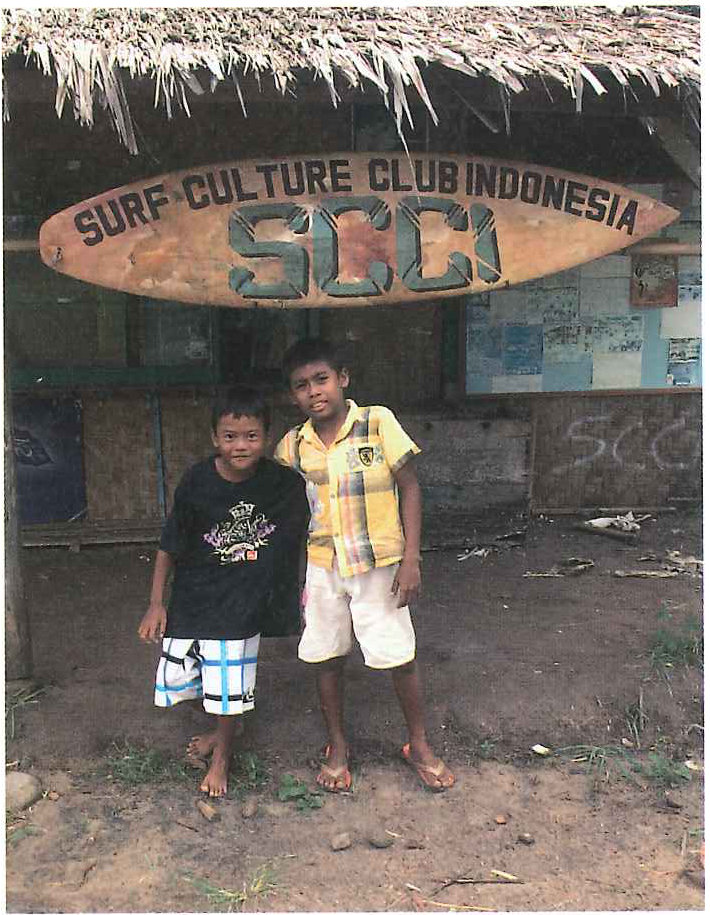
Coast of Java sits an unassuming building housing a surf school known as “Surf Culture Club Indonesia (SCCI).” You wouldn’t know it was there unless you were learning to surf, stumbled across it while wandering down the beach or spotted the surfboard hung by the side of the road bearing its name. “Surf Culture Club” is, however, much more than a surf school. It is a group of young surfers committed to patrolling the beach and saving lives.
Pak Mumuh’s wide smile and welcoming face beckoned us in to eat and share in the celebration. Today is “Surf Culture’s Sth Anniversary” and he has invited all of us, 12 visiting foreigners from Jakarta, to join in their “pesta” (party). You could be forgiven for thinking this was a kind gesture to lure us in to learn more about surfing, but the story of how we got to know Mumuh is much deeper than that.
Half of us arrived on Friday afternoon to the beautiful coastline known as Pelabuhan Ratu, located due south of Jakarta. The place is famous for its surfing and attracts many visitors. A group of us had decided to rent a villa for Easter weekend and set out for a good three days by the sea. Sunset Beach lived up to its reputation for the beach and crashing surf.
We had heard the legend of the “Ocean Queen” — Nyai Loro Kidul, the malevolent goddess of the sea — who lures swimmers and fishermen into her watery kingdom. The folklore maintains that you should never wear green when going into the sea because the Ocean Queen takes those wearing green — as this is her colour. Pretending not to heed the legend, we laughed and shrugged it off, but I noted we were all certain not to don our beachwear of that colour.
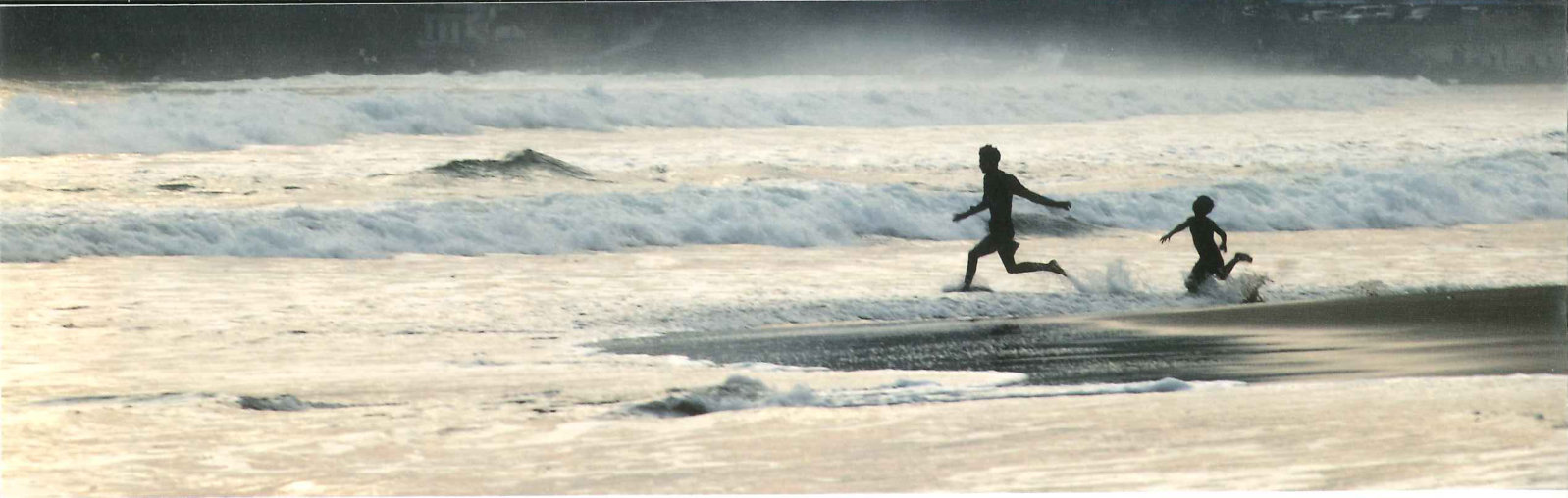
Strolling down the beach for our first swim, we were careful to stay within the “safe area” denoted by a strip of white picket fence. This beach, known as one of Java’s surfers’ paradises, has a reputation for very strong and erratic currents and rips. Cautiously testing the water for the first time, we waded out to our knees. I kept my eyes on my two children — 8 and 14 years old — who were frolicking about in the waves. I tested the waves — body surfing and riding a few in and felt quite comfortable though oddly shaken about. This was a different current that came at you from both sides, a little like being in a washing machine and shaken this way and that. We were in the water only up to our thighs, so felt confident enough in the waves. Soon, many of those on the beach joined us and we had a good time all around.
The rest of our group arrived shortly after we returned from swimming, but were too tired from the drive to venture into the water. The next day, after a trip to the famous fish market in Pelabuhan Ratu (or “Harbour of the Queen”), we were all hot and impatient to get to the sea to cool off. We went to the same “safe” swimming area and waded out much as we had done the day before. The tide was further out though, and I remarked to my friend that the current felt quite different than the day before. She agreed, but we continued to wade out. We were only knee-deep, so a few of us went a little farther out — perhaps to our thighs — to catch the waves.
I had my eye on my youngest girl, who was with a friend, and suddenly realized they were getting swept down the beach. I began to swim after them and saw they were in trouble, getting swept further out to sea now, faster and faster. I yelled to my husband to come after us, but he was even further away than I was. I swam as hard as I could toward my daughter and was finally able to catch her by the arm and hold on to her. It was then that I became aware that we could no longer touch bottom. The waves were coming at us more frequently and were much, much stronger. As one would hit us we had about five seconds to catch our breath before the next one came. For a brief moment, I wondered if I had the strength to keep us both above the water. The shore looked so close but we were making no headway at all as the current held us in the deep waters.
I saw my husband coming toward me and yelled for him to take our daughter, “Take her; I don’t think I can keep her up any longer.” The waves kept pounding us under the foamy white water and it was all we could do to come up for a breath of air before the next one hit us again. I grabbed the friend who had been with my daughter, goading her to relax and breathe. The look in her eyes was one of panic and I knew she was in trouble. The waves continued to get bigger, coming faster and keeping us under for longer each time. I began to feel tired but kept reminding myself to breathe in between the pounding. I no longer had my friend’s arm.
By this time, I could see another member of our party was in trouble. Thankfully, another friend had gotten to him and was able to take him in a chin tow, but I could see that his strength was waning as well. I tried not to look back anymore for fear of panicking myself. I kept telling myself to stay calm and breathe as each wave took us down longer each time. I was feeling my strength wane and wondered how we would all make it in to shore. Seven of us were out there caught in the relentless current and waves — two to three metres high at that point — making no headway toward the beach.
Then, seemingly out of nowhere came the surfer boys. I saw one boy on the other side of a wave pointing a board at me, but screamed, “No, take my daughter and husband.” He managed to get to my husband, who, by that time, had wrapped our daughter’s swim shirt around his fist and was pushing her up above the waves to stop her from taking in any more water. In doing so, he was under the water for a good deal of time. Another surfer appeared and I waved him towards my friend, who by then looked in grave danger.
When another smiling face appeared with a surfboard pointed at me, I nodded and gratefully took it. The current was very strong, the waves bigger and even more relentless, but by then we were all (seven foreigners) on surfboards being taken in by the surfer boys. With the young boy holding my legs at the back of the board, a wave of panic shot through me as I rode the waves in to the beach — I had no idea where my eldest daughter was, could not see her on shore and could not see my husband. My youngest daughter, I could see, in her bright fuscia swim shirt, had made it back safely, but not the other two. I guess that I wiggled on the board because the young boy said, “Tidak” — “No,” holding my legs tightly, undoubtedly worried that I would try to get off the board and swim to shore.
I knew my husband would be worried about me and start coming after me if he couldn’t see me. The shore was in sight, so I started paddling furiously with my arms. If I could ride one more wave, I would be safely on the beach.
In paddling faster, however, I lost the boy off the back of the board. He was no longer there, and I was concerned. I looked back and he smiled, shaking his head as if to say “don’t worry,” as we coasted up to the beach.
I wasn’t quite prepared for the scene when I arrived. I was the last of our group to get in to shore. There were many traumatized faces and fatigued bodies sprawled across the beach trying to calm themselves and each other, some weeping in disbelief. By this time, I had seen my family, including my eldest daughter, who had been closer to shore and able to get in. Then a man with a warm, open face asked, “How many people, is everybody here?” I answered in Bahasa, “Yes,
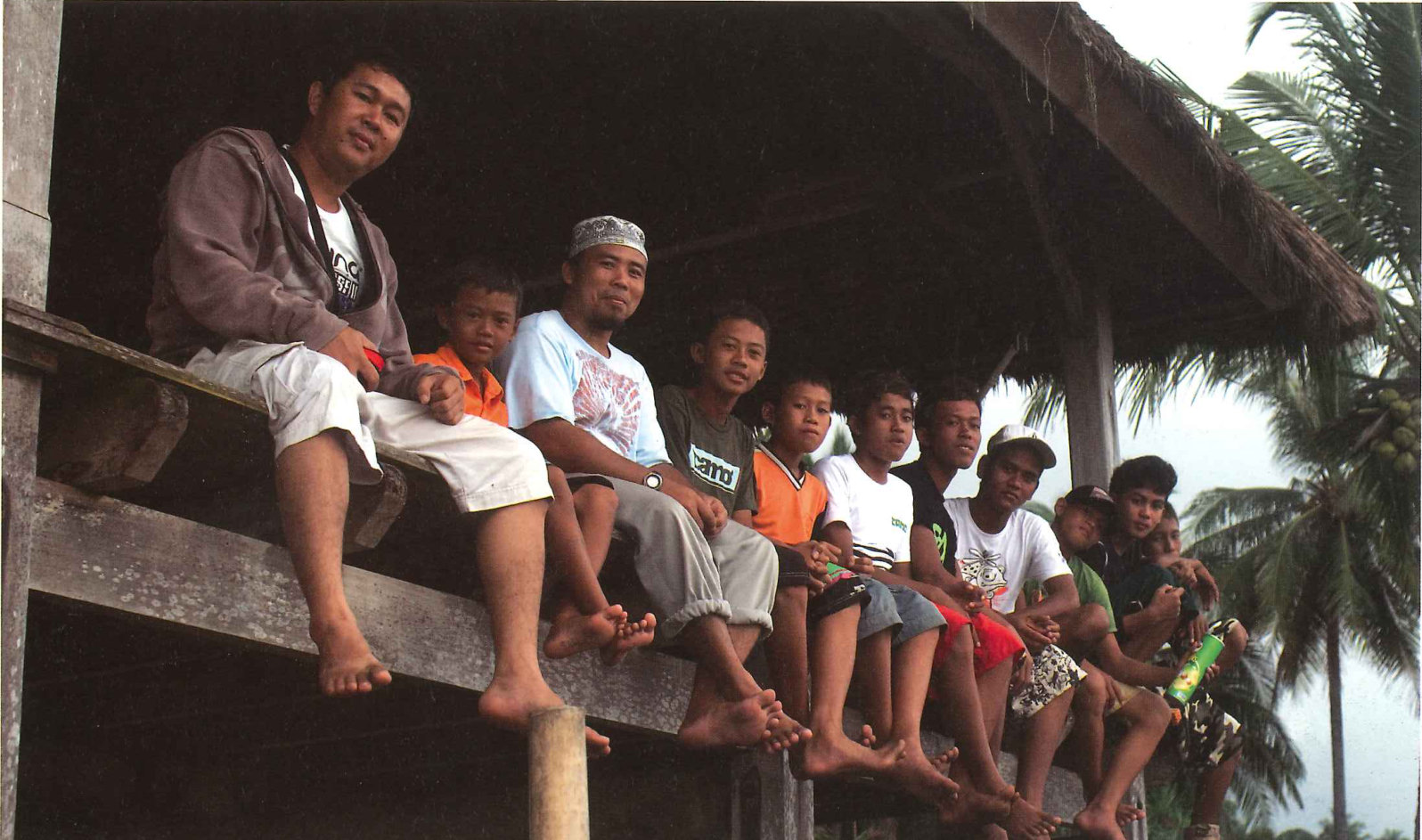
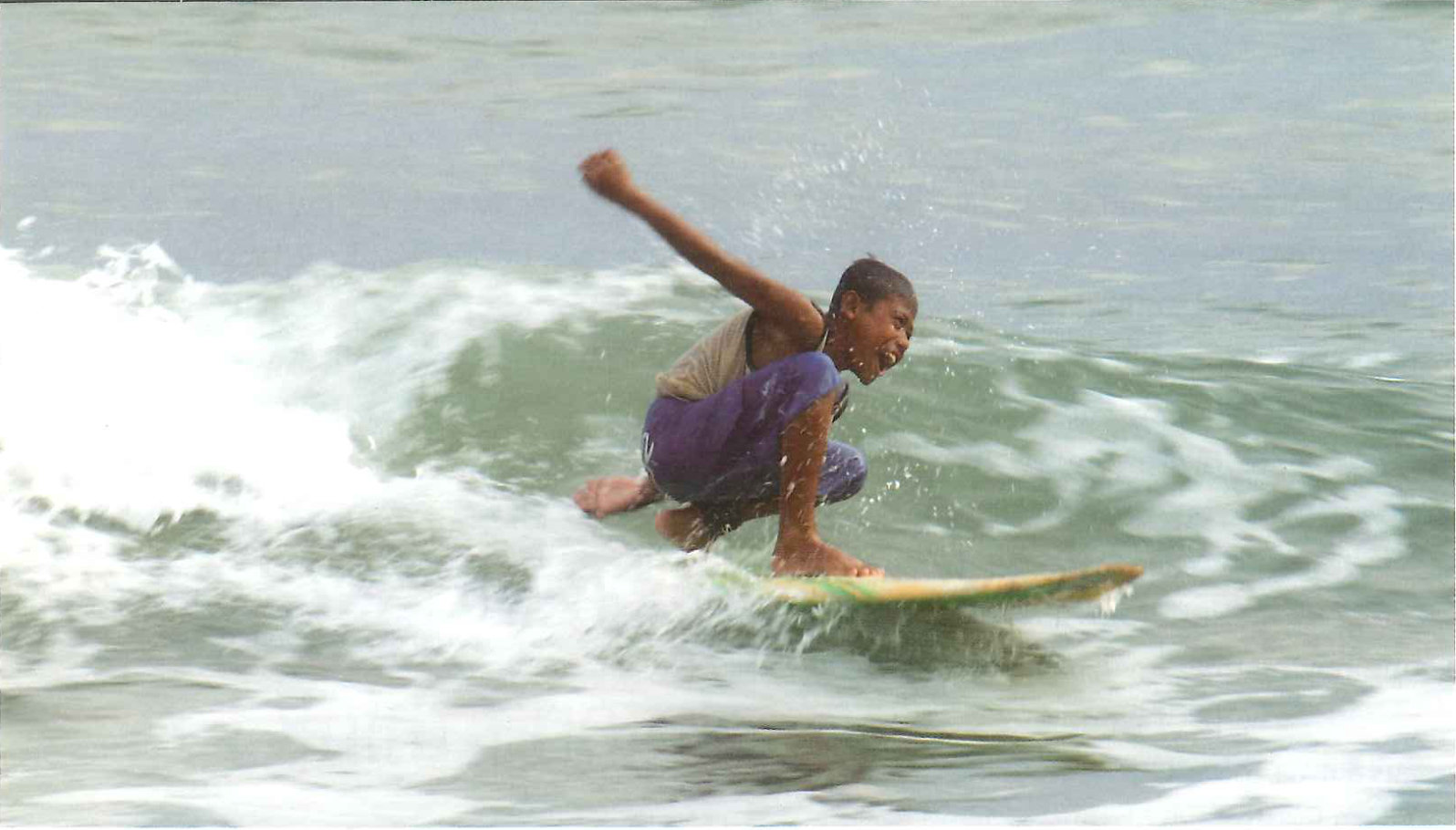
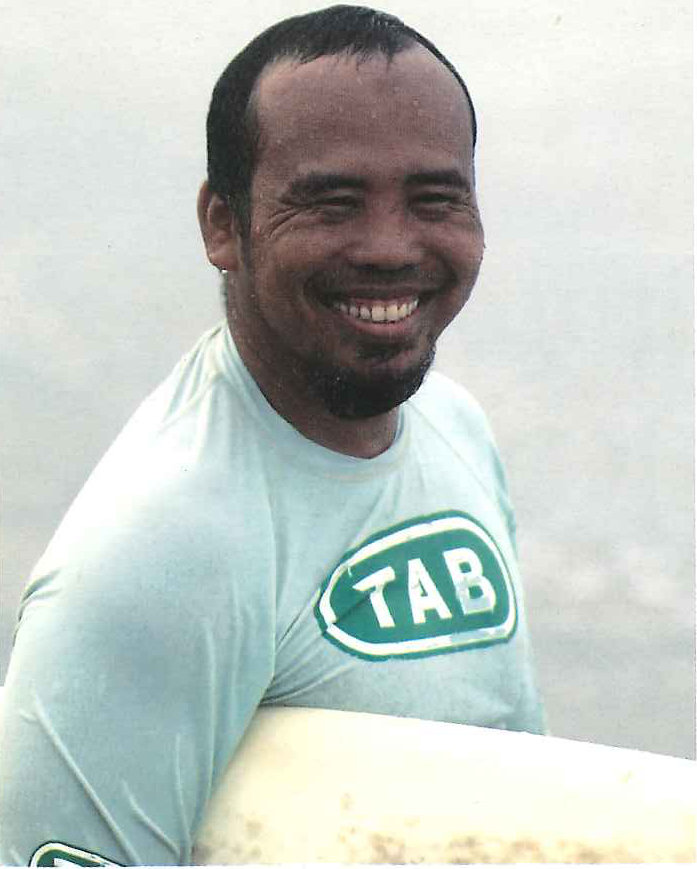
12, we are all here” “Pak Mumuh,” he introduced himself, “I run the surf club.” As I looked around, I realized that Mumuh had dispatched all his surf club members to rescue us. They all stood around smiling as we thanked them profusely, the reality of what had just happened (or nearly happened) not yet sunk in. These young boys had saved our lives — seven of us had been in profound danger. We had been in danger for only 10-15 minutes, but it seemed an eternity.
Nobody wanted to discuss what had happened, but I asked my friend who had been closer to shore and able to get back first without being pulled out to sea, where the boys had come from. She said she looked for help — saw a bunch of boys and asked them to get boards to help us, but they refused — undoubtedly, they had experienced the danger before. Then she yelled to the Surf Culture Club while a bystander ran to get them. Led by Pak Mumuh, the boys came running down the beach with their surfboards and headed out to sea to rescue us.
When you experience such a close call and near tragedy, you are speechless. After being in such peril, it is difficult to know what to say and most of us were in disbelief. Words seem trite when trying to thank those who just saved your life. So, the clearest thinking amongst us — the friend who had asked for the surfers’ help, invited them to come to our villa to see us later. Mumuh agreed he would bring the boys around. We eventually staggered back up the beach and sat around staring at each other, not really knowing what to say — despondent. It was clear that we needed to see the boys again to try to comprehend what had just happened.
When they arrived some hours later (time was ill-defined as we all sat looking blankly out to sea after the event), and none of us could quite believe how young they were. They were small boys aged 14-18, yet when coming to rescue us they looked like giants. We offered what we had — juice, soda, chips, cookies, nuts, grapes — but they sat shyly at first not wanting to eat or drink. After a few awkward, sombre minutes from our side — not quite believing that these small boys had saved our lives and trying not to stare at them in awe — they relaxed. Mumuh leaned in to me and said, “It is not very often that we are invited to eat and visit with foreigners.”
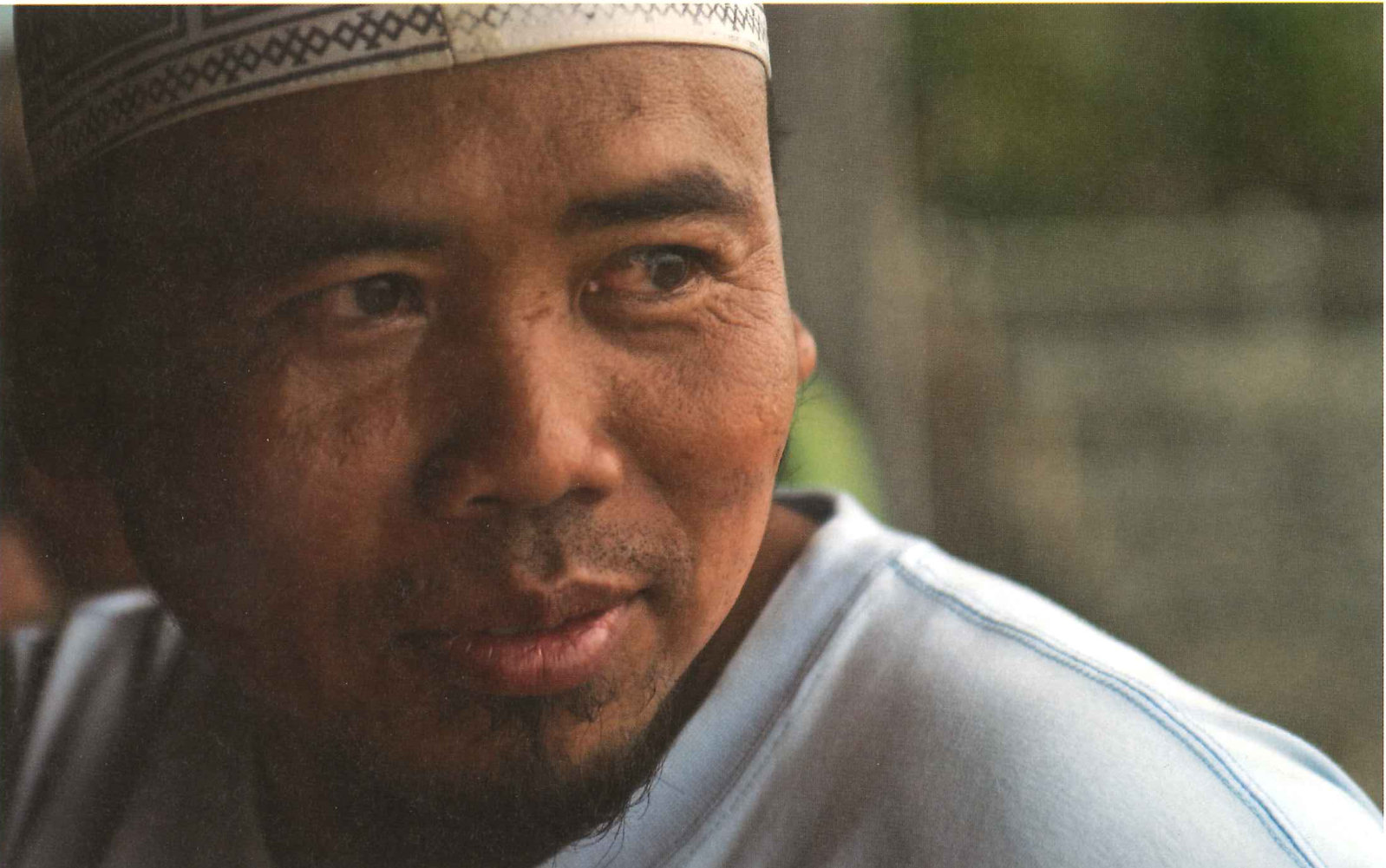
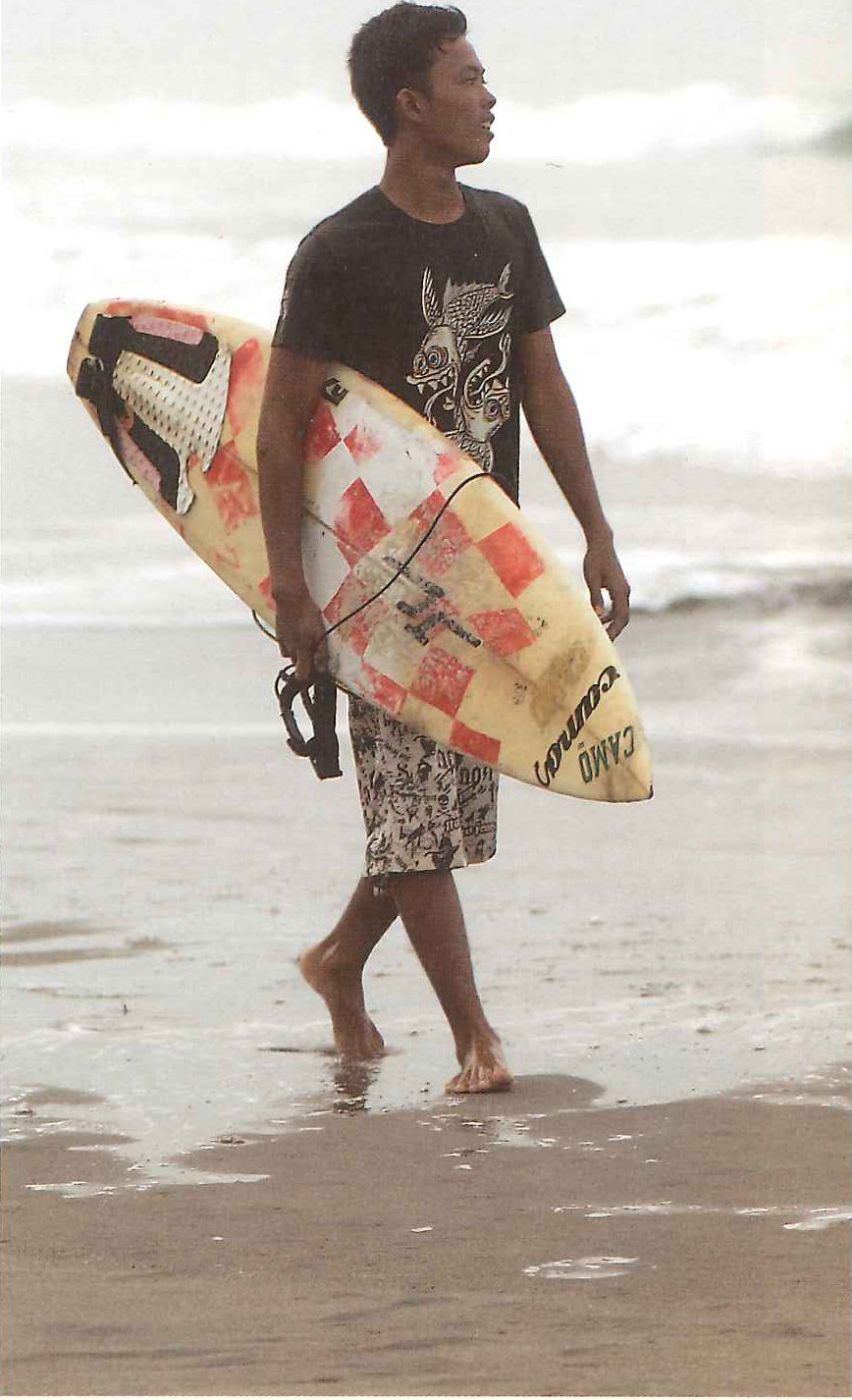
I asked Mumuh how this club came to be and he said that he had started it a few years earlier with a group of local boys who liked to surf. They would instruct on the weekends and half-days during the week, if there were customers, and go to school for the other half of the day. “But what about the search and rescue part of the club?” Mumuh said that he sees that as the responsibility of the club and that he, in fact, had been doing rescue alone since 1991 — long before he started “Surf Culture Club.” “We are having our fifth anniversary tomorrow and you are all welcome to come for lunch,” he added. Overwhelmed by his offer, we all agreed.
I needed to know more about the lifesaving part of the club. “How many people do you save each year?” “Hundreds,” he answered. Stunned, I asked him to elaborate. He reluctantly told me that last Idul Fitri they managed to save 60 people and rescued another 52 between Christmas and New Year, along with an average of 10 people every weekend. “Before, we would lose many people — I could only save around half, but now, with the boys, we save many more.”
Humbled into a state of speechlessness, I looked up into his friendly face and goaded him to tell me more. “My dream,’ said Mumuh, “is to have ‘Surf Culture Clubs’ all over Indonesia — in Banten, Benggkulu and other places.” Then, he added casually: “Do your girls want to learn to surf tomorrow?” I looked over at the girls expecting them to decline, but instead they excitedly responded in the positive. This wise man realized the best way to move forward was to get back out into the surf. So, at 7:00 am the next morning they were out with the Surf Culture boys learning to surf — joined by my husband.
I couldn’t stop myself from asking Mumuh whether he believed in the Ocean Queen and her powers over the sea in Pelabuhan Ratu. He smiled, not really answering, “But you know, we believe in two worlds — the material world and the other spiritual world. So, we respect both worlds.” A devout Muslim, he also told me that he prays each time before heading out to surf. After what seemed a very short time together, he pointed to his watch and said he had to go. Sunset was in five minutes and it was time to pray. The boys got up and we took some more photos — all of us looking forward to sharing in their celebration the next day at the Surf Culture Club.
As I sit writing this, on Easter Sunday afternoon following the great celebration we had with the boys from the Surf Culture Club and many local residents, I am looking out at the many surfers relishing each wave that comes their way. Only one word sticks in my mind — “respect”: respect for the sea, its power and its energy and, moreover, respect for those people who live by this sea, the residents — for their local knowledge and wisdom.
We were very lucky this time, but one man was not so lucky that day. At around the same time that we were in trouble, the local rescue boat tried to save a man further down the beach, but he drowned. We had a very close call which served as a huge warning to us, and should do for everyone planning to spend time at the coast. I only hope that others, if faced with this danger, will be fortunate enough to be touched by those as community-minded and caring as the boys from the Surf Culture Club of Indonesia and reformers like Mumuh.
View the original scanned pages →
Originally published in bout de papier, Vol. 24, No. 3 (2009) — Summer/Fall 2009 // Été/Automne 2009, pp. 9–13. Read the rest of this issue →



