
bout de papier, Vol. 24, No. 4 (2009) — Winter 2009 // Hiver 2009, pp. 34–39
n the early 1990s, as communism collapsed in Eastern Europe the Soviet Union disintegrated bringing the Cold War to an end, a number of eminent thinkers suggested new paradigms of our global future. These included Francis Fukuyama’s The End of History, Samuel Huntington’s Clash of Civilizations, and Robert Kaplan’s The Coming Anarchy. Kaplan’s bleak prognosis, written in an article in Atlantic magazine in February 1994, posited that the disintegration of states, such as Sierra Leone, was a harbinger of an emerging Hobbesian global anarchy that would be replicated in many other parts of the world. To quote one paragraph in his provocative article:
“Sierra Leone is a microcosm of what is occurring, albeit in a more tempered and gradual manner, throughout West Africa and much of the underdeveloped world: the withering away of central governments, the rise of tribal and regional domains, the unchecked spread of disease, and the growing pervasiveness of war. West Africa is reverting to the Africa of the Victorian atlas. It consists now of a series of coastal trading posts, such as Freetown and Conakry, and an interior that, owing to violence, volatility, and disease, is again becoming, as Graham Greene once observed, ‘blank’ and ‘unexplored.’ However, whereas Greene’s vision implies a certain romance, as in the somnolent and charmingly seedy Freetown of his celebrated novel The Heart of the Matter, it is Thomas Malthus, the philosopher of demographic doomsday, who is now the prophet of West Africa’s future. And West Africa’s future, eventually, will also be that of most of the rest of the world.”
Sierra Leone and Liberia, in particular, fell into a chaos that appeared to validate part of Kaplan’s thesis. Over most of the last years of the 20th century, they were synonymous with ghastly, long-lasting civil wars, blood diamonds, child soldiers and unspeakable atrocities. Yet, ever so tentatively, these countries are recovering from their recent terrible past. It is now possible for a traveller to visit these countries, albeit cautiously, in a way that was not possible in the decade after Kaplan wrote his article. While certainly unusual as a holiday destination, the countries are emerging from the nightmare which had engulfed them in the 1990s. It was for this reason that I decided to go for a first-hand look. One of the advantages of life in the foreign service is that however obscure or distant a country one is likely to find a colleague or two who, for professional reasons, has visited in recent years. I am indebted to Abdul Omar, Lee-Anne Hermann and Mona Yacoub for providing valuable advice prior to my departure. Below are some of my observations and experiences.
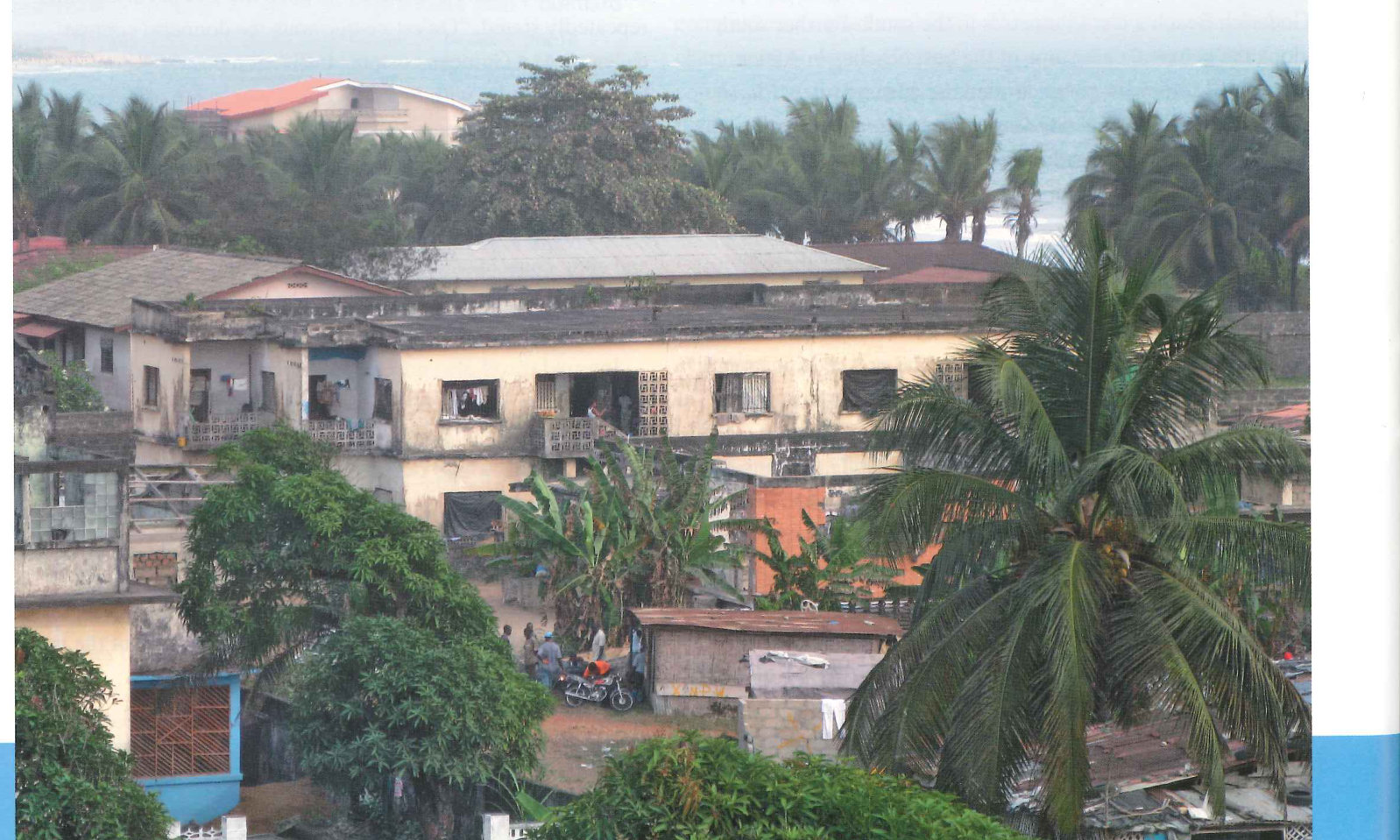
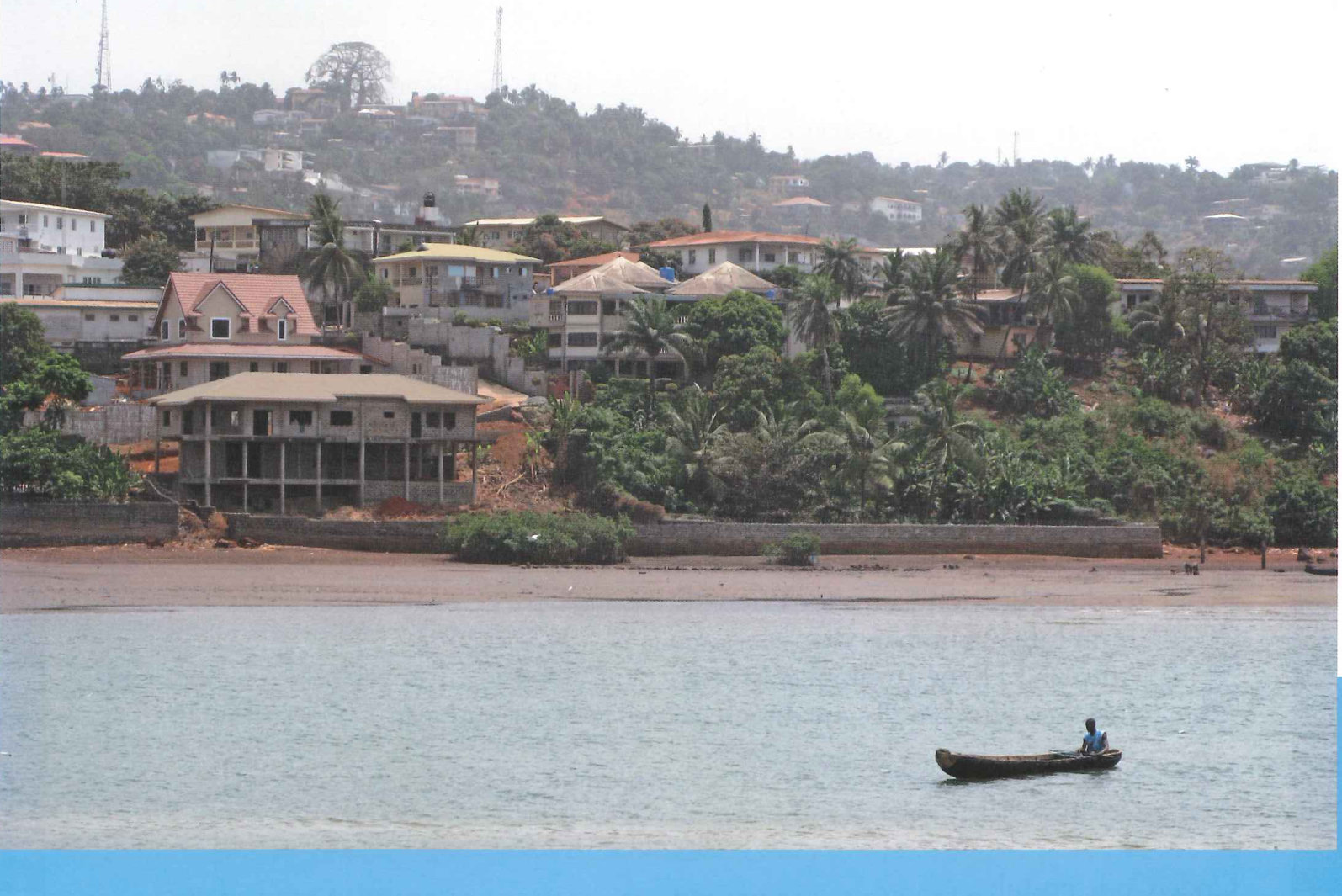
Sierra Leone has made the most significant recovery. Evidence of the previous conflict is now mainly visible in the high number of amputees begging in the streets of the capital. Freetown’s physical location is among the most attractive in West Africa. It is situated across a wide bay from the international airport at Lungi, ringed by hills and low mountains and blessed with magnificent beaches along the length of the peninsula to the south of the capital. Investors are snapping up real estate along the Freetown Peninsula. Luxury accommodation is being built along Lumley Beach on the western outskirts of Freetown and, even more significantly, at Goderich Beach a few kilometres to the south. Further south along the peninsula are some of the best beaches in Africa. While still somewhat rough around the edges, Lonely Planet recently listed it (along with Canada) as among the top 10 destinations in the world. Sierra Leone now even has a tourist website with the sub-title “Do Something Different: Visit Sierra Leone.”
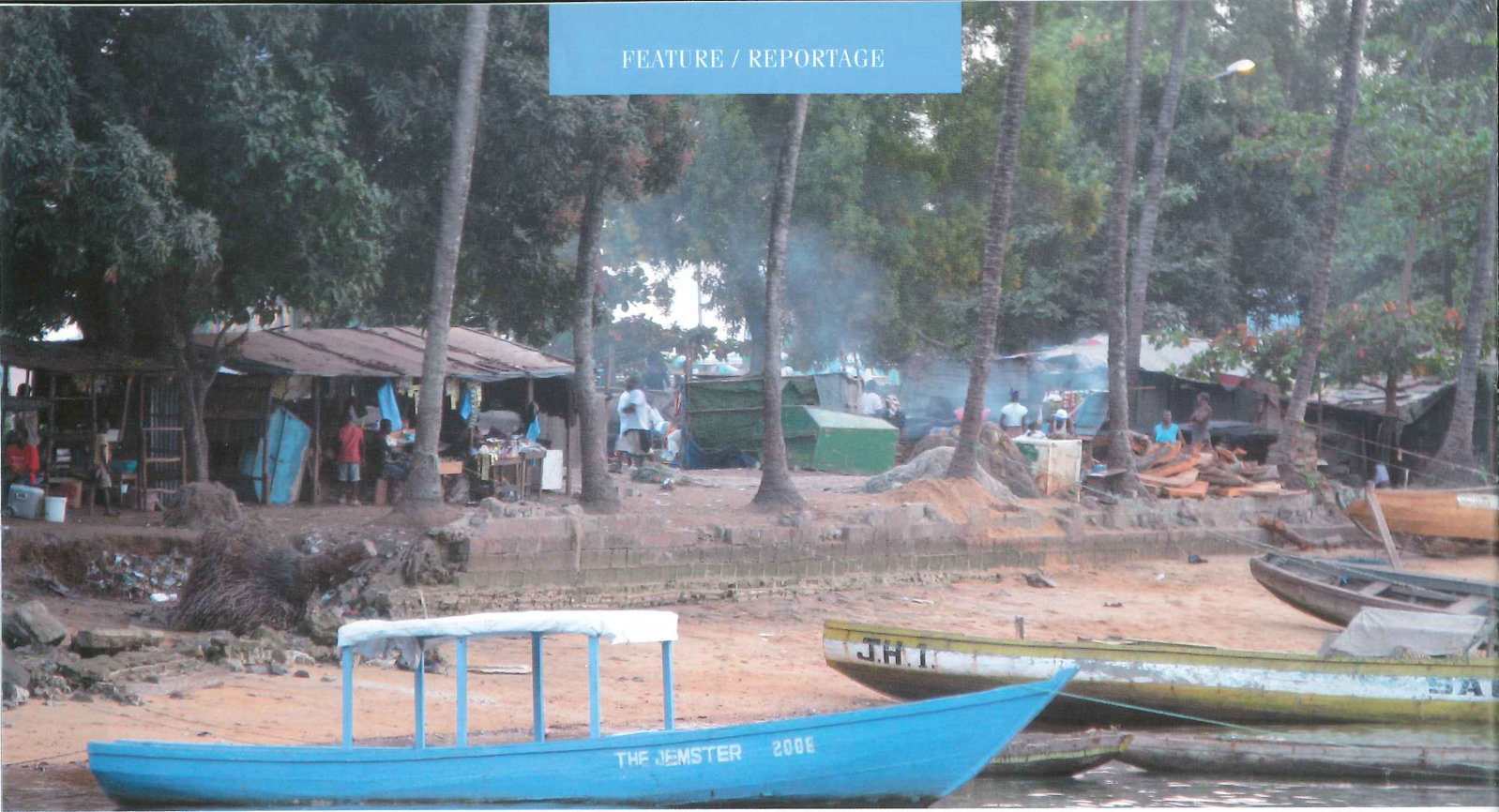
Liberia is a different matter and the trauma of the war years is still highly visible. For years during the war, factions contested and fought over large parts of the capital, Monrovia. Much of the city remains devastated. The presence of large numbers of United Nations peacekeeping forces is far more visible. Numerous development agencies and NGOs, many religiously based, are now present in the city. Travel outside the capital city is still considered dangerous and insecure. The cost of living is high, inflated by the peacekeeping presence and the ancillary services supporting it. Liberia has a much tougher, pushier and more aggressive interpersonal edge on the street in comparison to Sierra Leone, or even Guinea. Even by coastal West African standards, the humidity in Monrovia felt particularly oppressive. What was similar in both countries was the lack of electricity. Drowning out the sound of insect life at night was the endless drone of generators, keeping a handful of buildings with light, as the rest of the cities were reduced to candle light. There were also other “dysfunctionalities.”
Although public campaigns against corruption have started, including large billboards at borders and in the capital cities, evidence of opportunistic corruption is pervasive, and sometimes unavoidable, throughout the three countries and among the worst I have ever encountered. At immigration entry at Spriggs Payne airport in Monrovia, despite having a visa, the two immigration officials questioned me on my motives for visiting the country for 15 minutes. After they agreed to allow me into Liberia for seven days, they then asked how much I was going to give to them. At the Central Immigration Department in downtown Freetown, the woman responsible for my file slipped the equivalent of 15 dollars down her pocket and then insisted that I had not given enough money to cover the cost of renewing the visa. At Conakry airport, the woman at customs repeatedly stated, “Qu’est-ce que vous me donnerai comme cadeau.” At a Guinean customs inspection post 20 kilometres before the border with Sierra Leone, I was taken off a bus and shaken down for close to 30 minutes for a bribe. And during the countless series of roadblocks on the road between Conakry and Freetown, the driver repeatedly had to slip money to the police. Perhaps like reform on Wall Street, appeals to responsibility and civic consciousness have yet to really take hold. Those in power continue to use their positions to enhance their financial well-being at the expense of the more vulnerable.
Internal travel also posed challenges. There was only one flight per week between Conakry and Freetown and it would have been uncomfortably close to my return flight back to Heathrow and Canada. Given that West African flight departures are notoriously unreliable (an experience re-confirmed by a six-hour delay on the flight between Monrovia and Conakry), I decided to travel the route by local bus. It was a remarkable way to experience West Africa at ground level. It also ended up as a reminder of some of the more gruelling Third World transportation experiences I endured when backpacking around the world in the late 1970s.
Buses and long distance collective taxis in Guinea and Sierra Leone do not leave at any scheduled departure time. They leave when all the seats have been sold. I was advised by locals to get to the Benneto bus station, at the edge of the Commune de Ratoma, early in the morning, ideally between 0630—0700, if I wanted to ensure a relatively quick departure. I left the Pension Ghussein, where I had been staying, in darkness and arrived at Benneto by urban collective taxi just as the first slivers of light were starting to appear over Conakry. Packed among the scores of vehicles lined up tight in the small dirt station was an older mid-sized bus, with an agent yelling out “Freetown direct.”
At first, things seemed to go well. I purchased my tickets. Others arrived every few minutes and were starting to fill up the van. Luggage was being loaded on the roof, and by about 0710 we were just waiting for two remaining passengers to fill up the bus. The cry of “Freetown direct” coursed repeatedly above the sounds of engines. Then there was an argument and two passengers stormed away in anger amidst some pushing and shoving. Finally at 0745, we were told to cram ourselves into the bus. Vehicles blocked the route behind and ahead of us. The slow motion exit involved an inordinate amount of high-pitched yelling and endless horn honking. It also required intimidating the fruit and vegetable vendors blocking the route by inching the bus forward at the speed of a tortoise. It took almost an hour to get around the perimeter of the station to the exit. At 0840, just as we arrived at the exit, perhaps 50 metres from where we had first started, the driver put the vehicle into park and disappeared. Apparently, despite the already overpacked conditions, they were still one passenger short. After 20 minutes, I went looking for the driver. Finally at 0915, over three hours after I had first arrived at Benneto, and now with yet another passenger jammed into the bus, we were finally ready to be on our way.
We left the station, and began a fairly long ascent toward the edge of town. Within three kilometres of the bus station, the engine started to lose power and stall. After another kilometre of losing power every 100 metres or so, the vehicle completely broke down in the middle of the road. The driver and his sidekick played around with the engine for a while, finally replacing a spark plug. Now at 0955 we were on our way again, though the engine continued to backfire, and occasionally lose power, for the rest of the route to Freetown.
At the edge of Conakry around 1030, we were pulled over at a police roadblock. The driver got into an argument, and the police ordered the driver to pull the vehicle over for a longer wait. A number of people, both bus passengers as well as street vendors nearby, stated over and over again, “Les polices ne sont pas bon, ici.” Although I was aware of the corruption potential that these roadblocks represented, I was more than a bit surprised that the “payout” was something that had to be negotiated, often at great length, each time. A little more than an hour later, we were allowed past that roadblock. The driver started the struggling engine and we were on our way again. The road was paved and in quite good condition and we at last started to make good time. For the next stretch, payoffs at the roadblocks seemed more regularized, if noisy and animated.
My normal tactic, when faced with an incident such as this, is to remain confident and polite, but to feign ignorance and continue to not comprehend what is being asked or implied.
Twenty kilometres before the border, at the point where the pavement ends and the road degenerates to a dirt track, there was yet another roadblock — “Douane.” This time, I was the one who was questioned and then taken off the bus. The Guinean official first addressed me in English, asking if I was smuggling gems or currency. I asked the driver to accompany me as they took me into a separate room in the shed and the shakedown began.
My normal tactic, when faced with an incident such as this, is to remain confident and polite, but to feign ignorance and continue to not comprehend what is being asked or implied. Somewhat exasperated at my apparent obtuseness, the official finally turned to the driver and slipped back into French. Although, of course, I knew exactly what the customs official was saying in French, I asked the driver to translate for me. At a certain point during this standoff, and while continuing to express bewilderment, the benefits of continuing to stall in the hopes that the official would eventually give up slid into how little I could get away with to end the encounter. Situational awareness made me realize that unlike at an airport where another potential victim might be arriving shortly and there was some form of hierarchy, these officials were the top authority in this isolated location and had all day to extract their payout. Finally, after the shakedown, I agreed that he could have the rest of my Guinean money (about $9) as I was leaving the country. Then the customs official next to him, who was physically holding on to my passport, demanded the Guinean equivalent of $2 to get it back. I was now, of course, bereft of any local currency. At this point the driver paid the other official, I was given my passport back, and we were off again.
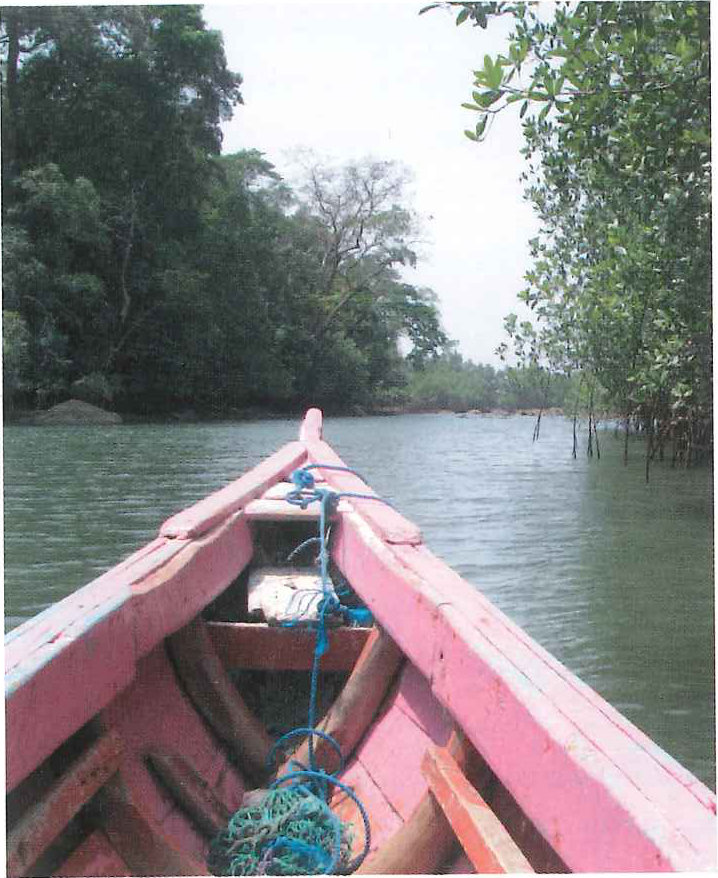
For the rest of the route to the border, and continuing for another 150 kilometres on the Sierra Leone side, the road is rough unsurfaced red dirt. It seemed a long haul before we arrived at the border village of Pamelap. This time we were stuck for more than two hours. The other passengers went to have a meal of rice and goat at a basic “chop house.” At one point, after the driver had been inside the customs shed for almost 90 minutes, customs insisted that they wanted to search all of the passengers’ bags. They later agreed to check four bags. Three of the better dressed passengers were hauled inside the customs house as I waited outside. About 30 minutes later, the hapless affected passengers came back outside, the luggage was put back on the roof and tied down, and we were allowed to go.
At the Guinean immigration, the official stamping my passport out of the country asked if I could help him immigrate to Canada. Once on the Sierra Leonean side, the official attitude became much more personable, but the admiration of my nationality remained the same. My passport was checked and the guard asked if I could send him my e-mail so that he could immigrate to Canada. There continued to be roadblocks on the Sierra Leone side, and each time I could see the driver taking out a sum of money from his pocket, slipping it into his other hand, then walking over to negotiate with the police official. The driver reassured me that, once back in Sierra Leone, I would not be shaken down again, but he still had to negotiate his way through each roadblock. From my observations, all of the interchanges in Sierra Leone were relatively good natured and cheerful, compared to what had prevailed on the Guinean side.
Much of the rural Sierra Leone landscape on this route looked degraded, depopulated and exhausted. One can see why Sierra Leone ranks near or at the bottom of the Human Development Index. Finally in late afternoon we reached the end of the unpaved road at the junction of the Freetown—Makeni highway. All of us were, by now, bruised and caked in the African red dust that had been accumulating inside the bus over the previous many hours. Just as we were coming off the unpaved stretch, the bus had a flat tire. Once the tire was changed, the bus continued its route towards Freetown as dusk gave way to twilight and finally darkness. Large trucks with super-bright headlights and powerful air horns barrelled toward us in the warm dusty night air. By the time our bus arrived at its final station, parking on a darkened side street in the notoriously dodgy, crime-ridden and impoverished eastern edge of Freetown it was 2230, more than 16 exhausting hours after I had arrived at Benneto.
The bus journey, inadvertently, proved that in my fifties I could still endure the “grassroots level” third-world way of transportation that allowed me to extend global travel for years when I was in my twenties. The following day, though, I thought I would go a little easy on myself, and enjoy my last few days by a beach. The trump card for Sierra Leone, if the tourism sector ever really does take off, is the beaches of the Freetown Peninsula. The unimaginatively named River No. 2 Beach is, in my estimation, the crown jewel of them all.
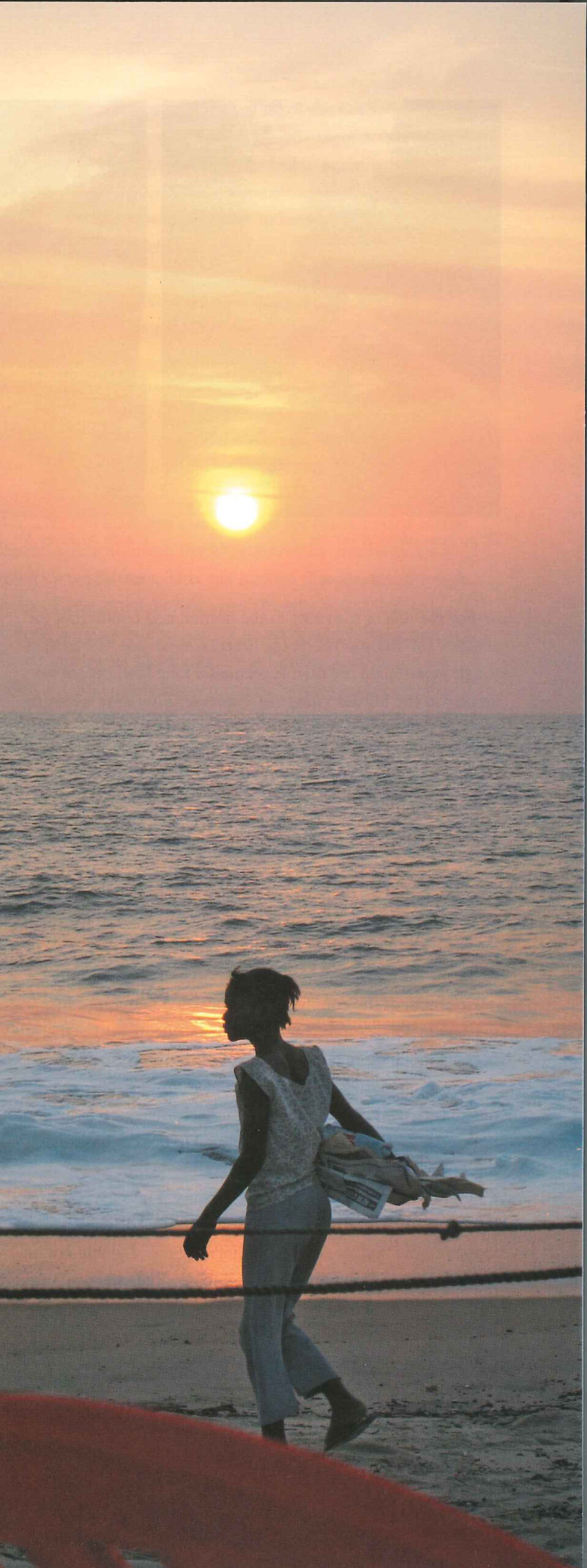
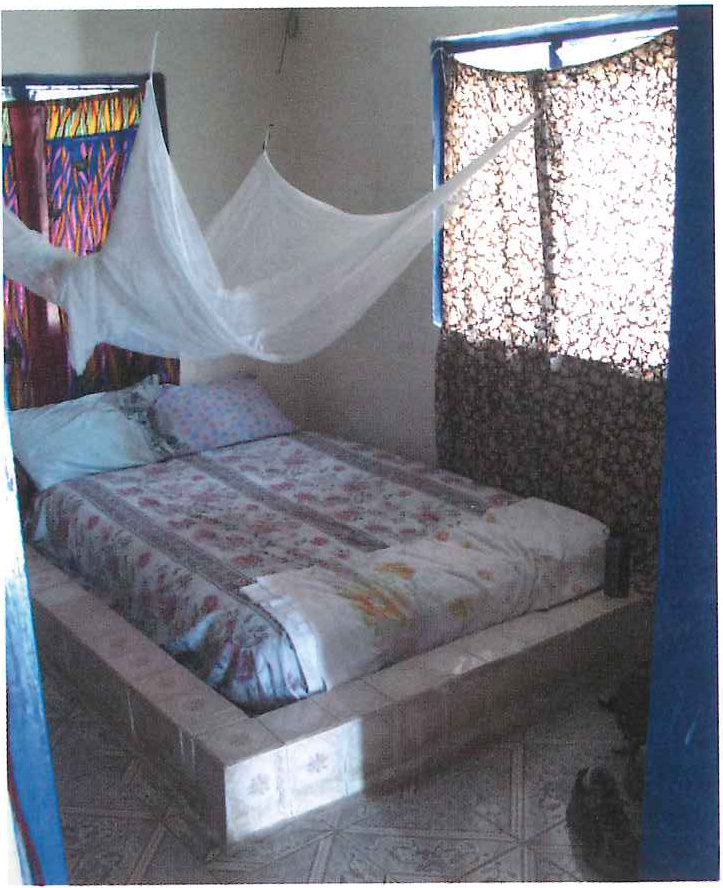
The first guidebook I ever bought about Africa was Susan Blumenthal’s Bright Continent: A Shoestring Guide to Sub-Saharan Africa published in 1974. This is her quote from the book: “Partisans of River No. 2 Beach say it is the most beautiful in the world. I agree.” While this is a highly subjective question, it is certainly one of the most gorgeous beaches in the world — an isolated, scimitar-shaped, five- to six-kilometre long “talcum powder” white sand beach, bisected by a fresh water river and framed by the low mountains of the peninsula. A community association has constructed a handful of simple cabins at the northern edge of the long beach. Those working with the community association provided some insights into the war years. While the minimal tourist sector dried up completely, depriving the villagers of a source of income, the war and fighting never actually reached that part of Sierra Leone.
One night, the community association prepared a large bonfire by the beach. As it was the weekend, there were a number of British and a young Canadian expatriate based in Freetown staying there. The British were working for IMAT, the British military assistance program, and the Canadian was on a seven-month contract working for the organization Reporters for Human Rights. The Canadian, Robert, had been
Freetown, on the shores of Aberdeen Creek there for five months and observed that I was the first person he had met visiting, on holiday, in Sierra Leone, without having another professional reason (e.g., working for the UN in Liberia) for choosing to be there. Chatting at night around the bonfire with the expats over beer, then slipping back into the warm ocean water by moonlight was a fine antidote to the Conakry to Freetown bus experience. That a country sometimes portrayed as one of the most unfortunate should also have one of the world’s most sublimely beautiful beaches provided some moments of reflection.
Fifteen years later, it turns out Kaplan’s apocalyptic thesis has not, in the end, unfolded in quite as catastrophic a way as he had posited. Reflecting on my experiences, I draw a more hopeful and optimistic conclusion. I was witness to a slow and halting recovery to something resembling normality after a decade-long horror. Beyond that is the human dimension, the indomitable spirit of the thousands and millions of Africans trying to make their way through life, despite all of the calamities and misrule to which they may be affected, that still brings forth humility, inspiration and affection.
View the original scanned pages →
Originally published in bout de papier, Vol. 24, No. 4 (2009) — Winter 2009 // Hiver 2009, pp. 34–39. Read the rest of this issue →



