
bout de papier, Vol. 28, No. 1 (2014) — Spring 2014 // Printemps 2014, pp. 18–23
Everyone remembers where they were for 9/11. I was at the Comboni Sisters’ convent in Juba, Sudan, sampling home-made Italian ice cream. One of the nuns came in and hesitantly said there seemed to be something on the television (one of only two sets in the city) that perhaps I should watch. I sat in silence for half an hour, then turned the TV off; it didn’t seem real. That night there was the occasional thump of Sudan People’s Liberation Army (SPLA) artillery, from way in the distance. The frogs would be silent for a minute or two, then start up again. In the morning I turned on my Thuraya and called my wife Jenny, back in Khartoum.
“You’d better get back”, she said. photos and story by Nicholas Coghlan
Southern Sudan in the war years was like that. It was another world. At Leer one day, I was meeting in a dark straw hut with some chiefs when at an unspoken signal they all got up and left. Later I learned that they had received news that a new Nuer prophet had been born, with teeth and speaking English; they had all gone to see him. On a path the next day, coming the other way, I was met by a barefoot 12-year-old boy with a crucifix around his neck and an AK-47 over his shoulder: he was leading by rope a chain of half a dozen dejected Sudanese army prisoners.
In Rumbek I once saw 12 naked Dinka men, all two metres tall, striding stark naked along the main road, spears in hand, their penises swinging together in time. On the last visit I made to rebel-held lands, in 2003, I spent three hours squatting in the rear cabin of a Twin Otter from which all the seats had been removed. Laid out the length of the cabin on a blanket was a man who had been found that morning, unconscious, wearing only a pair of singed shorts and jammed into the lower branches of a tree. He had been struck by lightning and now we were taking him to the Red Cross hospital at Lokichokkio. My job was to tell the pilot, every 20 minutes or so, that he seemed still to be alive.
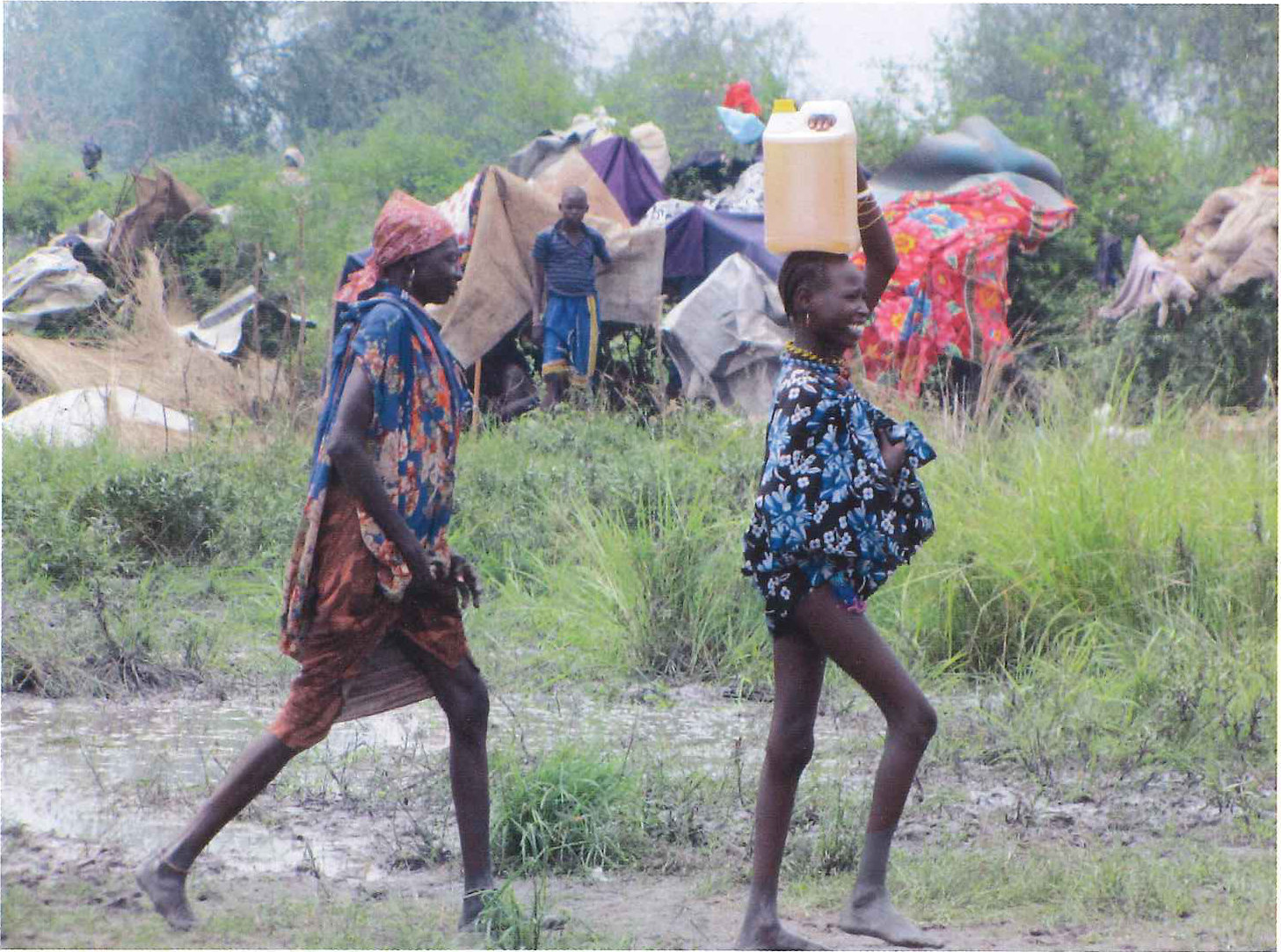
Juba today is unrecognizable. The main hazard now is not some SPLA shell lobbed speculatively into the city, but being run down by a boda-boda (motorbike) driver as he weaves his way between the hundreds of white Toyota Land-Cruisers that jam the streets. The rumble of a thousand generators fills the air. Big Men — in shades and shiny suits — sit around the lobbies of the Ethiopian or Kenyan-run hotels that have sprung up by the dozen along dirt roads. Everywhere the United Nations and Non-Governmental Organisations are running earnest workshops on UNSC 1325, Constitutional Reform or Freedom of Information. Just occasionally you get a glimpse of what Juba once was: there is a naked man who can often be seen striding up and down Airport Road, talking unintelligibly to himself. A monkey comes sometimes to sit by the pool of the Juba Regency Hotel, where only three years ago there was open scrubland.
But in Jonglei — South Sudan’s largest state, a vast expanse of inaccessible territory between the east bank of the Nile and the highlands of Ethiopia — little has changed.
Prophets still hold sway. Dak Kueth, a leopard-skin-clad Nuer with seashells in his braids, studies the entrails of cattle, looks at the moon, then blesses battalions of Lou Nuer youth as they prepare to march on their age-old enemy, the Murle of Pibor County. In turn a Dinka prophetess sits naked in a straw Tukul, receives only visitors who are similarly unclad, never eats and promises Dinka men that they shall be impermeable to Nuer bullets.
All life in Jonglei revolves around cows, as it has for a thousand years. A young Murle man, part of his 10-year age set that has no hierarchy but which commands greater loyalty than family bloodlines, must amass 70 or 80 cows if he is to find a bride. He is only considered to be a man if he does so by raiding. Much of his life he spends in ever-moving cattle-camps, where fires of dung shroud 10,000 or more long-horned cows and he smears himself in ash and cow-urine to keep away the mosquitoes. There are few more eerie sights than a Murle camp as the sun comes up on a sea of huge horns, and tall grey-faced figures with spears wend their way through the smoke.
The Lou Nuer raid the Murle, the Murle raid the Lou. The Lou come in great columns in the daytime, thousands strong, banners waving in the sun as they move at a slow jogging pace. The Murle fight at night, guerrilla-style. Often it is days before the news reaches Juba of some new massacre, usually many kilometres from the nearest named place; Bor, Twic, Yuai, Bunj.
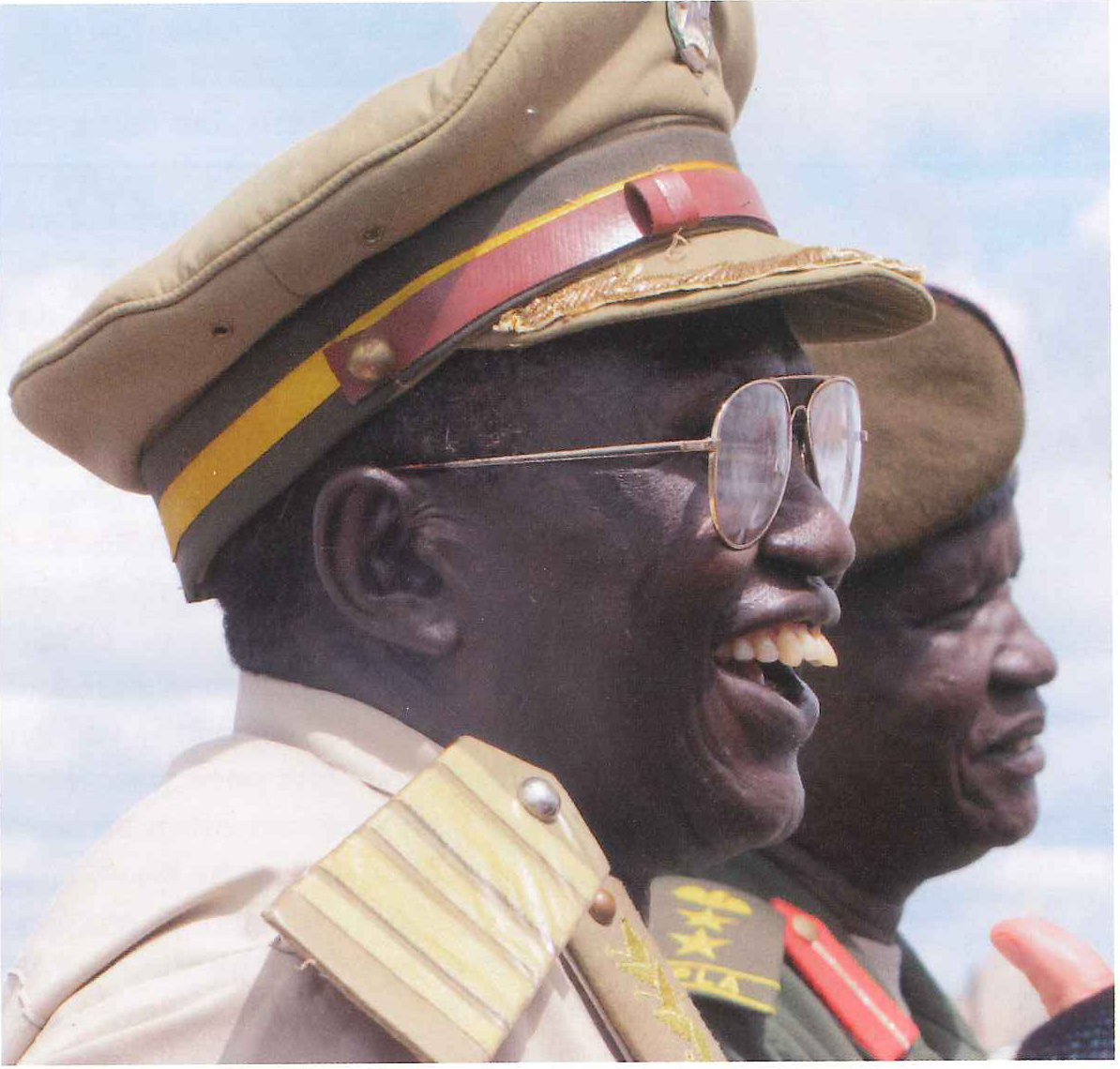
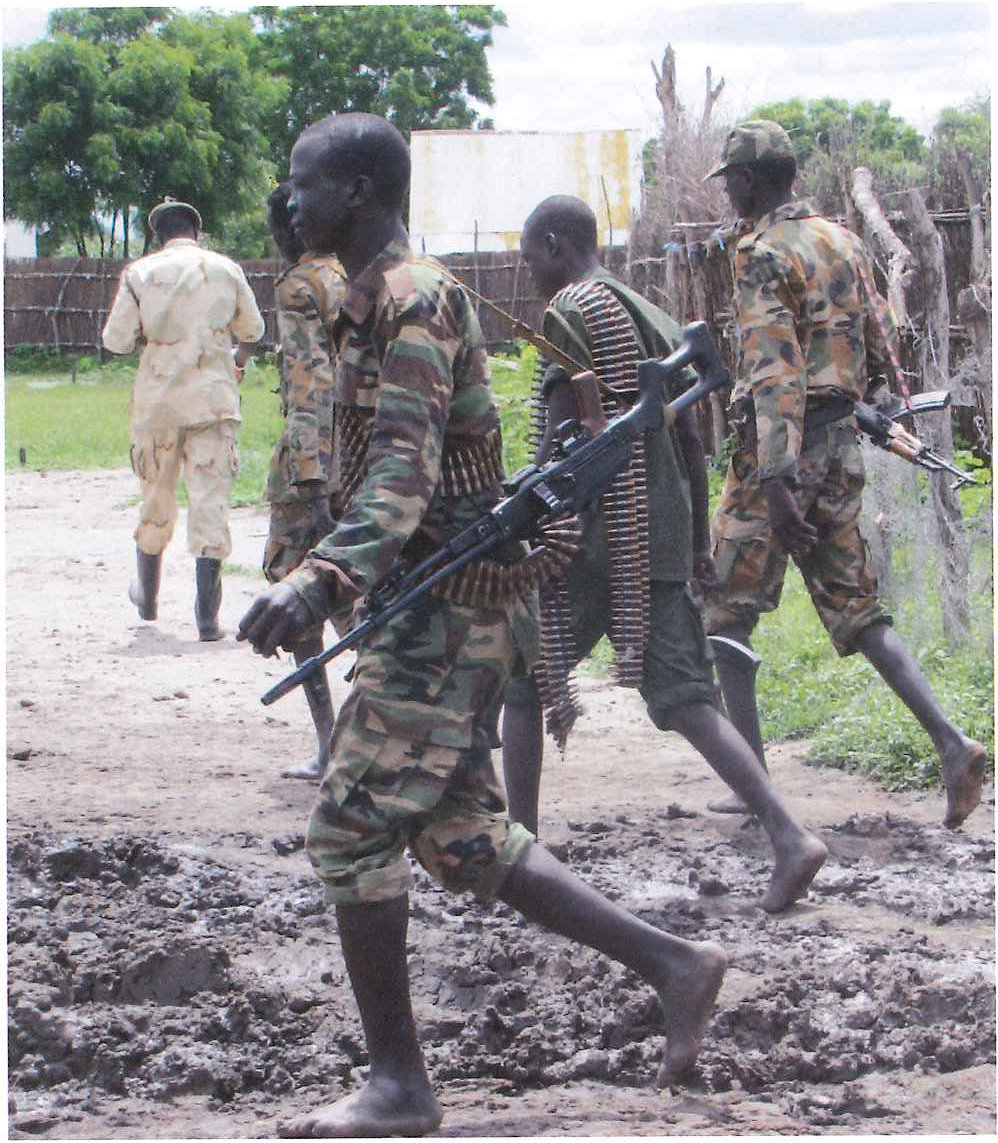
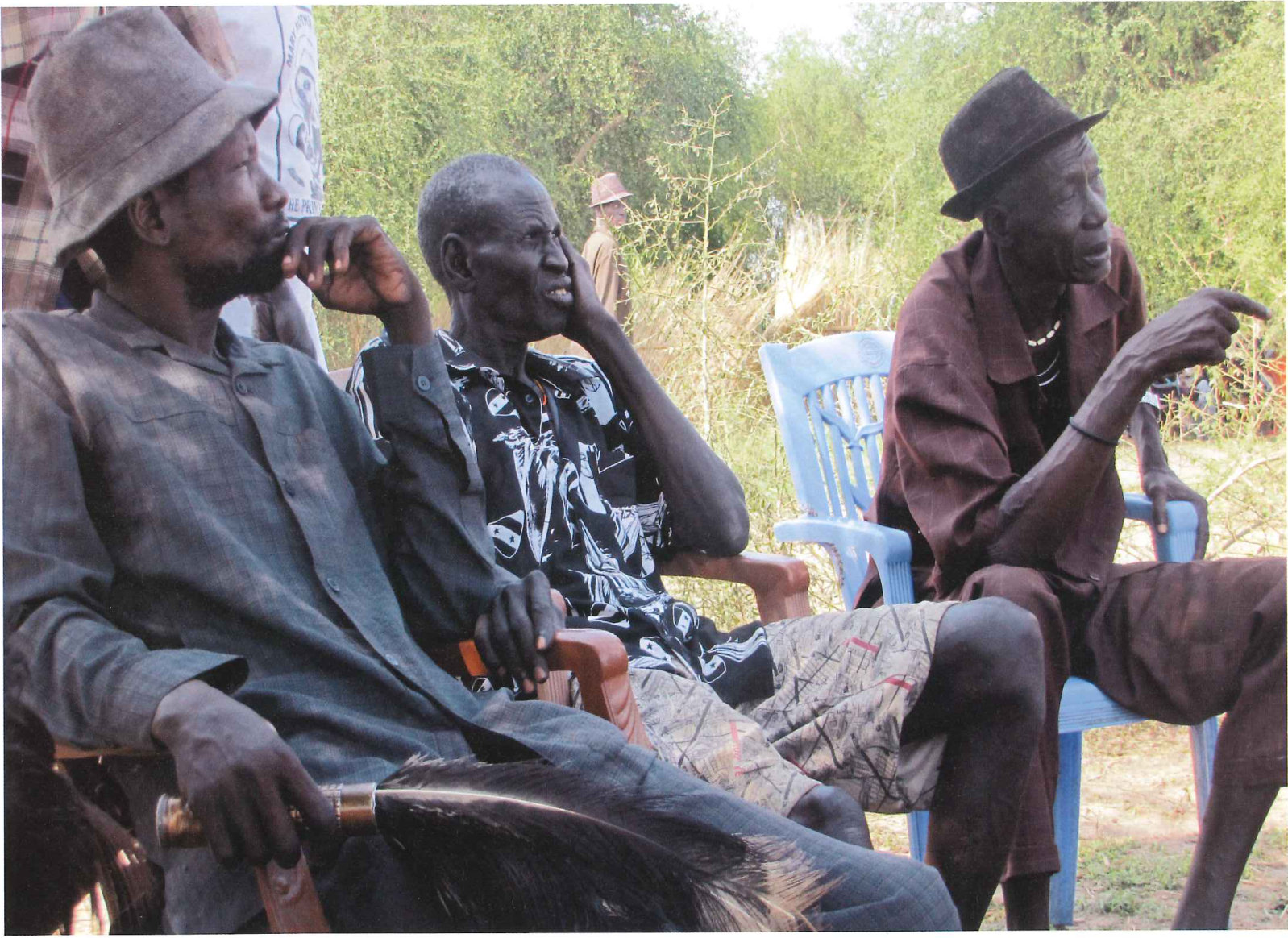
The blame usually lies everywhere, but it is the Murle who get most of it: they are stigmatized as syphilitic, as child-abductors. Many of them have lately rallied around a former student of theology by the name of David Yau Yau, who fights an intermittent war from swamps where the SPLA fears to go. He began with only a few dozen followers, his agenda unclear. Brutal but ineffective repression by the army in Pibor town drove hundreds more into his ranks, but what he wants is as vague as ever. Many Murle see him as their defender — “David”, “The General” — and that is enough for them.
It’s aman’s war. Successively, I ask the women of Nuer-dominated Akobo and the Murle capital of Pibor why the cycle of raiding and revenge cannot be broken. They talk among themselves, then turn back to me:
“It is what our men do…”
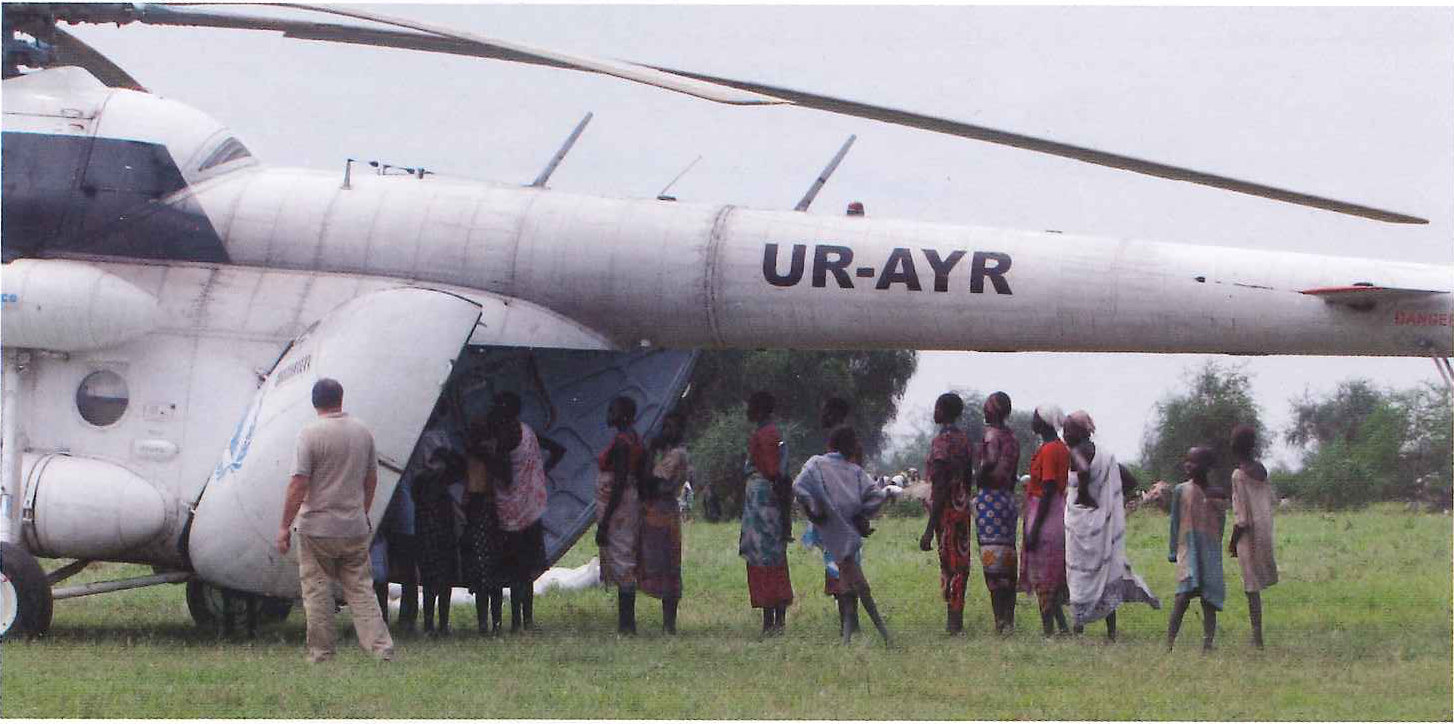
By the end of the rainy season of 2013, 60,000 Murle have abandoned their fixed settlements and have fled to the swamps; they fear not just the Lou Nuer but an SPLA offensive in December or January, “the fighting season”. The United Nations, with support from Canada, flies food into five locations: three under Yau Yau’s control, two under the government’s.
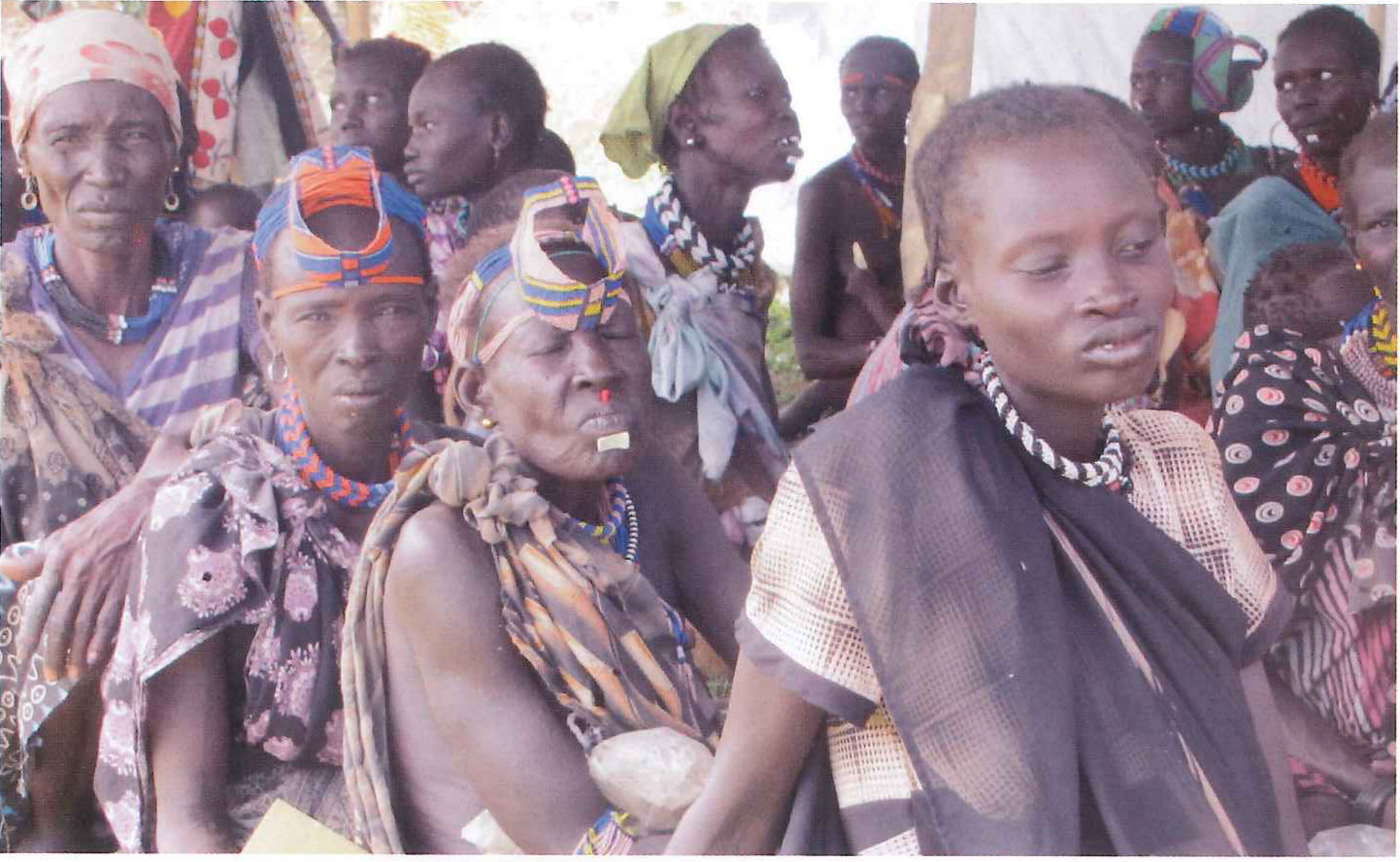
Thousands of women and children swarm the food distributions. With the exception of a handful of chiefs, identified by their ostrich-feather whisks, there are no men to be seen: they are either tending cows in distant locations, or will not come to the UN sites because they must surrender their guns. When we meet with the chiefs, they nod their gratitude for the relief supplies but ask for medicine for their cows, and gumboots for themselves:
‘Just for we chiefs, you understand, not for everybody…”
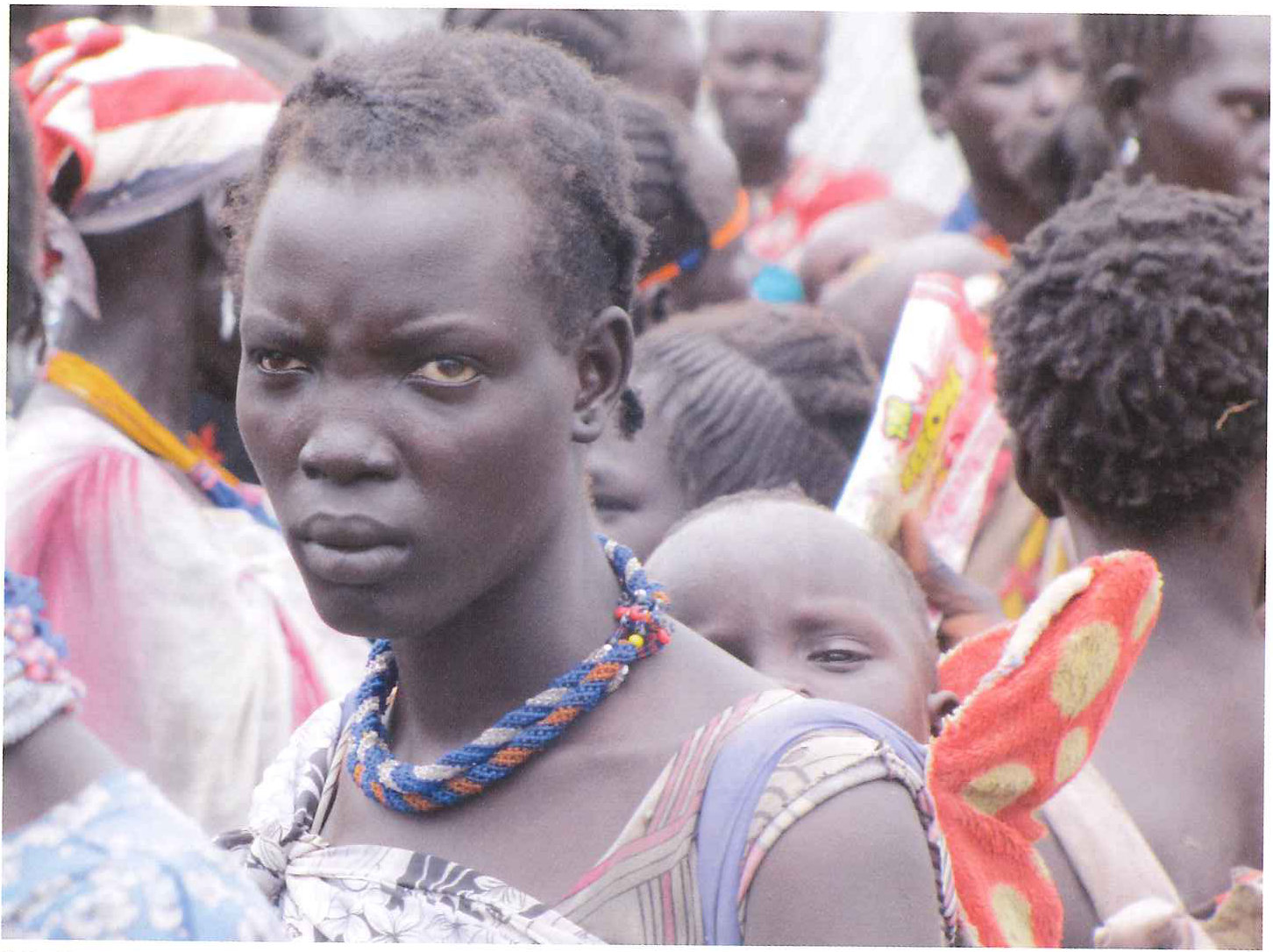
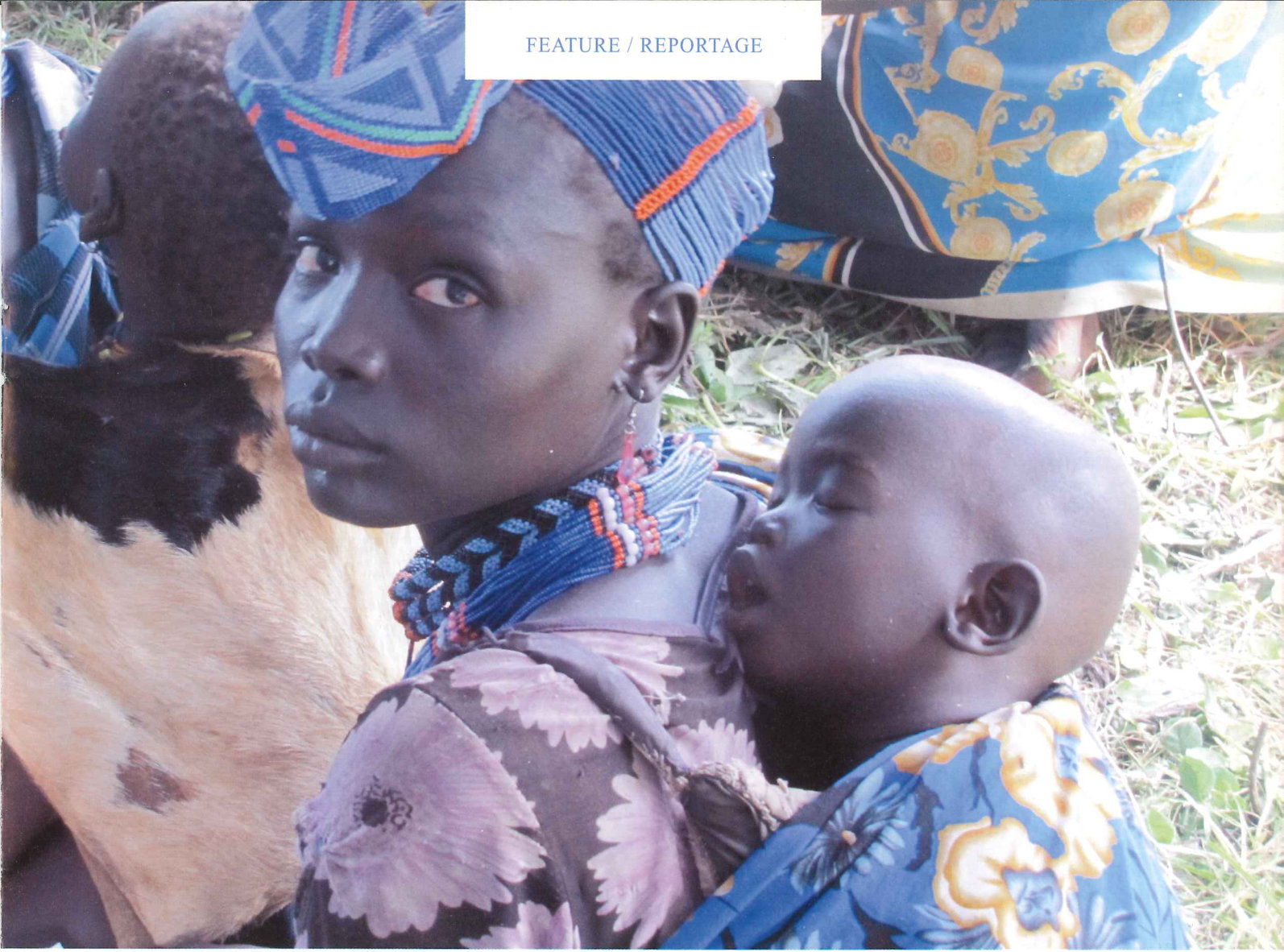
The women sit patiently in lines in the shade. Many have infants on their backs. Some wear the strange framework-headdresses, adorned with coloured beads unique to their husband’s age-set, that are typical of the Murle. Others have bone-work set into their lips. All clutch their ration cards, some in cleft sticks. At a signal from the head of the line, they rise, reach for the dress of the woman in front, and shuffle forward like so many kindergarten children. But these are no children. It is the women who unload the big white Mi-8s that thwack their way in every hour or so, helping each other out as they hoist 50kg sacks of sorghum onto their heads. The men watch idly from plastic chairs, flicking the flies away.
“When will you go back to your home, to Likuongole?” I ask.
They shrug.
“When David tells us it is safe,” one finally says.
Postscript
Postscript
Since this article was written, Jonglei has dived even deeper into crisis, engulfed in a country-wide conflict that has thus far cost the lives of at least 10,000. The state capital, Bor, is a smoking ruin. Rebel militia leader David Yau Yau has — for the time being at least — aligned himself with his erstwhile enemy, the SPLA, but nobody dares guess how long that alliance will last. The outlook for the Murle people looks grimmer than ever.
Nicholas Coghlan’s career has progressed meteorically over the past 14 years from the heights of Head of Office (with a capital “O”) in Khartoum, Sudan, to the diplomatic stratosphere: he is now Head of office (small “o”) in Juba, South Sudan. Or at least he was until Canada evacuated its Juba office to Nairobi on December 27, 2013. When he is not missing Juba, he pines for his other home, a small sailboat currently moored in Kodiak, Alaska. Nick is the author of two books about postings in the Canadian Foreign Service — The Saddest Country (Colombia); and Far in the Waste Sudan (both reviewed by Gar Pardy in Vol. 22, No. 3) — and one about a two-year sailing odyssey through the frigid waters of Patagonia: Winter in Fireland (reviewed by Paul Durand in Vol.
View the original scanned pages →
Originally published in bout de papier, Vol. 28, No. 1 (2014) — Spring 2014 // Printemps 2014, pp. 18–23. Read the rest of this issue →



