
bout de papier, Vol. 31, No. 2 (2021), pp. 14–16
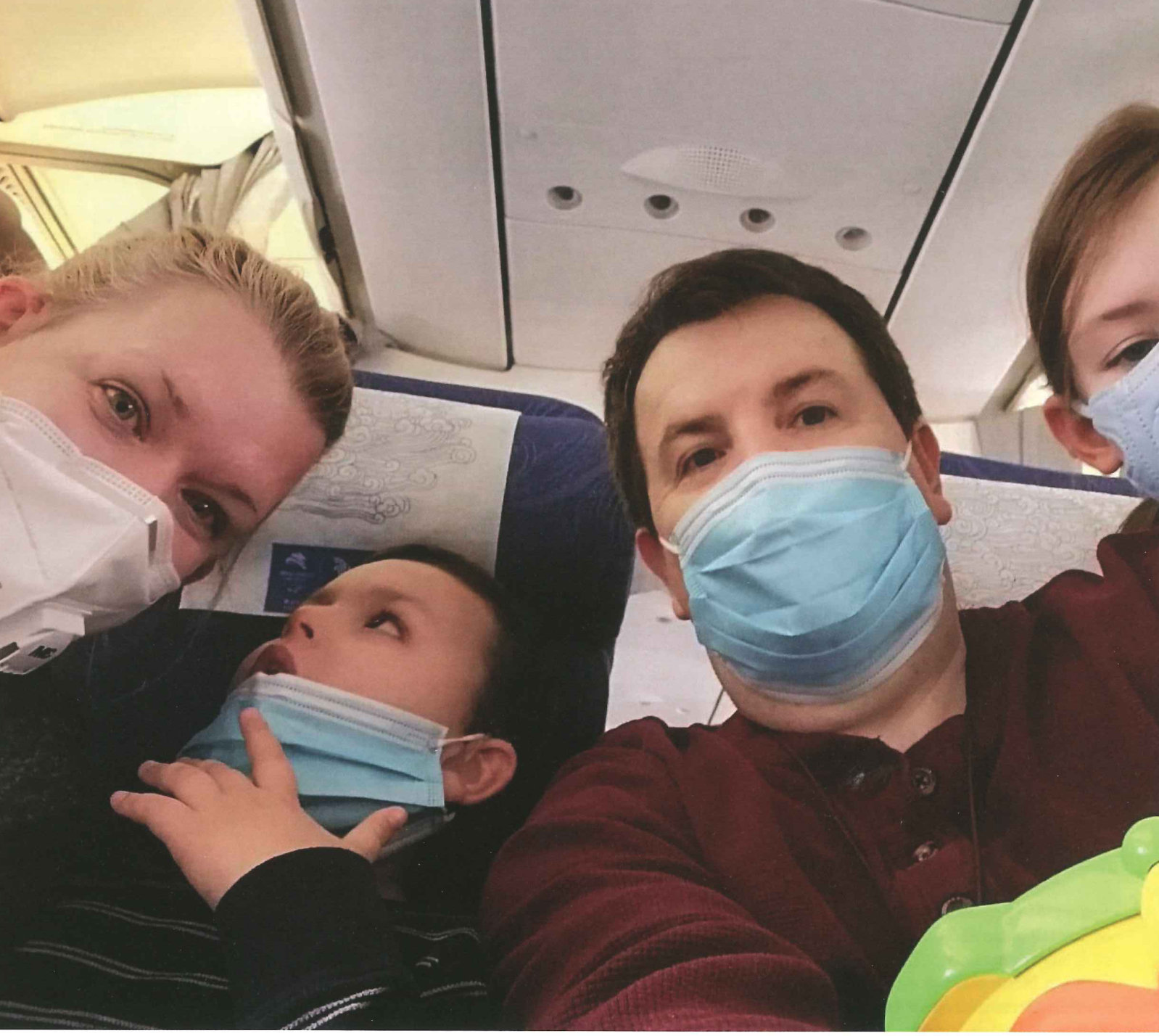
THE RELIEF WAS REAL.
After 48 hours of stress and limited sleep, the take-off from Beijing-Hong Kong-Toronto-Ottawa was a mix of emotions. In January 2020, little was known about COVID-19 other than it was serious enough to lockdown Wuhan. Being prudent, the Embassy was sending families home. We brought with us items that are similar for many families with young children — clothes, a few toys … What we also packed were the baby bottles, diapers, formulas, food, portable blender, seizure medicines, switch-adapted toys, orthotics, hearing aids that our then five-year-old son needed due to his complex disabilities. What was left behind? His walker, feeding chair, adapted toilet seat and other equipment that the Chinese airline was unprepared to accommodate. Air Canada, which was the carrier that we knew could/would accommodate Zachy’s equipment, cancelled their flights to China hours earlier. This was just the beginning of the realizations of the different impacts that COVID-19 would have on Zachy (and our family). But in January 2020 we were simply grateful to be leaving.
Zachy was born in fall 2014 during my posting in Mexico City. When he was five months old he began to have seizures. The diagnosis of Lissencephaly, a brain malformation, changed our family’s life. For Zachy, the Lissencephaly has come with seizures, and physical and intellectual delays, which we now understand will mean ongoing therapy, medicines, alternative school curriculums, assisted devices, modified diets and lifelong care. He also has hearing loss, which is the result of another genetic anomaly. Zachy doesn’t speak but does make sounds and can communicate with some sign language. He makes himself clearly understood in what he wants (and doesn’t want)! He is a lovely, happy little boy, and we have worked hard to focus on all the things that he can do.
During our six months in Canada, we began to see that the COVID-19-related impacts for Zachy were different. After the initial euphoria of being accepted into a Developmental Education program in Orleans, we quickly faced the reality that online school would not work for a non-verbal child with an intellectual disability. The stay-at-home orders and closing of public areas had real and profoundly negative impacts on Zachy, who saw his weight increase significantly with the lack of exercise. Once we got a replacement walker for him, he refused to use it, and we saw years of therapy progress disappear. While we were “fortunate” to be in a rental house in Orleans, it was very small and had too many stairs to be comfortable for a child that couldn’t walk and a bathroom that was useless for him. There were only a few toys, which was made worse when the parks closed. My husband finally bought a trampoline, which helped bring the laughter back into the house.
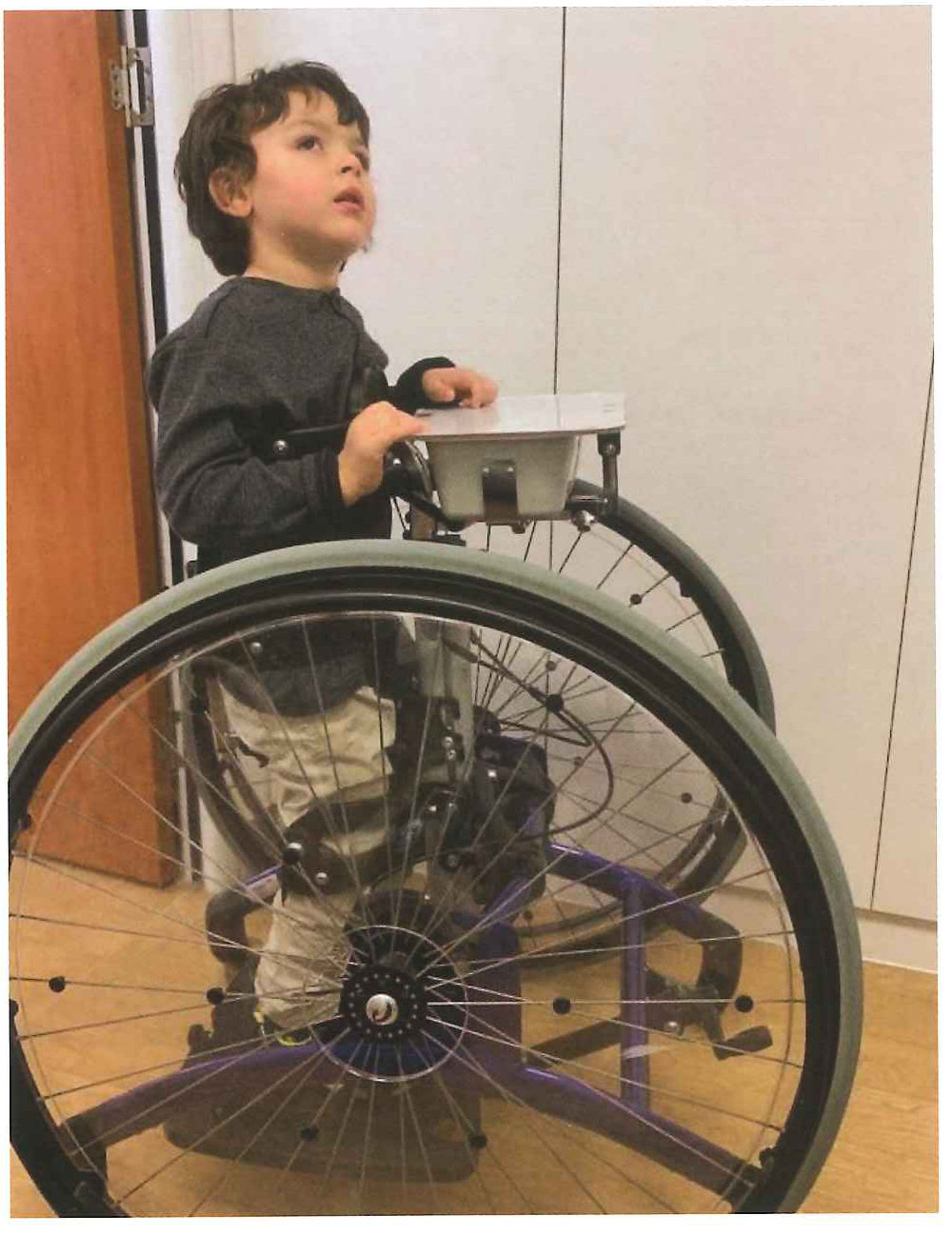
The struggle was constant, so much so that when CHEO began offering respite care for two hours a week for families with children with complex needs, we were one of the first families that they called. Sadly, the demand for help was so high that Zachy could only go twice, as many families needed the support. We were still grateful that they saw us and understood our reality. Thankfully we had been approved to rent a minivan, which stored his walker and stroller/wheelchair, and allowed us to go for drives to alleviate boredom.
The process to return to Beijing was surreal, with a month spent trying to explain that being disabled did not mean being more vulnerable to COVID-19. The ignorance was a reminder of the importance of the work on Diversity and Inclusion, as serious harm can come from those simply blindly making or following rules. The most important discussion I had before leaving Ottawa was not medically related — it was mail related. Distribution Services is our lifeline at post, not only for Zachy’s seizure medicines but also for the diapers and food that we rely on daily. If we are unable to receive these items reliably, we must go home. Thankfully, Distribution Services staff were prepared for COVID-19.
The return to post in August 2020 was a joy. The children didn’t even realize that they hadn’t left the apartment for almost two weeks under the mandatory quarantine. They were simply so happy to be home, in their own space, with their own belongings. We had packed enough packaged Baby Gourmet and Gerber foods to last Zachy for over two a microwave or appropriate food. In addition, we packed many, many diapers. Thankfully, we went home after one night in a hotel to complete our quarantine, so that we had access to what we needed.
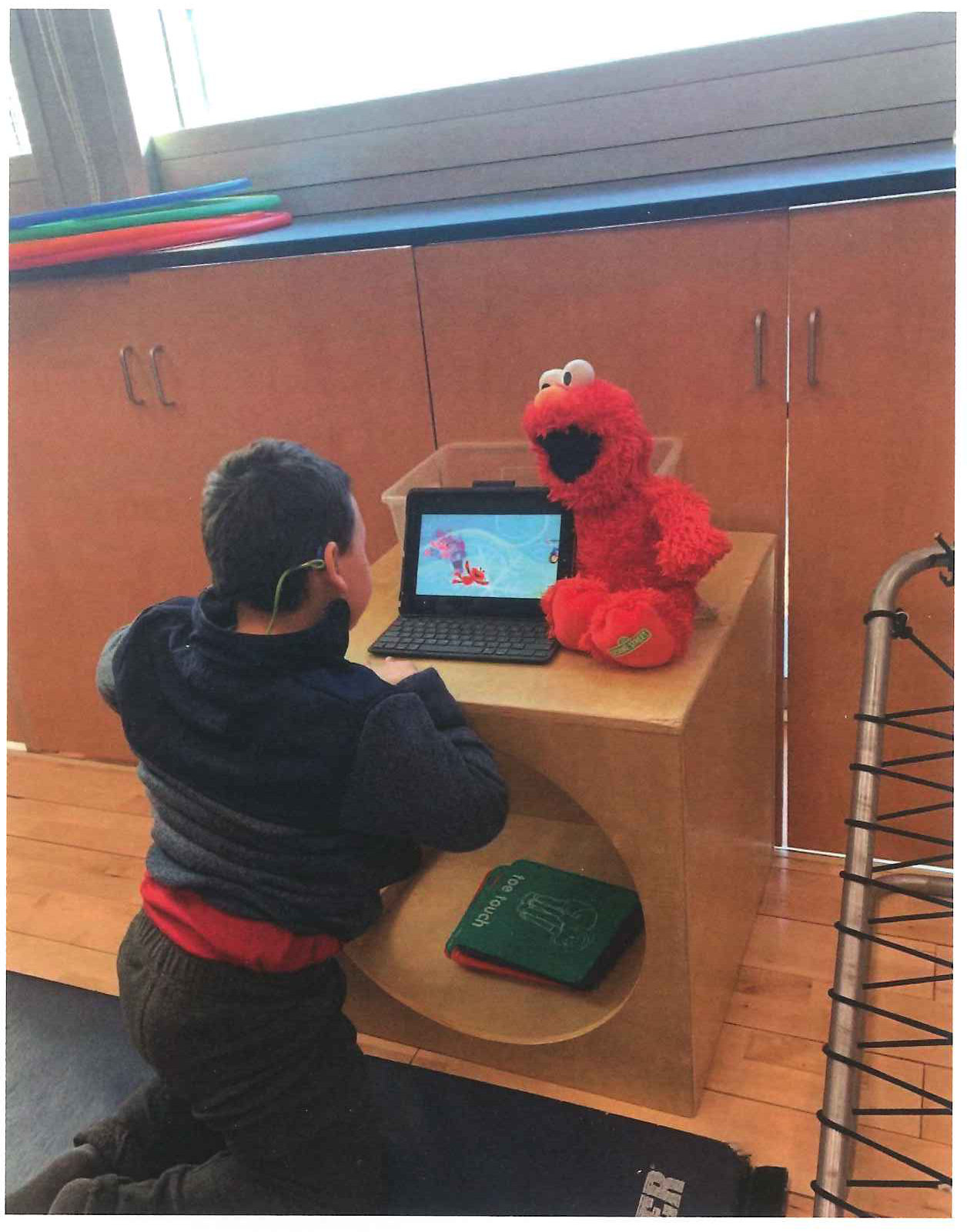
Fall 2020 saw the children return to school in person. From 2018-20, Zachy had been attending a school for special-needs kids, but it closed during the spring of 2020 and never re-opened. A shining light during a dark year was the International School of Beijing’s launch of a Developmental Education program. Zachy was the only child in the program for most of fall 2020, as foreigners slowly returned to China. He is now in a class of three (and growing). ISB has been closed now for a month due to COVID-19, and once again learning has gone online. The teachers try their best, but sadly the kids don’t do well without in-person support. A positive element has been that Zachy has been able to increase his physiotherapy sessions. He is slowly losing the weight he packed on in Ottawa and is on his way to walking independently (we hope).
COVID-19 may be with us for a while, and we are preparing as best we can. We have tried to enjoy the travel FSD funds. After two tries, however, we will need to reflect on this, as the challenges, stress and safety risks outweighed the fun. The world has a long way to go to be accessible for all. My husband and I are embarking on a project to furnish a therapy room in our SQ, equipped with the tools to provide therapy in the event of future closures, and to try to alleviate the parental frustration and guilt of the harm done over months without therapy. Mandatory hotel quarantines remain an unknown — both in Canada and China — but we are hopeful that reasonable accommodations can be negotiated with governments due to Zachy’s special needs. We are scheduled to go home this summer for a surgery to help manage Zachy’s seizures. We are optimistic that air transportation will open up. We learned our lesson and will not leave his walker behind the next time.
Originally published in bout de papier, Vol. 31, No. 2 (2021), pp. 14–16. Read the rest of this issue →


