
bout de papier, Vol. 9, No. 4 (1992) — Fall 1992 // Automne 1992, pp. 25–28
The music stopped. I was to dance with the woman before me. We fumbled for a moment. One of us would have to be the man! To the strain of sweet violins, I swept her into my arms for a slow waltz. Madame Gromyko, the wife of the Foreign Minister, was quite an armful.
It was International Women’s Day in 1974 and after caviar, smoked sturgeon and a speech by cosmonaut Valentina Tareshkova, they struck up the band. Notable Russian women and diplomats’ wives danced the afternoon away, with each other.
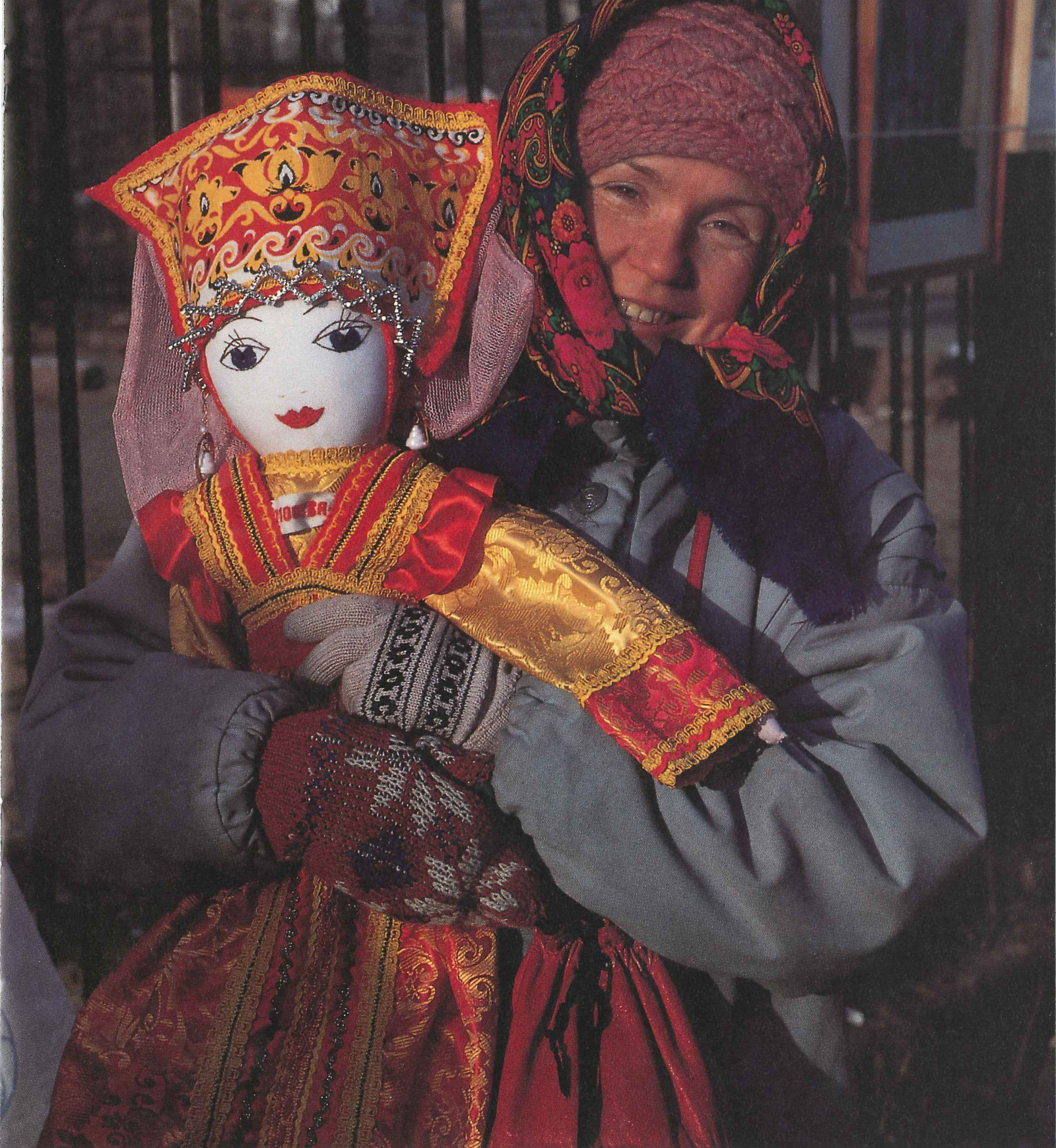
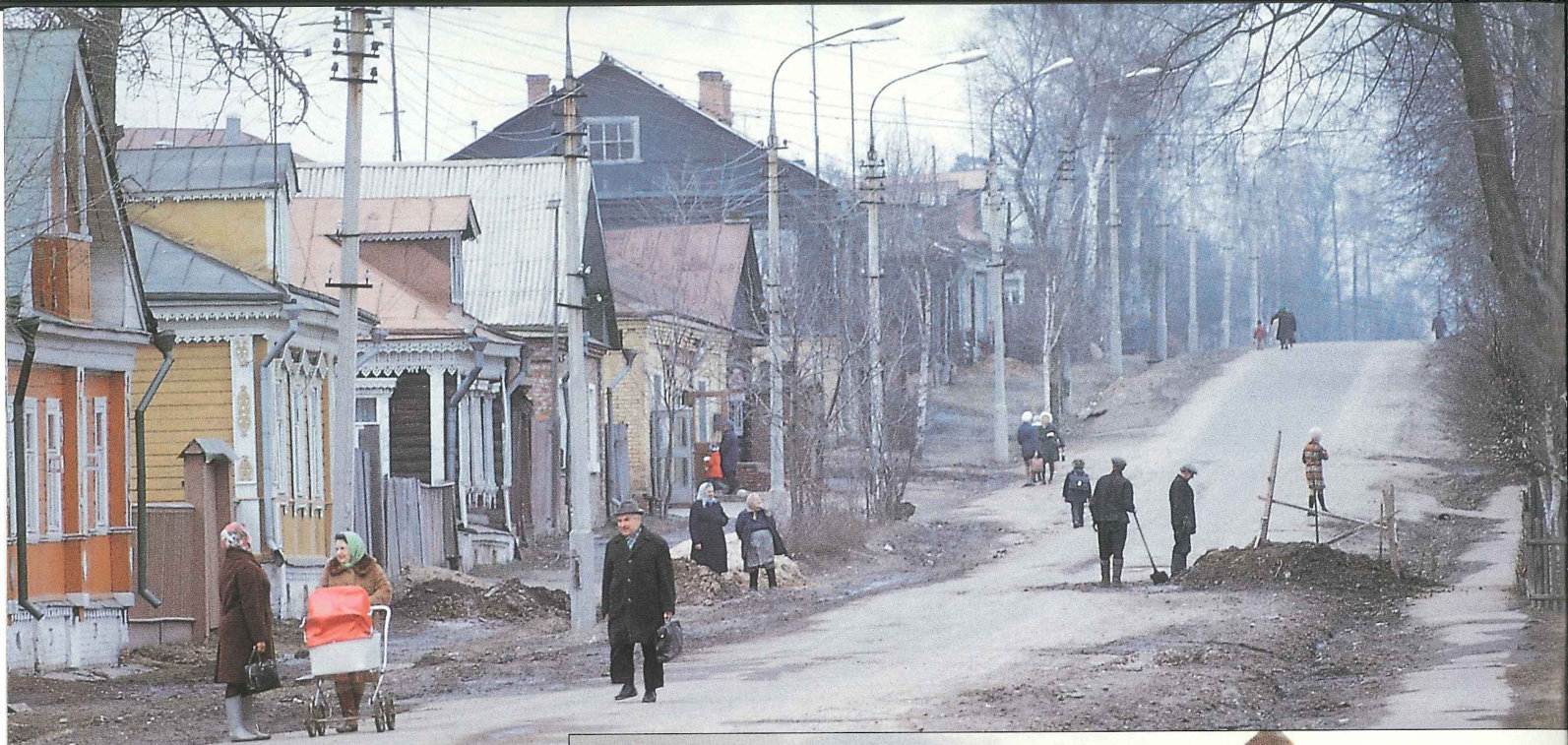
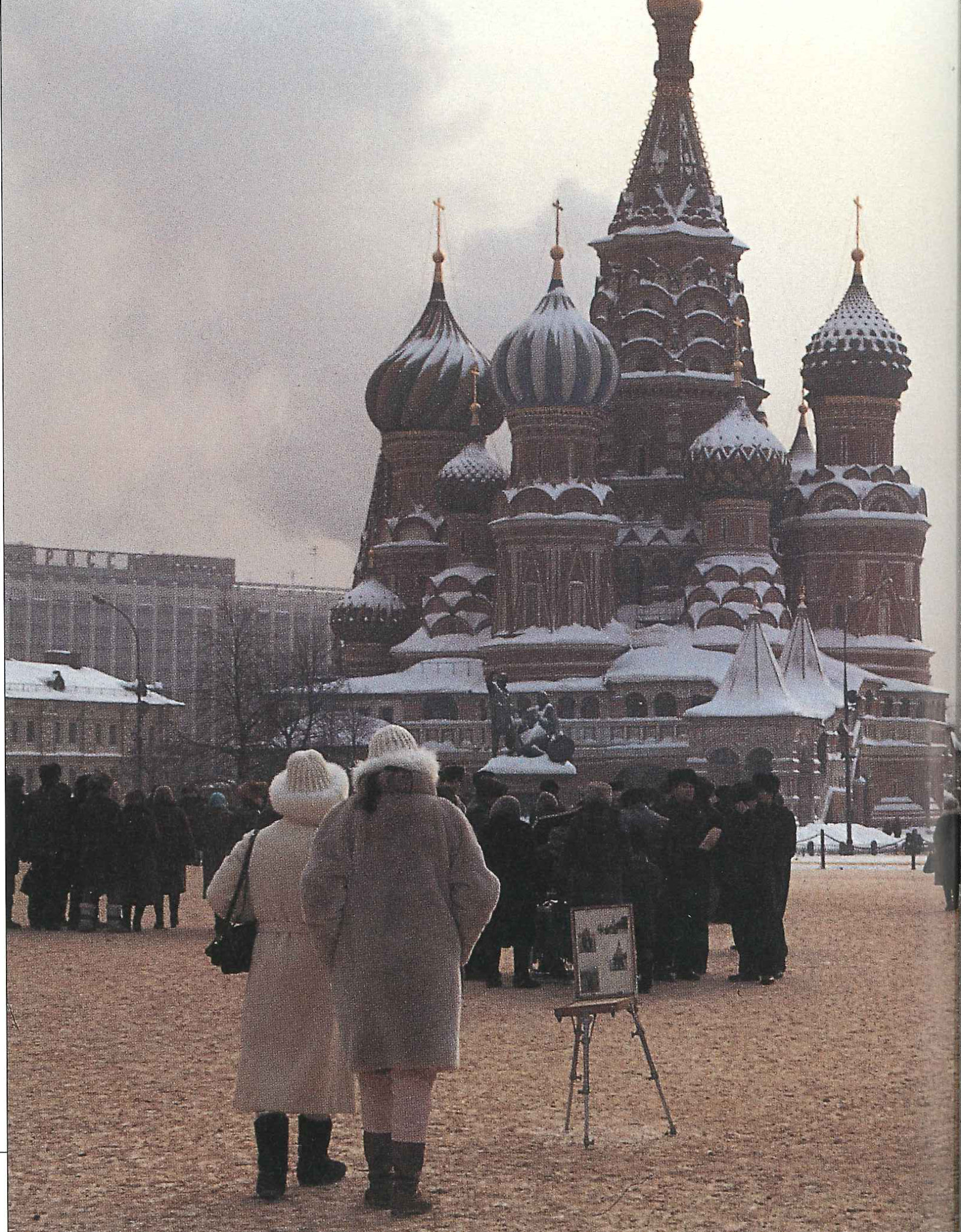
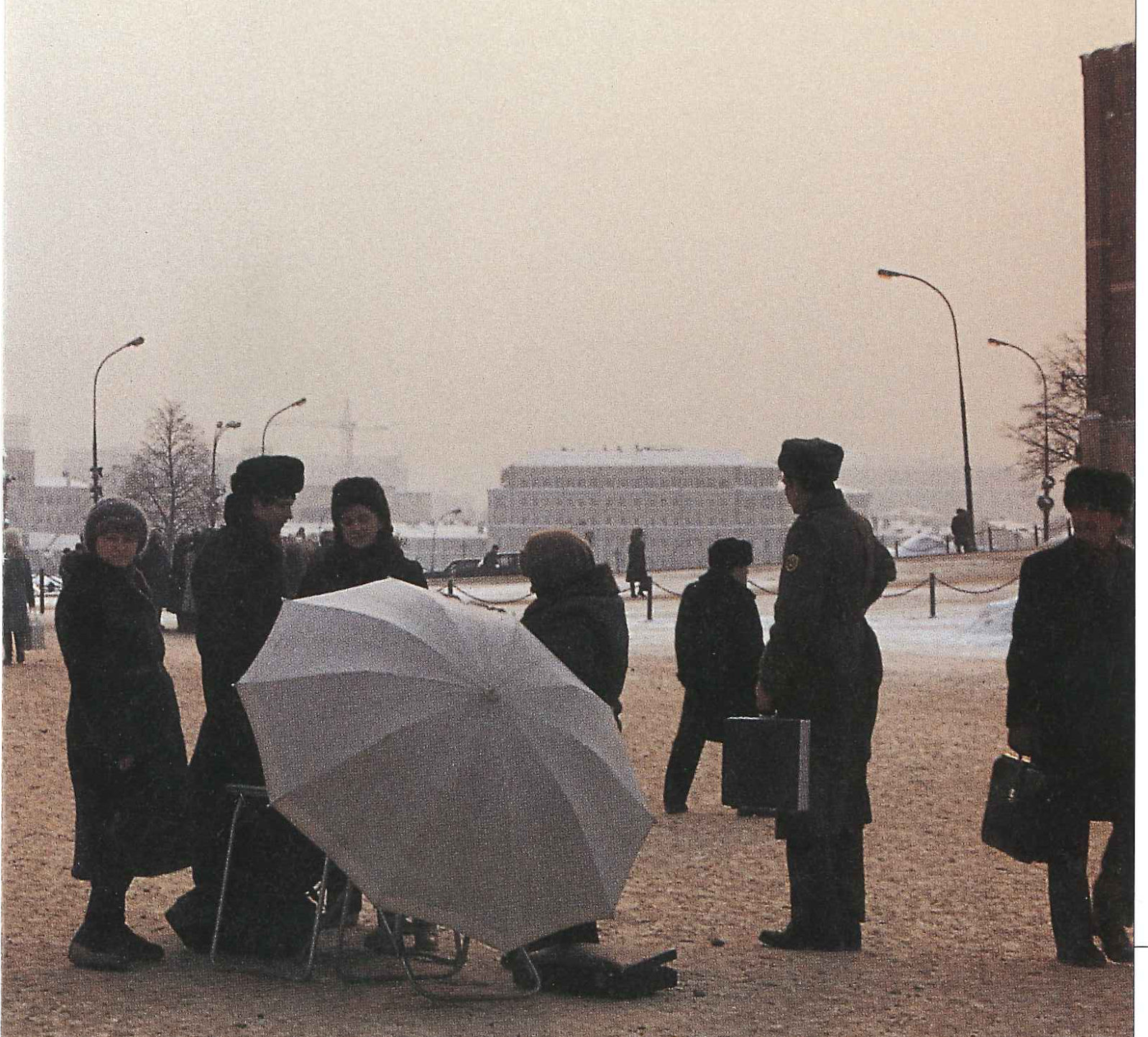
Moscow in winter had other delights.
We skated to balalaika music on the frozen paths in Gorky Park. I also ice-danced with the Moscow figure skating club. Though wary at first of this foreigner in their midst, the Soviets soon plunged in to tackle my faults in skating technique.
The Embassy had its own hockey team, mostly Canadians except for a few like Anatoli, who played goal. Anatoli was Ambassador Ford’s driver. Fired on occasion, he always reappeared at the wheel of the stretch limousine. Maybe his driving was not perfect, but they needed him in nets. The Moscow Maple Leafs played teams like Sputnik Watch Plant, Tractor Export and Accordion Factory 13. They all shared a case of Molson’s after the game.
Our children liked visiting the zoo, where a walrus with coarse whiskers whooshed up out of a hole in the ice with a fearsome shriek. Icy shards scattered the crowd.
We could swim all winter in the Moscow outdoor pool. Vast and heated, fog blanketed the water and kept your head warm. In the women’s pavilion, voluminous women soaped each other down with loofahs, even if they had only just met. I heard that in the men’s, grown men stood naked by their lockers hollering, “Mama, otkroytya pazhalsta!” (Mama, open please!) to white coated matrons who padded over with their keys.
For a rouble an hour, I took up riding on a failed race horse named Immigrantka. We circled a dominatrix instructor who cracked her whip at our horses’ hooves, terrifying us even more than the horses. Our riding class shared the hippodrome with the Russian circus. Just beyond a rope of flags, trapeze artists and contortionists dazzled us with their tricks.
One day the State Stud Farm (not what you might think) showed off their prize horses and carriages to the diplomats and whisked us through a birch wood in a troika-pulled sleigh.
For more serious culture, we could catch David Oistrakh at the Moscow Conservatory. And what luck to be in Moscow long enough to see the entire repertoire of the Bolshoi Ballet. Imagine Anna Karenina as a ballet, the snow whirling in front of Anna and the thundering train! The costumes and sets for ballet and opera were enriched over the years, so that anything we saw after that in the West seemed disappointing.
Art collectors visited unofficial artists in their homes, and were treated to tea and paintings. One artist’s apartment, devoid of furniture, was clad in icons and furs. We parted a curtain of furs to enter the room. Politics sometimes did intrude. One Sunday I took the children to a first-ever outdoor exhibit of “unofficial” art, but grabbed them out of danger when the bulldozers suddenly roared in and crushed the works on display. It came to be called the “Bulldozer Exhibition”.
Every few months, we escaped by train to Helsinki (for colour, bananas, Marimekko, whatever we were missing, plus the dentist), boarding it at midnight. The compartments were mixed; men waited in the corridor while the women changed. Women rolled over in their berths to face the wall while the men changed. We brought enough black bread and salami for breakfast and lunch. The wood-fueled samovar, puffing away at the end of the coast, dispensed hot water for coffee; or else the porter brought tea in tinkly glasses set in silver holders.
When we left Moscow forever, we were never quite the same. Shrugged one friend, watching a huddle of old Muscovites reminisce, “They are like survivors of the Gulag. Even after they get out, the only people they can really talk to are each other.”
View the original scanned pages →
Originally published in bout de papier, Vol. 9, No. 4 (1992) — Fall 1992 // Automne 1992, pp. 25–28. Read the rest of this issue →



