
bout de papier, Vol. 8, No. 4 (1991) — Fall 1991 // Automne 1991, pp. 26–29
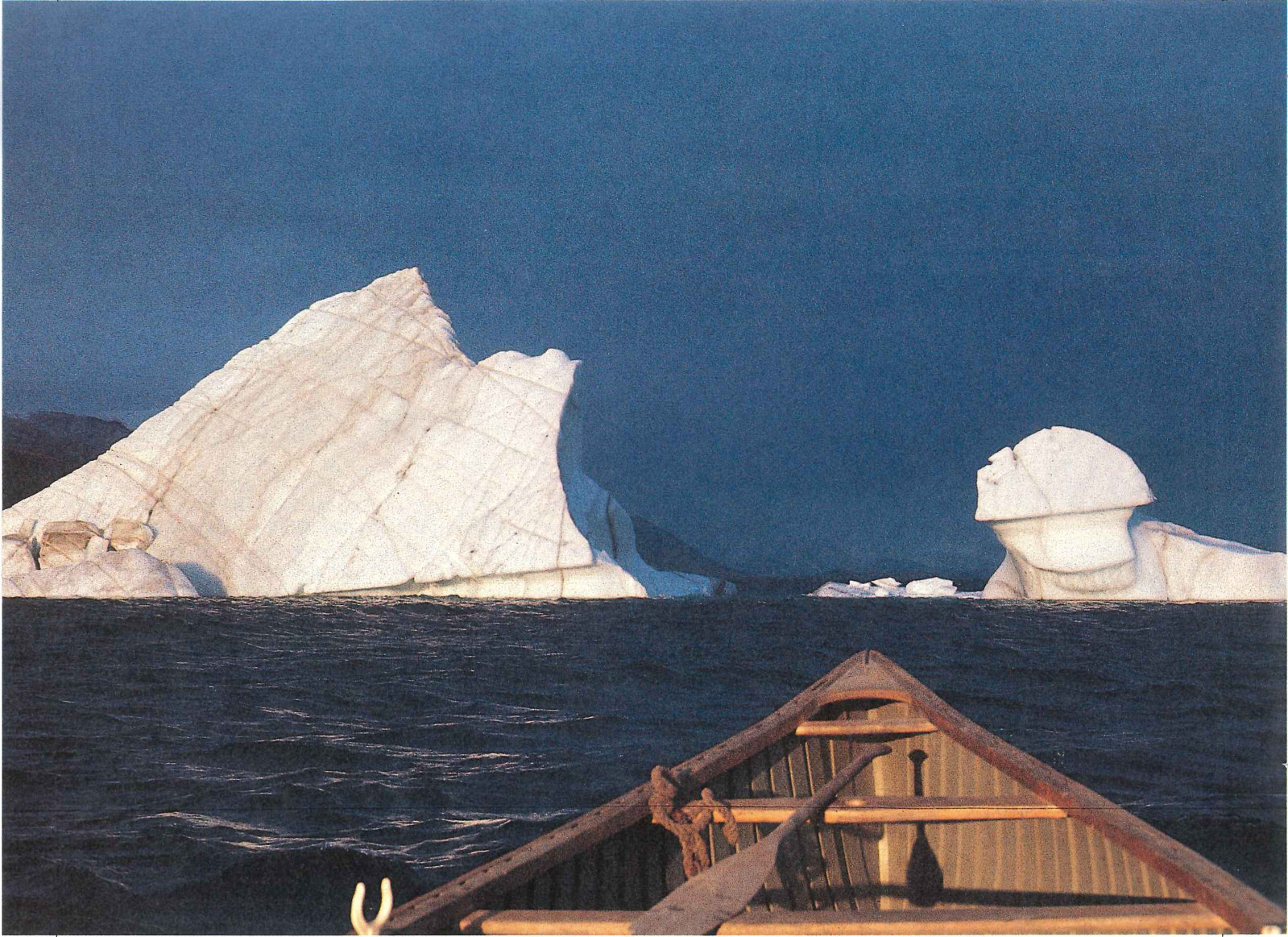
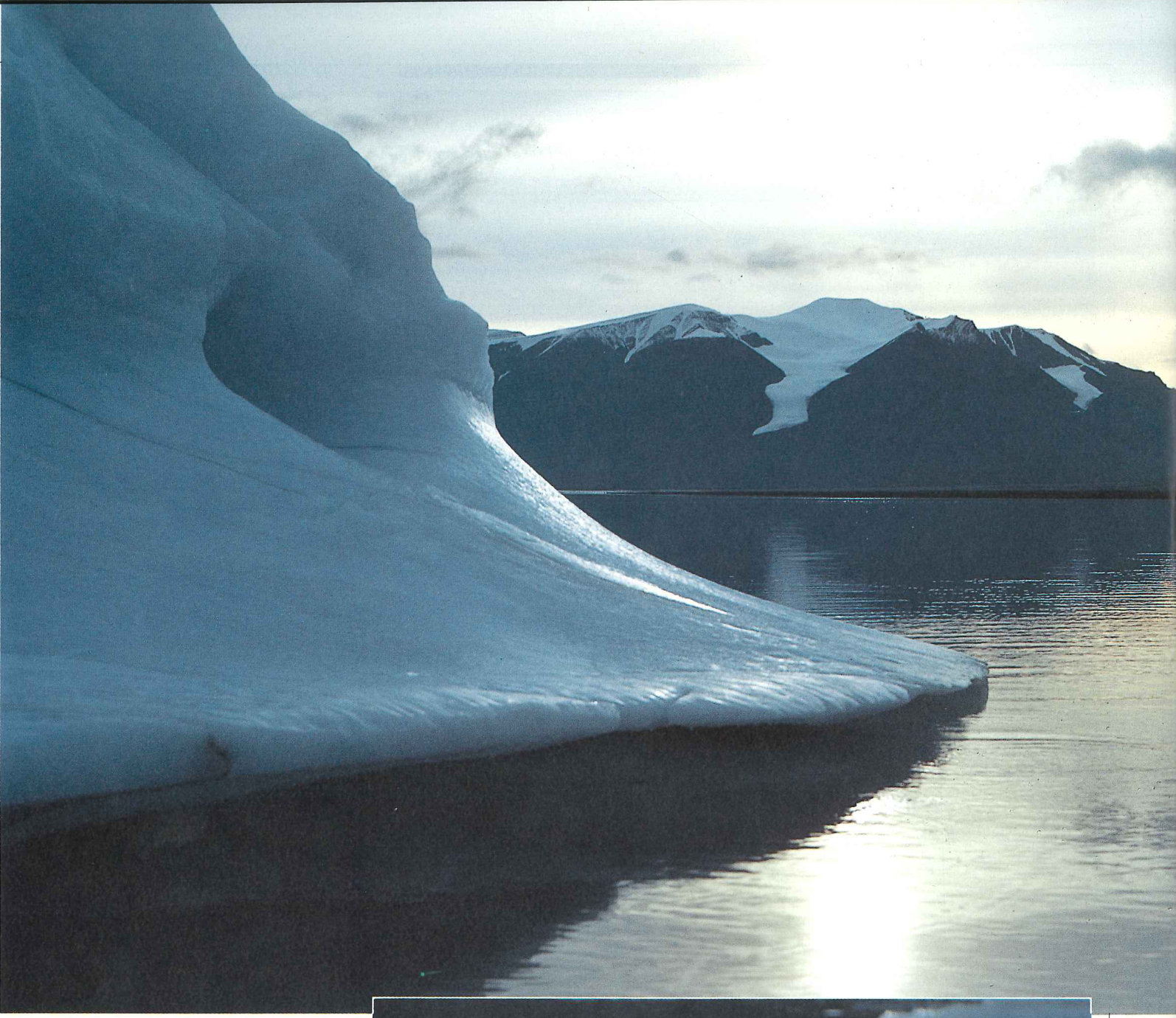
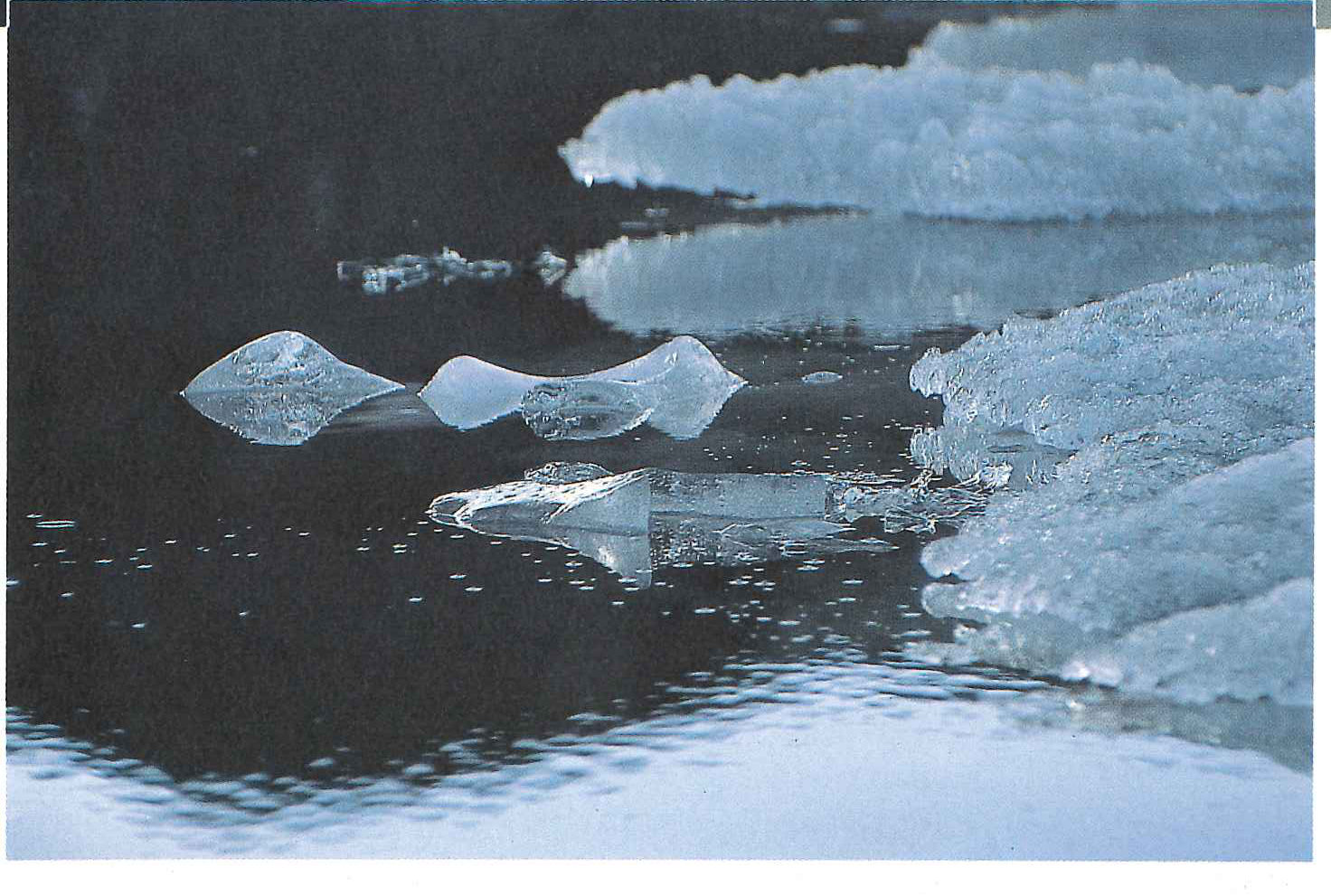
Pushing my canoe out towards a nearby iceberg to hack off chunks of ice for cocktails was perhaps not the standard preparation for life in the foreign service. However, it did provide me with training in creative thinking to solve a recurrent problem in diplomatic work — no ice. And there were surprises. Glacier ice “pings” as it melts in your drink, the result of escaping air bubbles trapped and pressurized under tons of ice, hundreds of years ago.
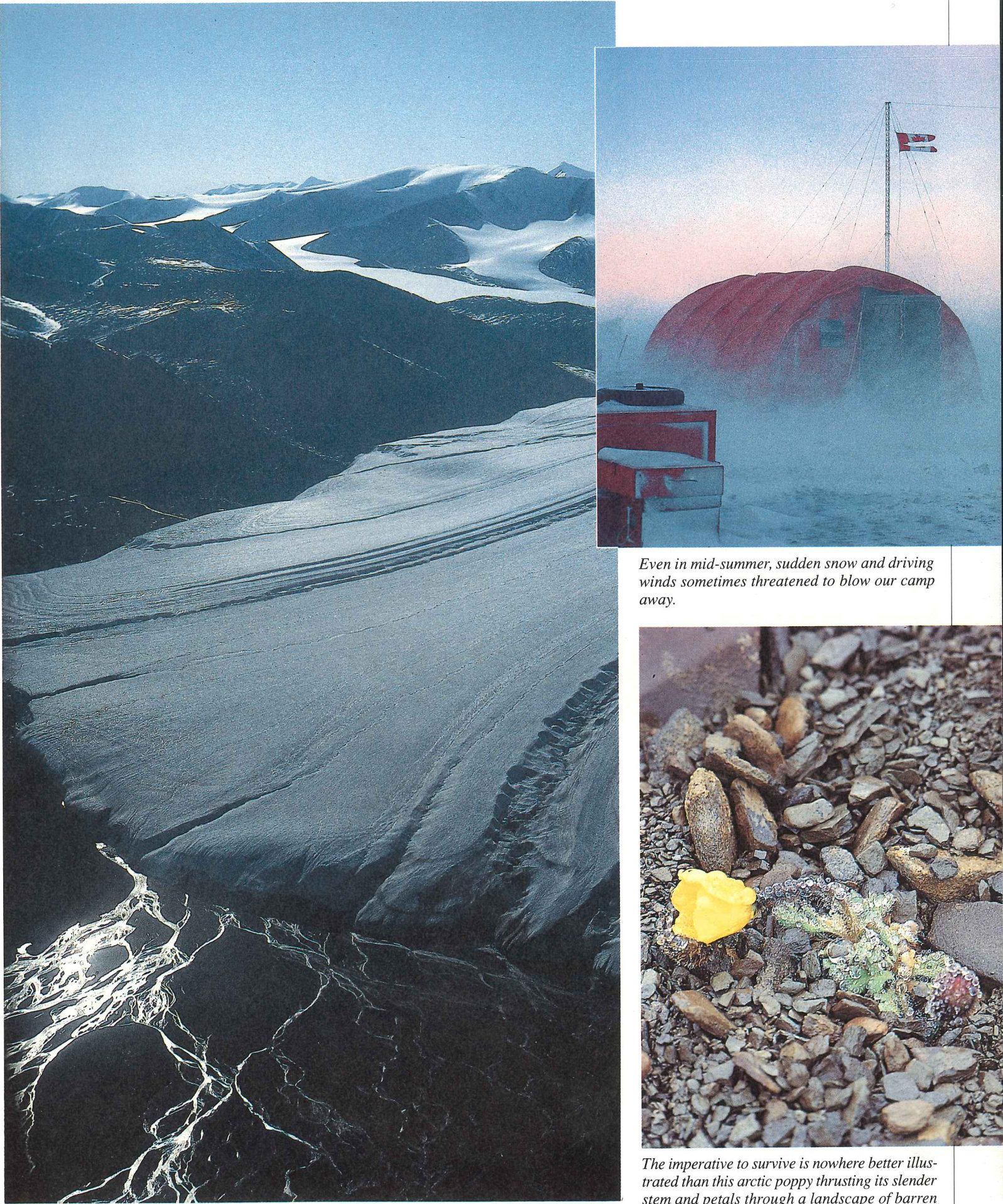
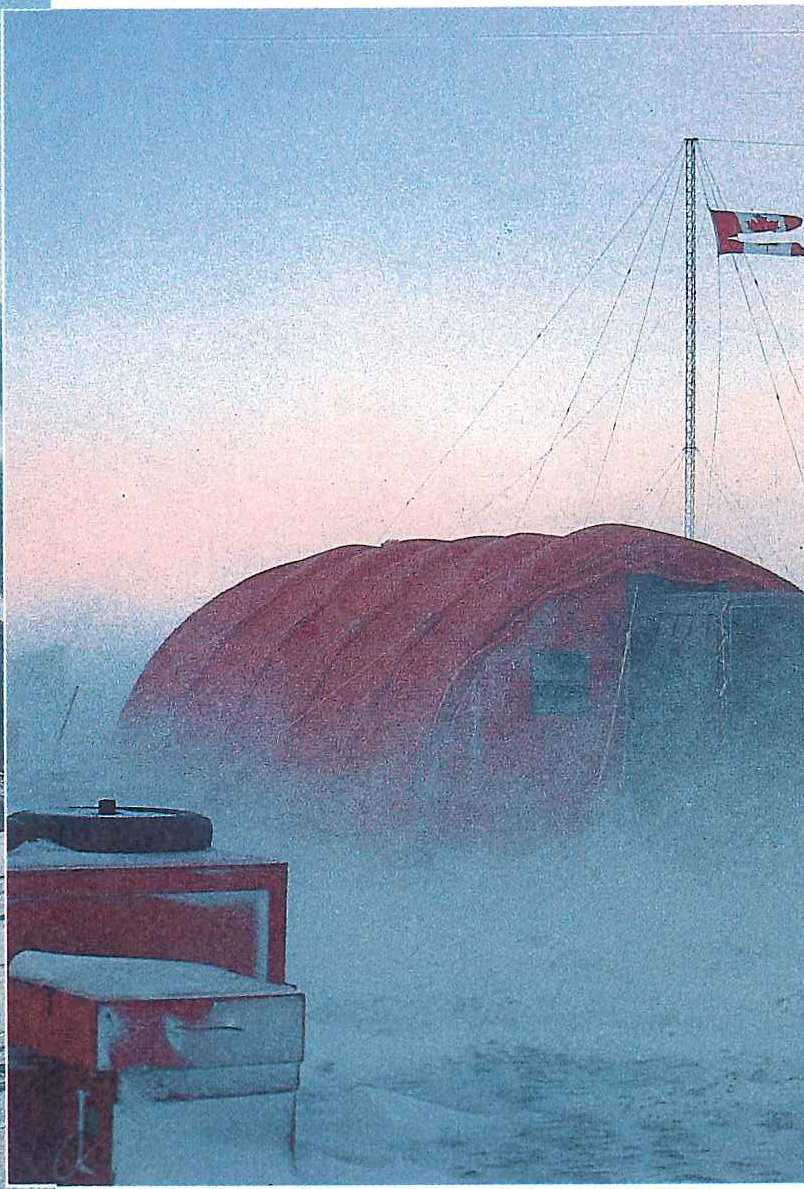
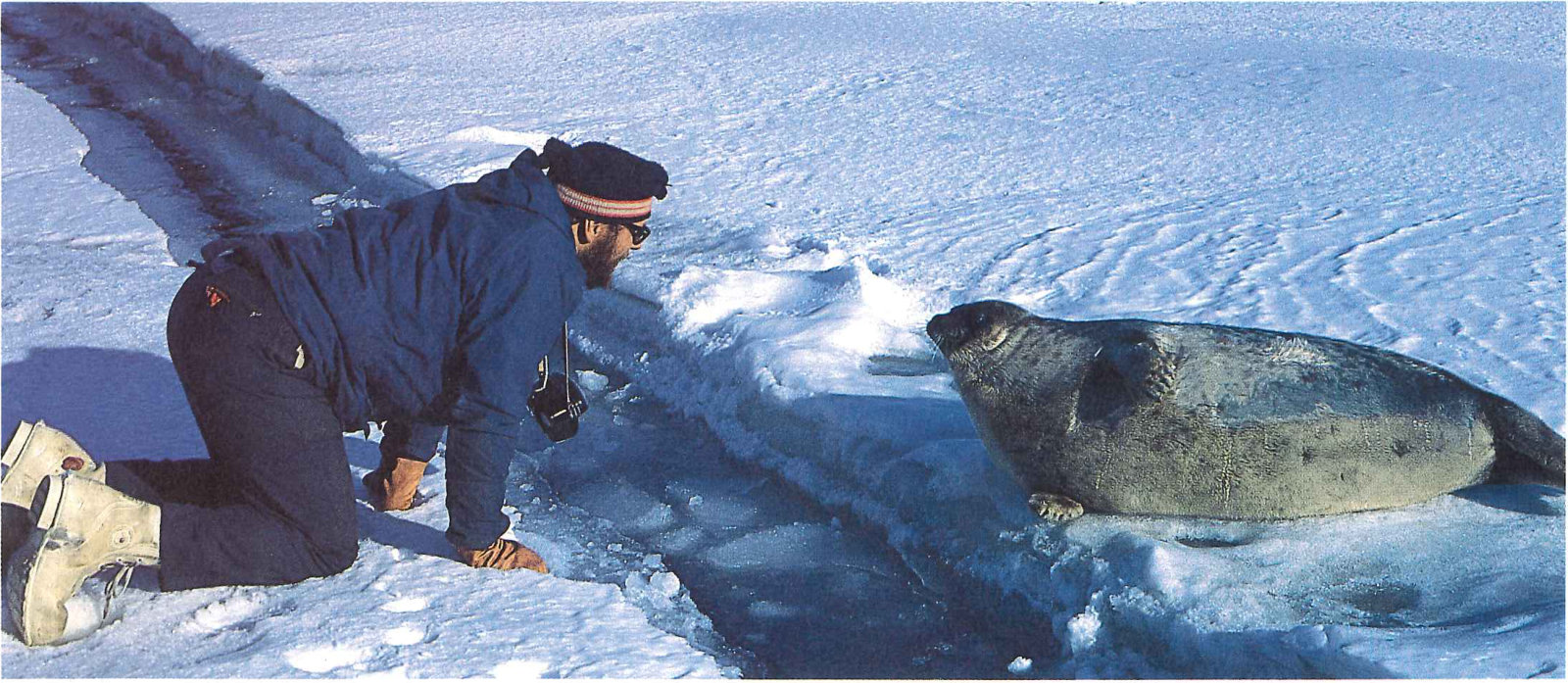
It was my good fortune, during two of my four arctic summers to have worked on northern Ellesmere Island, Canada’s most northerly territory, only 500 miles from the magnetic north pole. I was not a scientist, but I had managed to be hired as a field assistant on research projects to find out how sea ice melted and moved and whether glaciers and ice caps were expanding or contracting — an indication of climate change. We drilled holes in 2 meter-thick ice, lowered instruments to measure salinity and temperature, tracked ice flows with the aid of radar and took weather observations. Above all though, we had to know how to survive: namely to repair sleds and skidoos in the bitter cold, endure long periods of inactivity, as well as 24 hours of straight work in the constant summer daylight. 200 miles from the closest permanent weather station, the two or three person team had to be entirely self-reliant.
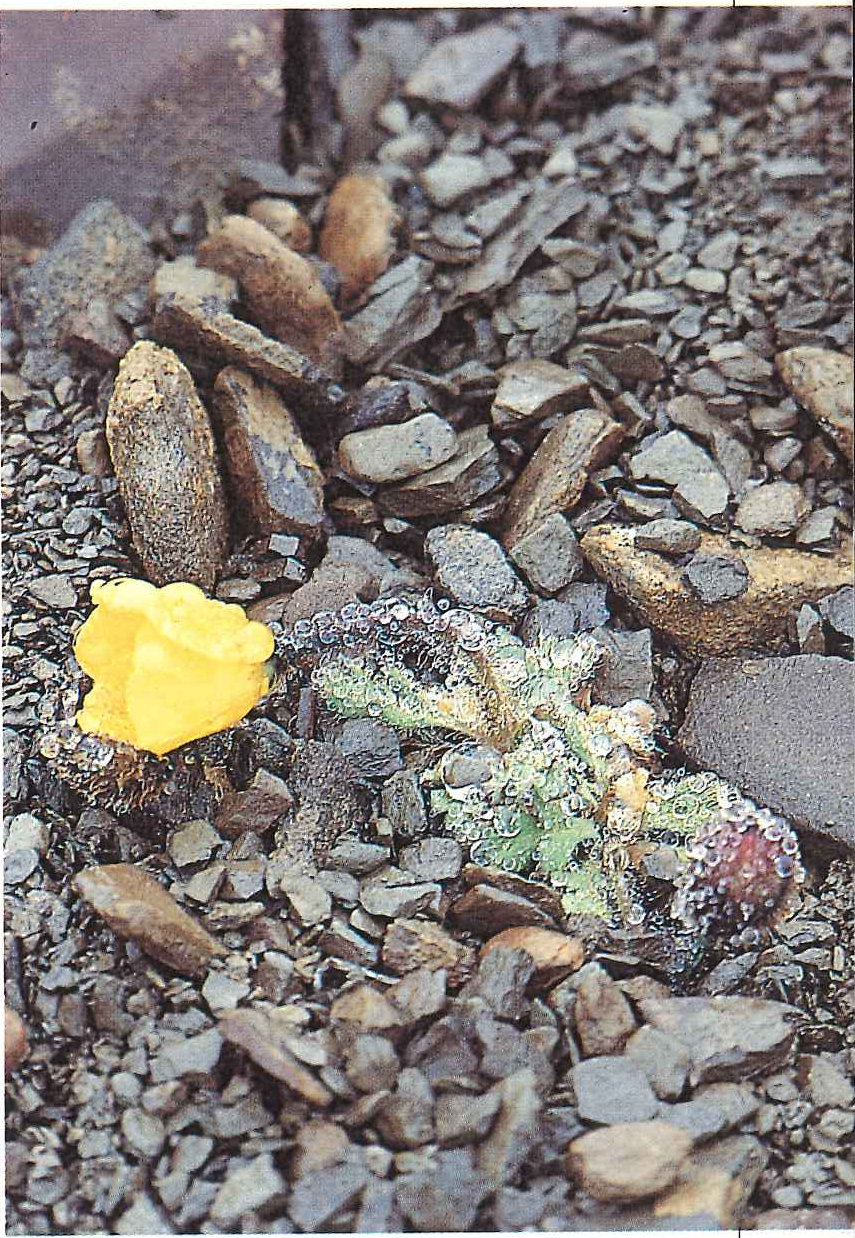
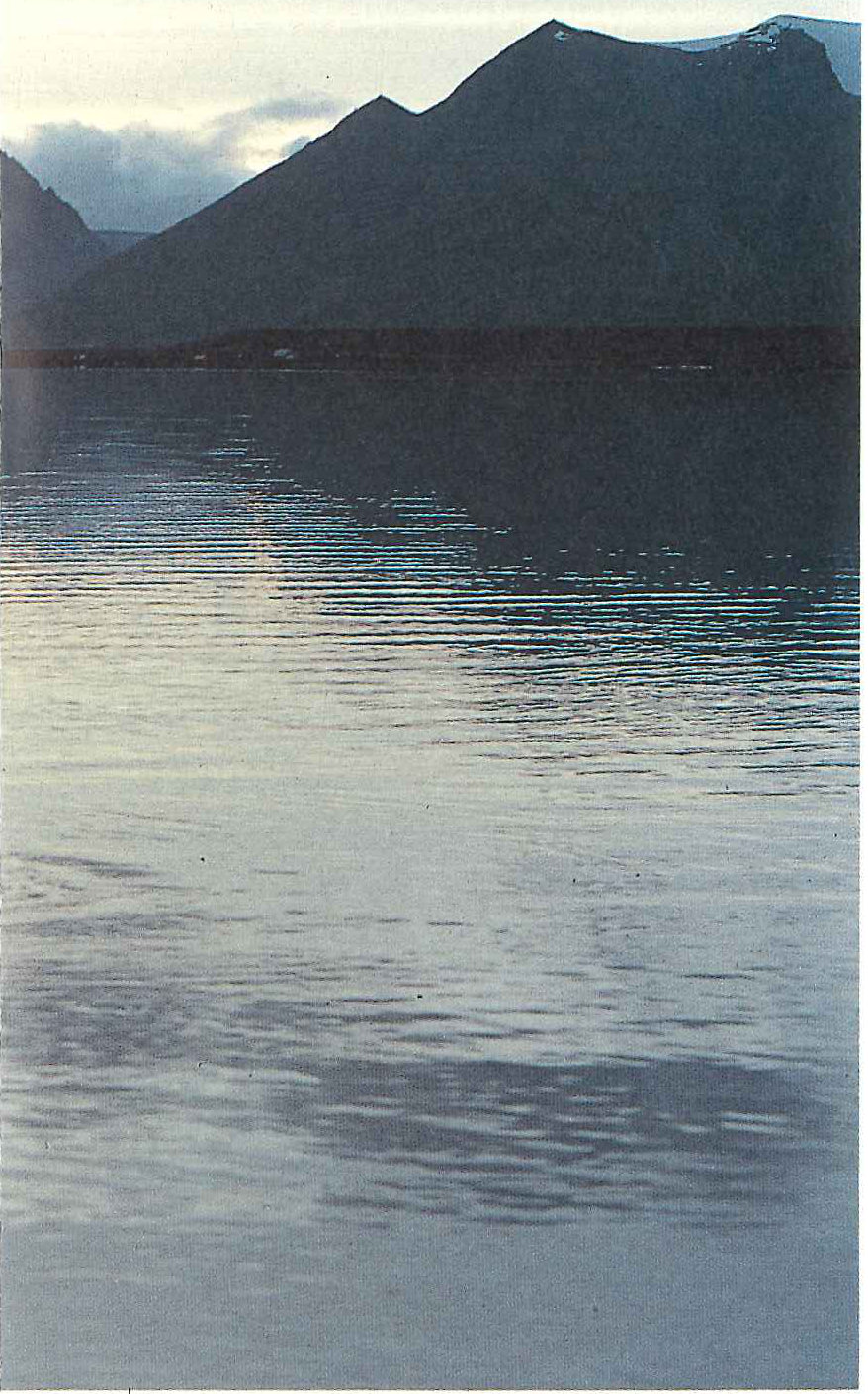
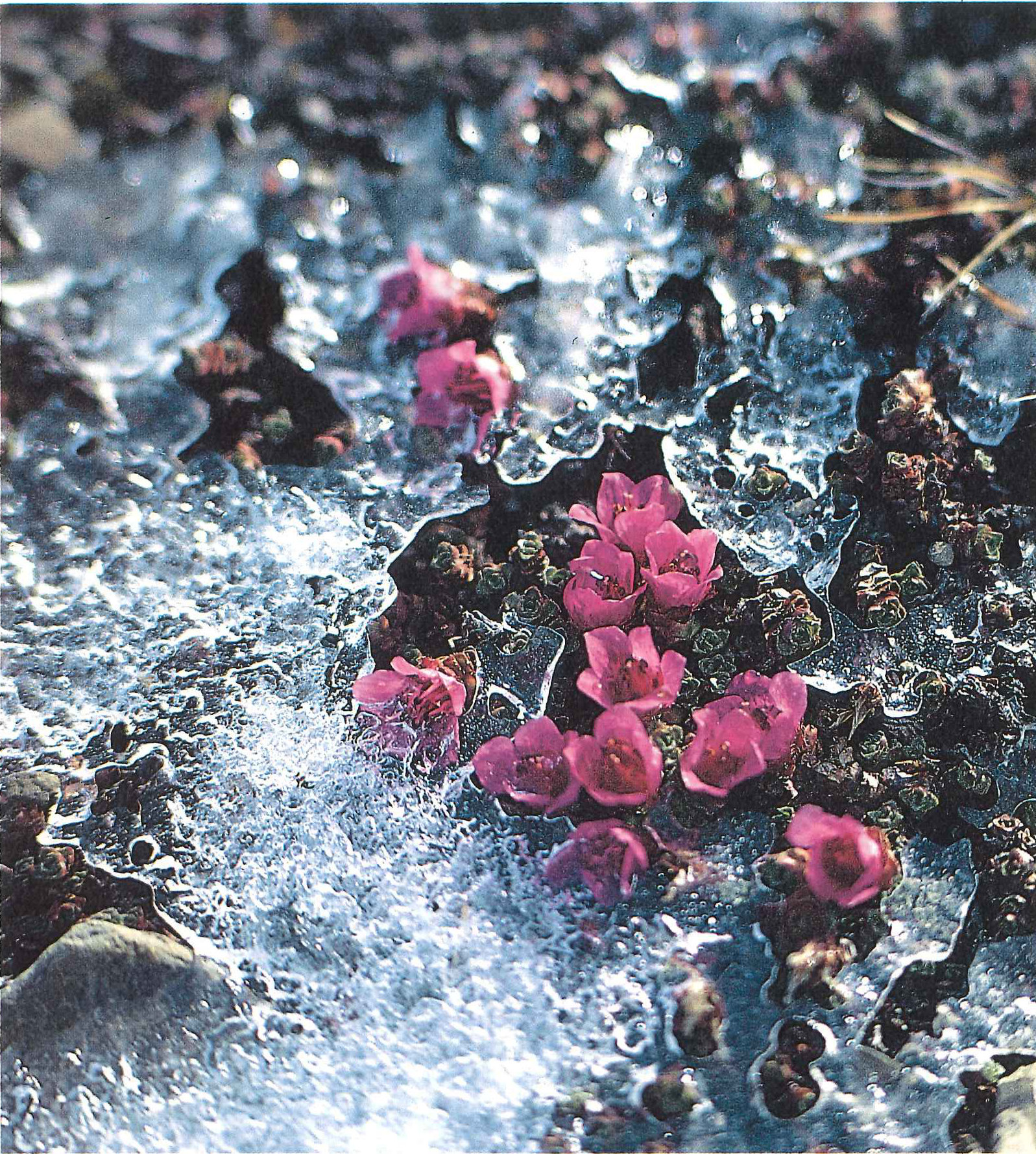
These summers left two lasting impressions. The first was the extraordinary drama of the Arctic transforming itself, from an icy and silent desert, to a tapestry of alpine flowers, rushing melt streams and abundant wildlife, and then reverse itself in a matter of only three months. I shared a vast and treeless sweep of geography with musk oxen, hare, wolves, foxes, seal and all manner of bird visible from miles away. The fragile and momentary beauty that sprang from such apparently inhospitable surroundings filled me with absolute incredulity. For a photographer, the vision was irresistible.
The second thing I shall always remember about my arctic summers was the sensation of awe as I faced southward. “If I walked for two thousand miles, “ I remember thinking, “I would still be in my own country.” I wish it were possible for more Canadians to have the opportunity of experiencing this sensation. The department offers it as a matter of course each year to a lucky few senior foreign diplomats during their assignment in Ottawa, but all too rarely do ordinary Canadians avail themselves of such a fundamental experience.
28 bout de papier Vol.
View the original scanned pages →
Originally published in bout de papier, Vol. 8, No. 4 (1991) — Fall 1991 // Automne 1991, pp. 26–29. Read the rest of this issue →



