
bout de papier, Vol. 6, No. 3 (1988), pp. 12–13
The explosive bang ricocheted around the inside of the white Peugot station wagon. We hit the floor; the driver hit the gas pedal and the car raced down the disintegrating highway, ignoring potholes and sunbathing monkies alike. This was Idi Amin’s Uganda and loud noises were not something to safely linger about investigating.
The border with Kenya was several hours behind us. There were no villages, no people walking along the road and no other vehicles, not even military traffic. Highway maintenance had been neglected for so long that the vegetation grew lushly to the edge of the pavement and even in the cracks and holes.
The unspoken anxiety of running afoul of local military or police lurked in everyone’s mind.
In this case, the momentary panic had been caused by a bottle of soda water popping its top. In addition to all our own gear, we carried cooking oil, soap, kerosene, salt and flour to leave with the Canadians we would visit during our tour.
There were only a few Canadians left in Uganda in 1976, mostly White Fathers parish priests, White Sisters nurses, and Brothers of Christian Instruction teachers. Most of them lived in the southwest around Mbarara and Masaka. North of Kabalega Falls, in Gulu, however, there was a husband and wife medical team from Montreal who still kept a small hospital functioning.
Visiting these people was the objective of our journey and, so, instead of going directly to Kampala, we went northward and circled counter clockwise through Masindi and Gulu and Kasese on the eastern edge of the Ruwenzoris, the “Mountains of the Moon”.
The climate of Uganda is as close to perfect as it gets; days of warm sunshine with light showers in the afternoon and cool nights unbroken by harsh seasons of cold or wet. The altitude takes the edge off the tropical heat and rain. It is true that here, if you erect a fence from freshly cut poles, the poles will sprout roots and become trees. Many of the banana, cocoa, sugar and coffee plantations had returned to a jungle state after their owners fled the irrational violence.
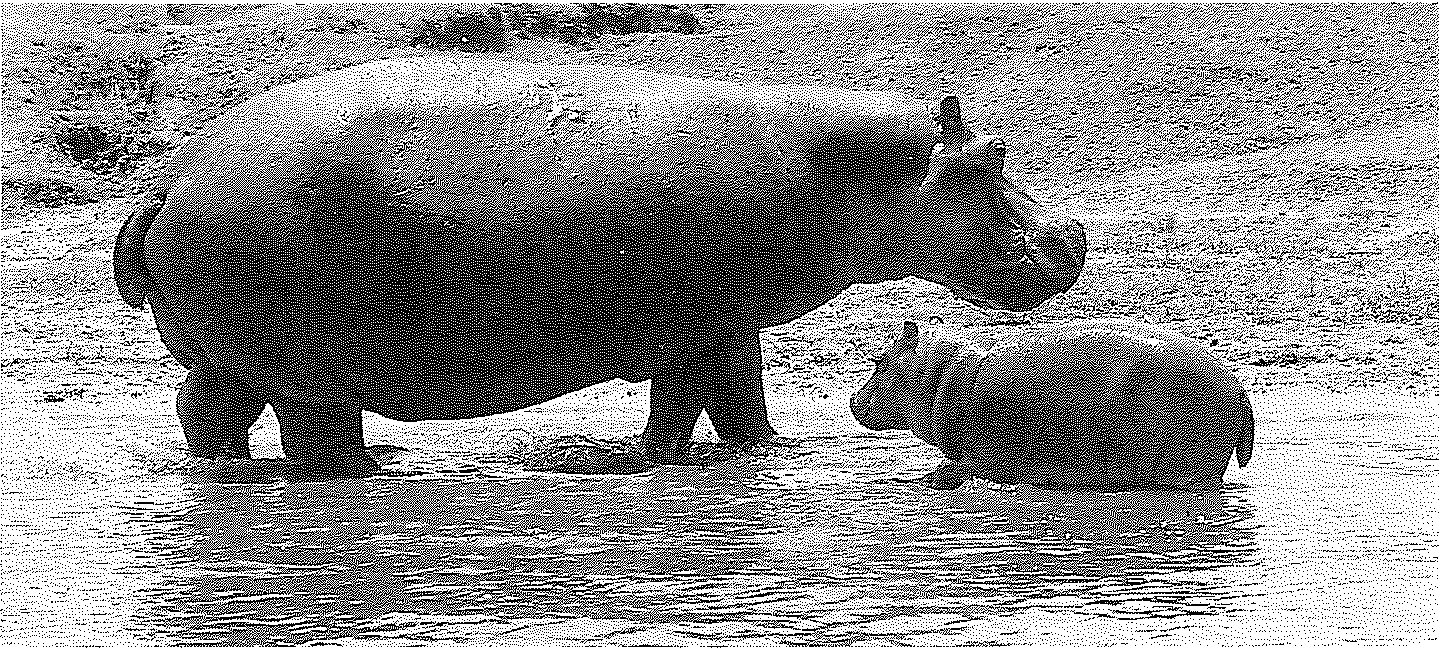
Only three things seemed to flourish under Idi Amin: vegetation, weaver birds and hippos. Doubtless the Nile perch were enjoying a respite from sport fishermen as well, but the tourist infrastructure had ground to a near halt and none of the lodges could offer the rare visitor either land or water safaris.
This is not to say that the lodges were closed. We were offered accommodation everywhere we stopped for the night and, in fact, were always offered a menu and food at country inns when we halted for lunch or a rest. However, the depressing reality was that, although the impeccable service and hospitality of a flourishing tourist industry remained, there was nothing else left.
We arrived, for example, at the Mweya Safari Lodge in the Ruwenzori Park at dinner time. The receptionist, the porters, the parking valets, the maitre d’ and the waiters were efficient and polite. The table was set with white linen and sterling silver and the five-course menu was newly hand printed and placed into its embossed leather folder. The menu contained five courses – all variations on fried or mashed bananas. Some of the dishes may have been made from eating bananas, but mostly these were cooking bananas or plaintain. The waiter offered us fried nile perch which we knew he must have expected to eat himself for his dinner.
It was difficult to know how to react to all the pomp and circumstance as we were the only guests in the 200 room hotel, seated at the only table laid in an enormous dining room filled with empty tables and an entire hotel staff with nothing to do but wait on us.
After dinner we were lit to our room in a far corner of the building by a porter who ran ahead screwing and unscrewing a single light bulb into the successive empty receptacles. When he left us at our doorway, he presented us with the bulb but admonished us not to waste it by telling us glowing accounts of the sights an early riser might encounter. He also unwound and handed us our ration of toilet paper, about six squares each. In the room, the matresses were more luxurious than those of any Sheraton, but the sheets were much mended and threadbare.
It was painfully obvious that when any item was finished or broken, it could not be replaced or fixed.
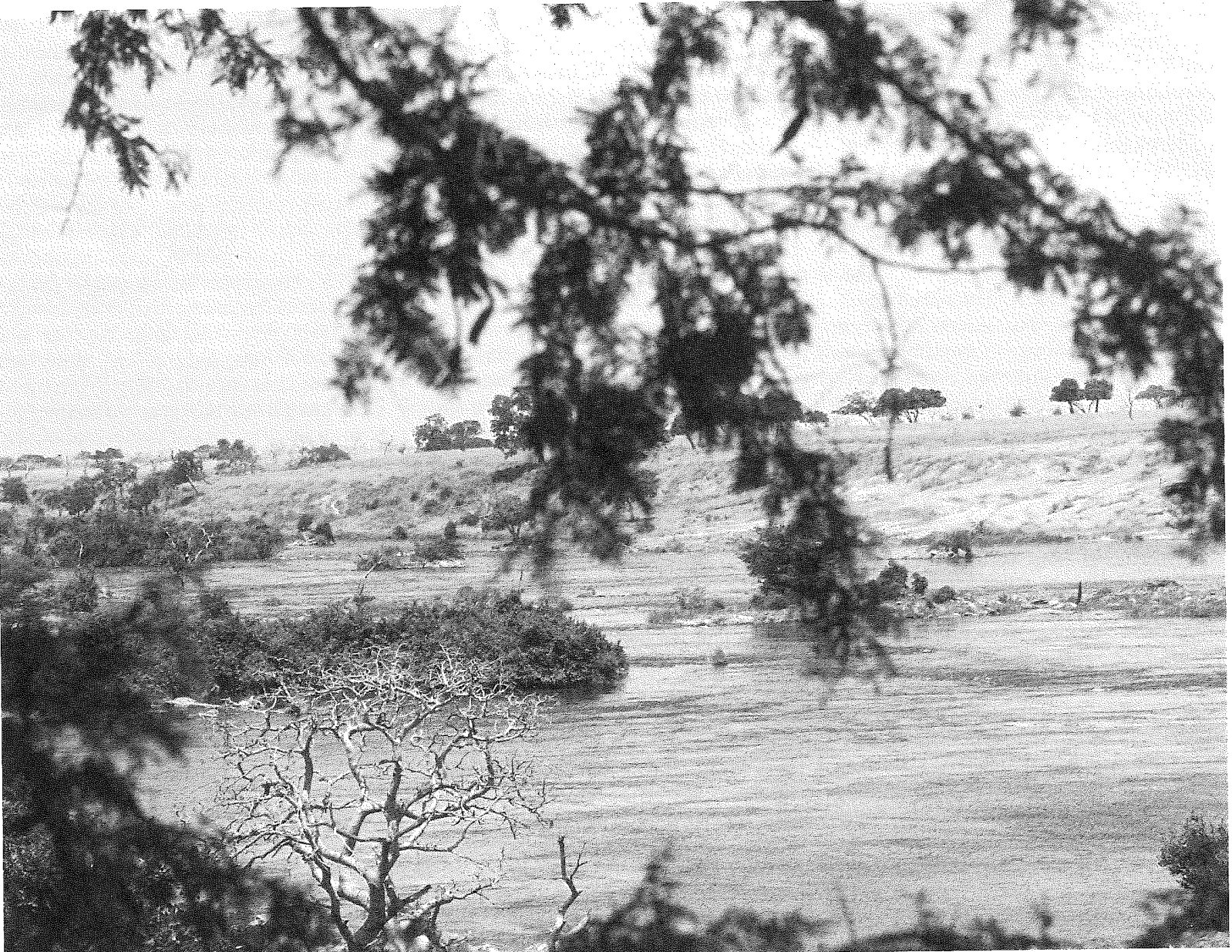
The following morning, we took a boat trip along the Kazinga Channel to view any wild game that came to the banks to drink. Two monitor lizards, several dozen bobbing hippo and thousands of weavers swooping in and out of their swaying nests comprised the morning’s head count.
Reportedly, in 1974, herds of large antelope and gazelle still roamed the plains, elephant numbered around 3,000 and large cats were still common. Eighteen months later, we saw nothing in any of the parks except one old Cape buffalo. The hippos alone represented the vast herds of large game.
Even though the effects of civil war were felt in the countryside, the promise of agricultural and natural bounty created an illusion of peace and abundance. Nearer to Kampala, the disruption and devastation could not be covered up. Many fields were untended, the Ankole cattle were skrawny and few in number, nobody waved or smiled and it seemed wiser not to take any photographs.
At a school in Masaka, an hours drive southwest of Kampala, we were welcomed but advised not to stay the night. At the hotel in Kampala we were followed up the elevator by secret policemen. The day after we visited Makerere University, fifteen students were arrested and several killed. The French Ambassador’s residence was next to a popular internment compound and during dinner one could hear shouting and screaming. On the way back to Kenya, we were stopped at gun point and forced to transport two armed soldiers. Two weeks after our return to Nairobi, two of the priests we had visited were arrested and thrown out of the country where they had worked for more than twenty years.
At no time were we treated roughly or rudely. There were demands for visas and passports, and checks for identification but we were never delayed unduly, perhaps in deference to the diplomatic license plates and passports, or perhaps because Ugandans are by nature and heritage a polite, friendly people. From recent history, this would not seem to be the case but my experience with individual Ugandans has created an impression of intelligent, diligent, creative people with no particular chip on their shoulder.
The generous natural bounty of the country and climate have created a garden nation. Uganda could feed, if not the globe, at least much of starving Africa. Nature is more forgiving than the human race and if given the opportunity much of the damage could be recouped.
For me, this trip personifies the most difficult dilemma of foreign service life abroad; to see what could be and to accept what will be.
View the original scanned pages →
Originally published in bout de papier, Vol. 6, No. 3 (1988), pp. 12–13. Read the rest of this issue →



