
bout de papier, Vol. 6, No. 2 (1988) — Summer 1988 // Été 1988, pp. 3–4
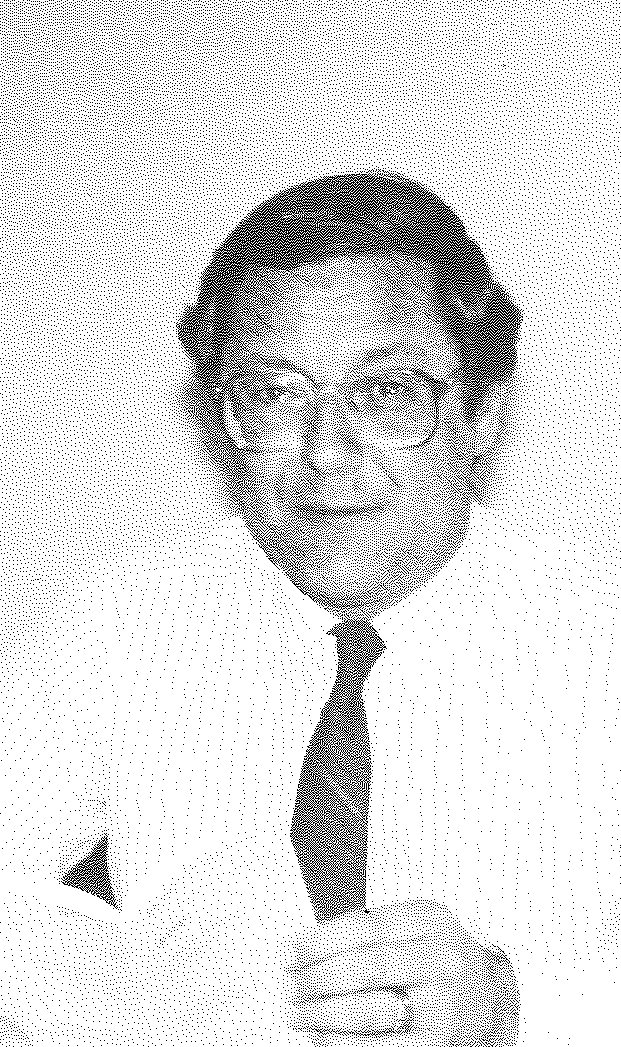
This is my last column for bout de papier, written with one foot on the airplane. Thanks to CIDA’s decentralization plans, I am being posted to Dar-es-Salaam, from whence it will be very difficult to come back for Executive meetings and other responsibilities of the PAFSO Presidency. The Executive have selected Rodney Briggs, our negotiator in the last contract round, to serve as President over the summer months and the new Executive, to be elected at the time of the Annual General Meeting in September, will choose a full-time replacement.
Although there have been many frustrations, I have enjoyed the time I have spent on the Executive and as President immensely. Thanks mainly to the efforts of others, we have accomplished a fair amount in the period. Last October saw the conclusion of contract negotiations, with an overall salary increase at least in line with other public service increases and other smaller changes, not the least of which was the introduction of weekday overtime. Overtime is not everyone’s cup of tea, but providing for it in the contract is a useful step forward and protection in a Department which has on occasion abused its employees’ commitment to their jobs. An item on our agenda which the Treasury Board refused to discuss was self-funded leave – sabbaticals in more usual language. The Board have just announced their own experimental plan for such leave, and the Association will need to follow-up with the Department as to how this will be applied for us.
More recently, the 1988 triennial review of the Foreign Service Directives has occupied much time. The review, now concluded, has been long and frustrating, but ultimately productive. It will provide meaningful changes in variety of detailed areas and a major change in the area of home rentals which is likely to be popular with everyone in the foreign service. Regrettably, the Treasury Board withdrew long-discussed proposals to simplify the FSD’s by, amongst others, eliminating the need to account after the fact for relocation and vacation leave travel. Although these proposals needed careful and detailed review to ensure a fair and workable system, the concept has much to offer in lifting some of the dead hand of bureacracy from our overseas lives, and it is to be hoped that rumours of a possible early reintroduction to the table prove accurate.
PAFSO has also weathered the crisis over political appointments to the foreign service, making ground on the issue and adding a dimension to the public’s perception of the foreign service. At the time of writing, the lists of appointments for 1988 are not yet out, but the Executive is hopeful that the broad public response to our 1987 press conference will produce a more responsible approach by the Government.
We have also done well for the members’ interests with grievances, the list I enumerated in my last column now being added to with the recent decision in PAFSO’s favour on the methodology for the 1987 annual increase to the Foreign Service Directives, a decision which will add slightly over 4 percent to everyone’s allowance payments. It remains regrettable that grievances are necessary to achieve what consultation and negotiation cannot produce.
In the midst of all of these larger and weightier issues, less obvious matters such as the recent concern over lateral entries into the Trade Stream have been dealt with and the normal business of the Association has continued. Members with problems with the Department have continued to receive formal and, more often, informal support in resolving them. The insurance programme carries on and bout de papier has continued as a quality publication, weathering the departure of two editors, Colin Robertson having been posted in 1987 and Dan Livermore having been promoted this year.
The Association’s progress over the past year has been accompanied by a measure of frustration on the President’s part. The job is a fascinating one, an invaluable education in the Department’s personnel processes and an unrivalled opportunity to experience a wide variety of managerial and representational situations and problems. I would not hesitate to recommend it to anyone. But I would offer several cautions, foremost of which is that it can, in better than Parkinsonian fashion, expand to more than fill the time available. I leave with a sense of having barely scratched the surface of what could be done and a sense that I have not really done justice to either the Association or to my full-time job. I think we could do more with the Association if we had more resources available, but I also feel strongly that this should be from the members — who live and understand the foreign service – and not from more hired staff. We might also consider whether we wish to move towards a full-time paid President. It would be an expensive venture — approximately $4.50 per member per month, assuming a salary at the top of the FS-2 range — but it would permit a more focussed and continuous representation of our concerns.
The other major frustration of the President’s role is indirectly linked to the first one. I have not sensed in my year of heading the Association that the Department is particularly attuned to consultations with its staff and their bargaining agents. Where necessary, as in the contract and the FSD’s, PAFSO sits down across the table from the Treasury Board and the Department and negotiates, a process which most members of the Executive who have been involved have found extremely frustrating because of the inflexibility of the employer’s positions. Otherwise, consultation has on most occasions been taken to mean informing PAFSO of the results of decisions shortly before they are announced publicly. Efforts to try out ideas on us and to involve us in the early stages of problem-solving, before positions are hardened and decisions taken, is nonexistent. The relationship is often empty and, as a result, sometimes more confrontational than it need be.
Some of the responsibility for this situation rests with PAFSO. Personnel managers, especially in External Affairs, are just like the rest of us, busy people with many things to do and little time to do them in. Consultations, particularly with people of a frequently different perspective, is time-consuming, and nobody goes looking for trouble if it can be avoided. The initiative in this situation lies, I feel, very clearly with PAFSO. If we have concerns, it is up to us to make them known to management, in as clear, factual and well-researched a fashion as we are capable of. One of my greatest satisfactions of the past year has, in fact, been the sense that PAFSO is moving in such a direction, becoming less a reactive and more a proactive organization. Thanks to a committed group on the Executive, we have been able to both deal with on-going problems and to initiate a process of discussion which, if the Department responds, might get us involved much earlier in the definition and solution of problems.
A consistent approach of this type, across a broad spectrum of concerns, will, I suspect, come as a surprise to management, who have come to expect less from us. Their response, in the short term, is likely to be less than completely satisfactory, as they adjust to a different style of dealing with the Association. In the longer term, I expect that they will adjust and respond more positively. It will almost certainly require more of an involvement from interested members of the Association, because we do not have the person-power or the budget to do the research and put together the positions as we currently exist. There is a strong sense of pride in the foreign service as to the standards of recruitment to the service and as to the calibre of people in the service. The challenge is clearly there, to mobilize these talents and the familiarity they have with our unique foreign service problems and build these into a stronger representation of our interests.
The process is at a tenuous stage, not least because the PAFSO Executive falls apart and must be reconstituted on an almost annual basis as members are posted, assigned or promoted. I am fairly confident, though, that future Executives will continue along similar lines, because I foresee harder rather than easier times for the foreign service in coming years, not only but most notably in the area of fewer and slower promotions, and because the problems so created will continue to encourage a more active Association and leadership. No doubt there will be difficult moments along the way. But I am confident that we will deal with this in an appropriate fashion – PAFSO has always been able to get along well with the Department, for its members have an impressive commitment to the Department’s means and ends. The trick in the future will be to move with the times and to get along in a way which resolves our major problems and recognizes and rewards the commitment which PAFSO members make to the foreign service.
View the original scanned pages →
Originally published in bout de papier, Vol. 6, No. 2 (1988) — Summer 1988 // Été 1988, pp. 3–4. Read the rest of this issue →



