
bout de papier, Vol. 5, No. 2 (1987) — Summer 1987 // Été 1987, pp. 12–13
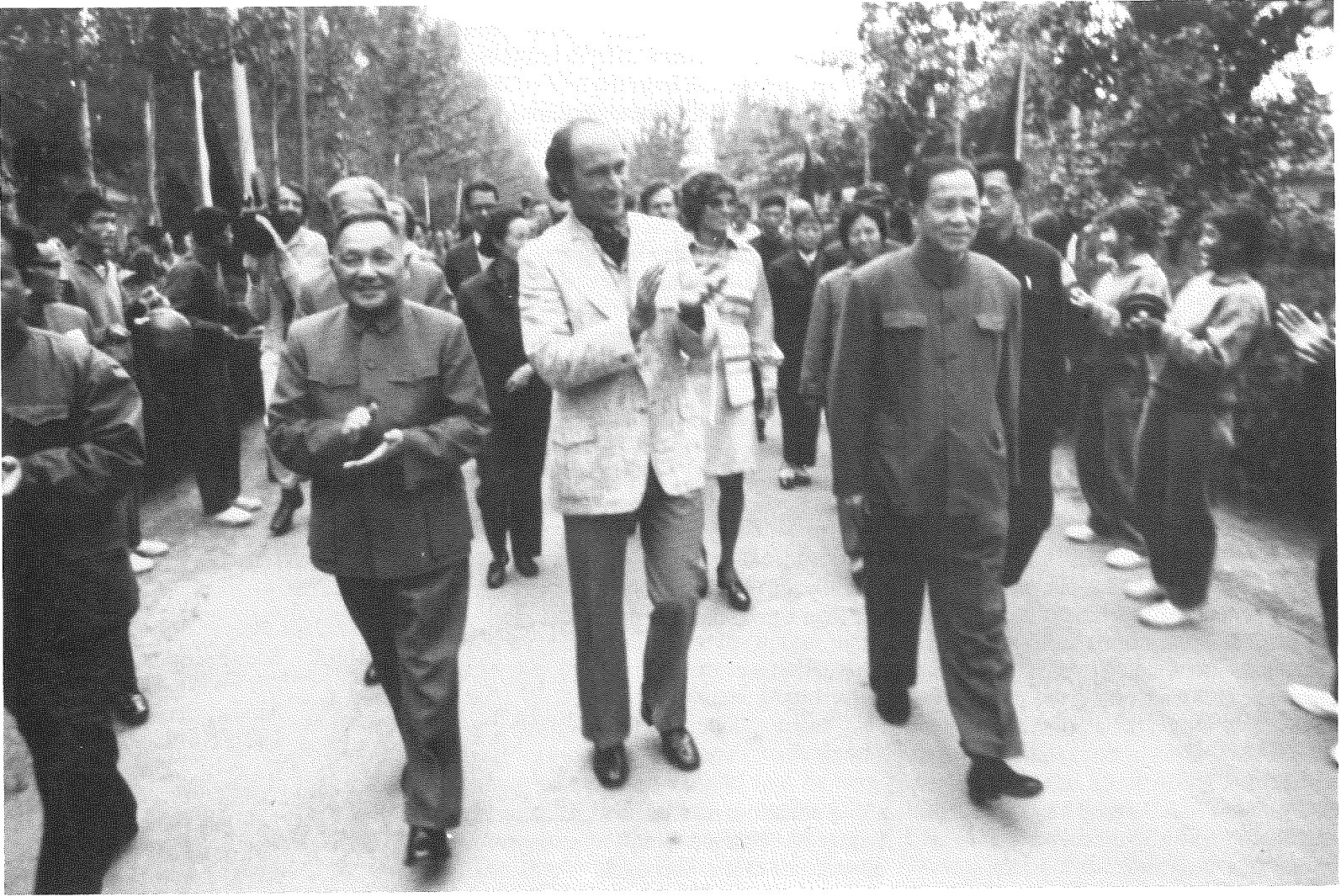
When Brian Mulroney makes his official visits abroad as Prime Minister, his planners in Ottawa find that not the least of the diplomatic problems they have to confront is what gifts Canada’s PM should bestow on his foreign hosts.
One approach is to try to envision what the other side will do. If Mr. Mulroney’s foreign host is the President of France or the Tunku of Malaysia, research into the gifts they have presented to official foreign visitors in the past may reveal a hard act for more parsimonious Canadians to follow.
The planners will almost certainly reject what Prime Minister John Diefenbaker used to do — present an autographed glossy print of himself to his hosts in far-off lands. Surely we can do a little better than that, they will say: something not too extravagant, distinctively Canadian and unlikely ever to have been given before. Eskimo carvings? Indeed, they sometimes fit the bill. But if the visit is something special — as Prime Minister Pierre Trudeau’s was when he went to Peking in 1973 — would you not have to come up with something very special for Mr. Trudeau to present from the people of Canada to the leaders of a billion Communist Chinese?
Back in 1973, Mr. Trudeau’s planners in External Affairs were undoubtedly aware that, for years, Canadian zoos had tried to induce the Chinese to give them a pair of pandas, which were nearing extinction, or the almost-as-rare Manchurian snow leopard. It perhaps was the subconscious wish that our Chinese hosts would donate one of these rare beasts to Canada that inspired External Affairs to come up with a truly ingenious idea — Mr. Trudeau should present a live animal in Peking.
Now what animal is eminently Canadian, inexpensive and easy to obtain, and never before presented to a foreign government by a Canadian prime minister? You guessed it: the beaver, and not one but four — two males and two females.
When this innovative proposal received prime ministerial blessing and an enthusiastic endorsement from a surprised John Small, Canada’s Ambassador in Peking, the planners then attacked the problems of procurement and logistics, including how to keep the sluggish beasts alive and happy during the long journey to Peking from Uplands Airport in Ottawa.
Advice and assistance was sought from fellow bureaucrats of the Department of Indian and Northern Affairs (INA). Finally, when all the loose ends of beaver-giving were tied together, they sent a telegram to the Canadian Embassy in Peking, with a copy for the Embassy in Tokyo, where the Trudeau party would stop en route.
To preserve the element of surprise in the Chinese capital, they sent this telegram in cypher:
FROM EXTERNAL OTTAWA TO PEKING SEP 28/73 REF PM’S VISIT – ANIMAL PRESENTATIONS FOUR BEAVERS ARRIVING ON PM’S AIRCRAFT WILL NEED TO BE FED. INA REPORTS FOLLOWING KINDS OF FOOD SUITABLE: (A) POPULUS (POPLAR), (B) SALIX (WILLOWS), (C) RUBIS (RASP- BERRIES), (D) NUPHAR (WATER- LILIES), (E) BETULA (BIRCH); UNDERSTAND HYACINTH AVAILABLE IN CHINA COULD PROBABLY REPLACE WATERLILIES IF, AFTER TASTING, BEAVERS LIKE CHINESE FOOD. WE WILL SEND 50 LB BAG OF ALFALFA TO SUSTAIN THEM UNTIL LOCAL FOOD SUPPLY OBTAINED.
2. AS BEAVERS ONLY DEFECATE IN WATER AND HOLD BACK DURING JOURNEY THEY SHOULD BE PLACED IN POOL OF WATER ON ARRIVAL TO PROVIDE RELIEF AND PREVENT POSSIBLE CRITICAL CONDITION ESPECIALLY AFTER SUCH LONG FLIGHT.
3. GRATEFUL YOU DESIGNATE MEMBER EMBASSY STAFF AS BEAVER LIAISON OFFICER.
4. FOR TOKYO: BEAVERS WILL REMAIN ON AIRCRAFT DURING STOPOVER. GRATEFUL YOU ADVISE JAPANESE AUTHORITIES. The person to whom Ambassador Small entrusted the delicate chore of Embassy Beaver Liaison Officer was its resident Sinologist, Brian Evans, a professor of history from the University of Alberta. Having made this choice, the Embassy then sent this telegram to External Affairs in Ottawa.
FROM PEKING OCT 5/73 TO EXTERNAL OTTAWA REF YOURTEL SEP 28 PM’S VISIT – ANIMAL PRESENTATIONS BEAVER LIAISON OFFICER WOULD LIKE FOLLOWING INFO: (A) WHAT ARE MINIMUM REQUIREMENTS FOR BEAVER ZOO PENS?
(B) WHAT ARE OPTIMUM REQUIREMENTS FOR BEAVER ZOO PENS?
(C) FROM WHERE IN CDA DO THESE BEAVERS COME?
2. IF POSSIBLE CAN YOU SEND WITH BEAVERS THE FOLLOWING: (A) RELEVANT LITERATURE SUCH AS: TEACH YOURSELF BEAVERS: EVERYTHING YOU EVER WANTED TO KNOW ABOUT BEAVERS BUT WERE AFRAID TO ASK.
(B) ANY SHORT FILM ON BEAVERS. (C) TAPE OF PETER GZOWSKI’S CBC SHOW DEVOTED TO BEAVERS.
The beavers survived the journey and were presented to Chou En-lai, who accepted them on behalf of the Government and people of China.
The beavers, or their offspring, are living it up in the Peking Zoo today and have doubtless acquired a taste for Chinese food such as hyacinth.
Canadian zoos are still awaiting a pair of pandas or Manchurian snow leopards from the friends the Prime Minister is supposed to have made in China.
P.S. The above wonderful exchange of telegrams between the Department and the Canadian Embassy in Peking was found by Arthur Menzies when we were going through early files as part of External’s “screening” program. He happily agreed to their declassification. bout de papier readers will be familiar with Sidney Freifeld’s vignettes about the amusing and sometimes bizarre things that can happen to us or to our colleagues while working in the Canadian foreign service. Sidney would welcome any accounts from bout readers which might serve as a basis for future vignettes to be published in bout and possibly in the Toronto Globe and Mail or Montreal Gazette for which he writes. These can be addressed to him c/o bout de papier, Suite 600, 45 Rideau St., Ottawa, Ontario KIN 5W8
View the original scanned pages →
Originally published in bout de papier, Vol. 5, No. 2 (1987) — Summer 1987 // Été 1987, pp. 12–13. Read the rest of this issue →



