
bout de papier, Vol. 4, No. 4 (1986) — Winter 1986 // Hiver 1986, p. 22
Innocence is Not Enough The Life and
Death of Herbert Norman by Roger
Bowen (409 pp., $24.95) is published by
Douglas and MacIntyre. No Sense of Evil,
Espionage The Case of Herbert Norman
by James Barros (259 pp., $24.95) is
published by Deneau.
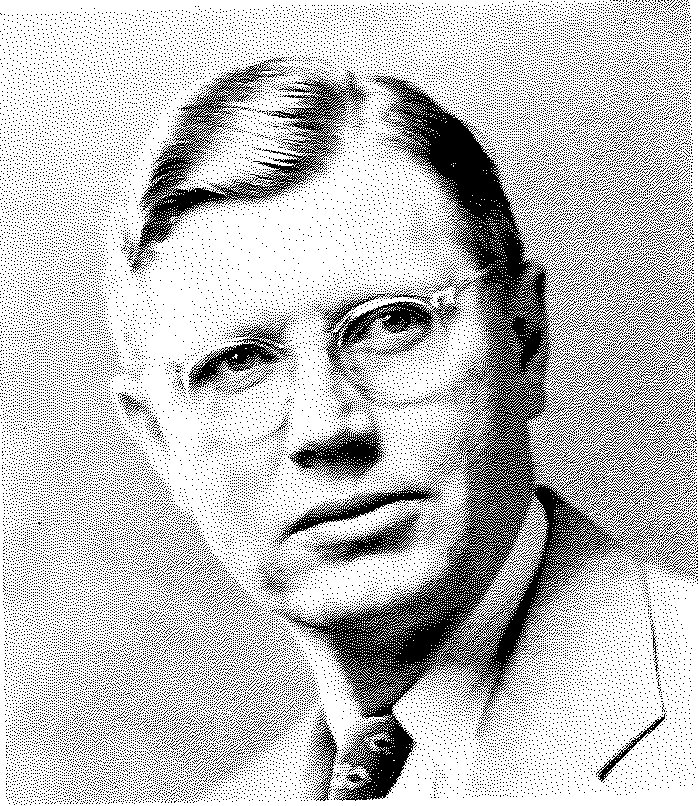
Born in Japan, the son of missionaries, Herbert Norman joined the Canadian Foreign Service in 1939 and served in Tokyo, Wellington and Cairo, in the latter two posts as Canadian High Commissioner and Ambassador respectively. While posted to Cairo he commited suicide in 1957 in the wake of continued allegations raised by the U.S. Senate Sub-committee on Internal Security investigating “The Scope of Soviet Activity in the U.S.” about his loyalties. Two books have recently been released on Herbert Norman and they will be fully reviewed in our next issue. The author of No Sense of Evil, Professor James Barros of Erindale College at the University of Toronto suggests that Norman may have been, at the very least, a Soviet agent of disinformation. He also raises questions about the behaviour of other Canadian diplomats of that era including former prime minister, Lester B. Pearson. In our next issue we will also feature an interview with Professor Barros.
Because he failed to find a smoking gun, Barros has had to build his case on guilt by association, a dubious technique more suited to witchhunters than to academic historians… As an occasional student of the case, I have long believed that Norman was never disloyal, although there has always been enough circumstantial evidence to leave a scintilla of doubt. Barros has not changed my mind and I find
Bowen’s explanation more convincing. Charles Taylor, author of Six Journeys in the Globe and Mail.
Norman was guilty on two counts, neither of which figured among the American accusations against him. The first is the intellectual aberration of finding Marxism-Leninism a moral, logical, or even workable solution to society’s ills… His second error was in consistently hiding his Communist past… One thing the Nor: man case did accomplish was to alert External Affairs to the need for a stronger security service if it was to have the confidence of its allies. It learned the hard way that “innocence is not enough”. Robert Ford, formerly Canadian Ambassador in Moscow in the Montreal Gazette.
More evidence may yet come from Ottawa — not all the documentation has been made public, and some of the papers released were heavily censored. But the pathetic suicide note, secret for 29 years, is itself strong evidence that Herbert Norman’s death was the result of a tragedy visited upon an innocent and devoted Canadian public servant. The Spy who never was Editorial in the Kingston Whig Standard.
Will McCarthyism never die?… The old half truths, innuendos and speculations about Canada’s brilliant scholar and diplomat Herbert Norman have been revived… John Walker in the Ottawa Citizen.
Despite his scholarliness and intellect, I think there is no serious dispute any more that Herbert Norman was at very least a security “risk” and should never have been kept in sensitive government posts. .’. It’s essential to know if bureaucrats work for Canada or a foreign power. We know Pearson protected Norman — putting friendship ahead of country. The question is why? Peter Worthington in the Financial Post.
There is no firm evidence in either book that Norman committed suicide because of guilt about betraying his country or from fear of being found out. Rather in both books, there is much evidence of injustice caused by a cumulation of hearsay evidence in biased, rumour-filled and ignorant security investigation files that never allow for change and are never destroyed… Jack Cahill in the Toronto Star.
If Norman was a Soviet agent, supported by the biggest agent of all, who knows what lingering effects may still be eroding the Canadian establishment. It’s time to find out… R. Glenn Martin in the Edmonton Sun.
View the original scanned pages →
Originally published in bout de papier, Vol. 4, No. 4 (1986) — Winter 1986 // Hiver 1986, p. 22. Read the rest of this issue →



