
bout de papier, Vol. 10, No. 2 (1993) — Spring 1993 // Printemps 1993, pp. 10–12
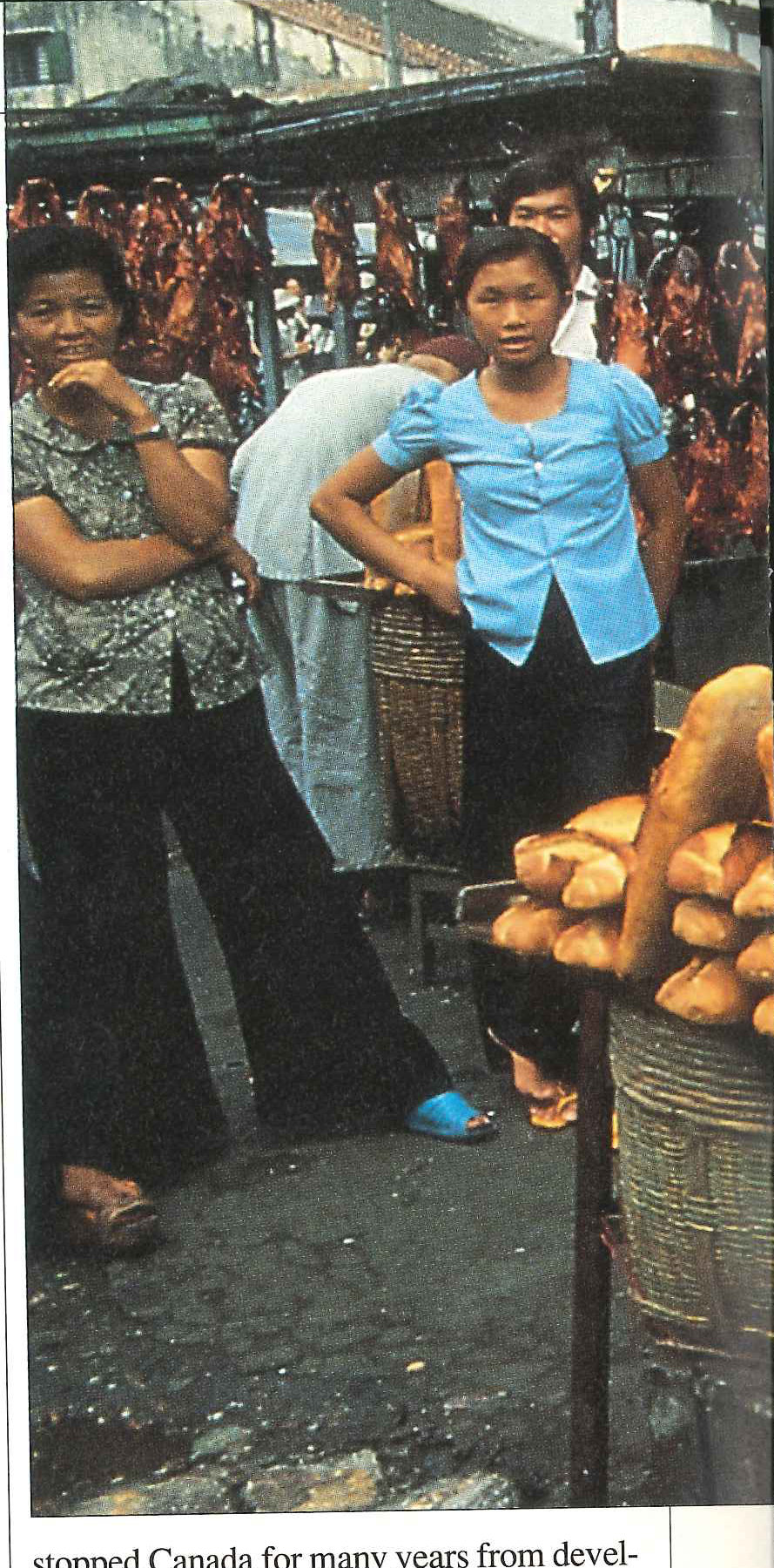
It was the last day of the CIDA (Canadian International Development Agency) Planning Mission to Viet Nam and so we decided to enjoy our final hours in Hanoi, a once-French colonial city now slightly worse for war and wear. Rosalind knew of a restaurant which would provide our perfect goodbye lunch. It was just around a corner or two…. After we roamed for at least half an hour on foot, we still could not find this perfect spot, so we compromised: we bought bananas and croissants and sat eating them by a lake.
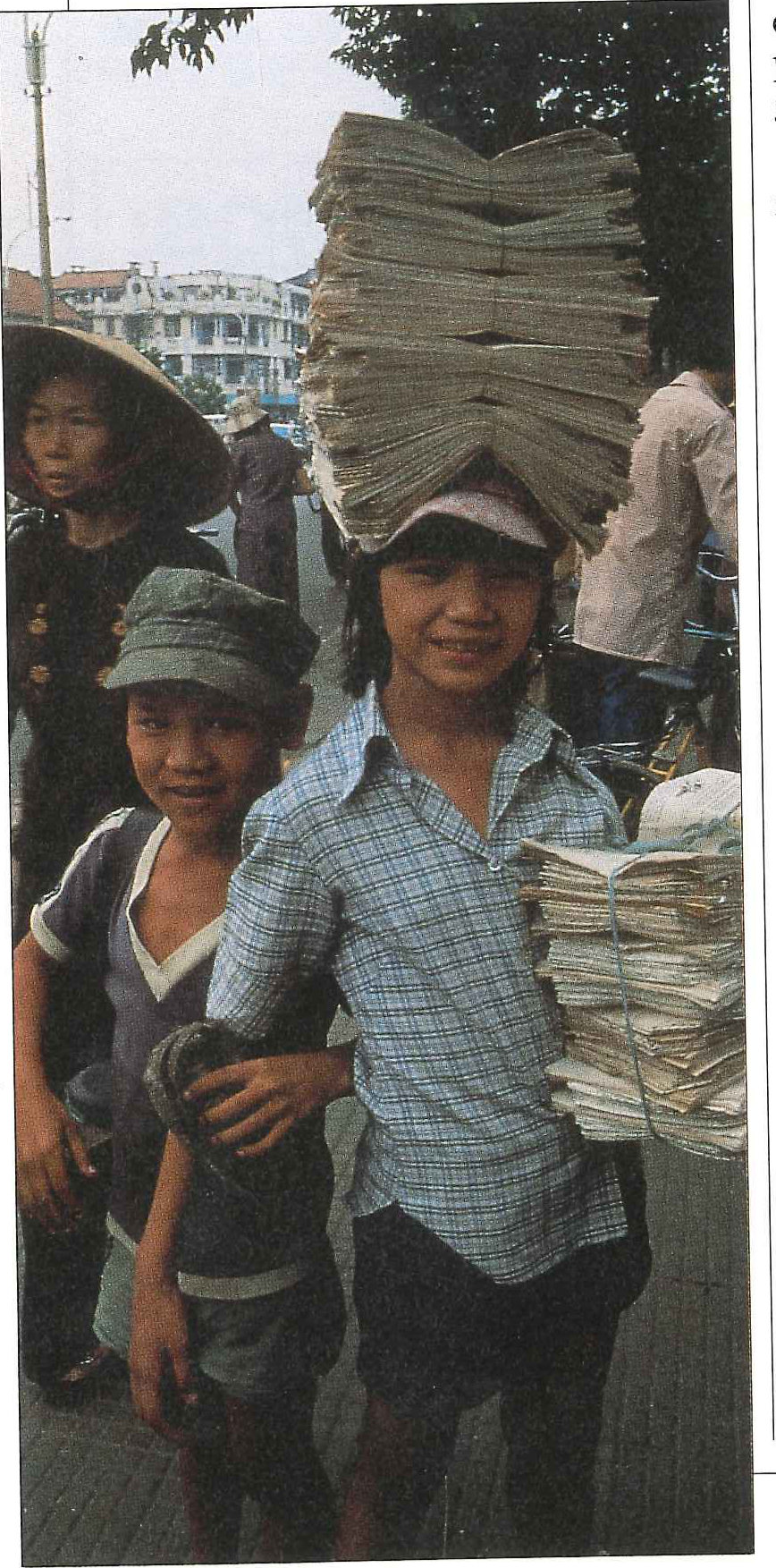
It was an appropriate finale to our mission, which we believe had taught us much about managing the critical relationship between foreign policy objectives and bilateral development assistance programs. While the program in VietNam is modest, the planning process in which we had been involved can help to re-define how Canada ensures that future development assistance programs match its long-term foreign policy goals and, in turn, influence them.
There are many reasons both for the emergence and the success of this partnership between foreign policy and for the delivery of development assistance in Asia. It begins with EAITC’s (External Affairs and International Trade Canada) desire to consult with Canadians about foreign policy and CIDA’s own objective of involving Canadians in developing a program in Viet Nam. Accordingly, the mission had included representatives from Canadian NGOs (nongovernmental organizations), universities, and the private sector.
CIDA’s mission in Asia is to be a catalyst in promoting sustainable development by building relationships and by promoting Canada’s long-term interests. Clearly, EAITC and CIDA set out on a collaborative exercise which had already begun on common ground. It also did not hurt matters that there has always been a long tradition of close cooperation between the two Asia branches of both organizations.
In order to place this new planning process in its proper context, there are a few milestones worth noting in the Canada-Viet Nam relationship. Canada established diplomatic ties with the-then North Viet Nam in 1973. However, fundamental concerns over issues such as the failure to protect human rights, the plight of the boat people, and the continued occupation of Cambodia had stopped Canada for many years from developing a full and meaningful bilateral relationship. All this began to change in 1989.
Viet Nam had chosen to end its international isolation by pursuing its own re-entry process into the world community. It did this, among other things, by withdrawing its troops from Cambodia and through seriously implementing economic reforms to help transform itself from a centrally-planned economy under communist rule to a market-based economy. This process inevitably accelerated with the collapse of the former Soviet Union, previously its staunchest ally and its largest provider of aid. This re-entry process was effectively unlocked in 1991 with Viet Nam’s signature of the peace accord in Paris. Canada’s perceptions of Viet Nam began to change as well.
While Viet Nam is one of the world’s poorest countries (it has an annual per capita income of US $200), its current prospects for creating strong and sustainable economic growth are excellent. Viet Nam is well-endowed with natural resources and it also has a skilled and literate work force. In addition, it is strategically placed in the world’s fastest growing economic region.
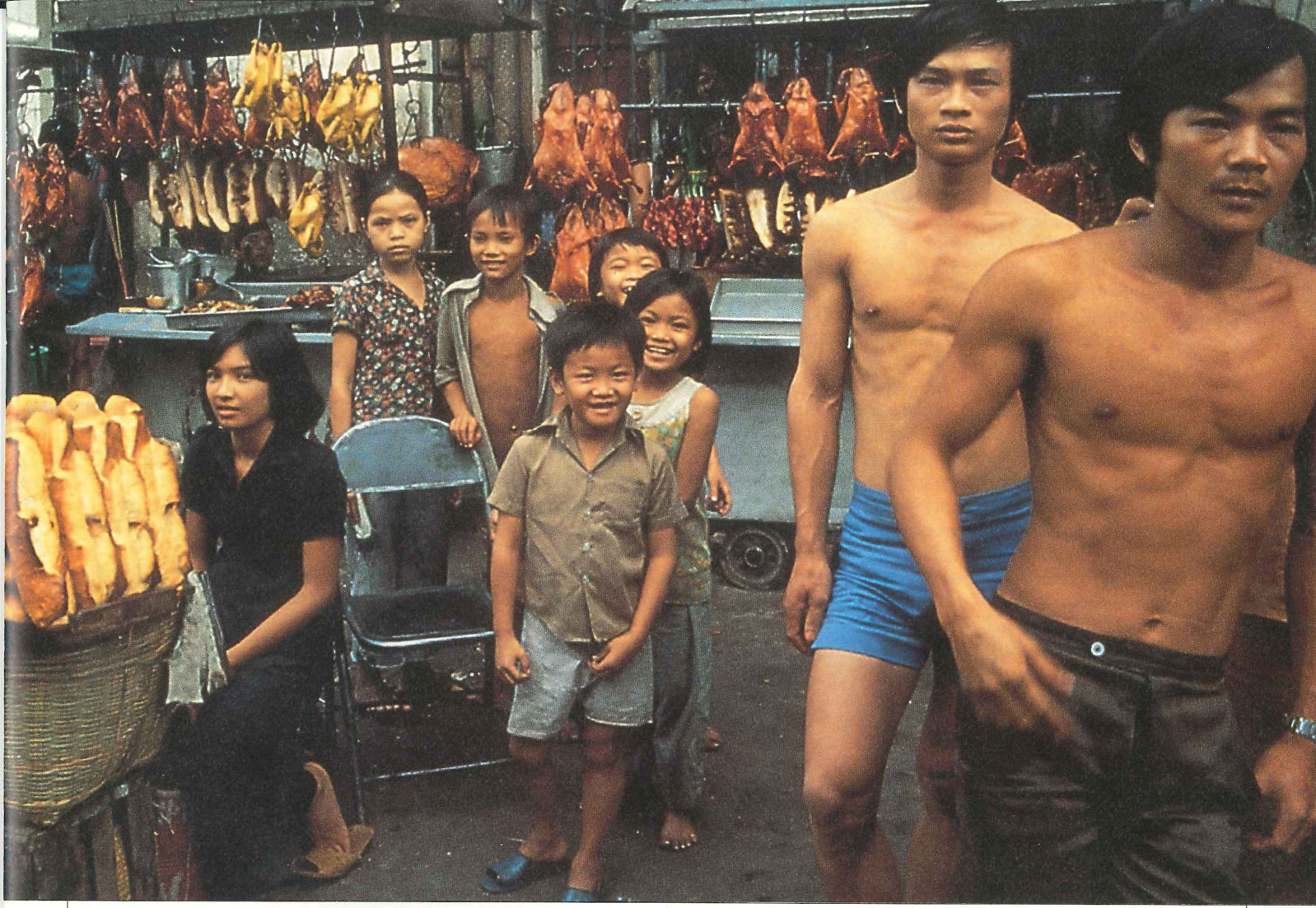

The result of its economic reform process to date has been a mixed picture of significant economic improvement combined with significant systemic problems of inflation and unemployment. Substantial amounts of foreign investment and development assistance from the international community are still required, however, to re-build the country’s infrastructure, to promote economic development, and to help alleviate its large foreign debt.
As Viet Nam becomes more closely integrated into the economic dynamism of Southeast Asia, its development needs will begin to coincide more closely with those of the region as a whole which has evolved dramatically over the last decade (eg. Thailand, Korea, Taiwan, Singapore).
Canada’s interests in Southeast Asia increasingly are to encourage the development of regional dialogue, regional security, environmental sustainability, good governance, and the promotion of human rights. These interests reflect the dynamic economic and political integration of the region.
The roster of Canadian companies now doing business in Viet Nam reads like a “Who’s Who” of Canadian business. These companies are there because of the changing economic and political climate in Viet Nam. Canada’s estimated one hundred and fifty thousand citizens of Vietnamese origin have also helped to define and to shape our interests in that country. Canadian NGOs have been active there for many years and, while not a mainstream area for academics, there are a number of small centres of active interest at several universities in Canada.
Significantly, two important meetings had taken place before the first official government planning mission left for Viet Nam. First, a roundtable on Canada-Viet Nam relations was held by EAITC in Montreal. Out of this meeting came a clear consensus that Canada’s policy toward Viet Nam should now be one of engagement and not isolation; and that Canada should pursue its commercial interests there. In the past, concern had been expressed about direct government-to-government bilateral assistance to the régime in Hanoi. It is now recognized, however, that if Canada expects to have a positive impact on such key issues as good governance and the development of a market-based economy in Viet Nam, then the provision of official development assistance is an important and fundamental element in the bilateral relationship.
The second event took place in Vancouver where CIDA hosted a meeting to provide relevant “stakeholders” with an opportunity to present their particular views on the kinds of programs which they considered would be most useful in VietNam. They also selected their own representatives who were invited to be official participants on the government’s planning mission when it travelled to Viet Nam in December 1992. That process is how we two bureaucrats came to be sitting, eating bananas and croissants, by the side of a lake in Hanoi.
Our NGO representatives were full and active participants on this mission in Viet Nam. There were no secret meetings where bureaucrats huddled behind closed doors; the entire planning team of eleven individuals was present at all meetings. Consequently, there was great opportunity for concrete “give and take” since each participant actively shared a wealth of varying insights and knowledge gained from earlier experiences. This broad experience strengthened the team’s output.
We believe that we returned from our mission to Viet Nam with much new knowledge and hands-on experience — not just a few extra inches on our waistlines or an increased capacity to hold our tea! We returned, we felt, with the beginnings for establishing a concrete program. The objective will be to emphasize the development of good governance, private sector linkages, and Viet Nam’s economic integration into the region. No matter the problems which lie ahead – and we know there will be many — we considered that as bureaucrats there were also many other important lessons to be learned from our experience on the mission.
The Canada-Viet Nam relationship provided a testing ground for new ways in which CIDA and EAITC can operate jointly in the future. Whatever limits there may be can be defined both by our relevance and by our respective roles as managers of the process of change. In our view, this is in part what we accomplished. We succeeded in bringing together relevant stakeholders (who have special interests) and bureaucrats (who represent broader Canadian interests) and by working together creatively the team achieved a result which was greater than the sum of its individual components. By using a consultative planning process, we demonstrated the catalytic role which government can play.
The role of government is changing globally. Real change may not come from the “core” after all. Rather, it is individuals making incremental change in small programs who undoubtedly create a — 11. undoubtedly create a greater impact on the core of an organization.
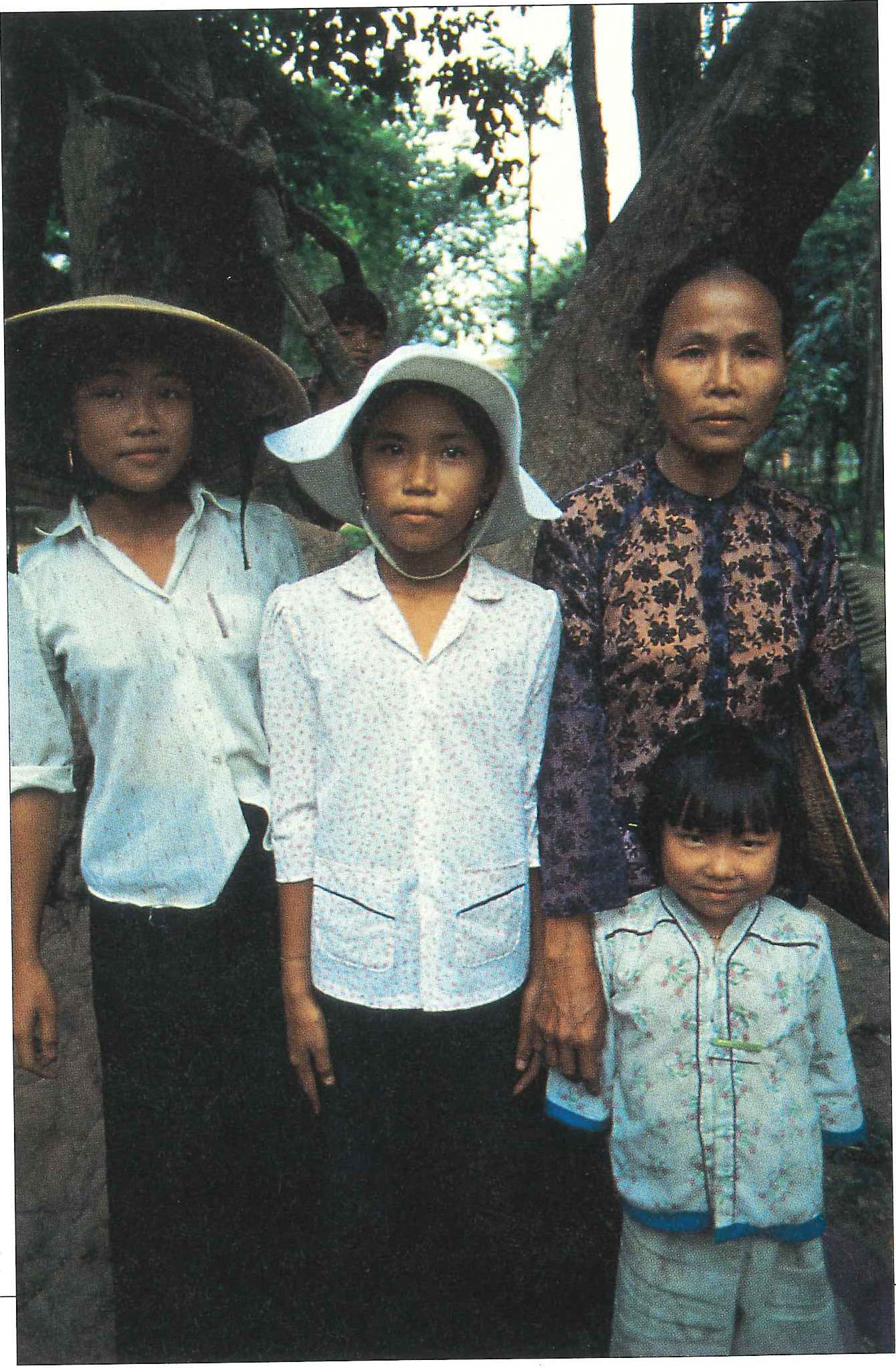
Canada’s new bilateral assistance program in Viet Nam is comparatively modest and is focused on assistance in the development of policy. However, the new collegial manner in which joint EAITC and CIDA planning for this program was undertaken by our two respective departments may have a positive impact on how our two organizations do business together in the future.
Please note that the views expressed by the authors do not necessarily reflect those of their departments.
View the original scanned pages →
Originally published in bout de papier, Vol. 10, No. 2 (1993) — Spring 1993 // Printemps 1993, pp. 10–12. Read the rest of this issue →



